




Introduction to the Rots van Calpe: The Jewel of the Costa Blanca
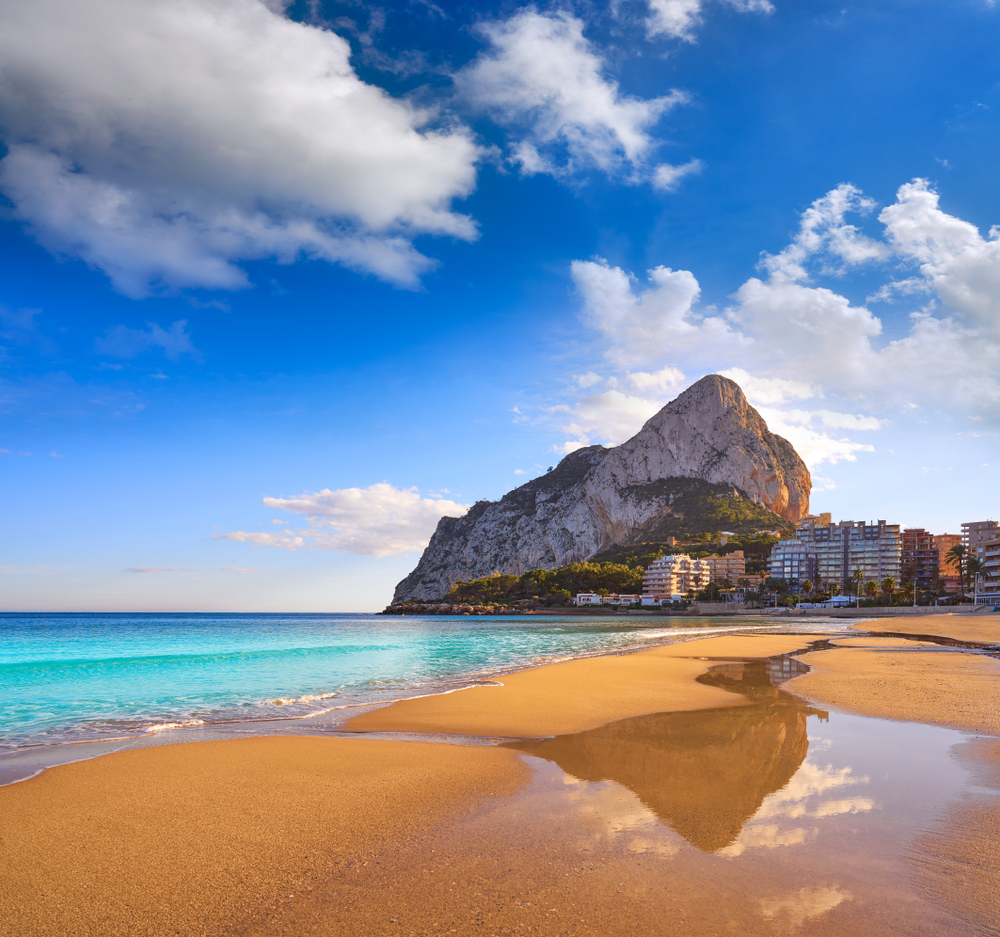
Nestled on the picturesque and sun-drenched coastline of the Costa Blanca, the Rots van Calpe stands as one of Spain’s most recognizable geological wonders. Famous for its imposing presence and dramatic backdrop against the Mediterranean Sea, the iconic rock is an integral symbol of Calpe and the Valencian Community. Beyond its natural allure, the Rots van Calpe—known in Spanish as the Peñón de Ifach—carries centuries of history, unique biodiversity, and cultural significance, making it a must-visit site for both locals and international visitors.
In this in-depth guide, we will explore every facet of the Rots van Calpe, delving into its captivating history, astonishing geology, flora and fauna, recreational opportunities, and its unique role in the region’s culture and economy. Whether you are a passionate traveler, a nature lover, or simply seeking to understand the Costa Blanca’s most iconic landmark, this comprehensive article will illuminate every aspect that makes the Rots van Calpe a genuine treasure of Spain.
Historical Significance of the Rots van Calpe
The story of the Rots van Calpe is deeply entwined with the broader history of the Costa Blanca. Towering 332 meters above the Mediterranean coast, this limestone monolith has been a silent witness to thousands of years of human activity. Its strategic location made it a reference point for sailors in ancient times, a natural fortification for settlers, and a place of myth and legend.
Ancient Roots and Early Inhabitants
Archaeological finds around the Rots van Calpe indicate that the area was inhabited since prehistoric times. Stone tools, ceramics, and remnants of early dwellings have been uncovered, providing evidence of human presence dating back more than two millennia. The proximity to the sea, as well as the natural shelter offered by the rock, made this an ideal location for early communities.
The Phoenician and Roman Eras
During the first millennium BC, the Phoenicians—acclaimed seafarers from the eastern Mediterranean—established trading posts along the Iberian coast. The prominence of the Rots van Calpe served as both a navigational aid and a landmark for ancient maritime routes. Later, the Romans left their mark in Calpe, evidenced by vestiges of fish salting factories and thermal baths, signifying a flourishing settlement adjacent to the rock.
Medieval Legacy
Throughout the medieval period, the Rots van Calpe remained a focal point of power struggles between Christian and Moorish kingdoms. After the Christian reconquest, the rock and its surroundings became increasingly important as a defense post against pirate incursions—a testimony to its enduring strategic value.
Geological Wonders: Formation and Mystique of the Rots van Calpe
The Rots van Calpe is more than a breathtaking landscape feature; it is a geologist’s dream. Detached from the Sierra de Olta and thrust dramatically into the sea, its unique structure has captured the fascination of scientists for generations.
Limestone Origins
Formed over 100 million years ago during the Cretaceous period, the Rots van Calpe is primarily composed of compact limestone. Millions of years of tectonic movement pushed this massive rock upwards, leaving it isolated on the edge of the sea. Erosion and the constant forces of wind and water have sculpted its rugged cliffs and caves, creating the singular profile that we recognize today.
Physical Features
Stretching 1 kilometer in length and rising 332 meters above sea level, the Rots van Calpe boasts sheer walls and dizzying drops, with many hidden crevices and tunnels inside the mountain. The contrast between the verdant lower slopes and the stark, vertical faces emphasizes its dramatic nature, making it one of the most striking promontories in southern Europe.
Natural Park Status: Conservation and Biodiversity
In recognition of its unique ecological value, the Rots van Calpe and its surrounding areas were declared a Natural Park (Parque Natural del Peñón de Ifach) in 1987. This status ensures strict conservation measures to protect its rich biodiversity and fragile environment.
Flora of the Rots van Calpe
Despite the apparent harshness of its rocky terrain, the Rots van Calpe supports a surprising diversity of plant life. Over 400 species have been cataloged, some of which are endemic and cannot be found anywhere else in the world. Hardy shrubs, aromatic herbs, and rare flowers cling to the cliffs, thriving in microclimates created by the differing sun exposure and wind patterns.
- Silene de Ifach: An endangered flower found exclusively on the rock itself, showcasing the Rots van Calpe’s role as a sanctuary for rare species.
- Palmito: The only native palm in Europe, contributing to the park’s unique Mediterranean scrubland.
Fauna and Avian Life
The rock’s precipitous heights and offshore location provide ideal nesting sites for birds, particularly seabirds and raptors. The Rots van Calpe has established itself as a key ornithological site, attracting both scientists and birdwatchers.
- Gulls and Shearwaters: The rugged cliffs offer safe nesting conditions for large colonies of Mediterranean gulls and Cory’s shearwaters.
- Peregrine Falcon: This iconic bird of prey is a year-round resident, often seen gliding along the thermal currents surrounding the rock.
- Wildlife Diversity: Small mammals, reptiles such as the ocellated lizard, and numerous invertebrates contribute to the park’s rich ecosystem.
Marine Environment
Below the surface, the Mediterranean waters around the Rots van Calpe are teeming with marine life. Rocky reefs and submerged caves provide habitat for fish, octopuses, and anemones, creating an underwater paradise for divers and snorkelers.
Cultural Significance: The Rots van Calpe in Art and Tradition
The Rots van Calpe is not only a geological marvel but a central motif in the cultural tapestry of the Costa Blanca. From ancient folklore to modern artistic expressions, its silhouette has inspired countless works of art, literature, and music.
Myths and Legends
In local legend, the rock has been associated with deities and heroes. Some versions describe the Rots van Calpe as the point where Hercules split the mountain, creating a passage between the Mediterranean and the Atlantic. Other stories imbue the rock with protective qualities, watching over the city of Calpe and its people.
Symbolism in Art
Over the centuries, painters and photographers have tried to capture the ever-changing beauty of the Rots van Calpe. Its image graces countless canvases and postcards, always depicted as an enduring sentinel facing the restless sea.
Role in Festivities
The rock also plays a leading role in local celebrations. From religious processions to maritime festivals, its imposing presence provides a dramatic backdrop, reminding residents and visitors alike of their connection to nature and tradition.
Climbing and Outdoor Adventures on the Rots van Calpe
For adventure enthusiasts, the Rots van Calpe offers some of the most exhilarating experiences on the Costa Blanca. The combination of challenging climbs, panoramic vistas, and proximity to the sea makes it a premier destination for both amateur and professional adventurers.
Hiking Trails and Viewpoints
Several well-maintained hiking trails ascend the slopes of the Rots van Calpe, offering hikers the opportunity to immerse themselves in nature while reaching spectacular viewpoints.
- Base Trail: This accessible path winds through the lower part of the park and is suitable for families and casual walkers. Interpretive signs along the way highlight the unique flora and geology.
- Summit Ascent: For the more adventurous, the climb to the summit is a rewarding challenge. The final section of the trail includes tunnels and steep passages, requiring good footwear and caution. The payoff is an unrivaled 360-degree panorama of the Mediterranean coast.
Rock Climbing Paradise
The Rots van Calpe is revered by climbers worldwide. Its limestone faces provide dozens of established routes of varying difficulty, attracting alpinists seeking adventure and a touch of adrenaline. Climbing the Rots van Calpe is not for the faint-hearted, but for many, it represents a once-in-a-lifetime achievement.
Birdwatching Hotspot
With its unique position on migratory routes, the Rots van Calpe is a birdwatcher's paradise. Spring and autumn bring flocks of migratory birds, while rare raptors and resident species delight ornithologists year-round. Observation points and guided tours are available for those seeking to experience the natural spectacle.
Tourism Around the Rots van Calpe: Essential Experiences
The Rots van Calpe is the beating heart of Calpe’s tourism industry. Its allure draws thousands of visitors each year who come to marvel at its beauty, explore its trails, and discover the vibrant town that sits at its base.
Exploring Calpe Town
Calpe itself is a captivating blend of old and new. Visitors can wander narrow streets in the historic old town, visit traditional markets, and admire the remnants of ancient city walls—all while the shadow of the Rots van Calpe creates an unforgettable backdrop.
- Roman Baths and Archaeological Sites: Echoing the town’s Roman past, sites such as the Baños de la Reina provide glimpses into the ancient bathing culture and fish-salting industry that once thrived here.
- Local Gastronomy: The seafood restaurants that line Calpe’s port are famous for their fresh catches, particularly the local specialty, “arroz a banda”—a rice dish closely associated with the Alicante coast.
Beaches and Water Sports
The pristine beaches that flank the Rots van Calpe are among the most beautiful on the Costa Blanca. Fine golden sands and turquoise waters create a Mediterranean paradise ideal for swimming, sunbathing, sailing, and diving. The combination of beach and mountain makes Calpe uniquely attractive for both relaxation and adventure.
Guided Tours and Activities
To fully appreciate the Rots van Calpe’s natural and cultural wealth, a wealth of guided tours are available. From interpretive hikes led by expert naturalists to boat excursions that showcase the rock’s imposing seaward face, these experiences offer unique perspectives on the area’s history and biodiversity.
Sustainable Tourism and Conservation
The popularity of the Rots van Calpe brings with it significant responsibilities. Preserving its fragile environment while welcoming visitors requires careful planning, ongoing education, and a commitment to sustainability.
Preservation Efforts
Authorities have enacted a range of measures to protect the natural park. Visitor numbers are monitored, sensitive areas are closed seasonally to protect wildlife, and strict regulations govern activities such as climbing and fishing. Ongoing research and habitat restoration projects ensure that the Rots van Calpe remains a sanctuary for future generations.
Responsible Visitor Practices
Visitors are encouraged to respect the park’s guidelines. Staying on marked trails, properly disposing of waste, and avoiding disturbance to plants and animals helps maintain the delicate ecological balance. Educational campaigns promote awareness and foster a love of nature among locals and tourists alike.
Community Involvement
Local residents, schools, and organizations play an active role in stewardship. Volunteer clean-up events, educational workshops, and citizen science initiatives all contribute to the ongoing health and resilience of the Rots van Calpe ecosystem.
Economic Impact: The Rots van Calpe as a Catalyst for Development
The presence of the Rots van Calpe has played a pivotal role in shaping the economy of Calpe and the wider Costa Blanca region. Its magnetic appeal drives growth across several sectors, providing employment and stimulating investment in infrastructure and services.
Tourism as the Engine of Growth
The influx of visitors to the natural park and town supports local businesses, from accommodation providers to restaurants, shops, and tour operators. The Rots van Calpe’s iconic silhouette is the centerpiece of countless marketing campaigns, establishing Calpe as a must-see destination on the Costa Blanca.
Real Estate and Lifestyle
The demand for quality housing in and around Calpe has soared, with many drawn by the area’s stunning views, pleasant climate, and proximity to both sea and mountains. The Rots van Calpe enhances property values, offering a unique selling point for homes and developments that overlook this natural wonder.
Fisheries and Maritime Activities
For centuries, Calpe’s prosperity has been linked to the sea. The rock shelters the historic fishing port, which remains a hub for the region’s small-scale fisheries. Seafood caught in these waters is renowned across Spain and forms the foundation of the area’s rich culinary traditions.
Educational and Scientific Importance of the Rots van Calpe
The Rots van Calpe serves as an invaluable outdoor classroom and research site. Scientists, geologists, botanists, and ecologists study its unique features to unravel the mysteries of evolution, climate, and human impact on natural environments.
Geological Research
Ongoing studies of the rock’s formation help scientists understand the tectonic history of the Western Mediterranean basin. Fossils embedded in its limestone tell stories of ancient ecosystems, while stratigraphic layers provide timelines for major geological events.
Biodiversity Studies
Long-term monitoring of flora and fauna informs conservation policies and enriches our knowledge of Mediterranean ecology. Research on the rock’s endemic species contributes to global biodiversity databases and highlights the importance of local conservation action.
Environmental Education
School groups frequently visit the natural park for hands-on lessons in ecology, geology, and cultural history. Interpretive centers and educational trails make learning about the Rots van Calpe accessible and engaging for all ages.
Photography and Artistic Inspiration
The Rots van Calpe’s imposing form and dramatic light have inspired generations of artists, writers, and photographers. No two days are the same—morning mists, midday sunshine, and evening sunsets all transform the rock into a living, breathing work of art.
Best Vantage Points for Photography
From the town’s bustling port and sandy beaches to hidden coves and offshore boat trips, there are countless ways to capture the rock’s beauty.
- Sunrise from Levante Beach: Early risers are rewarded with vibrant colors as the first rays illuminate the eastern face.
- Sunset from La Fossa Beach: Watch as the day ends and the rock’s silhouette is etched against fiery skies.
- Panoramic Shots from the Summit: For those willing to make the climb, the view from the top is nothing short of jaw-dropping, offering endless photographic possibilities.
Artistic Communities
Calpe hosts a thriving artistic community, with local galleries and annual exhibitions celebrating works inspired by the Rots van Calpe. Painters, sculptors, and craftspeople from across Europe have made the town their home, drawn by the light and landscape that fuel creativity.
Seasonal Events and Festivals Inspired by the Rots van Calpe
Throughout the year, Calpe’s social calendar is filled with events that pay tribute to the Rots van Calpe. These festivities reflect the rock’s central role in community life, uniting residents and visitors in celebration.
Romería de la Virgen de las Nieves
One of Calpe’s oldest religious traditions, this pilgrimage honors the patron saint of the town. The processions, set against the rock’s majestic backdrop, culminate in celebrations at the base of the Rots van Calpe, weaving together faith, history, and natural beauty.
Semana Santa and Maritime Processions
Holy Week transforms the town, with solemn processions winding through streets and along the waterfront. The Rots van Calpe serves as a powerful symbol during these rituals, connecting the spiritual and the everyday.
Summer Cultural Festivals
Concerts, open-air cinemas, and food fairs frequently take place in the shadow of the rock. These events foster a sense of community, share local talent, and invite visitors to enjoy Calpe’s rich cultural offerings.
Gastronomy: Culinary Delights of Calpe
The flavors of Calpe are inseparable from the land and sea that surround the Rots van Calpe. The region’s cuisine is a celebration of freshness, simplicity, and traditional craftsmanship, with recipes handed down through generations.
Signature Dishes
- Arroz a Banda: A fisherman's rice dish cooked in flavorful seafood broth, representative of Calpe's maritime heritage.
- Llauna de Calpe: A local delicacy of baked fish and potatoes, seasoned with garlic and olive oil.
- Fresh Seafood: Daily catches from Calpe’s fishing fleet fill local markets and restaurant menus with prawns, octopus, squid, and a variety of Mediterranean fish.
Dining with a View
Seafood restaurants line the port, many offering spectacular terraces with direct views of the Rots van Calpe. Dining al fresco as the sun sets over the bay is a quintessential Costa Blanca experience, enjoyed by locals and guests alike.
Wine and Produce
Local vineyards provide excellent wines to accompany the region’s cuisine. The surrounding countryside yields an array of fruits and vegetables, featured prominently in salads, stews, and desserts served across Calpe’s dining establishments.
Living by the Rots van Calpe: Lifestyle and Community
The presence of the Rots van Calpe bestows a unique sense of place and belonging. Life in Calpe flows at an inviting pace, shaped by the rhythms of the sea and the protections of the rock.
Residential Appeal
Many are drawn to Calpe not only as a holiday destination but as a setting for a primary or secondary home. The town offers the perfect blend of coastal charm, modern amenities, and natural splendor, with the Rots van Calpe anchoring the skyline.
Expat and Multicultural Communities
Calpe is renowned for its international character. Residents from across Europe and beyond are welcomed into a vibrant, multicultural society. Local organizations, cultural associations, and language courses make integration easy and enjoyable.
Health and Wellbeing
With its mild Mediterranean climate, abundant sunshine, and access to both beach and mountain environments, Calpe supports a healthy and active lifestyle. The emphasis on outdoor recreation, fresh cuisine, and community engagement all contribute to physical and mental wellbeing.
Heritage Preservation and the Future of the Rots van Calpe
Ensuring the continued protection and appreciation of the Rots van Calpe is a communal responsibility. As pressures mount from population growth and tourism, maintaining the delicate equilibrium between enjoyment and preservation becomes ever more vital.
Heritage Initiatives
Programs dedicated to exploring and preserving the area’s history are ongoing. Restoration of archaeological sites, documentation of oral histories, and conservation of traditional practices ensure that the legacy of the Rots van Calpe is preserved for future generations.
Environmental Challenges
Climate change, increased visitor numbers, and pollution represent ongoing threats to the rock’s delicate ecosystems. Adaptive management, scientific research, and public participation will be key to tackling these issues and ensuring the Rots van Calpe continues to inspire and sustain.
Conclusion: Enduring Legacy of the Rots van Calpe
The Rots van Calpe is more than just a landmark—it is the soul of Calpe and a beacon for the entire Costa Blanca. Its history stretches back through the mists of antiquity, its cliffs shelter rare plants and animals, and its silhouette invites dreams and adventure. Whether admired from afar or explored up-close, the rock’s powerful presence remains a constant source of inspiration, wonder, and pride for all who encounter it.
From the thrill of a summit climb to the serenity of a sunset stroll along the shore, the experiences centered around the Rots van Calpe are as varied as they are unforgettable. Its value lies not just in the natural beauty or economic opportunity it represents, but in its ability to connect people—across generations, cultures, and perspectives. As visitors and caretakers of this magnificent heritage, the challenge is to safeguard its future while celebrating all that it offers today.
In every stone, flower, and legend, the Rots van Calpe tells a story of resilience, beauty, and community spirit. It will continue to stand watch over the Costa Blanca for centuries to come, an ever-present reminder of nature’s artistry and the unfading allure of Spain’s Mediterranean coastline.