





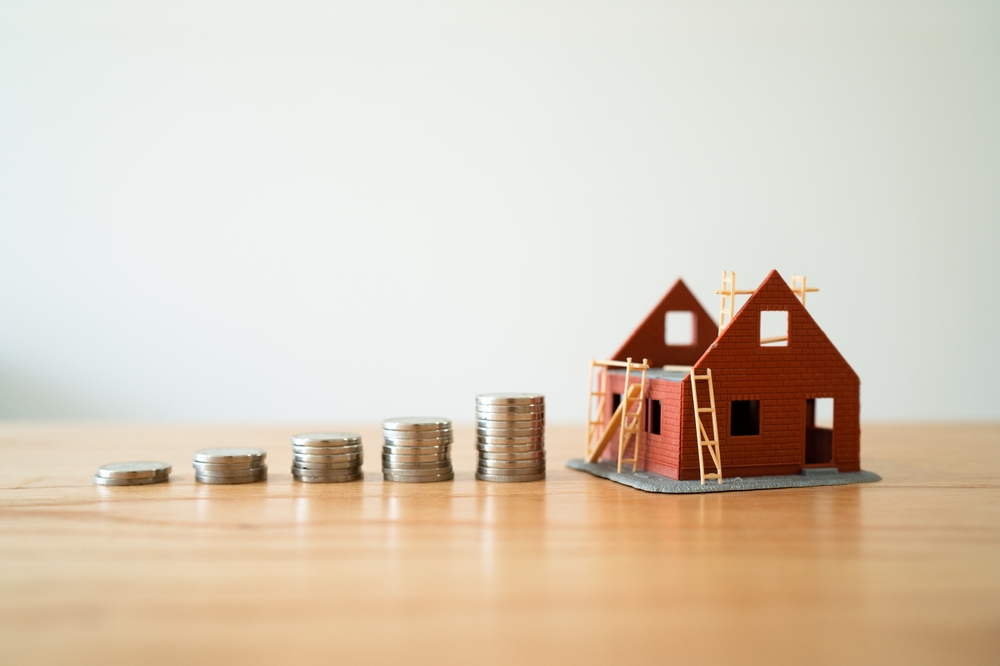
Understanding the Appeal of Building Your Own Home in Spain
Making the decision to build your own home is a life-changing experience—especially when the location is as alluring as Spain. With its diverse landscapes, favorable climate, and enchanting lifestyle, Spain offers a unique canvas for anyone dreaming of crafting their own sanctuary. The thought of designing every detail, from sun-drenched terraces to lush Mediterranean gardens, is undeniably attractive. It promises a home that aligns perfectly with your personal vision, offering comfort, luxury, and a sense of accomplishment.
But beyond the romance of building a new life under the Iberian sun lies a process both complex and deeply rewarding. Understanding every facet is crucial, especially for those considering managing the project independently. This comprehensive guide will explore the motivations, legalities, practicalities, financial implications, and personal rewards associated with building your own home in Spain, ensuring you approach the journey with clarity and confidence.
Why Build Your Own Home in Spain?
There is a myriad of reasons why individuals and families are drawn to constructing their own homes in Spain rather than purchasing pre-existing properties. The Spanish property market is replete with options, but building from scratch brings an entirely different set of opportunities:
- Customization: Design every element to perfectly suit your lifestyle, tastes, and needs.
- Location Choice: Select an exact plot—from rural mountainous terrain to coastal vistas or tranquil countryside.
- Modern Comforts: Incorporate the latest technologies, materials, and sustainable features from the outset.
- Personal Satisfaction: Experience the pride of seeing an idea evolve into a tangible, beautiful reality.
- Long-term Investment: Increase the value of your investment by building to your own high standards and preferences.
Each of these factors plays a significant role in the surge of interest among international buyers, retirees, and investors seeking not just a house, but a unique home and a piece of the Spanish dream.
Legal Framework: What You Need to Know Before Building
Understanding the legal framework is undoubtedly the most critical aspect of building a home in Spain. The Spanish bureaucracy, while structured, is not always straightforward—especially for non-residents or first-time builders. Here’s what you need to address from the very beginning:
Land Ownership and Zoning Laws
Not all land in Spain is legally buildable. Spanish land is classified as suelo urbano (urban land), suelo urbanizable (land that can be urbanized), or suelo rústico (rural land). Only the first two categories generally permit residential construction. Understanding the zoning classification of your plot is essential. Local town halls (ayuntamientos) hold the final say on building permits and land classification.
Building Permits and Licences (Licencia de Obra)
Before breaking ground, you must secure the right permits. The primary permit is the Licencia de Obra Mayor (Major Works Permit), which requires a detailed project designed by a qualified architect and endorsed by the local authorities. Fines for bypassing this step can be severe, including forced demolition.
Architectural Projects and Technical Oversight
Spanish law requires that a certified architect (arquitecto) design the house, and a technical architect (aparejador) oversee the building works. Their collaboration ensures the project meets national and local building codes and safety standards.
Utility Connections and Infrastructure
Not every plot has access to mains water, electricity, or sewage. If you build in a remote area, you may need additional permits and invest in infrastructure such as boreholes, solar panels, or septic systems.
Final Authorisation: First Occupancy License (Licencia de Primera Ocupación)
Once construction completes, the town hall inspects the property to ensure all standards are met before issuing the first occupancy license. Only then can you legally inhabit your new home or connect it to utilities. This is a crucial step often underestimated by international buyers.
Can You Really Build a House Yourself in Spain?
Many dreamers envision personally managing a home build project in Spain, driven by the twin desires for greater control and reduced costs. But what does "doing it yourself" truly mean in the context of Spanish property law and construction standards?
The Reality of Self-Building
Direct self-build (physically taking on the labor yourself) is rare and fraught with regulatory and practical hurdles for non-residents, especially those without trade skills or local language proficiency. However, self-managing the project is entirely feasible and increasingly popular among foreign buyers.
- Project Management: Oversee every aspect personally, from architect selection to contractor supervision and materials sourcing.
- Hands-On Involvement: Participate in smaller non-technical tasks if competent, especially during finishings, landscaping, and interior decoration.
- Hiring Trades: Engage local professionals for the bulk of the technical work to remain compliant with Spanish laws and ensure high build quality.
Ultimately, while you must adhere to Spanish procedures and requirements, you can have a deeply involved, “hands-on” role. Success is founded on project management acumen, patience, sense for detail, and the ability to negotiate in Spanish.
Finding the Perfect Plot for Your Dream Home
Securing the right location is the cornerstone of your construction journey. It’s not merely a matter of scenery or orientation—though those are important—but also a nuanced process involving due diligence, legal confirmation, and long-term planning.
Location, Location, Location
From the dramatic cliffs of Costa Brava to the tranquil orange groves inland from Valencia, each region tells a different story. Considerations include:
- Climate: Coastal areas enjoy milder winters and sea breezes, while inland regions can be hotter in summer and colder in winter.
- Proximity to Services: Factor in amenities such as schools, healthcare, shops, and transport links.
- Views and Orientation: Plots facing south tend to maximize sun exposure—a boon in winter months.
- Community: Decide between isolation for peace or the security and sociability of established communities.
Due Diligence Checks
Every plot must undergo rigorous checks before purchase:
- Land Registry: Confirm clear title and absence of encumbrances or debts.
- Planning Status: Validate that the land is classified for residential construction.
- Existing Infrastructure: Survey for access roads, water, electricity, and drainage connections.
- Topographical Features: Assess elevation, potential flood risk, and soil composition for foundation suitability.
Enlisting local experts for these checks is strongly recommended—this is no place for guesswork.
Designing Your Spanish Home: Inspirations and Practicalities
One of the great joys of building your own house is the chance to tailor every feature to your lifestyle. Spanish home design embraces both tradition and innovation, offering an endless palette of possibilities.
Architectural Styles
- Contemporary: Think open-plan layouts, vast glass expanses, shaded terraces, and clean, minimalist lines.
- Mediterranean: Whitewashed exteriors, terracotta tiles, arched windows, and interior courtyards channeling the spirit of Andalusia or Ibiza.
- Eco Homes: Incorporation of passive solar design, natural materials, and energy-efficient elements for a modern, sustainable dwelling.
Functional Considerations
- Insulation and Ventilation: Essential for year-round comfort, especially in the face of Spain’s varied climate.
- Outdoor Living: Plan pergolas, shaded terraces, and pools to maximize enjoyment of Spain’s celebrated weather.
- Flexibility: Home offices, guest annexes, or rental apartments open future-proof possibilities.
- Smart Home Technologies: Embrace security, automation, and energy-saving devices from the outset.
Local Building Constraints
It is vital to collaborate with architects familiar with local guidelines. Municipalities have different rules over height, footprint, distance from boundaries, facade color, and permitted materials—often to preserve regional character or visual harmony.
The Spanish Home-Building Process: Step by Step
Constructing a house in Spain involves a multi-stage process. Understanding each phase eliminates surprises and sets realistic expectations.
1. Preliminary Research and Planning
This is your opportunity to outline must-haves, wishlist features, and preferred locations. Consult with property professionals to gauge availability and costs.
2. Engaging an Architect
Only registered Spanish architects can submit official plans for approval. Choose a professional who understands local regulations and shares your vision.
3. Securing Permissions
The architect submits the full project for building license approval to the local council. This phase includes:
- Municipal planning evaluation
- Environmental and safety assessments
- Public notices (for neighbors to review and object, if necessary)
4. Contracting Builders and Trades
After permits are granted, select a contractor. Many opt for a “turnkey” solution, while others tender the work out to different companies for each trade (bricklaying, plumbing, roofing, etc.).
5. Construction Phase
Foundations are laid, structures erected, roofing, windows, and systems (plumbing, electrical, HVAC) installed. Your technical architect supervises all works, providing mandatory safety and compliance audits.
6. Inspections and Completion
Building inspectors and the technical architect sign off on finished works. Any deviations from approved plans must be rectified. When all is in order, you receive the certification to apply for the occupancy license.
7. Connecting Utilities and Final Handover
You arrange permanent connections for water, power, and internet. The home is now ready for move-in, registration for property tax (IBI), and enjoyment.
Financial Aspects and Cost Breakdown
A common motivator for self-building is presumed cost savings, but budgeting requires careful assessment. Understanding the full range of expenses—both seen and unforeseen—prevents unpleasant surprises halfway through construction.
Major Cost Categories
- Land Acquisition
Costs fluctuate depending on region, view, and proximity to the coast or major cities. Secure budget flexibility for legal and notarial fees (normally 10-13% of land value). - Architectural and Professional Fees
Expect to spend 5-12% of the construction cost on architect, technical architect, engineers, and surveyors. This ensures compliance and professional supervision. - Municipal Taxes and Permits
Local building tax (“Impuesto de Construcciones, Instalaciones y Obras,” or ICIO) is commonly 4-6% of projected build cost, payable before work begins. - Construction Cost
Highly variable based on quality, design, and region. Standard mid-range construction might be €1,100 to €1,800 per square meter, but luxury or remote builds can exceed €3,000 per square meter. - Utility Connection and Infrastructure
On-site utilities may require significant additional investment if the plot is remote or undeveloped. - Furnishings and Landscaping
Often a hidden afterthought, but integral to the finished home experience. - Contingency
Always allow 10-15% buffer for unforeseen costs, changes, or delays.
Example Cost Calculation for a Family Villa
- Land plot: €180,000
- Professional fees and permits: €40,000
- Construction (220m² at €1,500/m²): €330,000
- Utility connections: €9,000
- Landscaping and pool: €33,000
- Contingency (12%): €72,000
Total: €664,000 (indicative, before furniture and taxes). Regional variation and design can change this significantly, so always prepare detailed quotes before committing.
Financing Your Build: Options and Considerations
Funding a home build in Spain is an adventure in itself. Traditional mortgage lenders are generally more cautious with self-builds, but tailored solutions exist.
Self-Build Mortgages (Hipoteca Autopromotor)
Several Spanish banks offer “self-promoter” mortgages, designed for individuals building their main home. These differ from standard mortgages:
- Staged Releases: Funds are drawn down in phases as construction progresses and key milestones are met, reducing risk for lenders.
- Higher Documentation: Banks typically require approved plans, detailed budgets, and council licenses before releasing money.
- Lower Leverage: Expect to provide a larger initial deposit (often 30-40% of the land and build cost combined).
International Buyers: Additional Hurdles
Non-residents may find lending terms stricter. Proving income abroad, currency exchange fluctuations, and international tax regulations all require careful attention. Consulting with a finance specialist familiar with Spanish law is imperative at the planning stage.
Alternative Funding Routes
- Savings and Cash: Many international clients fund self-builds by releasing capital from properties in their home country.
- Private Lenders: Can be an option, but beware of high interest rates and less consumer protection.
Planning cash flow is crucial; construction is invariably “pay as you go,” with regular demands for payment to contractors and suppliers.
The Role of Experts: Who Do You Need on Your Team?
Regardless of how involved you wish to be in your project, a successful home build in Spain hinges on assembling the right team.
The Core Professionals
- Architect (Arquitecto): Responsible for design, planning applications, and adherence to Spanish law.
- Technical Architect (Aparejador): Supervises construction, manages technical compliance, and signs off at key stages.
- Construction Company (Constructora): Executes the build—essentially the “boots on the ground.”
- Lawyer (Abogado): Assists with land checks, contracts, and ensuring legal safety throughout the process.
- Surveyor (Topógrafo): Maps the land for planning and foundation strategy.
- Project Manager: Optional, but invaluable for non-Spanish speakers or those unable to supervise works daily.
The Importance of Local Knowledge
Even experienced property professionals stress the importance of local expertise. Spanish regions can differ significantly in their regulatory approaches, building traditions, and municipal application requirements. A team familiar with the municipality and its officials smooths the path and facilitates swift problem-solving if issues arise.
Managing Risks and Avoiding Pitfalls
Home-building projects, especially abroad, carry inherent risks. Many of the horror stories circulating around Spanish property involve buyers circumventing legal requirements or misunderstanding local customs. Staying informed and vigilant ensures that risks are minimized.
Key Risk Areas
- Unbuildable Land: Make no offers or payments until legality and buildability are confirmed in writing.
- Unauthorized Construction: Building without proper permits can result in hefty fines or demolition orders.
- Delays and Overruns: Construction timelines may stretch due to weather, supply issues, or bureaucratic delays. Insist on a realistic schedule and build-in penalties.
- Cost Inflation: Lock down quotes with reputable builders and keep a vigilant eye on expenses.
- Language Barriers: Miscommunication can lead to costly mistakes. Engage bilingual professionals or translators when necessary.
Top Tips for Success
- Insist on comprehensive written contracts for every stage and supplier.
- Schedule regular site visits, either personally or via a trusted project manager.
- Keep meticulous records of payments, certifications, and correspondence.
- Maintain ample financial reserve for unexpected scenarios.
- Plan for possible delays in utility hookups and legal registrations at the end of the project.
Sustainable Construction: Embracing the Future in Spain
Spain is at the forefront of the green building movement in Europe, thanks to its climate and rapidly evolving construction industry. If ecological responsibility is important to you, integrating sustainable features from the outset is both a moral choice and an upgrade to lifestyle quality.
Eco-Friendly Materials
Opt for locally sourced stone, sustainably harvested timber, or recycled insulation materials. Spanish suppliers increasingly cater to green-conscious clients, and incentives may be available in some municipalities for eco builds.
Energy Efficiency
- Solar Panels: The Spanish climate offers enormous potential for energy independence.
- Insulation and High-Performance Windows: Reduce heating and cooling needs drastically year-round.
- Efficient Water Systems: Rainwater collection and greywater recycling are increasingly popular in new homes.
- Geothermal Heating: A forward-looking option for those building in regions with variable climates.
Regulatory Requirements
Recent updates to Spain’s building codes demand higher levels of efficiency for new construction. Your architect will guide you through necessary tests, certifications, and applicable incentives for sustainable homes.
Integrating Spanish Lifestyle Into Your Home
Building your own home in Spain isn’t just about managing bricks and mortar—it is, at its heart, about embracing a lifestyle. A truly special Spanish home integrates the rhythms, joys, and values of its context.
From Siesta to Fiesta: Harmonize with the Climate
Design spaces to enjoy the midday sun or retreat in cool, shaded interiors. Outdoor kitchens, intimate patios, and rooftop terraces make entertaining and relaxing year-round a breeze.
Local Architecture and Craft
Work with artisans for hand-painted tiles, wrought ironwork, or traditional carpentry details. These touches infuse your home with genuine Spanish flavor that resonates for generations.
Gardens and Outdoor Spaces
Native planting, citrus trees, olive groves, and Mediterranean herbs create lush but drought-resistant grounds. Pools, fountains, and shaded loggias expand living outdoors—a Spanish essential.
Cost Control and Optimisation: Tips for Staying on Budget
Cost overruns are the bane of all construction projects, even more so when building abroad. Diligent budgeting and ongoing oversight ensure your Spanish dream doesn’t become a financial nightmare.
Planning and Visibility
Start with a comprehensive, itemized budget and revisit it regularly. Require builders to provide fixed-price contracts wherever possible.
Value Engineering
- Focus on essentials; high-quality structure and insulation yield long-term savings.
- Spend strategically on features that enhance lifestyle and resale value: outdoor living, kitchen, bathrooms.
- Consider phased construction for landscaping or annexes that can be built later if budgets are tight.
Supplier Relationships
Procure materials locally to reduce costs and support local business. Larger orders or advance payments may attract discounts, but balance this against possible delivery and storage challenges.
Final Steps: Moving In and Settling Down
The end of construction signals the beginning of an exciting new phase. Final steps focus on paperwork, utility connections, house registration, and—crucially—making your house a home.
Utility Sign-Offs and Registrations
Arrange for permanent electrical and water meters. Apply for address registration at the local town hall, and set up property tax payment arrangements.
Furnishing and Personalization
Now is the time to choose furniture and decorative items that reflect your tastes and tell your story. Use local artisans and shops to source unique pieces with a Spanish soul.
Community Integration
Introduce yourself to neighbors and local store owners, and participate in village festivities or associations. This not only builds friendships but also connects you with valuable local knowledge and support.
Real-Life Stories: Building a Home in Spain
For many, the journey from initial dream to completed home is a story filled with challenges, triumphs, and transformation. Here are typical narratives and insights from international home builders who chose the Spanish self-build route.
Motivations and Milestones
- Pursuit of a warmer, healthier lifestyle for retirement or family growth
- Desire to invest in a high-quality, bespoke residence
- Return to ancestral roots or year-round holiday home possibilities
Lessons Learned
- The value of fluent local support for documents, negotiations, and problem-solving
- Financial discipline and the need for contingency funds
- The joy in creating spaces tailored precisely to taste and lifestyle
Unexpected Rewards
Owners repeatedly describe deep satisfaction and pride in their completed homes, strengthened family bonds from shared project management, and the friendships forged with local tradesmen and neighbors.
The Long-Term Value of Building in Spain
A custom home in Spain is not just a private retreat, but an asset that stands to appreciate in value. Careful planning and design, marrying modern convenience with timeless Spanish touches, ensure lasting appeal for years to come.
Marketability and Resale
Properties built to a higher standard, with energy efficiency and thoughtful design, are increasingly sought after. Should your circumstances change, a well-located, beautifully built home is always in demand both for sale and as a high-end rental.
Quality of Life Enhancements
The true return on investment comes in daily enjoyment: sunlight, freedom, security, and the knowledge that your home is entirely and uniquely yours. This is the Spanish lifestyle at its finest.
Is a Self-Build in Spain Right for You?
Building your own home in Spain is a bold endeavor demanding commitment, organization, and trust in your hired professionals. For those with the passion and patience, it is a route to unmatched rewards: a custom residence, unforgettable experiences, and a lasting legacy.
Carefully weigh your financial readiness, availability for project oversight, and appetite for paperwork and problem-solving. For many, the scales tip resoundingly towards “yes,” ushering in a lifestyle—and a story—that will be cherished for generations to come.
Next Steps: Starting Your Spanish Home Build Journey
If you’re inspired to explore this adventure, begin by researching the regions, contacting local architects, and seeking the support of property professionals who understand your vision and the nuances of Spanish law. With careful planning, diligent oversight, and a spirit of discovery, your new life in Spain is within reach—one brick, dream, and sunbeam at a time.
Your Vision, Realized
Whether you seek tranquility, vibrant social living, or a blend of both, building your own home offers a path not just to a property, but to a deeply personalized, Mediterranean lifestyle. Each decision along the way is a step toward a brighter, warmer future—yours to shape entirely.
Frequently Asked Questions about Building a House in Spain
1. Can a foreigner buy land and build a house in Spain?
Yes, foreigners can both purchase land and construct homes in Spain, subject to standard legal requirements. There are no blanket restrictions, but expect thorough documentation checks and validation that your intended use aligns with municipal plans.
2. How long does it take to build a house in Spain?
While timelines vary, expect 9-18 months from design to completion for a standard villa, assuming smooth permit processing and no major delays. Add time for land purchase, planning, and any necessary infrastructure installation.
3. What are the most common challenges for self-builders?
- Navigating Spanish bureaucracy and documentation in another language
- Ensuring all licenses and legal formalities are secured before and during construction
- Finding reliable architects, builders, and tradesmen, especially in rural or less developed areas
- Cost control and transparent accounting
- Managing ongoing communication from afar, if not resident in Spain throughout the process
4. Is self-building always cheaper than buying a finished home?
Potentially, but not guaranteed. Custom features, infrastructure needs, and regulatory costs can escalate. Many find costs comparable to premium resale properties but gain value from personalization and quality control.
5. What are the first steps to get started?
- Research your preferred regions and get to know local rules and costs.
- Identify buildable plots with clear legal status.
- Consult with legal and architectural experts early.
- Prepare a cohesive budget and assess financing options.
6. Can I live in my house before all works are finished?
No. You may only occupy your new build once the local council issues the Licencia de Primera Ocupación, certifying the property is safe, complete, and connected to utilities.
Conclusion: Making the Spanish Dream a Reality
Building a house in Spain, even in a self-managed format, is a journey rich in opportunity. With expert guidance, a clear vision, and a commitment to due diligence, the result is not just a beautiful residence, but a home infused with soul and sunshine.
Trust your instincts, surround yourself with skilled, reputable professionals, and savor the process. The path may be complex, but the rewards—enduring beauty, vibrant lifestyle, and a home to cherish—are more than worth the effort.
Your Spanish home, designed and built to your exacting standards, awaits. Begin exploring your options today, and take the first confident step toward living your Spanish dream.