





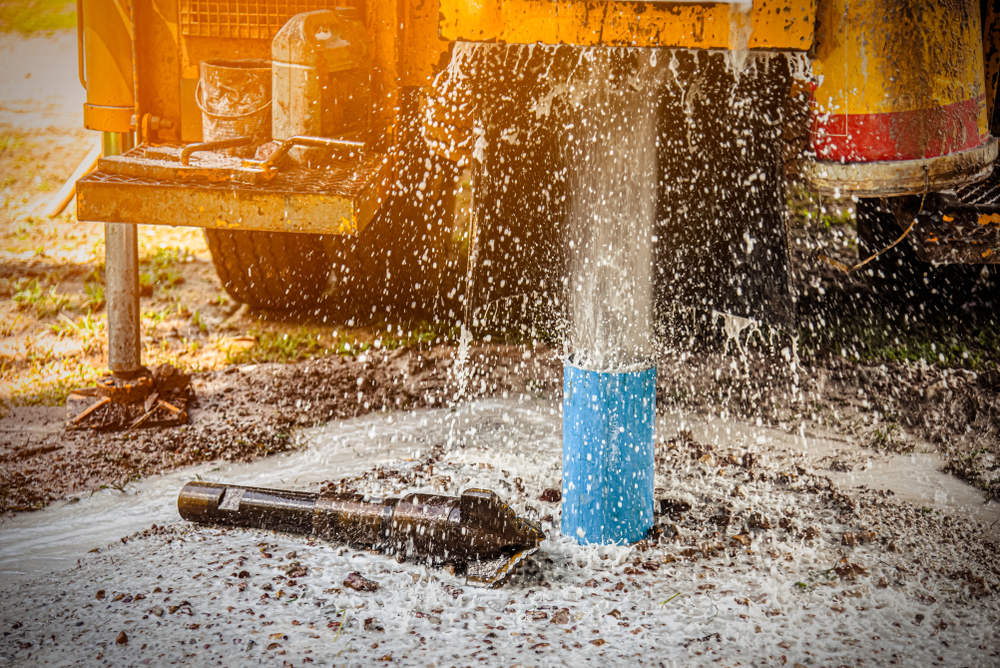
Introduction: Water Wells in Spain—A Vital Resource
Water is one of humanity’s most precious resources, and nowhere is this more evident than in Spain, where climate, geography, and increasing demand present both challenges and opportunities for sourcing water. The question, “Kun je een waterbron slaan in Spanje?”—Can you dig a water well in Spain?—resonates with property owners, entrepreneurs, and agricultural professionals alike. This comprehensive guide provides an in-depth exploration of the legal, technical, and practical aspects of accessing groundwater in Spain, as well as the broader environmental and societal context surrounding private water wells.
The Importance of Water Wells in Spain
Spain is characterized by a Mediterranean climate, marked by hot, dry summers and irregular rainfall patterns. These conditions, combined with the needs of agriculture, industry, and growing residential developments, make water management crucial. In many rural regions, access to municipal water is limited, which makes private wells a vital solution for homes, farms, and businesses.
- Resilience: Ensuring access to groundwater safeguards property owners and businesses during periods of drought.
- Independence: A private water well can free landowners from reliance on external utilities and fluctuating water bills.
- Value: A functional water source can significantly increase the value of rural properties.
However, the process of creating a water well (“een waterbron slaan”) is subject to complex regulations and requires a careful consideration of technical, environmental, and legal factors.
Spanish Groundwater Law and Regulation
The legal framework for well drilling in Spain is intricate, reflecting the country’s need to balance development with the protection of natural resources. All water, including groundwater, is defined as public domain under La Ley de Aguas (Water Law), meaning it belongs to the state. Therefore, private individuals or businesses must meet strict requirements to access it.
Understanding “Cuencas Hidrográficas”
Each region (hydrographic basin or cuenca hidrográfica) is overseen by a basin authority, typically called the Confederación Hidrográfica. This institution manages permits and ensures groundwater protection.
- Permits Required: Even for small wells for personal use, formal authorization is mandatory.
- Regional Differences: Standards and procedures may vary between regions, but all align with the core national law.
Types of Water Well Permits
- Concession (concesión): For extracting water beyond personal, domestic use or for commercial purposes.
- Declaration of Minor Utilization (declaración responsable): For small-scale wells, typically supplying under 7,000 m³ per year per property.
Regulations are strictly enforced, with hefty penalties for unauthorized extraction.
The Application Process for Drilling a Well
Navigating the application process is crucial to avoid legal and financial pitfalls. The steps are rigorous and designed to ensure the sustainable exploitation of water resources.
Step 1: Initial Feasibility Study
- Hydrogeological Survey: A certified geologist assesses the presence of groundwater, water quality, and the environmental impact of extraction.
- Site Selection: Identifying the optimal location on your property, factoring in proximity to septic tanks, potential pollutants, and land stability.
Step 2: Preparing the Application
Applicants must submit a detailed proposal to the relevant Confederación Hidrográfica, including:
- Property deeds/cadastral reference
- Hydrogeological report
- Technical description of the proposed installation
- Planned water use and annual extraction estimates
- Environmental impact assessment (where required)
Step 3: Public Notice and Objection Period
Submitted applications are published to allow for objections, typically from neighboring property owners or environmental groups concerned that the new extraction might impact local water tables or ecosystems.
Step 4: Permission and Licensing
- If no serious objections are raised, the Confederación issues either a temporary or permanent permit, outlining maximum volumes and operational obligations.
- Permits are usually limited in duration (10 to 25 years) and subject to renewal.
Obtaining approval may take several months to over a year. It is imperative not to begin drilling until you have secured written authorization.
Technical Aspects of Well Construction
Constructing a water well in Spain requires technical expertise, from preliminary surveys to the installation of pumps and filtration systems. Hiring certified professionals ensures compliance with regulations and guarantees potable water quality.
Well Types: Bored vs. Drilled
- Hand-dug/Bored Wells: Suitable for shallow aquifers, but relatively rare due to stricter safety and hygiene standards.
- Drilled Wells: The most common method, using rotary drilling equipment to reach depths of 50 meters or more, depending on groundwater availability.
Materials and Components
- Steel or PVC casing to stabilize the borehole
- Screens to filter out sand, silt, and debris
- Gravel packing for added filtration
- Submersible pump suited to the well’s depth and capacity
- Water storage and pressure tank
Pumping and Filtration Systems
Depending on the intended use (irrigation, household supply, industrial processes), the installation may include advanced filtration to remove minerals, bacteria, or chemical contaminants. Water quality testing is legally mandated before using well water for drinking.
Costs Involved in Drilling a Well in Spain
Drilling a water well is a significant investment. Actual costs vary widely due to factors like local geology, well depth, access conditions, and the sophistication of required pumping and treatment systems.
Breakdown of Expenses
-
Permitting and Survey Costs
- Hydrogeological Study: €1,000–€2,500
- Engineering/Technical Design: €500–€1,500
- Permit Application Fees: €250–€800
-
Drilling and Construction
- Drilling: €40–€100 per meter, depending on terrain and depth
- Well Casing, Screens, Pump: €2,000–€7,000
- Filtration System (if needed): €1,000–€4,000
-
Operational and Maintenance Costs
- Annual Water Testing: €100–€350
- Licensing Renewal: €100–€400 (every 10–25 years)
- Routine Maintenance or Repairs: Variable
Cost management is one reason why partnering with an experienced team is so crucial.
Environmental Considerations and Sustainable Use
Spain faces growing pressure to protect its aquifers from over-extraction, pollution, and climate-induced depletion. As a result, well-owners must observe strict guidelines to ensure sustainable and environmentally friendly water use.
Key Responsibilities for Well Owners
- Water Metering: All wells must have certified meters to report usage as required by law.
- Well Protection: Proper capping, fencing, and signage are mandated to prevent contamination or unauthorized access.
- Regular Testing: Monitoring for nitrates, heavy metals, and pathogens protects both user health and local ecosystems.
- Sustainable Extraction: Never exceed extraction limits established in your permission, even during drought years.
Impact on Local Ecosystems
Poorly managed wells can decrease river flows, upset groundwater-dependent habitats, and contribute to land subsidence. Proper site choice, responsible extraction, and regular reporting are both ethical obligations and legal requirements.
Regional Variations Across Spain
Spain’s geographic diversity means that well-drilling regulations and groundwater availability differ across provinces. Understanding local distinctions is essential to a successful project.
Key Regional Notes
- Andalusia: Agriculture-driven demand and periodic droughts make permits especially stringent. Priority is often given to registered farmers and long-established agricultural land.
- Valencia and Murcia: Groundwater is a lifeline for citrus and vegetable farmers. Illegal wells and over-extraction are ongoing concerns, so inspections and reporting obligations are demanding.
- Catalonia: Focuses heavily on both environmental impact and urban-rural water balance. Technical documentation is scrutinized carefully by the Agència Catalana de l'Aigua.
- Northern Spain (Galicia, Basque Country): Greater rainfall means groundwater is less scarce, but terrain can complicate drilling logistics.
- Aragón & Castilla-La Mancha: These arid regions often declare over-exploited aquifers, imposing seasonal restrictions or quotas.
Always consult the basin authority governing your cuenca hidrográfica for specific application protocols and quotas.
Common Pitfalls and Legal Risks
Failing to comply with legal procedures can lead to consequences far more expensive than any savings achieved by sidestepping bureaucracy. It is critical to avoid the following pitfalls:
- Unlicensed Drilling: Unauthorized wells are subject to immediate shutdown, hefty fines (often above €10,000), and possible legal action.
- Understating Project Size: Misrepresenting extraction volumes or the true nature of intended use can invalidate your permit and provoke criminal sanctions.
- Neglecting Reporting Obligations: Annual usage declarations are mandatory. Missing submissions can lead to fines or permit revocation.
- Poor Technical Execution: Non-compliant well construction risks contamination and may require costly remediation or reconstruction.
- Cross-Border Conflicts: In communal or shared aquifers, disputes with neighbors can arise. Proper legal surveying and clear documentation prevent future litigation.
Integrating Well Water into Property and Farm Systems
Once permitted and operational, a well must be seamlessly integrated into the infrastructure of your home, farm, or commercial facility.
Water Storage and Distribution
- Storage Tanks: Provide a buffer to manage usage peaks and keep pump operation efficient.
- Piping Networks: Professional installation and insulation (especially in mountainous areas) are critical for reliability.
- Automation: Timers, flow sensors, and remote controls streamline irrigation or household supply management.
Water Quality Management
- Testing Protocols: Adherence to Spanish and European standards ensures water safety for drinking, livestock, or crop use.
- Filtration and Softening: Address local water characteristics (e.g., high calcium/“hard” water in Levant) for optimal appliance longevity and crop productivity.
Alternative Uses and Added Value
- Permitted wells can support gardens, ornamental ponds, swimming pools, and agro-tourism projects, provided that extraction limits are respected.
- Excess capacity may sometimes be shared with neighbors (subject to an additional concession and water-sharing contract).
Step-by-Step Case Study: From Permit to Flowing Water
To illustrate the process, consider the journey of a hypothetical property owner in rural Valencia wishing to install a private well:
- Site Selection and Hydrogeological Survey: Certified engineers identify a suitable spot 40 meters from outbuildings and 100 meters from the nearest septic tank.
- Application Preparation: Technical dossiers, maps, and environmental statements are compiled.
- Submission and Public Notice: The application is filed with the Confederación Hidrográfica del Júcar. Notification is posted for four weeks.
- No Objections, Permit Issued: With technical approval and no valid objections, a 5-year renewable permit for 6,000 m³/year is granted.
- Well Drilled to 52 Meters: Drilling and casing are performed, and a certified submersible pump is installed.
- Connections and Testing: Water is piped to a storage tank and home tap, then tested for chemical and bacteriological safety.
- Operational Use and Ongoing Responsibilities: Monthly meter readings are submitted, and annual chemistry tests confirm water quality.
This stepwise process is broadly representative but must always be tailored to local regulations and specific property conditions.
Frequently Asked Questions (FAQ) About Water Wells in Spain
1. Can foreigners own and operate a private well in Spain?
Yes. Both resident and non-resident property owners may apply for well permits, provided they hold clear legal title to the land and meet all regulatory requirements.
2. How long does the permit process take?
Setting realistic expectations is crucial. Depending on workload at the authority, complexity, and potential objections, the process may take 4–18 months from application to drilling.
3. Is water from wells always potable?
Not necessarily. Well water may require treatment to meet drinking standards due to naturally occurring minerals or human-caused contamination (nitrates, pesticides). Professional water analysis is essential before consumption.
4. What is the maximum amount of water that can be extracted?
Permits stipulate annual extraction caps. For personal/domestic use (“uso doméstico”), this is rarely more than 7,000 m³ per year and typically much less. Larger volumes or commercial extraction require a full concession.
5. Can a well be drilled on urban land?
Urban regulations may prohibit drilling wells on certain plots due to dense groundwater networks, infrastructure, or zoning restrictions. Always check municipal and basin authority rules.
The Role of Professional Guidance: Ensuring Success
The complexity of Spanish water law, technical requirements, and environmental obligations make professional assistance indispensable. At every stage, partnering with experts—engineers, licensed geologists, and seasoned legal advisors—ensures full compliance and project success.
What Professional Support Involves
- Precise hydrogeological mapping to maximize success and minimize environmental impact
- Preparation of all applications and technical reports as required by law
- Supervision of drilling and installation for robust, long-lasting wells
- Ongoing regulatory compliance, including reporting and water testing
Relying on experienced guidance minimizes risks and maximizes the operational lifespan of your investment.
Modern Developments and Technological Advancements
The future of private well construction is increasingly shaped by technology:
- Remote Sensing and Satellite Surveys: Non-invasive mapping of aquifers before any ground is broken
- Automated Monitoring Systems: IoT-connected meters simplify reporting and alert owners to abnormal usage or leaks
- Advanced Filtration: Integration of organic filters, reverse osmosis, and UV disinfection for ultra-low contaminant levels
- Energy-Efficient Pumps: Solar-driven and variable-speed pumps help lower operational costs and environmental impact.
Embracing innovation can optimize every stage of well operations, from approval to daily use.
Special Considerations for Agricultural Operations
For landowners whose primary objective is agricultural irrigation, there are additional factors to consider when planning a well in Spain.
Water Rights and Irrigation Communities
- Many large agricultural parcels participate in Comunidades de Regantes—legal status collectives managing water allocation from rivers, reservoirs, or wells.
- Joining or forming a regantes association may provide access to shared infrastructure and enhanced negotiating power with basin authorities.
Crop-Specific Water Requirements
- Fruit trees, olives, and vineyards require different irrigation regimes and water qualities. Salinity, mineral composition, and pH are all critical to crop yields.
- Automation with climate and soil-moisture sensors can drastically improve irrigation efficiency, reducing total well extraction and supporting sustainable farming.
Compliance with Environmental Directives
- Large wells and associated works must demonstrate adherence to European Directives on nitrate protection, especially in “vulnerable zones.”
- Regular soil and water audits are often part of ongoing environmental obligations.
The Future of Private Groundwater Access in Spain
Spain’s commitment to European sustainability goals, combined with population growth and the rise of new water-intensive industries, means that pressure on groundwater resources will only intensify. In the coming years, several trends will shape how property owners and farmers can access and use wells:
- Increased Digitalization: Authorities are rolling out online permitting and reporting platforms to streamline compliance and monitor aquifer health more effectively.
- Higher Environmental Standards: Expect more frequent inspections, updated water quality requirements, and tighter extraction limits, particularly in drought-prone regions.
- Public Awareness and Scrutiny: Instances of illegal well use or aquifer damage are being met with increased penalties and public campaigns against irregular groundwater exploitation.
Responsible private well owners who invest in efficiency, transparency, and environmental stewardship will be best placed to thrive in this evolving landscape.
Maintenance and Longevity: Protecting Your Investment
Long-term value depends on routine care and periodic assessments. Proper well maintenance preserves water quality, reliability, and legal standing.
Annual and Seasonal Checks
- Pump Inspections: Address mechanical wear and check for abnormal noises or reduced flow rates.
- Water Level Monitoring: Measure static and dynamic levels to detect declines or signs of aquifer stress.
- Contamination Screening: Test for common rural and agricultural contaminants—nitrates, bacteria, and emerging pollutants.
Remediation and Upgrades
- If water quality is compromised, options include relining, deeper drilling, or upgrading filtration systems.
- Technology upgrades (e.g., solar pumps, smart meters) can increase efficiency and reduce operational costs.
Regulatory Renewal
- Don’t overlook license renewal! Authorities may request updated water use plans or impact assessments at the time of extension.
Proactive stewardship is vital for safeguarding this valued resource and maintaining property or operational value.
Conclusion: Can You Dig a Water Well in Spain?
The answer is yes: you can legally and responsibly access your own water source in Spain, provided you fully comply with the demanding legal, technical, and environmental regimes established to protect this shared resource. The process requires patience, expertise, and ongoing vigilance, but the rewards—independence, resilience, and increased property value—are substantial.
Whether you are seeking self-sufficiency for your rural finca, supporting agricultural activities, or simply aspiring to live more sustainably, careful planning and commitment to the law are non-negotiable. The landscape for private wells in Spain will continue to evolve, but by staying informed and working with qualified professionals, property owners can ensure a stable and secure water supply for generations to come.
IMMO ABROAD stands ready to provide the expertise, connections, and guidance necessary to help you realize your water security goals, every step of the way.
Glossary: Key Terms Related to Water Wells in Spain
- Agua Subterránea: Groundwater. The water found beneath the earth’s surface in aquifers.
- Concesión: Water right or concession; permission for large-scale water extraction.
- Cuenca Hidrográfica: Hydrographic basin; region managed by a water authority.
- Confederación Hidrográfica: Regional water authority responsible for resource management and permits.
- Declaración Responsable: Simplified permit process for small, domestic wells.
- Perforación: Drilling or boring, the process of constructing a well.
- Nitratos: Nitrates, common contaminants in agricultural areas.
- Uso Doméstico: Domestic (personal) water use, as opposed to agricultural or industrial.
- Pozo: Well.
Appendix: Resources and Next Steps
For aspiring well owners in Spain, the journey from curiosity to flowing water is both challenging and rewarding. Whether you are in early-stage planning or seeking help with technical compliance, connecting with experts and preparing robust documentation is vital. Maintain clear records, factor in long-term maintenance, and always stay apprised of potential legal changes in your region. Water is—and will remain—a strategic asset. Care for it wisely, and your property will yield benefits for decades to come.
For tailored guidance, comprehensive support, and access to the region’s finest technical specialists, IMMO ABROAD remains at your side throughout the entire process of well planning, approval, construction, and ongoing operation in Spain.