



Understanding Tree Removal in Your Spanish Garden: Legal Framework and Permissions
Tree removal, or "boom verwijderen," in your garden in Spain is often a multifaceted process. It involves intricate legal, ecological, and practical considerations. Unlike simply pruning shrubs or managing a hedge, removing a tree—especially a mature one—can have environmental implications and may be subject to local and national regulations. In this in-depth guide, we explore all perspectives surrounding the removal of a tree in your Spanish garden: what is legally required, when you are obliged to seek permission, the role of municipalities, and how IMMO ABROAD can guide and support you through every step of the process.
The Legal Landscape for Tree Removal in Spain
Spain’s approach to environmental management, particularly regarding flora, is structured and rigorous. Laws can differ significantly not only between autonomous communities but also between municipalities. Owners of private gardens must therefore familiarize themselves with the legal landscape before undertaking tree removal.
Generally, urban ordinances regulate what can be planted, pruned, or removed. If your garden is situated within a “núcleo urbano”—the inhabited and regulated area of a town or city—municipal laws (ordenanzas municipales) are especially relevant. Moreover, Spain’s Heritage and Environmental Protection Laws (such as Ley del Suelo and Ley de Patrimonio Natural y de la Biodiversidad) may impose added layers of regulation in protected zones.
Protected Species and Conservation Areas
A critical consideration is whether the tree you wish to remove is of a protected species or is located within a conservation area (zona protegida). Certain species native to Spain, such as cork oaks (Quercus suber), holm oaks (Quercus ilex), and some ancient olive trees (Olea europaea), are heavily guarded by strict regulations. Removal, transplant, or any injury to such trees is legally classed as an offense and may result in substantial fines.
Similarly, homes situated near nature reserves, coastal protection zones, or within the perimeters of a town listed for historic protection (Bien de Interés Cultural) fall under extensive landscape and environmental protections. Always verify if your property or garden falls within such boundaries before proceeding.
Municipal Ordinances: Your First Port of Call
At the local level, nearly every municipality in Spain has its own set of regulations governing the removal of trees on private property. These ordinances differ, but some common stipulations include:
- Tree age and circumference: Older trees or those with a certain trunk girth typically require permission to be removed.
- Licensing process: An application or license (licencia de tala) may be needed, often requiring a justification for removal and sometimes an inspection by a municipal technician.
- Replacement requirements: In certain cases, you may be obligated to plant a new tree or provide compensatory planting elsewhere.
- Logging and transport: Special permits may be needed for the movement or commercial use of the felled wood, especially with protected species.
- Fines and penalties: Unauthorized tree removal can attract fines, legal action, or even criminal charges for significant environmental impact.
A visit to your local town hall (ayuntamiento) remains the best first step before any tree work. They can provide official guidance, the necessary forms, and direct contacts for municipal environmental or gardening technicians.
Environmental Considerations: Why Tree Protection Is Strict
Spain places substantial value on its flora, not only for aesthetic and cultural reasons but also for the vital ecological services trees provide. Removal of mature trees can fundamentally alter the local ecosystem, impacting:
- Biodiversity: Trees serve as habitat for numerous bird, insect, and mammal species.
- Climate regulation: Trees help moderate temperature, providing shade and humidity in hot Mediterranean zones.
- Soil conservation: Their roots prevent erosion and improve soil stability, vital for the hilly regions of Spain.
- Air quality: Through photosynthesis, mature trees absorb pollutants and provide a much-needed carbon sink.
- Aesthetics and heritage: Many Spanish towns pride themselves on age-old avenues and garden trees, integral to local identity.
The law thus weighs the pros and cons seriously, prioritizing conservation and only permitting removal for strong, well-justified reasons.
When Is Tree Removal Justified? Valid Motives and Municipal Approval
The local architecture and landscaping codes generally accept a few legitimate grounds for tree removal from private gardens:
- Public safety: Trees that are dead, diseased, or structurally unsound and risk falling in a storm may be removed to safeguard people and property.
- Damage to property: Trees whose roots threaten building integrity (e.g., uplift of foundations, walls, or pipes) can often be removed.
- Overcrowding or maintenance: If trees are planted too densely, thinning may be permitted to allow for healthier growth.
- Allergies and health: Rarely, serious medical allergies or other health hazards may justify removal.
- Urban planning: Approval may occasionally be granted for development or renovation projects, provided landscape restoration plans accompany the application.
In all cases, however, the burden of proof falls on the property owner. Documentation—such as photographic evidence, technical reports from certified arborists, or medical certificates—may be needed to strengthen your application to the municipal authorities.
The Permission Process: Step-by-Step Guidance
Navigating municipal bureaucracy for tree removal can be daunting for both local Spaniards and foreign property owners. However, with proper guidance, the process involves clear stages:
- Initial assessment: Begin by identifying the species, approximate age, and health of the tree. Note its location with respect to property boundaries, pathways, and buildings.
- Consult municipal ordinances: Acquire the current tree management regulations from your ayuntamiento. Many towns now make these available online or at the town hall’s environment desk.
- Prepare documentation: Gather photographs, reports (from an arborist or other expert if necessary), property deeds, and a written justification.
- Submit application: Complete the license request (solicitud de licencia de tala) and hand in all documents. Application fees may apply.
- Technical inspection: A technician from the environment department may visit your property to verify the situation.
- Decision notification: The municipality will communicate approval (or denial) in writing, sometimes stipulating conditions for removal or replacement planting.
- Execution and reporting: Once permission is in hand, you may proceed with felling. Proof of completion and, if required, evidence of new plantings may be demanded.
IMMO ABROAD can support you through every step, from documentation to liaising with the local authorities, ensuring that the process is legally secure and as smooth as possible.
Exemptions: When Can You Remove a Tree Without Prior Permission?
While the law is generally strict, there are scenarios where you may act swiftly for reasons of safety. Many municipalities permit emergency removal when a tree poses an imminent and verifiable danger to life or major property assets, such as in the wake of a storm or in case of a public safety alert.
However, even in such circumstances, you are typically required to:
- Notify authorities immediately after the emergency intervention
- Provide evidence (photos, specialist report) justifying your actions
- Comply with any post-removal requirements, such as restoring landscape or replanting
It is crucial not to overinterpret exemptions; what may seem urgent to a property owner may not fulfill the legal criteria. Consulting with professionals or municipal technicians before any action is always the safest bet.
Special Cases: Heritage Trees and Landmark Landscapes
Certain regions in Spain, such as Andalusia, Catalonia, and the Balearic Islands, have created registries of heritage or monumental trees (árboles monumentales). These specimens, often centuries old and of great historical or ecological significance, require a different level of protection and a separate approval process for any intervention, including pruning or transplantation.
In some celebrated towns or landscapes with UNESCO World Heritage status or national monument designation (Conjunto Histórico-Artístico), the removal of trees may be categorically banned or allowed only under extraordinary circumstances and with approval from heritage boards at regional or even national level.
Homeowners fortunate to have such trees in their gardens must approach any works with the utmost care. In such cases, IMMO ABROAD can connect you with heritage specialists to avoid legal pitfalls and ensure compliance with higher-level conservation mandates.
Practical Considerations: Planning Safe and Efficient Tree Removal
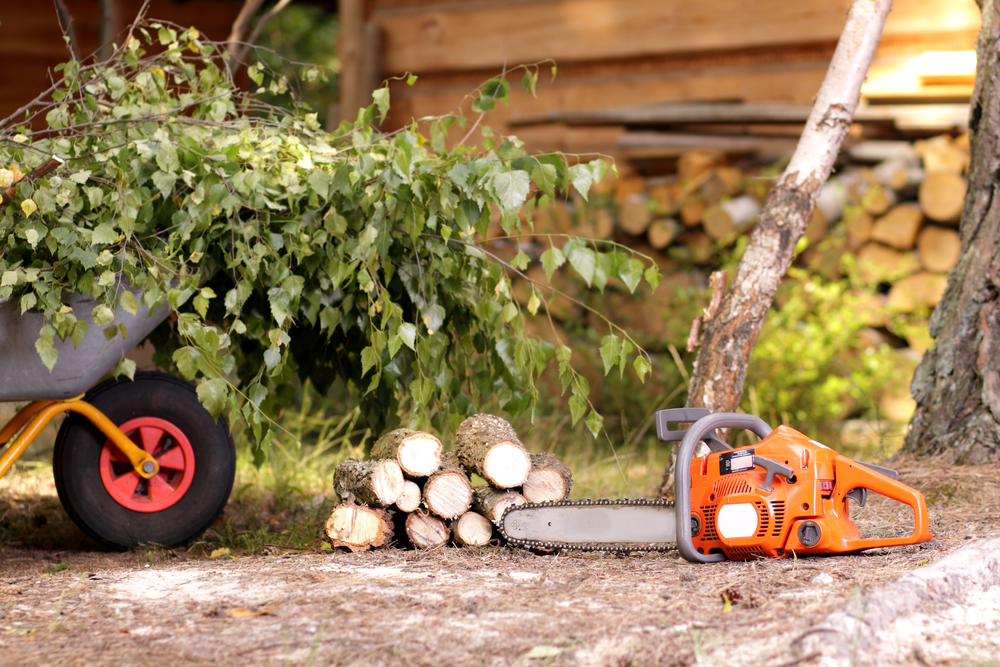
Physical tree removal is not merely a matter of chainsaws and axes. Spanish law and best practices recommend, and often require, the engagement of registered tree surgery professionals (arboristas certificados or podadores profesionales). The combination of steep terrain, narrow urban gardens, and proximity to infrastructure in Spanish towns demands both skill and proper insurance coverage.
The Logistics of Tree Felling
Key logistics to consider include:
- Access and safety: Can removal equipment safely access your garden without damage to pavements, walls, or neighboring property?
- Disposal of wood and branches: Many municipalities have green waste recycling schemes, but you may need a special collection or disposal permit for large quantities of wood.
- Stump removal: Will you grind the stump or leave it to decay? Some towns require full removal, others prefer natural decomposition for biodiversity.
- Neighbor relations: Tree removal can create noise, dust, and temporary loss of privacy. Advising neighbors in advance fosters good relations and minimizes complaints to authorities.
Choosing Qualified Specialists
Hiring certified arborists or landscaping companies brings benefits beyond compliance:
- Expert knowledge of species-specific techniques and seasonal timing
- Minimization of risks to people and property
- Proper insurance coverage for liability
- Responsible handling and disposal of green waste
IMMO ABROAD can recommend reliable local professionals who understand municipal and regional requirements, ensuring that your project is handled with skill and efficiency.
Costs Involved in Tree Removal in Spain
Budgeting is vital, as the process involves more than the labor of removal. Expect to incur costs in several main areas:
- Permissions and licenses: Municipality fees for processing applications vary, commonly between €20 and €100 per tree, sometimes higher in historic quarters or for protected species.
- Professional tree surgery: Felling and removal by specialists can range from €150 to over €1,000 per tree depending on size, risk, and access challenges.
- Waste collection and disposal: Additional costs apply if the municipality does not offer free green waste removal.
- Replacement planting: If mandated, the cost of purchasing and planting new trees is also borne by you.
- Expert reports: Engaging a technical specialist for a report or assessment may incur fees, especially for protected or heritage trees.
For complex projects, it is wise to request a detailed, itemized quote. IMMO ABROAD can obtain competitive bids and oversee contracts, ensuring transparency and value for money.
Replanting: Legal and Ecological Obligations
As a condition of granting a tree removal license, many municipalities require that property owners compensate by planting one or more new trees. This maintains overall urban or semi-rural tree cover and reinforces habitat corridors for wildlife. The specifics may include:
- Type and species of replacement (often native varieties only)
- Minimum size of saplings (height or trunk diameter)
- Location: same garden, nearby public space, or participation in a wider municipal planting scheme
- Deadlines for planting and subsequent care obligations
Such requirements reflect a commitment to sustainable landscape management. IMMO ABROAD advises on suitable species for your climate, water supply, and soil type, and can organize professional planting if needed.
Common Misconceptions About Tree Removal in Spain
Rumors abound in expatriate forums and among new property owners regarding tree removal rights. Here we address some persistent misconceptions:
- “It's my property, so I can do as I wish with the trees.”
Not always. Spanish law prioritizes ecological public interest over private ownership, especially for mature, protected, or communal landscape trees. - “No one will notice if I quietly cut down a tree.”
Neighbor complaints, regular municipal patrols, and even satellite imagery can easily lead to detection and penalties. - “Pruning heavily is not the same as removal.”
In many areas, “topping,” “pollarding” or severe pruning is considered partial removal and also requires prior permission. - “Only protected species are regulated.”
Most municipalities regulate tree removal regardless of species; any mature or significant tree may need a license. - “I can plant a new tree elsewhere and cut the old one without asking.”
Replacement does not absolve you from needing permission for removal.
Ecological Alternatives: Managing Trees Without Full Removal
Sometimes, tree problems can be resolved without resorting to full removal, helping you retain ecological and legal compliance. Consider:
- Selective pruning: Professional thinning, deadwood removal, or crown shaping to manage safety or shading issues.
- Cabling and support: Installing structural supports for weak branches or split trunks.
- Transplantation: Young or medium-sized trees can sometimes be relocated within the property or to a public location.
Consultation with a skilled arborist can reveal alternatives that align your needs with the broader environmental good.
Impact on Property Value: Strategic Removal and Landscaping
The decision to remove a tree—not just for aesthetics or safety, but as a strategic landscaping measure—can significantly impact your property’s market value. A well-landscaped, safe, and light-filled garden increases a home’s attractiveness to buyers and tenants.
Conversely, poorly executed removals or the loss of a mature specimen tree can harm the property’s appearance and curb appeal. Always consider replacement options that add as much or more visual and ecological value as what you remove.
IMMO ABROAD offers holistic consulting, approaching every landscaping intervention with both legal compliance and long-term property value maximization in mind.
Case Studies: Navigating Municipal Tree Removal in Spanish Regions
Let’s illustrate the process and outcomes with real-world examples from across Spain.
Case Study 1: Removing a Diseased Pine in Marbella
A homeowner in Marbella noticed widespread dieback in a large pine casting shade over the pool terrace. After a risk assessment revealed extensive root rot, IMMO ABROAD coordinated a technical report, submitted the necessary application to the town council (Ayuntamiento de Marbella), and managed on-site inspections. Permission was granted within three weeks on condition that a native carob tree (Ceratonia siliqua) be planted within six months. The client’s coordinated approach ensured smooth execution and maintained neighborhood harmony.
Case Study 2: Heritage Olive in an Alicante Country Property
An ancient olive tree, confirmed to be over 300 years old, was obstructing plans for a new guest house. Given its documented heritage status, IMMO ABROAD helped the owner commission a specialist’s report and apply for special permission with the regional cultural authorities. Ultimately, permission for removal was denied, but a compromise was reached: a certified specialist carefully transplanted the tree elsewhere on the owner’s land, preserving both cultural value and project ambitions.
Case Study 3: Coastal Home in Mallorca and Protected Holm Oak
A prospective homebuyer discovered several mature holm oaks near the property’s boundary—species protected by Balearic Islands environmental regulations. The client was advised that, even in cases of major construction, no removal would be permitted without a full environmental impact statement and compensatory planting plan. IMMO ABROAD oriented the client to integrate mature trees as a feature of the new landscaping, achieving planning approval with minor design adaptations.
Possible Sanctions for Unauthorized Tree Removal
Failure to secure proper permissions before tree removal can lead to a series of undesirable consequences:
- Fines: Monetary penalties vary but can easily range from several hundred to tens of thousands of euros, depending on the tree’s value and ecological impact.
- Restitution orders: Offenders may be obliged to replant at their own expense, sometimes at a much higher rate (multiple saplings per single mature tree removed).
- Criminal charges: Particularly severe cases, notably involving protected species or habitats, can lead to prosecution and a criminal record.
- Denied permits for future work: Municipalities may withhold future renovation or landscaping licenses for repeat offenders.
Thorough planning and legal compliance avoid not only these penalties but also negative publicity or damage to neighborly relations.
Frequently Asked Questions About Tree Removal in Spanish Gardens
-
Can I remove a fruit tree in my own garden without asking?
It depends on local rules and the tree’s size and age. Some municipalities require permission for any mature tree, while younger or small-diameter fruit trees may be exempt. Always check first. -
What happens if I discover a tree is diseased and dangerous?
If the risk is immediate, intervene for safety and report afterwards, providing photos and expert statements. For non-immediate issues, follow the normal application route. -
How long does the permission process take?
Depending on the municipality and documentation, approval can take from a few days for emergencies up to several weeks or even months for heritage or protected cases. -
Do I need permission to prune large branches?
Major pruning or limb removal often requires the same permission as full felling, especially for protected species or large trees. -
Can trees on the property boundary be removed without neighbor approval?
If a tree is on or within two meters of a neighbor’s border, Spanish law generally requires neighbor consent or at least documented notification.
The Role of IMMO ABROAD: Ensuring Legal and Sustainable Tree Management
IMMO ABROAD recognizes that effective property management in Spain means balancing legal compliance, aesthetics, ecological stewardship, and neighborly relations. Our highly experienced advisors offer:
- Initial property and species assessment
- Liaison with municipal and regional authorities for permits
- Engagement of certified arborists, landscaping experts, and legal professionals
- Preparation of all technical documentation
- Guidance on selecting sustainable replacements if required
- Conflict resolution and neighbor communication advice
From first consultation through to regulatory compliance and landscape enhancement, our bespoke service ensures your home and garden retain their value, beauty, and legal certainty.
Conclusion: Moving Forward With Informed and Responsible Tree Removal
Tree removal in a Spanish garden is never a trivial decision, and the law reflects deep-rooted respect for the nation’s botanical heritage. Each case calls for knowledgeable navigation of municipal codes, environmental law, and practical logistics. By working with IMMO ABROAD, you ensure that your plans are realized with due attention to legal, ecological, and neighborly considerations—protecting your investment and contributing to the sustainability of local landscapes.
Through careful planning, expert advice, and community awareness, you can make informed choices that balance personal needs with broader responsibilities—preserving the best of Spain’s unique garden heritage for generations to come.