





Understanding Car Breakdowns in Spain: An In-Depth Introduction
Traveling across Spain by car can be a thrilling journey—its diverse landscapes, picturesque villages, and smooth highways offer an unrivaled driving experience. However, the risk of autopech, or car breakdown, is an unfortunate reality that can disrupt even the best-laid travel plans. Knowing how to handle an autopech in Spain is essential for residents, expatriates, and tourists alike. This comprehensive guide not only outlines what to do during a breakdown but also offers preventative measures, practical tips, legal advice, and cultural insights tailored specifically for navigating such situations with confidence and efficiency.
The Most Common Causes of Car Breakdowns in Spain
Understanding why breakdowns occur can help you anticipate and perhaps even prevent trouble on the road. Spain, despite its well-maintained highways and modern infrastructure, sees its share of vehicular woes. Below are some prevalent causes:
- Overheating: Particularly common during the hot summer months, especially in southern Spain and inland areas like Castilla-La Mancha and Andalucía. Long stretches without shade can quickly overheat engines.
- Flat tires and blowouts: Often a consequence of potholes, sharp debris, or worn-out rubber—especially in remote or rural areas.
- Electrical failures: Battery problems are frequent, especially during colder months or after long periods of inactivity.
- Fuel issues: Running out of fuel is more common among tourists unfamiliar with long empty stretches between petrol stations. Additionally, misfuelling (putting diesel in a petrol car or vice versa) happens due to unfamiliar pump labeling.
- Clutch and gearbox difficulties: Mountainous regions can strain gearboxes and clutches, particularly among those unaccustomed to frequent gear shifting.
- Engine oil and coolant shortages: Neglecting regular checks or frequent high-speed drives can lead to engine trouble.
Recognizing these causes fosters a proactive approach and allows drivers to embark on their Spanish travels with preventive measures in place.
Immediate Actions: What to Do When Your Car Breaks Down in Spain
The moment your car gives way on a Spanish road, the situation can quickly become overwhelming. Preparedness and adherence to local protocols ensure both your safety and prompt resolution.
- Stay Calm and Assess: Pull over as soon as practicable—preferably to a safe, visible spot on the shoulder or emergency lane. Activate your hazard lights instantly.
- Wear your reflective vest: Spanish law requires that all occupants who exit a vehicle on highways and interurban roads wear high-visibility vests before stepping out. Keep these vests in the cabin, not the trunk.
- Exit the vehicle safely: Leave the car from the right-hand side, away from traffic. All passengers should do the same, moving toward the safety barrier if there is one.
- Set up your warning triangle: Place a warning triangle at least 50 meters behind your car (or 100 meters on fast roads), making it visible to oncoming traffic. Some rules now permit only one triangle, particularly on highways, but always verify the latest regulations.
- Call for help: Use your mobile phone to contact roadside assistance, local emergencies, or your insurer. On highways, you can also walk to the nearest emergency phone post—especially if there is no mobile reception.
- Do not attempt repairs in dangerous conditions: Never try to fix the problem roadside if it involves working near traffic or on busy highways. Your safety is paramount.
Following these steps establishes a safe environment, both for yourself and other road users, while setting in motion the process for assistance and recovery.
Contacting Roadside Assistance: Essential Procedures
Spain boasts well-developed roadside assistance networks, accessible whether you have local insurance or international coverage. Here’s how to make the most of these resources:
Insurance-Provided Roadside Assistance
Most comprehensive car insurance policies in Spain include breakdown coverage (asistencia en carretera). Consult your policy in advance to ensure you have this feature. When contacting your insurer:
- Provide your name, policy number, the vehicle’s registration, and the specific location of your breakdown (use kilometer markers or GPS coordinates for accuracy).
- Describe the issue as precisely as possible to help dispatch the right help.
- Stay await further instructions—the operator may guide you on safety or immediate measures to take until help arrives.
Emergency Numbers and Assistance Services
For medical or severe emergencies, dial 112 (Spain’s general emergency number). For less urgent breakdown-related matters, use your insurer’s helpline or membership services such as RACE (Real Automóvil Club de España) if you have Spanish coverage. Some international providers also work with Spanish partners, but check before traveling.
What If You Don’t Speak Spanish?
Many insurance and breakdown services offer assistance in English and other languages. Nonetheless, learn the basic vocabulary for car parts and breakdown situations—or keep a translation app handy. This ensures accurate communication during high-stress moments.
Legal and Regulatory Requirements for Drivers
Spain’s road laws dictate what you must carry and how you must respond during a breakdown. Noncompliance can result in fines, but more importantly, these rules are designed for your safety.
Mandatory Equipment
- Reflective safety vests: One per occupant, accessible from the passenger area.
- Warning triangle: At least one, sometimes two required. As of 2022, the new luminous V16 beacon has begun to replace triangles in many areas—consult up-to-date regulations before traveling.
- Spare wheel (or alternative tire repair kit): Plus the proper wrench and jack.
- Full valid documentation: This includes your driver’s license, car registration (permiso de circulación), insurance documents, and technical inspection card (ITV).
Obligations in the Event of Breakdown
- Always use the high-visibility vest when leaving the vehicle on interurban or high-speed roads.
- Place the warning triangle/beacon as required to warn approaching traffic.
- Do not endanger yourself or others by standing on the carriageway or attempting repairs in unsafe circumstances.
- Contact authorities if your car is obstructing traffic or poses a danger (e.g., it cannot be removed from the roadway).
Adhering to these legal requirements ensures smoother interactions with police and road authorities, while also guaranteeing your personal safety and that of your passengers.
Handling Breakdowns on Spanish Motorways Versus Rural Roads
The response to a breakdown varies significantly depending on whether you are traveling on a major motorway (autopista or autovía) or a smaller, rural road.
On Motorways/High-Speed Roads
- Pull fully onto the emergency lane or shoulder. Parking anywhere else is strictly prohibited except in emergencies.
- Remain behind the guardrail after leaving your vehicle.
- Contact emergency services via the nearest SOS post, which may provide faster and more accurate assistance than mobile calls in areas of limited coverage.
- Wait for roadside assistance before moving the vehicle or attempting major repairs; walking along the motorway is dangerous and often illegal.
On Rural or Secondary Roads
- Find a flat, visible area to stop, ideally away from blind corners or crests.
- Use caution when exiting the vehicle; traffic may be less frequent but often faster and less alert to stationary vehicles.
- If necessary and safe, seek help at a nearby village, bar, or petrol station. Spanish hospitality is renowned, and locals are often willing to provide directions or contact assistance for you.
Both settings have unique risks, but the key principle remains: maximize your visibility to other drivers, maintain personal safety, and summon professional help efficiently.
Dealing with Mechanical Issues: Immediate Checks and Minor Repairs
Certain breakdowns can be addressed on the spot if you possess basic tools, knowledge, and confidence. Here’s what you can (and should not) attempt yourself:
Common On-the-Spot Fixes
- Flat tire: If your car is in a safe spot and you have a spare, you can replace the wheel following your vehicle’s instructions. Ensure the handbrake is set and car is stable before lifting.
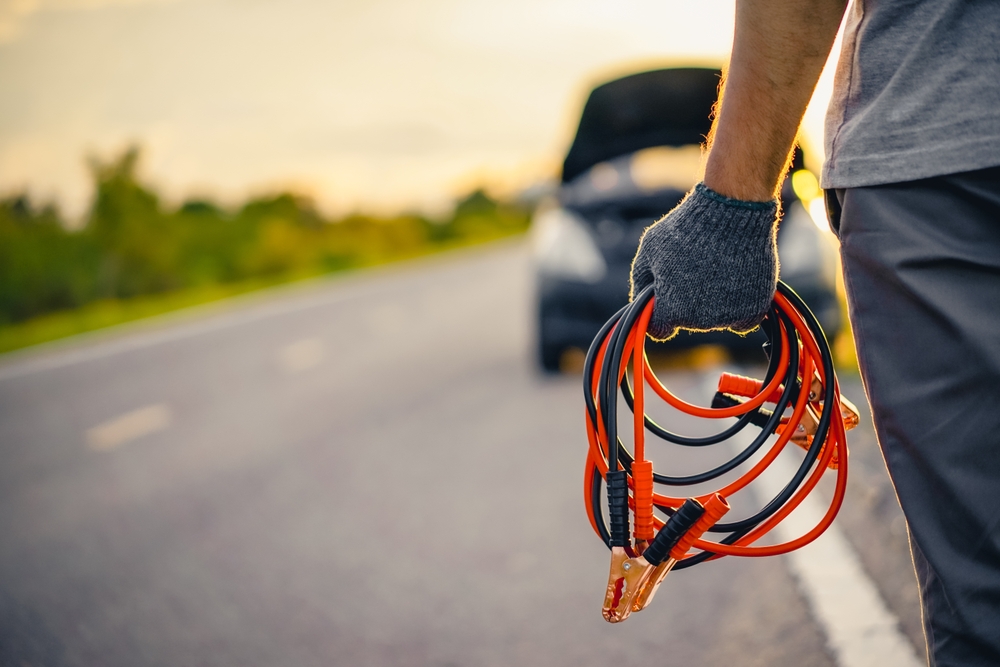
- Dead battery: Jump-starting is feasible if you have jumper cables and another vehicle is available to help. Exercise caution—incorrect connections can damage the electrical system.
- Interruptions in fuel flow: Sometimes a fuel filter clog or vapor lock can be rectified with basic checking, but modern cars may require professional intervention.
- Overheating: If safe, allow the engine to cool completely before opening the radiator cap. Refill with water if coolant is unavailable, but seek professional help as soon as possible.
When Not to Attempt Repairs
- Never crawl under a car on a busy or unstable surface.
- Do not attempt electrical or fuel-system work without expertise.
- Avoid roadside repairs in poor visibility, at night without proper lighting, or during inclement weather.
Remember: Safety comes first. Spanish law prohibits dangerous repair attempts on many roads, particularly highways. When in doubt, wait for professional assistance.
Working with Tow Trucks and Local Garages
If your vehicle cannot be made roadworthy on the spot, it must be towed. Understanding how towing works in Spain helps avoid confusion or unnecessary expense.
How to Arrange Towing
- Use roadside assistance or insurer to arrange a tow. Do not accept rides from unauthorized operators, as they may be uninsured.
- Most towing firms transport your vehicle to the nearest authorized garage (taller).
- If you have a preferred or specialist garage, specify this to your insurer; coverage may depend on policy details and distance from the incident.
At the Garage
- Request an itemized quote and repair timeline in writing (presupuesto).
- Do not authorize extensive work before confirming coverage with your insurer if the repairs are to be claimed.
- Spare parts may take time to source, especially for foreign makes or older models. Garages in rural Spain may need to order parts from larger cities, so allow for delays.
Waiting for Repairs
- Your policy may include onward travel or accommodation cover—ask your insurer for details if you are stranded a significant distance from your destination.
- Keep all receipts and documentation for insurance or expense claims.
Spanish mechanics are skilled and typically accommodating, but clear communication and understanding your rights as a customer will ensure a smoother resolution.
Hiring a Replacement Vehicle: Procedures and Considerations
If your car cannot be fixed quickly, renting a vehicle is often the most convenient solution, especially for tourists or for those in remote regions.
How to Arrange a Replacement Car
- Check if your insurance or roadside membership includes a courtesy car option.
- If not, contact local rental agencies or larger chains operating nearby towns or airports.
- You will typically need a valid driver’s license, a credit card, and identity documents. Some agencies require an international driving permit if your original license is not in Spanish or English.
Key Points to Remember
- Inspect the hire car thoroughly for any pre-existing damage, ensure it is noted on the contract, and take dated photos if possible.
- Refamiliarize yourself with local driving regulations—parking rules, speed limits, and toll road procedures—to avoid fines.
- Ask about breakdown and accident procedures for the rental car specifically, as they may differ from your own vehicle or insurance process.
A replacement vehicle ensures you can resume your plans, whether continuing your journey or simply traveling home while your car is being repaired.
Special Considerations for Foreign Drivers and Expats
As a non-resident or expatriate, breaking down in Spain entails specific bureaucratic and practical challenges. Preparation is crucial for seamless resolution.
Documentation and Insurance
- Always carry your passport or national ID card, driving license, car ownership documents, and proof of insurance.
- International driving permits are recommended if your license is not from the EU or EEA.
- Ensure your insurance provides breakdown cover in Spain, including repatriation if your car cannot be repaired locally.
Language Barriers
- Many assistance lines offer English-speaking operators, but keeping key terms on hand—such as “avería” (breakdown), “grúa” (tow truck), “taller” (garage), and your location—will expedite the process.
- If you do not speak Spanish, consider downloading a translation app or carrying a phrasebook tailored for motoring emergencies.
Understanding Local Procedures
- Some municipalities may require visiting a police station for formalities if your vehicle is involved in an accident or is deemed a hazard.
- Border regions may involve further complications if you are close to Portugal, France, or Andorra, particularly with repatriation.
Preparation, documentation, and cultural awareness will help you navigate car trouble confidently, no matter where in Spain you are.
Managing Car Breakdowns During Holidays and Peak Travel Seasons
Summer holidays, Easter (“Semana Santa”), and local festivals see millions of extra vehicles on Spanish roads, increasing both the risk and complexity of breakdowns.
Challenges During High-Traffic Periods
- Roadside assistance wait times are longer, particularly in tourist hotspots and during heatwaves.
- Garage availability for repairs, towing, and rentals may be limited, with shorter working hours during public holidays.
- Language services for foreign drivers can be stretched or less readily available during peak demand.
Smart Planning Tips
- Have breakdown coverage confirmed and emergency numbers mapped out before embarking on long journeys during peak times.
- Expect delays and pack extra water, snacks, hats, and sun cream for every journey—especially in southern regions.
- Check local news and the official traffic authority site (DGT) for up-to-date information on road closures, construction, and accident reports before you travel.
- Be patient and polite; Spanish breakdown professionals work diligently but may be under extreme pressure during busy seasons.
Being aware of these challenges helps you prepare for, and ultimately minimize, the impact of an inconvenient holiday breakdown.
The Role of IMMO ABROAD: Expert Advice and Assistance
As your trusted partner in all facets of life in Spain, IMMO ABROAD possesses decades of experience not only in property management and relocation but also in supporting clients facing everyday challenges such as car breakdowns. We are uniquely positioned to connect you with reputable local garages, trusted mechanics, and comprehensive insurance providers who understand the expectations of an international clientele.
- Personalized recommendations: We can suggest vetted garages, English-speaking service providers, and the most reliable roadside assistance in your local region.
- Emergency support: If you are stranded, our multilingual team is on hand to bridge communication gaps with insurers, mechanics, or local authorities.
- Guidance through bureaucracy: Our expertise in Spanish administration ensures that our clients deal swiftly and efficiently with any paperwork, whether for insurance claims, replacement car rentals, or legal formalities linked to breakdowns.
- Prevention tips: Through our regular newsletters and seminars, clients receive advice on essential vehicle checks, seasonal driving tips, and updates on Spanish road laws.
Choosing IMMO ABROAD guarantees peace of mind—ensuring that a temporary inconvenience never overshadows your experience and enjoyment of life in Spain.
Breakdown Prevention: Proactive Maintenance and Preparation
A significant proportion of breakdowns can be avoided with diligent maintenance and smart planning. Here’s how to minimize your risk on Spanish roads:
Seasonal Maintenance
- Summer: Inspect coolant, tire pressure, air conditioning, and windshield fluid. High heat and dust require particular vigilance.
- Winter: Check battery health, antifreeze, tire tread, and lights. If traveling to mountain regions, ensure snow chains or winter tires are available.
Routine Inspections
- Schedule regular service checks with reliable garages—Spanish labor is affordable, and preventative visits save time and money in the long run.
- Before every journey, especially long ones, inspect lights, oil, coolant, tire condition (including spare), and all fluid levels.
Stocking Emergency Supplies
- Carry essentials: water, snacks, sun shield, phone charger, flashlight, basic tools, and copies of necessary documents.
- Keep additional reflective vests and warning triangles—especially with multiple passengers.
A proactive approach transforms potential breakdowns into minor inconveniences, keeping you safe and mobile year-round.
Understanding Insurance Options in Spain: Ensuring Comprehensive Coverage
Insurance is your primary line of defense against the financial repercussions and logistical headaches of an autopech.
Key Types of Breakdown Coverage
- Terceros (Third Party): The basic legal requirement, but often limited in coverage for breakdowns.
- Terceros Ampliado (Third Party with Extras): Usually adds glass, theft, and sometimes basic roadside assistance.
- Todo Riesgo (Fully Comprehensive): Often the best option for peace of mind, typically including roadside assistance, towing, replacement vehicles, and repatriation for foreign cars.
What to Check in Your Policy
- Maximum towing distance or to which type of garage (nearest vs. choice of garage).
- Onward travel/accommodation coverage for disruptions during journeys.
- Coverage across borders into Portugal, France, Gibraltar, or Andorra.
- Language of service and claims handling processes.
Reviewing, understanding, and possibly upgrading your insurance ensures that an autopech does not turn an adventure into an ordeal.
After the Breakdown: Administrative and Practical Steps
Once your vehicle has been moved or repaired, there remains a series of important follow-up steps.
Repair Documentation and Warranties
- Always request an invoice (factura) for any repair work; it should detail the labor and parts used with VAT included.
- Garages in Spain are required to provide a warranty on repairs—usually three months or 2,000 kilometers.
Insurance Claims
- Submit all documentation, including towing receipts, repair bills, and correspondence, to your insurer promptly.
- If traveling as a tourist, ensure claims processes can be handled remotely upon your return home.
Repatriating Your Car
- If your car cannot be repaired locally, work with your insurer and IMMO ABROAD to coordinate transport to your home country. Costs and procedures vary based on your coverage and the distance involved.
Learning from the Experience
- Use the breakdown as motivation to review your maintenance schedule, upgrade insurance, or update your road emergency kit and procedures.
- If language, location, or cultural differences complicated the incident, consider language classes or information sessions through trusted partners like IMMO ABROAD to boost your preparedness.
Attending to these steps ensures closure, peace of mind, and improved readiness for future journeys.
Frequently Asked Questions about Autopech in Spain
Despite preparation, questions and concerns inevitably arise. Below are answers to the most common queries:
- Can I leave my broken-down car on the motorway overnight? Generally not. Cars deemed obstructions or hazards will be towed by authorities. Always contact roadside assistance or the police if you are forced to abandon your vehicle briefly.
- What if my car breaks down in a tunnel or on a bridge? Remain inside with hazard lights on unless mandated otherwise by authorities. Contact emergency services at once. If you must exit, do so carefully and move swiftly to a safe area.
- Will I have to pay up front for towing and then seek reimbursement? This depends on your insurer or club membership. Clarify payment protocols when arranging assistance.
- What should I do if I suspect a scam or unauthorized operator? Ask for identification and, if unsure, refuse unauthorized services. Only use providers connected to your insurer or official road authorities.
- Can language barriers slow down my assistance? Occasionally. Mitigate this by stating your language preference early and using translation aids.
Preparation and knowledge are your best defense in crisis moments, making your autopech experience—should it arise—little more than a manageable inconvenience.
Cultural Insights: How Spaniards Approach Roadside Emergencies
Understanding local customs and attitudes toward breakdowns can provide invaluable perspective, especially as a foreign driver or expat.
- Spaniards are generally pragmatic and collegial, and it’s not uncommon for passersby to stop and offer help—though one should always exercise caution with strangers.
- Calling the “Guardia Civil de Tráfico” for assistance is routine, especially in rural areas; these officers are adept at managing car troubles and speak basic English in most tourist areas.
- Patience is a virtue: Spaniards understand and accept delays, particularly during peak seasons or August holidays (vacaciones de agosto), when many businesses—including garages—may close or operate with skeleton crews.
- Clear communication and presentation (reflective vest, triangle setup, polite explanation) ensure smoother and often more amicable resolutions.
Adopting a calm approach and embracing local etiquette will make even unexpected breakdowns a moment of human connection and cultural learning.
Conclusion: Transforming Setbacks into Seamless Travel Experiences
Car breakdowns, while never welcome, need not define your experience of Spain’s dynamic and breathtaking landscapes. With preparation, reliable support, and the expertise of professionals such as IMMO ABROAD, you can handle even the most challenging autopech calmly and efficiently. From emergency response and legal compliance to repair management and language assistance, a clear strategy transforms every roadblock into a manageable pause on your journey.
Ultimately, readiness—through comprehensive insurance, routine vehicle checks, and understanding local regulations—protects both your safety and your enjoyment of all that Spain has to offer. Whether you are a resident, expatriate, or visitor, rely on the guidance shared here and the commitment of IMMO ABROAD to ensure that your travels remain memorable for all the right reasons.
Appendix: Useful Vocabulary and Emergency Phrases
For non-Spanish speakers, having these phrases at hand can make all the difference during a stressful breakdown.
- Mi coche se ha averiado. (My car has broken down.)
- Necesito una grúa. (I need a tow truck.)
- ¿Dónde está el taller más cercano? (Where is the nearest garage?)
- He pinchado una rueda. (I have a flat tire.)
- No tengo cobertura en mi móvil. (I have no mobile reception.)
- ¿Puede ayudarme a llamar a mi seguro? (Can you help me call my insurance?)
Preparation, cultural awareness, and responsive support ensure that your adventures on Spanish roads continue smoothly, even when the unexpected occurs.