





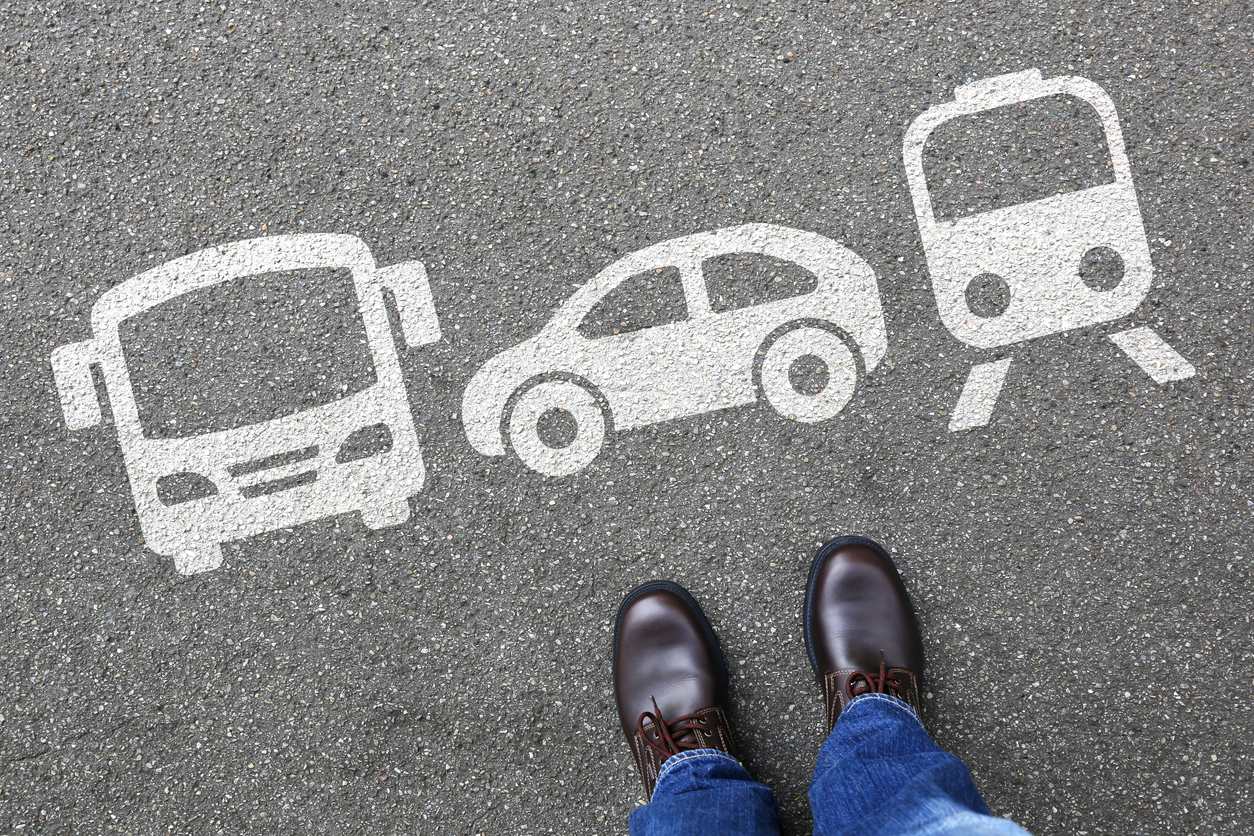
Understanding Retirement Mobility in Spain: An Introduction
Retirement is often envisioned as a chapter of life marked by comfort, flexibility, and the enjoyment of true freedom. For many retirees who choose Spain as their retirement destination, mobility—how to best get around—is a crucial consideration. Whether one has settled in the sun-drenched costas, the vibrant urban centers, or the tranquil countryside, the question becomes central: should retirees in Spain rely on a car or on public transport for their day-to-day activities, appointments, and adventures? This extensive guide explores every aspect of this question, helping retirees make the most informed choice possible, suited to their personal lifestyle, preferences, and needs.
Spain’s Diverse Geography and Its Impact on Mobility
Spain’s rich and varied geography dramatically influences transportation options. Urban environments—like Madrid, Barcelona, Valencia, and Seville—offer extensive public transport infrastructure, while rural or coastal areas may differ significantly in their options and accessibility.
The Spanish Urban Fabric
Cities in Spain often boast compact, walkable centers. Rather than sprawling suburban developments, urban planning has prioritized dense neighborhoods connected through efficient public networks. These cities are well-integrated with buses, subways (metros), trams, and intercity trains, making it viable for retirees to forego private vehicles and still move around effortlessly.
Rural and Coastal Realities
Conversely, Spain’s rural villages, mountain towns, and more isolated coastal communities may feature infrequent bus services or limited rail connections. Retirees who favor these tranquil locales might initially relish the serenity—yet soon find the need for a personal vehicle if they wish to maintain independence and flexibility.
Public Transport in Spain: Systems, Advantages, and Considerations
Spain boasts one of Europe’s most celebrated public transport systems, renowned for its efficiency, affordability, and comfort. The country has invested substantially in modernizing its urban and intercity mobility networks, offering retirees a robust alternative to car ownership.
Urban Mobility: Metro, Bus, and Tram Systems
Major Spanish cities feature comprehensive public transport, with:
- Madrid: The Metro de Madrid ranks among the world’s largest, with extensive bus and light rail coverage. Reduced fares and special cards are afforded to seniors. Stations are well-maintained, with frequent upgrades for accessibility.
- Barcelona: Boasting an excellent metro, bus, and tram network, Barcelona is lauded for its punctuality, frequency, and coverage—even reaching the outskirts and connecting with commuter trains for longer journeys.
- Valencia, Bilbao, Seville, Málaga, and Zaragoza: Each of these cities have developed bespoke urban mobility solutions, from trams to metros to municipal bus systems, all with senior discounts and typically excellent accessibility features.
Intercity Travel: Renfe Rail and ALSA Coaches
For longer journeys, Spain’s Renfe (national railway company) operates AVE high-speed trains connecting major cities, as well as reliable regional trains. ALSA and other coach services reach even remote destinations where trains may not run. Most stations and long-distance buses are highly accessible, with amenities designed for travelers with reduced mobility.
Accessibility for Retirees: Comfort, Safety, and Ease of Use
Modern Spanish transit systems take accessibility seriously:
- Priority seating for seniors, pregnant women, and those with disabilities
- Stations with lifts, escalators, ramps, and visual or auditory announcements
- Low-floor buses and trams for easy boarding
- Well-trained staff ready to assist passengers when needed
Such features ensure that seniors, regardless of mobility constraints, can utilize public transport confidently and comfortably.
Affordability and Retiree Discounts
Another compelling advantage: substantial fare reductions for retirees and pensioners. Local authorities across Spain grant special travel cards (such as the “Tarjeta Dorada”) that unlock significant savings—sometimes up to 40% or more—on buses, metros, and trains. Moreover, unlimited monthly or annual passes enable limitless travel within urban settings for a modest fixed fee.
Environmental Sustainability and Social Engagement
Those who opt for public transport enjoy a smaller carbon footprint. Beyond the environmental benefits, using public transport places retirees at the heart of Spanish daily life—stimulating social interaction, cultural immersion, and a sense of community that is sometimes diminished when traveling alone by car.
Potential Limitations of Public Transit
Despite its advantages, public transport is not without drawbacks:
- Timetables may not suit every schedule, especially in rural or off-peak times
- Transfers, crowded vehicles, or long walking distances between stops may pose challenges for those with mobility issues
- Less flexible—impromptu day trips or spontaneous journeys may require advanced planning
- Remote locations may be unreachable without multiple transfers or expensive taxi rides
These factors are critical for retirees considering properties outside dense urban areas.
Driving in Spain: Advantages and Challenges for Retirees
For many retirees, especially those accustomed to the independence of car ownership, driving remains an appealing option in Spain. The allure of freedom—traveling at one’s own pace, discovering off-the-beaten-path villages, or transporting groceries and golf clubs—cannot be overstated.
The Joys of the Open Road
Owning a car reintroduces flexibility and spontaneity into daily life. With a vehicle at your disposal, you can:
- Shop in large supermarkets outside town centers, bringing home bulky or heavy items with ease
- Reach healthcare providers, social clubs, and community centers not always located on public transport routes
- Enjoy weekend escapes to the beach, mountains, or countryside, unfettered by bus or train schedules
- Host visiting friends or family, facilitating day trips or airport pick-ups
Road Infrastructure: Motorways, Secondary Roads, and Parking
Spain’s road system is modern and vast. Major areas are linked by autovías (dual carriageways, often toll-free) and autopistas (superhighways, some tolled). Signage is clear, and maintenance is generally excellent compared to much of Europe. Secondary and local roads can be narrower but are usually well kept.
Potential Drawbacks: Traffic, Costs, and Urban Restrictions
Yet, driving in Spain comes with its own set of challenges:
- Urban Congestion: Cities like Madrid or Barcelona can experience congestion, leading to lost time and frayed nerves, especially during rush hour.
- Parking: Finding parking in city centers or near beaches can be a challenge and often requires patience and expense (official parking areas, meters, and fees).
- Costs: Fuel prices, insurance, routine maintenance, taxes, and mandatory inspections (ITV) all contribute to the ongoing cost of car ownership.
- Eco-Zones: Some Spanish cities have implemented environmental “low emission zones” (zonas de bajas emisiones), restricting older vehicles and requiring eco-labels or permits for access.
Driving Requirements for Retirees
To drive legally in Spain, retirees must have a valid license. EU and EEA licenses are recognized indefinitely, while non-EU retirees (such as those from the UK post-Brexit) must obtain an official translation or exchange their foreign license for a Spanish equivalent after a set period. Additionally, retirees are required to pass medical checks at prescribed intervals beyond certain ages.
Adaptations for Physical Considerations
As individuals age, certain physical adaptations may become necessary to continue driving safely. These may include:
- Adjustable seating and steering wheels
- Automatic transmissions (popular in the Spanish rental market)
- Parking sensors, rear-view cameras, and hands-free navigation aids
Spain’s vehicle inspection process will also check that vehicles used by persons with disabilities (including special controls or adaptations) are safe and authorized for use.
Insurance and Emergency Services
Spanish law mandates third-party liability insurance for all vehicles. Many insurers offer coverage tailored to the unique needs of retirees, including breakdown assistance, medical repatriation, and legal support. Emergency services are generally prompt, with extensive coverage by local police (Policía Local), civil guard (Guardia Civil de Tráfico), and emergency medical teams.
Accessibility Comparison: Car vs. Public Transport for Different Living Scenarios
One of the most important considerations when choosing between a car or public transport in Spain is the retiree’s particular living situation. Below, we examine several common scenarios.
City Living
For retirees living in larger cities:
- Public transport is almost always the most practical, cost-effective, and stress-free option. Urban sprawl is limited, and nearly every district is well-served by metro, bus, or tram.
- Driving often entails struggling to find parking, paying high fees, and managing eco-zone restrictions.
- Owning a car may be unnecessary except for out-of-town excursions or specific medical needs.
Small Towns and Suburban Areas
These areas present a hybrid scenario:
- Local transport (bus and sometimes local rail) exists but may be less frequent, especially in the evenings or weekends.
- Public transport is suitable for routine trips but may be less convenient for urgent journeys or those with heavy loads.
- A car is not always essential, but many retirees enjoy the flexibility provided by occasional car use, perhaps opting for car-sharing or renting when needed.
Rural and Isolated Communities
For those who dream of retiring among olive groves, mountains, or solitary beaches:
- Public transport can be dramatically limited, sometimes amounting to one or two buses per day, with no service on weekends or holidays.
- Retirees without a car may rely on infrequent buses and costly taxis for all mobility.
- Owning or having access to a car is generally considered a necessity for maintaining independence and an active lifestyle.
Financial Implications: A Detailed Cost Analysis
Financial prudence is a key concern for many retirees. Below is a comprehensive cost breakdown of both mobility options.
Public Transport Expenses
- Fare Reductions: Most city and regional systems offer substantial discounts for those over 60 or 65, sometimes reducing the cost to less than half the standard fare.
- Monthly or Annual Cards: Unlimited travel cards are cost-effective, from about €20–€60/month depending on region and coverage.
- Ticket Variety: Day tickets, single journeys, and top-up cards are widely available, adjusting to travel frequency and style.
Car Ownership and Operation Costs
- Initial Purchase: New cars in Spain start around €10,000–€15,000 for smaller models, with used vehicles often available for less—but with potentially higher maintenance costs.
- Insurance: Mandatory liability insurance starts around €250/year but may increase with comprehensive coverage or non-EU licenses.
- Fuel: Petrol or diesel at €1.40–€1.60 per liter (prices as of 2024), plus growing incentives for electric cars in some autonomous regions.
- Maintenance: Estimated at €400–€800/year, rising as the car ages.
- Taxes and Fees: Road tax (IVTM) varies by municipality—typically €50–€200/year depending on model and horsepower. ITV inspections (~€45–€60) are required biannually after a vehicle is four years old.
- Parking: Garages in cities may cost up to €100–€300/month, while on-street parking can require tricky navigation of local regulations and payment of meters.
Opportunity Costs and Resale Value
Car purchases tie up capital and face depreciation, while spending on public transport is a “pay as you go” expense.
Healthcare Access: Mobility and Medical Necessities
Healthcare is a priority for most retirees, given the importance of regular check-ups, specialist treatments, and medication pickup. Spain's health system is internationally praised, but accessibility can hinge on one’s preferred mode of transport.
Public Transport Accessibility to Health Facilities
Almost all major hospitals and health centers in cities are on major bus or metro lines, ensuring regular and direct service. Local clinics (ambulatorios) are frequently located within neighborhoods, easily reachable by foot, bus, or tram.
However, more specialized providers, private clinics, or hospitals outside city centers may not be directly served by public transit. For such cases, secondary transport (taxis or patient shuttles) may be necessary.
Driving for Healthcare in Rural Settings
Outside urban cores, medical facilities (especially specialized care) can be much farther afield, often requiring a car to attend appointments without relying on neighbors or relatives. Emergency services are available everywhere, but non-urgent travel is more challenging if public transport is scarce.
Environmental Considerations and Sustainable Lifestyles
The environmental impact of daily choices—including transportation—has never been more in focus.
Spain’s Commitment to Green Mobility
Urban authorities actively promote public transport, cycling, walking, and the adoption of low-emission vehicles. They encourage the use of metros, trams, and electric buses, striving for cleaner cities and healthier air quality.
Retiree Participation in Sustainability
Retirees choosing public transport contribute to these goals, reducing emissions and noise pollution. The social benefits also ripple outward, as more public transport users mean fewer cars, safer roads, and more vibrant public spaces.
Eco-conscious retirees who prefer owning a vehicle can opt for hybrids or fully electric cars—supported by expanding networks of charging stations—mitigating the impact of personal transport.
Quality of Life and Personal Independence
Mobility is closely linked to personal independence, community engagement, and overall quality of life. Retirees’ transportation choices affect:
- Ability to participate in social, cultural, and volunteer activities
- Freedom to explore new destinations and hobbies
- Ease of managing daily errands (banking, shopping, leisure)
- Opportunities for exercise if walking and public transport are integrated
While public transport can facilitate social engagement and freedom from maintenance chores, car ownership can bring self-sufficiency and confidence, particularly when access to public transport is limited.
The Social Dimension of Mobility Choices
Transportation preferences can shape retirees’ social lives, influencing how easily they can connect with friends, family, and neighbors.
Public Transport as a Social Hub
Regular use of public transport puts retirees at the heart of community life. The rhythm of the daily commute, the chatter at the bus stop, and the intermingling of all ages and backgrounds support integration—not only with other expats but, importantly, with local Spanish culture.
Car Use and Social Circles
Cars offer privacy and flexibility, but can also lead to greater isolation, particularly if driving becomes less enjoyable due to traffic or urban restrictions. For events off the public transport grid—such as golf courses, nature reserves, or small gatherings in suburban homes—driving may be the only practical way to participate fully.
Legal Requirements and Ongoing Regulations
To make informed decisions, retirees must stay abreast of Spain’s evolving legal framework for drivers and public transport users alike.
Driving: Documentation and Compliance
In addition to valid licenses, drivers must carry:
- Vehicle registration papers
- Proof of insurance
- Reflective vests, two warning triangles, and spare bulbs (all legally required equipment)
Non-compliance can result in on-the-spot fines. Renewing licenses and scheduling ITV inspections must also be done in accordance with Spanish law.
Public Transport: Fair Use Policies
Transport operators enforce etiquette and safety rules, such as giving up priority seating and properly validating tickets. Fare evasion is a punishable offense, with inspectors making random checks.
Travelling without proper documentation, such as senior ID cards or a valid pass, can incur penalties—although most local authorities provide ample guidance and translation support for retirees navigating these rules.
Technology and Mobility: Modern Tools for Retirees
Digitization is transforming Spanish transport. Seniors are increasingly able to take advantage of apps, smart cards, and online platforms to facilitate seamless journeys.
Apps and Online Ticketing
- Many transport networks offer real-time journey planners, ticket purchases, and travel updates via dedicated apps (e.g., EMT Madrid, TMB Barcelona, Renfe, ALSA Coaches).
- Contactless payment—using a reloadable smart card or a mobile phone—means no need to fumble for change or queue at ticket machines.
Navigation and Assistance
Driving retirees benefit from in-car GPS, real-time traffic apps (Google Maps, Waze), and downloadable maps to avoid delays and road closures. Accessible transport apps offer step-free route mapping and up-to-date information on lift or escalator availability for those with mobility concerns.
Telemedicine and E-Government
Assistance extends beyond simple transport—Spanish healthcare, banking, and government services offer online access, meaning retirees with limited mobility can handle essential errands from home, reserving trips for leisure, socializing, or special events.
Alternative Mobility Options: Taxis, Rideshares, and More
Between car ownership and public transport lies a growing field of alternative mobility:
- Taxis: Widely available in urban and tourist areas, with discounts for seniors in some municipalities. They can be summoned via phone, app, or hailed on the street, offering door-to-door service.
- Ridesharing: Platforms like Uber, Cabify, and Bolt operate in major cities. They provide convenient access to private transportation without the long-term costs of ownership.
- Car Clubs and Car Sharing: Companies like Zity, BlaBlaCar, and others provide flexible, pay-as-you-go access to vehicles for those who only need a car occasionally.
- Mobility Scooters and E-Bikes: Especially in sunbelt cities, electric scooters and bicycles are popular with active retirees, supported by growing networks of cycle lanes and rental schemes.
These services allow retirees to customize their mobility mix, balancing economy, convenience, and independence.
Case Studies: Real-Life Experiences of Retirees in Spain
Hearing directly from retirees who have navigated the car vs. public transport debate can provide valuable, practical perspective.
City-Based Retiree: Embracing Metro Life in Barcelona
A retired couple from northern Europe relocated to Barcelona’s Eixample district, giving up their car in favor of the city’s extensive metro and bus system. They cite the freedom from parking woes, reduced costs, and the pleasure of spontaneous outings as key benefits. Occasional car-sharing and taxis handle special needs or heavy shopping trips.
Rural Resident: The Necessity of Car Ownership in Andalucía
Settling near Ronda in the Andalusian hills, another retiree found that the nearest supermarket and hospital were both over 10 kilometers away with infrequent bus service, making a small, economical car indispensable. He enjoys the freedom to explore white-washed villages and participate in community markets on his own terms.
Suburban Solution: Mixing Modes in Valencia
One retiree living in a Valencia suburb uses public transport for trips into the city but retains a small car for beach drives, medical appointments, and visits to friends in less accessible areas. She credits this hybrid approach with maximizing both convenience and cost savings.
Planning Ahead: Preparing for Changing Mobility Needs
Mobility needs can evolve as retirees age—or as family circumstances and local services change. Proactive planning helps mitigate risks and ensures continued independence.
- Assessing the walkability and transport connectivity of potential homes before moving
- Exploring alternative routes or schedules (evening buses, dial-a-ride services, or community shuttles)
- Learning about rights, fare discounts, and accessible transport options in advance
- Building social networks with neighbors or local social clubs for informal transport assistance
Investing time in research ultimately enhances the retiree’s lifestyle, reducing future obstacles related to mobility loss or changing personal health.
Regional Variations in Spain: Customizing the Decision
Spain is a diverse country, and transportation realities can vary not just between cities and rural towns, but from region to region.
- Madrid and Barcelona: Standouts in the breadth, frequency, and accessibility of public transport—ideal for car-free living.
- Basque Country: Extensive rail and bus systems, including the “Euskotren,” make exploring the region easy without a car.
- Andalusia and Castilla-La Mancha: While cities have strong networks, rural towns may be less well-connected—favoring partial or full car reliance.
- Balearic and Canary Islands: Local buses serve most needs, but a car is often needed to truly explore the varied landscapes and smaller villages.
- Coastal Costa del Sol and Costa Blanca: Local trams, buses, and inexpensive taxis are popular choices, but retirees in villas outside built-up zones often retain a car.
Understanding the local context is essential—what works in central Madrid may not be viable in Segovia or Almería.
Safety, Security, and Peace of Mind
Retiree safety is central to wise transportation choices. Here is an in-depth look at the relative safety considerations of cars and public transport.
Public Transport Safety
- Spain enjoys low crime rates on public transport. Occasional pickpocketing is reported in tourist hotspots (such as metro stations), but violent crime is rare. Awareness and basic precautions minimize risks.
- Vehicle accidents on public buses and trains are statistically infrequent, thanks to regulations and well-trained drivers.
- Bus and train stations are generally well-lit, staffed, and equipped with surveillance.
Driving Safety
- Spain’s roads are modern and well-signed, but accident rates (especially for older drivers) can rise on twisty rural roads or in city traffic.
- Weather—especially in mountainous or northern regions—can affect driving conditions, posing additional hazards during heavy rain or fog.
- Secure, off-street parking reduces the risk of theft or vandalism. Some coastal areas see higher theft rates during peak tourist season.
Both options offer robust safety measures, but retirees need to be honest about their own comfort levels and capabilities.
Summary Considerations: Key Questions for Retirees
As retirees weigh the merits of each transport option, they should ask themselves:
- Where will I (or we) live—city, suburb, rural, or mixed? Is the infrastructure sufficient for my needs?
- What are my health, mobility, and sensory capabilities? How might these evolve over time?
- Do I prioritize cost savings, environmental impact, or the freedom of independent travel?
- How often will I require transport for medical care, social life, errands, or leisure?
- What is my comfort level with digital tools for route planning, payments, and support?
- Are alternative services (carsharing, taxi, rideshare) easily available in my area?
- Will I have visitors or need to provide transport for family?
Conclusion: Tailoring Your Spanish Retirement Lifestyle
Ultimately, there is no universal answer to the question: car or public transport in Spain— which is more convenient for retirees? The ideal solution is deeply personal and dynamic, rooted in one’s chosen lifestyle, location, health, values, and anticipated future needs.
For those drawn to Spain’s urban tapestry, public transport typically reigns supreme, offering freedom, cost savings, and deep community integration. Retirees settling in tranquil rural or semi-rural regions may find car ownership essential to preserving independence and spontaneity. Most discover a balanced approach—leveraging public transport for routine mobility, supplementing with taxis, rideshares, or occasional car rental for special situations.
Whatever your choice, Spain’s welcoming infrastructure, vibrant communities, and sunny climate ensure that retirees can craft a fulfilling, mobile, and richly rewarding new chapter.
Before making any final decisions, carefully reflect on your unique circumstances and the regional realities of your new home. Consider seeking professional guidance to ensure your retirement mobility plan in Spain supports the lifestyle you've dreamed of.