


Introduction to Grotwoningen in Spain: An Exceptional Lifestyle Choice
Embracing the unique concept of living in a cave dwelling—known in Dutch as grotwoningen—is a lifestyle that conjures images of authenticity, rooted tradition, and unusual comfort. In Spain, these residences represent a centuries-old culture, ingeniously adapted to modern requirements. Far from the damp, dark confines of primitive caves, contemporary Spanish grotwoningen offer an extraordinary way of life imbued with charm, cool serenity, and environmental consciousness. This article explores every facet of living in a grot in Spain, mapping out the cultural, practical, and aspirational dimensions of this fascinating form of habitation.
The History and Origins of Grotwoningen in Spain
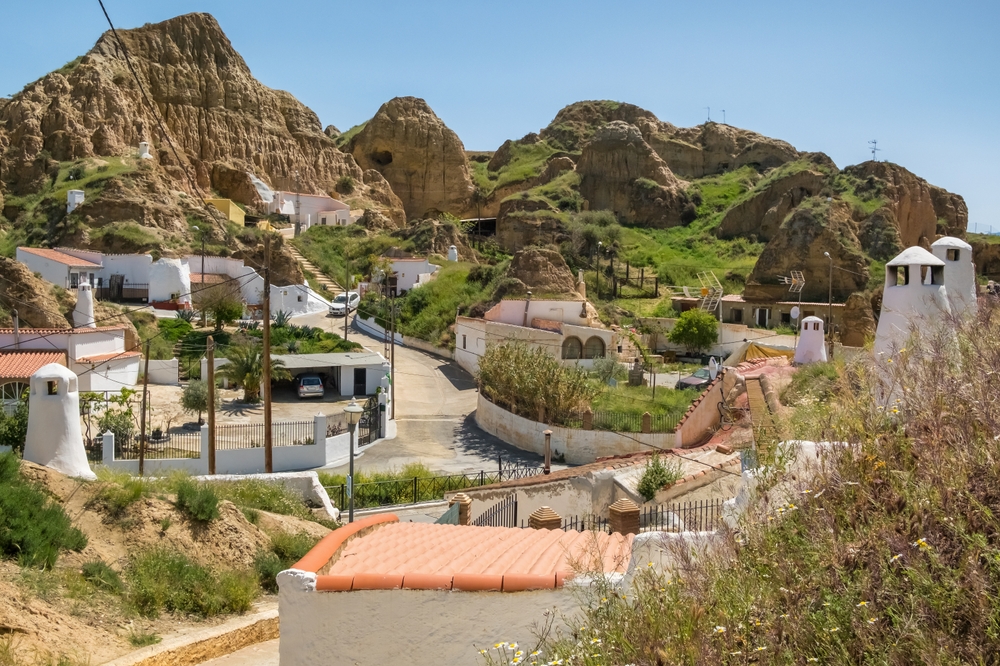
The origins of Spain’s cave dwellings date back millennia, predating modern structures by centuries. Found predominantly in provinces like Granada, Almería, and some parts of Andalusia, grotwoningen emerged as versatile solutions to climate extremes. Local populations harnessed the natural insulation provided by the earth, cutting into hillsides and mountains to carve living spaces that were cool in summer and cozy during winter.
Historic areas such as Guadix, Baza, and Sacromonte in Granada stand as living museums, testament to a long-standing tradition. The earliest inhabitants were likely seeking protection from the elements and invading forces. Over time, these spaces evolved from basic shelters into elaborate dwellings complete with rooms, courtyards, and intricate facades blending seamlessly with the surrounding landscape. Today, visitors and residents alike are captivated by how these homes exemplify a harmonious blend of history and adaptation.
Cultural Significance: More Than Just a Home
In Spain, grotwoningen are not merely unusual homes; they carry profound cultural significance. These dwellings reflect a way of life that values harmony with nature, sustainability, and community heritage. Local festivities and traditions have flourished around these unique habitats, particularly in regions like Andalusia where cave neighborhoods form close-knit enclaves.
Cave living is also intertwined with the artistic and musical identity of locales such as Sacromonte, famous for its vibrant flamenco scene. Musicians and dancers draw inspiration from the acoustics and ambiance inherent to grotwoningen, underscoring how these dwellings shape the culture and spirit of entire communities.
Modern Adaptations: The Evolution of Grotwoningen
Today’s grotwoningen bear little resemblance to their austere origins. Evolving construction techniques and modern amenities have made these homes desirable options for comfort-seeking residents and adventurous buyers. Unlike traditional stone cottages or rural farmhouses, cave dwellings incorporate natural insulation, energy efficiency, and solid security into their core design.
Many modern renovations include fully equipped kitchens, spacious living rooms, en-suite bathrooms, internet access, and even private swimming pools. Architects blend cutting-edge design with traditional aesthetics, carefully preserving the distinctive cave ambiance. The result: homes that honor history while offering the conveniences expected of contemporary living.
Advantages of Living in a Grotwoning
- Natural Climate Control: Unlike conventional houses, caves maintain a remarkably stable indoor temperature year-round, generally between 15°C and 20°C. This negates the need for energy-intensive heating or cooling systems.
- Energy Efficiency and Eco-Friendliness: Grotwoningen leverage the earth’s natural properties for sustainable living, minimizing ecological footprints through passive insulation and reduced energy consumption.
- Privacy and Tranquility: Built into hillsides or cliffs, these homes offer a level of privacy and serenity rarely found elsewhere, ideal for those seeking respite from busy urban life.
- Sound Insulation: The natural rock construction provides exceptional soundproofing, ensuring peace and quiet regardless of outside activity.
- Unique Aesthetic Appeal: The distinctive design and ambiance make these homes visually captivating, a conversation starter, and a point of pride for their inhabitants.
- Resilience and Security: Grotwoningen rank among the most secure types of housing, being naturally protected from storms, wildfires, and even earthquake tremors.
Potential Challenges of Cave Living
While the allure of living in a grotwoning is powerful, potential residents should be aware of certain challenges. Each cave home presents a unique set of considerations:
- Moisture and Ventilation: Proper ventilation must be ensured to prevent humidity, which can lead to mold. Modern renovations often address this with advanced climate control systems and well-placed windows or skylights.
- Renovation and Maintenance Costs: Transforming an ancient cave into a fully functional dwelling requires expert craftsmanship, specialized materials, and occasional structural reinforcement. Initial investments may thus be higher than average.
- Natural Light: The structure’s immersion in the earth means natural light may be less abundant than in traditional buildings. This can be mitigated by intelligent placement of windows, doors, and interior design elements emphasizing brightness.
- Regulatory Hurdles: Grotwoningen often fall under heritage or conservation regulations. Renovations may require navigating layers of local permits and respecting specific historical guidelines.
- Access and Infrastructure: Remote locations or hillside sites may require careful planning for access, public services, and parking conveniences.
Where Are Spain's Grotwoningen Located?
Grotwoningen are a distinctive feature of southern Spain, most commonly found in the following regions:
- Guadix (Granada): One of Spain’s oldest cave-dwelling towns, with thousands of inhabited caves and a thriving community accustomed to this way of life.
- Baza (Granada): Known for its labyrinthine cave neighborhoods, many of which have been beautifully restored for modern living.
- Almería: The region features both basic and luxuriously renovated grotwoningen, set amidst semi-arid landscapes reminiscent of the Wild West.
- Sacromonte (Granada): Famous for its flamboyant flamenco culture and spectacular views of the Alhambra, set within honeycombed caves.
- Murcia and Alicante: Less known but equally evocative, with a scattering of authentic and contemporary cave homes available for residential or holiday use.
Each of these regions offers unique local amenities, stunning natural landscapes, and a history of cave habitation stretching back hundreds—if not thousands—of years.
The Process of Buying a Grotwoning in Spain
Acquiring a grotwoning in Spain is a process that requires careful consideration and the guidance of trusted experts. Prospective buyers need to understand the unique legal, practical, and cultural aspects tied to these properties. IMMO ABROAD stands prepared to guide clients through every stage, ensuring a seamless and legally compliant experience.
- Initial Research: Define your preferences regarding location, size, style (rustic or modern), and budget. Grotwoningen range from basic shelters requiring full renovation to luxurious ready-to-live-in homes.
- Property Inspection: A thorough on-site visit is critical, with attention paid to structural integrity, humidity control, and the overall layout. Having a specialist in cave homes is beneficial.
- Legal Verification: Inspect property deeds, title registration, and compliance with local planning regulations. This is especially crucial for properties of historical or conservation value.
- Negotiation and Offer: Once a suitable grotwoning is found, negotiate the purchase price. The seller’s agent or your real estate advisor can help facilitate this process.
- Completion Process: The purchase is formalized at a Spanish notary, with all official documents translated (if necessary) and all fees, taxes, and registration duties accounted for.
Throughout, engage experienced real estate professionals (like the team at IMMO ABROAD), who have a proven record and an in-depth understanding of the region’s property market.
Renovating and Restoring Grotwoningen: Blending Tradition with Innovation
Restoring a cave dwelling is both an art and a science. Balancing the charm of traditional structure with the demands of modern living requires skillful design, sensitivity to heritage, and technical expertise.
- Structural Assessment: Begin with a comprehensive survey by professionals familiar with cave homes. This uncovers potential issues related to stability, dampness, or ventilation.
- Materials and Techniques: Restoration often employs traditional lime plasters, natural insulation, and locally sourced materials to maintain authenticity while enhancing comfort and safety.
- Modern Systems: Integrating electricity, water, and high-speed internet requires thoughtful planning to conceal wiring and piping without compromising the cave’s structure or aesthetics.
- Design Solutions: Skylights, light wells, and ingenious color schemes help bring natural light into deeper interiors. Open-plan layouts maximize perceived spaciousness and air circulation.
- Environmental Considerations: Solar panels, rainwater harvesting systems, and energy-efficient lighting further reduce the environmental footprint of your grotwoning.
Ultimately, the renovation process is a collaborative journey—uniting architects, craftsmen, engineers, and designers focused on creating a home that is both beautiful and functional.
Living the Dream: Daily Life in a Grotwoning
What is it truly like to wake up in a cave dwelling, nestled into the hillsides of Spain? Daily life in a grotwoning offers tranquility and connection unlike anything found in traditional homes. Sounds are muffled, light filters in softly, and outside temperatures fluctuate while the interior remains steady.
There is a sense of continuity—living in a space that echoes with the history and stories of those who came before. Yet, modern comforts abound, from high-spec kitchens to stylish bathrooms and outdoor terraces with breathtaking views. Community is often close-knit, with residents sharing a sense of camaraderie and pride in preserving this remarkable heritage.
Grotwoningen also foster a close relationship with the environment. Residents often cultivate gardens, terraces, or vineyards on land above or adjacent to the cave, embracing a lifestyle that is at once rustic and refined.
Eco-Friendliness and Sustainability of Cave Homes
Sustainability is not just a buzzword in the world of cave living—it is an intrinsic part of the grotwoning’s design. By tapping into the earth’s natural insulatory properties, these homes represent one of the greenest housing options available.
- Passive Energy Use: Natural regulation of indoor temperatures drastically reduces the need for artificial heating and cooling, resulting in lower energy bills and less reliance on fossil fuels.
- Low-Impact Construction: Carving homes into existing rock faces or hillsides eliminates the need for extensive building materials and minimizes land disturbance.
- Adaptability: Many grotwoningen integrate green roofs, solar panels, and efficient water management, taking sustainability to the next level.
- Longevity: Properly maintained, cave homes can last for centuries, circumventing the cycle of tear-down and rebuild associated with less durable structures.
The combination of tradition, technological enhancement, and natural design makes grotwoningen a model for eco-conscious living in the modern era.
Investment Perspective: Value, Rental Potential, and Market Trends
Grotwoningen in Spain have evolved from under-the-radar finds to highly desired assets. Their uniqueness, combined with historic charm and sustainability, ensures robust interest from both domestic and international buyers.
- Property Value: As awareness grows, prices have seen steady appreciation. Although generally more affordable than equivalent above-ground villas, the value of well-located, renovated cave homes is rising rapidly.
- Rental Opportunities: Demand for authentic holiday experiences fuels the success of grotwoningen as short-term rentals. These homes attract travelers seeking uniqueness, comfort, and a slice of local culture unavailable in standard hotels.
- Market Trends: With the increased focus on sustainability and remote work, more people are drawn to the privacy and serenity of rural and semi-rural cave living. Properties with high-speed internet, updated interiors, and proximity to tourist hotspots command premium prices.
- Resale Considerations: Provided they are well-maintained and legally registered, grotwoningen hold their value and offer significant resale potential, especially to buyers valuing heritage and eco-credentials.
As with any property investment, location, legal compliance, and quality of renovation are the main determinants of both immediate enjoyment and long-term appreciation.
Common Myths and Misconceptions Demystified
Despite their undeniable appeal, cave dwellings are often shrouded in misunderstanding. It is essential to dispel common myths about this unique form of housing to help future owners make informed decisions.
- "Cave homes are dark and damp." Modern grotwoningen employ advanced insulation, moisture barriers, and clever lighting solutions to create comfortable, bright living environments.
- "Living in a cave is primitive." Contemporary cave homes feature state-of-the-art appliances, designer interiors, and all the amenities associated with luxury living.
- "Caves are unsafe in natural disasters." In fact, they offer superior protection against storms, fires, and temperature extremes—often outperforming conventional buildings in this regard.
- "Cave living is isolating." Many grotwoning neighborhoods are thriving communities with social events, festivals, and close relationships among residents.
- "Grotwoningen are difficult to maintain." With proper restoration and regular upkeep, these homes are as manageable as any traditional property—and their low energy requirements often make them easier to sustain.
Understanding these points helps potential buyers appreciate the real-world experience of cave living, unmarred by outdated stereotypes.
Legal and Administrative Considerations for Grotwoning Owners
Owning a cave dwelling in Spain comes with specific legal and administrative responsibilities. Navigating these requirements is crucial both for peace of mind and the ongoing enjoyment of your unique home.
- Ownership Status and Title Registry: Ensure the property is properly registered with the Spanish land registry (Registro de la Propiedad), clearly reflecting its status as a residential grotwoning.
- Compliance with Local Building Codes: Renovations or expansions must adhere to local zoning laws, building standards, and (in some cases) historic conservation requirements. Unauthorized changes can lead to substantial fines or even demolition orders.
- Utilities and Services: Confirm that water, electricity, waste disposal, and telecommunications are legally connected and up-to-code. Some remote or historic grotwoningen may require upgrades to meet modern standards.
- Heritage or Conservation Status: Many cave dwellings are subject to regional or municipal oversight as part of protected cultural heritage. Owners may be required to use specific materials or techniques during renovations.
- Insurance: Discuss options with specialized companies experienced with grotwoningen, ensuring comprehensive coverage for fire, water, and structural integrity.
Early and regular consultation with real estate advisors and legal professionals ensures your grotwoning investment is both secure and compliant at every step.
Adapting Your Lifestyle: Is Cave Living Right for You?
Choosing to live in a grotwoning reflects more than a preference for a new address—it signals a lifestyle transformation. Before making this significant decision, it’s helpful to consider your priorities, preferences, and aspirations.
- Desire for Authenticity: Do you value heritage, tradition, and a deep connection with nature? Grotwoningen provide a sense of rootedness quite apart from generic modern housing.
- Commitment to Sustainability: Are you passionate about living responsibly, reducing your environmental impact, and embracing energy efficiency? Cave homes are exemplars in green design.
- Need for Privacy and Tranquility: If you relish seclusion, quiet, and retreat from the bustle of modern life, grotwoningen offer unrivaled peace.
- Creative and Social Outlook: Do you wish to belong to a vibrant community known for art, music, and celebration? Many cave neighborhoods foster rich, ongoing cultural exchanges.
- Readiness for Adaptation: Willingness to overcome logistical hurdles—such as limited natural light or occasional renovations—is key to thriving in a grotwoning.
If your vision aligns with these qualities, cave living may indeed be the transformative lifestyle you seek.
Enhancing Your Grotwoning: Design and Interior Inspiration
From rustic minimalism to contemporary chic, grotwoningen lend themselves to a spectrum of interior styles. Here are ideas for making the most of your unique abode:
- Emphasize Natural Features: Highlight the cave’s original textured walls, arches, and alcoves, using soft, indirect lighting and neutral color palettes to amplify space and light.
- Blending Old and New: Incorporate modern furnishings—sleek kitchens, designer bathrooms, technological gadgets—without overwhelming the cave’s traditional character.
- Creative Storage Solutions: Custom shelving, built-in cabinets, and concealed storage make the most of irregular spatial layouts.
- Artisan Touches: Local pottery, handwoven textiles, and artwork resonate with the cultural legacy of the surrounding region.
- Outdoor Living: Transform terraces, rooftops, or courtyards into lush retreats. Mediterranean planting, shade sails, and outdoor kitchens blur the line between inside and outside.
The possibilities for personal expression are endless. Each grotwoning is a blank canvas—ready for your individual imprint while respecting the spirit of its age-old architecture.
Case Studies: Grotwoning Owners and Their Stories
To fully appreciate the possibilities and pleasures of cave living, hear firsthand from those who have made the transition. Here are glimpses into three exemplary experiences:
1. The Heritage Restorer: A Family Home in Guadix
After acquiring a rundown cave dwelling on the outskirts of Guadix, a young family embarked on a careful restoration, committed to preserving original details while introducing modern luxuries. Over eighteen months, craftsmen restored the archways, exposed natural rock walls, and carved skylights. Today, the home blends rustic charm (with hand-painted tiles and local ceramics) and contemporary comfort—central heating, high-speed internet, and state-of-the-art kitchen—serving as both a personal haven and a standout holiday rental.
2. The Artist’s Studio: Creative Retreat in Sacromonte
A renowned sculptor sought creative inspiration in the heart of Sacromonte by purchasing and renovating a pair of interlinked caves. The unique acoustics double as a music studio, while the cool interiors protect delicate artworks. The artist attributes her productivity and wellbeing to the minimal distractions, tranquility, and ever-changing interplay of light and shadow within her cave home.
3. The Eco-Pioneer: Off-Grid Luxury in Almería
Determined to live sustainably without sacrificing comfort, a retired couple renovated a remote cave house. Solar panels, rainwater harvesting, and a green roof make the property energy-independent. Thoughtful orientation maximizes natural light, while underground wine storage and edible landscaping support a self-sufficient lifestyle—all within an environment protected from the region’s extremes of heat and drought.
Frequently Asked Questions About Grotwoningen
- How much does a grotwoning cost compared to a traditional Spanish home?
Prices vary widely based on location, size, state of renovation, and proximity to amenities. Generally, basic unrestored caves are more affordable, while fully modernized luxury grotwoningen may rival conventional homes in price. As demand grows, values are steadily increasing.
- Can I renovate a grotwoning on my own?
While small improvements can be made independently, significant renovations should be carried out by specialists familiar with cave properties, local materials, and heritage regulations. This ensures safety, compliance, and long-term durability.
- Is it possible to install a swimming pool?
Many renovated grotwoningen feature private pools, usually adjoining the main entrance or built on land above the cave. Proper permits and site evaluations are crucial for such installations.
- Are grotwoningen suitable for families?
Absolutely. With multi-room layouts, ample space, and serene surroundings, they make distinctive and comfortable family homes. Consideration should be given to access, natural light, and proximity to schools or services.
- What about resale opportunities?
Well-maintained grotwoningen are increasingly sought after for both private residence and tourist accommodation. Unique heritage ensures strong resale demand among niche buyers looking for authenticity and character.
- Can non-Spanish nationals purchase grotwoningen?
Yes. International buyers are welcome, provided due diligence is exercised. Working with knowledgeable local advisors guarantees a smooth legal process and proper documentation.
Practical Tips for Prospective Grotwoning Buyers
- Research historical and modern examples to narrow your vision of the ideal cave dwelling.
- Visit target regions—such as Guadix, Baza, or Sacromonte—exploring neighborhoods and meeting local residents.
- Work closely with real estate advisors who have recognized expertise in grotwoningen. Their experience protects your interests from the start.
- Allocate an appropriate renovation budget, allowing for unforeseen expenses related to structural reinforcement, insulation, and design upgrades.
- Engage architects who specialize in blending traditional and modern solutions, optimizing comfort without sacrificing originality.
- Prioritize properties with reliable access to public services and infrastructure (roads, water, electricity, waste management).
- Embrace the community spirit, engaging with local culture, traditions, and events for a richer living experience.
Grotwoningen as Holiday Escapes: Rental Appeal and Guest Experience
A growing number of investors and homeowners are transforming cave dwellings into high-end holiday rentals. Why are grotwoningen increasingly popular among discerning travelers?
- Unforgettable Ambiance: The unique environment delivers a sense of magic and adventure—cool, comfortable, and remarkably peaceful.
- Authentic Local Experience: Guests can immerse themselves in Spain’s heritage, exploring nearby villages, hiking in surrounding hills, and sampling regional cuisine.
- Tailored Luxury: Modernized grotwoningen let travelers enjoy spa bathrooms, infinity pools, chef’s kitchens, and even private courtyards within embrace of living rock.
- Cultural Connections: Many rentals host flamenco concerts, art workshops, wine tastings, and guided tours—helping visitors discover the region’s creative pulse.
For holidaymakers and owners alike, grotwoningen offer an unrivaled fusion of comfort, culture, and curiosity—creating lifelong memories and repeat business.
IMMO ABROAD: Guiding Your Journey Toward Grotwoning Ownership
The adventure of cave living begins with a vision but flourishes under expert guidance. IMMO ABROAD provides clients with trusted support—curating listings, overseeing legalities, and offering tailored advice throughout the journey. Each client benefits from thorough market insights, a deep respect for local culture, and a commitment to seamless, transparent service.
Whether you dream of restoring a centuries-old shelter or stepping into a move-in-ready masterpiece, the expertise and dedication of IMMO ABROAD ensures every detail is managed with care, integrity, and professionalism.
The Future of Grotwoningen in Spain: Trends and Opportunities
As global interest in sustainable living and renewed cultural heritage continues to grow, Spain’s grotwoningen are poised for a renaissance. Planners, designers, and homeowners are expanding the limits of what these historic spaces can offer—transforming them into exemplars of 21st-century comfort, art, and environmental stewardship.
The coming years will likely see:
- Increased Awareness: International media coverage and tourism are spotlighting the ingenuity and allure of Spanish cave homes.
- Sustainable Innovation: New techniques for insulation, lighting, and energy generation keep these homes ahead of the curve in green building.
- Expanded Community: Influxes of new residents—artists, entrepreneurs, digital nomads, and retirees—bolster the social and economic vibrancy of cave neighborhoods.
- Heritage Conservation: Regional and municipal projects are prioritizing the preservation and sensitive adaptation of grotwoningen, ensuring their legacy endures for future generations.
For those seeking a distinctive lifestyle and investment opportunity, grotwoningen stand out—rooted in the past, but with an eye fixed firmly on the evolving future.
Conclusion: Is a Grotwoning in Spain Your Next Chapter?
The story of Spain’s grotwoningen is one of resilience, creativity, and forward-thinking adaptation. These homes offer not only shelter but a profound connection to place, history, and sustainable living—qualities increasingly prized in a fast-paced, ever-changing world.
Whether lured by the promise of tranquility, the appeal of living history, or the environmental advantages of underground design, a grotwoning represents more than real estate; it is an inspired choice, rich with opportunity and meaning. For those drawn to this path, the expertise of committed professionals ensures a journey as comfortable as it is extraordinary.
If you are ready to explore the wonders of cave living—either as a permanent home or a luxurious escape—IMMO ABROAD’s team stands ready to guide you every step of the way. Embrace the extraordinary, and discover how a grotwoning in Spain can become your next great adventure.