
Introduction to Christmas Celebrations in Spain
Christmas, or Navidad, in Spain is a deeply cherished season, rich with history, rituals, and traditions that date back centuries. Unlike other European countries, Spain’s festivities are a vibrant blend of Catholic customs, local folklore, and regional heritage, culminating in a robust holiday season that spans from early December to well into January. The unique Spanish way of celebrating Christmas reveals fascinating contrast and colorful variety that astonishes visitors and residents alike.
For anyone longing to immerse themselves in authentic Spanish culture, experiencing Christmas in Spain is essential. The country comes alive with luminous decorations, elaborate feasts, melodious carols, and communal gatherings that make the festive period truly magical. Below, we journey through every nuance of the Spanish Christmas, uncovering the iconic feasts, time-honored customs, and extraordinary regional practices that define the holiday spirit in Spain.
The Advent Season: Spain’s Festive Prelude
The festivities commence in early December as anticipation for the holiday season builds across Spain. The start of Advent not only marks a spiritual preparation for Christmas Day but also serves as the launchpad for a month-long spree of celebrations, gatherings, and charitable acts.
Advent Traditions in Spain:
- Lighting of the Advent Wreath: Many Spanish households and churches display an adventkrans adorned with four candles, symbolizing hope and spiritual preparation.
- Calendar of Surprises: Advent calendars (calendario de adviento) are cherished traditions for children, offering daily treats or wisdom culminating in the big day.
- Community Celebrations: Towns often light up their streets and plazas as early as December 1st, fostering excitement and unity among neighbors.
These early traditions set the tone for the weeks ahead, blending contemplation with conviviality.
La Inmaculada Concepción: A Sacred Beginning
The official start to the Spanish Christmas is marked by the religious feast of the Immaculate Conception, celebrated on December 8th. This day holds particular significance in Spain, especially in the south, where church services, processions, and traditional music play a central role.
Noteworthy Customs:
- Holy masses and elaborate processions fill the streets, with participants dressed in regional attire.
- In Seville, the “Baile de los Seises”—a historic dance performed by choirboys—takes place at the city’s grand Cathedral, mesmerizing audiences with its solemnity and grace.
- Families gather for special meals and engage in charitable activities, emphasizing compassion and community spirit.
The Luminous Streets: Christmas Lights and Markets
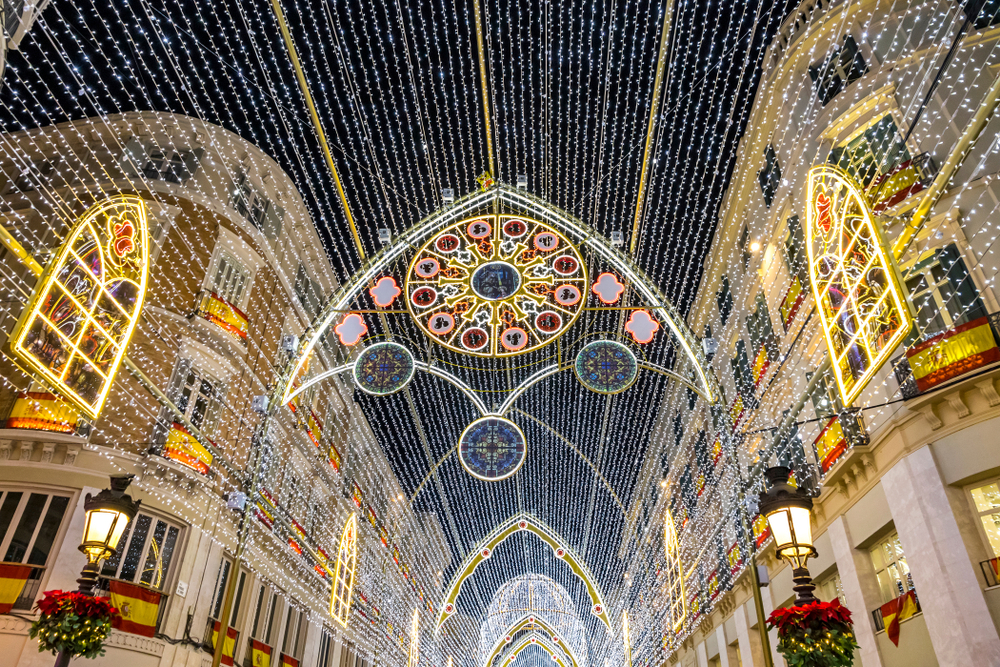
No Spanish city is complete in December without a spectacle of lights (luces de Navidad). From the sophisticated illumination of Madrid’s Gran Vía to the enchanting displays of Barcelona’s Passeig de Gràcia, every city and village transforms into a wonderland.
Christmas Markets: A Feast for the Senses
Alongside the festive lighting, Christmas markets (mercadillos de Navidad) pop up everywhere:
- Madrid’s Plaza Mayor: One of the oldest markets, offering artisan nativity figures, Christmas sweets, and unique crafts.
- Barcelona’s Fira de Santa Llúcia: Dating back to 1786, this market remains the city’s hub for seasonal cheer, with hundreds of stalls centered around the magnificent Cathedral.
- Seville’s Feria del Belén: Features an array of handcrafted nativity scenes, local delicacies, and traditional festive décor.
These markets not only foster community spirit but also highlight Spain’s legacy of craftsmanship and regional pride.
Nativities: The Spanish Art of the Belén
While Christmas trees (árbol de Navidad) are increasingly popular, the true centerpiece of Spanish Christmas décor is the Belén—a meticulously crafted nativity scene depicting the birth of Jesus. The art of building belenes is a passion passed down through generations, and in some regions, it becomes an elaborate community project.
Spain’s Love Affair with Nativities
- Family Belenes: Most homes stage their own version, some simple, others sprawling across entire rooms. Figurines may include all manner of townsfolk, animals, and local landscapes.
- Public Listings: Cities and churches display impressive large-scale belenes. The town of Jerez de la Frontera in Andalusia is famed for its “Ruta de los Belenes”, where one can follow a mapped trail of extraordinary nativity scenes.
- The ‘Caganer’ Figure: In Catalonia, alongside the holy family and shepherds, belenes often feature the quirky ‘caganer’—a peasant figure in the act of defecation. While the image may appear irreverent, it is actually a symbol of fertility and good fortune.
The care and artistry poured into each belén reflect the importance of tradition in Spanish homes and communities during the festive season.
The Soundtrack of Spanish Christmas: Carols and Zambombas
No celebration in Spain is complete without music, and Christmas is no exception. The air fills with the harmonious sound of villancicos (traditional Spanish carols), which are sung in homes, streets, and churches across the country.
- Zambombas: Particularly in Andalusia, the zambomba—a unique folk percussion instrument—accompanies lively gatherings where neighbors sing and dance together late into the night. In Jerez de la Frontera and other towns, the “fiestas de zambomba” are neighborhood-wide events.
- Choirs and Concerts: Many towns host special Christmas concerts, where choirs perform both sacred hymns and spirited villancicos, often incorporating guitar, tambourine, and castanets.
For locals and visitors, joining a zambomba or caroling session is a heartwarming way to experience Spanish hospitality and musical heritage firsthand.
Christmas Eve: The Heart of Family Festivities
La Nochebuena—or Christmas Eve—is the most anticipated and significant evening of the festive season in Spain. It’s a time when family takes center stage, and cherished gatherings unfold around sumptuous feasting, conversation, and reflection.
Fiesta of Flavors: The Christmas Eve Meal
While culinary traditions vary by region, a few themes unite the Spanish Christmas table:
- Seafood Celebrations: Prawns, oysters, clams, and bacalao (cod) are staples, especially along the coasts.
- Prime Meats: Roast lamb, suckling pig, and turkey are common in inland areas.
- Turrón and Polvorones: No Christmas meal is complete without these sweet treats—turrón, a nougat made from honey and almonds, and polvorones, crumbly shortbread cookies.
- Cava Toasts: Catalonia’s sparkling wine, cava, is the beverage of choice for Christmas toasts, although local wines abound across the country.
After dinner, families engage in lively conversation, exchange of affectionate gifts, and—depending on the region—may attend Midnight Mass (Misa del Gallo), a centuries-old Catholic tradition celebrating the birth of Christ.
Christmas Day: A Tranquil Continuation
Unlike Nochebuena, Christmas Day (Día de Navidad) in Spain is relatively serene. It is primarily a time for family relaxation and extended meals. Gift exchanges, while increasingly practiced, are often reserved for January 6th during Epiphany.
- Family Luncheons: Christmas Day lunch is a major event, often lasting several hours with multiple courses and a relaxed atmosphere.
- Regional Dishes: In some areas, families savor cocido (a hearty stew with meats and vegetables) or escudella i carn d’olla in Catalonia—a savory thanksgiving soup made with all kinds of meats and vegetables.
The day is marked by togetherness and gratitude, as families reflect on the joys of the season.
Santos Inocentes: Spain’s Festive Day of Pranks
On December 28th, Spaniards celebrate El Día de los Santos Inocentes, the equivalent of April Fool’s Day in other parts of the world. Rooted in the biblical story of King Herod, the modern celebration is a lighthearted occasion marked by playful pranks and laughter.
- Traditional Tricks: It is common for newspapers, television shows, and individuals to play practical jokes (inocentadas) on unsuspecting friends and family.
- Paper Cut-Outs: One classic trick is sticking a paper cut-out figure (“los monigotes”) onto the back of an unsuspecting victim.
This day injects a dose of humor into the otherwise reflective festive period, showing the playful side of Spanish culture.
New Year’s Eve: Rituals and Revelry
Nochevieja, or New Year’s Eve, is celebrated with great anticipation and exuberance across Spain. Public squares, homes, and restaurants are filled with revelers eager to bid farewell to the old year and welcome the new with hope, laughter, and tradition.
Unique Rituals to Greet the New Year
- Las Uvas de la Suerte: The most famous custom is the eating of “las doce uvas de la suerte”—twelve grapes, one for each stroke of midnight. Successfully swallowing all twelve is said to bring good luck for the year ahead.
- Red Undergarments: Many wear red underwear on New Year’s Eve as a symbol of luck and love.
- Public Gatherings: Iconic plazas, such as Madrid’s Puerta del Sol, fill with crowds who join in the televised countdown and collective grape-eating ritual.
After midnight, parties spill into the streets, where nightclubs and bars keep the celebration alive until sunrise, making Nochevieja one of the most spirited nights on the Spanish calendar.
Three Kings Day: The Pinnacle of Spanish Christmas
The Spanish Christmas season reaches its climax on January 6th with El Día de Reyes (Epiphany or Three Kings Day). This day honors the arrival of the Magi, or Wise Men, who bore gifts to the newborn Jesus. In Spain, the Three Kings serve as the traditional bringers of gifts, making this the most anticipated day for children.
The Majestic Cabalgata: Parades of the Three Kings
- On the evening of January 5th, every town and city hosts the “Cabalgata de Reyes”—a grand parade featuring majestic floats, marching bands, dancers, and the Three Kings themselves. They toss sweets and small gifts to the crowds, delighting children and adults alike.
- Larger cities like Madrid, Barcelona, and Seville produce especially spectacular processions, but even small villages celebrate with endearing local charm.
Epiphany Morning: The Magic of Gifts
- Children awaken to find presents delivered “by the Kings,” after having left out polished shoes, hay, and water for the Kings’ camels the night before.
- Families share the Roscón de Reyes, a ring-shaped sweet bread decorated with candied fruit and often filled with cream or chocolate. Hidden inside are a tiny figurine (bringing luck) and a bean (meaning the finder must buy next year’s roscón).
The joy, pageantry, and warmth of Three Kings Day perfectly encapsulate the Spanish Christmas spirit, blending faith, family, and festivity.
Regional Christmas Traditions in Spain
Andalusia: Zambombas and Flamenco Spirit
In Andalusia, particularly in cities such as Jerez and Seville, zambomba celebrations are legendary. Entire neighborhoods gather around bonfires, singing and dancing to flamenco-inflected Christmas tunes. The combination of music, wine, and camaraderie makes Christmas here a profoundly communal experience.
Catalonia: The Quirky Tió de Nadal and El Caganer
Catalonia takes pride in its playful Christmas customs:
- Tió de Nadal: Also known as the “pooping log,” the Tió is a wooden log with a smiling face, blanket, and the odd tradition of children whacking it to “defecate” gifts and sweets on Christmas Day.
- Belén Figures: The placement of “el caganer” in nativity scenes is another uniquely Catalan twist, turning a universal tradition into a celebration of local folklore.
Basque Country: Olentzero, the Charcoal Burner
In the Basque Country, the mythical figure Olentzero delivers gifts to children on Christmas Eve. Unlike Santa Claus, Olentzero is depicted as a jovial peasant who descends from the mountains, symbolizing generosity and the renewal of the land. Towns parade through the streets with effigies of Olentzero, accompanied by traditional music and Basque dances.
Galicia and Asturias: Magic of the Pagan World
In the Celtic-influenced regions of Spain, Christmas traditions are intertwined with ancient customs:
- Magosto Celebrations: Though primarily an autumn festival, the Magosto spirit of sharing roasted chestnuts, singing, and dancing lingers in December feasts.
- Serenades: Groups of children and adults (“aguinalderos”) serenade homes and businesses, receiving small gifts or treats in return—a custom rooted in centuries-old pagan rites.
Valencia and Murcia: Fiestas of Light
Valencia and Murcia prioritize their light festivals. Town centers dazzle with elaborate illuminations, lantern-lit processions, and spectacular fireworks. In Alicante, for example, the midnight Christmas Eve Mass is followed by vibrant fireworks displays that light up the Mediterranean sky.
The Gastronomy of Spanish Christmas: A Culinary Journey
Spanish Christmas fare is as diverse and festive as the country itself. Each region brings its own customary dishes, flavors, and ingredients to the holiday table, making gastronomy one of the highlights of the season.
Sweets and Treats
- Turrón: Spain’s most iconic Christmas sweet, turrón comes in endless varieties, from the crumbly, nutty turrón de Jijona to the hard, almond-studded turrón de Alicante.
- Polvorones and Mantecados: Slightly different in texture but equally delicious, these almond shortbreads melt in your mouth and are a festive favorite.
- Marzipan: Particularly popular in Toledo, these almond-and-honey confections are shaped into whimsical figures.
Savory Specialties
- Jamón Ibérico: Thinly sliced, aromatic cured ham is a staple on every festive table, often accompanied by regional cheeses and olives.
- Seafood: From langoustines and lobster to clams and anchovies, seafood features prominently—especially in coastal families.
- Roasted Meats: In Castilla and Madrid, roast lamb or suckling pig forms the centerpiece of the main feast.
Signature Beverages
- Cava: This sparkling wine from Catalonia toasts to the season’s joy.
- Hot Chocolate: Thick, rich chocolate is paired with churros for a traditional Christmas breakfast or late-night snack.
- Aguardiente: Strong, anise-flavored spirits warm up cold evenings in various regions, particularly Galicia and Asturias.
Spanish families and communities find unity and pleasure in the kitchen, sharing recipes, stories, and laughter throughout the festive period.
Art, Crafts, and Festive Activities
The Christmas period in Spain inspires a thriving culture of artistry and creativity. Markets, workshops, and community events abound, giving people the chance to make, buy, or gift handmade treasures that carry personal and cultural significance.
- Nativity Scene Crafting: In cities like Murcia, entire districts are known for creating the finest nativity figurines in Spain. Artisans pass down their skills through generations.
- Christmas Card Making: Schools and community centers organize creative workshops where children fashion their own Christmas cards, blending folk motifs with personal messages.
- Handmade Décor: Spanish homes adorn doors and tables with handmade wreaths, candles, and garlands—each reflecting regional colors and symbols.
Partaking in these activities, whether alone or in groups, enhances the anticipation of Christmas and preserves a passion for tradition and artistry.
Spanish Christmas in the Modern Era
In recent years, globalization and changing lifestyles have influenced the way Spaniards celebrate Christmas. However, instead of diluting tradition, this fusion of the old and new has added depth and richness to the festivities.
- While the Christmas tree and Santa Claus have found a place in many Spanish homes, they coexist peacefully alongside belenes, villancicos, and the Three Kings.
- Digital technology has ushered in new customs, such as virtual Christmas greetings and online advent calendars, making it easier for families to share celebrations even at a distance.
- Environmental consciousness is reflected in the growth of sustainable decorations, recycled materials in artisan crafts, and a resurgence of organic, locally sourced holiday meals.
Yet, at its heart, Christmas in Spain remains true to its core values: family, faith, food, and festivity. The innovations have only broadened the scope of communal joy and inclusivity, while the ancient rituals continue to unite generations.
Planning Your Own Spanish Christmas: Practical Tips
For those inspired to celebrate Christmas in Spain, a little planning and cultural understanding can turn the holiday into an unforgettable experience.
When to Arrive and Where to Stay
- To enjoy the full scope of festivities, arrive early in December so you can witness Advent customs, markets, and lights.
- Consider staying in areas known for vibrant traditions—Andalusia for music, Catalonia for its quirky rituals, or Madrid for dazzling parades.
- Book accommodations well in advance, as cities fill up quickly during popular holidays.
Joining Local Celebrations
- Immerse yourself in public gatherings such as zambombas, Christmas markets, and the Cabalgata de Reyes. Locals are welcoming and will gladly share their traditions.
- Don’t hesitate to try regional specialties. Accept invitations for meals and gatherings, as food is the language of hospitality.
- Respect cultural nuances—while the season is joyous, religious observances like Misa del Gallo or Epiphany are moments of reflection.
Gifting Etiquette
- In Spain, major gift exchanges typically occur on January 6th, although December 25th is gaining popularity. Choose practical, meaningful gifts, valuing the gesture over extravagance.
- For host gifts, bring sweets, local wines, or artisanal crafts, all of which are much appreciated.
Essential Spanish Phrases for Christmas
- Feliz Navidad: Merry Christmas
- Feliz Año Nuevo: Happy New Year
- Feliz Día de Reyes: Happy Three Kings Day
- Próspero Año Nuevo: Prosperous New Year
- Que lo pases bien en Navidad: Enjoy your Christmas
Equipped with these tips, anyone can weave themselves into the joyous tapestry of a Spanish Christmas.
The Deeper Meaning: Reflection and Reconnection
Beneath the vivid lights, sumptuous feasts, and playful customs, Christmas in Spain is a time for deep reflection and reconnection. It’s a period when families retrace their roots, honor absent loved ones, and reaffirm personal values through acts of charity and kindness.
- Many Spaniards volunteer with charities, donate to food banks, or support local families in need during the holidays.
- Churches and community centers host special services and events aimed at fostering solidarity and spiritual renewal.
- It’s also common to reach out to distant friends and relatives, mending bridges and rekindling relationships that may have faded during the year.
For both locals and newcomers, this side of Spanish Christmas, rooted in generosity and togetherness, offers a powerful reminder of the season’s original purpose.
Conclusion: The Unique Spirit of Spanish Christmas
To celebrate Christmas in Spain is to embrace a world of luminous beauty, heartfelt tradition, and boundless hospitality. Every city, every village, every family adds a brushstroke to a living masterpiece composed of memory, faith, and festive spirit.
From the soulful zambombas of Andalusia to the whimsical caganer of Catalonia; from the dazzling processions of the Three Kings to the tranquility of family meals, Spain’s Christmas is a symphony of contrasts and connections. Visitors and residents alike are drawn into a circle of joy, warmth, and wonder, where the sacred and the secular, the ancient and the modern, the playful and the profound, all find their place.
Whether you seek dazzling celebrations or moments of quiet reflection, Christmas in Spain offers experiences that are as unique as they are unforgettable. With open hearts, warm homes, and a spirit that welcomes all, Spain invites everyone to celebrate a holiday season like no other. Feliz Navidad!