





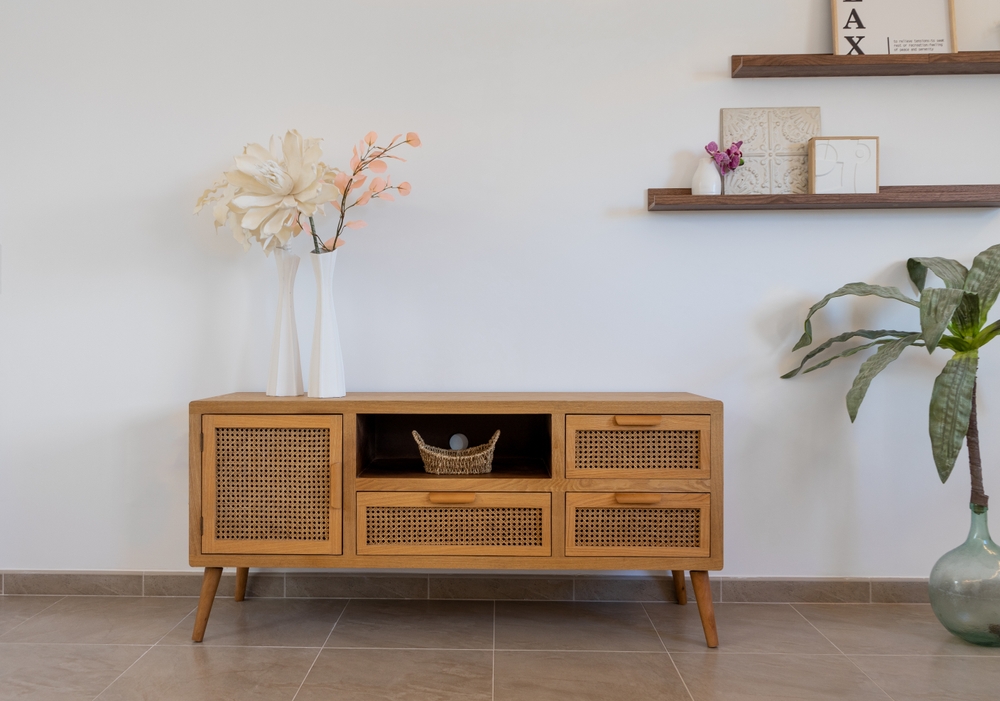
Understanding the Spanish Housing Landscape: Essential Insights
Spain has long captured the imaginations and hearts of those seeking sun, culture, and an enviable quality of life. For many, the dream of creating a stylish but affordable home on Spanish soil is entirely within reach—provided you begin with the right knowledge. Whether you’re moving for work, retirement, or a second residence, understanding the intricacies of affordable home furnishing in Spain is pivotal to transforming your vision into reality. This guide reveals comprehensive strategies, insider tips, and the cultural context necessary for cost-effective interior design and furnishing in Spain.
Why Spain? The Allure of Spanish Living
Before diving into the nuances of affordable furnishing, it’s important to appreciate why Spain is such a magnet for home buyers and renters from across the globe. The Spanish lifestyle is synonymous with relaxation, outdoor living, and vibrant social atmospheres. Mediterranean dietary habits, mild climates, and a slower pace of life draw millions of expats and second-home buyers each year. Spanish homes themselves range from traditional fincas, coastal townhouses, and modern apartments to rustic cortijos and new-build villas, each with unique architectural features and design potential.
Setting a Realistic Budget for Affordable Furnishing
The cornerstone of goedkoop huis inrichten in Spanje (affordable home furnishing in Spain) is meticulous budgeting. Establish clear financial boundaries before your first purchase. Some key considerations include:
- Size of Property: Larger homes require more furniture and accessories; a studio or one-bedroom apartment is less costly to furnish than a four-bedroom villa.
- Property Condition: Is it a new build or a resale? New properties may lack basic elements like lighting, while older homes may need repairs or modernization.
- Style Preferences: A minimalist approach generally saves money; ornate or custom features will increase your expenditure.
- Location: Costs can vary depending on region. Furnishing in high-demand coastal cities might be pricier than in inland rural areas.
Preparing a spreadsheet with estimated costs for furniture, appliances, and décor ensures you remain financially disciplined, while also making it easier to prioritize essentials over luxury items.
Spanish Design Aesthetics: Tradition Meets Modernity
Furnishing your Spanish home affordably does not mean forgoing style. In fact, Spain’s rich cultural tapestry presents a unique opportunity to blend tradition and modernity in your decoration choices.
Classic Spanish Elements
- Terracotta Tiles: Featured in floors or as roof tiles, bringing warmth and rustic appeal.
- Whitewashed Walls: A hallmark of Andalusian homes, offering a bright and fresh look that complements both antique and contemporary furnishings.
- Wrought Iron: Used in railings, lighting, and furniture, adding an artisanal touch.
- Colorful Ceramics: Decorative tiles and pottery inject vibrancy and personality.
- Wooden Beams: Exposed beams give depth and character to ceilings, especially in older properties.
Contemporary Spanish Style
- Minimalist Lines: Neutral palettes, uncluttered spaces, and sleek furnishings dominate modern Spanish interiors.
- Natural Materials: Use of stone, linen, wool, and unvarnished woods feels organic and timeless.
- Indoor-Outdoor Living: Large windows and sliding doors maximize natural light and connect interiors to terraces or patios.
By understanding these elements, you can create a Spanish-inspired home that feels authentic and inviting, while still managing costs.
Strategic Planning: Laying the Groundwork for Cost-Effective Furnishing
Before making purchases, plan your approach. A considered strategy translates to better deals and a more harmonious final result. Follow these essential steps:
-
Take Inventory of Existing Items:
If your property already contains furniture or appliances, assess what you can keep, reuse, or upcycle. Remember, many Spanish homes bought as resales are sold semi-furnished.
-
Measure Every Room:
Accurate measurements prevent costly mistakes. Note the positions of windows, doors, and radiators.
-
Prioritize Essential Spaces First:
Focus on the bedroom, kitchen, and living room. Outdoor spaces can be addressed afterwards.
-
Decide on a Cohesive Design Theme:
This makes it easier to coordinate purchases and take advantage of bundles or bulk discounts.
-
Create a Room-by-Room Shopping List:
Itemize what you need, including approximate price ranges. This step ensures you do not buy unnecessary items on impulse.
By preparing in this manner, you maximize your budget, minimize waste, and accelerate the path to a comfortable home.
Where to Shop: Sourcing Quality on a Budget
Spain’s furnishing options encompass world-famous brands, local artisans, chain stores, and secondhand markets. Here’s how to source the best pieces for less:
Major Furniture Chains
- IKEA: This international powerhouse has stores across major cities in Spain, offering contemporary designs at affordable prices and flat-pack delivery options.
- Conforama: Specializes in budget-friendly home furnishings, from beds to appliances, with regular promotional offers.
- Leroy Merlin: While known for DIY goods, provides economical solutions for storage, lighting, and garden furniture.
Local Spanish Retailers and Artisans
- Mercadillos (Markets): Weekly markets are treasure troves for furniture, décor, and textiles, often with negotiable prices.
- Carpinterías: Local carpenters can create custom pieces that are sometimes more affordable than imported options, especially outside large cities.
- Artisan Workshops: Seek out tile-makers, potters, and fabric weavers to add Spanish flair unique to your new locale.
Secondhand and Upcycling Opportunities
- Rastro Markets: Flea markets (most famously in Madrid but also elsewhere) offer vintage finds for those with an eye for bargains.
- Charity Shops: ‘Tiendas solidarias’ or charity shops like Cáritas and Remar sell household items at low prices, often benefiting good causes.
- Online Marketplaces: Among the most popular are Wallapop, Milanuncios, and Facebook Marketplace, where residents and expats alike sell pre-loved items.
Combining new, secondhand, and handmade pieces creates a unique interior at lower cost. Patience and regular visits often yield the best finds.
Room-by-Room Guide: Affordable Furnishing Tips
Focusing on essential living spaces ensures a comfortable, visually pleasing home without unnecessary spending. Below, we break down how to approach each major room affordably without sacrificing style or function.
The Living Room: Heart of the Spanish Home
The living room is where Spanish families gather, host guests, and unwind. Here’s how to furnish it efficiently:
- Sofas: Search for modular or convertible sofas—these save space in smaller apartments and are commonly found at good prices secondhand.
- Low Tables: Coffee tables, often central to Spanish lounges, can be sourced inexpensively from market stalls or built from repurposed pallets for a rustic look.
- Lighting: Spain’s natural light is abundant, but affordable standing or table lamps will enhance ambiance in the evenings.
- Textiles: Throws and cushions in ceramics-inspired patterns add color and softness; look for homeware sections in larger supermarkets for bargains.
- Shelving and Storage: Floating shelves and baskets can keep books, games, and décor tidy without heavy investment.
The Bedroom: Creating a Sancruary
Comfort is paramount, and you need not overspend. Here’s how to achieve restful nights on a budget:
- Beds and Mattresses: Mid-range mattress-in-a-box brands, particularly those with Spanish manufacturing, often run promotions. Consider a simple wooden frame or repurposed headboard from old doors or shutters.
- Wardrobes: Many Spanish homes lack built-in closets. Open clothing racks or modular wardrobes are cost-effective and simple to install.
- Soft Furnishings: Bed linens and duvets are available at value chains and often marked down during local sales periods (rebajas).
- Black-out Curtains: These improve sleep quality and can be found inexpensively at large homeware stores.
Kitchen and Dining Area: Functionality Meets Style
If your kitchen is unfitted or needs improvements, be strategic:
- Essential Appliances: Focus on core items first—fridge, stove, washing machine. Local retailers and online outlets often bundle these for discounts.
- Tables and Chairs: Mix and match vintage or secondhand chairs for an eclectic look. Folding tables are ideal for small spaces and can be sourced cheaply.
- Open Shelving: Instead of costly cabinetry, consider wall-mounted shelves for storage and Spanish-style ceramic displays.
Adding small touches, such as locally sourced tablecloths or hand-painted plates, brings warmth without significant expense.
Bathroom: Affordable Upgrades
- Functional Storage: Add shelving or baskets instead of built-in cabinetry.
- Accessorize: Inexpensive mirrors are widely available, as are towel sets in seasonal sales.
- Shower Curtains: Replace dated curtains with modern prints for a quick style update.
Outdoor Spaces: Maximizing Terraces and Gardens
- Affordable Furniture: Plastic or metal garden sets are found year-round at hardware chains, or repurpose wooden pallets for benches.
- Potted Plants: Brighten patios or balconies with native plants from local viveros (plant nurseries).
- Decorative Touches: String lights and ceramic lanterns add ambiance; both are often on offer during summer.
Embracing Spanish Seasons: Climate and Comfort
The Spanish climate influences both home comfort and furnishing choices. Spain’s diverse geography hosts Mediterranean, continental, and subtropical microclimates, each with specific considerations:
- Hot Summers: Invest in quality fans or mobile air conditioning units. Lightweight linen curtains and bedding keep interiors fresh and cool.
- Mild Winters: In most regions, heating costs are minimal. Opt for rugs, throws, and layered textiles to maintain warmth affordably.
- Humid Areas: In coastal locales, prioritize materials that resist moisture, such as treated woods and metal.
These adjustments not only enhance daily living but also prolong the life of furniture and accessories.
Upcycling and DIY: Unlocking Creative Potential
The do-it-yourself ethos has grown enormously in Spain, mirroring global trends but with a distinctive Iberian twist. Upcycling—repurposing older furniture or using retrieved materials—is not only cost-effective but aligns well with environmental values and injects your home with personality.
Popular Upcycling Projects in Spain
- Wooden Pallet Furniture: The classic Spanish terraza is often adorned with home-made pallet sofas, tables, or planters.
- Tile Tables: Local markets often offer surplus ceramic tiles perfect for custom-topped coffee tables or garden benches.
- Vintage Shutters: Old window shutters or doors can be turned into decorative headboards, garden trellises, or mirror frames.
Tips for Effective Spanish DIY
- Tap into online video tutorials for step-by-step guidance in Spanish or English.
- Visit local hardware stores for advice and affordable supplies.
- Take advantage of Spain’s gran rebaja periods (major sales) for discounted paints, varnishes, or hardware.
Upcycling not only saves money but allows you to craft a home reflecting your tastes and the local culture.
Smart Shopping: Leveraging Sales, Rebates, and Bargains
Timing is everything when seeking value for money in Spain. Understanding the country’s sales cycles and local bargaining traditions can result in significant savings.
Key Seasonal Sales
- Winter Sales (Rebajas de Enero): Start after Three Kings’ Day (January 6) and run into February, offering deep discounts on home goods.
- Summer Sales (Rebajas de Verano): Begin in July, running through August, with many retailers slashing prices to clear stock before the new season.
Other Savings Strategies
- Negotiation: In markets and with artisans, friendly bargaining is part of Spanish culture and often expected.
- Floor Models: Ask for discounts on display models or slightly marked items in stores, especially toward the end of a season.
- Outlet Villages: Many cities have outlet centers for furniture and home accessories offering year-round savings.
- Loyalty Programs: Major chains offer member cards with discounts, cashback, or future shopping vouchers.
- Online Flash Deals: Keep an eye on special online deals and limited-time offers through apps and retailer websites.
Combining these approaches ensures you stretch your budget as far as it can go.
Local Materials and Sustainability: Ethical Furnishing
Spain’s craft traditions and abundant natural resources provide excellent opportunities to furnish ethically. Opting for local, sustainable materials not only reduces costs through lower transportation fees but also supports small businesses and reduces environmental impact.
Recommended Local Materials
- Woods: Pine, olive, and chestnut are commonly used for furniture and often available at reasonable prices from regional sawmills or carpenters.
- Ceramics: Spanish tiles (azulejos) and dishes from Andalucía and Valencia are beautifully crafted and pop up at every price point.
- Wrought Iron: Hand-forged iron from Andalusia lends authenticity and durability—look for locally produced lighting fixtures, bed frames, or outdoor furniture.
- Textiles: Regions like Galicia and Catalonia are known for linen and wool products, ideal for sustainable bedding and curtains.
By choosing local materials, your home reflects its Spanish setting and benefits from tried-and-tested durability and style.
Integrating Technology and Smart Solutions Affordably
Modern Spanish homes increasingly incorporate technology to boost efficiency, security, and comfort. Doing so doesn’t have to break the bank—there are a host of affordable smart home solutions suitable for any budget.
- Smart Lighting: WiFi-enabled bulbs and switches are easily installed and often found on discount during sales. These provide mood and energy savings.
- Programmable Thermostats: Especially useful for homes with seasonal occupancy, ensuring comfort and reducing energy consumption.
- Affordable Security Cameras: Plug-and-play surveillance systems offer peace of mind at a low price point.
- Portable Bluetooth Speakers: Enhance home entertainment without expensive audio installations.
Researching the latest technology trends at Spanish electronics retailers ensures you catch everyday deals and keep your home up-to-date in a cost-effective way.
Navigating Language and Local Norms: Practical Tips
Even if you’re not fluent in Spanish, basic knowledge goes far when shopping, negotiating, or coordinating deliveries for your new home. Here are some practical ways to ease the process:
- Common Phrases: Learn key terms like ‘rebajas’ (sales), ‘ganga’ (bargain), ‘segunda mano’ (second-hand), and ‘entrega a domicilio’ (home delivery).
- Local Etiquette: Punctuality is flexible in Spain—allow for delivery windows and follow up with friendly, non-demanding communication.
- Payment Methods: Cash is often preferred in markets, but major retailers accept credit/debit cards and sometimes offer installment options.
- Delivery Logistics: Urban apartments may have restricted access; always provide exact building entrance information and check elevator dimensions for large items.
A little preparation prevents misunderstandings and helps build positive relationships with local vendors and service providers.
Legal and Administrative Considerations
When settling into a Spanish property, there are a few critical legal and administrative aspects relevant to furnishing and decorating:
- Rental Properties: Review your contract for rules about making modifications, drilling into walls, or removing items.
- Homeowner Associations: If you reside in a development with shared facilities, consult the community’s statutes before making significant alterations.
- Taxes and Invoices: Always request a formal invoice (‘factura’)—essential for warranty validation, insurance claims, and tax purposes.
- Appliance Energy Ratings: European law requires clear energy labeling on appliances; look for the most efficient models to minimize ongoing costs.
Furnishing a Rental Home: Meeting Guest Expectations Affordably
Spain’s vibrant tourist sector means many buyers intend to rent out their homes, either seasonally or year-round. Furnishing for the rental market involves extra considerations:
- Durability: Opt for sturdy, easy-to-clean fabrics and materials. Removable and washable covers are ideal.
- Inventory: Maintain a detailed list of provided furnishings, including quantities and condition, to manage expectations and avoid disputes.
- Neutral Décor: A restrained, universally appealing style attracts a wider pool of guests and reduces wear from frequent redecorating.
- Extras: Adding small touches like books, games, or kitchen gadgets can enhance guest satisfaction without significant investment.
Striking the right balance between cost, durability, and style keeps maintenance manageable while maximizing income from your Spanish property.
Personal Touches: Making Your House a Home
Even with a tight budget, your space can reflect your identity and passions:
- Local Art: Affordable prints, photography, or artworks from street fairs or up-and-coming artists personalize walls and support the community.
- Handmade Touches: DIY wall hangings, photo collages, or painted furniture add charm and uniqueness.
- Family Heirlooms: Shipping a few meaningful items—such as art, linens, or books—from your home country provides an emotional anchor without major transportation costs.
- Plants: Houseplants enliven interiors and are sold everywhere from supermarkets to open-air markets year-round.
Carefully chosen finishing touches ensure your home is as inviting as it is affordable.
Conclusion: Achieving the Dream of an Affordable Spanish Home
Furnishing your property in Spain affordably is a journey that involves inspiration, practical strategies, patience, and a willingness to blend cultures. By approaching the process methodically—respecting local aesthetics, capitalizing on secondhand finds, upcycling, and taking advantage of Spain’s seasonal sales—it’s possible to create a home that is as welcoming as it is budget-friendly.
Above all, enjoy the process! Spanish homes are designed to be lived in, shared, and loved. With creativity, resourcefulness, and a keen sense of style, your Spanish abode will soon become a cherished retreat—whether in the bustling heart of Madrid, the serene countryside of Andalucía, or the balmy coast of the Costa Blanca.
With this guide, you are equipped with everything you need to furnish your Spanish home stylishly and economically. May your new beginnings in Spain be comfortable, joyful, and full of memorable moments.