





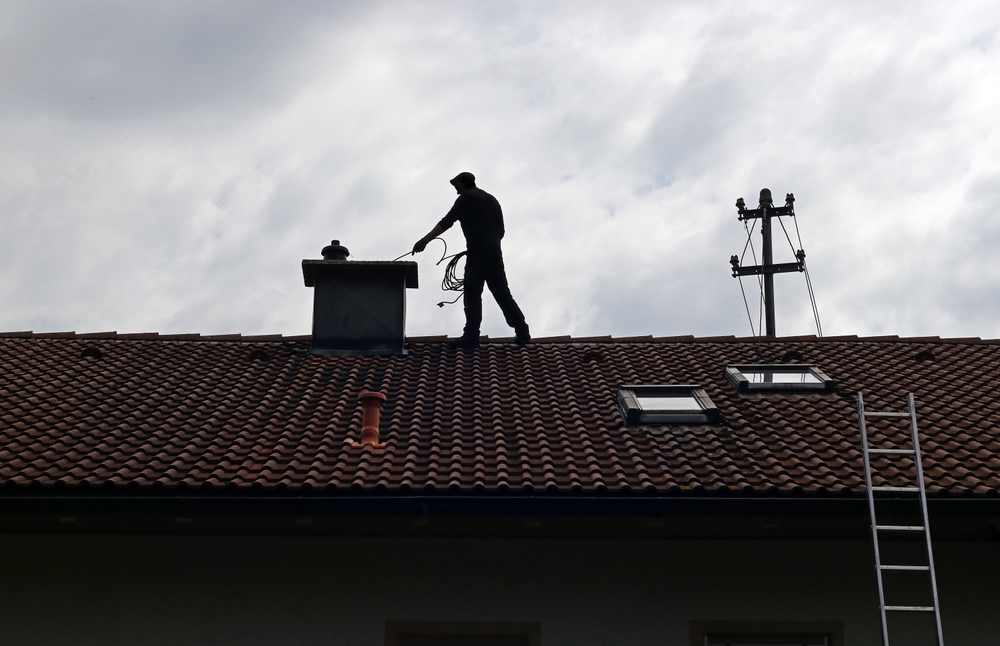
Understanding the Importance of Chimney Sweeping in Spain
In Spain, the tradition and necessity of chimney sweeping, or schoorsteenvegen, play a pivotal role in the maintenance and safety of both historic and modern homes. Fireplaces and chimneys are not only centerpieces of comfort and ambiance during the colder months; they are essential heating elements in many Spanish households, particularly in regions with continental climates or mountainous terrain. Over time, the accumulation of creosote, soot, and other combustibles can lead to significant safety concerns, including the risk of chimney fires or dangerous carbon monoxide leaks. In this comprehensive guide, we will delve into everything you need to know about hiring and managing a schoorsteenveger in Spain, from understanding the processes involved, legal requirements, frequency and costs, to choosing the right service for your property.
The Role of a Schoorsteenveger: More Than Just Cleaning
A professional schoorsteenveger is a highly specialized tradesperson whose primary responsibility is to ensure the functionality and safety of your chimney. However, their role extends well beyond simple cleaning. Below, we break down the key tasks and value-added benefits provided by expert chimney sweeps in Spain:
- Inspection and Diagnostic Services: Before beginning the cleaning process, a seasoned chimney sweep will thoroughly inspect both the interior and exterior of your chimney system. This initial check identifies potential issues including cracked masonry, loose or deteriorated mortar, blockages, or nesting birds.
- Expert Cleaning: Using an array of specialized brushes and vacuum equipment, professionals remove creosote, soot, and debris that have built up inside the chimney over time. Regular removal is vital to avoid chimney fires and maintain air quality.
- Repair and Maintenance Recommendations: A competent schoonsteenveger will provide actionable feedback if repairs are necessary, such as replacing the chimney cap, resealing joints, or addressing structural weaknesses.
- Advice on Proper Usage: Beyond cleaning, professionals educate homeowners on best practices related to fuel selection (wood, pellets, gas), burning habits, and general woodstove or fireplace maintenance to extend chimney life and maximize efficiency.
- Documenting Service Records: Especially crucial for insurance and legal compliance in Spain, a recorded certificate of service is often provided after each yearly inspection and cleaning.
Chimney sweeps thus hold a crucial position in home safety, insurance, and even property value maintenance throughout Spain.
Chimney Types in Spain: From Traditional to Modern
The diversity of real estate across Spain means chimneys are far from uniform. Understanding the chimney type in your property is a fundamental step when arranging for a schoorsteenveger to attend. The most common types include:
- Traditional Masonry Chimneys: Found in rustic fincas, country homes, and many older townhouses, these are constructed with brick or stone and have a classic design. They are susceptible to mortar decay, soot buildup, and bird nesting.
- Prefabricated Metal Chimneys: More frequently installed in modern apartments and villas, these are typically double- or triple-layered for insulation, but require careful cleaning to prevent damage to the lining.
- Wood-Burning Stoves with Flues: Standalone stoves, immensely popular for their heat efficiency, use metal flues that can quickly accumulate creosote, especially when burning green wood.
- Pellet or Biomass Chimneys: Increasingly prominent in Spanish eco-homes, their fuel can create a different type of residue, often requiring unique cleaning protocols.
- Integrated Gas-Burning Systems: While these are lower maintenance, annual checks are still essential, particularly for proper venting and to avoid carbon monoxide issues.
Each chimney type harbors its own cleaning and maintenance challenges. Engaging a sweep with relevant experience and technical knowledge is vital for appropriate care.
Legal Requirements and Responsibilities in Spain
In Spain, the obligations concerning chimney sweeping are shaped by a blend of national regulations, municipal by-laws, and insurance policy stipulations. Not only do these requirements protect residents from fire hazards, but they are also crucial for upholding legal and insurance standards. Homeowners and landlords face the following responsibilities:
- Annual Inspections: The majority of Spanish provinces mandate at least one annual inspection and cleaning of the chimney. This requirement is usually tied to your home insurance coverage—failure to provide proof of proper maintenance could render a claim invalid in the event of a fire.
- Insurance Compliance: Insurance providers frequently require certificates issued by certified chimney sweeps, documenting that the cleaning and inspection have been conducted according to outlined safety norms.
- Landlord and Tenant Duties: In rental properties, contracts generally clarify the responsibility of chimney maintenance; however, the property owner typically remains legally liable for major issues caused by neglect.
- Community Properties: Apartment complexes or semi-detached homes with shared chimneys (\chimeneas comunitarias\) must follow communal maintenance agreements, managed by the homeowners’ association (comunidad de propietarios).
- Municipal Fines: Several Spanish cities and towns enforce penalties for neglecting chimney maintenance, especially in historical areas where fires can cause widespread damage.
Adhering to these regulations is not only a matter of due diligence, but also avoids unnecessary legal complications, fines, or denied insurance claims.
How Frequently Should You Sweep Your Chimney in Spain?
While the standard recommendation is a minimum of one thorough sweep per year, this frequency can vary based on the chimney type, usage levels, and the type of fuel burned. Here’s a guideline:
- Wood-Burning Fireplaces and Stoves: For properties using these systems heavily during winter, a mid-season check in addition to the yearly sweep is advisable.
- Pellet and Biomass Systems: Manufacturers often recommend cleaning after every ton of pellets burnt, with at least a full annual inspection.
- Occasional Use: For vacation homes or secondary residences only used a few weeks each year, a pre-season check is usually sufficient. However, chimneys should be checked for blockages from birds or debris before the first use of the season.
- Historic Properties: Due to fragility and potential for rapid residue accumulation, increased vigilance is necessary—consider every six months if used frequently.
In every case, erring on the side of caution is prudent. Only a competent schoorsteenveger can determine the most appropriate cleaning cycle for your unique situation.
The Step-by-Step Chimney Sweeping Process
Employing a systematic approach ensures both comprehensive cleaning and the preservation of your property’s value. Here’s what you can expect when a professional schoorsteenveger services your chimney in Spain:
- Initial Consultation and Inspection: The chimney sweep evaluates accessibility, chimney type, and apparent issues before any work begins.
- Protective Measures: To prevent any mess in your home, drop cloths are placed around the fireplace, and furniture is protected.
- Soot and Creosote Removal: Special brushes are inserted into the chimney flue—either from the roof or inside—with industrial-grade vacuums to contain dust and debris.
- Blockage Clearance: If necessary, the sweep removes blockages such as bird nests, leaves, or other obstructions manually.
- Visual and Camera Inspection: Many professionals use small cameras to inspect hard-to-see areas for cracks, holes, unnatural wear, or persistent blockages.
- Safety Check: The exterior chimney stack is checked for signs of water damage, missing caps, or deteriorated flashings, sealing or repairing issues found.
- Service Certification: Upon completion, you receive an official certificate detailing the inspection and cleaning, crucial for legal and insurance purposes.
The process is seamless and, when performed by an expert, takes just a few hours, ensuring your home remains clean throughout.
Benefits of Regular Chimney Maintenance
Regular chimney care with a reputable schoorsteenveger yields substantial benefits, far beyond basic cleanliness:
- Fire Hazard Reduction: Clean chimneys minimize creosote, the chief cause of home chimney fires.
- Improved Energy Efficiency: Well-maintained chimneys allow stoves and fireplaces to burn more completely, producing more heat with less wood and less smoke.
- Odor and Smoke Reduction: Soot buildup or half-burnt creosote can create foul odors and poor air quality, both of which are alleviated with regular cleaning.
- Protecting Property Value: Neglected chimneys can develop structural issues, water ingress, and mold—clean systems maintain the value and integrity of your real estate investment.
- Legal and Insurance Compliance: Documented maintenance is a must for compliance and avoiding denied claims.
The modest investment in regular sweeping pays dividends by extending the life of your heating system and ensuring year-round safety and comfort.
Common Chimney Problems Found During Sweeping
Professional chimney sweeps in Spain routinely discover recurring issues—knowing what these are helps homeowners remain proactive:
- Creosote Glazing: A hardened, shiny tar that resists brushes and can ignite intensely if left unchecked. It grows rapidly if burning damp wood or if the fire is smoldered frequently.
- Deteriorated Masonry or Liners: Time, weather, or poor construction can lead to cracks or corrosions, threatening both structure and insulation.
- Uncapped Chimneys: Without a protective cap, rain and debris easily enter, and birds or even rodents can build nests that severely block the flue.
- Flue Blockages: Besides animal nests, fallen masonry or excess soot can significantly inhibit proper venting, leading to smoke back-up and carbon monoxide danger.
- Water Damage: Especially in snowy or rainy regions, failed flashing or open mortar joints can allow water to enter, causing mold, rust, and freeze-thaw damage to both chimney and interior walls.
- Improper Draft: Poor design, negative pressure indoors, or blocked air paths lead to inefficient burning and smoke escaping into the room.
Early detection of these issues can prevent minor challenges from escalating into costly repairs or hazardous situations.
Cost Factors: What Influences the Price of a Schoorsteenveger in Spain?
The costs associated with chimney sweeping in Spain can vary widely, influenced by a range of factors. Understanding these can help you anticipate what to budget for and avoid hidden fees:
- Chimney Size and Type: Larger or more complex chimney systems, such as those on historic fincas or houses with multiple fireplaces, require additional time and specialized equipment.
- Accessibility: Chimneys situated on pitched roofs, multi-story buildings, or those with difficult access points may incur extra charges for safety equipment or scaffolding.
- Frequency of Cleaning: First cleanings after many years of neglect often take longer and generate more residue, whereas regular clients might receive discounted rates.
- Extent of Blockage or Damage: Any urgent repairs, heavy creosote removal (requiring chemical treatment), or bird nest clearance can increase the total cost.
- Geographical Location: Prices may reflect regional differences, with services in urban centers tending towards higher rates than those in rural areas, based on travel and labor costs.
As a general guideline, a standard residential chimney cleaning starts at around €70–€150, with extra charges for advanced inspections or complex repairs.
How to Choose a Reliable Schoorsteenveger in Spain
Selecting a reputable chimney sweep is crucial for both the quality of the work and your peace of mind. Here are essential steps and qualities to look for:
- Professional Certification: Seek out certified professionals with credentials recognized by Spanish or European chimney sweep associations.
- Experience and References: Longevity in the industry and positive feedback from clients are strong indicators of reliability and trustworthiness.
- Insurance and Liability Cover: Ensure your sweep carries proper insurance for property damage or personal injury during the job.
- Transparent Pricing: Avoid unexpected charges by insisting on a detailed written estimate before the work.
- After-Service Documentation: Only engage those who provide a comprehensive report and, if required, a certificate of completion for legal or insurance purposes.
- Communication and Advice: Professionals should be willing to discuss their process, highlight any problems, and suggest maintenance routines tailored to your property.
Building a long-term relationship with a qualified schoorsteenveger is an investment in ongoing property safety.
Innovations in Chimney Maintenance: Modern Tools and Techniques
The trade of chimney sweeping, while steeped in tradition, has embraced modern technology to better serve homeowners:
- Rotary Cleaning Systems: Advanced, flexible rotating rods attached to high-powered drills ensure thorough soot removal, even through narrow bends or complex flues.
- Camera Inspections: Live-feed cameras identify internal problems, document their location, and provide visual proof for both owners and insurers.
- Creosote Dissolving Chemicals: Where standard brushes fail, eco-friendly chemical treatments break down stubborn, glazed creosote for safe extraction.
- Remote Soot Sensing: Innovative sensors can now alert property managers to rising soot levels, reducing the risk of surprise blockages or hazardous buildups.
- Dust-Free HEPA Filtration: Professional vacuums capture microscopic dust and allergens, keeping your home clean and the air healthy during and after service.
These advancements reinforce a commitment to safety, efficiency, and client satisfaction.
Fireplace and Chimney Types Across Spanish Regions
Spain’s rich architectural tapestry means variation in both style and function of fireplaces and chimneys from region to region:
- Andalusia: Classic whitewashed homes often feature wide, open hearths (chimeneas de leña), designed to both heat and cook. Chimneys here are broad and sometimes exposed to strong winds off the sierras.
- Catalonia: Many townhouses and masías use closed, high-efficiency stoves with insulated flues, blending tradition with modern heating technology.
- Madrid and Castilla: Urban apartments lean towards pellet stoves and gas systems, while rural villages retain massive stone or brick fireplaces, some centuries old.
- Basque Country and Asturias: Frequent rainfall and cold mean deep, externally vented chimneys and sophisticated water-tight caps.
- Valencia and Costa Regions: While milder, open fire elements are still popular for winter evenings in fincas or townhouses; gas inserts are gaining ground for efficiency and ease of use.
Each regional style requires a tailored approach from your schoorsteenveger, particularly when dealing with unique wind patterns, rainfall, or traditional building materials.
Seasonal Considerations: When Is the Best Time to Sweep Your Chimney?
Although chimney maintenance is a year-round concern, timing your appointment strategically can yield optimum results:
- Spring: Once the heating season concludes, this is the prime time for a thorough sweep. All accumulated soot and creosote are removed, preventing off-season odor and allowing time for any repairs before the next period of use.
- Late Summer/Early Autumn: An inspection before the heating season ensures no birds or debris have entered over the summer and that the system is in peak condition for the cold months ahead.
- Emergency Cleanings: If unusual smoke or odors are noticed, or after particularly stormy weather which may have deposited debris, arrange an inspection promptly—waiting risks both your safety and your property.
Booking outside peak periods will also often secure you a more flexible appointment calendar.
Special Precautions for Second Homes and Holiday Rentals
Many properties in Spain serve as secondary residences or short-term holiday rentals. Unique maintenance and documentation challenges arise in these situations:
- Pre-Season Checks: Always ensure a chimney is swept and visually inspected before the property is opened for guests or a new season of occupancy.
- Documentation for Insurance: Keep all certificates from cleaning and inspections—these can be critical if a guest claims injury or if an incident necessitates an insurance claim.
- Clear User Instructions: Provide detailed, multilingual operating instructions for fireplaces and stoves, including how to operate dampers, appropriate fuels, and fire safety advice.
- Monitoring Use: For high-turnover rentals, consider regular in-season checks, as guests unfamiliar with chimeneas may inadvertently misuse the system.
Proactive maintenance and clear communication here reflect your commitment to guest safety and satisfaction.
Eco-Friendly Chimney Sweeping: Sustainable Practices in Spain
As environmental awareness grows, chimney sweeps are adapting their practices to support a greener future:
- Eco-Certified Fuels: Professionals can advise on using sustainably sourced hardwoods, pellet fuel made from waste, and even renewable alternatives to minimize emissions and creosote buildup.
- Waste Management: Modern sweeps dispose of soot and debris in accordance with local environmental regulations, sometimes even repurposing clean wood ash as a garden amendment.
- Green Chemicals: When chemical treatments are necessary, only biodegradable products are used, protecting both the home and outdoor environment.
- Efficient Burning Guidance: Sweeps educate homeowners not only on safety, but on optimal techniques to ensure maximum heat extraction with minimum fuel and emissions.
By choosing eco-savvy providers and practices, Spain’s homeowners contribute to both personal and planetary well-being.
How to Prepare for the Schoorsteenveger’s Visit
To maximize efficiency and minimize disruption, homeowners can take the following steps ahead of a scheduled sweep:
- Clear the Fireplace Area: Remove ash, kindling, firewood, and decorative items near or inside the fireplace.
- Provide Safe Access: Ensure unobstructed routes both inside and outside the home—in apartments, notify building management if roof access is required.
- Protect Valuables: Move fragile objects or valuable furnishings away from the fireplace before the sweep’s arrival.
- Arrange for Pets: Place pets in a separate room during the sweep to reduce stress or the risk of escape during door or window opening.
- Prepare Questions: Jot down any concerns about drafts, odors, or usage habits for discussion with the professional during the visit.
Proper preparation ensures prompt, thorough, and mess-free service.
Exploring Traditional and Modern Tools of the Schoorsteenveger
The array of equipment and materials in a chimney sweep’s toolkit reflects both centuries-old techniques and cutting-edge innovation:
- Rod and Brush Sets: Flexible rods, sometimes running several meters long, paired with tough-bristle brushes of varying diameter, remain the classic equipment for disrupting soot and debris.
- Industrial Vacuums: High-powered units equipped with HEPA filtration remove even microscopic particles, preventing dust clouds indoors.
- CCTV and Inspection Cameras: Lightweight, flexible cameras allow for interior surveys, helping document findings for owners and insurance adjusters alike.
- Chemical Agents: Modern agents dissolve glazed creosote and sanitize the chimney lining without environmental harm.
- Hand Tools: Scrapers, pliers, and wire cutters are essential for clearing stubborn nests or foreign objects.
- Personal Safety Equipment: Harnesses, hard hats, gloves, and protective eyewear, particularly when working on steep roofs, are a sign of a serious professional.
Proper use and care of this equipment is a hallmark of true expertise.
The Certificate of Chimney Sweeping: Why Is It So Important?
In Spain, the certificado de limpieza de chimenea is more than a piece of paper; it is a critical document for your household:
- Legal Proof: Official evidence that your chimney is maintained in accordance with local regulatory requirements, safeguarding against fines.
- Insurance Protection: Essential documentation for claims on home insurance should fire or carbon monoxide damage occur.
- Property Transactions: Required during sale or rental negotiations as proof of responsible maintenance to prospective buyers or tenants.
- Personal Record keeping: A running log helps you track service intervals and anticipate future maintenance dates.
Always request and file your certificate after every professional chimney service.
Training and Certification for Schoorsteenvegers in Spain
The journey to becoming a qualified chimney sweep in Spain involves rigorous training and certification:
- Apprenticeships: Traditional apprenticeships, with years of hands-on learning, are common, especially in family-run businesses.
- Technical Courses: Formal education in fire safety, ventilation, and materials science, often backed by national or EU certification bodies.
- Continuing Education: Because technology and regulations evolve, reputable sweeps attend yearly workshops and refresher courses.
- Professional Associations: Affiliation with recognized bodies provides ongoing resources and underscores credibility.
When hiring, ask about qualifications and ongoing education to ensure you receive up-to-date, expert service.
Chimney Safety Tips Beyond Professional Sweeping
While annual visits from a schoorsteenveger are essential, day-to-day safety practices also contribute to safe operation:
- Burn Only Seasoned Wood: New or damp wood smokes excessively, accelerates creosote, and damages both flue and air quality.
- Install a Chimney Cap: A properly fitted cap excludes rain, birds, pests, and debris year-round.
- Never Burn Trash: Paper, plastic, or painted wood release harmful chemicals and can trigger dangerous chimney fires.
- Regular Visual Checks: If you notice unusual smoke, odors, or reduced draft, arrange an interim inspection immediately.
- Carbon Monoxide Alarms: Install detectors in rooms with fireplaces or stoves—this colorless, odorless gas can be fatal without warning.
Proactive habits amplify the security provided by professional maintenance.
The History and Cultural Importance of Chimney Sweeping in Spain
Chimney sweeping, or schoorsteenvegen, enjoys an intriguing history in Spain. In medieval towns, wood-burning fireplaces fueled not only warmth but communal ovens for bread, shaping urban layouts and daily rituals. Sweeps evolved from essential artisans in the 19th-century industrial boom to guardians of public safety as Spanish cities modernized. Today, their work endures in both urban penthouses and centuries-old cortijos (farmhouses), reflecting the Spanish reverence for tradition, family, and the home.
Cultural references, such as the figure of the soot-covered sweep in Spanish children’s stories or village folklore, reinforce their continued significance in contemporary life.
The Place of the Chimney Sweep in Modern Spanish Society
Alongside their time-honored tasks, contemporary sweeps offer services to architects, developers, and municipal authorities. Their knowledge is indispensable for sustainable building certifications and for compliance with evolving energy efficiency regulations. As Spanish homeowners become more interested in energy conservation and green living, the modern schoorsteenveger plays a new role: that of consultant and partner in eco-aware living, advising on everything from new stove models to home airtightness and smart-ventilation solutions.
Summary: Why Professional Chimney Sweeping Matters
In sum, engaging a professional schoorsteenveger in Spain is not merely a bureaucratic requirement but a cornerstone of responsible homeownership. From historic mansions in Andalusia to contemporary apartments in Madrid, regular chimney maintenance ensures safety, preserves tradition, sustains efficiency, and underpins property value. The blend of old-world craftsmanship and 21st-century innovation makes Spanish chimney sweeps true guardians of health, heritage, and home comfort—a role as vital today as it ever was.
FAQ: Chimney Sweeping in Spain
How do I know if my chimney needs to be swept?
Common indicators include excessive smoke, unpleasant odors, visible soot or creosote buildup, strange noises (possible animal nests), or reduced heating efficiency. If in doubt, schedule a professional inspection.
Can I sweep my own chimney?
While small amounts of upkeep are manageable for some, such as removing cold ash or checking the cap, most Spanish insurance policies and legal guidelines require certified, professional cleaning for full coverage and compliance.
How long does a chimney sweep visit take?
For a standard residential chimney, expect 1–2 hours. More complicated systems, extensive repairs, or large properties can require longer appointments.
Is chimney sweeping messy?
Modern sweeps use drop cloths, powerful vacuums, and protective barriers to ensure the process is clean and minimally disruptive to your home.
Is there a best time of year for a professional sweep?
Spring is preferred after the heating season, with late summer/early autumn checks recommended before heavy winter use.
Do I need to be present during the sweeping?
While not always required, it’s advisable to be present to discuss any findings and receive safety guidance or maintenance tips directly from the professional.
How is chimney soot disposed of?
Responsible sweeps in Spain follow all local guidelines for the disposal of soot, ash, and chemical residues, with an increasing emphasis on environmental safety.
Do gas fireplaces and stoves need to be swept?
Yes, though less frequently than wood systems. Vent pipes must be checked for blockages, corrosion, or leaks, and regular servicing remains essential.
What happens if I neglect chimney maintenance?
Risks include chimney fires, carbon monoxide poisoning, water ingress with resultant property damage, denial of insurance claims, and hefty fines.
How do I book a professional chimney sweep in Spain?
Contact a reputable, certified schoorsteenveger. For international and expatriate homeowners, services can often be arranged in English and other languages for your convenience.
Conclusion: Protect Your Spanish Home with Expert Chimney Care
The unique character and comfort of Spanish living is inextricably linked to the warmth and ambiance of its many hearths. By taking proactive steps to understand, schedule, and invest in top-tier chimney sweeping and maintenance, you ensure that your home or holiday property remains a safe, efficient, and welcoming haven for years to come. Trusting expert hands preserves both the historic and modern soul of your property—a legacy of care worth passing down.