





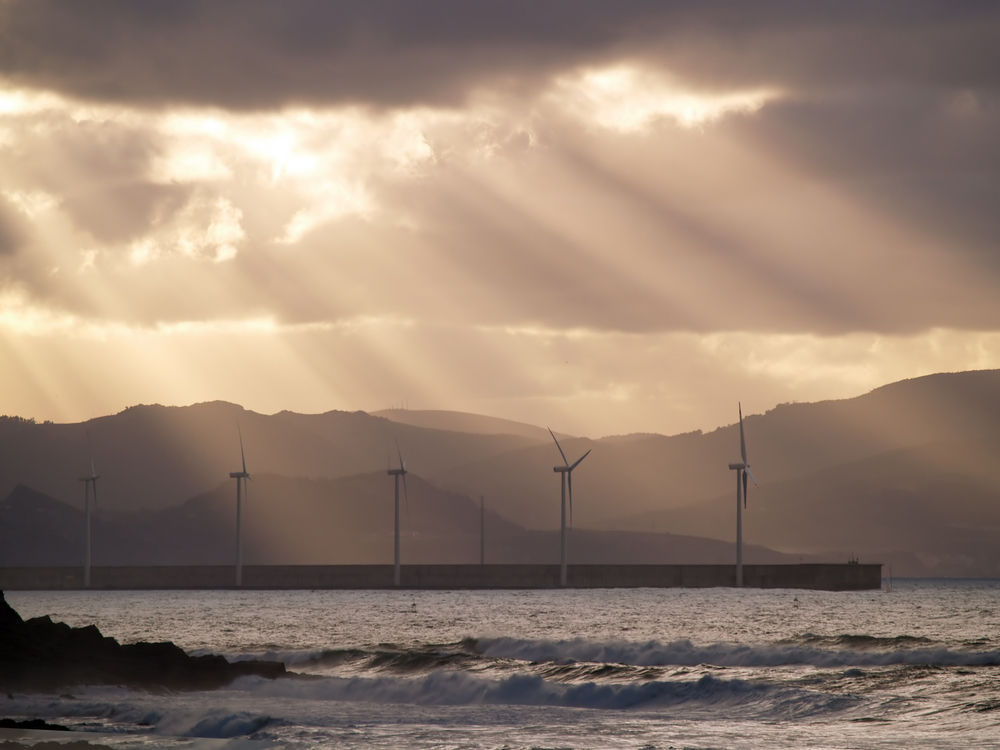
The Essence of Clean Air in Spain: An Introduction
Spain is renowned for its passionate culture, sun-kissed coastlines, diverse landscapes, and rich traditions. However, one of its lesser-sung virtues—yet highly impactful for quality of life—is its abundance of clean, fresh air in many of its regions. Whether you seek rejuvenation, an escape from urban pollution, or simply wish to immerse yourself in nature’s purity, understanding where to find the cleanest air in Spain is essential. This expansive article delves into the multifaceted dimensions of Spain's pristine air, focusing on the best regions for air quality, the science behind clean air, and the lifestyle benefits inherent to these environments.
The Science of Air Quality: Understanding What Makes Air "Clean"
Before mapping Spain’s cleanest spots, it is crucial to understand what constitutes clean air. Air quality is generally determined by the concentration of pollutants such as particulate matter (PM2.5 and PM10), nitrogen dioxide (NO2), ozone (O3), sulfur dioxide (SO2), and carbon monoxide (CO) in the atmosphere. Regions with minimal vehicular activity, low industrial presence, abundant vegetation, and favorable meteorological conditions typically boast cleaner air.
Scientific agencies monitor air quality using indices such as the Air Quality Index (AQI), which factors in the type and concentration of pollutants. An AQI score of 0-50 is considered excellent; 51-100 is good; above that, potential risks increase for sensitive groups. In Spain, several areas consistently register low AQI values, making them havens for those seeking healthful atmospheres.
Geographical Factors That Influence Air Quality in Spain
Spain's geography is both diverse and highly influential in air quality distribution. The country features soaring mountain ranges, rolling plains, lush forests, arid plateaus, and extensive coastlines. Natural factors at play include:
- Altitude: High-altitude regions, such as the Pyrenees and Sierra Nevada, often enjoy cleaner air due to sparse population and minimal traffic.
- Forests and Vegetation: Dense forests, like those in Galicia and Asturias, act as natural filters, absorbing pollutants and releasing oxygen.
- Wind Patterns: Coastal breezes, such as those along the Cantabrian coast, disperse airborne pollutants and refresh the atmospheric content.
- Urbanization: Rural and semi-urban zones suffer less from industrial emissions and heavy traffic, promoting better air quality compared to metropolitan hubs.
The interplay of these factors means that Spain’s cleanest air is found in regions where nature predominates and human activity is sustainably managed.
Cleanest Regions in Spain: Ranking the Air Purity
While many parts of Spain enjoy pristine air, some stand out for their exceptional atmospheric purity. Based on historical AQI data, environmental studies, and government reports, the following regions are recognized as outstanding for clean air:
- Asturias and Cantabria (Green Spain)
- The Pyrenees (Aragon, Catalonia, Navarre)
- Galicia (northwest coast)
- La Gomera and La Palma (Canary Islands)
- Sierra Nevada and Alpujarras (Andalusia)
- The Costa de la Luz
- Baleares’ rural inland, especially Menorca
- The Province of Soria (Castilla y León)
Let's explore these areas in-depth, uncovering what makes them particularly suitable for those in pursuit of the purest Spanish air.
Asturias and Cantabria: The Emerald Paradise
Nestled between the Cantabrian Sea and the Picos de Europa mountains, Asturias and Cantabria are often called the lungs of Spain. These autonomies are defined by dense forests, verdant valleys, and a temperate, oceanic climate that prevents air stagnation. Urban development is limited and carefully regulated, preserving extensive swathes of untouched nature.
Environmental Characteristics
Heavy rainfall nourishes thick woodlands and lush meadows, contributing to a refreshing microclimate. Towns such as Cangas de Onís, Potes, or Comillas often feel worlds away from the urban haze found in larger cities. Here, the predominant winds sweep pollutants out to sea, continually renewing the air supply.
Health and Lifestyle Benefits
Asturias and Cantabria’s pure atmosphere invigorates both residents and visitors. Activities such as hiking in the Picos de Europa or strolling along the Senda del Oso trail offer not only visual splendor but also the vitalizing intake of crystalline air, boosting both respiratory health and general wellbeing.
The Pyrenees: Spain’s High-Altitude Sanctuary
Stretching over 400 kilometers along Spain’s northern frontier, the Pyrenees are a stronghold of clean air. Their lofty elevations, tranquil valleys, and sparse populations combine to create an atmosphere remarkably free from pollution. Here, fresh air is not just a feature—it is a way of life.
Key Localities and Features
Villages like Aínsa, Benasque, and Vielha exemplify the region’s purity. Snowmelt tumbles down from peaks, feeding unspoiled rivers and nurturing forests that act as further air filters. Tourism remains eco-conscious and small-scale, ensuring sustainability.
Physical and Mental Health Advantages
The Pyrenean air is invigorating, benefiting those with respiratory conditions and allergy sensitivities. Outdoor lifestyles—trekking, cycling, skiing—allow for maximal engagement with nature’s cleanest environments, providing a boost not only to the lungs but to mental clarity and emotional wellness.
Galicia’s Coastal Purity: The Atlantic Influence
Galicia stands apart with its dramatic Atlantic coastline, emerald mountains, and ancient eucalyptus and oak forests. Weather systems moving in from the ocean frequently clear the skies, keeping air exceptionally fresh.
Best Places to Breathe Easy
Rías Baixas, the coastal areas near Pontevedra and Lugo, and interior zones such as Ourense offer consistently low AQI readings. The rolling countryside is dotted with small hamlets where the air is fragranced with sea spray, wild herbs, and pine.
Lifestyle Insights
Daily life is molded around the outdoors. Residents and visitors indulge in leisurely coastal walks, forest bathing, and open-air dining—all free from the encumbrance of airborne pollution. Galicia’s environment is also linked to the remarkable longevity and wellbeing of its inhabitants.
Canary Islands: La Gomera and La Palma—Volcanic Air Purity
The Canary Islands are often lauded for their unique microclimates and volcanic soil. Among these, La Gomera and La Palma emerge as exemplars of clean air—thanks to minimal industry, strict conservation policies, and an ecosystem shaped by Atlantic breezes.
Natural Advantages
Towering laurel forests, like the Garajonay National Park on La Gomera, serve as natural air purifiers, sheltering an immense biodiversity. La Palma, meanwhile, is celebrated for its stargazing thanks in part to its immaculate atmospheric conditions.
Daily Living and Wellness
Life on these islands is tranquil and deeply connected to nature. Many residents report improved respiratory health and mental balance. Activities such as hiking the volcanic trails, meditating in forest clearings, or simply relaxing on the shoreline maximize contact with clean air.
Sierra Nevada and Las Alpujarras: The Air of Andalusian Peaks
The province of Granada is home to the mighty Sierra Nevada—the highest peaks on the Iberian Peninsula. The surrounding Alpujarras region is characterized by whitewashed villages, terraced hillsides, and crystal-clear streams. Thanks to its elevation, remoteness, and light population, the air here remains noticeably fresh year-round.
Unique Climatic Features
The Sierra Nevada’s altitude not only delivers spectacular views, but also ensures cooler, cleaner air. Temperature inversions and isolation from urban hubs serve to protect this region from smog intrusions. Valuable for those with asthma or environmental sensitivities, it provides a natural refuge.
Benefits for Tourists and Residents
Visitors and inhabitants in this region cherish the blend of culture, tradition, and pristine air. Popular wellness retreats, yoga camps, and meditation centers have chosen Las Alpujarras for precisely this reason, promising a healthful environment to complement various holistic practices.
Costa de la Luz: Ocean Breezes and Unspoiled Landscapes
Stretching along the southwestern edge of Spain, the Costa de la Luz faces the Atlantic Ocean. Its beaches are vast and unspoiled; its hinterlands, dotted with pine forests and protected dunes, help maintain exceptional air quality.
Why Air Quality Thrives Here
Steady Atlantic winds continuously refresh the coastal environment, sweeping away any traces of dust or pollution. The region’s environmental policies prioritize sustainable development, limiting heavy industry and urban sprawl near the coast.
Living and Breathing the Costa Life
Here, lifestyle is tailored to outdoor enjoyment. Kitesurfing, nature walks in Doñana National Park, and leisurely days on the sand are all imbued with the constant background of clean, invigorating air—a feature highly prized among seasonal residents and permanent immigrants alike.
Menorca: The Balearic Beacon of Purity
Menorca, the tranquil Balearic island, is recognized for its biosphere reserve status, sparse traffic, and protection of natural landscapes. Rapid winds from the Tramuntana keep the air perpetually fresh and vital.
Natural Safeguards
Menorca’s population density is low compared to neighboring Mallorca and Ibiza. Strident regulations shield extensive meadows, pine and oak forests, and pristine seashores from overdevelopment. The air feels crisp, scented with wildflowers and sea salt.
Wellbeing in Menorca
The island’s unhurried pace encourages a healthy, outdoors-oriented lifestyle. Annual surveys consistently report high life satisfaction, owing not only to the slow rhythm but also to the tangible benefits of breathing exceptionally clean air—ideal for raising families or as a retirement haven.
Province of Soria: The Tranquil Heart of Castilla y León
Soria’s fame is quietly growing as one of Spain’s least populous provinces and as a retreat for those seeking both calm and atmospheric purity. Surrounded by rolling fields, pristine rivers, and ancient pine forests, Soria’s air is among the nation’s cleanest.
Characteristics and Distinctions
Most of the province is rural, with small settlements and few sources of pollution. The nearby Sierra de Urbión and Cañón del Río Lobos Natural Park serve as huge “lungs,” constantly refreshing the local atmosphere.
Implications for Residents
Choosing Soria is choosing health. The abundance of clean air is matched by a stress-free pace of living, making this region increasingly attractive to health-conscious relocators. The low AQI also makes it ideal for children and seniors, who are more vulnerable to air pollutants.
Comparing Clean-Air Regions: Urban vs. Rural
While the cleanest air in Spain is generally found in rural and remote regions, certain urban areas also perform admirably thanks to proactive environmental policies.
- Rural Regions: Offer maximal air purity, tranquil settings, and close contact with nature. Industrial and traffic sources are minimal.
- Urban Centres with Clean Air: Cities such as Oviedo, San Sebastián, and Lugo stand out due to coastal breezes, green belts, and progressive environmental management.
- Challenges for Large Cities: Madrid, Barcelona, and other large urban areas struggle with periodic air pollution due to high traffic density and limited air dispersion capacity during heatwaves.
For those sensitive to air quality, the rural option almost always guarantees better results. However, carefully chosen small- to medium-sized cities, especially along the northern coast, offer a successful compromise.
The Health Impact of Clean Air: Beyond the Obvious
Breathing clean air supports more than just respiratory function. Scientific studies confirm extensive health benefits, including:
- Respiratory Health: Reduction of asthma attacks, chronic respiratory disease, and allergy symptoms.
- Cardiovascular Health: Lower incidence of heart disease, hypertension, and related complications.
- Mental Wellness: Reduced levels of stress, anxiety, and depression. Clearer air means a clearer mind.
- Long-Term Longevity: Populations in clean-air regions consistently report higher life expectancies and lower illness rates.
- Immune Function: Enhanced ability to fight off viruses and bacterial infections, thanks in part to improved sleep quality and oxygenation.
For families, children, seniors, and anyone with pre-existing health issues, the value of selecting a residence in a region with clean air is inestimable.
Environmental Conservation and Air Quality Preservation in Spain
Spain’s clean-air regions are no accident—they are the product of conscious choices and robust environmental stewardship. Several mechanisms are key:
- Protected Natural Parks: From the Picos de Europa to Doñana and Garajonay, these reserves protect vast areas from overdevelopment and pollution.
- Sustainable Tourism: Regulating visitor numbers and promoting eco-friendly activities help maintain air quality even during peak tourist periods.
- Renewable Energy Initiatives: Spain has invested heavily in wind and solar, reducing dependence on fossil fuels and the resultant emissions.
- Rural Revitalization: Incentives for rural living and sustainable agriculture reduce the environmental burden on cities and support local economies.
These strategies facilitate ongoing improvements in air quality, preserving Spain’s reputation as a sanctuary for clean living.
Clean Air and Real Estate: Purchasing in Pristine Environments
Acquiring property in regions with premium air quality is increasingly in demand, both for personal wellness and as a long-term investment. Prospective homeowners and investors should note several considerations:
Factors to Evaluate
- Proximity to Nature: Properties near national parks, woodlands, and coastlines offer the cleanest air and are highly desirable for wellness-driven buyers.
- Infrastructure: Ensure minimal nearby industry, sustainable local governance, and available public transit to prevent car-dependence expansion.
- Health Facilities: Access to quality healthcare complements living in a region known for healthful air.
- Market Trends: Clean-air regions often enjoy stable or rising property values as demand grows among European retirees and lifestyle buyers.
The desire for clean air is thus more than a trend; it is a cornerstone for increasingly savvy buyers and investors who understand its full value for health and property appreciation.
Case Study 1: The Transformative Effects of Relocating to Asturias
Consider the example of a family moving from a heavily polluted urban environment to a rural village in Asturias. Early benefits include reduced frequency and severity of asthma attacks among children, better concentration and academic performance, and a noticeable improvement in overall family mood and energy levels. The transition also fosters new routines—daily walks, outdoor sports, and gardening—firmly rooting the family in nature’s rhythms.
Community Aspects
Engagement with rural life further amplifies wellbeing. Local markets provide organic produce, social ties are stronger, and the sense of community support underpins emotional security. Clean air is both a benefit and a catalyst for broader life improvement.
Case Study 2: Digital Nomads Seeking Clarity in the Canaries
Increasing numbers of remote workers choose places like La Palma or La Gomera, attracted by both the climate and the pristine air. Reports indicate enhanced productivity, improved sleep quality, and reduced digital fatigue. The freedom to work outdoors—on shaded terraces or in garden offices—heightens the appeal for anyone whose work-life balance depends on the proximity to natural, health-promoting environments.
Work and Health Interdependencies
For digital nomads, clean air transitions from a “nice to have” to a fundamental aspect of their lifestyle—directly impacting energy, creative output, and overall wellbeing.
Seasonal Considerations: When Is Air at Its Purest?
While many Spanish regions offer clean air year-round, certain months excel. Late spring and early autumn are particularly beneficial; natural pollen levels are moderate, humidity is comfortable, and the absence of wildfire smoke ensures pure conditions.
- Winter: Higher altitudes and oceanic coasts are typically at their freshest, with minimal pollen and pollution.
- Summer: Some inland areas are affected by heat and, occasionally, wildfire particulates, so mountain areas or coastal zones are preferable.
- Seasonal Adaptations: Knowing when to visit or relocate confers additional advantages: optimal air, fewer tourists, and lower property and rental rates outside high season.
Children and Clean Air: Giving the Next Generation an Advantage
Childhood exposure to clean air yields lifelong advantages:
- Lower rates of childhood asthma and allergies
- Improved cognitive development, associated with higher school performance
- Greater engagement in outdoor play, supporting emotional intelligence and physical health
- Resilience to respiratory illnesses
Parents report less frequent medical visits, improved sleep, and a generally happier, more active family dynamic following a move to a clean-air locality.
Seniors and Respiratory Wellness: The Case for Moving to a Cleaner Climate
For older adults, the health upside of clean air is immense. Many retirees in Spain specifically seek out cleaner regions to alleviate respiratory conditions, cardiovascular issues, and general fatigue.
Senior-Friendly Locations
- Pueblos in La Gomera and La Palma, with their temperate climate and idyllic landscapes
- Quiet towns in the Alpujarras, which provide tranquility and robust healthcare systems
- Coastal villages in Cantabria and Asturias, where pollution is virtually nonexistent
Anecdotal and clinical evidence points to improvements in mobility, longevity, and overall happiness post-relocation to these areas.
Clean Air and Active Living: Sports and Outdoor Culture in Spain’s Healthiest Regions
Immersing oneself in Spain’s clean-air regions naturally lends itself to an active lifestyle:
- Hiking and Trekking: From pilgrimages in Galicia to climbing the Pyrenees, outdoor activities are accessible and enhanced by pure air.
- Water Sports: Surfing, sailing, and swimming on the Atlantic and Mediterranean coasts combine exercise with the benefits of marine aerosols.
- Winter Sports: Skiing the slopes of Sierra Nevada and the Pyrenees offers both aerobic activity and invigorating alpine air.
- Cycling: Both mountain biking and road cycling are safer and more enjoyable in areas without vehicle emissions.
These pursuits not only support physical health, but they reinforce the symbiotic relationship between clean air and an enriched, fulfilling lifestyle.
Ecotourism and Sustainable Travel in Spain’s Clean-Air Regions
Eco-conscious travel is increasingly popular, and Spain’s cleanest regions are leading the way. Ecotourism supports local economies while maintaining environmental integrity.
Highlights
- Staying in eco-lodges and rural casas rurales, which blend traditional architecture with sustainable features.
- Participating in guided nature excursions that prioritize the protection of flora and fauna.
- Engagement in volunteer programs such as reforestation or wildlife monitoring—offsetting personal travel impact.
These initiatives combine recreation with responsibility, offering visitors the chance to experience Spain’s pristine air while helping preserve it.
The Spiritual and Emotional Impact of Immersion in Clean Air
Beyond physical health, clean air exerts a profound influence on emotional and spiritual wellness. Spain’s well-preserved natural spaces—mist-laden forests, sun-dappled clearings, rugged peaks—evoke feelings of peace, renewal, and deep connection.
- Forest Bathing (Shinrin-Yoku): Practiced in Galicia and the Canary Islands, this Japanese approach to meditative walks in forested areas lowers stress hormones and fosters tranquility.
- Meditation and Mindfulness Retreats: Numerous centers in Las Alpujarras and Menorca harness the power of pure air to create optimal conditions for personal growth and therapeutic transformation.
- Artistic Inspiration: Painters, writers, and musicians have long sought Spain’s cleaner, quieter corners to tap into creativity unhindered by pollution or noise.
The connection between clean air and clarity of mind is more than anecdotal; it is recognized as a vital element in therapeutic and spiritual practices.
Challenges and Threats: Keeping Spain’s Air Clean for the Future
While Spain’s clean-air regions are currently well protected, they face several challenges:
- Climate Change: Rising temperatures can increase wildfire risk and influence pollen counts, temporarily reducing air quality in vulnerable areas.
- Urbanization: Expansion of urban and industrial areas poses a risk if not carefully managed.
- Mass Tourism: Surges in visitor numbers—if not regulated—strain infrastructure and can generate local pollution spikes.
- Transport Emissions: Even rural zones are not immune to vehicle exhaust, especially near popular hiking routes and coastlines.
Proactive planning, community engagement, and ongoing monitoring will be crucial to maintaining and even improving air quality for generations to come.
Future Prospects: Spain as a Global Leader in Clean-Living Destinations
With growing international interest in health, wellness, and sustainable living, Spain is uniquely positioned to cement its reputation as a global destination for clean air and quality living. Emerging trends include:
- Investment in green infrastructure in both urban and rural settings
- Expansion of biosphere reserves and natural parks
- Community-driven sustainability programs
- Integration of air-quality awareness in policy and planning decisions
As awareness grows, Spain’s cleanest regions will be at the forefront of a movement prioritizing health, wellbeing, and environmental harmony.
Conclusion: Where to Breathe Best in Spain
The quest for the cleanest air in Spain encompasses geographical, ecological, and social dimensions. From the moss-laden forests of Asturias and the oceanic villages of Galicia, to the windswept valleys of the Pyrenees and volcanic sanctuaries of the Canary Islands, opportunities abound for those seeking a sanctuary from modern pollution.
Choosing a destination—or a new home—in one of these clean-air havens is more than just a lifestyle upgrade: it is a commitment to health, happiness, and environmental stewardship. Whether for a short visit or a lifetime of wellness, Spain’s purest regions offer a promise as enduring as its landscapes: here, you can truly breathe easy.
For those inspired to embrace a life defined by clean air, informed guidance is essential. Our team at IMMO ABROAD combines local expertise with a passion for healthful living, making it simple to find your ideal property in Spain’s most atmospheric enclaves—while ensuring your investment aligns with both your values and your lifestyle aspirations.
Ultimately, the clean air of Spain is an invitation—to live, to breathe, and to flourish in harmony with nature.