





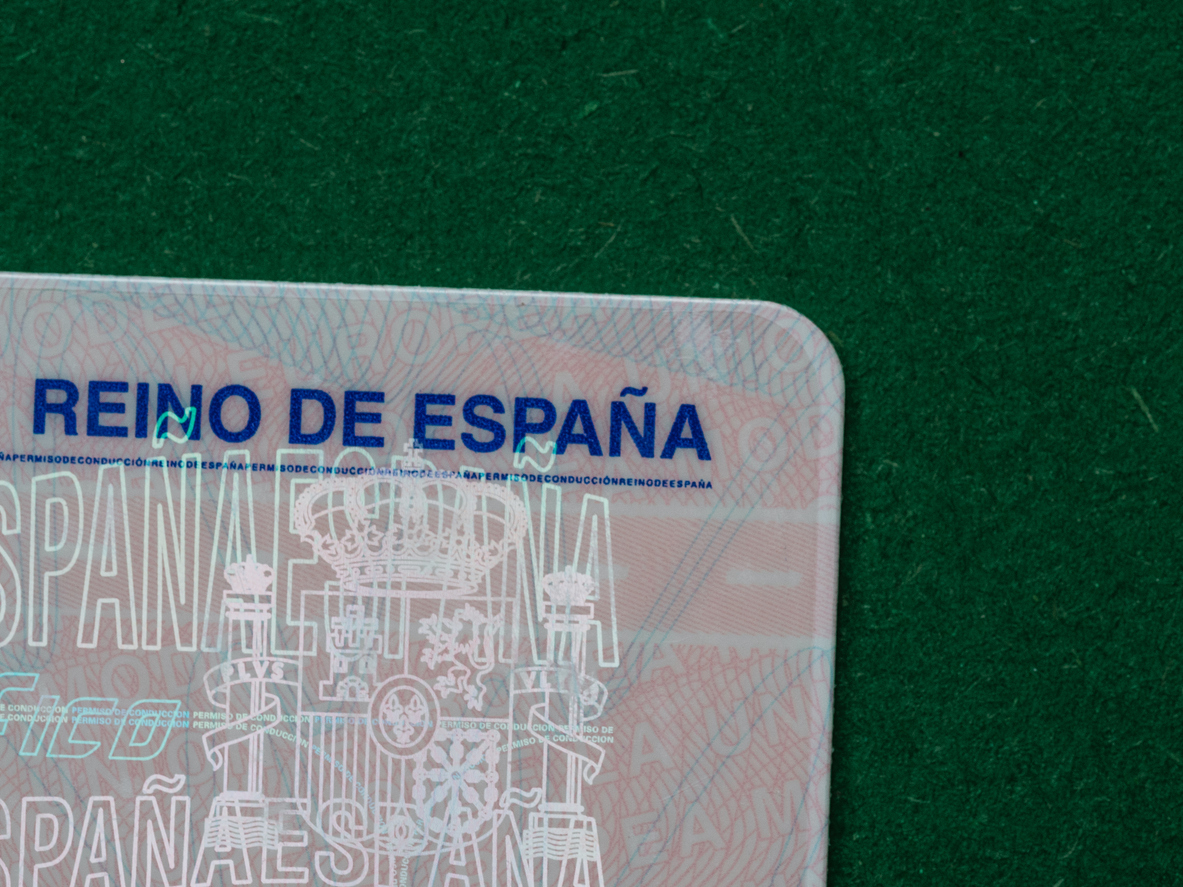
Introduction: Navigating the Path to a Spanish Driver’s License for Retirees
Relocating to Spain is a dream come true for many retirees. With its temperate climate, exceptional healthcare, and vibrant culture, Spain stands as one of Europe’s most inviting countries for those seeking relaxation and adventure. However, to enjoy full mobility and independence during your residency, converting your driver’s license to a Spanish one becomes an essential step. This comprehensive guide is designed to help retirees—and those advising them—navigate Spanish transportation regulations, conversion procedures, and ensure a smooth transition behind the wheel in Spain.
Understanding the Need for a Spanish Driver’s License
Before discussing the conversion process, it is vital to understand why retirees moving to Spain need to switch their driver's license. International driving rules are governed by agreements between countries, and these rules differ depending on your country of origin, the length of your stay, and the type of residency you hold.
- Residency Requirements: Once you become a legal resident of Spain, your foreign driver’s license may no longer be valid after a set period.
- Legal Compliance: Driving without a valid license in Spain can result in hefty fines and potential legal complications.
- Insurance Validity: Car insurance policies may not cover incidents if you hold an invalid or expired license.
- Peace of Mind: Ensuring you hold a Spanish driver’s license eliminates bureaucratic worries and allows you to enjoy your retirement with freedom and independence.
Eligibility Criteria for Driver’s License Conversion
Spain has explicit rules regarding who can convert their driver’s license and under what conditions. Determining whether you can convert your current license, or whether you need to take additional steps, depends on several factors:
- Country of Issuance: Retirees from the European Union (EU) and European Economic Area (EEA) benefit from simpler conversion processes. Those from outside the EU/EEA face different, often stricter, requirements.
- License Validity: Your current license must be valid at the time of conversion; expired licenses generally cannot be exchanged.
- Residency Status: You must be able to prove your legal residency in Spain (i.e., have a residence permit, NIE, and appropriate registration documents).
- Physical and Medical Requirements: Applicants must meet Spain’s medical fitness standards for drivers.
Regulations for EU and EEA Retirees
If you are retiring in Spain from an EU or EEA country, the rules for converting your driver’s license are relatively straightforward. Spain recognizes most EU/EEA licenses, but the following key aspects should be noted:
- Validity of EU/EEA Licenses in Spain: Your EU/EEA driver’s license is valid in Spain while it is current. However, after two years of residency, you are expected to renew your license to a Spanish one if you plan to stay long-term.
- Exchange Procedure: The exchange is usually administrative and does not require a driving test, but a medical check and administrative paperwork are obligatory.
- Documentation: Bring your passport, NIE, residency proof, current driver’s license, photos, and medical certificate to the appointment.
- Additional Notes: If your EU/EEA license has expired, you cannot exchange it; you will be required to obtain a new Spanish license following the full process, including theory and practical exams.
Non-EU/EEA Retirees: Important Guidelines and Challenges
For retirees from outside the EU/EEA—including the UK, USA, Canada, Australia, and others—the process can be more challenging. Spain has bilateral agreements with some non-EU countries, while others are excluded:
- With Bilateral Agreements: If your country has an agreement with Spain, you may be eligible for a direct exchange, subject to specific conditions (vehicle category, issuance date, etc.).
- Without Bilateral Agreements: If your country does not have such an agreement, you must obtain a Spanish license from scratch, fulfilling both theoretical and practical driving tests.
- Temporary Validity: Your original license is typically valid for 6 months after gaining Spanish residency, after which you must switch to a Spanish license.
- Common Exceptions: Many popular retirement destinations (e.g., USA, Australia) do not have agreements, meaning retirees from these countries should prepare for the full test process.
The Application Process: Step-by-Step Conversion Guide
Converting your driver’s license in Spain is a multi-stage endeavor, involving administrative tasks, health checks, and patience. Adhering strictly to the requirements increases your chances of a seamless transition. Here’s a detailed walkthrough:
1. Gather the Required Documentation
The following documents are typically required:
- Completed application form (EX-15 or DGT exchange forms, depending on your situation).
- Valid passport and NIE (Número de Identificación de Extranjero).
- Proof of residency (Empadronamiento—local registration certificate).
- Current driving license (original and copy).
- Recent passport-size photograph (often 32x26 mm).
- Medical certificate from an authorized clinic (Certificado de Aptitud Psicofísica).
- Payment proof of application fee (about €28–€35, confirmation required at the time of application).
- If necessary, official translations or apostille/legalizations of documents issued outside the EU/EEA.
2. Schedule Your Appointment at the DGT
Appointments for driver’s license conversion are made through Spain’s Dirección General de Tráfico (DGT). Booking procedures may vary by region, but typically you need to apply online or by phone. During busy periods, it may take weeks to secure an appointment, so plan ahead.
- Choose the appropriate DGT office based on your registered residence.
- Check for regional requirements, as autonomous communities may have local variations.
- Arrive early, and bring all required documents carefully arranged to streamline the process.
3. Undergo the Mandatory Medical Examination
One of the core requirements is passing a medical and psychological fitness test. This test assesses your physical and cognitive ability to drive safely.
- Where: The test is conducted at authorized Centro de Reconocimiento de Conductores (driver recognition centers) located throughout Spain.
- What to Expect: Visual acuity and hearing tests, reaction time, and basic cognitive checks. Retirees may be required to provide additional documentation if they have chronic health conditions.
- Validity: The medical certificate is typically valid for a limited period (90 days) and should be presented alongside the rest of your documentation.
4. Submit Your Application Package to the DGT
Once you have all your paperwork and have completed the medical check, submit your application at the DGT. You will need to relinquish your original license, which will be returned to the country of issuance through official channels.
- If you have not included all required paperwork, you will be asked to provide missing items, which may delay the process.
- You may receive a temporary license valid within Spain, pending the arrival of your permanent Spanish license card.
5. Processing and Receiving Your Spanish Driver’s License
Processing times vary across Spain but generally range from a few weeks to three months. Your new Spanish license will arrive by mail, and you will be notified to collect it or receive it directly (depending on the DGT’s process in your region).
- During the waiting period, keep your provisional driving permit and DGT submission receipts when driving.
- If any issues arise (e.g., additional verification from your home country is required), the process can be delayed. Stay proactive and regularly follow up with DGT if needed.
Common Challenges and How Retirees Can Overcome Them
Retirees might face unique difficulties in the license conversion process. Anticipating and addressing these challenges is key to ensuring a straightforward experience.
- Language Barriers: All official paperwork and communications are in Spanish. Consider hiring a professional translator or gestor (administrative agent) for assistance.
- Medical Certificate Complexity: Older retirees or those with health issues might encounter stricter medical evaluations. Ensure you bring up-to-date documentation from your health care providers if you have pre-existing conditions.
- Delays in Document Validation: If you are exchanging a license from outside the EU/EEA, there may be additional waiting time while authorities verify the authenticity of your original license.
- Lost or Expired Documents: Secure all originals well ahead of your appointment, as replacing these from abroad can take months.
- Cultural Adjustments: Spanish driving laws and practices may differ from your home country. Consider enrolling in a driving refresher course with a reputable driving school to acclimatize safely.
Frequently Asked Questions for Retirees Regarding License Conversion
Below are some of the most frequent concerns retirees express about converting their driver’s license in Spain:
Can I drive in Spain with my foreign license while waiting for conversion?
Yes, but only for a limited period (usually six months after obtaining residency). After this period, only a valid Spanish license is accepted. Proof of pending application and a temporary authorization document from the DGT can cover you in the interim.
What happens if I fail the medical test?
If medical reasons prevent you from driving, the DGT will not issue you a license. However, if temporary health issues are present, you may be given a restricted or short-term license with periodic reassessments.
Do retirees need to pass a driving test in Spain?
For EU/EEA citizens—and those from countries with bilateral agreements—typically not, unless your license has expired or your circumstances require additional assessment. All others must complete both theory and practical examinations at certified driving schools.
How often is a Spanish driver’s license renewed?
For those over 65, Spanish law requires renewal every five years, with each renewal subject to a new medical certificate. For those under 65, the standard validity period is ten years.
What categories of vehicles am I permitted to drive?
The exchanged license usually covers the same classes as permitted in your home country, subject to Spanish regulations. Specialized categories (e.g., motorcycles, larger vehicles) may require additional documentation or testing.
Special Considerations: Medical Standards and Age Limitations
Spain enforces strict medical fitness regulations for all drivers, especially important for retirees aged 65 and over.
- Vision, Hearing, Mobility: Thorough checks are performed during the initial application and at every renewal.
- Chronic Health Conditions: Conditions such as diabetes, cardiac problems, or neurological disorders must be declared. The DGT may request additional specialist reports or restrict the validity period of the license.
- Medication: Certain medications that impair driving ability can be a disqualifier. Discuss all your prescriptions with the medical examiner.
- Reassessment Frequency: After age 65, drivers are reassessed every five years.
Adaptation to Spanish Road Rules and Driving Culture
Beyond bureaucratic formalities, retirees must adapt to driving in a new environment. Spanish traffic laws and driving culture may differ significantly from your country of origin.
- Speed Limits: Urban, rural, and motorway speed limits; adherence is vital, as penalties are strict.
- Signage: Most road signs are governed by EU-wide conventions, but some markers, roundabout priorities, and regional signs may be unfamiliar.
- Roundabouts: Approaches, priorities, and lane discipline at roundabouts are a frequent source of confusion.
- Alcohol Tolerance: Spain enforces strict limits (0.5 g/l blood alcohol for general drivers; 0.3 g/l for new drivers)—much lower than in some countries.
- Mobile Phones and Devices: Even holding a phone while driving can incur heavy fines.
- Parking Regulations: Blue zones (zonas azules), pay and display, and resident parking rules should be well-understood to avoid penalties.
Retirees are encouraged to attend a few sessions at a local driving school to update their knowledge and confidence with Spanish traffic norms.
Potential Pitfalls and How to Avoid Them
Much of the stress retirees experience during license conversion stems from misinformation or oversight. Be vigilant of the following pitfalls:
- Missing Deadlines: Failing to initiate the conversion process within six months of gaining residency can leave you both unlicensed and uninsured.
- Improper Document Translation: Many documents must be translated by sworn (“oficial”) translators. DIY or non-certified translations are often rejected.
- Ignoring Medical Standards: Skipping the official medical check or not disclosing relevant health issues can result in lengthy delays or license denial.
- Assuming Inapplicable Agreements: Check the DGT’s official list carefully—assumptions based on old agreements or third-party advice may lead you astray.
Fees, Costs, and Related Expenses
Converting your driver’s license in Spain is relatively affordable compared to obtaining a license anew, but detailed accounting is essential, especially for retirees on fixed incomes:
- Application Fee: Typically around €28–€35, subject to periodic updates.
- Medical Certificate: Expect to pay between €25 and €60 for the assessment, depending on region and complexity.
- Translation and Legalization Costs: Sworn translations and apostille certifications (if needed) can add €30–€100 per document.
- Professional Assistance: Engaging a gestor for administrative help can run from €50 to €200.
- Driving Refresher Courses: Optional but highly recommended—approximately €20–€50 per session.
Budget accordingly and keep official receipts, as some costs may be tax deductible depending on your broader fiscal situation.
The Role of Gestors: Administrative Streamlining for Retirees
Spain’s bureaucratic environment can challenge even the most organized retirees. A gestor—an authorized administrative professional specializing in licensing and residency processes—can provide invaluable assistance:
- Preparation of all necessary forms and documents.
- Appointments with DGT and medical providers.
- Translations and apostille arrangements.
- Representation at DGT (where permitted).
- Follow-up and status checks on your application.
While gestor services incur extra fees, the convenience, reduced stress, and increased success rate often justify the expense.
Driving in Spain: Insurance, Roadside Assistance, and Emergency Protocols
Once your conversion is complete, the next step is ensuring you, your vehicle, and your passengers are properly protected:
- Insurance: Third-party liability insurance (Seguro de Responsabilidad Civil) is mandatory. Comprehensive policies are available and advisable for retirees, especially those unfamiliar with Spanish bureaucracy and accident protocols.
- Breakdown Cover: Consider roadside assistance coverage—breakdowns can be stressful without fluency or familiarity with local recovery services.
- Emergency Numbers: 112 is Spain’s national emergency number. Carry your residence documentation, insurance details, and medical information in the car at all times.
- Vehicle Documentation: Always keep original registration, insurance, and ITV (technical inspection) certificates in the vehicle.
Familiarize yourself with local traffic laws and emergency protocols, available through driving schools or community expatriate groups.
Managing the Transition: Emotional and Social Considerations
For many retirees, moving to Spain is more than a legal or administrative undertaking—it is a major life change. Establishing independence through a valid Spanish driver’s license is crucial in maintaining an active, fulfilling lifestyle:
- Social Integration: Having a Spanish license enables easier travel and participation in social activities.
- Family Visits: The ability to drive allows for easier visits from and to family or friends.
- Access to Healthcare: Particularly in rural Spain, public transport may be limited; personal mobility is vital for medical appointments and emergencies.
- Confidence: Overcoming language, legal, and cultural barriers improves self-reliance and empowerment.
Expat communities, driving associations, and local social groups offer resources, advice, and companionship through the process.
Case Studies: Real Retiree Experiences
To provide practical insight, let’s consider the experiences of several real retirees who undertook the driver’s license conversion process in Spain:
Case Study 1: John, British Retiree in Valencia
After Brexit, John’s UK license was no longer valid beyond six months of residency. Despite initial frustration with the bureaucracy, he followed the step-by-step process: securing necessary documents, passing the medical exam, and working with a gestor. He reflects, “The process seemed overwhelming, but taking it in stages—and seeking help—made it achievable.”
Case Study 2: Lisa, Canadian Retiree in Andalusia
Lisa discovered that Canada’s lack of a bilateral agreement with Spain meant she had to complete the full Spanish driving school curriculum. Although initially apprehensive about the practical test, she found the Spanish system thorough and supportive, stating, “Learning to drive again after decades was challenging but invigorating, and I feel safer on Spanish roads as a result.”
Case Study 3: Hans, German Retiree in Costa Blanca
Hans benefited from the streamlined EU-to-EU exchange process. His only challenge was obtaining an updated medical certificate, due to mild hypertension. The process reminded him of the importance of keeping health records current, not just for licensing, but for his overall well-being.
Checklist and Timeline for Retirees Converting a License
A structured checklist helps retirees keep on track and avoid missing crucial steps:
- Confirm eligibility based on home country and Spanish regulations.
- Collect original documents and arrange for certified translations if necessary.
- Visit an authorized medical clinic for aptitude certification.
- Book an appointment at the nearest DGT office.
- Prepare copies and originals in a designated folder.
- Attend the appointment with all documentation.
- Relinquish original license and obtain a temporary permit.
- Monitor the progress of your application (check DGT status online if possible).
- Receive and activate your Spanish driver’s license.
- Update vehicle and insurance records as needed.
Tips for a Smooth Experience: Best Practices for Retirees
Retirees can markedly improve their conversion experience by observing a few best practices:
- Start early—initiate the process as soon as you acquire your Spanish residency card.
- Seek qualified legal or administrative assistance if you feel overwhelmed.
- Stay current on Spanish traffic regulations and participate in refresher driving sessions.
- Keep digital backups of all documentation submitted for your records.
- Engage with local and expatriate driving clubs for peer support and shared experiences.
Resources for Further Guidance
Apart from official guidance from the DGT and recognized driving schools, support can also be found in community organizations focused on retirees, senior expatriate clubs, and international residents’ associations. Many offer free workshops or short courses specifically tailored to newly arrived retirees.
Staying Informed: Legal Updates and Future Changes
Laws and agreements governing driver’s license conversions are periodically updated. Retirees should monitor official sources for any changes or opportunities (such as new bilateral agreements) that may impact eligibility or streamline the process.
- Keep in touch with local expat associations for updates and changes.
- Check periodically with the DGT—either online or in person—for the most current requirements.
Adopt an attitude of flexibility and patience, as Spanish administrative processes are thorough, but designed to ultimately benefit all road users.
Conclusion: Embracing Mobility and Independence in Your Spanish Retirement
Converting your driver’s license to a Spanish driver’s license is a central step in achieving independence, flexibility, and peace of mind during retirement in Spain. By understanding the rules, preparing diligently, and utilizing the resources available, retirees can ensure a smooth legal and practical transition. Whether you are an EU citizen enjoying streamlined procedures, or a non-EU retiree facing greater challenges, the key lies in preparation, persistence, and proactive engagement.
A successful conversion opens the door to exploration, community engagement, and access to all the richness Spain offers its senior residents. May this milestone be the gateway to a rewarding, mobile, and confident new chapter of your life under the Spanish sun.