





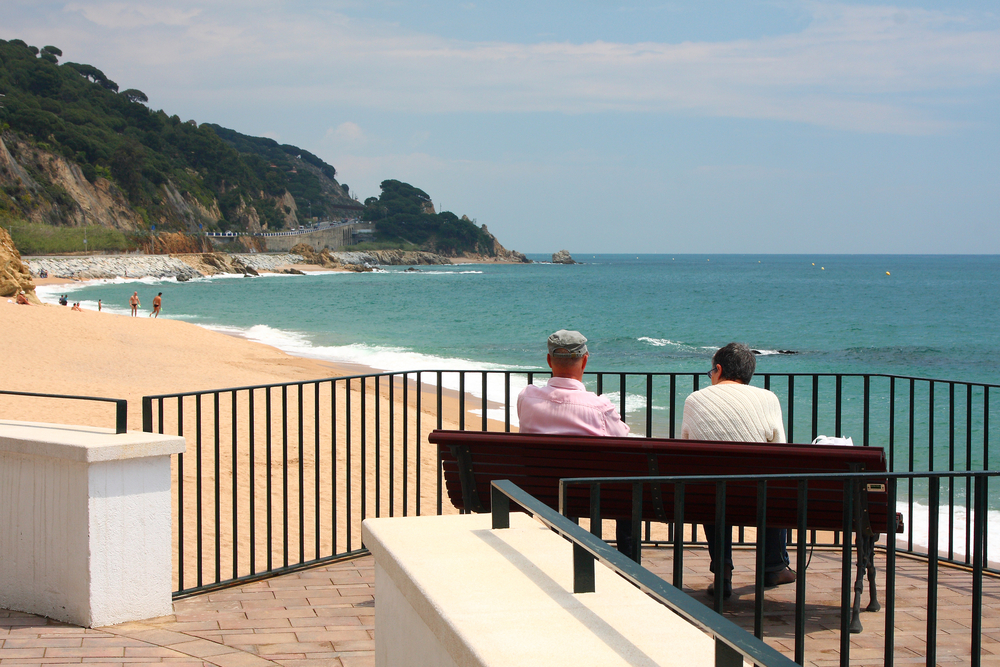
Introduction: Living the Dream—Retirement in Spain
Spain has become an iconic destination for retirees seeking sun-soaked days, vibrant culture, and a relaxed pace of life. For decades, it has attracted a growing international community of seniors, drawn by its combination of favorable climate, excellent healthcare, rich gastronomy, and dynamic cities and towns. However, beneath the Spanish charm, a critical question remains: what are the real costs of living in Spain as a retiree? In this comprehensive guide, we delve deeply into every aspect of living expenses—housing, healthcare, daily necessities, transportation, leisure, and much more—arming retirees with the factual insights needed to make an informed financial plan for their golden years in Spain.
The Varied Geography of Spain and Its Impact on Cost of Living
Spain is a land of great contrasts, and this diversity is strongly reflected in living costs. From the bustling metropolises like Madrid and Barcelona, to tranquil seaside communities along the Costa del Sol, or the rustic charm of inland Andalusia, each region presents a unique financial landscape. Understanding these patterns is the first step toward an informed retirement strategy.
Urban versus Rural: A Tale of Two Lifestyles
- Big Cities (Madrid, Barcelona, Valencia): These hubs are cultural magnets, but with higher real estate, dining, and entertainment costs. Expect greater convenience and amenities, but at a premium price.
- Mid-size Cities & Coastal Towns (Malaga, Alicante, San Sebastián): Generally balance modern conveniences with more affordable costs, especially away from tourist hotspots.
- Rural Areas (Extremadura, Castilla-La Mancha, parts of Galicia): Offer stunning scenery, slower pace, and, most notably, some of the lowest costs of living in Western Europe.
Selecting your region shapes not just your lifestyle, but your budget as well. Taxation varies by autonomous community, and property prices can fluctuate widely even within provinces. Most retirees begin their journey by choosing locations aligned with their desired lifestyle and budget.
Housing: To Rent or To Buy as a Retiree in Spain
Housing is almost always the largest line item in a retiree’s budget. Spain offers versatile options: modern apartments in city centers, charming village homes, luxury villas on the Mediterranean, or countryside fincas. The key is understanding both the upfront and recurring expenses associated with each.
Renting a Home
- Average Rental Prices:
- Madrid & Barcelona (central): €1,000–€2,000/month for a 2-bedroom apartment
- Secondary cities & popular coasts: €700–€1,200/month
- Rural & inland areas: as low as €350–€600/month
- What’s included? Utilities are sometimes extra, so clarify before signing a lease. Most rentals are furnished.
- Long-term Leases: Spanish law offers significant tenant protection with contracts often signed for 5 years or more.
Buying Property
- Property Prices:
- City center apartments (Madrid, Barcelona): €250,000–€500,000+ for a modern two-bedroom
- Coastal villas: from €150,000 in less touristy regions, up to millions for luxury properties
- Village homes: €80,000 and up, depending on size and condition
- Buying Costs: Notary fees, registration tax (6–10% of price), plus annual property tax (IBI).
- Community Fees: Apartments and urbanizations require monthly community charges for maintenance and amenities, ranging from €50 to €300 per month, depending on property type and location.
Spain’s real estate market caters to every taste and budget. Whether you rent or buy, always factor in costs for insurance, community fees, and maintenance. Some retirees choose to rent first, allowing time to adjust before making a substantial property investment.
Utilities and Household Expenses
Maintaining a comfortable home comes with ongoing utility costs. While Spain enjoys a mild climate overall, costs fluctuate by region and consumption habits.
- Electricity: Ranges from €40–€100/month for typical use. Air conditioning and electric heating significantly impact these numbers.
- Water: Average around €20–€40/month. Use is lower in apartments than in houses with gardens or pools.
- Gas: Not all properties have mains gas. Where available, expect €20–€60/month—mostly in winter for heating and hot water.
- Internet: High-speed packages cost €30–€60/month, often bundled with TV and landline.
- Community Fees: Especially for apartment living—covers building maintenance, pools, landscaping, and communal lighting.
Budget approximately €150–€250/month (excluding rent) for utilities and household basics in a typical two-bedroom apartment; add more for larger homes or if usage is higher.
Healthcare: Navigating the Spanish System as a Retiree
Spain is lauded for its high-quality healthcare system, one of the best in the world. For retirees, access and costs depend on several factors, including residency status and health needs.
Public Healthcare System
- Eligibility: Legal residents, including retirees from the EU (with S1 form), access Spain’s national health service (SNS) nearly free at the point of use. Non-EU citizens must secure private coverage or pay into the scheme until permanent status is achieved.
- Costs: Doctor visits and hospital treatments are generally free or require only minor co-payments for prescriptions (from 10%–60% of the drug’s cost, capped at a percentage of income).
- Coverage: Comprehensive, but expect wait times for non-urgent procedures. Primary care is local, with referrals to specialists as required.
Private Healthcare
- Reasons to choose: Faster specialist access, English-speaking providers, private hospitals with luxury facilities.
- Insurance Premiums: For ages 65–75, expect €100–€250/month/person, higher with age or pre-existing conditions. Family packages may offer savings.
- Availability: National and international insurers provide plans with a variety of coverage levels.
Many retirees combine both sectors: using the public system for routine and urgent care, while holding private insurance for convenience and specialized treatments. Pharmacies are ubiquitous and generally affordable, and dental care is usually outside the public system (private costs apply).
Fiscal Residency, Taxation, and Financial Planning
Understanding Spain’s rules regarding tax residency is vital, as it impacts income, pensions, investments, and property ownership.
- Tax Residency: Generally acquired after 183+ days in Spain per calendar year. Residents are taxed on worldwide income.
- Pension Taxation: Most state pensions are taxable in Spain but bilateral treaties prevent double taxation. Private pension income and investments may have different treatments.
- Wealth Tax: Applies to global assets above exemption thresholds, differing by autonomous region.
- Income Tax Rates: Progressive, ranging roughly from 19% to 45%. Local surcharges may apply.
- Inheritance and Gift Tax: Rules and exemptions vary dramatically across Spain’s regions.
Professional financial and tax advice is highly recommended before and during your move to ensure compliance, and to optimize annual liabilities. Budget for administrative help: €400–€1,500/year, depending on complexity.
Everyday Living: Food, Groceries, and Dining Out
Spain’s culinary culture is legendary, yet daily food costs can be remarkably accessible.
Supermarkets and Markets
- Monthly grocery bill: For a couple, €300–€500 is typical, covering a Mediterranean diet of fresh produce, bread, dairy, fish, meats, and wine or beer.
- Markets: Local fruit, vegetable, and fish markets often undercut supermarket chains for fresh goods—plus offer quality and personal service.
- Imported goods: Higher priced, budget accordingly for specialty diets.
Dining Out
- Menu del día: A fixed-price three-course lunch, popular and excellent value at €10–€15 per person, including drink.
- Cafés and tapas bars: Coffee, a beer, or tapas cost just €1.50–€3 each in many areas; urban and tourist zones are pricier.
- Restaurants: Dinner for two, with wine, at a mid-range eatery: €30–€60. Fine dining rises substantially.
Spaniards often eat out, and retirees can enjoy an active social life on a modest budget. Regional variations exist: cosmopolitan cities and island resorts are generally pricier than small inland towns.
Transportation: Getting Around Spain Efficiently
Whether you prefer public transport, driving, or a blend of both, Spain offers retirees efficient and often affordable options.
Public Transit
- Metro and Buses: Cities boast extensive, reliable networks. Monthly unlimited passes in Madrid or Barcelona run €35–€55 (senior discounts often available).
- Suburban and Intercity Trains: RENFE’s network links major towns; advance booking yields lower fares. Consider “tarjeta dorada” (gold card) for seniors aged 60+—entitles you to train fare discounts.
- Taxis and Rideshares: Urban taxis start around €2.50 base fare, with modest per km rates. Ride-share apps are increasingly available.
Private Vehicles
- Car Ownership:
- Third-party insurance: €250–€500/year
- Fuel: €1.60–€1.80/litre (as of early 2024)
- Annual road tax (IVTM): €120–€250/year depending on region and vehicle type
- Maintenance and ITV (MOT): €150–€400/year
- Parking: Monthly contracts in urban zones start at €70–€150
People in smaller towns often find day-to-day living possible without a car, thanks to walkability and safe cycling. Cities however, may require a blend of transit options for maximum flexibility.
Leisure, Culture, and Social Life: Enjoying Retirement in Spain
Retirement in Spain is as much about lifestyle as budget. The country offers a bounty of leisure possibilities. From a vibrant nightlife to quiet afternoons at the beach, or the camaraderie of expat societies, retirees never want for enriching pursuits.
- Sports and Fitness: Municipal gym memberships can be as low as €20–€40/month. Golf, tennis, and watersports are popular but may demand higher club fees.
- Cultural Events: Museums and galleries (€3–€15), opera, or flamenco. Many cities offer senior discounts for cultural events and exhibitions.
- Travel: Domestic flights and long-term bus passes provide cost-effective options for exploring Spain’s regions.
- Community: Social clubs, language exchanges, and international societies are plentiful and often nominal in cost.
- Hobbies and Classes: Art, dance, cookery, and language classes average €10–€20 per session; ongoing courses provide structure and new friendships.
Integrating into the Spanish lifestyle means embracing outdoor living, late café gatherings, and seasonal fiestas—most offered free or at modest expense.
Insurance, Security, and Peace of Mind
Comprehensive insurance is a hallmark of responsible retirement planning. In Spain, besides health insurance, other insurances include:
- Home and Contents Insurance: Approximately €150–€350/year for a standard apartment; more for villas with pools or outbuildings.
- Travel Insurance: Highly recommended for those visiting family abroad or exploring Europe.
- Liability Insurance: Sometimes included with homeowners or car policies; extra coverage is available for added peace of mind.
Spain is generally safe, with low violent crime, but as in any country, retirees should remain proactive—locking doors, using safes for valuables, and remaining vigilant in crowded areas.
Communications: Staying Connected in Spain
Effective communication is vital as an expat retiree—for banking, doctor’s appointments, socializing, and staying in touch with distant family.
- Mobile and Internet Providers: Mainstream operators cover most of Spain, even rural areas. Expect €10–€30/month for generous mobile packages.
- International Calling: Many contracts include EU-wide roaming and VoIP options for calls home.
- Postal Services: Reliable, though not always fast. Consider courier services for important deliveries.
- Language Skills: A basic grasp of Spanish opens many doors—public offices and smaller towns may not always cater to foreign languages.
Many retirees participate in language classes early in their stay, both for practical reasons and to enrich their cultural experience.
Legal and Administrative Costs: Residency, Documentation, and Ongoing Paperwork
Settling in Spain demands navigation of legal protocols—ranging from visa applications to managing property purchases, registering with local authorities, and arranging for driver’s license conversion.
- Initial visas and permits: Depending on nationality, initial paperwork (including translation, legal fees, notaries) may cost €700–€2,000 per person.
- Annual Renewals and Residency Documentation: Budget €100–€300/year, plus translation fees where needed.
- Gestor Fees: A “gestor” is a legal-administrative specialist, commonly used to streamline bureaucracy. Standard charges are €30–€100 per administrative task.
- Will and Estate Planning: Drafting a Spanish will costs €200–€500, and is vital to simplify inheritance processes for heirs.
Be aware that all important transactions—property, cars, business, or estate matters—require official documentation and, often, notary involvement, each adding to the total cost of major life changes.
Comparison: Spain vs. Home Country—Is It Cheaper to Retire in Spain?
Many prospective retirees wonder: Is moving to Spain genuinely less expensive than staying at home? The answer depends greatly on your country of origin and personal expectations, but certain truths generally hold:
- Healthcare: Spain’s public system offers excellent value, particularly to EU retirees or those eligible for reciprocal agreements. Private insurance remains affordable compared to U.S. or some northern European standards.
- Housing Costs: Owning or renting is typically lower than most Western European capitals and North American cities, particularly outside top tourist hubs.
- Everyday Life: Fresh food, cafes, entertainment, and utilities are often less costly than in the UK, Germany, the Netherlands, or Scandinavia, for example.
- Taxes: The impact varies by region and personal situation and should always be evaluated carefully with an advisor.
When coupled with a high quality of life, for many, Spain provides not just a cost-effective retirement, but a richer, warmer, and more fulfilling one.
Budgeting for the Unexpected: Emergencies, Currency Fluctuations, and Inflation
No financial planning is complete without addressing contingencies. Retirees should include buffers for unexpected expenses:
- Medical Emergencies: Even with insurance, co-pays or uncovered treatments may arise.
- Property Maintenance: Spanish homes, particularly older or village properties, may require more maintenance than newcomers anticipate. Roofing, plumbing, air-con, and pest control can be costly surprises.
- Personal Crises: Travel for family emergencies, legal expenses, or unexpected returns to home country.
- Currency Movements: Pensions or investments paid in non-euros may fluctuate year-to-year, impacting overall affordability.
- Inflation: While Spain’s inflation has been moderate in recent decades, global factors can influence grocery, fuel, or utility prices.
A prudent budget includes an annual contingency fund—advisors recommend 10–20% of expected annual expenses, kept liquid for easy access.
Adapting and Thriving: Practical Tips for a Smoother Adjustment
While financial preparation is key, much of a happy retirement in Spain depends upon adaptability. Here are some practical, “on the ground” tips:
- Integrate into Local Life: Learn basic Spanish, frequent local markets and cafés, and participate in community events.
- Understand Seasonality: In coastal and touristic areas, certain services (and prices) can fluctuate significantly with the holiday calendar.
- Beware Hidden Apartment Costs: Clarify which utilities are included with rent, and ask for a building’s average heating/air con cost before committing.
- Networking: Attend expat meet-ups and workshops. Often, invaluable information about local bureaucracy, pharmacies, or reliable tradespeople comes via word of mouth.
- Trial Stay: Consider a rental for the first 6–12 months. This provides flexibility to explore regions before tying up capital.
- Beware of Scams: Unfortunately, property scams—especially targeting foreign buyers online—are not unknown. Always use trusted professionals for contracts and deposits.
- Healthcare Planning: Register at your local health center early, and keep a translated copy of your medical records handy.
- Stay Informed: Local laws and administrative procedures may change from year to year. Subscribe to community newsletters and official updates.
- Plan for Visitors: Spain’s popularity means many retirees play generous hosts. Factor in occasional splurges on meals out, tickets, or excursions with friends and family.
Sample Monthly Budgets for Retirees in Spain
To provide even clearer insight, here are two sample monthly budgets: one for a modest lifestyle in an average provincial town, and one for a more luxurious approach on the Costa del Sol.
Sample A: Provincial Town (Rental)
- Rent (2-bed apartment): €600
- Utilities & Community Fees: €180
- Groceries: €350
- Transport (public/bicycle): €60
- Healthcare (private insurance supplement): €120
- Dining Out & Entertainment: €120
- Communications (phone/internet): €45
- Insurance (home/contents): €20
- Miscellaneous, maintenance, incidentals: €100
Total: €1,595/month
Sample B: Costa del Sol Luxury Villa (Ownership)
- Mortgage or opportunity cost: variable (not included)
- Property Taxes & Community Fees: €350
- Utilities: €300
- Groceries: €600
- Car (maintenance, taxes, fuel, insurance): €250
- Private Healthcare (extensive coverage): €250
- Dining Out, Clubs & Entertainment: €400
- Communications: €70
- Travel & Hobbies: €300
- Housekeeper/Gardener (part-time): €200
- Miscellaneous, incidentals: €150
Total: €2,870/month
Retirees on moderate pensions can live comfortably in much of Spain, while higher incomes permit greater luxury, travel, and frequent hosting of family and friends.
Challenges and Opportunities: Common Pitfalls for Retiring in Spain
While Spain offers notable financial and lifestyle benefits, retirees should acknowledge and plan for common challenges:
- Bureaucracy: Spanish paperwork can be complex and sometimes frustrating, especially regarding visas, taxes, or driver’s licenses. Engaging a gestor helps but adds cost.
- Language Barriers: While English is spoken in many expat-friendly areas, day-to-day matters (banking, medical, legal) are still navigated in Spanish.
- Regional Differences: Taxation, healthcare provisioning, and even utility costs may shift not only by region but also by municipality.
- Healthcare Wait Times: For non-urgent treatments, the public system can involve long waits. Private insurance is wise for those with ongoing medical needs.
- Seasonal Swings in Costs: Rent, utilities, and services in tourist areas may spike in summer or major holidays.
- Integration: Some retirees feel isolated at first. Proactive engagement with neighbors and activities greatly enriches the experience.
- Financial Traps: Underestimating property maintenance, underestimating healthcare expenses, or running afoul of tax regulations can erode retirement security.
Conversely, Spain’s strengths—outstanding lifestyle, healthcare, mild climate, vibrant food scene, and a robust expatriate network—make it one of the world’s premier retirement destinations for those who plan carefully.
The Role of IMMO ABROAD in Planning Your Retirement in Spain
Planning retirement in a new country involves far more than simple arithmetic. IMMO ABROAD has long specialized in providing comprehensive guidance to retirees looking to settle in Spain—helping them navigate every stage from selecting the ideal property and area, to understanding tax implications, healthcare options, and the day-to-day reality of life on the Iberian Peninsula.
Knowledgeable in language, law, and lifestyle, IMMO ABROAD’s service extends beyond transactions. The agency assists with relocation logistics, offers personalized introductions to local communities, and provides invaluable support for ongoing maintenance, insurance, and legal compliance. This holistic approach ensures retirees experience not just a seamless move, but ongoing peace of mind and genuine integration into their chosen Spanish lifestyle.
Whether your dream retirement is a peaceful villa surrounded by olive groves, a cosmopolitan city apartment, or a seafront haven to host family and friends, IMMO ABROAD stands ready to guide every step—so you can focus on the pleasures of a fulfilling retirement in Spain.
Conclusion: Is Retiring in Spain Right for You?
Retiring in Spain is an aspiration for many—and a reality for hundreds of thousands. With the right planning, transparent budgeting, and sound advice, it offers not just a cost-effective lifestyle, but an enriching, healthful, and culturally vibrant chapter of life.
Yes, some costs are unavoidable and some will surprise, but on the whole, the cost of living in Spain as a retiree can be far more manageable than in northern Europe or North America. When factored alongside the sun, food, language, health services, and joy of daily Spanish life, it’s no surprise so many choose to call Spain home in their golden years.
If you are considering this path, let IMMO ABROAD support your journey—from understanding the financial landscape to securing the ideal property and handling all the administrative and legal hurdles along the way. Your Spanish retirement can be as affordable—and as beautiful—as you dream it to be.
Frequently Asked Questions About Retirement in Spain
What is the minimum monthly income required to live comfortably as a retiree in Spain?
Depending on location and lifestyle, €1,500–€2,000/month suffices for a modest life in smaller towns; larger cities and luxury areas require €2,500–€3,000/month or more.
Is private health insurance mandatory?
If you are not eligible for Spanish public healthcare (e.g., non-EU citizens or before permanent residency), private insurance is required for residency—and advisable for faster specialist access.
How do taxes work on foreign pension income?
Most bilateral treaties ensure pensions are taxed only once (usually in Spain for residents). Specific rules depend on your home country; consult a specialist to avoid issues.
Are there age-based discounts for seniors?
Yes—transport, museums, cultural events, and some retailers offer senior rates, typically starting at age 60–65. Register locally to access all benefits.
What happens if my Spanish property needs urgent repairs?
Home insurance covers major incidents; regular savings for maintenance are strongly recommended. Using verified local tradespeople ensures reliability and fair cost.
Should you wish to explore the possibilities of your retirement in Spain further, the expertise and local knowledge of IMMO ABROAD awaits, ensuring every aspect of your new life is as seamless, secure, and enjoyable as you imagined.