





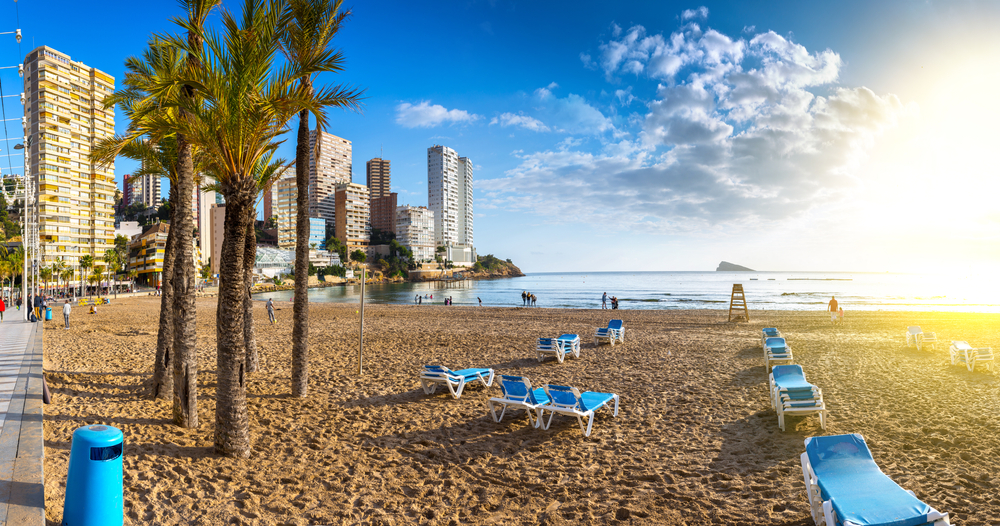
Introduction: Understanding Costa Blanca Beach Rules
The Costa Blanca, stretching over 200 kilometers of breathtaking Mediterranean coastline in southeastern Spain, is an alluring destination for sunseekers, families, water sports enthusiasts, and holidaymakers from across Europe and beyond. The region is renowned for its pristine sandy beaches, crystal-clear waters, and vibrant resort towns like Benidorm, Alicante, Altea, Moraira, and Torrevieja. However, enjoying these spectacular beaches to the fullest means respecting and understanding the regulations established by local authorities—that is precisely what this comprehensive guide is for. “Regels strand Costa Blanca: wat wel en wat niet?” delves deeply into the rules, etiquette, and practical tips every beachgoer should know before unfolding their towel on the golden sands of the Costa Blanca.
Why Beach Rules Matter on the Costa Blanca
Every summer, millions flock to the beaches of the Costa Blanca for relaxation, recreation, and a dose of Mediterranean sunshine. To ensure safety, order, cleanliness, and an enjoyable atmosphere for everyone, local governments enforce a set of clear rules—“regels”—at each playa. Ignorance of these rules can result not only in disappointment and conflicts but also in significant fines. Moreover, abiding by these regulations helps to protect the unique coastal environment and supports local communities reliant on sustainable tourism. Let’s explore why it’s crucial to know what is—and isn’t—allowed on the beaches of the Costa Blanca.
General Behavior: Respect and Enjoyment for All
To maintain a harmonious atmosphere on busy beaches, adherence to a respectful code of conduct is paramount. Visitors should always consider the comfort, safety, and privacy of fellow bathers. Common sense and courtesy go a long way—avoid playing loud music, invading personal space, or engaging in disruptive activities. Children are encouraged to play and have fun, but boisterous games should be conducted away from areas where people are sunbathing quietly. Smoking restrictions are increasingly enforced, especially on “smoke-free” stretches. Aggressive behavior, public drunkenness, and any form of harassment are strictly prohibited.
Respecting Local Customs and Diversity
The Costa Blanca is cosmopolitan, welcoming travelers from diverse cultural backgrounds. Swimsuits are standard attire, though in certain areas a more conservative approach may be appreciated. Topless sunbathing is generally accepted, but full nudity is reserved for officially designated nudist beaches (playas nudistas). Always observe posted signs and trail local habits; when in doubt, err on the side of modesty.
Access and Parking: Getting to the Beach Responsibly
Accessibility is a core value on the Costa Blanca, with many beaches designed to welcome families, the elderly, and people with disabilities. Car parks are usually found near larger beaches, but parking is strictly regulated to prevent congestion and environmental damage. Illegally parked vehicles, especially those blocking access roads, emergency routes, or reserved spaces, risk being towed and/or fined.
Public Transport and Eco-Friendly Options
Visitors are encouraged to use public transportation, bicycles, or walk to the beach whenever possible, minimizing their environmental footprint and contributing to a more peaceful atmosphere. Many towns offer seasonal shuttle buses or tram connections between urban centers and main beaches. Always check for designated drop-off zones and respect local signage to avoid accidental infractions.
Beach Facilities: Showers, Toilets, and Amenities
The Costa Blanca boasts modern, well-maintained facilities at its most popular beaches. You’ll find showers, toilets, changing rooms, play areas for children, and first aid stations. It’s mandatory to use the provided showers only for rinsing off sand and salt—using soap, shampoo, or other toiletries pollutes the fragile coastal ecosystem and is explicitly forbidden. Public restrooms should be treated with care and left spotless for the next visitor; in some areas, a small fee may apply to support maintenance costs.
Respect for Maintenance Crews
Beach cleaning usually takes place early in the morning. For everyone’s safety, do not interfere with cleaning vehicles or leave belongings unattended overnight, as beach authorities may remove them. If you appreciate pristine beaches, spare a kind word or a smile for the crews who make your day pleasant!
Animal Companions: Bringing Dogs to the Beach
One of the most frequently asked questions regards the presence of dogs and other pets on the beach. On the Costa Blanca, rules for animals are especially strict during high season (typically June to September) and during daylight hours. Most urban and tourist beaches prohibit dogs, except for registered service animals. However, several designated “dog-friendly” beaches exist along the coastline, known as “playas caninas,” where four-legged companions can romp freely.
- Check signage: Always look for “prohibido perros” (dogs prohibited) or “playa canina” signs.
- Out of season: Some municipalities relax restrictions during the off-peak months, but check current local regulations.
- Leash and clean-up laws: On dog-friendly beaches, dogs must often remain leashed, and owners are always required to immediately remove any waste.
- Pet etiquette: Ensure your dog is well-behaved, does not disturb wildlife, children, or other bathers.
Failure to follow animal regulations can result in fines and ejection from the beach.
Barbecues, Picnics, and Food: Eating by the Sea
Nothing evokes the joy of summer like a seaside picnic or barbecue. However, to protect the sand, the environment, and the safety of all visitors, the Costa Blanca enforces clear rules on food preparation and consumption:
- Barbecues and open fires: In general, open fires and barbecues are not permitted on public beaches. Some beaches may offer stone barbecue pits in equipped recreational zones, but prior authorization from local authorities is almost always required. This is strictly enforced due to wildfire risk, especially in dry, windy conditions.
- Glass containers: Bringing glass bottles, cups, or jars to the beach is discouraged or forbidden, as broken glass poses a serious hazard to bare feet and wildlife.
- Picnics: Picnicking is allowed on most beaches, but always collect all litter and food scraps afterward. Some beaches provide picnic tables and shaded zones; others require you to bring your own supplies.
- Sand cleanliness: Never bury food waste or other rubbish in the sand—use the provided bins.
Chiringuitos (beach bars) and kiosks are ubiquitous on the Costa Blanca, offering refreshments, snacks, and meals right on the sand. These establishments are strictly regulated for health and safety and are your best bet for a carefree, delicious seaside meal.
Litter and Recycling: Keeping the Costa Blanca Clean
Preserving the natural beauty of Costa Blanca’s coastline is a top priority. Each beach is equipped with clearly marked bins for general waste, recyclables (plastic, glass, metal, and paper), and sometimes organic waste. It is both a legal and ethical obligation to use these bins faithfully. Fines for littering, leaving cigarette butts, or abandoning personal belongings can be substantial.
- Cigarette butts: Smoking is banned on an increasing number of beaches and always prohibited near children’s play areas. Smokers must never leave butts in the sand—use portable ashtrays or special bins.
- Plastic: Avoid single-use plastics. Opt for reusable water bottles, cups, and utensils whenever possible.
- Beach cleanups: Some communities organize volunteer cleanup days. Participating enhances your connection to the local environment and community.
Impact on Wildlife
Litter harms marine life—birds, fish, and turtles can ingest or become entangled in debris. Respect the beach as a shared habitat and ensure nothing is left behind that could endanger animals or spoil the experience for others.
Swimming and Water Safety Regulations
Sea bathing is the prime attraction of the Costa Blanca, but it comes with responsibilities. Lifeguards (“socorristas”) are present on most main beaches during high season. Always pay close attention to their instructions and to the system of flag signals:
- Green flag: Safe for swimming.
- Yellow flag: Caution—potential hazards such as strong currents, jellyfish, or moderate surf; swim only if you are confident.
- Red flag: Swimming is strictly forbidden—dangerous conditions such as high surf, strong riptides, or severe pollution have been reported.
Disobeying the red flag is both dangerous and a fineable offense.
Shark Sightings and Jellyfish Warnings
Occasionally, jellyfish (“medusas”) or other sea creatures are reported. Warning signs will be posted, and lifeguards may close affected sections temporarily.
Swimming Zones and Water Activities
Swim only within the designated zones, clearly marked by floating buoys. Areas close to harbors, piers, or rocks may be off-limits for safety. Water sports (kayaking, paddle-boarding, jet-skiing) are typically confined to special areas. Never swim near boats or enter “watercraft only” lanes. Children and inexperienced swimmers should use flotation aids and never be left unattended.
Water Sports and Recreational Activities: Rules and Permits
The Costa Blanca’s beaches are hubs for thrilling water sports. From stand-up paddleboarding to jet skiing and kitesurfing, the region offers a wealth of possibilities, but strict regulation ensures the safety of all users:
- Designated areas only: Activities involving boards, sails, or engines must take place in marked sections away from swimmers.
- Permits: Some activities (windsurfing, jet skiing, paragliding) require proof of training or a license. Always rent equipment only from authorized providers who will advise you of current rules.
- Equipment storage: Do not leave kayaks, boards, or similar items unattended on the sand outside designated areas or times.
- Noise and nuisance: Motorized watercraft must respect noise limits and stay clear of the shore—all for the sake of beachgoers’ tranquility.
Fishing and Angling Regulations
Shore fishing is popular, but restricted during the main bathing hours on busy beaches. Night fishing or angling from piers or reefs may require a permit from local authorities. Always check locally before casting a line.
Prohibited Activities: Avoiding Fines and Conflicts
Certain activities are strictly forbidden on the Costa Blanca’s public beaches. Authorities have stepped up vigilance in recent years, with sanctions for even minor breaches. Among the most important prohibitions are:
- Camping or overnight stays: Setting up tents or sleeping overnight is not permitted unless at an official, designated campsite.
- Commercial activity: Selling goods or offering unauthorized services (such as massages or food sales) is illegal on public beaches.
- Motor vehicles: Cars, motorbikes, or scooters are banned from the sand, except emergency or maintenance vehicles.
- Fireworks and explosives: The private use of fireworks, including small hand-held devices, is strictly prohibited.
- Drones: Flying drones is regulated by Spanish aviation law and requires special permission; recreational use is typically banned or severely restricted near crowded beaches.
Photography and Privacy
While capturing memories is allowed, respect the privacy of other beachgoers. Avoid photographing strangers without permission. Commercial photo/video shoots require a permit from the local council.
Accessible Beaches: Facilities for All
The Costa Blanca has taken great strides in ensuring accessibility for everyone, regardless of physical ability. Many beaches offer:
- Accessible ramps and walkways across the sand
- Dedicated parking close to the entrance
- Adapted toilets and changing rooms
- Specially designed amphibious wheelchairs (“sillas anfibias”) and volunteer assistance for entering the water
- Tactile signage for the visually impaired
Check the amenities available at each destination before heading out, particularly if special facilities or assistance are needed. Advance requests are handled by local beach councils or lifeguard posts.
Special Zones and Beach Types on the Costa Blanca
The vast variety of beaches—from urban stretches to secluded coves—means that not every strand follows the same rules. Here are some of the most common types:
- Urban beaches: Found close to city centers, these are busiest, most regulated, and have the strictest enforcement of all rules.
- Natural coves / secluded beaches: Less crowded, but often within protected areas (such as nature reserves or marine parks) with special conservation rules.
- Nudist beaches: Clearly identified with signs; nudity is only permitted within these zones.
- Dog-friendly beaches: As described above, these are the only places where dogs are permitted.
- Surf and water sport areas: Separated zones for boards and small watercraft.
Always pay attention to posted signs, listen to staff instructions, and check municipal websites in advance for any recent changes to rules or facilities.
Fines and Enforcement: What Happens When Rules Are Broken?
Spanish authorities are serious about beach management. Local police (“Policía Local”), beach guards, and civil protection agents monitor compliance with beach rules. Fines for infractions range from €50 for minor issues, such as smoking in a banned area or failing to clean up litter, to several hundred euros for more serious offenses (illegal barbecues, unauthorized camping, or endangering public safety). Repeat offenses and flagrant disturbances can result in higher penalties or even expulsion from the area.
Tourists are not exempt from these penalties. Fines can be imposed on the spot or sent to the home address registered with local accommodation, such as hotels or holiday rentals.
Appealing a Fine
If a fine is issued, the recipient has the right to appeal (“recurso de multa”). This process must be completed in Spanish and sometimes requires the support of a legal advisor—timely payment (usually within 20 days) may result in a 50% discount under Spanish law.
Beach Safety and Emergency Procedures
Safety is paramount. Besides lifeguards, the emergency number “112” (ambulance, police, fire) is active all along the Costa Blanca—operators speak multiple languages. In the event of lost children, injuries, or sudden environmental issues (e.g., storms, pollution), always follow the guidance of beach personnel.
First Aid Stations and Defibrillators
Major beaches offer well-signposted first aid stations (“puestos de socorro”), typically equipped with automatic external defibrillators (AEDs) and staffed by trained professionals during peak hours.
Seasonal Variations: Summer Versus the Off-Season
Beach life on the Costa Blanca is year-round, but certain rules fluctuate according to the calendar.
- High Season (June–September): Maximum enforcement; all facilities and services are fully operational; stricter controls on dogs, barbecues, fishing, and commercial activity.
- Shoulder and Low Season (October–May): Some areas relax rules on pets and beach sports, but always check for local exceptions. Lifeguard services may be reduced.
Weather can change quickly even in high summer—pay attention to forecasts, particularly regarding wind, surf, or sudden rain.
Beach Events and Festivals: When the Rules Change
Festivals and public celebrations are an integral part of the Costa Blanca’s culture. Certain exceptions to standard beach rules may be granted for authorized events:
- Fireworks displays: During San Juan (end of June), regulated fireworks and bonfires are permitted with a special permit and under close supervision.
- Sports competitions: Volleyball, soccer, and paddle tournaments may occupy part of the sand, usually marked with advance notice.
- Live music or concerts: Permitted with municipal approval and subject to noise limits and security measures.
Outside these events, normal rules apply. Unauthorized gatherings or parties are not tolerated.
Tips for a Perfect Beach Day on the Costa Blanca
Understanding the rules sets the stage for an enjoyable experience, but practical preparation ensures true peace of mind. Here are advanced tips for making the most of your day at the playa:
- Arrive early in high season to secure parking and prime spots on the sand.
- Bring high-factor sunscreen, hats, and umbrellas—Mediterranean sun can be intense, even on breezy days.
- Pack plenty of water and healthy snacks to stay hydrated; avoid sugary drinks and heavy meals in the midday heat.
- Use eco-friendly beach gear (reusable bottles, cloth bags, organic sunscreen) to minimize your impact.
- Keep valuables to a minimum and never leave them unattended. Beach theft, while rare, can happen.
- Bring small change for public toilets, lockers, or showers—as some require coins or tokens.
- Check local beach websites or social media for the latest updates on conditions, special events, or rule changes.
Interacting With Locals
The Costa Blanca is famed for its friendly locals. A smile, polite greeting, and willingness to adapt to local customs pave the way for positive interactions and helpful advice.
Conclusion: Enjoying the Costa Blanca Beaches Responsibly
The Costa Blanca’s beaches are a cherished natural resource and social treasure. Their enduring appeal hinges on the balance between free enjoyment and shared responsibility. Understanding and respecting local regulations is not just about avoiding fines—it’s about preserving the beauty, safety, and welcoming spirit of this iconic coastline for generations to come.
Whether you’re visiting for a day, a season, or a lifetime, let respect, care, and a sense of community shape every trip to the Mediterranean shore. If you have any further questions about local rules, property advice, or making the most of your Costa Blanca beach experience, remember that IMMO ABROAD is always at your service to provide up-to-date, comprehensive guidance.
Case Studies: Local Enforcement and Best Practices
To further illuminate the practical impact of beach regulations on the Costa Blanca, let’s review real-world scenarios illustrating common challenges and effective solutions. These case studies are based on actual occurrences in various coastal municipalities and serve both as cautionary tales and inspiration for best behavior.
Case Study 1: Family Picnic Gone Wrong
The Rodríguez family from Madrid arrived in Benidorm eager for a seaside picnic. Unaware of the glass ban, they brought homemade lemonade in glass jugs and enjoyed their meal by the water. Later, a city employee approached, explaining the risks of glass on the sand and the fines incurred. Fortunately, the family promptly cleaned up and received only a warning, but the situation underscores the need for pre-trip research and clear local signage. The lesson: use plastic or metal containers, and always ask beach personnel if you’re unsure.
Case Study 2: Pet Owner’s Paradise—And Pitfalls
A British expatriate, fond of morning walks with her Labrador, was thrilled to discover marked “plazas caninas” in Denia. However, one weekend she mistakenly visited a standard urban beach, assuming early hours would be lenient. An attendant politely pointed out the ban in force year-round on that beach, and she was asked to move. She later found official maps listing all dog-friendly zones. The takeaway: check up-to-date municipal maps and heed local advice to avoid embarrassment or penalties.
Case Study 3: Water Sports Mishap
A group of friends tried stand-up paddleboarding in Moraira, launching from an unsupervised cove. They unknowingly entered a protected area designated for nesting seabirds, disturbing wildlife and risking large fines. Local authorities redirected them to the correct launching zone, complete with instructions for minimizing environmental impact. Good intent isn’t enough—knowledge of local conservation areas is just as crucial as safety when engaging in water sports.
Case Study 4: Overnight Adventure Intercepted
Two backpackers, inspired by online travel blogs, pitched a small tent on the outskirts of Playa de la Granadella after midnight, intending only a brief stay. Noise and campfire smells soon attracted attention. Guardia Civil officers explained that wild camping, even for one night, is illegal, especially due to fire risk and environmental concerns. The visitors received a fine but were also educated about nearby official campsites. This serves as a compelling reminder: spontaneous camping is attractive, but only in authorized locations—always check in advance.
Case Study 5: Event Planning—Regulatory Success
A group of fitness instructors hoped to host a series of early morning yoga classes on a popular stretch of the Orihuela Costa. After consulting with municipal authorities, they secured a permit, agreed to noise and schedule limitations, and helped organize waste bins for sessions. Their initiative was well received, boosting community ties and setting a model for successful collaboration between private groups and local government.
The Role of Technology in Beach Management
Technological innovation plays a growing role in enforcing and communicating beach regulations. Local councils across the Costa Blanca are leveraging modern tools to maintain safety, promote sustainability, and ensure a harmonious experience for all.
- Digital Information Boards: Real-time updates on weather, surf conditions, and flag status are now posted via smart boards at many main beach entrances. Multilingual support ensures international tourists are well informed.
- Mobile Apps: Several municipalities offer apps for checking beach occupancy in real time, especially useful during busy holiday periods. These platforms may also provide updates on accessibility, facilities, and special events.
- Drone Patrolling: In select areas, drones assist lifeguards in monitoring crowded water zones, aiding in rescue operations, and identifying any prohibited activities (such as unauthorized drone flights or wild camping).
- Automated Fine Collection: Electronic systems enable swift reporting and payment of fines, reducing paperwork and misunderstandings.
The Future: Smart Beaches
Looking ahead, the Costa Blanca aims to expand “smart beach” technologies, including:
- Sensors for water quality monitoring
- Camera systems for real-time crowd control and emergency response
- Expanded accessibility tools for visitors with mobility or sensory impairments
These innovations, coupled with traditional beach patrols, are expected to further enhance safety, enjoyment, and environmental stewardship.
Ecological Initiatives and Protected Areas
A defining feature of the Costa Blanca coastline is the presence of several ecologically protected zones. Respecting the special rules and participating in conservation efforts are vital components of responsible beach use.
Marine and Dune Preservation
Many natural beaches—such as those at El Saler near Valencia or the dunes of Guardamar—are home to rare plant life and nesting birds. Beachgoers must stay on marked paths, avoid trampling dunes, and respect seasonal closures for wildlife protection. The same applies to rocky coves and sea grass meadows, crucial for marine biodiversity.
Sustainable Tourism Certification
Numerous Costa Blanca beaches have earned Blue Flag status for water quality, safety, and sustainable management. These sites adhere to even stricter cleaning, waste management, and accessibility standards. By choosing Blue Flag-certified beaches, visitors support best practices in tourism.
Volunteer Opportunities
Visitors wishing to give back can join local volunteer groups in regular dune restoration, sea turtle rescue, or micro-plastic collection projects. These initiatives foster a sense of ownership and deep connection with the region’s unique ecosystem.
Children and Youth: Special Rules and Activities
Costa Blanca’s beaches are family-friendly, but certain rules and amenities are designed to ensure a safe, enriching experience for the youngest visitors.
- Children’s Playgrounds: Many urban beaches offer safe, shaded play areas. Children must be supervised at all times.
- Water Safety Clubs: Several communities organize summer clubs or short courses that teach youngsters essential swimming and rescue skills, instilling lifelong respect for the sea.
- Youth Sports Zones: Designated beach volleyball, soccer, and paddle areas keep energetic young people active and separate vigorous play from quiet sunbathing zones.
Parents are responsible for their children’s safety and behavior; fines for infractions (littering, damaging facilities, disturbing wildlife) generally fall to the adult in charge.
Health and Hygiene: Adapting to New Standards
The global pandemic brought heightened attention to public health on beaches, accelerating the adoption of advanced sanitation protocols that remain relevant today:
- Extra cleaning of showers, toilets, and touch points
- Hand sanitizer stations at main entrances
- Measures to limit overcrowding (e.g., capacity controls, marked safety distances)
- Guidelines for mask use in crowded areas or queues, even outdoors if necessary
While restrictions have eased, a new culture of health consciousness ensures that everyone’s well-being is prioritized.
Understanding the Legal Framework: Administrative Levels
Beach laws in the Costa Blanca derive from a blend of national, regional (Comunidad Valenciana), and municipal statutes. Here’s how jurisdiction is allocated:
- National Law: The Spanish Coastal Law (“Ley de Costas”) sets the basic framework, defining the public nature of beaches and the right of access for all.
- Regional Oversight: The Valencian regional government enacts environmental, tourism, and health regulations tailored to local needs.
- Municipal Enforcement: The town hall (“ayuntamiento”) is responsible for daily management, facility maintenance, and most rule enforcement, with powers to set additional local regulations.
Rules may change depending on recent events—such as jellyfish invasions, health advisories, or storm damage—which is why it is essential to be alert to updates each season.
Frequently Asked Questions: Common Costa Blanca Beach Rules Explained
Even experienced visitors may have questions about regulations on specific behaviors and activities. Here, we address some of the most frequent topics:
- Are umbrellas and tents allowed? Yes, small umbrellas are universally permitted; larger beach tents are sometimes prohibited or limited in number to avoid blocking sightlines and access paths.
- Can I play music? Quiet music on portable speakers is tolerated at low volumes, but boomboxes and parties are banned. Always respect neighbors' space.
- Are inflatables and pool toys permitted? Generally yes, but large floats or rafts that obstruct lifeguard visibility may be restricted, especially in crowded waters.
- Can I sleep on the beach after sunset? No—overnight stays are not allowed outside special, permitted events.
- Is fishing with a rod allowed? Only outside main bathing hours and away from swimmers, and sometimes requiring a permit.
- What if I find lost property? Take items to the nearest lifeguard point or local police office; found property is managed through official channels.
- Is nudism permitted everywhere? Only in designated “playas nudistas”—check the official maps and signage.
- Can I bring my barbecue grill? In almost all cases, individual barbecues are not allowed—unless at an officially equipped site with prior authorization.
- How do I recognize a dog-friendly beach? Look for official “playas caninas” signage, and consult the municipality’s online beach guide for the most current list.
- What about celebrating birthdays or group events? Small informal gatherings are fine, but anything involving tents, amplified music, or commercial activity requires prior approval.
Insider’s Guide: Hidden Gems and Unique Experiences
Beyond rules and routines, the Costa Blanca offers extraordinary options for those seeking special adventures that comply with regulations:
- Try sunrise yoga on a quiet cove before official opening hours, respecting noise and litter rules.
- Participate in guided wildlife walks or snorkel safaris in marine reserves, led by certified eco-guides.
- Attend a family-friendly beach cinema evening—organized by local communities and always with appropriate permits and services.
For families, couples, or solo travelers, these experiences showcase the Costa Blanca’s blend of tradition, beauty, and responsible enjoyment.
Planning Ahead: Resources and Contacts
The best Costa Blanca beach experiences start with advance planning:
- Visit local tourist offices: Staff can provide printed maps, current rule sheets, and tips on less-crowded alternatives.
- Use official apps and information boards: Get real-time updates on conditions, services, and any temporary regulations.
- Consult property and rental experts: For visitors staying longer-term, choosing accommodation near a preferred beach (and understanding each area’s unique rules) makes a world of difference.
IMMO ABROAD, as a trusted regional real estate expert, can guide clients towards properties and communities that best suit their lifestyle, including proximity to dog beaches, accessible facilities, or secluded natural gems.
Final Thoughts: Embracing the Spirit of Costa Blanca
Above all, the beaches of the Costa Blanca are about more than sun, sand, and sea—they represent a way of life grounded in openness, well-being, and respect. By fully understanding and following beach regulations, every guest and resident ensures the long-term vitality and joy of this unmatched Mediterranean paradise.
Plan thoughtfully, observe the rules, care for the community and environment, and the rewards will be measured in memories, friendships, and the shared beauty of Spain’s beloved White Coast.
For further personalized guidance on making the most of your Costa Blanca beach life or finding the ideal property to match your lifestyle, rely on the in-depth knowledge and service excellence of IMMO ABROAD.