





Introduction: Costa Brava versus Costa Blanca – A Comprehensive Comparison
The Mediterranean coast of Spain boasts some of the most stunning and sought-after destinations in Europe, attracting millions of visitors and property buyers each year. Among these gems, Costa Brava and Costa Blanca frequently emerge as top contenders for those yearning for sun-drenched beaches, vibrant culture, and a higher quality of life. Both regions present a myriad of opportunities for holidays, investment, and residential living, yet each possesses its own distinct character, climate, and appeal.
This extensive guide from IMMO ABROAD delves deeply into a side-by-side comparison of Costa Brava and Costa Blanca. Whether your interest lies in tourism, lifestyle, real estate, or simply exploring Spain's finest coastal offerings, this article provides a thorough and professional analysis to help you make an informed decision.
Geographical Overview: The Location and Landscape
Costa Brava: Rugged Beauty of the Catalonian Coast
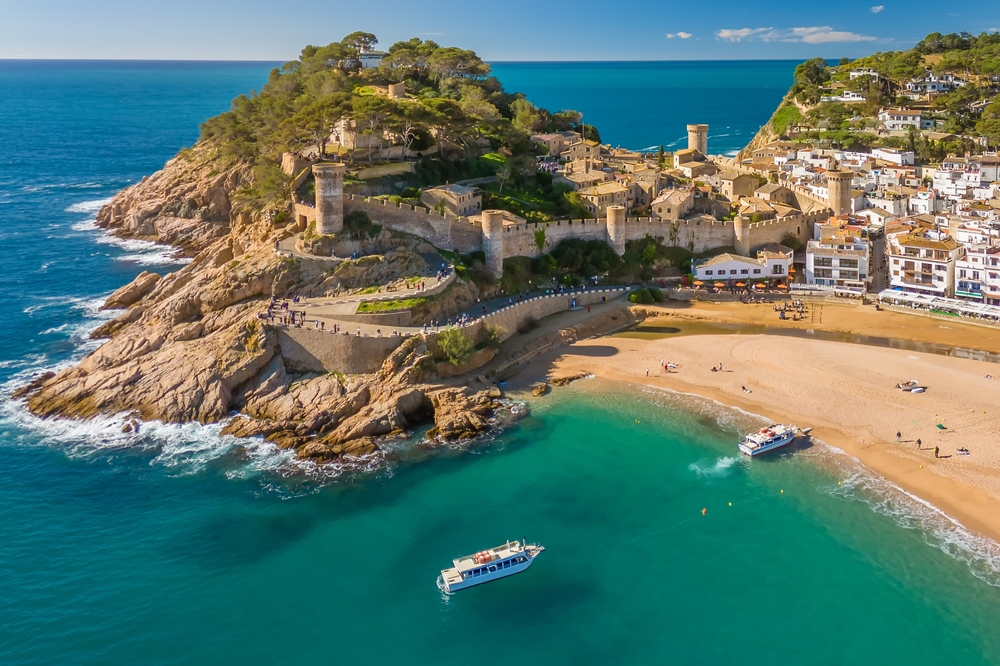
Costa Brava, which translates to "Wild Coast," stretches over approximately 220 kilometers from Blanes (just north of Barcelona) to the French border at Portbou. This coastline is renowned for its dramatic cliffs, concealed coves, and lush pine-covered hills. Costa Brava’s proximity to both Barcelona and the Pyrenees Mountains lends it a distinct blend of coastal serenity and mountain adventure.
- Topographical Highlights: Jagged cliffs, pebble beaches, secluded bays, and occasional wide sandy stretches distinguish the region. The lush greenery and protected natural parks, such as Cap de Creus, add to Costa Brava’s allure.
- Urban Centers: Notable towns and cities include Girona, Lloret de Mar, Tossa de Mar, Begur, and Roses. Each location carries a unique blend of medieval charm and modern amenities.
Costa Blanca: The Sun-Drenched Mediterranean Playground
Costa Blanca, or “White Coast,” covers a 200-kilometer stretch of Spain’s southeastern province of Alicante, from the town of Dénia in the north down to Pilar de la Horadada in the south. Known for its endless sandy beaches and clear turquoise waters, Costa Blanca offers a more consistent low-lying landscape with sweeping beaches and a milder terrain.
- Topographical Highlights: Wide golden beaches, gentle bays, and more urbanized seaside promenades comprise much of the scene, though the region is also home to scenic mountains such as the Sierra de Bernia.
- Urban Centers: Alicante, Benidorm, Altea, Torrevieja, Javea, and Calpe stand as some of the region’s most vibrant locales, each contributing their own flavor to the Costa Blanca experience.
Climate Comparison: Sunshine, Temperatures, and Seasons
Costa Brava: A Temperate Mediterranean Climate
Costa Brava enjoys a classic Mediterranean climate, though it tends to be slightly cooler and wetter than its southern neighbors due to its northerly position. This region features mild, humid winters and pleasantly warm summers—rarely as hot as in the south.
- Average Summer Temperatures: Ranging from 25°C to 30°C, with comfortable evenings cooled by mountain breezes.
- Winter Conditions: Winters are moderate, with average highs of 12-16°C and occasional rainfall, especially in the inland areas and north.
- Seasonality: More pronounced distinctions between seasons, with spring and autumn offering lush landscapes and reduced visitor numbers.
Costa Blanca: The Land of Eternal Sun
From a climatic perspective, Costa Blanca is famed for its exceptional number of sunny days—often more than 320 per year. The World Health Organization has recognized its micro-climate, particularly around Torrevieja, as one of the healthiest in the world.
- Average Summer Temperatures: Summers are hot and dry, commonly reaching 30–35°C, yet the sea breeze tempers the high temperatures.
- Winter Conditions: Winters are notably mild, with daytime highs between 16°C and 20°C, and minimal rainfall.
- Seasonality: Less seasonal variation, making it especially attractive for year-round living or long-term stays.
Beaches and Natural Attractions
Costa Brava: Hidden Coves, Wild Nature, and Blue Flag Beaches
Costa Brava’s coastline is synonymous with diversity and natural beauty. From expansive sandy beaches to quietly secluded inlets, the region manages to offer something for every preference. The environmental focus on preservation has ensured that even high-tourism areas retain their charm and ecological integrity.
- Plaça del Castell and Sa Caleta (Lloret de Mar): These beaches provide easy access and excellent facilities.
- Aiguablava (Begur): Famous for its crystal-clear waters and vibrant blue hues, perfect for families and swimmers.
- Cala Montjoi (Roses): A remote bay surrounded by Cap de Creus natural park, offering tranquility and outstanding scenery.
- Blue Flag Distinction: Numerous beaches consistently earn Blue Flag status for cleanliness, water quality, and safety.
In addition to beaches, Costa Brava is renowned for its walking trails, such as the "Cami de Ronda," botanical gardens near Blanes, and protected natural parks, which are ideal for outdoor enthusiasts.
Costa Blanca: Golden Sands and Accessible Shorelines
Costa Blanca’s beaches are among the most celebrated on the Iberian Peninsula. Here, long stretches of fine sand meet gently lapping waves, offering a family-friendly and social atmosphere.
- Playa de Levante (Benidorm): A classic, lively beach with bustling promenades and diverse entertainment options.
- Playa del Postiguet (Alicante): Located at the city’s heart, ideal for combining culture and beach leisure.
- Playa de la Granadella (Javea): Sought after for its azure waters and dramatic setting, excellent for diving and snorkeling.
- La Mata (Torrevieja): An expansive, accessible beach that remains popular with both locals and visitors.
Natural parks such as the Marjal de Pego-Oliva and the Peñón de Ifach Natural Park offer hiking, bird-watching, and panoramic views, complementing the region’s famous shoreline.
Cultural Richness and Historical Heritage
Costa Brava: Medieval Towns and Artistic Legacies
Costa Brava’s cultural heritage runs deep, shaped by centuries of history and the creative influence of legendary figures. The region’s architectural wealth, archaeological sites, and museums provide a rich tapestry that draws both scholars and casual explorers.
- Girona: The historic city with its well-preserved Jewish Quarter, Gothic cathedrals, and ancient city walls offers a step back in time.
- Pals and Peratallada: Medieval bastide towns with cobbled streets, stone arches, and watchtowers.
- Salvador Dalí Triangle: The surrealist master’s influence is everywhere—from the Dalí Theatre-Museum in Figueres to his homes in Cadaqués and Púbol.
Costa Blanca: Moorish History and Modern Resorts
Costa Blanca is equally immersive in terms of heritage, with influences stemming from Roman, Moorish, and Christian civilizations. Its historical sites stand alongside modern resorts, illustrating a fascinating evolution.
- Alicante Castle (Castillo de Santa Bárbara): Perched atop Mount Benacantil, this fortress offers magnificent views and an insight into centuries-old defenses.
- Guadalest: A picturesque mountain village with Moorish roots, whitewashed houses, and a dramatic castle.
- Elche: Famous for its ancient palm grove and the UNESCO-listed Mystery Play of Elche.
Cultural life in Costa Blanca is further enriched by a continuous calendar of festivals, local traditions, and artisan markets.
Gastronomy: Culinary Delights of North and South
Costa Brava: Innovation Meets Tradition
The gastronomy of Costa Brava is world-renowned, drawing on both its Catalan heritage and proximity to the sea. Innovative restaurants (including several Michelin-starred) and traditional “mar i muntanya” (sea and mountain) dishes create a vibrant culinary landscape.
- Seafood Specialties: Suquet de Peix (fish stew), grilled sardines, and anchovies from L'Escala.
- Catalan Classics: Escudella (meat and vegetable stew), botifarra sausage, and crema catalana dessert.
- Gastronomic Innovation: The legacy of El Bulli restaurant has inspired a generation of chefs pushing the boundaries of cuisine in the region.
Local wines and sparkling cavas, coupled with the bounty of local produce from inland farms and orchards, make for an exceptional epicurean experience.
Costa Blanca: The Authentic Flavors of the South
Costa Blanca’s cuisine is shaped by its fertile lands and Mediterranean waters, giving rise to hearty, flavorful dishes. The region is especially typified by its wide variety of rice dishes, including the world-famous paella.
- Rice Dishes: Paella Valenciana, arroz a banda, and black rice (arroz negro) dominate local menus, highlighting regional specialties and fresh seafood.
- Tapas Culture: From salty boquerones (anchovies) to spicy patatas bravas, tapas form a social ritual shared among locals and tourists alike.
- Artisan Cheeses and Wines: The area’s vineyards and dairies provide a range of options, from bold reds to refreshing whites and delicate semi-cured cheeses.
Costa Blanca’s culinary identity is deeply tied to its traditions, celebrated at numerous food festivals and local markets throughout the year.
Lifestyle and Community: Living on the Spanish Coast
Costa Brava: Tranquility and Exclusivity
Living in Costa Brava is often described as peaceful and sophisticated, attracting both Spaniards and international residents seeking a quieter, upscale environment. This region caters to those who appreciate privacy, natural beauty, and a slower pace of life.
- Population: Costa Brava hosts a smaller, more geographically dispersed expatriate community compared to the south, contributing to a sense of exclusivity and local immersion.
- Perks: Abundant green spaces, artisanal markets, low-rise developments, and a calendar filled with cultural events. There is a pronounced emphasis on quality of life and sustainability.
- Typical Activities: Outdoor pursuits such as hiking, cycling, sailing, golf, and gourmet experiences define the local lifestyle.
Costa Blanca: Vibrancy and Welcoming Ambience
Costa Blanca is internationally famous for its lively communities and dynamic social life. With a large population of expatriates from across Europe, it is perhaps the most cosmopolitan of Spanish coastlines, making it especially appealing to retirees, families, and seasonal visitors.
- Population: A diverse melting pot of Spanish locals, Northern Europeans, and other international residents foster a friendly, inclusive environment.
- Perks: A broad range of entertainment, golf resorts, nightlife, theme parks, and shopping centers. Many towns cater specifically to foreign residents, providing services in multiple languages.
- Typical Activities: Watersports, festivals, guided excursions, and a vibrant dining scene are everyday pleasures in Costa Blanca.
Real Estate Market: Investment, Sale, and Rental Trends
Costa Brava: Prestige and Opportunity
The real estate market in Costa Brava is characterized by stability, exclusivity, and a focus on high quality. While prices can be higher than in much of the Costa Blanca, the region traditionally attracts buyers searching for luxury homes, bespoke villas, and historic townhouses.
- Types of Properties: Seafront villas, renovated farmhouses (masias), apartments with sea views, and unique boutique properties.
- Investment Trends: Demand is strong for properties in exclusive locations such as Begur, Cadaqués, and S’Agaró, with a growing interest in sustainable and energy-efficient homes.
- Rental Market: Summer rentals achieve premium prices, particularly in areas with restricted development ensuring limited supply and continuing demand.
Costa Blanca: Diversity and Affordability
The property market in Costa Blanca displays outstanding variety—there are options to fit virtually any budget or lifestyle. The region’s affordability, infrastructure, and international appeal make it a magnet for buyers from across Europe and beyond.
- Types of Properties: New-build apartments, gated communities, resort-style villas, traditional townhouses, and country fincas.
- Investment Trends: While the coast remains a stronghold for vacation buyers, there is an increase in long-term investment for year-round residences and buy-to-let properties.
- Rental Market: Year-long rental demand is sustained by the large expatriate community, digital nomads, and the constant flow of seasonal visitors.
IMMO ABROAD specializes in supporting buyers and sellers throughout every aspect of the real estate process in these distinctive regions.
Cost of Living: Practical Everyday Considerations
Costa Brava: Balanced and Selective
The cost of living in Costa Brava, though generally higher in comparison to the broader Spanish average, reflects the region’s exclusivity and quality of life. Daily expenses can vary significantly depending on location—premium coastal towns tend to be more costly than inland villages.
- Groceries and Essentials: Local produce markets and supermarkets offer quality selections, often at higher prices in touristic or high-demand areas.
- Dining and Entertainment: Fine dining and boutique experiences are common, though locals also enjoy affordable tapas bars and community events.
- Property and Utilities: Utilities are comparable to other parts of Spain, though council taxes and property maintenance may be higher for seafront or luxury homes.
Costa Blanca: Accessible and Diverse
Costa Blanca offers a cost of living that is highly competitive, especially considering its appeal as a prime destination. Everyday expenses tend to be lower than in Costa Brava, attracting budget-conscious families, retirees, and digital nomads alike.
- Groceries and Essentials: Wide-ranging supermarkets and international stores keep prices accessible, with local fruit and vegetable markets providing seasonal bargains.
- Dining and Entertainment: A thriving competition among restaurants and bars means affordable options are abundant in both coastal and inland towns.
- Property and Utilities: Property taxes and services are generally lower than national averages, especially for new developments and apartments designed for efficiency.
Accessibility and Transportation
Costa Brava: Proximity to France and Catalonia’s Heart
Costa Brava’s strategic location makes it easily accessible from both Spain and France. Its proximity to major hubs opens up a range of travel and commuting options.
- Airports: Girona-Costa Brava Airport offers connections throughout Europe, while Barcelona International Airport is just over an hour away for global travel.
- Road and Rail: The AP-7 motorway and regional train connections make travel from France, Barcelona, and inland Spain highly convenient.
- Local Transport: Well-maintained bus networks, taxi services, and expanding cycling routes ease local commuting.
Costa Blanca: International Gateways and Regional Links
As a global tourist destination, Costa Blanca enjoys excellent logistical connections for both short breaks and extended stays.
- Airports: Alicante-Elche Airport is among the busiest in the country, while Valencia Airport is just over an hour’s drive to the north.
- Road and Rail: The AP-7 and N-332 highways offer rapid access up and down the coast, while a network of high-speed (AVE) trains links all major towns with Madrid and other Spanish cities.
- Local Transport: Extensive bus and tram lines, especially around Alicante and Benidorm, make daily transportation accessible for all.
Healthcare and Education Services
Costa Brava: Quality and Localized Service
Healthcare on the Costa Brava is known for its high standards, with a blend of private clinics and modern public hospitals. The availability of services varies by town, but most larger centers offer comprehensive care. The region also hosts a number of international and bilingual schools, particularly near expatriate communities.
- Hospitals: Main facilities are located in Girona, with satellite clinics and emergency centers distributed throughout the coastline.
- Schools: The selection of international institutions in the region is growing, often with trilingual programs (Catalan, Spanish, English).
- Specialty Services: Access to clinics specializing in geriatrics, dental care, and rehabilitation is notable in most large and mid-sized towns.
Costa Blanca: International Standards and Accessibility
Costa Blanca shines in its provision of both healthcare and education to domestic and international residents. Due to the significant expatriate population, there are numerous facilities offering multilingual services and internationally accredited schools.
- Hospitals: Large general hospitals in Alicante, Elche, Torrevieja, and Benidorm, coupled with many private clinics.
- Schools: A robust network of international schools, including British, German, Scandinavian, and other European curricula.
- Specialty Services: Widespread access to physiotherapy, dentistry, family planning, and elderly care, often with English-speaking personnel.
Outdoor Activities and Leisure Pursuits
Costa Brava: Adventure and Serenity in Nature
Costa Brava’s natural landscape serves as an adventure playground, offering a compelling mix of land and sea activities. The availability of pristine natural reserves, hiking routes, and coastal paths appeals to nature lovers and activity-driven residents.
- Hiking and Cycling: Extensive networks of signposted trails cater to both casual and experienced explorers.
- Water Sports: Kayaking, paddle surfing, scuba diving, and sailing dominate the coastline.
- Golf: Several championship-standard golf courses nestle between pine forests and the sea.
- Cultural Tours: Guided visits to fortresses, vineyards, and ancient ruins deepen appreciation of the local heritage.
Costa Blanca: Action-Packed and Family Friendly
Costa Blanca is a paradise for lovers of the outdoors, especially families and social groups. The region’s infrastructure, entertainment venues, and sports facilities offer endless opportunities for fun and relaxation.
- Beach Activities: Parasailing, windsurfing, jet skiing, stand-up paddleboarding, and sailing are widely available.
- Leisure Parks: Theme parks (Terra Mitica), water parks (Aqualandia), and animal reserves (MundoMar) provide plenty for children and families.
- Golf and Tennis: Dozens of courses and academies cater to players at every level.
- Nature Explorations: Discover hiking trails, waterfalls, and cycling routes through protected natural parks.
Entertainment, Nightlife, and Shopping
Costa Brava: Sophisticated Evenings and Cultural Events
Evenings in Costa Brava offer a cultured, upscale experience. From intimate seaside bars and wine lounges to world-class jazz festivals, this region emphasizes sophistication over hedonism.
- Live Music and Festivals: Annual music festivals, open-air concerts, and art exhibitions draw international attention.
- Gastronomic Events: Local food and wine fairs, chef’s tables, and gastronomic weeks showcase the best of Catalan cuisine.
- Shopping: Exclusive boutiques, artisan studios, and designer outlets offer everything from high fashion to local crafts.
Costa Blanca: Lively Nights and Retail Variety
Costa Blanca’s reputation for lively nightlife is well deserved. Benidorm and Alicante are legendary for their vibrant clubs, beach bars, and entertainment venues.
- Clubbing and Bars: The region boasts a lively scene catering to all tastes, from DJs spinning in rooftop lounges to traditional flamenco nights.
- Cultural Events: The calendar is rich with fiestas, public celebrations, and live performances throughout the year.
- Shopping: Modern malls, local markets, artisan fairs, and international brand outlets abound, providing choices for every shopper.
Expat Communities and Social Integration
Costa Brava: Subtle Integration and Local Interaction
Costa Brava, while welcoming to foreigners, retains its strong Catalan identity. Integration is seamless for those willing to immerse in local customs and participate in neighborhood life, but the expatriate networks remain somewhat less pronounced than those further south.
- Community Spirit: Local fiestas, volunteer opportunities, and artisan fairs provide entry points for cultural immersion.
- Language: Understanding a mix of Catalan and Spanish facilitates deeper integration and respect among residents.
- Interest Groups: Clubs focused on hiking, art, culinary courts, and language exchanges create social opportunities for all.
Costa Blanca: Networking Made Easy
Costa Blanca is famed for its strong expatriate networks and support groups, making settling in and building relationships straightforward and welcoming for newcomers.
- Social Clubs: Golf, sailing, and service clubs linked to specific nationalities abound in larger towns and cities.
- Language Support: Many local authorities provide translation, language assistance, and cultural orientation for new arrivals.
- Integration Events: Community markets, local fiestas, and sports leagues serve as both entertainment and social networking platforms.
Both regions are well suited to those seeking to become part of vibrant, supportive communities—IMMO ABROAD is ready to assist every step of the way.
Retirement and Family Life: North versus South
Costa Brava: Serene, Scenic, and Selective
Retirees and families who choose Costa Brava are often attracted by its reputation for tranquility, cultural refinement, and beautiful landscapes. The region is ideal for those seeking to escape the frenetic pace of daily life and value privacy combined with access to high-quality amenities.
- Health and Wellness: Access to spa resorts, holistic wellness centers, and quiet beaches that promote healthy living.
- Family Life: Safe neighborhoods, environmental education, and internationally minded schools in select areas.
- Retirement Incentives: Opportunities to pursue hobbies, participate in community organizations, and enjoy cultural enrichment year-round.
Costa Blanca: Practical for All Ages
Costa Blanca stands out as a family-friendly and retirement paradise, combining robust healthcare options, accessible housing, and a dynamic range of leisure activities. The area’s flat terrain and infrastructure make it especially suitable for seniors and families with young children alike.
- Health and Accessibility: Modern medical facilities, public transportation tailored to the elderly, and amenities for people of all abilities.
- Family Life: Wide choice of international schools, children’s parks, aqua centers, and family-oriented events.
- Retirement Living: Numerous residential communities offer social opportunities, wellness services, and 24-hour support.
Tourism and Seasonal Trends
Costa Brava: Targeted and High-End Appeal
Costa Brava’s tourism market is often described as selective, attracting visitors who value culture, gastronomy, and nature over mass-market entertainment. Seasonal variation is pronounced, with summers peaking as the main tourist period, and an influx of cultural visitors during spring and autumn.
- Peak Season: July and August, with festivals and boutique accommodations in highest demand.
- Low Season: Reduced visitation in winter, with a focus on exclusive getaways and wellness tourism.
- Trends: Growth in eco-tourism, adventure trips, and exploratory travel driven by younger demographics.
Costa Blanca: Year-Round Destination
Costa Blanca enjoys greater consistency year-round, with appealing weather and attractions extending into the winter and shoulder seasons. Families, retirees, and sun seekers find a reliable destination regardless of the month.
- Peak Season: Summer brings a surge of international tourists to Benidorm, Torrevieja, and Alicante.
- Low Season: Mild winters maintain a lively, if subdued, social and events calendar. Many destinations avoid complete shutdowns, keeping services available.
- Trends: Health and wellness holidays, sports camps, and gastronomy-themed tourism are on the rise.
Future Prospects: Growth, Sustainability, and Investment
Costa Brava: Sustainability and Prestige
Sustainability remains at the heart of Costa Brava’s long-term outlook. The commitment to restricting overdevelopment, preserving natural parks, and supporting local commerce aligns with evolving buyer and visitor priorities.
- Development: Careful urban planning has ensured low-density development and a focus on green spaces.
- Investment: High demand for premium, eco-conscious properties, and a steady rise in boutique hotel and culinary investments.
- Community: Programs promoting cultural preservation and sustainable tourism foster unique, authentic experiences.
Costa Blanca: Growth and Urban Expansion
Costa Blanca, with its established popularity, continues to attract significant investment in infrastructure, property, and community services. The region’s ability to balance growth with quality of life is central to its ongoing appeal.
- Development: Expansion of residential developments, improvements to transportation, and investment in amenities to suit international lifestyles.
- Investment: Ongoing projects in the property sector, including both primary homes and vacation rentals, offer viable returns for buyers and investors alike.
- Community: Enhanced integration programs and multicultural events promote cohesion among the local and expatriate communities.
Conclusion: Costa Brava or Costa Blanca?
The decision between Costa Brava and Costa Blanca ultimately boils down to personal priorities, preferences, and lifestyle ambitions. Costa Brava seduces with its wild beauty, exclusivity, and cultural depth, catering to those who appreciate tranquility, refined living, and natural landscapes. In contrast, Costa Blanca, with its year-round sun and welcoming cosmopolitan spirit, remains a favorite for families, retirees, and all who value vibrant community life and accessibility at competitive prices.
Both regions offer exceptional quality of life and have proven to be resilient, rewarding destinations for living, investing, or holidaying. Whether you are searching for a secluded coastal villa, a lively family resort, or a smart investment opportunity, the choice between these extraordinary coasts is yours to make. IMMO ABROAD stands ready to guide you through every stage of your journey, helping turn your Spanish dream into reality.