



Introduction to Costa del Sol: A Mediterranean Haven for Dutch and Belgian Retirees
Imagine waking up to the gentle caress of the Mediterranean breeze, the sound of waves lapping against the shore, and the sun bathing the coastline in golden light. For retirees from the Netherlands and Belgium, this idyllic vision is not just a dream, but a daily reality on Spain’s renowned Costa del Sol. The region, stretching along the southern coast of Andalusia, is repeatedly ranked as one of the best retirement destinations in Europe—if not the world. Its unique blend of stunning landscapes, vibrant communities, rich cultural heritage, and exceptional quality of life make it a magnet for those seeking a rewarding post-career chapter.
In this comprehensive guide, we journey through the many facets that make Costa del Sol such a sought-after destination, with a special focus on the needs, expectations, and experiences of Dutch and Belgian retirees. From the inviting microclimate and exceptional infrastructure to the colorful tapestry of local traditions and the practicalities of relocation, this article delivers an all-encompassing look at life under the Andalusian sun.
The Irresistible Allure of the Costa del Sol
Geographic Wonders and Mediterranean Glamour
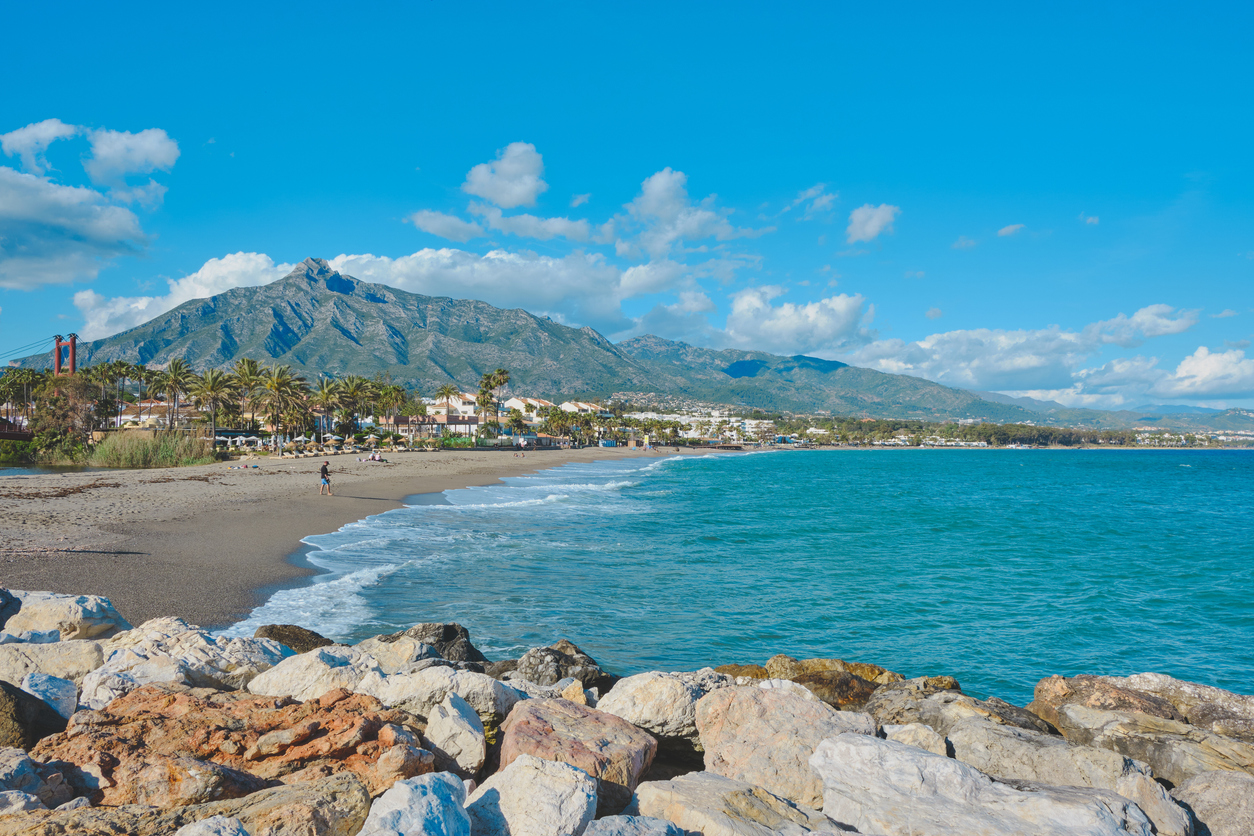
Spanning approximately 150 kilometers from the windswept town of Estepona in the west to the historic city of Nerja in the east, the Costa del Sol forms a broad, sun-kissed ribbon along the southernmost edge of the Iberian Peninsula. Flanked by the sparkling Mediterranean Sea and the dramatic Sierra Blanca mountains, the region offers a dynamic natural landscape: golden beaches, protected coves, whitewashed villages, and lush golf courses.
Each community along the coast—from the bright urban buzz of Málaga to the charming sophistication of Marbella, and from the tranquil pueblos blancos to the yacht-dotted harbors of Benalmádena—boasts its own unique character. The scenery is a constant invitation to explore, relax, and indulge in the Mediterranean lifestyle that Dutch and Belgian retirees find so irresistible.
Year-Round Sunshine: A Microclimate Unlike Any Other
The true magic of the Costa del Sol, however, lies in its famous climate. The region is so named not just for poetic flourish but for a scientifically proven fact: it enjoys over 320 days of sunshine each year, with an annual average temperature of around 19°C. Winters are mild and rarely see frost, while summers are long, bright, and tempered by cooling sea breezes.
This microclimate provides an ideal setting for those seeking to escape the chill and rain found further north in Europe. For the Dutch and Belgian community, the promise of warmth is both a welcome relief and a powerful motivator for considering the Costa del Sol as a permanent home in retirement.
A Destination Chosen for Quality of Life
The Joys of Outdoor Living
With its temperate climate and abundance of green spaces, the Costa del Sol is perfectly designed for a lifestyle that prioritizes outdoor activity and relaxation. Whether it’s a leisurely morning walk along the Paseo Marítimo, a round of golf overlooking the Mediterranean, or alfresco dining in the shade of fragrant orange trees, life in this part of Spain happens outside as much as indoors.
This emphasis on outdoor living translates into numerous physical and mental health benefits for retirees, who find that staying active and social is easy year-round. It’s possible to swim in the sea in October, play tennis in February, or enjoy a tapas evening beneath the stars almost every night.
Health and Wellness: Access to Top-Quality Medical Care
One of the key concerns for retirees considering relocation is the accessibility and quality of health care. The Costa del Sol delivers impressively on this front, with a network of public and private hospitals, clinics, and specialist centers catering to a diverse expatriate population.
Medical staff in the region are often multilingual, and it’s commonplace to find doctors, dentists, and even pharmacists who speak Dutch, French, German, or English. The public healthcare system in Spain is known for its high standards, and private options abound for those seeking faster access or more specialized services.
Furthermore, wellness takes center stage in the local lifestyle. Spas, yoga retreats, physiotherapy centers, and holistic health practitioners are widely available, while the Mediterranean diet—rich in fresh vegetables, lean proteins, olive oil, and local wines—supports the longevity and vitality of residents.
Safety and Security: Peace of Mind Under the Sun
Another often-cited attraction for Dutch and Belgian retirees is the high level of personal safety enjoyed along the Costa del Sol. The area benefits from low crime rates and a visible but unobtrusive police presence. Safe streets, well-lit promenades, and secure neighborhoods foster a sense of community and trust.
Retirement is as much about enjoyment as it is about comfort and serenity. On the Costa del Sol, peace of mind is easy to find, whether strolling a quiet beach at dusk or leaving a car unlocked in a tranquil village square.
Cultural Richness and a Welcoming Social Scene
The Melting Pot: International and Local Communities Coexisting
The Costa del Sol’s cosmopolitan nature is legendary. Tens of thousands of Dutch, Belgian, British, Scandinavian, and German expatriates have woven themselves into the colorful social fabric of the region, alongside an ever-welcoming local Andalusian populace.
For Dutch and Belgian retirees, this cultural blend ensures a seamless entry into Spanish life. International clubs, Dutch/Belgian societies, sports groups, and language exchanges provide numerous opportunities to connect, share experiences, and make lifelong friendships. Here, integration is not just possible but actively encouraged, with many locals keen to exchange stories, ideas, and traditions over tapas or a glass of sangria.
Festivals, Art, and Heritage
Living on the Costa del Sol also means enjoying year-round access to a vibrant showcase of traditional and contemporary culture. From local fiestas—where flamenco dancers swirl and brass bands play late into the night—to international film festivals, art exhibitions, and classical concerts, there is always something to ignite your curiosity.
The region’s Moorish history and Andalusian heritage are visible everywhere, from the imposing Alcazaba in Málaga to the labyrinthine streets of historic Marbella. For those with a passion for discovery, each village and town offers its own slice of living history, with ancient churches, lively plazas, traditional markets, and artisan workshops.
Language: Opportunities to Learn and Adapt
While fluency in Spanish is not a requirement for retirees—especially given the prevalence of Dutch, French, and English speakers—it is a rewarding pursuit. Language schools and private tutors abound, and many clubs offer informal classes or conversation groups. Learning Spanish not only deepens the integration experience but opens up new worlds of culture and personal growth.
Practical Matters: The Logistics of Relocating to Costa del Sol
Selecting the Perfect Place to Live
The first major question facing any retiree is: “Where shall we live?” With dozens of coastal towns and hillside villages, each offering a distinctive ambiance and amenities, making an informed choice is paramount.
- Málaga: A cosmopolitan city with top-tier museums, vibrant markets, world-class gastronomy, and excellent transport links.
- Marbella: Known for its luxury lifestyle, golf courses, beautiful marinas, and exclusive shopping districts.
- Estepona: A charming, authentic Spanish town with flower-filled streets, a picturesque seafront promenade, and a relaxed pace.
- Fuengirola: Popular with international residents, featuring an accessible beach, modern services, and a thriving expat scene.
- Nerja: Famous for its dramatic cliffs, Balcón de Europa, and traditional Andalusian charm.
- Benalmádena: Renowned for its lively harbor, family-friendly attractions, and buzzing nightlife.
Consulting with professional real estate experts like IMMO ABROAD to find the best fit for your lifestyle, interests, budget, and long-term goals is an advisable first step on your journey.
Property Options: From Seaside Apartments to Country Retreats
The Costa del Sol’s property market is as varied as its communities. Whether your dream is an elegant apartment overlooking the Mediterranean, a traditional villa nestled in the hills, or a modern penthouse in a bustling resort center, there is something to suit every taste and budget.
Key considerations include:
- Location: Proximity to the beach, golf courses, medical facilities, shopping, and international schools.
- Type of property: Apartments, townhouses, villas, or rural fincas.
- Community fees and amenities: Pools, gardens, security, and social clubs.
- Accessibility: Particularly important for retirees with reduced mobility—look for properties with elevators, ramps, and single-level living spaces.
- Investment potential: Whether you plan to use your property year-round or as a seasonal home, the region offers stable growth and attractive rental yields.
Working with IMMO ABROAD ensures personalized guidance through every legal, financial, and logistical detail of the purchasing process.
Residency and Paperwork
Thanks to established agreements with the EU, Dutch and Belgian citizens enjoy a relatively straightforward residency process in Spain. The primary steps include registering with the local authorities, obtaining a NIE (Foreigner Identification Number), and, for extended stays, securing a residence certificate at the town hall. For retirees, proof of sufficient income or pension and valid health insurance are generally required.
As Spanish bureaucracy can be daunting, professional support from bilingual consultants and legal experts is highly recommended to facilitate smooth navigation through administrative requirements.
Financial Considerations for Retirees on the Costa del Sol
Cost of Living: Comfort and Value Combined
Despite its reputation for glamour, the Costa del Sol offers a surprisingly affordable quality of life compared to many northern European capitals or popular retirement hotspots elsewhere. Major expenses to consider include:
- Housing: Whether renting or buying, options are available for every budget and preference.
- Utilities: Electricity, water, and community fees are moderate, especially for those living in energy-efficient properties.
- Groceries and Dining: Access to fresh local produce and a thriving market scene means healthy eating at reasonable prices; eating out is both frequent and affordable, with “Menu del Día” lunch specials offering incredible value.
- Transportation: Excellent public transport networks reduce the need for private cars, and fuel prices remain lower than in much of Western Europe.
- Healthcare: Public system costs are largely covered by the state; private insurance is available at various price points.
- Leisure and Activities: From golf to cultural excursions, many activities are discounted for residents or retirees.
Overall, budgets can be tailored to fit everything from a simple, tranquil existence to an active, luxurious lifestyle.
Pensions and Taxes: Making the Most of Your Retirement Income
Retirees moving from the Netherlands or Belgium often have questions regarding the import of their pensions, tax liabilities, and fiscal planning in Spain. Important points include:
- Double taxation agreements: Spain has treaties to prevent retirees from paying tax twice on the same income.
- Declaration obligations: All residents must declare worldwide income for potential tax purposes.
- Financial planning: Professionals can advise on the most tax-efficient structures for pensions and savings, as well as inheritance and estate planning to suit your individual needs.
As with all fiscal matters, it is best to seek guidance from qualified legal and financial experts familiar with international retiree scenarios to ensure optimal arrangements.
Day-to-Day Life: Embracing the Andalusian Rhythm
Daily Routines and Local Customs
Adapting to life on the Costa del Sol means delighting in a slower, more sociable tempo. Time unfolds differently here: mornings begin at local cafés with coffee and churros; small errands and shopping take place at a relaxed pace between friendly greetings; the public life centers around shaded plazas, bustling markets, or beachfront esplanades.
Afternoons may be spent indulging in the time-honored siesta, exploring the natural environment, or enjoying sport and leisure activities. Evenings begin late, with dinner often served at 8 or 9 pm, and social events continuing long into the balmy night.
Shopping: From Markets to Modern Supermarkets
The Costa del Sol offers an enticing mix of shopping experiences to suit every taste. Weekly street markets (“mercadillos”) brim with fresh fruit, vegetables, cheeses, handicrafts, and antiques—a favorite outing for both locals and expats. Supermarkets and specialty stores ensure access to both Spanish delicacies and imported goods familiar to Dutch and Belgian palates.
- Local markets: Ideal for sampling vibrant produce, local cheeses, olives, and cured meats.
- Supermarkets: Wide selection of both Spanish and international brands; many offer Dutch and Belgian specialty items in international sections.
- Specialty shops: From bakeries to wine cellars and gourmet delis, these vendors deliver the best of Andalusian and European flavors.
Shopping as a social experience remains central—markets are not merely for buying, but for building bonds with regular stallholders and neighbors, a routine quickly cherished by retirees.
Gastronomic Pleasures: The Mediterranean Diet and Beyond
If there’s one thing that defines life on the Costa del Sol, it is the celebration of food. The culinary scene is both diverse and accessible, from local “chiringuitos” serving fresh sardines grilled on the beach to Michelin-starred restaurants exploring contemporary Spanish cuisine.
The Mediterranean diet, regularly lauded as one of the healthiest in the world, is a daily habit here. Typical meals feature grilled fish, seasonal vegetables, pulses, salads, fruit, and plenty of olive oil, combined with moderate amounts of dairy, bread, and the occasional indulgence of local pastries or Iberian ham.
International gourmet options abound for those craving a taste of home. Belgian frites, Dutch cheese, and patisserie specialties are available, while many restaurants offer menu translations and staff capable of welcoming guests in Dutch or French.
Recreation and Social Opportunities: Clubs, Sports, and Learning
Boredom is impossible along the Costa del Sol. The region boasts a dizzying array of leisure possibilities:
- Golf: With over 70 courses, the Costa del Sol is rightly nicknamed the “Costa del Golf,” attracting enthusiasts of all abilities.
- Tennis and Padel: Tennis clubs and rapidly growing padel courts provide social hubs for all ages.
- Sailing and Water Sports: The Mediterranean beckons with opportunities to sail, kayak, windsurf, or join boat excursions to see dolphins.
- Walking and Hiking: Coastal promenades, mountain trails, and national parks offer routes for every level of fitness and adventure.
- Clubs and Associations: Dutch and Belgian communities have thriving clubs organizing cultural, sporting, and charitable events, as well as language classes, excursions, and themed dinners.
- Volunteering and Lifelong Learning: Many retirees find deep fulfillment in contributing to local charities, animal shelters, or teaching languages. Universities for seniors offer lectures, workshops, and courses in art, history, and much more.
Healthcare and Well-Being: Living Longer, Living Better
The Spanish Healthcare System: A Model of Excellence
Spain’s healthcare system consistently ranks among the best globally, with a strong emphasis on both preventive and emergency medicine. Public hospitals are well-equipped and staffed by highly trained, compassionate professionals; long-term residents have easy access to state care, while visitors or recent arrivals may opt for comprehensive private insurance.
Services available in the region include:
- General practitioners and medical specialists
- Dental and optical care
- Pharmacies with accessible advice and over-the-counter medication
- Emergency and urgent care centers
- Rehabilitation and physiotherapy units
For Dutch and Belgian retirees, knowing that medical help is available in their native language or English is a profound reassurance.
A Focus on Prevention and Wellness
The Mediterranean lifestyle is naturally supportive of good health. Abundant physical activity, stress reduction, social connection, and diet work together to enhance well-being. It’s possible to join exercise classes or walking groups catered to senior citizens, and yogic, Pilates, and aqua fitness sessions are widely offered throughout the region.
The local focus on wellness can also be seen in the popularity of spas, thalassotherapy centers, and holistic clinics—with practitioners available in most major towns and tourist areas.
Accessible Healthcare for EU Retirees
For long-term Dutch and Belgian residents, entitlement to public healthcare comes through the registration process and presentation of the European Health Insurance Card (EHIC) upon arrival. Supplemental private healthcare policies are popular for those seeking speedy consultation or non-standard treatments, with numerous reputable insurers available in the Costa del Sol market.
Family and Visitors: Welcoming Loved Ones to Your New Home
Accommodation and Activities for Family Visits
Retiring to the Costa del Sol doesn’t mean losing touch with friends and family. In fact, the region’s popularity as a holiday destination ensures that loved ones are eager to visit, sometimes year after year.
The wide selection of hotels, guesthouses, rental apartments, and holiday villas makes hosting relatives comfortable and affordable. From grandkids building sandcastles on the beach to adult children discovering the wonders of Spanish wine and culture, the Costa del Sol caters effortlessly to all ages.
Excursions and Day Trips: Exploring Andalusia
Holidaymakers and retirees alike benefit from the many excursions available in the area, including:
- Day-trips to historic cities: Granada, Seville, Córdoba, and Ronda are all within easy reach and offer architectural marvels and world-class cuisine.
- Nature parks: El Torcal, Sierra de las Nieves, and Montes de Málaga for hiking, birdwatching, and picnics.
- Local events: Fairs, music festivals, and street markets are regularly held, allowing visitors to immerse themselves in Andalusian festive spirit.
The region’s excellent road and transport links make it possible to explore further afield, whether coast-hopping to Cádiz or venturing inland to discover sleepy villages and climbing olive-clad hills.
Meeting the Needs of Dutch and Belgian Retirees: A Personalized Approach
Friendly Networks and Support Systems
For many retirees, moving away from their homeland can feel daunting. That’s why social support networks, Dutch- and Belgian-run services, and tailored clubs are such a valuable resource on the Costa del Sol. From translation services and legal support to cultural groups and travel clubs, there are numerous ways in which Dutch and Belgian communities come together to help newcomers settle confidently.
IMMO ABROAD collaborates with local service providers to offer:
- Orientation tours and property viewings tailored to Dutch and Belgian clients
- Assistance with paperwork and bureaucratic formalities
- Guidance on best-value healthcare options
- Language support and interpreter services
- Recommendations for reputable local businesses, skilled tradespeople, and medical professionals
- Connections to cultural and sports clubs
Language and Integration Programs
Spanish language support classes—tailored for beginners and advanced learners—provide a relaxed, engaging way to make friends and learn the essentials. Some communities even offer “coffee mornings” where conversations in Dutch, French, and Spanish happen side by side. Participation in such programs not only smooths daily life but deepens the cross-cultural experience that makes living abroad so rewarding.
Celebrating Traditions: Preserving Dutch and Belgian Culture Abroad
The Costa del Sol’s thriving expatriate scene doesn’t mean giving up beloved habits or celebrations. From King’s Day parties for Dutch nationals to Belgian National Day gatherings and Sinterklaas festivities for children, opportunities abound to celebrate special occasions from home. Dutch and Belgian shops, bakeries, and restaurants help keep traditional tastes alive, while regular cultural evenings allow for the sharing of music, literature, and art from the Low Countries.
Transport and Accessibility: Connecting Retirees to the World
Effortless Travel and Connections
One of the region’s greatest strengths is its outstanding transport infrastructure:
- Airports: Málaga-Costa del Sol International Airport is both modern and efficient, offering direct flights to Amsterdam, Brussels, Eindhoven, Rotterdam, Antwerp, and other major European cities.
- Trains: The modern AVE high-speed rail network and local commuter lines (Cercanías) connect residents conveniently with both the coast and inland cities.
- Buses and taxis: Extensive networks make it simple to navigate city centers, suburban districts, and rural enclaves.
- Car hire and ownership: For those who prefer personal mobility, driving remains easy and relatively inexpensive—roads are well maintained, and signage is clear.
For retirees, this accessibility ensures that visits to friends and family in the Netherlands or Belgium are straightforward, and that spontaneous travel adventures across Spain and Europe are comfortable and convenient.
Accessibility for All
With an aging population in mind, the Costa del Sol’s public spaces, hospitals, shopping centers, and recreational facilities increasingly prioritize accessibility. It’s possible to find wheelchair-friendly beaches, adapted transport options, and homes designed for “lifetime living,” accommodating reduced mobility or special needs while maintaining comfort and independence.
Climate, Natural Environment, and Sustainability
Savoring the Microclimate Year Round
One of the most significant attractions of the Costa del Sol for retirees is the near-perfect climate. Mild winters, warm summers, and an annual average of nearly 3,000 hours of sunshine create an environment in which every season is inviting. For Northern Europeans used to prolonged grey skies, this alone can be a transformative factor in quality of life and daily mood.
The local environment thrives under this climate. Iconic palm trees, bougainvillea, orange groves, and pine forests can be found throughout the region, making even urban spaces lush and fragrant.
A Commitment to Nature and Sustainability
The beauty of the landscape is protected by a growing environmental consciousness. Local municipalities and resident associations invest in coastal clean-ups, sustainable tourism, recycling programs, and green spaces. Many new properties are built to high energy efficiency standards, with solar panels, thermal insulation, and rainwater harvesting. Organic food markets, eco-friendly shops, and alternative therapies flourish as the community prioritizes well-being and conservation.
Outdoor Activities: Living in Harmony with Nature
For retirees who cherish an active lifestyle, the Costa del Sol is an outdoor playground. Birdwatching, wildflower walks, mountain biking, horseback riding, and painting en plein air are just some of the many ways to enjoy contact with nature. Guided hiking groups and ecological tours ensure retirees can safely and comfortably explore the diverse natural wonders of Andalusia, from cork forests to coastal wetlands.
Legal Considerations and Long-Term Planning
Understanding the Property Purchasing Process
The acquisition of property in Spain is highly regulated to protect both foreign and domestic buyers. Working with a trusted advisor like IMMO ABROAD, retirees are guided through key steps including:
- Due diligence on property title and ownership
- Evaluation of legal status, planning permission, and community fees
- Preparation and signing of the private purchase contract
- Arranging required documents, including NIE numbers and proof of funds
- Signing the public deed of sale (“Escritura”) before a notary, with all legal protections in place
- Registration of the property at the land registry and utility setup
This structured, transparent process minimizes risks and ensures peace of mind for international buyers.
Inheritance, Succession, and Wills
Ownership of assets in Spain brings with it important considerations regarding inheritance law and succession planning. Spanish law is distinct from Dutch and Belgian systems, particularly in matters of compulsory heirs and taxation. Drawing up a local Spanish will—in addition to retaining wills in the home country—is a widely recommended step, ensuring clarity and compliance with both systems while respecting personal wishes.
Legal experts are available throughout the Costa del Sol to offer tailored advice, ensuring families are protected, and transitions are smooth in the future.
Long-Term Residency and Citizenship
While EU citizens can reside indefinitely on the Costa del Sol, long-term residents may be entitled to apply for permanent Spanish residency or, after extended stays, even for citizenship—a testament to the magnetic pull this region exerts on those who call it home.
Testimonials and Success Stories: Dutch and Belgian Retirees Thriving on the Costa del Sol
Personal Anecdotes: Life-Changing Decisions
The true measure of the Costa del Sol’s appeal lies in the experiences of those who have already taken the leap. Dutch and Belgian retirees consistently report:
- Greater physical and emotional well-being, attributed to the climate and outdoor lifestyle
- Active social lives, filled with meaningful friendships and community involvement
- A renewed passion for learning, discovery, and exploration
- The pleasure of hosting family and friends in a vibrant, welcoming environment
- Financial security and contentment derived from a stable property market and manageable cost of living
Retirees remark on simply “feeling younger,” attributed to the joyful pace and sunshine-infused rhythms of Mediterranean life.
Overcoming Challenges
No relocation is without its challenges, of course. Adapting to a new language, different bureaucracy, and cultural nuances tests flexibility, patience, and resilience. Dutch and Belgian retirees, however, are renowned for their practical mindset, openness to new experiences, and sense of adventure—all qualities that ensure success and satisfaction over time. The supportive local community and expert guidance make most obstacles temporary and surmountable.
The Costa del Sol: More Than a Retirement Destination
A New Chapter Under the Sun
Choosing to retire to the Costa del Sol is a commitment to joy, adventure, and transformation. Life here extends beyond blue skies and sandy beaches; it is about rediscovering purpose, friendships, learning, and fulfillment—every day.
For Dutch and Belgian retirees, the Costa del Sol is far more than a temporary haven. It is a place to live fully, to savor each moment, to give back and to grow, surrounded by beauty, culture, and warmth. With expert guidance from professionals like IMMO ABROAD, making this dream a reality is easier, safer, and more rewarding than ever before.
Final Thoughts: Embracing Your Mediterranean Dream
Retirement marks not an end, but a new beginning. On the Costa del Sol, this beginning is shaped by sun, smiles, opportunity, and community. Whether you are drawn by climate, culture, investment, or the promise of a golden future, the region awaits with open arms.
With careful planning, dedicated support, and a spirit of curiosity, Dutch and Belgian retirees discover in the Costa del Sol not just a residence, but a home—a place where life is lived to its best, every day under the sun.