





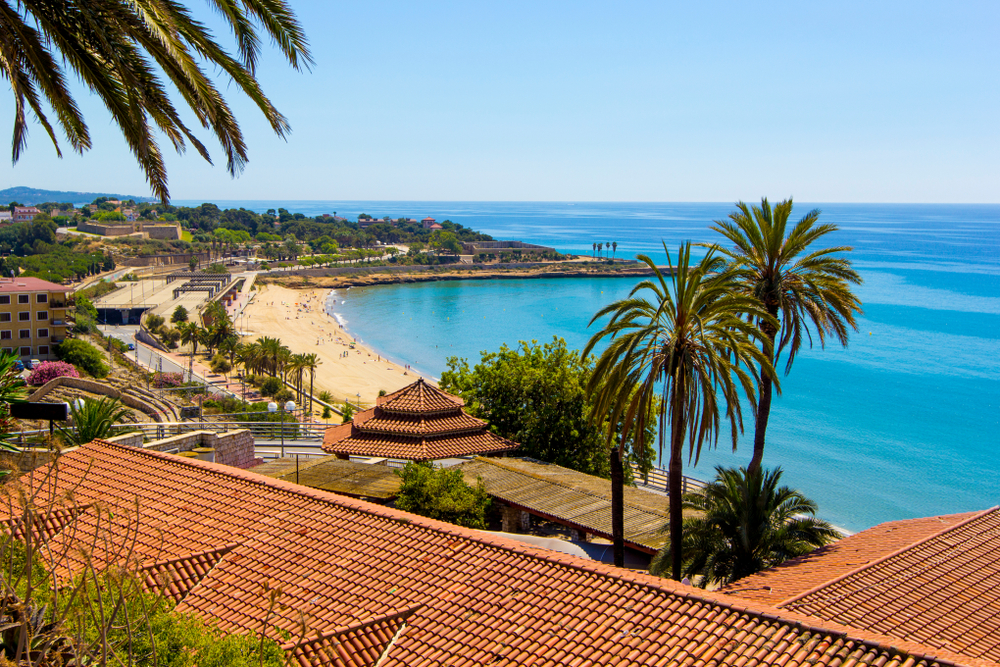
Understanding Roof Tiles in Spain: An In-Depth Guide
Spain, with its diverse landscapes, Mediterranean climate, and rich architectural history, showcases a remarkable variety of roofing solutions. One of the most enduring, iconic elements among these is the use of dakpannen—roof tiles. This comprehensive guide delves into everything you need to know about roof tiles in Spain: the types available, their history, how to choose the right tile, installation, regulations, maintenance, cultural significance, sustainability, and much more.
The Historical Evolution of Dakpannen in Spain
The Spanish roofscape is inevitably linked to the story of the dakpan. The widespread use of roof tiles dates back to ancient times, with archaeological evidence of tile roofing found in Roman settlements on the Iberian Peninsula.
Roman and Moorish Influences
The Romans introduced fired clay tiles, called tegulae and imbrices, which formed the foundation of Mediterranean roof design. Roman tile-making technology quickly proliferated due to the advantages of clay—it was abundant, fire-resistant, and provided excellent thermal insulation. Later, the Moorish occupation from the 8th century introduced intricate tilework, further influencing decorative applications and shaping the tradition of clay tiling seen today.
From Rural Hamlets to Urban Palaces
Tiles shifted from functional necessity to symbols of status. In rural areas, simpler tejas árabes remained prevalent, while urban areas and wealthy estates featured highly decorative, colored, and even hand-painted tiles, especially in Andalusia and Valencia. Over the centuries, region-specific styles evolved, each adapted to local climates and available resources.
Types of Roof Tiles Commonly Used in Spain
Spanish architecture employs an impressive variety of roof tiles, each with distinct form, color, and function. Below, we explore the principal types found across the country.
Tejas Árabes (Curved Clay Tiles)
Perhaps the most recognizable, tejas árabes or Spanish S-curved tiles are ubiquitous across Mediterranean Spain. Their signature design features a half-cylinder shape, allowing overlapping assembly. These tiles are celebrated for facilitating rainwater runoff and creating air channels beneath to moderate rooftop heat.
- Material: Traditionally fired clay, but modern variations use concrete or ceramics.
- Color: Typically terracotta, ranging from earthy reds and oranges to ochre and tan.
- Where Used: Commonly seen in Andalusia, Murcia, Valencia, and Catalonia.
Tejas Planas (Flat Tiles)
Originating from Northern Spain and urban settings, tejas planas are flat or slightly arched tiles, designed to be laid in overlapping rows. Ideal for regions with heavier rainfall or snow, they offer robust protection and a sleeker aesthetic suitable for modern architecture.
- Material: Clay, slate, or concrete.
- Color: Ranges from grey and black (especially for slate varieties) to classic terracotta.
- Where Used: Predominant in Basque Country, Navarre, and Central Spain.
Tejas Canal (Marseille or Channel Tiles)
Tejas canal bring a European nuance into the Spanish landscape. These channel-shaped tiles, slightly different in profile from Arabes, create a continuous gutter effect and are preferred on steep roofs.
- Material: Clay or concrete.
- Color: From deep red to muted browns.
- Where Used: Found in Catalonia, Valencia, and Pyrenees-adjacent regions.
Slate Tiles (Tejas de Pizarra)
Slate is prominent in the greener, wetter northern provinces, including Galicia, Asturias, and León. Tejas de pizarra offer unparalleled resistance to rain, wind, and frost.
- Material: Split natural slate stone.
- Color: Grey, blue-black, and dark green hues.
- Where Used: All across northern Spain and mountain villages.
Concrete Tiles
While less traditional, concrete tiles are now widely popular, especially in coastal developments and urban extensions. They mimic clay or slate and offer improved durability and lower maintenance costs.
- Material: Precast concrete, often with surface color treatments.
- Color: Can imitate terracotta, sand, charcoal, or even pastel shades.
- Where Used: New builds in Murcia, Andalucía, and along the Mediterranean coast.
Materials: Choosing Quality and Performance
Selecting the right material for your Spanish roof tiles involves careful assessment of climate, roof pitch, aesthetic aspirations, sustainability, and long-term maintenance requirements.
Clay
Clay remains the benchmark for Spanish roofs due to its natural insulation, vibrancy, and historical authenticity. Well-fired clay tiles can last over a century, with proper maintenance.
- Pros: Eco-friendly, excellent thermal properties, ages attractively.
- Cons: Fragility, higher initial installation cost.
Concrete
Concrete tiles offer added strength, ease of mass production, and consistent coloration. Innovations in lightweight mixes and surface treatments have increased their popularity for modern developments.
- Pros: Strength, uniformity, lower maintenance, affordable.
- Cons: Heavier than clay, can fade if untreated.
Slate
Slate tiles provide a premium solution for challenging climates. Their dense, impermeable structure makes them the gold standard in regions facing rain, wind, and frost.
- Pros: Incredible longevity (can last 200+ years), minimal maintenance, unique natural textures.
- Cons: High cost, challenging for complex roofs, heavier load.
Ceramic & Composite Innovations
The latest ceramic technology enhances color choices and improves tile strength, while composite materials—sometimes incorporating recycled plastics—offer lighter, more adaptive options for contemporary homes and restoration projects.
- Pros: Customizability, eco-friendly variants, suitable for low-pitch roofs.
- Cons: Varying durability, less traditional.
Climate Considerations for Roof Tiles in Spain
Spain’s climate ranges from the subtropical humid north to the arid southeast, making it essential to match tile type and installation to regional conditions.
Coastal and Mediterranean Climate
- Moderate rainfall, high UV exposure, hot summers
- Best choices: S-shaped clay, concrete, composite tiles—excellent for ventilación and heat mitigation.
Continental & Inland Zones
- Cold winters, occasional snows, hot dry summers.
- Best choices: Flat or overlapping tiles, slate (for snow resistance) in higher altitudes.
Northern Atlantic Regions
- Heavy rainfall, temperate to cold winters
- Best choices: Slate tiles—exceptional durability in wet, stormy environments.
Arid Southeast & Canary Islands
- Low rainfall, extreme heat, potential for gusty winds
- Best choices: S-shaped or flat ceramic tiles—resistant to both heat and strong winds, with integrated ventilation.
Architectural Styles and Tile Selection
The aesthetic of Spanish rooftops intertwines with architectural identity. The choice of dakpannen influences not only protection, but the overall harmony and appeal of a building.
Mediterranean Villas & Farmhouses
Traditional villas—fincas and casas rurales—benefit from aged terracotta tiles. Their organic patina and undulating profiles evoke a timeless atmosphere.
Modernist and Contemporary Projects
Urban reimaginings favor flat, monochromatic concrete or composite tiles. These support bolder lines, minimalist profiles, and energy-saving roof technologies.
Historic Restorations
Renovating heritage structures requires sourcing period-accurate tiles—typically reclaimed clay or handmade ceramics. Attention to size, curvature, and finish is vital for architectural authenticity.
Coastal New Builds
New developments on Spain’s coasts often blend tradition and innovation: classic S-shaped silhouettes rendered in lightweight concrete, colored to evoke warm Mediterranean hues.
Pueblo Blanco and Andalusian Heritage
The iconic pueblos blancos of Andalusia feature whitewashed walls and clay canal tiles, brilliantly offset by lush bougainvillea or olive groves. The balance of color and curve is central to this unique regional identity.
Building Regulations and Legal Standards
Spain implements rigorous construction standards to guarantee roof durability, energy efficiency, and safety. Complying with the latest legal framework is essential when undertaking any roofing work.
Technical Building Code (CTE)
The Código Técnico de la Edificación (CTE) prescribes minimum standards for roof insulation, waterproofing, wind resistance, and tile fixing. All new buildings and significant renovations must adhere to these statutory requirements.
- Thermal transmittance benchmarks (U-values) to reduce energy loss
- Wind uplift ratings—tiles must resist detachment in storm conditions
- Slope and overlap minimums, depending on rainfall and tile type
- Mandatory waterproofing membranes beneath tiles in high-risk regions
Urban Planning Permissions
Most municipalities require planning permission for significant roof works, especially in areas of cultural heritage (conjuntos históricos). Restrictions are strictest in protected old towns and coastal areas governed by environmental statutes.
- Notification and approval of materials, colors, and visible tile types
- Proof of compliance with fire, acoustic, and energy codes
- Inspections at various installation stages
Installation Standards
Professional tile installation must follow manufacturer guidelines and CTE standards for substructure, underlayment, ventilation, and finishing. Insurers frequently require certificates confirming correct fitting, especially in newly built or extensively renovated properties.
Installation Techniques: Traditional and Modern
The art of roof tiling in Spain has evolved from labor-intensive, artisanal methods to streamlined, highly regulated processes that marry tradition with technology.
Traditional Installation
Historically, clay tiles were laid directly onto wooden or stone rafters, secured by gravity and their interlocking design—particularly in the Mediterranean context. Overlapping rows, generous overlaps, and natural ventilation were common, with no synthetic underlayments.
- Pros: Authentic look, breathability for timber structures
- Cons: Lower weatherproofing, unsuitable for extreme climates
Modern Installation Practices
Today, best practices emphasize layered roof systems:
- Decking: Plywood or concrete slab base.
- Breathable Membrane: Modern underlays repel water while allowing vapor escape.
- Batten Framework: Spaced battens or metal rails to anchor tiles and facilitate precise alignment.
- Tile Mounting: Tiles mechanically fastened or clipped for increased storm resistance, especially in exposed locations.
- Ridge and Hip Detailing: Ridge, hip, and verge tiles individually mortared or locked with specialist clips to prevent wind uplift.
Proper detailing around chimneys, eaves, solar panels, and roof penetrations is crucial for long-term performance.
Restoration of Historic Roofs
Projects involving century-old structures often require bespoke craftsmanship:
- Source-matched, hand-shaped tiles
- Traditional lime mortars or modern flexible adhesives (where appropriate)
- Special collaboration with heritage authorities
Roof Tile Maintenance: Protecting Your Investment
Maintenance is vital for safeguarding the beauty and integrity of Spanish roof tiles, ensuring decades of trouble-free service even in harsh climates.
Inspection and Cleaning
Twice-yearly visual inspections help detect and address minor issues before they become costly repairs. Look for:
- Broken, slipped, or missing tiles
- Lichen, moss, or algae growth (especially in shaded areas)
- Blocked gutters or downspouts—and resultant water back-ups
- Signs of substructure deterioration or leaked underlayments
Gentle cleaning with soft brushes and biodegradable detergents is advised; pressure washing or harsh chemicals can harm delicate clay surfaces or force water under tiles.
Common Roof Tile Repair Techniques
- Replacing damaged tiles: Careful removal and fitting with matching tiles and compatible fixings.
- Mortar repairs to ridge/hip tiles: Using flexible, weather-appropriate mortars.
- Underlayment patching: Essential for persistent leaks or after severe storms.
Professional Maintenance Services
While many small tasks are DIY-friendly, complex repairs—particularly at height—require skilled professionals trained in Spanish roofing systems. Scheduled professional maintenance extends the life and appearance of your roof, and may be required for insurance or warranty compliance.
Sustainability and Environmental Impact
Sustainability has become an integral consideration in Spanish building practice, including roof tiles. Eco-friendly solutions help protect the environment, conserve energy, and contribute to healthier living spaces.
Recycled and Reclaimed Tiles
Using recycled clay or reclaimed tiles in renovations honors tradition and reduces landfill waste. Many suppliers offer tiles rescued from derelict buildings, cleaned and checked for structural soundness.
Green Manufacturing Processes
Modern manufacturers optimize kiln design, use solar or biomass energy, and minimize water consumption in tile production. Locally sourced materials reduce transport emissions and support regional economies.
Insulation and Energy Efficiency
Well-designed tile roofs provide natural insulation, reducing the need for mechanical cooling and heating. Modern underlayment systems and ventilated tile designs enhance this effect, maximizing both comfort and efficiency.
Rainwater Harvesting
Rooftops finished with Spanish tiles can be engineered for easy rainwater collection—a traditional practice still relevant today. Channeling water to cisterns helps households cope with droughts and reduces dependence on external supplies.
Cultural and Regional Significance of Spanish Roof Tiles
The appearance and structure of Spanish rooftops are more than functional—they express centuries of regional culture, adaptation, and artistry.
Vernacular Design Language
In Andalusia, the gentle sweep of canal tiles complements low-slung, whitewashed homes, designed to reflect sunlight and invite natural ventilation. Northern Spain’s slate roofs, by contrast, present crisp, dark silhouettes against green hills, exemplary of Celtic and Atlantic influences.
Color and Symbolism
- Terracotta Red: Sun, earth, and the clay-rich soils of central and southern Spain.
- Ocher and Yellow: Iconic in La Rioja and Valencia, reflecting the region’s distinctive clays.
- Slate Grey: Forces of nature, rugged durability, and the mineral wealth of Galicia and León.
Rooftop Decorations
Features such as ceramic finials, hand-painted ridge tiles, and whimsical animal figures evoke Spain’s deep artisanal tradition. Even functional elements—chimney pots, air vents—are often crafted into expressive shapes.
Cost Factors and Budgeting a Tiled Roof in Spain
An accurate assessment of costs is essential before undertaking a roofing project. Several distinct factors influence both initial outlay and lifetime expenses.
Material Costs
- Clay Tiles: Higher upfront cost, but unmatched longevity and low maintenance.
- Concrete Tiles: Economical, available in large formats for rapid installation.
- Slate Tiles: Premium investment, justified by 100+ year lifespans.
- Ceramic/Composite: Custom or decorative tiles can occasionally surpass even high-end clay in price.
Labor Charges
Labor pricing depends on roof complexity, accessibility, region, and required craftsmanship. Specialized work, such as heritage installations or complex geometries, commands higher rates. Labour tends to be more expensive in large cities and regions with significant tourism.
Associated Works and Extras
- Reinforcing or replacing underlying structures (rafters, battening)
- Adding insulation and waterproofing membranes
- Custom ridge or edge detailing
- Disposal of old tiles or hazardous materials (e.g., historic asbestos content)
Maintenance and Lifecycle Budget
Consider not only initial installation, but long-term costs—routine inspection, cleaning, sporadic repairs. Well-chosen, professionally installed tile roofs rarely require full replacement for generations.
Future Trends in Spanish Roof Tiling
As environmental awareness grows and technology advances, the market for Spanish roof tiles is experiencing a subtle transformation.
Solar Roof Integration
Modern tejas solares integrate photovoltaic cells into traditional forms, preserving aesthetics while generating electricity. Seamless solar tiles are ideal for new builds and sensitive renovations alike, particularly in high-insolation regions.
Lightweight and Adaptive Materials
Composites that mimic the look of clay or slate provide lightweight options for eco-homes built on flexible frameworks. Their ease of installation and recyclability add long-term value.
Customization and Artistic Revival
Growing appreciation for regional craftsmanship fuels demand for bespoke, hand-painted or textured tiles. The fusion of centuries-old techniques with modern colorants and glazes offers boundless possibilities for creative expression.
Rainwater-Optimizing Profiles
Innovative tile shapes are engineered to enhance water capture and runoff, supporting sustainability efforts, especially in drought-prone areas.
Frequently Asked Questions About Spanish Roof Tiles
How long do Spanish clay roof tiles last?
With proper installation and basic maintenance, quality Spanish clay tiles commonly last 50 to 100 years, and occasionally longer in favorable conditions. Many heritage buildings preserve original tiles for centuries.
Are tile roofs suitable for all Spanish climates?
Absolutely. While profiles and materials may be adapted (e.g., slate for north, clay for south), tile roofs are ubiquitous across Spain, having evolved to suit every regional nuance.
What is the best method for cleaning Spanish roof tiles?
Avoid harsh pressure washers or chemical bleaches. Use soft-bristle brushes, mild soap, and plenty of fresh water. For persistent moss or stains, consult professionals for specialized solutions.
Can old roof tiles be recycled or reused?
Definitely. Reusing old tiles, particularly historic or hand-shaped variants, is both environmentally responsible and visually authentic for renovations. Many suppliers specialize in reclaimed tiles suitable for modern requirements.
Do Spanish roof tiles require special insurance?
While many general property policies cover roof damage, verify specifics regarding tile types and installation standards. Properties in hail- or wind-prone regions may require additional coverage or compliance certificates.
Case Studies: Remarkable Roofs Across Spain
Case Study 1: A Restored Andalusian Cortijo
A historic cortijo outside Granada underwent a meticulous restoration. Original S-curved clay tiles were lifted and cleaned, with replacements sourced from local antique yards. The new structure married modern underlays and insulation with period-authentic profiles, resulting in a weather-resistant roof that preserved the building’s heritage.
Case Study 2: New-Build Eco-Villa with Concrete Tiles
Near Valencia, a contemporary villa needed a durable, low-maintenance roof to cope with summer heat and salty air. Interlocking concrete tiles, colored to resemble traditional terracotta, delivered the classic appearance alongside modern energy performance.
Case Study 3: Mountain Hamlet Uses Slate for Longevity
In a Galician mountain village, community organizers coordinated a joint project to re-tile several heritage homes in natural slate. This not only enhanced the village’s appearance and historical continuity, but drastically reduced roof maintenance costs over decades.
Case Study 4: Urban Loft Conversion in Barcelona
A former industrial loft in Barcelona’s Eixample was transformed with flat concrete tiles, harmonizing with the city’s modernist tradition and providing robust waterproofing for its rooftop terraces.
Step-by-Step Guide: Planning a Spanish Tile Roof Project
-
Assess Needs and Local Styles:
- Examine roof pitch, climate, neighborhood aesthetics, and planning restrictions.
- Research any special regulations for protected buildings or old town zones.
-
Select Material and Supplier:
- Consider longevity, cost, color, and historical appropriateness.
- Investigate supplier reputation for quality and sustainable practices.
-
Obtain Legal Approvals:
- File necessary documentation with local authorities.
- Secure written approval before commencing work to avoid fines or rework.
-
Hire Professional Installers:
- Select licensed, experienced roofers familiar with Spanish tile systems.
- Agree written contracts specifying materials, timelines, and warranties.
-
Prepare and Install:
- Remove old tiles, repair or upgrade substrate as necessary.
- Install underlayments, batten systems, and new tiles according to best practices.
-
Final Inspection and Maintenance Plan:
- Have work professionally inspected and signed off.
- Implement a periodic maintenance schedule for cleaning, inspection, and repairs.
Conclusion: The Enduring Appeal of Spanish Roof Tiles
The timeless charm of Spanish roof tiles lies in their seamless fusion of function, beauty, history, and innovation. From sunbaked southern farmhouses crowned in flowing terracotta, to precisely laid slate shingle roofs in the misty north, Spain’s dakpannen stand as a testament to dialogue across generations, climates, and artistic sensibilities.
Investing in a Spanish tiled roof is not just a practical decision for weather resistance and energy performance—it’s a commitment to cultural stewardship, architectural authenticity, and environmental responsibility. When well-planned and executed, such roofs become lasting legacies, enhancing property value and enriching the landscape.
If you’re considering a new roof or restoration project in Spain, knowledge is your greatest asset. By understanding the unique strengths, styles, and demands of Spanish roof tiles, you ensure a result that is both stunning and secure for future generations.
Glossary of Key Terms
- Dakpannen: Dutch word for roof tiles, widely used in Spain to describe various ceramic, clay, concrete, or slate roofing tiles.
- Tejas Árabes: Classic curved clay tiles typical of southern and eastern Spain.
- Pizarra: Natural slate used for tiles, especially in rainy, northern provinces.
- Battens: Thin strips of material for anchoring and spacing roof tiles.
- Underlayment: Protective membrane beneath tiles to enhance waterproofing and insulation.
- CTE: Acronym for Código Técnico de la Edificación, Spain’s technical building code.
- Finca/Cortijo: Rural estate or farmhouse, often with traditional tiled roofs.
- Pueblo Blanco: White village—Andalusian towns renowned for whitewashed architecture and clay-tiled roofs.
- Tejas Canal: Channel or Marseille tiles, with pronounced gutter-effect.
- Teja Plana: Flat or lightly curved tile, common in the north and modern developments.
Further Resources: Your Next Steps with Spanish Roof Tiles
Whether you are restoring a historic gem, building a new residence, or simply want to optimize the life and beauty of your Spanish tiled roof, there is a wealth of expertise and products available. Always consult local professionals and qualified suppliers when specifying materials, planning works, or maintaining your roof—especially for complex, heritage, or custom projects.
Let the inspiration of Spain’s endlessly varied rooftops guide your creativity and ensure that your project not only shelters, but delights, for generations to come.