





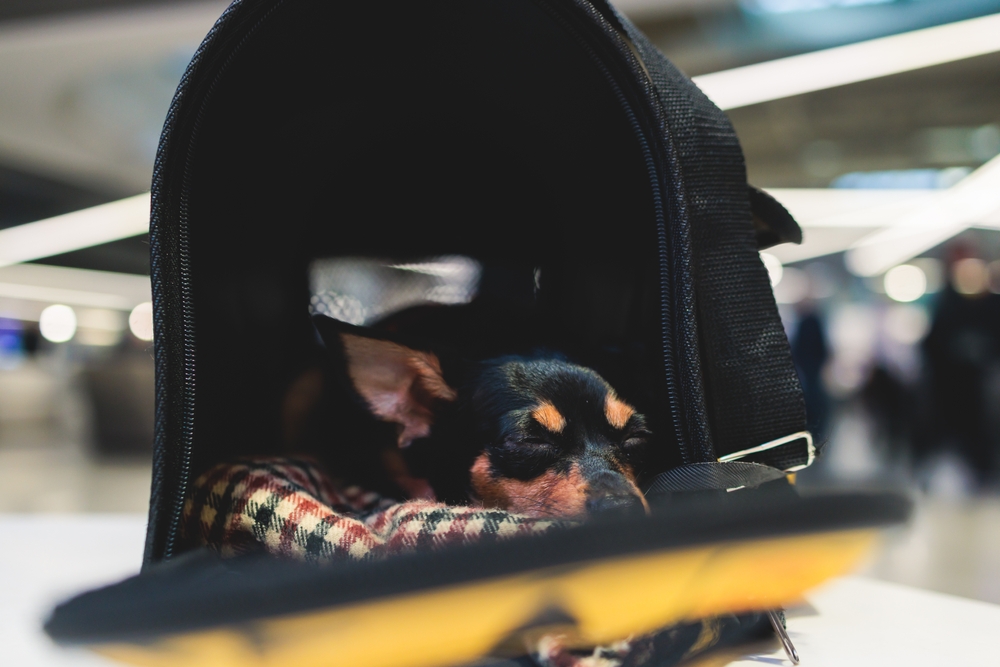
Introduction to Dierentaxi in Spain
In recent years, the demand for pet-friendly transport services has surged in Spain, mirroring the growing number of pet-owning households. Navigating travel, relocation, or even everyday appointments with pets requires specialized logistics and an understanding of regulations unique to each region and mode of transport. The solution to these complex requirements is the dierentaxi — a professional pet taxi service dedicated to prioritizing the comfort, safety, and legal compliance of animal passengers. For residents and visitors in Spain, utilizing a dierentaxi is rapidly becoming an essential service. This extensive article dives deep into the concept, legalities, practicalities, and all facets related to dierentaxi services in Spain, ensuring pet owners are well-equipped for every journey with their beloved companions.
Understanding Dierentaxi: Definition and Core Principles
A dierentaxi, also known as a pet taxi, is a specialized transportation service designed exclusively for animals. It bridges the gap between traditional transport options and the unique requirements of pets. Unlike conventional taxis or rideshare options, a dierentaxi is equipped to manage pets of all sizes and species, whether dogs, cats, birds, or exotic animals. Drivers receive specialized training in animal handling, ensuring their passengers experience minimal stress and maximum safety, regardless of the distance or route.
The core principles of a dierentaxi service include:
- Animal Welfare: Focused on minimizing the anxiety and discomfort pets may feel during transit.
- Legal Compliance: Observing local, national, and EU regulations on animal transportation.
- Convenience for Owners: Relieving owners of complex logistics and paperwork, particularly crucial for trips to veterinarians, airports, kennels, or across borders.
- Safety: Ensuring pets are secured with proper harnesses, crates, or dividers, and vehicles are cleaned and sanitized after every journey.
Spanish Legal Framework for Pet Transportation
Traveling with animals in Spain is governed by a patchwork of national, regional, and EU regulations. These rules dictate how, where, and under what conditions animals may be transported. For owners and professional services alike, understanding these guidelines is non-negotiable.
- National Mercury: The main Spanish legal statutes include Ley 50/1999 (about pet ownership of potentially dangerous pets), Royal Decree 287/2002, and the Animal Welfare Act (Ley de Protección Animal).
- Vehicle Regulations: Under the General Traffic Regulations (Reglamento General de Circulación), pets in vehicles must not interfere with the driver or compromise safety. Specific measures vary, but generally require animals to be restrained in crates, carriers, or harnesses secured to seat belts or anchor points.
- EU Standards: For international journeys, the Pet Passport and animal health certificates may be required, particularly for trips originating or concluding in non-Schengen countries.
- Regional Variations: Autonomous Communities sometimes impose additional rules, especially regarding dangerous breeds or farm animals.
For a professional dierentaxi, strict compliance with all these regulations is fundamental—both for legal operation and to ensure the safety and welfare of animal passengers.
Key Features of a Professional Dierentaxi Service
What separates an ordinary transport from a professional dierentaxi in Spain is far more than a pet-friendly label. The best services rigorously adhere to industry best practices, and provide tailored solutions for every journey.
- Customized Vehicles: Every van or car is thoroughly cleaned and fitted with non-slip floors, adjustable partitions, and climate control for comfort and hygiene.
- Specialized Equipment: Use of secure crates, safety harnesses, and in some cases, on-board cameras to monitor animals in real-time during transport.
- Experienced Drivers: All chauffeurs are trained in basic animal care, first aid, and emergency procedures. They understand animal body language and are sensitized to their behavioral responses under stress.
- Flexible Scheduling: Reliable booking systems and round-the-clock availability, particularly for urgent or emergency trips to veterinary services.
- Comprehensive Insurance: Full coverage insurance policies that address both vehicle and animal welfare contingencies.
- Communication and Transparency: Ongoing updates for owners with live tracking, status reports, and clear communication before, during, and after the journey.
When and Why Should You Use a Dierentaxi?
The services of a dierentaxi extend well beyond airport transfers or veterinary visits. A professional pet taxi is ideal for:
- Relocation: Families moving within Spain or from abroad can coordinate the safe and comfortable passage of their pets alongside or independent of household goods.
- Routine Appointments: Regular veterinary checkups, grooming, or training classes become seamless with dedicated pet transport.
- Event Participation: Travel to pet shows, agility competitions, or obedience exams, where punctuality and animal well-being are crucial.
- Adoptions & Foster Care: Shelters and foster homes often use dierentaxis to transport rescued animals quickly to new homes all over Spain.
- Vacations & Boarding: Coordinating safe arrival and pick-up from kennels, catteries, or holiday destinations.
- Emergency Situations: Unexpected trips to veterinary hospitals or animal shelters, even outside standard business hours.
Opting for a professional dierentaxi ensures a stress-free, efficient, and safe experience for both owner and animal—every step of the way.
Types of Pets and Special Considerations
Dierentaxi services are not exclusive to dogs and cats. Across Spain, an array of species depend on safe and regulated transport:
- Small Mammals: Rabbits, ferrets, and rodents require ventilated cages and temperature controls due to their sensitivity to heat stress.
- Birds: Must be transported in secure cages to prevent escape and injury, with stable perching and protection from drafts.
- Reptiles & Amphibians: Require precise humidity and temperature management, alongside well-sealed carriers for safety.
- Exotic & Large Animals: Some services accommodate parrots, large turtles, or even farm animals with specialized harnesses, crates, or box vans.
- Disabled or Medically Fragile Pets: Dierentaxis equipped with ramps, slings, or gurneys are a must for animals recovering from surgery or those with limited mobility.
Before booking a dierentaxi, it's essential for pet owners to disclose medical conditions, species, and any behavioral quirks to ensure the service can prepare accordingly.
Preparing Your Pet for Safe Transport
Proper preparation is integral to guaranteeing a smooth and stress-free journey for your pet. Here's how to optimize the transport experience:
- Familiarize Your Pet: Allow your animal to explore its crate or harness at home prior to travel. This minimizes anxiety and resistance on the day of transport.
- Medical Readiness: Ensure all vaccinations, antiparasite treatments, and, if required, sedation protocols are up to date. Bring vaccination records, EU Pet Passport, and any specialized medication.
- Feeding Schedules: Feed your pet 4-6 hours before departure to avoid travel sickness. Supply only minimal water during the journey unless advised otherwise by a vet.
- Personal Comfort Items: Place a favorite toy, blanket, or item of clothing with your scent in the carrier to reassure your animal companion.
- Documentation: Keep identification tags, microchip information, and paper records on hand for easy verification by authorities or in emergencies.
Open communication with your dierentaxi provider is critical—share all relevant information about your animal’s preferences and needs for a custom-tailored journey.
Step-by-Step: Booking and Using a Dierentaxi in Spain
Securing a dierentaxi is a straightforward but detail-oriented process. To ensure the best outcomes, it’s wise to follow these steps:
- Initial Inquiry: Reach out to the service provider with details about your journey—pick-up/drop-off locations, time frames, pet size, species, and any medical or behavioral considerations.
- Quotation & Confirmation: You will receive a tailored quote based on distance, animal type, and any special requirements. Confirm your booking in advance, particularly for long-distance or urgent trips.
- Pre-Transport Preparation: Prepare your pet as described in the previous section. Ensure all documentation and health records are easily accessible.
- Day of Transport: Be punctual at the agreed pick-up point. Allow time for a brief greeting so the driver can establish trust with your animal.
- During Transit: Maintain communication. Many top-tier services offer real-time tracking or status notifications for peace of mind.
- Arrival & Handover: Upon reaching the destination, check your pet for signs of stress or injury before signing the completion paperwork.
Repeat clients benefit from account-based services, enabling faster future bookings and personalized transport histories for every pet.
Costs and Pricing Structure of Dierentaxi Services in Spain
The cost of hiring a dierentaxi in Spain varies widely and is influenced by several factors:
- Distance Traveled: Local trips within a city or town are generally priced lower than cross-country or international routes.
- Type and Size of Pet: Larger animals and those requiring special equipment or handling may incur additional fees.
- Urgency and Scheduling: Last-minute or out-of-hours requests attract premiums, while regular scheduling may be discounted.
- Special Services: Medical monitoring, boarding combined with transport, or multi-pet discounts can affect the final price.
- Waiting Times: Additional waiting at pick-up or drop-off locations may be charged per minute or per quarter-hour.
- Documentation Assistance: Help with securing permits, pet passports, or health certifications may be billed as separate services.
Most providers issue detailed invoices, sometimes with itemized costs for transparency. It’s advisable to request a full price breakdown before confirming the booking.
Legal Documents and Animal Passports: What You Need
Traveling with pets within Spain and the broader EU involves a suite of required documentation:
- Microchip Implantation: This is mandatory for all dogs, cats, and ferrets in Spain, as identification is verified before and during transport.
- Vaccination Booklet: Shows up-to-date rabies and other vaccinations, required for all transport, especially interprovincial and international.
- EU Pet Passport: For travel within the EU, an official pet passport is essential. It documents vaccinations, microchip status, and, if needed, results of blood tests for rabies antibodies.
- Health Certificate: For certain journeys, especially where quarantine or special health status is required (nature reserves, islands), an accredited veterinarian’s certificate is necessary.
- Breed-Specific Paperwork: Owners of regulated or potentially dangerous breeds must carry registration documents, special insurance, and other required paperwork.
Dierentaxi drivers are trained to check and handle all documentation to avoid legal or logistical issues en route.
Safety Measures in Pet Transportation
Safety for both animal and human passengers is a cornerstone of any professional dierentaxi. Risks range from unsecured crates to temperature extremes, and are managed through:
- Secure Carriers and Harnesses: Only IATA-approved crates and crash-tested harnesses are used for road and air segments.
- Climate Control: Vehicles are equipped with robust air conditioning and heating. On-board sensors monitor temperature and humidity, adjusting automatically to animal needs.
- Hygiene Protocols: Every van is disinfected after each journey to prevent cross-contamination. Disposable pads and liners are replaced between passengers.
- Health Monitoring: Drivers perform periodic visual checks on animals, and are equipped to administer basic first aid or hydration as needed.
- Emergency Preparedness: Fire extinguishers, first-aid kits, and direct lines to on-call veterinarians are standard in every vehicle.
- Insurance Coverage: Comprehensive policies cover accidents, escapes, or health incidents during the trip.
These protocols safeguard against the most common perils, giving pet owners confidence in entrusting their animals to a dierentaxi.
International Relocation: Cross-Border Pet Transport
Spain’s geographic position and role as a travel hub make it a nexus for international pet relocation. Moving pets into or out of Spain includes additional logistical and regulatory challenges:
- Advanced Planning: Many countries require a minimum waiting period after rabies vaccination. Owners must plan weeks or months in advance.
- Import/Export Requirements: Vary by destination—some require titer tests, import permits, or specific treatments (e.g., tapeworm treatment for the UK or Scandinavia).
- Quarantine Rules: Some non-EU countries may require quarantine upon arrival.
- Coordination with Airlines / Ferries: Booking cargo or cabin pet spots well in advance is crucial, as is compliance with airline crate and breed restrictions.
- Customs Documentation: All required paperwork must be in order for veterinary and customs inspections at ports of entry/exit.
- Translation Needs: Some certificates or documents may need to be translated and apostilled.
Professional dierentaxi services facilitate all aspects of the journey, including coordination with customs brokers and veterinary authorities in both origin and destination countries.
Pet Transport and Animal Welfare: Best Practices
World-class dierentaxi services in Spain uphold animal welfare as their guiding principle. Best practices encompass:
- Ethical Treatment: No use of force, non-aversive handling techniques, and patience with anxious or reactive pets.
- Regular Breaks (on Long Trips): Scheduled stops every 2-3 hours for dogs, with exercise and access to fresh water. Cats and other animals usually remain in carriers unless otherwise advised by vets.
- Minimizing Stressors: Silence or soothing music, minimal handling mid-journey, and avoidance of crowded or overstimulating environments.
- Health Monitoring: Observing for excessive panting, drooling, lethargy, or agitation, and taking immediate corrective action if needed.
- Custom Approach: Modifying protocols for puppies, senior pets, disabled animals, or exotic species according to their particular needs.
Spanish authorities periodically inspect registered pet transporters for compliance, ensuring that animal welfare is integral to legal, practical, and operational standards.
Handling Special Cases: Aggressive, Fragile, or High-Value Animals
Not all animals are routine passengers. Dierentaxi providers must be equipped and prepared for exceptional scenarios:
- Aggressive or Fearful Animals: Transport may require reinforced crates, sedation (as prescribed by a vet), and minimal human contact. Thorough pre-transport consultation is essential.
- High-Value or Rare Species: Security protocols, GPS tracking, and, if required, armed escorts may be arranged for highly valuable pets or rare exotics.
- Geriatric/Frail Pets: Additional padding, steps, ramps, and medical monitoring, including temperature and heart rate checks where indicated.
- Litters or Pregnant Animals: Special arrangements to avoid transit during late-stage gestation and providing comfortable bedding.
Owners should disclose all relevant details during booking to allow for proper risk assessment and service adaptation, maximizing safety and comfort for every unique passenger.
Common Pitfalls and How to Avoid Them
Transporting pets, especially internationally or over long distances, is fraught with potential complications. Savvy pet owners and experienced dierentaxi operators take proactive steps to address:
- Documentation Delays: Missing or incomplete paperwork can result in denied entry or quarantine. Early preparation and double-checking documents prevent costly errors.
- Crate Training Failures: Animals not acclimated to their travel carriers are at higher risk of stress, injury, or escape attempts. Begin crate familiarization weeks in advance.
- Booking Last-Minute: Especially for peak travel seasons, service providers may be fully booked, creating challenges for urgent trips.
- Lack of Disclosure: Hiding health or behavioral problems hinders the service’s ability to prepare, potentially jeopardizing the animal or others onboard.
- Unregulated Providers: Using non-licensed or unregistered transport services carries enormous risk. Always verify a dierentaxi’s credentials.
Awareness and preparation are the keys to overcoming these challenges, ensuring quick and stress-free travel for both pets and owners.
Personal Stories: Real-Life Experiences with Dierentaxi
Many pet owners in Spain have compelling stories that underline the value and necessity of dierentaxi services. From emergency veterinary runs in the middle of the night to seamless family moves across borders, these anecdotes highlight professionalism and care:
- Seamless Relocation: One family moving from the Netherlands to Málaga recounts how their anxious Golden Retriever was comfortably transported by dierentaxi with live video updates, arriving calm and safe at their new home.
- Emergency Rescue: During a heatwave in Valencia, a cat suffered heatstroke and required immediate veterinary care. The local dierentaxi arrived within 20 minutes and maintained optimal temperature throughout the trip, saving the animal's life.
- Exotic Bird Transport: A breeder of rare parrots in Barcelona regularly utilizes dierentaxi services for sales and competitions, praising the knowledgeable drivers for flawless handling and regulatory compliance.
- Accessibility for the Elderly: Elderly owners unable to drive have used dierentaxi to maintain regular vet appointments for their pets, preserving their animals’ health and their own peace of mind.
- International Reunions: After a long overseas assignment, a Madrid resident was reunited with her cat from London thanks to a coordinated dierentaxi-airline service, all managed remotely.
These real-life stories illustrate the tangible benefits of relying on specialized animal transport, especially when pet safety and well-being are at stake.
Frequently Asked Questions About Dierentaxi in Spain
Below are the most common questions raised by pet owners considering dierentaxi services:
- Can I accompany my pet during transport? Most dierentaxis allow owners to ride with their pets within regional transport regulations, but space and insurance policies may limit this option on group or long-distance loads.
- Can I transport more than one pet at a time? Yes, as long as the animals are compatible or securely separated for safety and comfort.
- What if my pet has a medical emergency during transit? Professional drivers are trained in animal first aid and carry direct lines to veterinary assistance, and all vehicles are equipped for such incidents.
- What happens if my pet soils the vehicle? All vehicles are prepared for accidents with absorbent pads and cleaning equipment. There may be a nominal cleaning fee in exceptional cases.
- How far in advance should I book? It's best to book at least two weeks in advance for regular journeys, and three months ahead for international or complex relocations.
These FAQs cover the typical concerns and logistical queries, but every reputable dierentaxi is ready to answer additional or case-specific questions.
Pet Taxi vs. Conventional Transport: Why Choose Specialization?
While it may seem cost-effective or convenient to use private vehicles, rideshares, or standard taxis for pets, these options often fall short of the safety, legal, and practical standards required for animal passengers:
- Legal Requirements: Conventional vehicles may lack compliant restraints or equipment, risking fines or worse in case of an accident.
- Animal Safety: Non-specialist drivers are unlikely to recognize early signs of distress or respond appropriately to animal medical needs.
- Comfort: Pet taxis are designed for odor control, minimal noise, and smooth rides, whereas regular vehicles may exacerbate stress in animals.
- Insurance: Many private or rideshare policies explicitly exclude pet-related incidents, leaving owners unprotected in case of emergency.
- Support Services: Only specialized dierentaxis offer documentation assistance, medical monitoring, and real-time updates.
Opting for pet-specific transportation is not merely a luxury but an investment in compliance, safety, and peace of mind for both owners and animal passengers.
Choosing the Right Dierentaxi Provider in Spain
Selecting a top-tier dierentaxi service ensures seamless, stress-free travel for your pet. Consider these factors:
- Accreditations: Ensure the provider is registered with Spanish transport authorities and carries all required commercial and animal welfare licenses.
- Experience: Look for evidence of extensive experience and client testimonials, ideally with the species and journey type relevant to you.
- Vehicle Quality: Insist on seeing vehicle photos or inspection reports. Climate control and hygiene measures are non-negotiable for professional services.
- Transparency: Clear terms and conditions, transparent pricing, and detailed journey planning are hallmarks of reliable operations.
- Customer Support: Responsive and multilingual customer service guarantees communication is smooth, even in emergencies or if plans change.
IMMO ABROAD stands out for its precise attention to detail, extensive regulatory knowledge, and above all, a genuine passion for the animals entrusted to its care. Clients can rest assured of an uncompromising standard in every journey organized.
Future Trends and Innovations in Pet Transportation
The dierentaxi sector, like the broader pet industry, is evolving rapidly. Spain is at the forefront of integrating technology and innovation into animal logistics, with trends including:
- Smart Tracking Systems: Real-time GPS and biometrics monitoring of animal passengers are becoming standard for peace of mind.
- Eco-Friendly Vehicles: Electric and hybrid vans are being adopted to reduce environmental footprint, a priority for eco-conscious pet owners.
- Telemedicine Integration: Direct consultation with veterinary professionals mid-journey in case of emergencies or health anomalies.
- Personalization: Data-driven personalization of journeys—adjusting music, lighting, and route depending on animal preferences and stress responses.
- Expanded Cross-Border Services: Responding to increased globalization and expatriate movement, preparing for post-Brexit and non-EU regulations.
- AI-Based Animal Behavior Analysis: Tools that interpret pet vocalizations or movements to ensure comfort and address needs proactively during the trip.
These innovations signal a brighter, less stressful future for animal travel in Spain, further enhancing the dierentaxi experience for pets and owners alike.
Conclusion: Why Dierentaxi is Essential for Pet Owners in Spain
Animal welfare, legal compliance, and owner peace of mind converge in the professional dierentaxi service in Spain. Whether for routine appointments, transcontinental moves, or emergency interventions, entrusting travel to a pet-specialized provider eliminates the myriad risks and complications that traditional transport options entail.
Thorough regulatory compliance, attention to animal comfort, and the careful orchestration of journeys set professional services apart in the Spanish pet transport sector. As demand grows and best practices proliferate, pet owners can expect ever-higher standards, enabling every animal to travel safely and happily—no matter the distance or the reason for the journey.
When you choose a distinguished name like IMMO ABROAD for your dierentaxi needs, you’re securing not just a service, but a partnership in animal care and safety. This is the assurance every responsible pet owner in Spain seeks as they navigate the joys and challenges of traveling with their animal companions.