





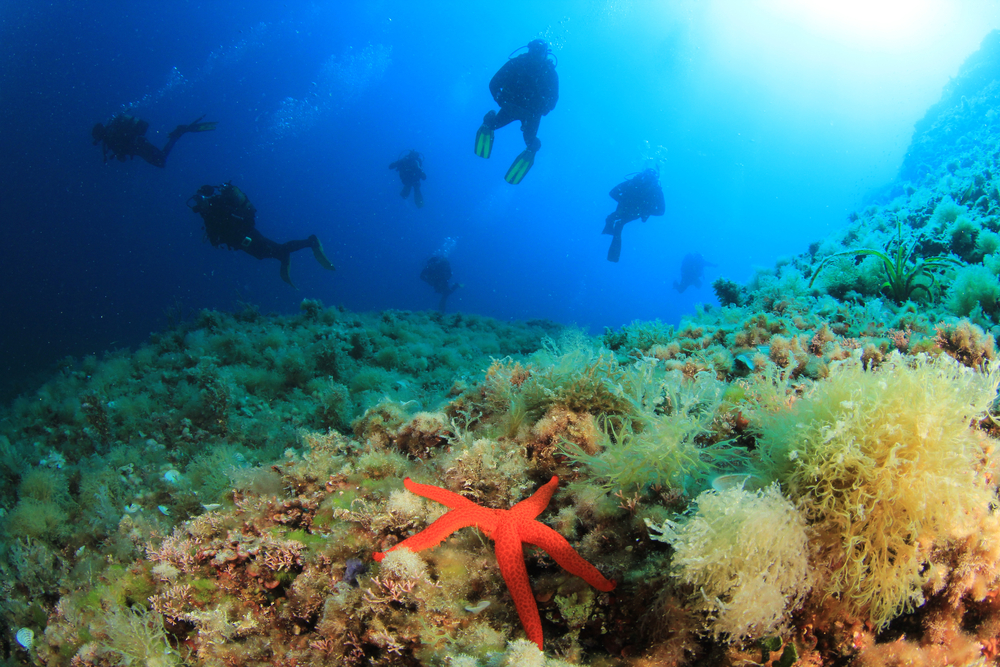
Introduction: The Magnetic Allure of Costa Blanca’s Underwater World
Nestled on Spain’s southeastern Mediterranean coast, the Costa Blanca is revered for its sun-drenched beaches, vibrant culture, and exquisite gastronomy. Yet, beneath the aquamarine waves lies a universe just as enthralling—one cloaked in mystery, teeming with life, and forever beckoning adventurers. “Duiken in de Costa Blanca: Ontdek de Onderwaterwereld” is not merely a call to dive; it’s your invitation to a world where sunlight pirouettes on coral, ancient shipwrecks slumber, and marine wonders await discovery by those who dare to dive beneath the surface. This comprehensive guide will navigate you through everything you need to know about diving along the Costa Blanca, from its marine biodiversity to practical, safety, and ethical considerations, ensuring your underwater journey is both mesmerizing and responsible.
Why Dive in the Costa Blanca?
The Costa Blanca boasts a varied coastline stretching for over 200 kilometers—from Denia in the north to Pilar de la Horadada in the south—offering an underwater tapestry rich with natural and artificial wonders. But what places the Costa Blanca on the elite map of diving destinations?
- Exceptional Visibility: Calm, crystal-clear waters with underwater visibility often extending beyond 25 meters provide the perfect conditions for leisurely exploration and photography.
- Diverse Dive Sites: From gentle shore entries to dramatic vertical drop-offs, caves, and shipwrecks, the Costa Blanca caters to every skill level and interest.
- Mild Mediterranean Climate: A long diving season, sometimes year-round, due to water temperatures that range from 15°C in winter to 29°C in the peak of summer.
- Rich Marine Biodiversity: Unique Mediterranean habitats draw an astounding variety of species, from nudibranchs and octopuses to groupers and barracuda.
- Historical Significance: Ancient shipwrecks, Roman artifacts, and submerged caves speak to the region’s vibrant history, offering divers the rare blend of natural beauty and archaeological intrigue.
The Costa Blanca’s underwater world is more than a recreation spot—it's a living, breathing ecosystem and a time capsule. For those who seek immersion, discovery, and conservation, few places compare.
The Geography of Costa Blanca’s Underwater Landscape
To truly understand the diving allure of the Costa Blanca, one must grasp the area’s unique underwater geography. The coastline is characterized by its diversity: golden sandy beaches segue into rocky cliffs, and below the surface, this variety transforms into a realm of underwater caves, reefs, pinnacles, and seagrass meadows.
Rocky Outcrops and Reefs
The region’s numerous rocky points are nature’s playground for both marine life and divers. The rugged formations create natural labyrinths and habitats, especially prevalent in areas like Jávea, Calpe, and Benidorm. Reefs here teem with octopuses, moray eels, and a kaleidoscope of Mediterranean fish.
Seagrass Meadows (Posidonia oceanica)
Perhaps the Costa Blanca’s most critical underwater ecosystem is its vast seagrass beds. These gently waving meadows, mainly composed of Posidonia oceanica, are an environmental wonder, providing habitat for hundreds of species and functioning as a carbon sink. Exploring these meadows is akin to drifting over an underwater savannah, where seahorses, cuttlefish, and juveniles of countless fish species find refuge.
Caves and Caverns
Spanning from the famous “Cova del Llop Marí” in El Campello to the intricate cave systems off the coast of Moraira, the Costa Blanca offers a treasure-trove of submerged caverns. These sites promise an otherworldly experience for advanced divers, who can admire delicate stalactites, mysterious passageways, and the play of natural light in ever-changing patterns.
Artificial Structures and Shipwrecks
History and tragedy intertwine beneath the waves. From Roman amphorae scattered in the sand to the wreck of the SS Stanfield and sunken fishing vessels, these underwater relics serve as both a window to the past and a thriving substrate for marine life.
Top Dive Sites Along the Costa Blanca
Each stretch of the Costa Blanca coastline holds its own allure, but several sites stand out among local and visiting divers alike. Let’s embark on a detailed tour of the region’s most celebrated dive sites.
1. Isla de Benidorm
Easily accessible by boat from Benidorm Port, Isla de Benidorm is often described as an underwater sanctuary. The north and south faces of the island brim with color: vast gorgonian fans sway in the currents, while groupers, barracuda, and rays patrol the seafloor. The site offers a range of depths (from 6 meters to beyond 30 meters) and invites divers of varying experience to marvel at vibrant walls, caves, and tunnels sculpted by centuries of waves.
2. Cabo de San Antonio
Located near Jávea and part of a marine reserve, Cabo de San Antonio is a hotbed of biodiversity. Expect to see sea bream, octopus, wrasses, and—if lucky—the rare sunfish. The undersea topography features dramatic drop-offs, ledges, and posidonia beds, drawing both seasoned and novice divers.
3. Cala del Moraig
For adventure seekers, Cala del Moraig, north of Moraira, is renowned for its underwater cave, the “Cova dels Arcs.” While the entrance, with its arches and cathedral-like space awash in sunbeams, is suitable for experienced open-water divers, the cave system itself is reserved for only the most technically trained. Even those who only explore the outer areas are rewarded with mesmerizing rock formations and a multitude of marine creatures.
4. La Granadella
Nestled in a secluded cove south of Jávea, La Granadella offers an underwater landscape of canyons, caves, and boulders. It’s an excellent spot for underwater navigation training, as well as macro photography, given the abundance of nudibranchs, crustaceans, and blennies.
5. Calpe’s Peñón de Ifach
Towering 332 meters above sea level, this dramatic limestone rock also hides an intricate world beneath the waves. Subaquatic cliffs drop to sandy and rocky bottoms, where scuba divers can encounter conger eels, moray eels, octopuses, and—during the fall—schools of Mediterranean barracuda.
6. Isla de Tabarca
Spain’s first marine reserve, Isla de Tabarca, is a sanctuary for biodiversity. Only a short boat ride from Santa Pola, the island’s extensive seagrass beds and reefs draw myriad species. Large groupers, cuttlefish, hermit crabs, and clouds of chromis create an underwater kaleidoscope. The site’s gentle currents and moderate depths make it ideal for beginners and underwater photographers alike.
7. Punta de la Lora
Located near the port of Denia, Punta de la Lora is noted for its clear waters and patchwork of rocky platforms. Schools of bream, scorpionfish, and the shy Mediterranean moray are commonplace. Several sites along this stretch are suitable for night dives, when the Mediterranean comes alive with bioluminescent plankton.
Marine Life: The Cast of Costa Blanca’s Underwater Theater
The Costa Blanca, where Mediterranean currents swirl, boasts a diverse and colorful collection of marine life, making every dive unique. Its underwater residents—from the tiniest nudibranchs to the graceful eagle rays—are ambassadors of an ancient sea.
Fish and Invertebrates
- Octopuses: Renowned for their intelligence and camouflaging prowess, these cephalopods are a common, enchanting sight on rocky reefs and within crevices.
- Mediterranean Grouper (Epinephelus marginatus): These gentle giants reign over many reefs, often allowing divers to approach quite closely.
- Barracudas: Sleek and swift, barracudas gather in impressive schools, especially in late summer and autumn.
- Moorish Idol and Ornate Wrasse: These vibrantly colored fish paint the reefs in jubilant streaks.
- Moray Eels and Congers: Peeking from the shelter of rocks, these eel species add an air of mystery to dusk and night dives.
- Nudibranchs: With their flamboyant hues and delicate forms, these diminutive sea slugs are the jewels of the macro photographer’s eye.
- Cuttlefish: Masters of mimicry, cuttlefish display mesmerizing color changes and are often seen hovering above sandy or seagrass beds.
Larger Encounters: Rays, Sunfish, and More
- Rays: Eagle rays and common stingrays are regularly encountered on sandy bottoms and at cleaning stations.
- Sunfish (Mola mola): Most frequently sighted in the late summer, these gentle giants can grow over two meters in diameter and are a treat for lucky divers.
Seasonal Visitors
Throughout the year, the Costa Blanca’s marine life undergoes fascinating cycles. Spring brings an explosion of juvenile fish and macro life, while autumn often yields the highest concentration of pelagic visitors like barracudas and sunfish.
Wreck Diving: Mysteries Beneath the Waves
For those drawn to history and exploration, the Costa Blanca’s underwater wrecks offer a unique blend of adventure and archaeological wonder. These submerged relics, often enveloped by marine life, recount both dramatic stories and daily Mediterranean life centuries past.
The SS Stanfield
Perhaps the most renowned shipwreck in the region is the SS Stanfield, a British steamship that met its end near Denia after colliding with a mine during World War I. The wreck, now resting at approximately 30 meters depth, is colonized by gorgonians, octopuses, and schools of bream. It’s a haunting yet beautiful site accessible only to experienced, certified divers equipped for deeper and penetrative dives.
The Roman Wrecks
Roman trade routes once crisscrossed these waters, and the Costa Blanca seabed still yields occasional discoveries of amphorae, anchors, and other artifacts. While modern regulations strictly prohibit artifact removal, responsible exploration of these sites offers a unique window into antiquity.
Artificial Reefs and Sunken Barges
In various locations, intentionally sunken vessels and concrete structures serve as artificial reefs, fostering biodiversity and attracting larger pelagics. These sites are often accessible, well-mapped, and ideal for up-close observation and photography.
Diving for Beginners: Where to Start Your Subaquatic Adventure
The Costa Blanca is not just a destination for seasoned divers and technical enthusiasts. Thanks to its gentle currents, moderate depths, and clear visibility, it is also a prime location for those taking their first fin-kicks underwater.
Dive Centers and Training
Numerous diving schools and centers operate throughout the region, offering internationally recognized certifications (such as SSI, PADI, and CMAS) in a range of languages, including Dutch and English. Whether you aspire to obtain your Open Water Diver certification or simply wish to try a “Discover Scuba” experience, qualified instructors ensure safe, enjoyable learning.
Recommended Sites for Beginners
- Cala del Racó (Calpe): Known for its easy shore entry, shallow reefs, and resident marine life.
- La Zenia (Orihuela Costa): A family-friendly spot with calm waters and excellent introductory programs.
- Playa de Villajoyosa: Suitable for training dives, with sandy shallows and rocky outcroppings home to octopus and blennies.
Beginner-friendly sites feature little to no current, sandy or gently sloping bottoms, and close proximity to emergency and support services—ensuring that your introduction to diving is as safe as it is unforgettable.
Advanced Diving: Technical, Night, and Cave Diving
For those divers whose curiosity compels them to seek greater depths or darker corners, the Costa Blanca holds a veritable playground for advanced, technical, and specialty diving.
Cave Diving
While most of the region’s caves are suitable for experienced open-water divers, areas like the “Cova dels Arcs” in Cala del Moraig beckon the fully-certified cave diving enthusiast. Exploring these labyrinths requires specialized equipment and training, but the rewards are immense: surreal light beams, undisturbed sediments, and ghostly rock formations.
Night Diving
Under the velvet Mediterranean night, marine life transforms. Nocturnal octopuses hunt, cuttlefish perform their color symphonies, and the bioluminescence of tiny plankton creates a dreamlike glow. Many Costa Blanca dive centers organize guided night dives at sandy coves, jetties, and shallow reefs.
Deep and Technical Dives
For those with deep or technical certifications, sites like the SS Stanfield wreck and some offshore pinnacles promise new challenges. Nitrox, twin tanks, and technical gear allow for extended bottom times and exploration of greater depths—though such dives demand rigorous training and unwavering respect for the Mediterranean’s unpredictability.
Snorkeling and Freediving: Exploring the Shallows
Scuba diving is not the only way to encounter the wonders beneath the Costa Blanca’s waves. For those who prefer to stay closer to the surface—or enjoy the freedom of breath-hold exploration—the region’s coves and reefs offer world-class snorkeling and freediving.
Snorkeling Hotspots
- Granadella and Portitxol (Jávea): Crystal-clear waters and abundant marine life make these spots ideal for snorkelers.
- Tabarca Island: The gentle, shallow reefs surrounding the island are a paradise for families and underwater photographers.
- Cala Ambolo: Pristine, calm, and rich in marine biodiversity.
Freediving Experiences
Freediving—plunging to depth on a single breath—finds an enchanting home on the Costa Blanca, where calm waters and outstanding visibility prevail. Some dive centers offer certified freediving courses, introducing the art of breath-hold diving in both protected coves and open water.
Best Time to Dive: Seasons, Temperatures, and Marine Phenomena
The beauty of the Costa Blanca lies in its extended diving season, with each time of year bringing unique underwater encounters and environmental conditions.
Spring (March – May)
- Water temperature: 15°C to 18°C
- Visibility: Excellent (20–30 meters)
- Highlights: Explosions of nudibranchs and macro life, arrival of shoals of juvenile fish, and minimal crowds
Summer (June – August)
- Water temperature: 18°C to 29°C
- Visibility: Good, but can be affected by plankton blooms in high summer
- Highlights: Warmest water, busiest tourist period, increased pelagic encounters (especially barracudas)
Autumn (September – November)
- Water temperature: 20°C to 25°C
- Visibility: Crystal-clear post-summer turnover
- Highlights: Mola mola (sunfish) sightings peak, marine life abundance, fewer divers
Winter (December – February)
- Water temperature: 14°C to 16°C
- Visibility: Often outstanding, with little plankton
- Highlights: Quiet dive sites, professional courses and technical training
Year-round diving is possible with appropriate wetsuits or drysuits. Peak experiences correlate with marine life cycles and water temperature, making late spring and early autumn particularly rewarding.
Conservation: Protecting Costa Blanca's Underwater Heritage
To ensure the longevity of the Costa Blanca’s captivating marine world, responsible diving practices and active conservation are paramount.
Marine Protected Areas
Isla de Tabarca and Cabo de San Antonio are prime examples of marine reserves where strict conservation measures limit fishing and human impact. Diving in these zones is both a privilege and an opportunity to observe an unspoiled Mediterranean ecosystem.
Responsible Diving Practices
- Do not touch, chase, or remove marine life, including shells or artifacts.
- Maintain excellent buoyancy control to avoid damaging fragile seagrass meadows and corals.
- Participate in beach and underwater clean-up events and report marine pollution to authorities.
- Choose eco-conscious dive centers that actively support conservation and education.
Citizen Science and Eco-Volunteering
Many dive centers and marine reserves in the Costa Blanca offer opportunities for volunteer divers to participate in projects such as fish counts, seagrass monitoring, and plastic collection. These activities not only benefit the environment but also provide a deeper, more meaningful connection to the underwater world.
Dive Logistics: Planning for a Seamless Underwater Adventure
Preparation is key for an enjoyable, stress-free dive holiday. The Costa Blanca’s well-developed tourism infrastructure simplifies logistics, but attention to detail ensures every dive lives up to its potential.
Dive Centers and Equipment Rental
Fully-equipped dive centers appropriately service tourists and locals along the coast. Equipment rental is available for all sizes and requirements, from recreational to technical and freediving gear. Many centers offer multilingual staff and cater to families, groups, and individuals.
Accommodation and Transport
Diving-friendly accommodation options range from luxury beachfront resorts to boutique hotels, holiday villas, and cozy guesthouses. Many are located within walking distance or a short transfer to premier diving locations. Private transport, public buses, and taxis are readily available, while organized tours from dive centers take care of transfers and logistics for boat dives.
Permits and Regulations
- Certified divers must present their qualification and medical certificate. Most centers require insurance, often arranged on-site.
- Diving in marine reserves (such as Tabarca) may require additional permits. These are typically managed by dive operators on your behalf.
- Solo and technical dives outside the recreational range require prior arrangement and appropriate certification.
Family and Group Diving: Adventures for All Ages
Bringing the family, a group of friends, or organizing a club dive holiday? The Costa Blanca’s friendly environment, safety, and wide-ranging activities make it a stellar choice for divers and non-divers alike.
Junior Diving and Snorkeling
Several dive centers offer junior diver programs for kids as young as 8, under strict supervision and in shallow, protected waters. Experiences such as bubble-maker dives and guided snorkeling safaris introduce youngsters to the wonders of the Mediterranean safely and enjoyably.
Accessible Diving
The Costa Blanca is increasingly opening its underwater world to those with limited mobility or specific needs, with barrier-free facilities, adaptive dive programs, and accessible entry points. Certified instructors ensure all divers enjoy a secure and supportive environment.
Non-Diving Activities
For accompanying friends or family, the Costa Blanca’s coastal towns offer historic sites, pristine beaches, hiking trails, water sports, and exquisite dining, ensuring memorable holidays both above and below the surface.
Photography and Video: Capturing Submerged Beauty
With such captivating marine life, dazzling light, and varied topography, the Costa Blanca is a magnet for underwater photographers and videographers. Preparing properly and exercising patience rewards divers with remarkable images and footage.
Equipment Tips
- Wide-angle lenses capture seascapes and shoals, while macro setups display nudibranchs and crustaceans in intricate detail.
- Strobes or video lights combat shadows and reveal true colors lost at depth.
- Compact waterproof cameras and action cameras are ideal for beginners and snorkelers.
- Waterproof housings must be rigorously tested and checked for every dive.
Best Photography Sites
The vertical walls of Isla de Benidorm, the cave entrances at Cala del Moraig, and the bustling reefs of Tabarca provide perfect settings for both stills and movies. Early morning offers prime conditions of glassy water and abundant marine life.
Ethics of Underwater Imaging
Always maintain respectful distance from wildlife, avoid disturbing habitats, and never prioritize a shot over the well-being of the ecosystem.
Health and Safety: Ensuring Safe, Enjoyable Dives
Diving is an inherently safe pursuit when approached with proper training, planning, and respect for personal limits. The Costa Blanca’s first-class medical facilities and professional rescue services further enhance safety.
Preparation and Briefings
- Undergo a thorough dive briefing before each dive, focusing on site-specific hazards (current, depth, boat traffic, etc.).
- Ensure your equipment is checked, maintained, and familiar before every trip.
- Warm up with shallow, easy dives at the start of your holiday, especially if you have not dived recently.
Emergency Services
- The Costa Blanca’s proximity to hyperbaric chambers (Alicante, Valencia) provides peace of mind for technical divers.
- Dive boats and centers are equipped with oxygen kits, and staff are trained to handle marine medical emergencies.
Environmental Hazards
- Jellyfish: Occasional blooms of Pelagia noctiluca can cause mild stings; protective suits and awareness minimize risk.
- Sun Exposure: Preparation and hydration are vital, as surface intervals under a Mediterranean sun can be intense.
A calm, well-prepared diver is a safe diver. Reviewing emergency protocols and diving conservatively increases both enjoyment and underwater time.
Ethical and Sustainable Diving: A Commitment for Future Generations
The privilege of exploring the Costa Blanca’s underwater world carries the responsibility to preserve and protect it. Sustainable diving ensures its wonders endure not just for our enjoyment, but for generations to come.
Leave No Trace
- All divers are encouraged to remove debris found underwater, provided it’s not an artifact or marine life habitat.
- Never feed wildlife or collect souvenirs, which disrupt delicate ecological balances.
Supporting Conservation and Local Communities
Patronize dive operators and guides who engage in local environmental stewardship. Participate in educational programs and share the story of marine conservation, amplifying its importance in every community.
Conclusion: Your Underwater Journey Awaits
“Duiken in de Costa Blanca: Ontdek de Onderwaterwereld” is more than an invitation; it is the start of a lifelong passion. The Costa Blanca offers an underwater odyssey—one of unrivaled beauty, history, and adventure, framed by sparkling waters and a warm Mediterranean sun. Whether you’re embarking on your first shallow snorkeling trip, earning your advanced certification, or capturing the ethereal majesty of coral gardens and shipwrecks, the Costa Blanca promises discovery at every turn.
Step beyond the shoreline. The secrets of the Mediterranean’s blue depths—its creatures, legends, and breathtaking vistas—are waiting to be explored. And in preserving this vibrant world with every fin stroke and breath, you ensure its marvels endure for all who will follow. Welcome to the underwater Costa Blanca—where adventure meets wonder beneath the waves.