





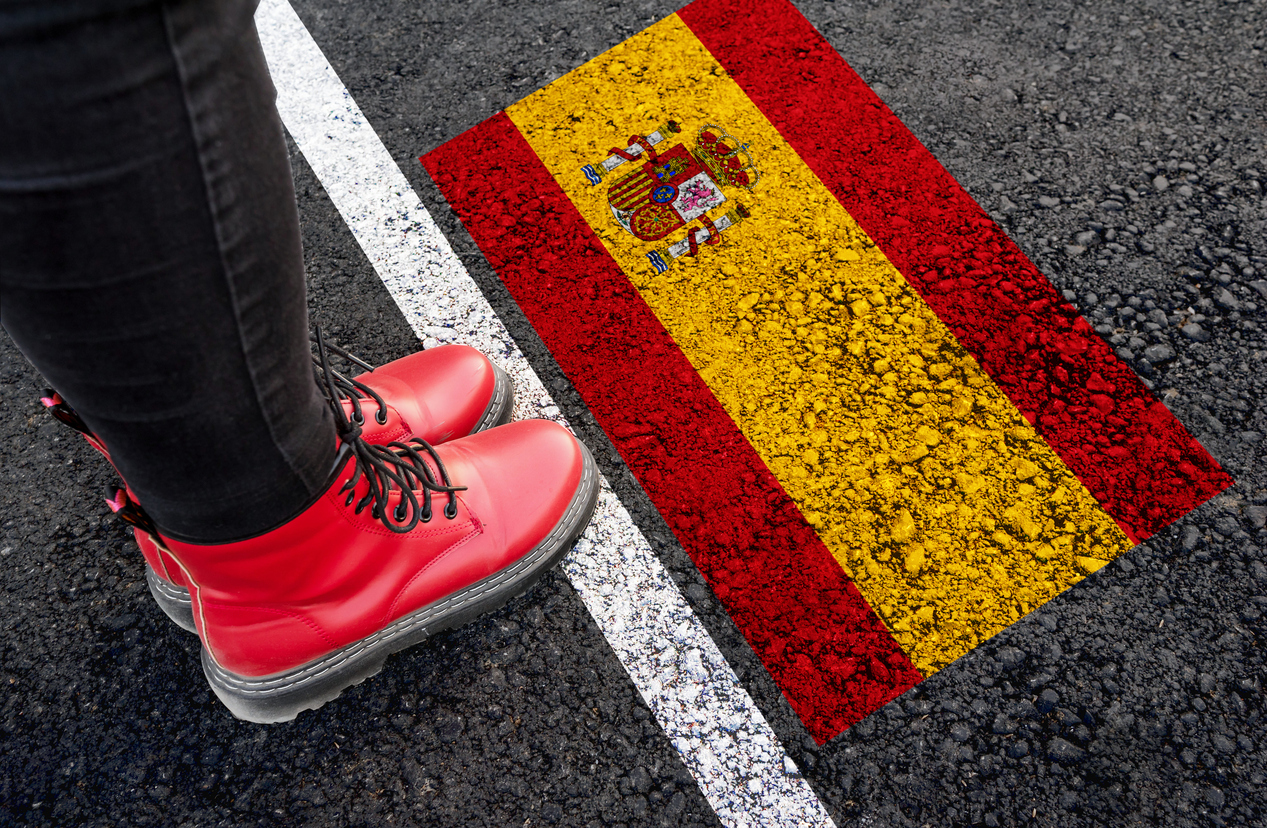
Introduction: Dutch Migration to Spain – An Emerging Narrative
Over the past decade, a remarkable trend has emerged: a growing number of Dutch nationals are choosing to leave the familiar landscapes of the Netherlands behind to begin a new chapter in Spain. This movement is underpinned by various motivations, from the pursuit of a Mediterranean lifestyle and business opportunities to the allure of a milder climate and rich cultural experiences. To those contemplating such a significant life change, real stories from people who have successfully made the leap offer both inspiration and valuable insight.
This article delves deeply into the authentic experiences of Dutch individuals and families who have taken the step to emigrate to Spain. Through their stories, we will explore the motivations behind their move, the practical and emotional challenges encountered, and the many ways in which life in Spain has enriched their existence. For those considering making Spain their new home, these honest accounts provide a comprehensive resource and a vivid glimpse into what lies ahead.
Why the Dutch Choose Spain: A Diversity of Motivations
The decision to emigrate is never taken lightly. For Dutch people, Spain presents a unique invitation—offering not just sun and sea but also a fulfilling lifestyle that contrasts with the Netherlands in profound ways. Let us examine the multifaceted motivations expressed by those who have made the move.
The Mediterranean Climate: Escape from the Grey
A recurring theme among Dutch expatriates is the pursuit of a sunnier, more temperate climate. Many describe the relentless grey skies and long winters in the Netherlands as wearing, affecting both mood and quality of life. In contrast, Spain’s abundant sunshine and mild winters provide a sense of rejuvenation.
Testimonial: "After years of feeling fatigued during the gloomy Dutch winters, the brightness of Spain felt like a new lease on life. It’s not only about enjoying the beach but experiencing a tangible difference in wellbeing," shares Emma, who relocated from The Hague to Valencia.
Seeking a Slower Pace and Improved Quality of Life
A significant number of Dutch emigrants feel drawn to the revered Spanish lifestyle—one marked by leisurely lunches, siestas, and a deep appreciation for daily moments. The cultural contrast is palpable. Many highlight how, after years of juggling demanding work schedules in the Netherlands, Spain’s prioritization of family time and relaxation has been transformative.
Testimonial: "Here, we eat dinner later with friends, and no one rushes us away. Everyone seems to understand that time, not things, is most precious," says Jeroen from Groningen, now living in a small village outside Málaga.
Business and Investment Opportunities
Some Dutch nationals are attracted by the burgeoning entrepreneurial and investment opportunities Spain presents, particularly in the realms of real estate, tourism, and gastronomy. With Spain's popularity among holidaymakers, it offers fertile ground for starting hospitality ventures and providing services tailored to an international clientele.
Testimonial: "Opening a boutique hotel in Andalusia allowed us to combine our Dutch hospitality with Spanish charm. The result has been incredibly rewarding both personally and professionally," reflects Saskia, an Amsterdam native.
Retirement and Family Considerations
For many retirees, Spain's slower rhythms, coupled with its world-renowned healthcare system and lower living costs, make it a logical and appealing destination. Families with children also note the benefits of a bilingual upbringing and the increased opportunity for outdoor activities.
Testimonial: "Our children are growing up multilingual, and most afternoons are spent playing outside. It’s a different childhood from what we knew, and we’re grateful for it," remarks Janneke, a mother of two living on the Costa Blanca.
First Steps: The Preparation and Decision-Making Process
The planning phase is often cited as one of the most exhilarating yet overwhelming parts of the emigration journey. Those who have crossed this threshold share crucial considerations that shaped their path toward Spain.
Research and Preliminary Visits
The majority of Dutch emigrants strongly advocate conducting thorough research and undertaking multiple exploratory trips before committing. These visits often encompass various regions—from the energetic city life of Barcelona and Madrid to the tranquil villages of Andalusia and the Costa Brava.
- Urban vs. Rural: Prospective emigrants often compare lively metropolises with serene rural locales to find the environment that best suits their aspirations.
- Climatic Preferences: Regions like southern Spain promise year-round warmth, while the north offers a more temperate feel.
- Community Insights: Meeting local Dutch and Spanish communities during these trips proves invaluable in gauging support networks and integration possibilities.
Testimonial: "Visiting in winter helped us realize which towns are liveliest year-round versus those that empty out. This influenced where we eventually bought our home," shares Martijn, who settled near Alicante.
Legal and Administrative Considerations
One of the most daunting tasks is navigating Spain’s legal and administrative systems. Dutch emigrants stress the importance of understanding:
- Residency Requirements: Securing the correct visa or residency permit based on one’s circumstances—be it for work, retirement, or entrepreneurial activities.
- Buying or Renting Property: Understanding local regulations, taxes, and common practices for foreigners purchasing or renting real estate.
- Healthcare Registration: Determining eligibility for public healthcare or considering private insurance options.
- Financial Planning: Tax implications, pension transfer processes, and setting up banking in Spain.
Testimonial: "We underestimated the paperwork. From NIE numbers to making sure our Dutch pensions would be accessible, having trusted guidance from the start was essential," notes Petra, a former Rotterdam resident.
The Moving Process: Logistics and Emotional Realities
The act of moving across borders entails not just physical relocation but significant emotional adjustments. Dutch migrants to Spain recount their experiences with candor, highlighting both logistical lessons and the deep personal impact of this life-altering step.
Organizing the Physical Move
Relocating households—especially families with children or pets—requires comprehensive planning. Key aspects include:
- Choosing a Reliable Mover: Opt for companies with expertise in international moves and transparent packaging, timelines, and insurance policies.
- Deciding What to Bring: Many emigrants found that embracing a minimalist approach eased their transition—and often opted to leave bulky items behind, favoring local purchases in Spain.
- Timing: Scheduling the move during favorable weather and aligning with school terms, when applicable, can reduce stress and facilitate smoother adaptation.
Testimonial: "We tried to fit our whole Dutch life into boxes, but quickly realized a fresh start meant letting go of many possessions. Our new home is lighter, and so are we," says Paul, who now lives in the Valencian Community.
Saying Goodbye: Navigating Emotions
Leaving behind friends, extended family, and familiar surroundings is often the hardest part. Those who have made the move acknowledge the bittersweet nature of farewells. Maintaining close relationships—despite distance—often involves regular video calls, periodic visits to the Netherlands, and integrating loved ones into life abroad when feasible.
Testimonial: "The physical distance from ageing parents is the one thing I still struggle with. Staying connected requires effort, but sharing our happiness here helps bridge the gap," confides Wilma, now in Seville.
Integration into Spanish Life: Building a New Existence
Upon arrival, the real transformation begins. Dutch expatriates recount their strategies for successful integration, emphasizing the importance of both practical steps and open-minded attitudes.
Learning the Language
Mastering Spanish—or Catalan, depending on the region—is widely acknowledged as the key to unlocking local culture and building meaningful relationships. Many emigrants enroll in language courses upon arrival, utilize conversation meet-ups, and embrace everyday exchanges as learning opportunities.
Testimonial: "The more I dared to speak—even clumsily—the more respect and warmth I received from neighbors. Fluency is a journey, but effort goes a long way," says Bas from Utrecht, now residing in Valencia.
Making Local and International Friends
Most Dutch expatriates discover a rich tapestry of communities within Spain, including both locals and fellow internationals. Dutch associations, meet-ups, and cultural events create opportunities for connection, while friendly Spanish neighbors often provide much-needed support and hospitality.
- Dutch Clubs Abroad: Active groups organize holiday celebrations, family activities, and networking events, fostering a sense of belonging.
- Mixed Gatherings: Language exchange evenings and mixed-cultural events promote friendships that transcend national lines.
- Community Involvement: Volunteering or participating in local fiestas deepens understanding and accelerates integration.
Testimonial: "Our hearts are in two places, but our social circle has expanded in ways we never expected," reflects Laurens, in Marbella.
Daily Life in Spain: Contrasts and Adjustments
Life in Spain brings with it many pleasant surprises, but also requires Dutch emigrants to adapt to new rhythms and customs. This section explores daily realities and how people navigate—and often thrive within—them.
Adjusting to Cultural Norms
Cultural differences inevitably surface. Punctuality, for example, has a different weight in Spain than in the Netherlands, as does the approach to bureaucracy, pace of service in restaurants, and expectations around social invitations.
Testimonial: "Getting used to offices closing for siesta took time. I’ve learned patience and the value of enjoying the present, rather than fixating on timetables," recounts Julia, originally from Nijmegen.
Culinary Discoveries and Shopping Habits
Spanish culinary culture delights many Dutch expatriates. Access to fresh, local produce, vibrant markets, and new flavors such as jamón, local cheeses, and seasonal fruits transforms daily meals. Grocery shopping often becomes a more social and leisurely affair compared to the scheduled efficiency in the Netherlands.
- Local Specialties: Embracing tapas and sobremesa (lingering after a meal) are highlights for many newcomers.
- Adaptation Tips: Weekly market visits offer immersion in local life, while Dutch specialty stores in larger expat hubs provide nostalgic taste fixes.
Testimonial: "I’ve adopted the Spanish breakfast—coffee and toast with tomato. Dutch treats are still for special occasions!" admits Sander, who lives in Alicante.
Transportation and Getting Around
From cycling enthusiasts to car lovers, Dutch nationals are surprised by the differences in transportation. While urban centers such as Madrid or Barcelona boast robust public transport networks, rural areas often require a personal vehicle. Cyclists in particular note that while cycling is possible, it often lacks the infrastructure found in the Netherlands, though scenic routes abound.
Testimonial: "I miss the endless bike paths, but the drive along the coast with the Mediterranean in view is something I never tire of," says Hanneke.
Family Life: Raising Children in Spain
For Dutch families, the shift to Spain entails profound changes—not only in environment but in education, child-rearing customs, and opportunities for personal growth.
Bilingual and Multicultural Upbringing
Dutch parents often opt for international schools initially to ease their children’s transition, but many soon embrace Spanish public or bilingual education. The result is children quickly becoming fluent in multiple languages and comfortable navigating different cultures—a gift that shapes them for life.
Testimonial: "Our kids can converse in Spanish and switch to Dutch at home. It’s incredible to watch them absorb these skills so naturally," shares Erik, whose family moved from Utrecht to the Costa del Sol.
Outdoor and Social Lifestyles
With milder weather, children spend far more time outside than in the Netherlands. Parks, plazas, playgrounds, and beaches become daily extensions of home, and weekends are filled with hiking, sports, and local festivals.
Testimonial: "Childhood is celebrated here. Streets are safe to run in, neighbors know each other, and every outing feels like an adventure," says Lieke.
Challenges and Triumphs in Adaptation
Dutch parents note the initial challenge of children adapting—especially if they arrive mid-year or with little language familiarity. However, the resilience and openness of children often lead to rapid assimilation and new friendships. Some parents also discuss the emotional weights of losing close contact with extended family but highlight the deepening of nuclear family bonds through shared adventure.
Testimonial: "It was tough in the beginning; our son missed his Dutch friends. But he now has close Spanish buddies and skypes with old friends, so it balances out," acknowledges Marieke.
Working and Doing Business in Spain
For many Dutch emigrants, Spain is not simply a place of retreat but a land of fresh professional opportunities and challenges. Let’s examine the contours of working life from the Dutch perspective.
Entering the Spanish Job Market
Those seeking local employment often encounter both new opportunities and unforeseen hurdles. Proficiency in Spanish or regional languages dramatically increases one’s prospects, especially outside international sectors. The job market also differs in terms of salary scales, contractual stability, and labor practices.
- Several Dutch professionals find roles in tourism, hospitality, real estate, and education, areas where their linguistics skills and cosmopolitan outlook are in demand.
- Others embrace remote working arrangements, leveraging Dutch or global companies willing to support their location-independent lifestyles.
Testimonial: "Switching from a structured Dutch office environment to work-from-home in Spain was liberating, though it took effort to stay self-disciplined in such a relaxed setting," describes Pieter, a software engineer in Valencia.
Entrepreneurial Ventures
Many Dutch nationals bring their entrepreneurial spirit to Spain, founding small businesses ranging from cafés and yoga studios to consulting agencies and property management companies. The process involves navigating Spanish bureaucracy, building networks, and often adapting services to appeal to both local and international audiences.
Testimonial: "We underestimated Spanish procedures when opening our tapas bar, but local advice and perseverance carried us through. The reward is a vibrant life built around hospitality and community," says Els.
Remote Work and Digital Nomadism
With the rise of remote work, digital nomad communities have taken root throughout Spain—from Barcelona’s bustling digital hubs to tranquil Andalusian towns. High-speed internet and co-working spaces make it feasible for Dutch professionals to maintain global careers while enjoying the Spanish lifestyle.
Testimonial: "Co-working spaces helped me find both productivity and friendship. There’s a real sense of international camaraderie here," remarks Maxime, a remote marketer in Barcelona.
Healthcare Experiences: Navigating the Spanish System
Healthcare is often a top concern for expatriates, particularly retirees. Dutch people who have settled in Spain speak highly of the system, while providing practical advice for newcomers.
Access and Insurance
Residents of Spain can typically access the public healthcare system after registering and obtaining the necessary documentation. Many newcomers also opt for private health insurance to benefit from speedier appointments and broader choice of English-speaking doctors.
Testimonial: "Appointments were easy to book in the public system, but we opted for private insurance during our first year for peace of mind. Healthcare here is both affordable and high-quality," writes Pieter.
Comparisons with Dutch Healthcare
Some Dutch migrants note differences in the approach to patient-doctor relationships and prescription practices. However, most describe the quality of care as excellent, with particular praise for specialists and hospital staff.
Testimonial: "The doctors were thorough, and I appreciated being able to explain things in English while slowly improving my Spanish," notes Ellen, a retiree living near Alicante.
Special Needs and Senior Care
Those requiring ongoing treatments or support for chronic conditions advise planning in advance and ensuring access to needed medications or specialists. Retirees are especially positive about the cost and standard of care available in Spain, particularly in long-term facilities and home support services.
Testimonial: "My parents receive attentive, kind care from local professionals. We feel reassured knowing their needs are met affordably," says Marjan.
Financial Realities: Cost of Living and Economic Adaptation
One of the main draws for Dutch expatriates is Spain’s relative affordability, but adjusting to a different economic landscape also requires careful management.
Housing: Rent and Ownership
From city apartments to country villas, Dutch emigrants marvel at the range and affordability of housing in Spain. Most find that their housing budgets stretch further than in the Netherlands, allowing for more space, outdoor living, and even amenities such as pools or sea views.
Testimonial: "Back home, our budget bought an apartment; here, we have a house with a garden and pool," marvels Ivo, a father of three in Valencia.
Everyday Expenses
Daily life—from groceries to utilities—is generally more affordable in Spain. Eating out is particularly inexpensive compared to Dutch standards, with local bars and cafes offering excellent value. Dutch expatriates often highlight the ability to enjoy more leisure activities as a result.
Testimonial: "We now eat out twice a week without breaking the bank. Entertainment here is designed to be enjoyed by everyone, not just the wealthy," says Anja.
Taxation and Financial Planning
Taxes vary depending on region and individual circumstances. Many Dutch who have emigrated recommend consulting a local accountant familiar with bilateral tax agreements to ensure compliance and optimal planning. Pension transfers and self-employment require particularly close attention to avoid misunderstandings or over-taxation.
Testimonial: "Managing both Dutch and Spanish tax obligations was challenging until we found a trusted advisor," admits Ruben.
Challenges and Solutions: Overcoming Hurdles in the Spanish Adventure
No emigration journey is without obstacles, but Dutch expatriates have demonstrated resilience and adaptability, often turning difficulties into growth experiences.
The Bureaucratic Maze
The Spanish bureaucratic system can be complex and slow-moving, in sharp contrast to the digital efficiency aspired to in the Netherlands. Patience and diligence are required when processing permits, registering for utilities, or dealing with official procedures.
Testimonial: "Learn to love paperwork and bring a good book to every appointment! Laughing about it with other expats makes the process bearable," jokes Thomas.
Moments of Homesickness
Feeling disconnected from one’s home culture, especially around Dutch holidays or family milestones, is a common thread. Most Dutch people combat this by creating new traditions in Spain and nurturing strong expat or local support networks.
Testimonial: "We celebrate Sinterklaas with fellow Dutch families—complete with traditional treats. It feels like a little piece of home here," shares Sanne.
Integration and Identity
Adopting a new cultural identity while honoring one’s Dutch roots can be both exciting and disorienting. Through openness, learning, and forging genuine friendships, Dutch expatriates report becoming both more cosmopolitan and authentic.
Testimonial: "I feel both Dutch and Spanish now. It’s not about losing my roots but growing new ones," reflects Daan, an entrepreneur in Granada.
The Joys of Everyday Spanish Life: New Traditions and Festivities
Embracing life in Spain means joining in a vibrant calendar of fiestas, festivities, and shared moments—from major city carnivals to intimate village gatherings.
Annual Celebrations and Local Rituals
Dutch residents enthusiastically integrate into Spain’s festive culture, whether it’s joining the electrifying fallas in Valencia, celebrating Semana Santa, or participating in local saints’ days. These experiences provide a sense of continuity and offer new joys, especially for families with children.
Testimonial: "Our first village festival was unforgettable—open doors, shared meals, and flamenco until sunrise. We felt instantly included," beams Eva.
New Rhythms: Embracing the Siesta and Beyond
Adapting to later meal times, afternoon breaks (siesta), and an overall slower tempo often leads Dutch expatriates to reflect on their own former routines. Many report feeling healthier, less rushed, and more mindful in their daily rhythms.
Testimonial: "I never thought I’d get used to eating dinner at 10pm! But now, evenings are the highlight of our day—filled with laughter and connection," laughs Menno.
Personal Growth and Changing Perspectives
At its core, emigration is a catalyst for personal growth. Dutch people who have settled in Spain express how the journey has challenged their worldviews, introduced new friendships, and clarified what is most important in life.
Building Confidence Through Challenge
From learning a new language to starting businesses and forging social bonds across cultures, overcoming the daily demands of life in Spain builds enduring confidence and independence.
Testimonial: "Every obstacle was also a lesson—on patience, determination, and finding humor in chaos," says Lotte.
Redefining Success and Happiness
A recurring reflection among Dutch emigrants is the shifting definition of success. Many discover that status and material possessions recede in importance, while meaningful relationships, wellness, and the enjoyment of simple pleasures take center stage.
Testimonial: "We measure our wealth in friendships and sunsets now," muses Koen, sipping sangria on his terrace.
Words of Advice for Prospective Dutch Emigrants
Drawing from their diverse experiences, Dutch expatriates offer thoughtful advice to those considering a move to Spain.
- Visit Several Times Before Committing: Experience different seasons and regions, and establish personal connections before making life-altering decisions.
- Learn the Language Early: Even basic Spanish opens doors and hearts. Language learning should start before the move and continue with immersion.
- Expect Bureaucratic “Adventures”: Patience, humor, and documentation in triplicate help navigate Spain’s administrative landscape.
- Cultivate Social Networks: Reach out to both locals and expats. Support, collaboration, and friendship flourish in Spain’s social culture.
- Embrace Flexibility and Openness: Stay open to new customs and allow space for adaptation, especially during challenging times.
- Respect Local Ways: Avoid expecting Dutch efficiency—trust that things will get sorted, and appreciate the different approach.
- Celebrate Both Cultures: Honor Dutch traditions while embracing Spanish festivities. Blending cultures enriches life immeasurably.
Testimonial: "Have courage, be prepared for surprises, and know that the rewards of building a new life in Spain are rich—far beyond what you can imagine from afar," concludes Marit.
Conclusion: A New Life Under the Spanish Sun
The journey of the Dutch people who have emigrated to Spain is one of resilience, curiosity, and transformation. Their stories illuminate the many nuances of leaving the familiar behind to embrace the excitement and challenges of life in a new country. From practical advice to emotional wisdom, the lived experiences shared here offer invaluable guidance and encouragement to anyone contemplating their own Spanish adventure.
Whether motivated by sunshine and relaxation, business opportunities, or a desire for personal and family growth, Dutch emigrants find in Spain not just a new address but a new lease on life—one shaped by warmth, community, and boundless possibility.
The path to integration is paved with both joyful discoveries and testing moments, and yet, as these stories attest, the rewards are profound. A new language, newfound friendships, the taste of local cuisine, and the rhythm of Spanish festivities become treasured parts of their identity.
Above all, the experiences of the Dutch who have already made Spain their home reveal that emigration is not about leaving behind one’s roots, but about growing new ones—deeper, more diverse, and beautifully enriched by the sunshine and spirit of Spain.
Appendix: Frequently Asked Questions from Dutch Emigrants in Spain
To supplement the main narratives, here are some common questions and answers derived from interviews and discussions with Dutch expatriates.
Is it difficult to find housing as a Dutch national in Spain?
Most expatriates report that housing is more accessible and affordable than in the Netherlands, particularly outside major cities. However, it is vital to use trusted advisors and understand all legal procedures before signing rental or purchase agreements.
Do Dutch people miss anything about the Netherlands?
Aside from loved ones, Dutch people often mention missing certain foods (like drop or herring), specific Dutch festivals, and, for some, the efficient cycling infrastructure. Occasional homesickness does occur, especially around holidays, but regular visits and participating in expat communities help bridge the gap.
What are the main cultural adjustments?
Adjusting to a slower pace, different meal times, and less emphasis on punctuality are the most commonly cited cultural differences. Embracing these changes is key to enjoying life in Spain.
How do Dutch children adapt to Spanish schools?
Children usually adapt quickly, especially when parents support language learning and encourage social integration. Many find the Spanish school system welcoming, and rapid bilingualism is a common benefit.
Is healthcare accessible for Dutch citizens?
Yes, both public and private healthcare systems are available. Registration is required, and initially, many opt for private insurance for quicker service. The standard of care is seen as high by most expatriates.
Can one maintain professional ties to the Netherlands?
Absolutely. Many Dutch nationals in Spain work remotely for Dutch or international companies, and frequent travel between the two countries remains straightforward.
Are Dutch traditions respected and celebrated in Spain?
Within expat communities, Dutch holidays and events are enthusiastically maintained. Locals are often curious and happy to participate, fostering cross-cultural bonds.
How important is integrating with the local community?
It is considered essential for long-term happiness. Dutch expatriates who reach out to neighbors, engage in local activities, and contribute to community life report deeper satisfaction and fewer adaptation hurdles.
What is the best way to learn Spanish quickly?
Intensive language courses, conversation exchanges, and immersion (such as shopping or volunteering) are recommended. Many also use language apps, but real progress comes from daily practice and overcoming the fear of mistakes.
Is it possible to have a fulfilling career in Spain as a Dutch person?
Yes, especially with flexibility and language skills. Many start successful businesses, freelance, or work remotely, while others find meaningful roles, particularly in sectors with international ties.
Final Reflections: The Ever-Evolving Dutch Presence in Spain
The migration of Dutch people to Spain is not a fleeting trend but an ongoing, dynamic phenomenon. Every story is unique, yet all are woven together by the shared values of courage, openness, and the desire to build a fulfilling life.
As more Dutch individuals and families set their sights on Spain—drawn by its landscapes, warmth, and way of life—the collective narrative continues to grow richer. Those who have preceded offer wisdom and encouragement to newcomers, ensuring that each new arrival finds both guidance and community. What emerges is a vibrant, supportive, and flourishing Dutch presence in Spain—rooted in tradition, yet joyfully entwined with the rhythms of a new home under the Spanish sun.