



Introduction: The Rise of Dutch Culinary Culture on Spain’s Costa Blanca
Nestled along the sunlit southeastern coast of Spain, the Costa Blanca has long been a magnetic destination for tourists and expatriates alike. Its white-sand beaches, picturesque villages, and perennially sparkling Mediterranean vistas draw millions every year. Yet for the discerning Dutch expatriate or traveler, the Costa Blanca holds a unique secret: a thriving enclave of Dutch restaurants that embody the essence of “thuis”—that comforting sense of home. With an impressive blend of tradition and innovation, these establishments offer not merely a taste of Dutch cuisine, but a welcoming community and a culinary homecoming.
In this comprehensive exploration, we delve into the world of Dutch eateries on the Costa Blanca, uncovering their origins, culinary philosophies, signature dishes, and the cultural heartbeats that set them apart. Whether you’re seeking nostalgia-infused comfort food or the opportunity to introduce friends to the flavors of the Netherlands, this guide will serve as your indispensable companion.
Why Dutch Cuisine Resonates on the Costa Blanca
Before we examine the breadth of Dutch restaurants populating the coastline, it is important to understand why Dutch gastronomy flourishes here. The Costa Blanca has long been a top migration destination for Dutch nationals. Beyond the allure of year-round sunshine and a slower pace of life, it provides a welcoming atmosphere for those wishing to build a new life while celebrating beloved traditions.
For many expatriates, food is a crucial link to heritage. Dutch cuisine, characterized by heartiness, comforting simplicity, and an inherent sociability, naturally lends itself to communal dining and shared memories. Establishments along the Costa Blanca serve as gathering places—bastions of familiarity where the aroma of snert (pea soup) mingles with the conversations of friends old and new.
Furthermore, the appeal of Dutch dining extends to locals and other international visitors, drawn by the curiosity to sample versatile flavors, distinctive cheeses, pastries, and rich stews. The result is a vibrant culinary dialogue between cultures, carried forth on every plate.
Historical Roots: The Growth of Dutch Communities in Spanish Paradise
The history of Dutch presence in the Costa Blanca dates back to the latter part of the 20th century. Improved air travel and a burgeoning real estate market opened new pathways for northern Europeans seeking a balmier climate.
Communities soon grew in key towns such as Altea, Benidorm, Moraira, and Javea. With these communities came a demand for familiar groceries, delicacies, and restaurant experiences. What initially began as modest snack bars or delis serving bitterballen and stroopwafels has blossomed into a diverse array of full-fledged eateries, bistros, beach clubs, and bakeries dedicated to Dutch tradition.
Many of these restaurants are family-owned affairs—multi-generational ventures blending time-honored recipes with the bounty of local Spanish produce. This fusion has not only preserved Dutch culinary authenticity but also spurred creative new twists unique to the Costa Blanca region.
Signature Dutch Dishes: Flavors That Feel Like Home
The true allure of Dutch restaurants lies in their faithfully recreated dishes. These are the mainstays that create a sense of belonging—evocative comfort foods and festive treats that have graced family tables for centuries.
Classics and Crowd Pleasers
- Stamppot: A hearty staple, this mashed potato dish is often combined with kale or sauerkraut and topped with smoked sausage (rookworst).
- Bitterballen: Crispy-fried meatballs, perfect when paired with a piquant mustard dip, serve as an essential bar snack and starter.
- Pannenkoeken: The iconic Dutch pancake, larger and thinner than its American cousin, is typically flavoured with sweet or savory ingredients—from apple slices to crispy bacon.
- Haring: Raw, brined herring, typically eaten with onions and pickles, is a true taste of the North Sea, available as both a casual snack and a celebratory dish.
- Kroketten: Cylindrical croquettes with a creamy meat filling, often draped on white bread for a quick lunch.
- Erwtensoep: Pea soup known as 'snert,' a winter favorite loaded with pork and vegetables, is perfect for sharing in big, convivial settings.
Sweet Treats and Baked Goods
- Stroopwafels: Thin caramel-filled waffle cookies, best enjoyed with coffee or tea.
- Appeltaart: Dutch apple pie, spiced with cinnamon and sometimes enriched with raisins or almond paste.
- Oliebollen: A festive fried dough treat, dusted with icing sugar and beloved during New Year celebrations.
The talent of Dutch restaurant chefs lies in their ability to faithfully recreate these flavors using both imported ingredients and top-quality local produce, creating a culinary bridge between the Netherlands and the sun-drenched offerings of Spain.
The Dutch Restaurant Experience: What Sets It Apart?
Dining at a Dutch establishment in the Costa Blanca is not simply about eating; it’s about savoring an experience imbued with warmth, hospitality, and community spirit. Several unique qualities differentiate these restaurants from their Spanish, English, or German counterparts.
- Atmosphere: Dutch dining rooms are renowned for their coziness and informal elegance, often marked by rustic wooden interiors, relaxed terraces, and welcoming staff. Open, light-filled spaces invite guests to linger, sip, and share laughter.
- Community Events: Many restaurants host regular events—King’s Day parties, autumn stamppot buffets, or football match screenings—that draw together the Dutch diaspora and foster new friendships.
- Attention to Children: Dutch hospitality pays particular attention to families. Kid-friendly menus, play areas, and relaxed ambiance ensure a stress-free meal for all ages.
- Authenticity: Above all, these businesses are deeply committed to preserving authentic recipes and importing key ingredients—whether that means Dutch cheeses, licorice candies, or the perfect smoked sausage for stamppot.
This focus on genuine hospitality and culinary faithfulness has built a loyal clientele, with many guests returning week after week, year after year.
Regional Highlights: Dutch Restaurants in Key Costa Blanca Towns
The Costa Blanca stretches from the vibrant resorts of Benidorm to charming coastal gems like Moraira, Javea, Denia, and Alicante itself. Each locality boasts its own collection of Dutch eateries, each with unique character and offerings. Let’s explore how Dutch dining culture manifests in some of the most popular hotspots:
Benidorm
Known for its lively nightlife and expansive beaches, Benidorm is also a nucleus for Dutch culinary influence. Here you’ll find everything from casual brasseries serving frikandel speciaal and patat oorlog to refined establishments offering multi-course Dutch-inspired tasting menus. Football matches, Sinterklaas celebrations, and boisterous terrace lunches are hallmarks of the Dutch community spirit in Benidorm.
Altea
Altea is famous for its bohemian ambience and scenic old town. Dutch restaurants here often blend local Mediterranean influences with classic Dutch recipes, creating innovative fusion plates—imagine saffron-infused pea soup or paella adorned with Dutch smoked sausage. Terrace dining overlooking the sea is especially popular among expats.
Moraira / Javea
In these picturesque towns, Dutch restaurants tend to emphasize boutique quality and a personalized touch. Family-run establishments dominate, with handwritten menus, daily specials, and a rotating selection of homemade cakes. The region’s relaxed pace makes it an ideal place to savor long, lazy Dutch brunches accompanied by freshly baked bread and gourmet cheeses.
Denia and Alicante
Alicante’s cosmopolitan vibe means Dutch eateries here often attract an eclectic international clientele. Expect menus that cater to both purists and experimenters—think classic filets of herring alongside inventive Spanish-Dutch fusion tapas. Denia, meanwhile, offers a tight-knit Dutch community supported by beachside cafés and bakeries, perfect for family outings or friendly get-togethers.
Beyond Lunch and Dinner: Dutch Cafés and Dutch Bakeries
The Dutch take coffee and pastries as seriously as any northern European culture, making Dutch cafés and bakeries a central part of the Costa Blanca food scene. These inviting establishments often double as social clubs and grocery stops, offering everything from freshly brewed coffee to shelves stocked with authentic Dutch treats.
Traditional Dutch Pastries
- Tompoes: A beloved layer pastry filled with pink icing and custard cream, often enjoyed on King’s Day.
- Banketstaaf: Puff pastry logs with sweet almond filling, a decadent wintertime favorite.
- Krentebollen: Raisin buns, ideal for breakfast or a mid-morning pick-me-up.
Alongside these sweet specialties, Dutch cafés serve up savory breakfast plates, eggs, and open-faced sandwiches known as broodjes, all prepared with comfort and simplicity in mind.
Imports and Ingredients: Maintaining Authentic Dutch Flavor
One of the critical factors setting Dutch restaurants apart on the Costa Blanca is their commitment to ingredient authenticity. Sourcing Dutch staples can be challenging in Spain, but a close-knit network of suppliers and specialty importers ensures nothing is left to compromise.
Must-haves such as gouda, edam, smoked sausages, licorice, Dutch rye bread, and unique spice blends are imported regularly. Even fry sauces and condiments—from fritessaus to zaanse mayonaise—are kept faithfully stocked to guarantee diners an experience worthy of home.
At the same time, local Spanish products—seasonal produce, seafood, and olive oil—are skillfully incorporated, resulting in subtle, unique regional twists that enhance rather than overpower traditional Amsterdam or Rotterdam flavors.
Community and Cultural Events: Hubs for Dutch Social Life
Dutch restaurants along the Costa Blanca act as far more than places to eat; they are community linchpins, offering a rich calendar of social, cultural, and even sporting events. Patrons frequent their local Dutch establishments not just for food, but to connect with fellow expats, celebrate national holidays, and support charitable causes.
Festivals and Special Days
- Koninginnedag/Koningsdag (King’s Day): Restaurants host lively parties, orange-themed menus, live music, and children’s games in celebration of the Dutch royal family’s birthday.
- Sinterklaas: December brings festive events for families, with special Sinterklaas menus, themed desserts, and the arrival of St. Nicholas bearing gifts for the children.
- New Year’s Eve: Oliebollen takes center stage, with all-night parties, fireworks, and toe-tapping Dutch tunes.
Weekly Rituals and Social Gatherings
- Quiz Nights: A staple of many Dutch-owned pubs and bistros—putting knowledge and camaraderie to the test in a welcoming setting.
- Football Club Gatherings: When the Dutch national team or top clubs play, you’re sure to find a sea of orange shirts and scarves, accompanied by plenty of snacks and cheering.
- Book Clubs and Language Tables: Restaurants often facilitate language lessons, book exchanges, and support new arrivals adapting to life in Spain.
These events improve social connectivity, strengthen community ties, and create an ongoing reason to revisit your favorite Dutch spot all year long.
The Fusion of Dutch and Spanish: A New Culinary Chapter
While authenticity is cherished, the evolution of Dutch restaurants on the Costa Blanca means more than rigid tradition. Increasingly, chefs blend Spanish flavors and ingredients into classic Dutch cuisine, creating a new regional style that could only exist here.
You might encounter tapas-sized bitterballen with a hint of pimentón, or a stamppot enriched with local chorizo and peppers. Dutch cheeses find their way into paellas, while Spanish olives and anchovies lend excitement to traditional Dutch salads. Even desserts such as appeltaart might incorporate Valencia oranges or Almendra Marcona almonds.
This fusion approach appeals to both adventurous locals and expatriates, serving as a testament to the creative, open-hearted food culture flourishing along the coastline.
Navigating Dietary Needs: Vegetarian, Vegan, and Gluten-Free Options
Modern Dutch restaurants in the Costa Blanca are responsive to the changing needs and preferences of today’s diners. The expansive menus often feature traditional dishes reimagined for vegetarians, vegans, and those with gluten sensitivities—without sacrificing flavor or quality.
Vegetarian and Vegan Selections
- Plant-based interpretations of classics such as vegan stamppot using oat or nut-based sausages.
- Creamy soups thickened with vegetables rather than meat stock, loaded with seasonal produce.
- Poffertjes (mini pancakes) made with plant-based milk, topped with coconut cream and fruit.
Gluten-Free Adaptations
- Gluten-free bread and pastries, ensuring Dutch breakfast and tea time are inclusive for everyone.
- Rice-based dishes and naturally gluten-free sweets, such as almond cakes and marzipan treats.
This flexibility allows Dutch restaurants to welcome a diverse group of diners, reflecting the progressive and inclusive spirit of modern Dutch culinary culture.
Ecological Responsibility and Sustainable Practices
As awareness of environmental impact grows, many Dutch restaurateurs on the Costa Blanca are adopting more sustainable approaches to their craft. This consideration ranges from responsible ingredient sourcing to waste reduction and environmentally-friendly kitchen practices.
- Local Sourcing: Favoring fresh, locally-grown fruits and vegetables reduces carbon emissions and supports the regional economy.
- Ethical Imports: Where Dutch ingredients must be sourced abroad, top-tier Dutch restaurants prioritize suppliers who champion sustainability and fair trade practices.
- Reduced Plastic Use: Efforts to switch from single-use plastics to biodegradable packaging and reusable cutlery are becoming commonplace.
- Waste Management: Commitment to composting, recycling, and repurposing food scraps (e.g., bread for soups or desserts) ensures environmental stewardship.
These practices not only preserve the natural beauty of the Costa Blanca, but also resonate with the values of both the Dutch and Spanish communities who call this unique region home.
Visiting Dutch Restaurants: What to Expect
For those unacquainted with Dutch cuisine, stepping into one of these establishments is a sensory adventure. Here are some touchstones for first-time guests:
- Multilingual Menus: Given the international clientele, menus are generally available in Dutch, Spanish, English, and sometimes German or French, ensuring accessibility for all guests.
- Flexible Hours: While many Dutch restaurants honor the Spanish tradition of leisurely late lunches and dinners, some also cater to northern European meal schedules—opening earlier and offering continuous service throughout the day.
- Hospitality: Expect a genuine welcome, attentive service, and staff eager to share stories about the food, the region, and their journey to Spain.
- Reservation Culture: Especially during peak tourist season or national holidays, it’s wise to book ahead—Dutch tables fill quickly!
- Takeaway and Catering: Many restaurants offer take-home specialties or catering for private parties, allowing guests to bring a “taste of home” to special occasions.
Whether you dine in for a cozy family meal or order a selection of Dutch fritters for a beachside picnic, the experience promises authenticity and warmth at every turn.
Discovering Hidden Gems: Family-Run Eateries and Local Favorites
The best Dutch dining experiences often await off the tourist trail. Venture beyond the bustling seafront promenades and you will find family-run gems—unpretentious, proudly traditional, and staffed by owners whose love of food is equaled only by their dedication to hospitality.
These restaurants may offer:
- Daily specials hand-written on chalkboards, reflecting the catch of the day or seasonal garden harvests.
- Hearty portions and generous platters designed for sharing, reminiscent of Sunday lunch in the Netherlands.
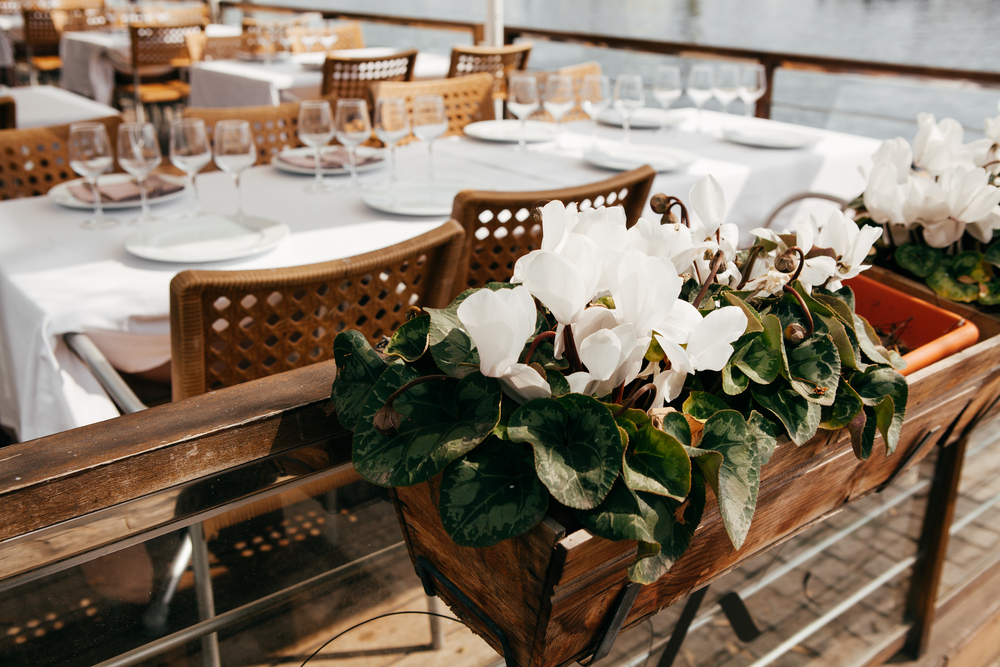
- Inviting patios adorned with cheerful flowers, where locals and expats alike gather for birthday parties or spontaneous celebrations.
Seek out recommendations from the Dutch community, or simply follow your nose—sometimes the most memorable meal is found in an unassuming side street, overlooking the sparkling Mediterranean, with the laughter of old friends echoing around you.
Culinary Workshops and Cooking Classes: Learning the Dutch Art on Spanish Soil
For the curious or adventurous, several Dutch restaurants on the Costa Blanca offer more than delicious meals—they host cooking classes and culinary workshops designed to share the secrets of Dutch cuisine. These immersive experiences provide:
- Step-by-step instruction in creating classic dishes such as stamppot, pannenkoeken, or appeltaart.
- Insider tips on sourcing the best ingredients locally and incorporating Spanish produce into Dutch recipes.
- Social cooking sessions where participants bond over kneading dough, flipping pancakes, or crafting perfect bitterballen.
- The chance to take home a personalized recipe booklet—ensuring a taste of the Netherlands remains with you long after your Spanish holiday or relocation.
These workshops are particularly popular for families, couples, or friends looking to share a memorable, hands-on experience that captures the transnational spirit of the Costa Blanca.
Supporting the Community: Dutch Restaurants as Pillars of Expat Life
Dutch restaurants are committed contributors to community cohesion and charitable causes. Many host benefits, sponsor local sports teams, or participate in cultural open days that introduce Dutch traditions to a broader Spanish audience. Examples include:
- Fundraising dinners for local schools or charities focused on children and families.
- Collaborative events with nearby Spanish wineries or markets, fostering friendship and mutual support between cultures.
- Volunteering kitchen time and resources for community soup kitchens, festivals, or holiday banquets for those in need.
This unwavering dedication strengthens bonds, enhances the reputation of Dutch hospitality, and ensures that restaurants are not simply businesses, but cherished institutions integral to the social fabric of the Costa Blanca.
Preserving Tradition in a Changing World: The Future of Dutch Dining in the Costa Blanca
As global tastes continue to evolve, the Costa Blanca’s Dutch restaurants stand at a delicious crossroads. Embracing both technological advances and time-honored recipes, they are poised to remain vital gathering places for decades to come.
Younger generations of Dutch restaurateurs are infusing fresh energy into the scene—introducing online ordering, modern interior design, and inventive presentation, while still honoring the core flavors and values that define Dutch cuisine.
Ties between the Netherlands and the Costa Blanca only strengthen as transportation, trade, and cross-border friendships deepen. The future promises even broader menus, additional fusion concepts, and continued celebration of seasonal, ecological, and inclusive dining—a vision perfectly suited to the cosmopolitan, sun-drenched shores of Spain.
Tips for Dutch Expatriates and Visitors: Making the Most of Your Culinary Journey
For both long-term residents and holiday-makers, the thrill of finding a “little piece of home” in an unfamiliar place is incomparable. Here are some suggestions to enhance your Dutch culinary explorations on the Costa Blanca:
- Embrace Seasonality: Look for restaurants that highlight seasonal specials—be it snert in winter, fresh herring in spring, or summer picnics with krentenbollen and cheese.
- Reserve Early for Major Holidays: Dutch holidays are celebrated with gusto; secure your table well in advance for King’s Day, Sinterklaas, or Christmas feasts.
- Try Something New: For regulars, don’t hesitate to explore the newest menu items, fusion dishes, or recommended pairings with local Spanish wines and beers.
- Get Social: Join community events or cooking classes—you’ll deepen friendships and perhaps even discover a signature recipe to take home.
- Share Your Stories: Owners and staff are always delighted to hear about your hometown in the Netherlands, share updates on the Dutch league, or recommend hidden local gems.
Your experience is enriched not only by the food but also by the people you meet and the traditions you help sustain.
Conclusion: Dutch Restaurants—Where the Soul of Home Meets the Spirit of Spain
The Dutch restaurants of Spain’s Costa Blanca are far more than eateries; they are vibrant, living bridges between cultures. They offer a sanctuary for nostalgia and a beacon for innovation, uniting people through the universal language of good food and warm hospitality.
Whether passing through or putting down roots, Dutch expatriates and their friends can rely on these establishments to deliver authenticity, creativity, community, and a taste of thuis in every bite. The legacy of Dutch cuisine—its generosity, heartiness, and welcome—is alive and thriving under Spanish sun, bringing together neighbors from across Europe—and beyond—at the table.