



Introduction: The Timeless Allure of the Ebro River
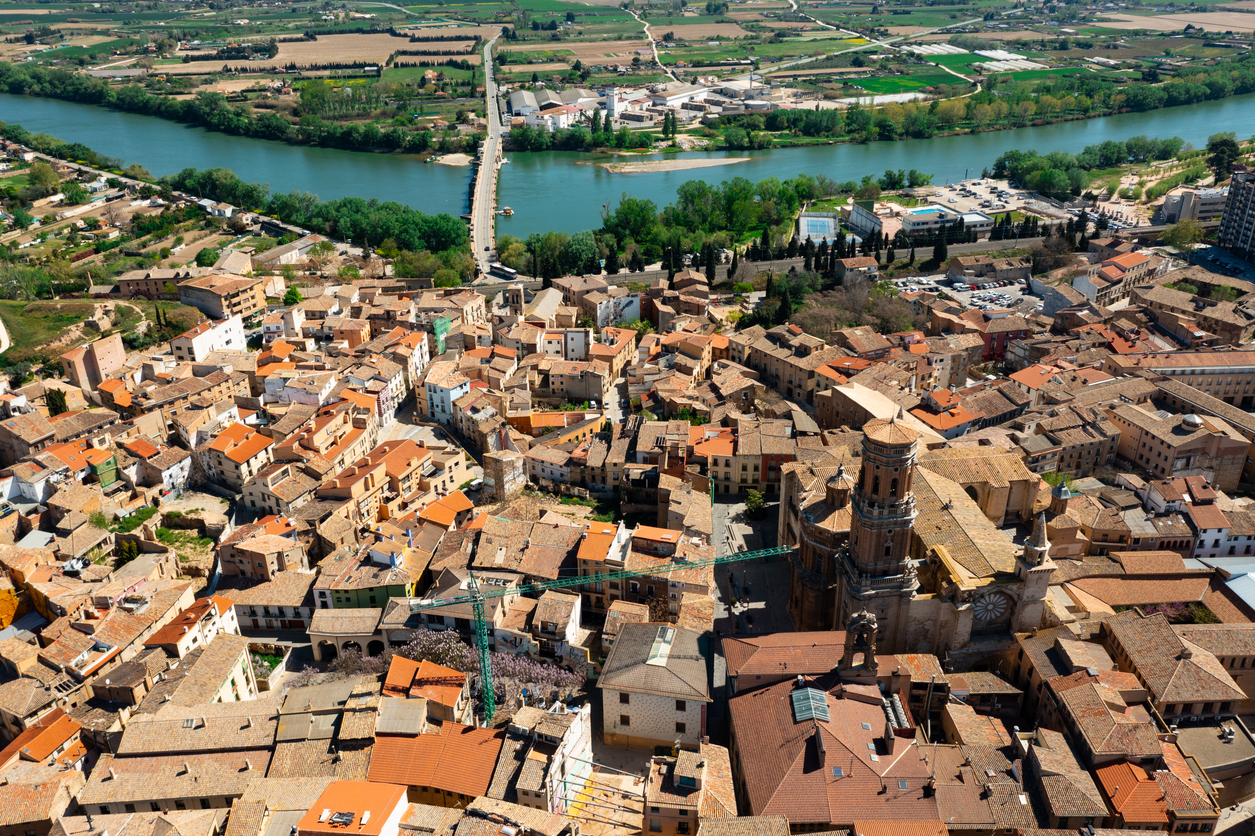
Nestled in the heart of Southern Catalonia, the Ebro River meanders its way through a landscape defined by nature’s grandeur, ancient traditions, and rustic charm. It is along these serene banks that life finds a rhythm all its own—a symphony of stunning vistas, sun-soaked vineyards, stone hamlets, and welcoming communities. For those seeking an escape from the frenetic energy of modern urban centers, the Ebro River region offers an enchanting tapestry of culture, tranquility, and exciting property opportunities. In this in-depth guide, we unveil every facet of the Southern Catalonian Ebro corridor: its rich history, captivating landscapes, vibrant communities, and the unique advantages of investing in property here. Join us as we discover life along the Ebro River, exploring both its present day delights and its promising future.
The Ebro River: A Historical and Cultural Overview
The Ebro River is not merely a natural boundary; it is an ancient lifeline that has shaped the civilizations, trade, and culture of the Iberian Peninsula for millennia. At a length of over 900 kilometers, it is Spain’s longest river, originating in the Cantabrian Mountains and flowing gracefully into the Mediterranean Sea near the Delta del Ebro in Catalonia.
The lands surrounding the Ebro have borne witness to countless epochs—from Roman settlements to Moorish fortresses, medieval villages, and the agricultural revolutions that made this valley a vital breadbasket. Evidence of these rich layers can be found everywhere: archeological ruins, Gothic and Renaissance architecture, centuries-old olive groves, and enduring local festivals.
It is this deep sense of continuity, combined with the everyday rhythms of rural life, that endows the Ebro region with its magnetic appeal.
Geography and Natural Splendor
Southern Catalonia’s stretch of the Ebro River is distinguished by its exceptional natural diversity. From the rolling hills clad in vineyards to the golden plains and dramatic gorges, the scenery shifts subtly as the river winds towards its delta. The region encompasses a mosaic of protected natural parks, fertile farmlands, and tranquil riverbanks that promise an endless array of outdoor pursuits.
The Delta del Ebro Natural Park
One of Southern Catalonia’s crown jewels, the Delta del Ebro Natural Park, is an ecological wonderland that welcomes over 300 species of birds, including flamingoes, herons, and rare migratory visitors. Its labyrinth of canals, rice fields, sand dunes, and lagoons creates a unique ecosystem that is both beautiful and vital to biodiversity. The park’s natural richness underpins a thriving tradition of eco-friendly tourism, nature photography, and gentle exploration.
The Serra de Cardó and Other Mountain Ranges
To the west, the Serra de Cardó rises majestically above the valley floor. These mountains are sprinkled with aromatic pines and dotted with hermitages, each offering breathtaking views of the Ebro and its villages below. Hiking, climbing, and cycling are popular pursuits here, affording a deeper appreciation for the land’s unspoiled beauty and peace.
The River Banks: A Haven for Wildlife and Recreation
The banks of the Ebro River are lined with ancient poplar and willow trees, offering cool shade and picturesque views. Anglers are particularly drawn to its waters, which teem with catfish, carp, and many native species. The river is also favored by kayakers, paddleboarders, and those who simply wish to relax along its peaceful shores with a book or a picnic.
Climate: Sun-Drenched Days and Mediterranean Breezes
Southern Catalonia enjoys a quintessentially Mediterranean climate, characterized by long, sun-filled summers and gentle, temperate winters. The Ebro Valley, sheltered by the surrounding hills and mountains, benefits from a microclimate that supports an astonishing variety of crops and flowers.
- Spring: Blossoms carpet the orchards and groves, while daytime temperatures climb comfortably through the teens and twenties (Celsius).
- Summer: Warm days and mild nights, punctuated occasionally by the refreshing “Cierzo” wind, make for ideal conditions to explore, swim, or dine alfresco.
- Autumn: The grape harvest ushers in festival time, and the landscape turns golden as temperatures gently decline.
- Winter: Winters are typically mild with infrequent frost, extending the outdoor season and making the area attractive all year round.
This climate supports not only abundant agriculture but also a flourishing outdoors lifestyle—a cornerstone of life along the Ebro River.
Village Life: Authenticity and Community
The villages dotting the Ebro River corridor are the embodiment of Catalan hospitality, preserving time-honored customs and an authentic rhythm of life. From Tortosa’s historic city streets to smaller communities like Miravet, Benifallet, and Ascó, each settlement has its own personality, history, and festivals.
Tortosa: The Cultural Heart
Tortosa, the provincial capital, is a captivating blend of Roman remnants, Gothic cathedrals, Moorish ramparts, and bustling modern life. Its weekly markets, lively plazas, and riverside promenades provide a taste of both the contemporary and the timeless. Here, locals gather for festivals such as the “Festa del Renaixement,” a Renaissance-themed celebration complete with parades and markets.
Miravet: A Riverside Gem
Built into a rocky promontory overlooking a scenic bend in the river, Miravet is renowned for its imposing castle, atmospheric labyrinth of streets, and artisan pottery workshops. The ferry across the river, operated as it has been for generations, is one of the last remaining “pas de barca” in Catalonia—a living testament to local ingenuity and heritage.
Benifallet and Ascó: Traditions and Tranquility
Benifallet is famed for the magnificent Coves Meravelles (Wonder Caves) and a vibrant calendar of festivals, while Ascó’s quiet streets come alive during the harvest. Locals are fiercely proud of their traditions, most notably the preparation of local delicacies and age-old music and dance.
Embracing Village Life
To settle along the Ebro River is to join a close-knit community where familiarity, warmth, and generosity are a way of life. Neighbors look out for one another, village squares buzz with spontaneous gatherings, and every season brings a reason to celebrate. Such communities offer a rare refuge for those seeking genuine connection in a world often defined by digital distance.
Cuisine and Local Produce: A Feast for the Senses
No exploration of the Ebro River region would be complete without immersing oneself in its culinary pleasures. The area’s cuisine is a delightful blend of Catalan roots, Mediterranean freshness, and rustic comfort.
The Foundation: Land and River
- Olives and Olive Oil: The hillsides are graced by ancient olive trees whose fruits provide some of the finest oils in Spain—fragrant, fruity, and deeply rooted in local identity.
- Vineyards: The Terra Alta and Priorat wine regions, not far from the river, yield robust reds and crisp whites. Tastings at small, family-run “bodegas” are a highlight of any visit.
- Rice: Grown in the delta’s fertile soils, Ebro rice forms the backbone of iconic dishes, including paellas and creamy rice stews with river fish and eels.
- Fruit orchards: Apricots, cherries, citrus, and almonds flourish, supplying both local markets and fine dining establishments throughout Catalonia.
- Honey and Cheese: Artisan producers craft delicate cheeses and fragrant honeys, celebrated each year in lively local fairs.
Signature Dishes
- Suquet de Peix: A traditional fishermen’s stew, combining river or sea fish, potatoes, and saffron-laced broth—often enjoyed by the water’s edge.
- Xató: A hearty winter salad with endive, anchovies, salt cod, and a rich Romesco sauce.
- Cargols a la Llauna: Snails roasted with herbs, a festive dish savored at village gatherings.
- Coca de Recapte: Rustic flatbread topped with roasted vegetables and locally cured sausage or fish.
- Pastissets: Sweet pastries filled with pumpkin, sweet potato, or almond paste—a staple during holidays and family celebrations.
Wine, Vermouth, and Local Spirits
The Ebro River is inseparable from the tradition of Catalan winemaking. Local cellars offer tours and tastings where visitors can sample celebrated vintages alongside emerging organic wines. Vermouth—herb-infused, fortified wine—is enjoyed as an aperitif in the region’s sun-drenched plazas. Local spirits, such as the anise-flavored “ratafia,” add layers of complexity to the region’s already rich gastronomic tapestry.
Outdoor Living: Activities and Adventures
For outdoor enthusiasts, the Ebro River and its surroundings promise limitless possibilities. The landscape’s natural wealth, coupled with a culture that prizes the outdoors, makes every season an invitation to explore.
Hiking and Trekking
The Serra de Cardó, Els Ports Natural Park, and other protected areas present a network of well-marked hiking paths. These range from gentle riverside strolls to more demanding ascents that reward hikers with sweeping views of the delta and distant mountains. Many routes intersect with historical and cultural sites, making each walk a journey through time.
Cycling
Rural roads see little traffic, making them ideal for both road and mountain biking. Ambitious cyclists may follow stretches of the Via Verda, a greenway that traces a disused railway line through vineyards, forests, and picturesque towns. Numerous trails wind through orchards and olive groves, connecting farmsteads and villages in a scenic patchwork.
Fishing and River Sports
The Ebro’s reputation among anglers is legendary. World-record catfish and prize carp draw fishermen from across the globe. Local guides offer excursions and equipment, ensuring both novices and seasoned anglers have the opportunity to experience the thrill of fishing these legendary waters. Canoeing, kayaking, paddleboarding, and even river cruises add to the area’s aquatic appeal.
Birdwatching and Wildlife
Thanks to the Ebro Delta’s ecological significance, birdwatchers will encounter a bounty of species unavailable elsewhere in Europe. Flamingoes, spoonbills, and purple herons populate the wetlands. With a pair of binoculars and a little patience, visitors can witness unforgettable natural spectacles during migrations and breeding seasons.
Horse Riding and Rural Experiences
Several equestrian centers provide guided riding tours through vineyards, along riverside paths, or up into the foothills. Local farms offer agrotourism stays, where guests can participate in olive harvests, cheese making, or vineyard work—connecting directly with rural traditions.
Festivals and Cultural Traditions
Life along the Ebro River maintains a vibrant calendar of festivals, many of which have roots stretching back centuries. These celebrations animate the quiet villages, drawing everyone together in expressions of joy, solidarity, and remembrance.
Major Annual Festivals
- Festa Major: The “big festival” held in each village, typically honoring a patron saint with parades, fireworks, dancing, communal meals, and traditional games.
- Festa del Renaixement (Tortosa): Tortosa’s spectacular Renaissance Festival transforms the city with costumes, music, and reenactments. Visitors feel transported straight into the past.
- Cargolada: A mass snail feast marking the beginning of summer, complete with live music, folk dancing, and local wines.
- Vermut Sundays: Gathering in village squares to share vermouth and tapas on lazy Sunday mornings, enlivened by musicians and street performers.
- Castells: The building of human towers—a uniquely Catalan tradition—demonstrates teamwork and communal spirit, and can be witnessed throughout the region.
Seasonal Activities
- Grape and Olive Harvests: These autumn rituals unite families, neighbors, and visitors in days of picking, pressing, and tasting newly released oils and wines.
- Flower Festivals: In spring, entire villages compete to decorate their streets with fresh blooms and elaborate floral arrangements.
- Christmas and Epiphany: Nativity scenes, processions, and traditional sweets bring warmth and meaning to winter’s celebrations.
For newcomers and property owners alike, participation in these festivities offers an immediate sense of belonging and wonder.
Property Landscape: Opportunities for Every Lifestyle
Southern Catalonia’s Ebro River corridor stands out as an exceptional location for property investment or a permanent move. The area appeals to a broad spectrum of property seekers: retirees looking for sunlit serenity, entrepreneurs exploring rural tourism, young families in search of quality of life, and international buyers seeking a gateway to Spain’s Mediterranean coast.
Types of Properties Available
- Rustic Farmhouses (Masia): These traditional stone houses, some dating back centuries, are often surrounded by olive groves, vineyards, or farmland. Restored masias elegantly balance historic features with modern comforts—exposed beams, thick stone walls, fireplaces, and panoramic terraces.
- Village Houses: Located within established communities, village properties range from quaint cottages to larger homes with internal courtyards, balconies, and views of winding medieval streets or the river itself.
- Riverside Villas: Modern or traditional, these properties offer direct access to the Ebro’s banks—ideal for fishing, boating, or simply enjoying the spectacle of river life at dawn and dusk.
- Apartments and Townhouses: In larger population centers like Tortosa, stylish apartments provide urban convenience without sacrificing proximity to nature and tradition.
- Land Plots: Opportunities exist for custom building, from eco-homes and vineyards to boutique hotels or wellness retreats.
Key Advantages of Investing Along the Ebro River
- Value for Money: The property market in Southern Catalonia remains attractively priced compared to many Mediterranean destinations, offering larger lots, historic character, and stunning natural settings.
- Pace of Life: Here, owners enjoy a slower, more intentional lifestyle—yet with the amenities of larger cities within easy reach.
- Year-Round Appeal: The temperate climate and diverse activities support both seasonal escapes and permanent relocation.
- Cultural Depth: Immersion in authentic Catalan culture and traditions enriches daily life and fosters a sense of rootedness uncommon in more transient resort areas.
- Potential for Rental Income: The region’s growing reputation among tourists and nature lovers creates rewarding avenues for holiday rentals or rural tourism projects.
Whether seeking a ready-to-move-in property, a renovation project, or fertile land for new ventures, the Ebro region offers flexibility, opportunity, and time-honored beauty.
Living the Dream: Personal Stories and Testimonials
The true spirit of the Ebro River region is best captured in the stories of those who have embraced life along its banks. A diverse tapestry of residents—from lifelong villagers to recent arrivals—contributes to the rich character and welcoming nature found here.
Local Catalan Families
For many Catalan families, the Ebro River has always been home. Generations have worked its fields, navigated its currents, and built lives around the rhythms of the land. These families embody pride in their heritage and an unbreakable connection to place, cultivating traditions that carry forward despite the tides of change.
International Residents
- A couple from the UK, captivated by the tranquility and natural abundance, restored a derelict farmhouse into a successful agrotourism retreat, blending English garden traditions with Catalan farmhouse flair.
- A German family, drawn by outdoor opportunities and excellent schools, found in a riverside village the perfect environment for raising children outdoors and engaging fully with community life.
- A retired Dutch teacher began a new career as a painter, her home overlooking the Ebro providing endless inspiration for artistic exploration, while her involvement in village festivities led to deep friendships across linguistic divides.
Voices from the Region
“It’s the sunsets that convinced me,” reflects one resident, who savors evenings on the terrace, watching golden light dance across the river. Another explains, “People here know how to celebrate life—with food, song, and generosity.”
These testimonials reveal a common theme: life along the Ebro River delivers not only stunning surroundings but a renewed appreciation for meaningful human connections, creativity, and well-being.
Essential Services and Modern Conveniences
While rustic in its values, the Ebro River region is far from isolated. Residents enjoy a high standard of living, facilitated by a robust infrastructure and commitment to sustainable development.
Healthcare
The Spanish healthcare system is renowned for excellence, and Southern Catalonia benefits from modern clinics, regional hospitals, and specialist services centered in Tortosa and neighboring towns. Emergency care, general practice, and dental services are widely available, with English-speaking professionals in many practices supporting international residents.
Education
From village nursery schools to secondary institutions and international programs, educational standards are high. Language immersion ensures proficiency in Catalan, Spanish, and increasingly, English—giving young residents a global outlook without sacrificing their cultural heritage.
Shopping and Markets
Weekly markets remain at the heart of local commerce, presenting fresh produce, handmade crafts, clothing, and household goods. Supermarkets, pharmacies, boutiques, and specialty stores provide for everyday needs, while larger shopping centers can be found in Tortosa.
Connectivity and Transport
- Road: Well-maintained roads and highways connect river communities to Tarragona, Barcelona, and the Mediterranean coast. Car rental is readily available for visitors.
- Rail: Regular train services run from Tortosa, offering convenient access to urban centers and the coast.
- Air: The region is served by airports in Reus (Tarragona), Barcelona, and Castellón, with international connections and car hire facilities.
- Internet: High-speed broadband and mobile coverage are continually improving, enabling remote work and connection for digital nomads.
Utilities
Modern homes along the Ebro River enjoy reliable supplies of electricity and water, with ongoing investment in renewable energy—solar installations are increasingly common in both new builds and restored properties.
Responsible Living: Sustainability, Nature, and Preservation
The vibrant future of the Ebro River corridor depends on sustainable coexistence with its natural wealth. Local authorities, residents, and newcomers alike champion environmental stewardship—aiming to balance tradition, progress, and protection of irreplaceable landscapes.
Eco-Friendly Building and Restoration
- Restoration of Ruins: Many investors choose to restore and modernize existing structures, employing traditional materials—stone, lime, wood—alongside modern insulation and solar technology.
- Off-Grid Initiatives: The abundance of sunlight has inspired numerous off-grid projects, from eco-homes powered by renewable energy to permaculture farms practicing organic agriculture.
- Water Conservation: Irrigation channels, ancient and modern, support herders and farmers while minimizing waste. The importance of preserving water purity is universally recognized and respected.
Nature Protection and Community Engagement
The Delta del Ebro’s protected wetlands, coordinated fire prevention, and community-run reforestation projects reflect the ongoing commitment to safeguarding biodiversity. Residents partake in volunteer programs, clean-up efforts, and environmental education.
Responsibility is woven into everyday life—from recycling initiatives to seasonal bans on open fires, neighbors collaborate to ensure future generations can enjoy the same rustic enchantments.
Practicalities of Buying and Owning Property Along the Ebro River
Investing in a property in Southern Catalonia is an exciting prospect, but it requires due diligence and an understanding of local processes. Here’s an overview of what to consider when acquiring a property in this unique region:
Legal Process and Property Rights
- Title Deeds (Escritura): All property transactions are formalized before a Spanish Notary, who ensures clear title and registers the property with local authorities.
- Foreign Buyers: EU and non-EU residents can freely acquire property in Catalonia. A unique fiscal number (NIE) is required for all transactions—a straightforward application managed by real estate professionals and legal advisors.
- Land Use and Zoning: Properties, particularly rural or agricultural land, may have designated uses. Due diligence ensures the purchase aligns with intended personal or business plans.
- Restoration and Building Permits: Renovations, extensions, and new builds must comply with local planning regulations. Advice and support are available to streamline applications and uphold architectural standards.
Financing and Ongoing Costs
- Banking: Local and international banks operate throughout the region, offering mortgages to residents and, in some cases, non-residents.
- Ongoing Fees: Annual property taxes (IBI), utilities, community fees, and insurance are typically much lower than in urban Spain, ensuring low holding costs.
- Conveyancing and Legal Support: Transparent legal processes, supported by experienced local professionals, make property acquisition smooth and secure.
Heritage and Modernization
Many homes come with generations of history, offering tremendous potential for personalization and sustainable upgrades. Blending original features—stone arches, bread ovens, courtyards—with energy-efficient systems and contemporary design achieves a harmonious balance between past and present.
Community Integration
Newcomers soon find their investment yields more than bricks and mortar; it provides a gateway into a welcoming, dynamic community. Local associations, language classes, and cultural events help new property owners build connections and contribute to their new home’s future.
Art, Craft, and Creativity: A Flourishing Scene
Life along the Ebro River has long inspired artists, musicians, and craftspeople who draw upon its landscapes, flora, and stories. The area is dotted with galleries, artisan workshops, and community studios that nurture both tradition and innovation.
Pottery, Textiles, and Woodwork
- Miravet Pottery: Famed for its terracotta wares, Miravet hosts workshops where visitors can observe or try their hand at the wheel—a living legacy of Moorish craft passed down centuries.
- Textiles and Lace: Handmade lace is a specialty of Tortosa, often produced using family patterns and techniques dating to the Middle Ages.
- Furniture and Joinery: Local artisans craft bespoke furniture using traditional joinery, sustainably harvested woods, and time-tested finishes.
Painting, Sculpture, and Contemporary Arts
Riverside villages attract painters and sculptors who capture the interplay of light and water, the palette of seasons, and the character of stone villages. Regular exhibitions, open studios, and art fairs encourage both visitors and residents to participate in and appreciate the creative pulse of the region.
Music and Performing Arts
Catalan folk music, flamenco, and contemporary styles enliven local festivals and venues. Regional theatre groups and dance companies stage performances inside medieval castles and outdoor amphitheaters, further deepening the area’s creative spirit.
The Ebro River’s Bright Future: Trends and Emerging Opportunities
As the world recognizes the value of space, connectivity, and wellness, Southern Catalonia’s Ebro River corridor is emerging as a sought-after location for innovative projects and sustainable property ventures.
Agrotourism and Wellness Retreats
A growing number of property owners are transforming traditional masias and riverside estates into boutique hotels, yoga retreats, cycling lodges, and organic farm stays. The region’s steady visitor numbers, strong cultural draw, and government support for sustainable tourism make such projects highly attractive.
Organic Farming and Artisan Food Production
Demand for organic produce and handcrafted foods is rising, stimulating local economies and presenting viable business opportunities for would-be farmers and producers. Restored mills, cooperatives, and farmers’ markets further reinforce this trend, ensuring robust support for newcomers.
Eco-Living and Renewable Energy
Forward-thinking investors are leading the drive toward eco-housing—solar powered homes, zero-waste construction, and permaculture properties. The region’s low density, abundant sunshine, and fertile soils provide the foundation for a sustainable lifestyle with room to innovate.
Creative Residencies and Digital Nomad Communities
With fast broadband and peaceful surroundings, villages along the Ebro are attracting freelancers, artists, and entrepreneurs seeking a work-life balance that combines productivity with inspiration. Coworking spaces, artist collectives, and language exchanges are springing up, inviting talent from across Europe and beyond.
Integration and Language: Navigating Daily Life
For international residents, adapting to life in Southern Catalonia is greatly aided by openness to local customs and languages. While many locals speak Spanish and increasing numbers are proficient in English, the co-official status of Catalan means learning even a few basic phrases is both appreciated and rewarding.
Language Lessons and Exchange
- Village schools and adult education centers offer beginner and intermediate Catalan courses, open to all ages.
- Language cafes and social clubs provide informal settings to practice with neighbors and friends.
- Participating in local events, volunteering, or simply shopping in markets accelerates language acquisition and cultural understanding.
Cultural Sensitivity and Celebration
Empathy towards local customs—such as the siesta tradition, religious observations, or etiquette at communal meals—helps newcomers integrate smoothly. Residents universally appreciate interest in their history, cuisine, and arts, paving the way for lasting friendships and a genuine sense of belonging.
Accessibility and Exploration: Beyond the Ebro
While life along the Ebro River presents endless attractions, its strategic location means residents can easily access the broader treasures of Southern Catalonia and beyond.
Beaches and the Mediterranean Coast
- Cambrils and Salou: These famed resorts offer expansive sandy beaches, vibrant nightlife, and seaside dining just a short drive from the river communities.
- PortAventura World: The region’s renowned theme park and water park, located near Tarragona, provides family-friendly adventure and entertainment.
The Wine Routes
Oenophiles can explore prestigious wine regions such as Terra Alta, Priorat, and Montsant, visiting vineyards, sampling vintages, and attending harvest festivals that reflect the area’s deep wine heritage.
Historic Sites and Mountain Adventure
- Tarragona: Home to some of Spain’s finest Roman ruins, including an amphitheater overlooking the sea.
- Montserrat: The dramatic mountain monastery, a pilgrimage destination wrapped in legend and natural beauty.
- Els Ports Natural Park: Majestic mountains, deep gorges, and lush forests invite exploration by foot, on horseback, or by mountain bike.
Conclusion: The Enduring Magic of Life Along the Ebro River
To live along the Ebro River in Southern Catalonia is to rediscover the authentic pleasures of daily life—connection to nature, community, tradition, and opportunity. Whether drawn by the peace of olive groves, the thrill of outdoor adventure, or the promise of a thriving future, property for sale or investment here offers more than a home; it offers a lifestyle rooted in timeless values.
With its blend of rustic charm, property diversity, supportive community, and forward-looking spirit, the Ebro River region invites you to embrace a new chapter—one that celebrates every season, every flavor, and every moment of Mediterranean inspiration.
Dreaming of a tranquil escape? Curious about property opportunities in this extraordinary region? Begin your journey with IMMO ABROAD—your trusted partner in discovering the heart of Southern Catalonia, and the magic that awaits along the banks of the legendary Ebro River.