





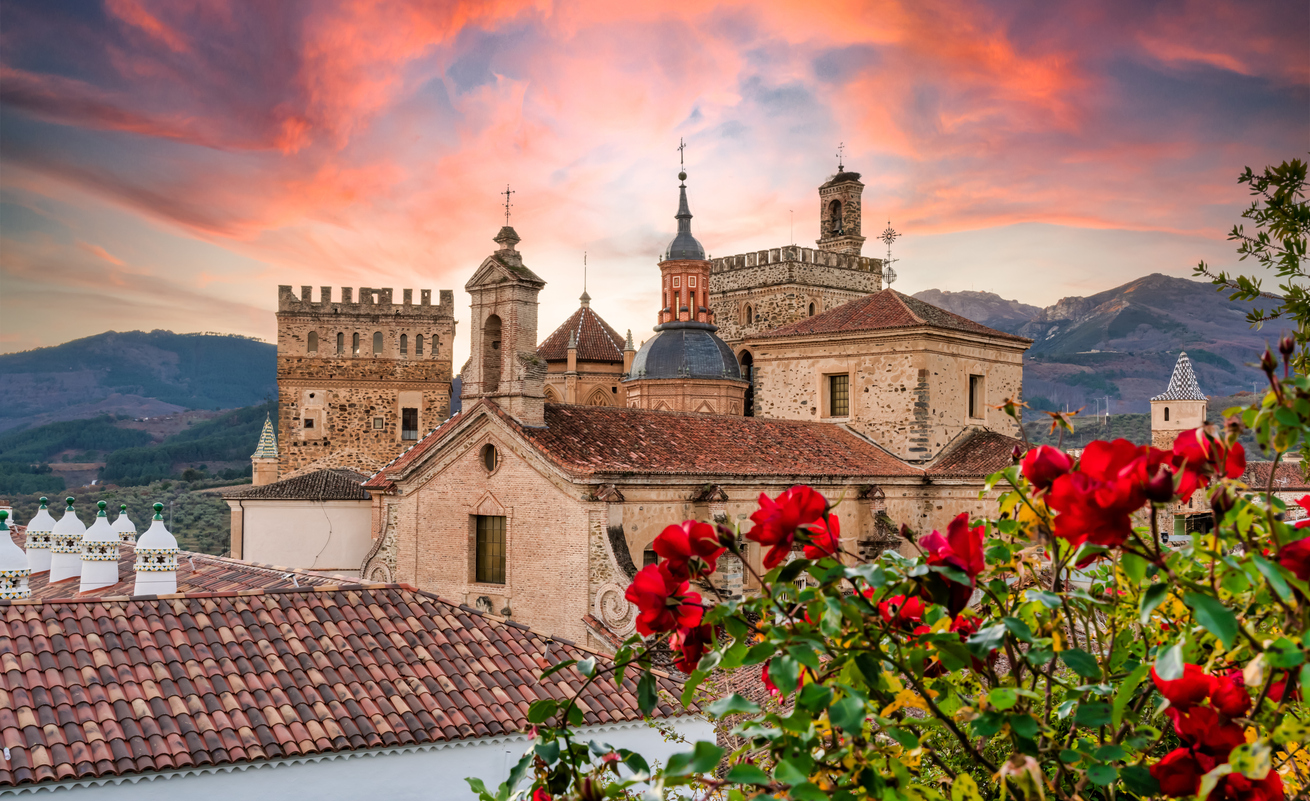
Introduction: Discovering Inland Spain – The Hidden Treasure of the Iberian Peninsula
When contemplating a move to Spain, many foreigners’ minds conjure up images of the sun-soaked Costa del Sol, the buzz of Barcelona, or the scenic beaches that fringe the Mediterranean. However, a world apart from the crowded coastlines lies inland Spain—a realm steeped in tradition, abounding in genuine Spanish culture, and blessed with both tranquility and affordability. Emigrating to inland Spain offers a chance to rediscover authenticity, bask in peaceful surroundings, and embrace a lifestyle that is as emotionally enriching as it is financially savvy.
Why Choose Inland Spain? The Case for Moving Away from the Coasts
Inland Spain beckons with its unspoiled landscapes, picturesque villages, and the majestic backdrop of rolling mountains and verdant plains. But what truly sets it apart? Let us delve deeply into the unique qualities that make inland Spain an especially attractive destination for discerning emigrants.
- Affordability and Value for Money: Whereas the coasts demand premium prices for property and daily expenses, inland locales offer significantly lower living costs. From real estate bargains to bargains on local produce and dining, your euro stretches much further.
- Authentic Spanish Living: In the heartland, you are not merely a visitor but a welcomed participant in local customs. The rich tapestry of fiestas, siestas, and centuries-old traditions is yours to embrace—unfiltered and uncommercialized.
- Peace and Privacy: Inland towns tend to be quieter, fostering a relaxed pace of life. Traffic snarls, overcrowding, and the frenetic energy of tourist hubs are replaced by idyllic afternoons in café-lined plazas and pristine natural havens.
- Natural Beauty: From the vast plains of Castilla-La Mancha and the dramatic valleys of Aragón, to the forested hills of Extremadura, inland Spain is a playground for lovers of the outdoors and rural beauty.
- Community and Hospitality: Smaller communities thrive on interpersonal connections, generosity, and social cohesion. Making friends—and feeling at home—is almost effortless.
Let us explore these facets further, and guide you through each stage of your potential journey to a richer, quieter life in the Spanish interior.
Understanding Inland Spain: Regions and Their Unique Characteristics
Spain’s “interior” does not denote a single homogeneous region; rather, it is a mosaic of vibrant provinces and autonomous communities, each imbued with their own distinct character, cultural heritage, and climate. Here, we present a much broader understanding of what moving inland entails—from the dry highlands of Castilla y León to the lush valleys of La Rioja or the historical monuments of Toledo.
Castilla-La Mancha: Land of Don Quixote
Immortalized by Cervantes’ famed novel, Castilla-La Mancha lies at the heart of the Iberian Peninsula. Known for its windmills, saffron fields, Manchego cheese, and medieval towns, it offers immense charm alongside affordable living. This is a land with deep agricultural roots; expect vibrant festivals, hearty cuisine, and warm locals.
Castilla y León: A Journey Through History
As Spain’s largest autonomous community, Castilla y León is rich in Gothic cathedrals, historic universities, and awe-inspiring castles. The pace here is slow, the cost of living is gentle, and history weaves through every cobblestone street. From Salamanca’s academic legacy to Burgos’ medieval splendor and the delicious wines of Ribera del Duero, the region is a paradise for connoisseurs of culture.
Extremadura: Spain’s Green Secret
Bordering Portugal, Extremadura is a mosaic of cork oak forests, whitewashed villages, and Roman ruins, including the world-renowned amphitheater of Mérida. Its dehesa landscapes produce some of the country’s finest Iberian ham. Life here is simple and tied to the rhythms of the land.
La Rioja: Vineyards and Verdant Valleys
Renowned for its exceptional wines, La Rioja offers a lush, green landscape interspersed with neatly tended vineyards and charming villages. The wine culture brings with it conviviality, exquisite cuisine, and a warm welcome for new arrivals.
Aragón and Navarre: Mountain Majesty and Medieval Charm
From the Pyrenean peaks in Aragón to the rolling hills of Navarre, these regions boast spectacular scenery, agricultural richness, and a strong sense of local identity. Here you will find tranquil towns with untold stories, historic festivals, and opportunities for adventure year-round.
Andalusia’s Hinterland: Authentic Soul of the South
Andalusia is famous for its coastal cities, but much of its heartland—such as Córdoba, Jaén, or Granada’s Alpujarras—retains an undiluted Andalusian spirit, where olive groves and Moorish palaces coalesce into an experience both unique and affordable.
The Cost of Living: Reaping the Economic Benefits of Rural Life
One of the most compelling reasons to emigrate to inland Spain is the opportunity for substantial savings. Let us examine each area of monthly life—housing, food, utilities, transportation, and leisure—to highlight the advantages of living away from the coasts.
Real Estate – Buying and Renting
Property prices in inland Spain are some of the country’s most competitive. Where coastal apartments might command prices upwards of €3,000/m², countryside homes or townhouses in picturesque villages can often be acquired for just €400-€1,000/m².
- Village Townhouses: Starting as low as €30,000-€60,000, these homes often feature spacious interiors, courtyards, and distinctive architectural features.
- Country Villas and Fincas: For €100,000-€250,000 you could own a substantial property with land, mature trees, and stunning views—a possibility all but out of reach on the coast.
- Rental Costs: Monthly rentals for a two-bedroom apartment in a provincial capital can range from €350-€700, while villages offer even lower rates.
Daily Expenses: Food, Utilities, and Essentials
Spain’s interior is the agricultural heart, and local markets brim with fresh produce at generous prices. Because supply chains are shorter and land costs lower, many essentials are less expensive than in urban areas.
- Fresh Produce: Supermarkets and weekly village markets offer exceptional quality at low prices. Seasonal vegetables, local cheeses, meats, and wine cost a fraction of their urban counterparts.
- Dining Out: Expect to pay €10-€15 for a full menú del día (three-course lunch, including wine), and enjoy abundant family-run restaurants rather than tourist traps.
- Utilities: Bills for electricity, water, and internet remain consistently lower than in cities, especially in homes designed with traditional cooling and heating methods.
Leisure and Transportation
Public transportation connections are strong in larger towns, while smaller villages may rely more on cars. That said, fuel and parking cost less in rural areas. Leisure pursuits cost less, and community events are often free.
- Cultural Activities: Local festivals, theater, and music abound, usually at little or no cost.
- Outdoor Pursuits: Hiking, birdwatching, cycling, and fishing are not just popular, they are often accessible directly from your doorstep.
Language and Culture: The Key to Fitting In
Unlike the more cosmopolitan coastal resorts, the interior of Spain has retained its linguistic and cultural integrity. While this presents challenges, particularly for those unaccustomed to speaking Spanish, it is also the most valuable door to immersion in Spanish society.
Learning Spanish in Context
Most locals in inland Spain communicate primarily in Spanish, with a minority speaking regional dialects or Basque. Unlike tourist hotspots where English is prevalent, the need to understand and use Spanish is greater—yet so too is the reward.
- Language Classes: Town halls (ayuntamientos), private academies, and local associations often provide affordable language instruction.
- Intercambio Groups: Join language exchange sessions to practice conversational skills and meet residents.
- Everyday Practice: Shopping at the market, dining out, or even attending mass are opportunities to strengthen your command of the language daily.
Embracing Tradition and Festivals
Every village, town, and city in the Spanish interior has its own calendar of fiestas, rituals, and social gatherings. Participation is highly encouraged—these events are the heartbeat of communal life.
- Semana Santa: The drama and pageantry of Holy Week processions are experienced on an intimate scale.
- Patron Saints’ Days: Villages come alive to honor their chosen saints, blending religious tradition with feasting and dancing.
- Harvest Festivals: Celebrate the olive or grape harvest with communal meals, music, and joie de vivre.
By embracing the local way of life, new residents forge deeper connections and experience Spain’s cultural richness firsthand.
Choosing the Right Area for Your Emigration Adventure
Inland Spain offers a wide array of lifestyles to suit every taste, from bustling university cities to serene mountain hamlets. Selecting the region or town that complements your aspirations is crucial for successful relocation.
City Life vs Village Retreat
- Major Cities: Salamanca, Valladolid, Zaragoza, and Logroño provide vibrant city living without the chaos of larger metropolises, offering world-class amenities, historic architecture, and lively student populations.
- Smaller Towns: Towns like Almagro, Trujillo, Ronda (inland), and Jaca provide a relaxed pace while offering art, history, and sociable local life.
- Villages and Rural Outposts: For maximum peace, affordability, and integration, consider the Alcarria, Las Hurdes, or the villages of the Ribera del Duero. These offer the best opportunities for landownership, gardening, and a closer relationship with nature.
Climate Considerations
Inland Spain does not have the uniform climate of the coast. Winters can be cold—especially on the meseta, where daytime temperatures may drop near freezing—but summers tend to be hot and dry, with low humidity.
- Cooler, Lush Microclimates: La Rioja, northern Castilla-León, and Navarre provide more moderate temperatures and green scenery.
- Sun-Drenched Highlands: Areas like Toledo or Ciudad Real experience up to 3,000 hours of sunshine annually, perfect for lovers of warmth.
Factor your climate preference into your decision, ensuring comfort and satisfaction all year round.
Buying Real Estate in Inland Spain: Opportunities and Practicalities
Whether your dream is a charming stone farmhouse, a historic townhouse, or an ultra-modern villa, inland Spain’s property market is diverse and welcoming. Here’s how to navigate the process.
Types of Properties Available
- Village Houses: Typically built of stone or adobe, often centuries old and imbued with character. Some may require renovation or modernization—an opportunity for bespoke comfort.
- Fincas: Traditional country estates, sometimes with olive groves, vineyards, or orchards. These homes offer maximum privacy and land.
- Modern Developments: Provincial capitals and larger towns see new-build apartments and houses with contemporary features and energy efficiency.
- Unique Conversions: Old schools, flour mills, or barns are often converted into unique homes for those in search of something truly distinctive.
Step-by-Step Guide to Property Purchases
- Research and Viewings: Visit different regions, towns, and properties. Listen to your instincts and explore possibilities beyond your preconceptions.
- Due Diligence: Engage experienced legal counsel to check legal status, boundaries, utility access, and planning permissions.
- Finances and Deposits: Arrange for mortgage pre-approval if necessary, or transfer funds securely if buying outright.
- Notary and Final Signing: All transactions are finalized before a public notary, ensuring legal protection and transparency.
- Registration and Utilities: Register the home in your name and transfer or set up essential services.
Investment Potential
While the coastal markets may be saturated, inland regions are experiencing renewed interest from both domestic and international buyers. Early movers stand to benefit from capital appreciation as infrastructure and foreign presence increase—without sacrificing the authenticity and tranquility so prized in these areas.
The Lifestyle: Health, Wellness, and Wellbeing
Emigrating to inland Spain is not merely a matter of changing address; it is often a profound transformation of lifestyle and wellbeing. Let us explore the many dimensions of health and happiness tied to an inner-Spanish existence.
Diet and Nutrition
The Mediterranean diet, celebrated for its connection to longevity and vitality, is central to life in the Spanish interior. Regular access to olive oil, seasonal vegetables, whole grains, legumes, and wine results in nourishing meals that are both delicious and healthy.
- Market Freshness: Weekly street markets and village grocers provide access to seasonal, locally-grown produce.
- Home Cooking: The slower pace of life allows more time for meal preparation and family meals—key pillars of Spanish wellness.
Outdoor Activities and Recreation
With clean air, stunning scenery, and a mild population density, inland Spain encourages outdoor living and active lifestyles.
- Hiking and Cycling: Extensive networks of trails crisscross the mountains, valleys, and forests.
- Equestrian Pursuits: Horseback riding is both a tradition and a joy across much of rural Spain.
- Wellbeing Retreats: Numerous yoga, meditation, or spiritual retreats are found in quiet corners of inland Spain.
- Gardening: Ample land and gentle seasons encourage vegetable gardening, viticulture, and even small-scale farming.
Social Health and Community Life
The sense of belonging and social cohesion distinguishes inland Spain. Loneliness is rare, as rural communities depend on—and celebrate—the presence of each member.
- Daily Socializing: Plaza culture remains alive, with locals gathering in cafés, bars, and squares for conversation and camaraderie.
- Intergenerational Bonds: Family and cross-generational friendships are integral—children and elders alike participate in all aspects of local life.
The Expat Experience: Integration, Challenges, and Opportunities
Emigration is equal parts adventure and adjustment. Inland Spain’s expatriate communities, though smaller than on the coasts, are growing. Here’s how expatriates are thriving—and the obstacles they overcome.
Navigating Bureaucracy
Moving to Spain involves paperwork: residency registration, healthcare enrollment, tax documents, and, if you buy property, property registration. Inland town halls are usually extremely helpful, often going out of their way to support newcomers—though language barriers may slow the process.
- Key Documents: NIE (foreigner identification number), residence certificate (empadronamiento), and health insurance registration.
- Advice: Patience is essential, as is persistence; personal relationships will often accelerate procedures.
Building a Social Network
- Local Connections: Participation in community events, local clubs, and volunteer opportunities accelerate integration.
- Expat Groups: While less prevalent than on the coasts, small expatriate networks—often formed around language exchanges, cultural associations, or sports teams—provide solidarity and friendship.
Adapting to Pace and Mindset
Life flows more slowly in the countryside. Businesses may close for siesta, conversations often linger, and deadlines loosen. This can be disorienting at first, but most find it refreshing—and ultimately impossible to relinquish.
Practicalities: Healthcare, Schools, and Daily Services
Moving to any country requires careful evaluation of essential services. Inland Spain’s facilities are of high quality, though there are differences in access and style compared to the cities.
Healthcare System
- Public Health: Spain’s universal and publicly funded health system ensures all legal residents are covered, including online appointment booking, prescription management, and modern hospitals.
- Local Clinics: Most villages have health centers; towns and cities provide hospitals with specialist care.
- Private Insurance: Supplementary private health insurance is available, often at affordable monthly rates.
Educational Opportunities
- Primary and Secondary Schools: Public education is of good quality; rural schools are generally smaller, more personalized, and community-oriented.
- International Schools: While rarer inland, international or bilingual academies can be found in larger provincial capitals.
- Universities: Salamanca, Valladolid, Zaragoza, and León boast top-tier universities, which add vibrancy and access to continued learning.
Daily Services and Logistics
- Shopping: From weekly markets to small shops, daily life is assured without the need for large shopping excursions—though superstores can be accessed in provincial capitals.
- Transport: Trains and buses connect towns to each other, while most rural areas are car-dependent.
- Telecommunications: Internet coverage is expanding rapidly, with 4G and fiber-optic now common even in less populated areas.
Work and Business Opportunities Inland
While the major job hubs may be in Madrid, Barcelona, or Valencia, there are still plentiful options for those looking to live in the Spanish interior.
Remote and Freelance Work
The post-pandemic shift to remote work has made rural life possible for a broader swathe of people. High-speed internet, coworking spaces (in larger towns), and a lower cost of living make inland Spain perfect for:
- Remote tech and creative professionals
- Writers and artists seeking inspiration
- Online entrepreneurs
Traditional Sectors
- Agriculture and Agri-Business: Organic farming, olive oil, wine, and specialty cheese production all offer business or partnership opportunities, and many rural regions welcome foreign innovation and investment.
- Tourism: Rural guesthouses, eco-tourism, historical and gastronomic tours are increasingly popular, and government incentives exist for restoration projects.
- Crafts and Lifestyle Businesses: Artisans, boutique food producers, and creative workshops benefit from both tradition and new demand.
Government Initiatives and Support
Numerous provincial and regional schemes encourage sustainable migration, business startups, and the repopulation of depopulating areas—including grants, tax breaks, and administrative support.
A Taste of Everyday Life: A Day in the Spanish Interior
What is daily life really like in inland Spain? Below, we paint a portrait of the gentle rhythms that define the heartland.
Sunrise to Siesta
Mornings in the Spanish interior start early—especially in summer. The day might begin with a café con leche in a sunlit plaza, the church bells sounding in the distance and the smell of baking bread mixing with mountain air.
Many residents take advantage of the cool dawn to walk, garden, or run errands. Social interaction is woven into the fabric of life: friendly exchanges at the bakery, market, or town hall soon become routine.
The Long Lunch
Food is central to Spanish culture. Lunch—typically eaten between 1:30 and 3:30pm—is often the main meal of the day, a leisurely affair sometimes shared with extended family or friends. Many shops may close for siesta as the village slows and heat rises.
Afternoon Quiet and Evening Sociability
Following the siesta, life resumes its gentle pace. Children play in plazas, friends gather for coffee, and the cooler air invites evening walks or tapas at neighborhood bars. In summer, socializing can extend late into the evening, with outdoor community movie nights or impromptu music and dancing.
Nature on Your Doorstep: Living Closer to the Land
Inland Spain is a sanctuary for nature lovers. Its protected parks, hiking trails, rivers, and lakes offer infinite opportunities for exploration and tranquility.
Notable National and Natural Parks
- Monfragüe (Extremadura): An ornithological haven and UNESCO Biosphere Reserve.
- Sierra de Gredos (Castilla y León): Alpine landscapes, dramatic vistas, and secluded trails.
- Cabañeros (Castilla-La Mancha): The ‘Spanish Serengeti’ celebrated for its wildlife and open plains.
Gardening and Self-Sufficiency
The land abounds with possibility—fruit trees, vegetable plots, olives, grapes, and even small livestock are all within reach for those with an agricultural streak. Sustainability and organic living are particularly accessible here, thanks to generous land sizes and mild weather.
Outdoor Hobbies
- Hiking and mountain biking
- Birdwatching
- Fishing and kayaking in clean rivers and reservoirs
- Photography and nature painting
This closeness to nature fosters not only physical wellbeing but also a profound sense of peace and relaxation.
Preserving the Past: Heritage, Traditions, and Architecture
Living inland often means cohabiting with history. From Roman bridges and Moorish palaces to medieval towns and baroque churches, every walk brings discoveries.
Architectural Diversity
- Medieval Towns: Walled cities and fortress towns such as Ávila and Sigüenza offer living history and unmistakable charm.
- Vernacular Farmhouses: Stone or adobe, sloped roofs, thick insulating walls, and rustic courtyards for evening respite.
- Modern Adaptations: Renovations blend tradition with convenience—solar panels, efficient stoves, and contemporary kitchens now complement original beams and tiled floors.
The Living Heritage
Heritage is also living and breathing. Oral traditions, artisanal skills, and communal memory are maintained through schools, festivals, and daily practice—all offering the newcomer a chance to participate and preserve local identity.
Practical Steps for a Smooth Transition to Inland Spain
Preparation is key to successful emigration. Consider these practical steps as you plan your inland adventure.
Initial Research and Scouting Trips
Dedicate time to travel the regions, meet the locals, attend markets and cultural events, and experience the rhythm of rural life firsthand.
Building Relationships
Establish links with potential neighbors, expats, and the town hall. Word-of-mouth recommendations often prove invaluable.
Financial Planning
- Assess the total cost of relocation including fees, moving expenses, insurance, and contingency funds.
- Open a Spanish bank account and research currency exchange options to minimize fees on property payments.
Legal Advice and Documentation
Secure robust legal support for property purchases and immigration paperwork. Understand your rights and obligations as a resident and property owner.
Health and Insurance
- Secure health coverage and familiarize yourself with the local health center.
- Arrange pet passports if relocating with animals.
Conclusion: Making Your Mark in the Heart of Spain
Choosing to emigrate to inland Spain is a bold embrace of authenticity, value, and peace. Beyond the allure of affordable property and quiet streets is an invitation to live fully—immersed in tradition, surrounded by natural beauty, and woven into the fabric of a welcoming community. Inland Spain is no longer just a destination for retirees; it calls to families, digital nomads, creative professionals, and anyone seeking a richer, more grounded life.
By preparing carefully, approaching local culture with humility, and opening yourself to the opportunities and rhythms unique to Spain’s interior, you can create a life that is quieter, more affordable, and—above all else—resolutely real.
Start your journey, and let the beating heart of inland Spain become the soundtrack to your most authentic chapter yet.