
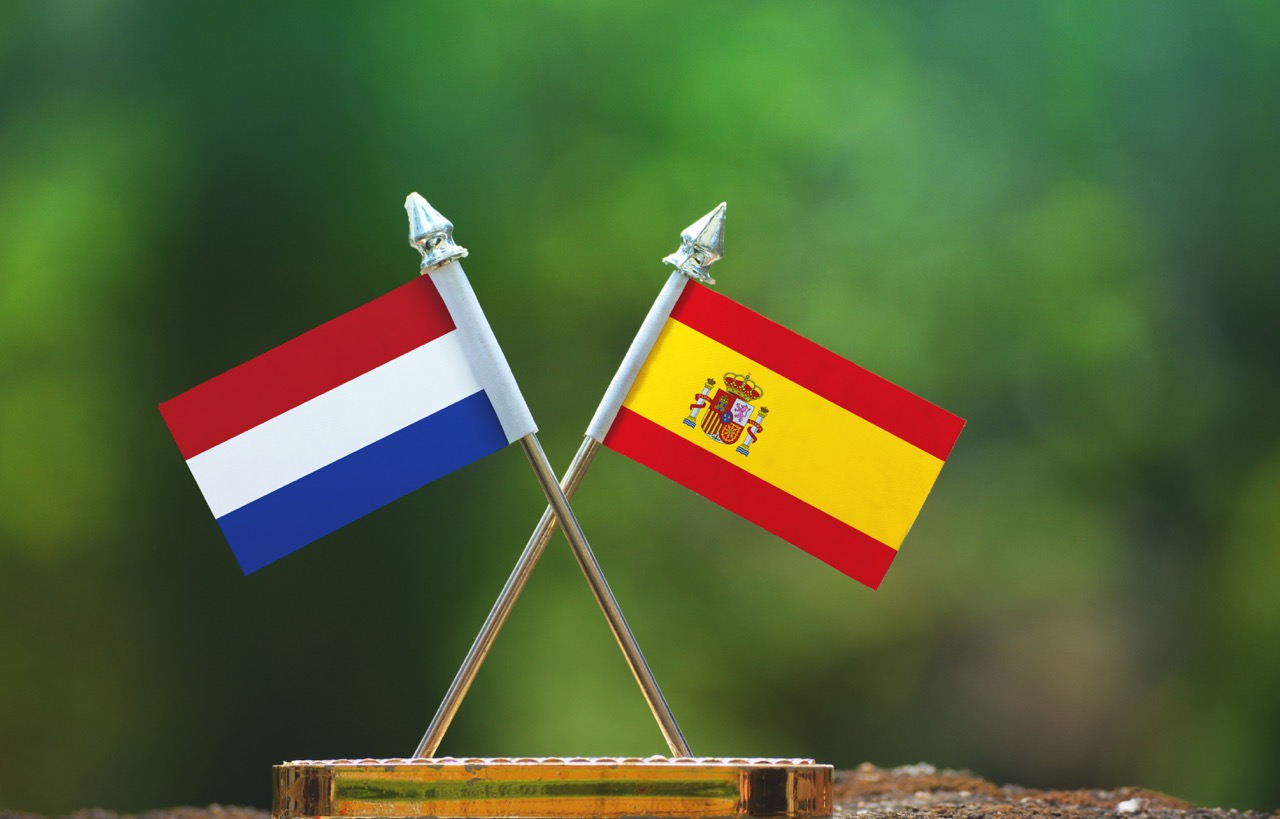
The Allure of Spain for Dutch Emigrants
Spain, with its sun-drenched landscapes, vibrant culture, and relaxed pace of life, has long been a magnet for those seeking a change from the colder, more temperate climates of northern Europe. Among those drawn to Spain’s charms, Dutch emigrants have formed a significant and growing community. Whether motivated by the appeal of year-round sunshine, the prospect of a more outdoor-oriented lifestyle, or the dream of living among world-class beaches and historic cities, Dutch nationals are increasingly making Spain their new home.
This comprehensive guide delves into the top Spanish regions where Dutch people are flocking, exploring the unique attractions of each area, the lifestyle they offer, and practical considerations for those contemplating the move. From the glittering coasts of the Costa Blanca to the dynamic urban life of Madrid and Barcelona, discover where the Dutch feel most at home under the Spanish sun.
Why Are Dutch People Choosing Spain?
Before exploring the specific regions, it is essential to understand the driving forces behind this migration trend. While every individual’s circumstances are unique, several common factors draw Dutch citizens towards Spain:
- Climate: Spain’s Mediterranean climate, with its mild winters and hot, dry summers, is a significant draw for those seeking relief from the Netherlands’ grey skies and frequent rain.
- Quality of Life: From bustling city life to tranquil coastal villages, Spain offers a pace and quality of life that many find appealing, with an emphasis on family, socialising, and enjoying the outdoors.
- Cost of Living: While Spain features some luxury locales, everyday expenses, particularly outside the major cities, can be considerably lower than in the Netherlands.
- Healthcare: Spain’s public healthcare system is highly regarded, and private options are also plentiful and affordable for expatriates.
- Accessibility: Modern infrastructure and excellent transport links make it easy for Dutch emigrants to travel between Spain and the Netherlands, maintaining ties with family and friends.
With these factors in mind, let us explore the most popular regions Dutch people are choosing when emigrating to Spain.
Costa Blanca: The White Coast’s Enduring Appeal
The Costa Blanca, stretching along the southeastern coast of Spain in the province of Alicante, stands out as a perennial favourite among Dutch emigrants. Known for its endless sandy beaches, clear turquoise waters, and vibrant expat communities, this region combines natural beauty with modern living.
Benidorm: The Lively Heart of Costa Blanca
Benidorm, once a small fishing village, has transformed into a bustling resort city. Its iconic skyline, blue flag beaches, and lively nightlife make it a top choice for Dutch expats seeking a vibrant lifestyle. The city caters to all ages, with family-friendly attractions, an array of international restaurants, and a calendar packed with festivals.
- Community: A substantial Dutch-speaking community makes integration easier, with Dutch shops, schools, and clubs readily available.
- Property: Apartments with sea views, modern high-rises, and traditional Spanish houses offer a wide range of choices for every budget.
- Accessibility: Alicante Airport is just a short drive away, offering regular flights to the Netherlands.
Altea: Artistic Charm and Tranquility
For those seeking a slower pace, Altea offers a picturesque alternative. Renowned for its whitewashed old town, cobbled streets, and thriving art scene, Altea attracts Dutch emigrants with an appreciation for culture and beauty. The town’s relaxed atmosphere, combined with its proximity to larger cities, allows residents to enjoy the best of both worlds.
- Culture: Art galleries, music festivals, and local crafts are integral to Altea’s identity.
- Nature: The surrounding hills provide hiking and biking opportunities, while the beaches are perfect for water sports.
- Community: A welcoming expat scene supports newcomers in settling in and building friendships.
Javea and Moraira: Family-Friendly Coastal Living
Javea and Moraira, located a bit further north, are particularly popular with Dutch families. These towns boast excellent international schools, safe environments, and a wealth of outdoor activities. The blend of traditional Spanish charm and modern amenities makes these areas ideal for both holidaymakers and permanent residents.
- Education: Dutch and international schools cater to children of all ages, easing the transition for families.
- Recreation: Sailing, golf, hiking, and tennis are just a few of the leisure activities available.
- Real Estate: Villas with private pools, terraced houses, and apartments offer diverse options for homebuyers.
Costa del Sol: Sunshine, Sophistication, and Opportunity
The Costa del Sol, spanning the southern coast of Spain in the province of Málaga, is another hotspot for Dutch emigrants. Famous for its miles of golden beaches, world-class golf courses, and cosmopolitan atmosphere, this region caters to a broad spectrum of tastes and lifestyles.
Marbella: Luxury Living Redefined
Marbella exemplifies upscale Mediterranean living, attracting Dutch expatriates in search of luxury and exclusivity. Renowned for its glamorous marina, designer boutiques, gourmet dining, and vibrant nightlife, Marbella also maintains a family-friendly environment with excellent schools and leisure facilities.
- Properties: From beachfront penthouses to sprawling villas in gated communities, Marbella offers some of Spain’s most prestigious real estate.
- International Community: Dutch residents are well-represented, with social clubs and events fostering a strong sense of community.
- Leisure: Golf, yachting, equestrian sports, and wellness centres abound, ensuring an active and engaging lifestyle.
Estepona: Authentic Andalusian Spirit
Just west of Marbella, Estepona captivates with its charming old town, beachfront promenade, and subtropical gardens. Dutch emigrants are drawn to Estepona’s blend of Andalusian authenticity and modern conveniences, with a slower pace and more relaxed atmosphere compared to its glitzy neighbour.
- Community Feel: Estepona’s welcoming vibe makes it easy to connect with locals and fellow expats alike.
- Development: Recent investments in infrastructure and amenities have elevated Estepona’s appeal for both investors and families.
- Nature: The Sierra Bermeja mountains provide a dramatic backdrop, offering hiking and panoramic views.
Málaga: Urban Energy with Historic Roots
The city of Málaga, the Costa del Sol’s cultural and economic hub, offers a dynamic blend of history, art, and urban living. Dutch expats who prefer a city lifestyle are attracted to Málaga’s thriving culinary scene, museums, and excellent transport connections.
- Culture: Home to the Picasso Museum, Roman Theatre, and Moorish fortress, Málaga is a treasure trove for history lovers.
- Connectivity: High-speed trains and an international airport make travel across Spain and Europe effortless.
- Property: Restored historic apartments, modern condos, and coastal homes cater to diverse preferences.
Catalonia: Barcelona and Beyond
Catalonia, with its famed capital Barcelona, is a region that appeals to Dutch emigrants seeking the excitement of a cosmopolitan city or the tranquility of the Catalan countryside. Its unique culture, language, and architecture provide a distinctive living experience.
Barcelona: Urban Living at Its Finest
Barcelona’s status as a global city is undeniable. Dutch professionals, entrepreneurs, and creatives are drawn to its innovative business environment, world-class universities, and cultural richness. The city’s blend of Gothic, Modernist, and contemporary architecture creates a visually stunning backdrop for everyday life.
- Work Opportunities: Barcelona’s tech sector, creative industries, and international companies offer numerous career prospects.
- Education: Renowned international schools and universities make Barcelona attractive for families and students.
- Lifestyle: Beaches, parks, and a never-ending array of cultural events ensure a vibrant social life.
Sitges: Coastal Sophistication
Just south of Barcelona, Sitges is a chic seaside town celebrated for its art scene, film festivals, and inclusive atmosphere. Dutch expatriates appreciate Sitges’ lively yet laid-back vibe, pristine beaches, and easy access to Barcelona’s amenities.
- Community: A strong expat presence and welcoming locals make integration seamless.
- Events: The Sitges Film Festival and Carnival attract visitors from around the world, fostering a cosmopolitan spirit.
- Property: Elegant townhouses, beachfront apartments, and modern villas are available for buyers and renters alike.
Girona Province: Countryside Charm and Coastal Beauty
North of Barcelona, the province of Girona offers a more rural and traditional lifestyle. Medieval villages, rolling hills, and the stunning Costa Brava coastline provide a serene setting for Dutch emigrants seeking tranquility and natural beauty.
- Nature: Hiking, cycling, and water sports abound, with easy access to both mountains and sea.
- Cultural Heritage: Towns like Besalú and Cadaqués boast rich histories and architectural marvels.
- Community: A growing number of Dutch families and retirees have established roots in the region.
Balearic Islands: Mediterranean Paradise
The Balearic Islands – Mallorca, Ibiza, Menorca, and Formentera – are synonymous with luxury, relaxation, and natural splendour. Dutch emigrants seeking an island lifestyle are particularly drawn to the Balearics for their unique blend of culture, scenery, and cosmopolitan flair.
Mallorca: The Island of Diversity
Mallorca, the largest of the Balearics, offers a remarkable variety of landscapes, from bustling Palma to tranquil mountain villages and secluded coves. Dutch residents are attracted to the island’s quality of life, excellent schools, and thriving international community.
- Palma: The capital city features a vibrant arts scene, gourmet restaurants, and historic architecture.
- Southwest Coast: Towns like Santa Ponsa and Portals Nous are favourites among families and retirees.
- Rural Retreats: The Tramuntana mountains and inland fincas appeal to those seeking privacy and nature.
Ibiza: Bohemian Spirit and Natural Beauty
Famous for its nightlife, Ibiza is also a haven of natural beauty, serene countryside, and traditional villages. Dutch emigrants, especially creatives and entrepreneurs, are drawn to the island’s free-spirited atmosphere and opportunities for both business and relaxation.
- Communities: International residents, including a thriving Dutch community, create an inclusive environment.
- Wellness: Yoga retreats, organic markets, and eco-friendly living are integral to Ibiza’s appeal.
- Property: From modern villas to rustic farmhouses, a diverse real estate market caters to varying tastes.
Menorca and Formentera: Tranquility and Tradition
For those seeking peace and authenticity, Menorca and Formentera offer a slower-paced lifestyle. Pristine beaches, protected natural parks, and charming villages make these islands ideal for Dutch emigrants wishing to escape the crowds.
- Nature: Menorca’s UNESCO biosphere reserve status ensures the preservation of its unique landscapes.
- Community: Smaller expat populations create tight-knit, supportive networks.
- Tradition: Local festivals and customs are enthusiastically preserved and celebrated.
Madrid: The Heart of Spain
As Spain’s capital and largest city, Madrid is a magnet for Dutch expatriates who crave energy, opportunity, and cultural richness. The city’s impressive blend of history, art, and modern living provides an unparalleled urban experience.
Living in Madrid: Cosmopolitan and Connected
Madrid boasts world-class museums, a thriving culinary scene, and a bustling nightlife. Its central location makes it an ideal base for exploring the rest of Spain and Europe. Dutch professionals, families, and students are drawn to Madrid for its job prospects, educational institutions, and dynamic lifestyle.
- Employment: Opportunities abound in finance, technology, education, and tourism.
- Education: International schools and universities cater to expatriate families.
- Transport: Madrid’s extensive metro, rail, and road networks ensure easy commuting and travel.
Neighbourhoods Popular with Dutch Expats
Madrid’s diverse neighbourhoods offer something for everyone:
- Salamanca: Known for luxury shopping, elegant boulevards, and upmarket residences.
- Chamberí: A traditional area with beautiful architecture and a lively cultural scene.
- Chamartín: Home to many international businesses and excellent transport links.
- Retiro: Close to the iconic park, offering a green oasis in the city centre.
Each neighbourhood has its distinct character, ensuring Dutch emigrants can find the perfect fit for their lifestyle.
Valencia: A City of Arts, Beaches, and Innovation
Valencia, Spain’s third-largest city, combines the best of Mediterranean living with a forward-thinking spirit. Dutch expatriates are attracted to its stunning architecture, world-famous festivals, and dynamic economy.
Why Dutch People Love Valencia
- Beaches: The city’s wide, sandy beaches are just minutes from the historic centre.
- Green Spaces: The Turia Gardens, a former riverbed turned park, offers 9 km of recreation and relaxation.
- Innovation: Valencia is a hub for technology, science, and sustainable living.
- Festivals: The Fallas festival is a highlight, blending tradition with spectacular creativity.
Neighbourhoods Popular with Dutch Expats
Dutch emigrants are drawn to districts such as:
- El Carmen: A historic centre with lively nightlife and cultural attractions.
- Ruzafa: Known for its bohemian vibe, trendy cafés, and creative community.
- Alameda: Close to the Turia Gardens, offering modern apartments and green views.
The city’s efficient transport system and proximity to both mountains and the sea make it a versatile choice for Dutch nationals.
Andalusia: Tradition, Culture, and Natural Beauty
Andalusia, in southern Spain, is renowned for its dramatic landscapes, rich cultural heritage, and warm, welcoming people. Dutch emigrants seeking an authentic Spanish experience often settle in this region, drawn by its diversity and affordability.
Seville: The Soul of Andalusia
Seville enchants residents with its spectacular architecture, lively flamenco scene, and historic charm. Dutch expats appreciate the city’s blend of tradition and modernity, as well as its affordable cost of living.
- Culture: The Alcázar, Cathedral, and Plaza de España are just a few of the city’s many treasures.
- Events: Semana Santa and Feria de Abril are celebrated with passion and splendour.
- Community: An active international community ensures newcomers quickly feel at home.
Granada: History and Mountain Scenery
Nestled at the foot of the Sierra Nevada, Granada is famous for the Alhambra palace and its vibrant student population. Dutch emigrants are attracted to the city’s artistic energy, mountain sports, and relaxed lifestyle.
- Education: The University of Granada draws students and academics from around the world.
- Nature: Skiing in winter, hiking in summer – the Sierra Nevada offers year-round recreation.
- Affordability: Lower property prices and living costs make Granada an attractive option.
Cádiz and the Costa de la Luz: Untamed Beauty
The Atlantic-facing Costa de la Luz is less developed than the Mediterranean coasts, offering wide sandy beaches and a wilder, more natural environment. Dutch expatriates seeking peace and connection with nature are increasingly drawn here.
- Beaches: Tarifa, Zahara de los Atunes, and Conil are famed for their unspoiled beauty.
- Water Sports: Windsurfing, kitesurfing, and sailing are popular pursuits.
- Culture: Cádiz, Europe’s oldest city, is steeped in history and charm.
The Canary Islands: Eternal Springtime
Located off the northwest coast of Africa, the Canary Islands enjoy a subtropical climate and spectacular volcanic scenery. Dutch emigrants seeking year-round warmth and outdoor living find the archipelago particularly appealing.
Tenerife: Diversity and Opportunity
Tenerife, the largest of the Canary Islands, offers a wide variety of environments, from bustling cities to quiet villages and dramatic natural landscapes. The island’s excellent infrastructure and connectivity make it a favourite among Dutch residents.
- Santa Cruz: The capital boasts a lively cultural scene, shopping, and dining.
- Costa Adeje: Popular for its luxury resorts, golf courses, and beaches.
- Nature: Mount Teide, Spain’s highest peak, offers hiking and breathtaking vistas.
Gran Canaria: Cosmopolitan Island Life
Gran Canaria is noted for its diverse microclimates, urban attractions, and international community. Dutch emigrants appreciate the island’s friendly atmosphere and opportunities for business and leisure.
- Las Palmas: The island’s capital is a hub for business, culture, and nightlife.
- South Coast: Maspalomas and Playa del Inglés are famous for their resorts and beaches.
- Community: A significant Dutch presence supports new arrivals in adapting to island life.
Understanding the Dutch Expat Community in Spain
The Dutch community in Spain is diverse, ranging from retirees seeking a peaceful haven to young professionals and families pursuing career opportunities and a superior quality of life. Integration is often facilitated by the presence of Dutch associations, schools, and businesses, as well as a shared appreciation for Spain’s culture and lifestyle.
Social Integration and Support Networks
Dutch associations and clubs provide an essential support system for newcomers, offering language courses, cultural events, and social gatherings. These networks help ease the transition and foster a sense of belonging.
- Language: While many Dutch speak excellent English and often learn Spanish quickly, Dutch-language groups offer comfort and familiarity.
- Events: King’s Day, Sinterklaas, and other traditional Dutch celebrations are observed in expat communities throughout Spain.
- Business: Dutch-owned shops, restaurants, and service providers create opportunities for connection and entrepreneurship.
Education and Dutch Schools in Spain
For families, access to quality education is paramount. Many regions popular with Dutch emigrants feature Dutch or international schools, offering bilingual curricula and facilitating a smooth educational transition for children.
- Curriculum: Dutch schools abroad often follow the Dutch educational system, ensuring continuity.
- International Schools: Offering English, Spanish, and other language options, these schools promote multicultural understanding.
- Community: Schools often serve as hubs for social interaction among Dutch families.
Healthcare and Wellbeing
Spain’s healthcare system is highly rated, and Dutch emigrants are eligible for public healthcare once registered as residents. In addition, private health insurance is widely available and affordable.
- Medical Facilities: Modern hospitals and clinics are found throughout Spain, with English- and Dutch-speaking staff in many areas.
- Wellbeing: The Mediterranean diet, outdoor lifestyle, and emphasis on social connection contribute to overall health and happiness.
- Retirement: Many Dutch retirees choose Spain for its climate, healthcare, and relaxed pace of life.
Real Estate: Finding Your Dream Home in Spain
One of the most exciting aspects of emigrating to Spain is the opportunity to find your dream home, whether it be a contemporary apartment, a traditional villa, or a rural finca. The Spanish property market offers tremendous variety, particularly in the regions most popular with Dutch buyers.
Buying Property: Key Considerations
Purchasing real estate in Spain requires careful planning and professional guidance. Key factors to consider include:
- Location: Proximity to amenities, schools, transport, and the beach or countryside.
- Type of Property: Apartments, townhouses, villas, fincas, and new developments are all available.
- Legal Process: Understanding the buying process, from reservation contracts to completion, is essential.
- Financing: Mortgages are available to non-residents, though terms and requirements may vary.
- Taxes and Fees: Buyers should budget for additional costs such as transfer tax, notary fees, and registration.
Popular Property Types Among Dutch Emigrants
- Beachfront Apartments: Ideal for those seeking easy access to the sea and vibrant social scenes.
- Detached Villas: Offer privacy, gardens, and often private pools – perfect for families and retirees.
- Pueblos Blancos: Traditional whitewashed village homes in Andalusia appeal to those in search of authenticity.
- Rural Fincas: Character properties with land, often in Mallorca, Girona, or Andalusia, suit those seeking peace and space.
- Urban Condos: Modern apartments in city centres offer convenience and a cosmopolitan lifestyle.
Renting vs. Buying
Some Dutch emigrants prefer to rent initially before making a purchase. Renting provides flexibility and allows new arrivals to experience different areas before committing long-term.
- Rental Market: Apartments, houses, and villas are available for both short- and long-term rental.
- Lease Terms: Standard contracts typically run for 12 months, with options for renewal.
- Furnished vs. Unfurnished: Both options are widely available, depending on personal preferences.
Cost of Living: Spain vs. The Netherlands
One of the advantages of moving to Spain is the generally lower cost of living compared to the Netherlands, though this can vary greatly by region and lifestyle.
Housing Costs
Property prices and rental costs are often significantly lower in Spain, particularly outside major cities. Coastal and rural areas offer exceptional value, while prime locations in Madrid, Barcelona, and Marbella command higher prices.
Everyday Expenses
- Groceries: Local markets and supermarkets offer fresh produce, fish, and meat at reasonable prices.
- Dining Out: Eating out is affordable, with a variety of options from tapas bars to high-end restaurants.
- Utilities: Electricity, water, and internet costs are generally on par with or lower than in the Netherlands.
- Transport: Public transport is efficient and affordable, especially in cities.
- Healthcare: Public healthcare is low-cost or free for residents; private insurance is also affordable.
Comparing Lifestyle
The Spanish lifestyle emphasizes outdoor living, socializing, and enjoyment of leisure time. Many Dutch emigrants find their quality of life improves through greater access to sunshine, nature, and cultural activities.
Legal and Administrative Steps for Emigrating to Spain
Moving to Spain involves several administrative steps, from obtaining residency to registering for healthcare and navigating tax obligations.
Residency and Registration
- NIE Number: All foreigners must obtain a Número de Identidad de Extranjero (NIE) for legal and financial transactions.
- Residency Certificate: Dutch citizens can reside in Spain but must register with the local town hall (empadronamiento) and, if staying longer than three months, apply for a residence certificate.
- Healthcare Registration: Once registered, residents can access Spain’s public healthcare system.
Banking and Finances
- Opening a Bank Account: Necessary for paying bills, receiving salaries, and property transactions.
- Taxation: Dutch emigrants should consult a tax advisor to understand their obligations in both Spain and the Netherlands.
- Currency: Spain uses the euro, making financial transfers between the two countries straightforward.
Driving and Transport
- Driving Licences: Dutch licences are valid in Spain, but residents should exchange them for a Spanish licence after a period.
- Car Registration: Imported vehicles must be registered and taxed in Spain.
- Public Transport: Major cities offer extensive metro, bus, and rail networks.
Cultural Adaptation: Embracing Spanish Life
Adapting to life in Spain involves more than just practicalities. Embracing local customs, language, and social norms enhances the emigrant experience and leads to a richer, more rewarding life.
Learning Spanish
While many Spaniards speak English, learning Spanish is essential for full integration. Language schools, online courses, and community classes are widely available, and immersion in daily life accelerates language acquisition.
Social Customs and Etiquette
- Greetings: Spaniards are warm and expressive; a handshake or kiss on both cheeks is common.
- Meal Times: Lunch is the main meal, often eaten between 2 and 3 pm; dinner is typically late, around 9 pm or later.
- Fiestas: Local festivals and holidays are celebrated with enthusiasm and offer opportunities to connect with neighbours and friends.
- Pace of Life: The Spanish concept of ‘mañana’ reflects a more relaxed attitude towards time and deadlines.
Engaging with the Community
Participation in local events, volunteering, and joining clubs or sports teams are excellent ways for Dutch emigrants to build friendships and immerse themselves in Spanish society.
Challenges and Solutions: Navigating the Move
Relocating to a new country is an exciting adventure, but it also presents challenges. Understanding these in advance – and knowing how to address them – ensures a smoother transition.
Language Barriers
Initial language difficulties can be overcome through courses, practice, and patience. Many regions with large Dutch communities offer language support and translation services.
Bureaucracy
Spanish bureaucracy can be complex, particularly for those unfamiliar with the system. It is advisable to seek professional assistance for legal, tax, and property matters, and to allow plenty of time for administrative procedures.
Cultural Differences
Differences in work culture, social norms, and daily routines can require adjustment. An open mind and willingness to embrace new experiences are essential for successful adaptation.
Homesickness and Family Ties
Maintaining connections with family and friends in the Netherlands is important. Regular visits, online communication, and involvement in the Dutch expat community help bridge the distance.
Success Stories: Dutch Emigrants Thriving in Spain
Across Spain, Dutch emigrants are building fulfilling lives, contributing to their communities, and enjoying the benefits of their new environment. From entrepreneurs launching businesses to retirees finding peace by the sea, their stories inspire others to follow in their footsteps.
Entrepreneurial Spirit
Many Dutch emigrants bring their business acumen to Spain, opening restaurants, shops, wellness centres, and tech startups. Their success stories demonstrate the opportunities available in Spain’s dynamic economy.
Creative Pursuits
Artists, writers, and musicians from the Netherlands find inspiration in Spain’s light, landscapes, and vibrant culture. Many have established studios, galleries, and creative networks, contributing to the country’s cultural richness.
Family Life and Education
Dutch families appreciate the emphasis on family time, outdoor activities, and high-quality education. Children adapt quickly, often becoming fluent in Spanish and making friends from around the world.
Retirement in the Sun
For retirees, Spain offers a combination of excellent healthcare, affordable living, and endless opportunities for leisure. Many describe their move as life-changing, with improved health and happiness.
Future Trends: The Evolving Dutch Presence in Spain
The Dutch community in Spain continues to grow and evolve. As remote work becomes more common, increasing numbers of Dutch professionals are choosing Spain for its lifestyle advantages and digital connectivity.
- Remote Work: Spain’s infrastructure and quality of life make it an ideal destination for digital nomads and remote workers.
- Sustainability: Many Dutch emigrants are involved in eco-friendly initiatives, organic farming, and sustainable tourism.
- Integration: As the Dutch community becomes more established, integration with Spanish society deepens, enriching both cultures.
Conclusion: Making the Move with Confidence
Emigrating to Spain offers Dutch nationals a unique opportunity to enhance their quality of life, embrace new experiences, and become part of vibrant, welcoming communities. Whether drawn to the sunny coasts, dynamic cities, or tranquil countryside, Dutch emigrants are finding their place in Spain’s diverse regions.
With careful planning, a spirit of adventure, and the support of professional guidance, the dream of living in Spain can become a rewarding reality. For those considering the move, the key is to research thoroughly, visit different regions, and connect with those who have already made the journey. Spain awaits with open arms, ready to offer sunshine, culture, and a new way of life.