





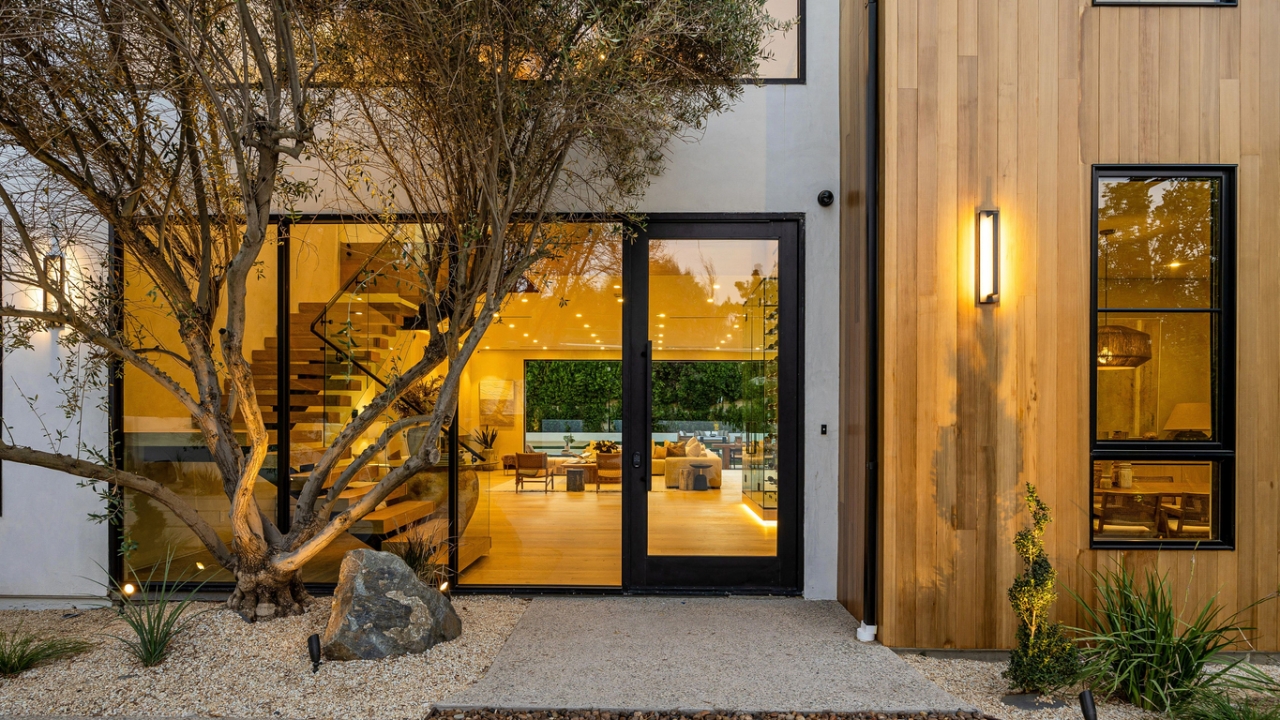
Energy Independence Starts at Home: Inside Net Zero Prefab Living
In the 21st century, conversations about sustainability, energy independence, and climate resilience are more critical than ever before. More homeowners are taking the initiative to transform their lifestyles and living environments, focusing on minimizing their ecological impact through the decisions they make about where and how they live. Net zero prefab homes have emerged at the forefront of this movement, offering a holistic solution that marries cutting-edge energy efficiency with modern convenience and style.
This comprehensive article will delve deep into the concept of net zero prefab living, examining every facet of the phenomenon from foundational principles and technology to practical implementation. By the end, you’ll understand why energy independence truly starts at home and how net zero prefab homes are revolutionizing the future of residential living.
Table of Contents
- Defining Net Zero: A New Standard in Sustainability
- Prefab Homes: Revolutionizing Construction and Architecture
- Core Principles of Net Zero Prefab Living
- Systems for True Energy Independence
- Renewable Energy Technologies in Net Zero Prefabs
- Design, Materials, and Insulation: Maximizing Efficiency
- Water Efficiency and Indoor Air Quality
- Smart Home Integration for Energy Management
- Economics: Costs, Savings, and Value Appreciation
- Overcoming Barriers to Adoption
- Success Stories: Case Studies of Net Zero Prefab Living
- Future Trends and the Path Forward
Defining Net Zero: A New Standard in Sustainability
Net zero is a concept that has become a lodestar for sustainable development. In the context of residential homes, a net zero home is engineered, constructed, and operated in such a way that the total amount of energy it consumes on an annual basis is equal to or less than the renewable energy it produces onsite.
What Does Net Zero Mean for Homeowners?
Here's a working definition:
- Energy Use: The home is highly efficient, consuming minimal energy for heating, cooling, and running appliances.
- Onsite Generation: The home produces at least as much renewable energy—typically via solar, wind, or geothermal—as it needs for its operations over the course of a year.
- Grid Relationship: Most net zero homes are grid-tied, using the grid as virtual storage. Excess energy produced during the day or season is credited against consumption at night or cloudy periods.
This net balancing of energy means reduced dependence on public utilities, lighter ecological footprints, and, often, significant cost savings.
Why Is Net Zero Important?
- Climate Change Mitigation: Buildings are responsible for nearly 40% of global energy-related carbon emissions. Net zero construction can drastically cut this figure.
- Energy Security: Generating your own energy insulates you against price hikes, blackouts, and fossil fuel volatility.
- Resilient Communities: Neighborhoods populated with net zero homes are more resilient to extreme weather, grid instability, and emergencies.
Prefab Homes: Revolutionizing Construction and Architecture
Prefab (prefabricated) homes change the way we build, offering an alternative to traditional ‘stick-built’ construction. Rather than being constructed entirely onsite, prefab homes are manufactured in segments (modules or panels) in a factory and then assembled at their final location.
Types of Prefab Homes
- Modular Homes: Constructed in large modules that are transported and joined together onsite.
- Panelized Homes: Delivered as wall or floor panels for assembly at the site.
- Kit Homes: Delivered as a ‘kit of parts’ for owner/builder assembly.
- Tiny Prefab Homes: Compact, fully-contained units that can be relocated as needed.
Advantages of Prefab Construction
- Quality Control: Factory-made components benefit from consistent craftsmanship and weatherproof production environments.
- Speed: Construction times are significantly shorter than traditional methods, reducing overall project timelines by weeks or months.
- Less Waste: Factory processes deliver higher efficiency and less construction waste.
- Cost Efficiency: Predictable costs, bulk purchasing, and shorter construction timelines often translate into budget savings for homeowners.
Core Principles of Net Zero Prefab Living
Achieving net zero in a prefab home requires an integrated approach. These are the core principles guiding both the design and daily life within such homes:
-
Maximum Energy Efficiency:
- High-performance building envelope (walls, roof, floors, insulation)
- Ultra-efficient windows and doors
- Advanced air-sealing techniques
-
Onsite Renewable Generation:
- Solar photovoltaic (PV) panels
- Residential wind turbines (if location allows)
- Solar thermal for hot water
-
Smart Energy Management:
- Automated heating, cooling, and lighting controls
- Home energy monitoring systems
- Integration of battery storage for grid resilience
-
Water Stewardship:
- Low-flow fixtures, rainwater harvesting, and greywater recycling
-
Healthy, Comfortable Living Spaces:
- Ventilation for superior indoor air quality
- Daylighting techniques for natural illumination
Bringing these principles together through careful planning and precise construction creates a home that is not only energy independent but also healthier and more comfortable for its occupants.
Systems for True Energy Independence
Energy independence in the context of residential living isn't just about producing as much electricity as you consume; it's about control, resilience, and self-sufficiency. Net zero prefab homes leverage a variety of systems to achieve this adaptability:
1. Building Envelope Systems
- Superinsulated walls and roof keep heat in during winter and out during summer.
- Triple-glazed windows reduce heat transfer and improve comfort.
- Continuous air barriers prevent drafts, reducing HVAC loads and increasing efficiency.
2. HVAC and Ventilation
- Heat Recovery Ventilators (HRVs) or Energy Recovery Ventilators (ERVs): These ensure constant fresh air while recovering the thermal value of exhausted air, maintaining indoor air quality without excessive energy loss.
- Air-source or ground-source heat pumps: These technologies provide ultra-efficient heating and cooling while drawing energy from outside air or underground.
3. Lighting and Appliances
- LED lighting throughout reduces electrical loads significantly.
- ENERGY STAR appliances are standard, minimizing plug loads and energy consumption.
4. Renewable Generation and Storage
- Photovoltaic (PV) Solar Arrays: Tailored for the home’s energy needs and roof orientation.
- Home Battery Systems: Such as Tesla Powerwall or LG Chem batteries, enable storage of excess solar electricity for nighttime or emergency usage.
- Electric Vehicle (EV) Integration: Some net zero homes are designed with EV charging, leveraging their car’s battery as a supplementary home energy storage solution.
5. Water Conservation & Treatment
- Low-flow plumbing fixtures, smart irrigation timers, and rainwater catchment systems drastically reduce water use and support sustainability goals.
- Water purification systems ensure high-quality potable water supply.
Renewable Energy Technologies in Net Zero Prefabs
The DNA of any net zero home is its renewable energy system. Prefab homes are ideal candidates for integrating these cutting-edge technologies due to their precision-built structures and modular adaptability.
Photovoltaic Solar Panels
- Roof-integrated or rack-mounted systems
- Direct current (DC) power converted to usable alternating current (AC) via inverters
- Sizing based on home’s projected annual energy use ensures genuine net zero performance
Solar Thermal Systems
Solar thermal collectors can preheat water for domestic hot water or radiant floor heating, dramatically reducing the energy load on electric or gas water heaters.
Wind Power Integration
Though less common for single homes due to zoning and space requirements, small wind turbines can be feasible on properties with consistent wind speeds, offering a valuable supplement to solar.
Geothermal (Ground-Source Heat Pumps)
These systems use the stable underground temperature to provide super-efficient heating and cooling. While more expensive upfront, the efficiency gain pays dividends over the life of the system.
Home Battery Storage
Advancements in lithium-ion batteries have made in-home storage not only feasible but highly practical. When paired with intelligent energy management, batteries allow homes to shift their energy use temporally, using solar energy at night or through outages and maximizing energy independence.
Design, Materials, and Insulation: Maximizing Efficiency
Net zero prefab homes are much more than a showcase for gadgets; their most important features are often invisible—their architecture, orientation, and envelope.
Passive Solar Design
- Homes are oriented to maximize southern exposure in the Northern Hemisphere, harnessing free solar heat in winter.
- Roof overhangs, shades, and landscaping prevent summer overheating.
- Thermal mass (concrete, masonry, etc.) stores solar heat during the day and releases it at night.
High-Performance Insulation
- Structural Insulated Panels (SIPs): Common in prefab construction, SIPs combine insulation and structure to sharply boost R-values.
- Spray foam, cellulose, and mineral wool: These modern insulations provide deep thermal resistance and sound attenuation.
Advanced Windows & Doors
- Low-emissivity (Low-E) triple-glazed windows significantly cut heat loss/gain while offering abundant daylight and views.
- Insulated, air-tight doors prevent leakage and drafts, which is crucial in tight prefab construction.
Sustainable, Low-Carbon Materials
- Engineered wood, bamboo, and recycled content finishes reduce embodied carbon in construction.
- Low-VOC paints, adhesives, and finishes protect occupant health and air quality.
All these strategies come together under a holistic design philosophy, prioritizing every aspect of energy performance from the foundation up.
Water Efficiency and Indoor Air Quality
Resource use doesn’t stop at energy—a true net zero home must also address water demand and healthy indoor air for its inhabitants.
Water Conservation Technologies
- Low-flow faucets, showerheads, and toilets: These fixtures dramatically lower water consumption without sacrificing performance.
- Greywater systems: Treat and reuse lightly used water (from sinks, laundry, etc.) for irrigation or toilet flushing, slashing potable water needs.
- Rainwater harvesting systems: Collect, filter, and store rainwater for outdoor use or, with treatment, indoor non-potable applications.
Indoor Air Quality Systems
- Continuous mechanical ventilation (HRV/ERV): Maintains healthy levels of oxygen, removes CO2 and pollutants, and controls humidity.
- HEPA filtration: Captures fine dust, pollen, and airborne allergens for improved respiratory health.
- Low-emission interiors: Furnishings, paints, and surfaces with minimal chemical off-gassing help create a truly healthy home atmosphere.
Smart Home Integration for Energy Management
Modern net zero prefab homes are as much about intelligent living as they are about efficient hardware. Connected smart home systems provide the insight and automation necessary to optimize energy balance and comfort.
Key Smart Home Features
- Centralized Energy Dashboards: Monitor live and historic energy use, production, and storage for total transparency and actionable data.
- Connected Thermostats: Smart thermostats learn your schedule and preferences, adjusting comfort settings to maximize both efficiency and convenience.
- Automated Lighting and Shading: Lights and motorized shades that respond to daylight, occupancy, or schedule reduce unnecessary energy use while optimizing daylight utilization.
- Integrated EV Charging: Seamlessly schedule car charging during solar production peaks or off-peak grid times.
Artificial Intelligence and Remote Control
- Cloud-based systems can use machine learning algorithms to suggest behavior changes or automatically optimize energy consumption patterns based on weather forecasts or real-time grid carbon footprint.
- Remote control of all major home systems via smartphone apps ensures energy isn’t wasted on empty rooms or unnecessary heating and cooling, even when you’re away.
Economics: Costs, Savings, and Value Appreciation
The question on many homeowners’ minds: are net zero prefab homes worth it financially? The answer, increasingly, is yes—especially when using a whole-cost-of-ownership model that includes construction, operation, and long-term property value.
Upfront Investment
- Net zero prefab homes may carry a premium of 5-15% over conventional new builds, primarily due to additional insulation, high-efficiency windows, and renewable energy systems.
- This premium is often offset by streamlined prefab construction, which reduces both labor costs and delays.
Operational Savings
- With near-zero utility bills, traditional monthly energy expenses are virtually eliminated.
- Homes with battery backup can avoid the inconveniences and costs associated with power outages or peak demand surcharges.
Return on Investment (ROI) and Property Value
- Multiple studies have shown that energy-efficient homes command higher resale prices and faster sales times, especially as energy prices and homebuyer awareness rise.
- Some jurisdictions and lenders offer incentives, rebates, or preferential mortgage rates for net zero or verified green homes.
Environmental and Societal Value
- Reduced greenhouse gas emissions and energy draw from the grid offer climate and public health benefits that ripple through the community and beyond.
- Homeowners benefit from knowing they’re making a tangible impact on the planet for future generations.
Overcoming Barriers to Adoption
Despite the clear benefits, adoption of net zero prefab homes faces several challenges—though these are surmountable with education, advocacy, and innovation.
Knowledge Gaps
- Many potential buyers are unaware of the existence, practicality, or benefits of net zero prefab homes.
- Builders and realtors sometimes lack training to explain and promote these homes to clients.
Financing and Appraisal Issues
- Traditional financing can undervalue the benefits of energy efficiency, resulting in borrowing limits that don’t reflect long-term savings.
- Appraisers may not have adequate tools or standards for recognizing the value of high-performance homes.
Regulatory Barriers
- Local codes or HOA guidelines may limit renewable energy installations, rainwater collection, or alternative construction methods.
- Zoning may not easily accommodate off-grid or modular homes.
Supply Chain and Builder Readiness
- In some markets, suppliers and qualified tradespeople for net zero prefab homes are scarce.
- Building officials may be unfamiliar with innovative technologies, delaying approvals.
How to Overcome These Hurdles
-
Education:
- Public awareness campaigns, continuing education for realtors and lenders, and sharing customer success stories widen the market.
-
Policy Support:
- States like California now require solar on new homes, a trend that’s expanding. Municipalities offering incentives or streamlined permitting can tip the scales for buyers.
-
New Business Models:
- Prefab builders specializing in net zero design can offer simplified paths to ownership, including turnkey and financing packages.
Success Stories: Case Studies of Net Zero Prefab Living
Numbers and theory are compelling, but real-life experiences drive the point home. Here are several case studies from across the globe, each demonstrating a unique aspect of net zero prefab living:
1. The “Unity Home” in New Hampshire, USA
- Designed by Bensonwood, this 2,490-square-foot prefab home utilizes CLT (cross-laminated timber) panels, triple-glazed windows, deep insulation, and air sealing for dramatically reduced heating and cooling needs.
- Solar roof panels generate all required energy, with usage monitored and managed by a central “smart home” dashboard.
- Result: Performed at net positive, generating excess energy annually while delivering unmatched comfort through the New Hampshire winters.
2. The “Grand Designs” Passive House in London
- The Smith family’s compact, elegantly designed prefab home was built in a tight urban lot, achieving Passivhaus certification and net zero performance via extreme insulation, ventilation technology, and solar PV.
- The home has inspired hundreds of copycat projects across the UK and Europe, showing these ideas are viable in dense cities, not just rural sites.
3. Zero Energy Ready Community: “Babcock Ranch” in Florida
- Babcock Ranch is a planned town with roughly 20,000 net zero ready prefab homes, all powered by an onsite solar power plant and equipped for battery-ready energy independence.
- Despite hurricanes and grid interruptions, homes maintained comfort and operations, proving the resilience value of net zero communities.
4. Off-Grid Net Zero Prefab: “Sol-Ark Retreat” in Australia
- Built entirely off-grid, Sol-Ark combines prefab SIP panels for ultra-low energy demand with a hybrid solar and wind microgrid and rainwater collection.
- Researchers living in the home observed net positive energy results even in cloudy or winter periods, due to rigorous passive solar design.
5. Large-Scale Urban: “Haus 2+” in Germany
- A four-story prefab apartment block in the heart of Munich, “Haus 2+” uses prefab hybrid timber construction, integrated PV, greywater systems, and communal battery storage.
- Delivers net zero energy on a per-unit basis, providing affordable, climate-resilient housing for city dwellers.
These case studies highlight the adaptability, scalability, and proven success of net zero prefab approaches—from single-family mountain escapes to urban multi-unit dwellings.
Future Trends and the Path Forward
The future of residential energy independence and sustainability is clearly modular, efficient, and intelligent. Several key trends are set to accelerate the adoption and performance of net zero prefab living:
1. Mainstreaming Electrification and Renewables
- As grid decarbonization accelerates and renewable technology costs plummet, net zero prefabs will become more cost-competitive and widely available.
- Requirements for electric-ready homes—including wiring for EV charging, induction cooking, and grid-interactive appliances—will become increasingly standard.
2. Mass Customization via Digital Design
- Digital design tools and Building Information Modeling (BIM) allow buyers to customize home layouts, finishes, and systems without sacrificing efficiency or speed.
- Factory robotics and 3D printing are on the horizon, opening doors to new construction techniques and bespoke, affordable prefab elements.
3. Grid Interaction and Community Microgrids
- Homes linked into virtual power plants (VPP) or local microgrids can sell excess energy, provide grid stability services, and even share stored power with neighbors in emergencies.
- This decentralized grid approach will blur the line between energy consumers and producers.
4. Resilience-Led Design
- Climate-driven increases in storms, wildfires, droughts, and heatwaves will see more buyers prioritizing resiliency features built into net zero prefab homes—such as backup generation, advanced weatherization, and even tornado- or hurricane-proof modular shells.
5. Policy and Incentives
- More governments are likely to enact building codes and incentives that all but require net zero performance for new residential construction.
- Financing tools, such as green mortgages and PACE loans, will make energy independence more accessible across income bands.
Conclusion: Why Energy Independence Really Starts at Home
Net zero prefab homes are no longer a futuristic ideal—they are a proven, practical, and increasingly popular pathway to energy independence, climate resilience, and smarter living. They represent the intersection of advanced design, technology, and environmental stewardship, setting a new benchmark for what a home can accomplish for its occupants, community, and the planet.
The transition to sustainable, energy-independent living is not only about reducing carbon footprints or minimizing utility bills; it's about empowering individuals, protecting families, and building communities that are robust in the face of an uncertain energy future. The choices we make in how we construct and inhabit our homes will echo through decades of environmental and economic change.
With the modular precision, efficient performance, and automated intelligence of net zero prefab living, more people than ever can play an active role in leading this transformation—an evolution that, at its core, always begins at home.