




Understanding the Spanish Retirement Dream: An Introduction
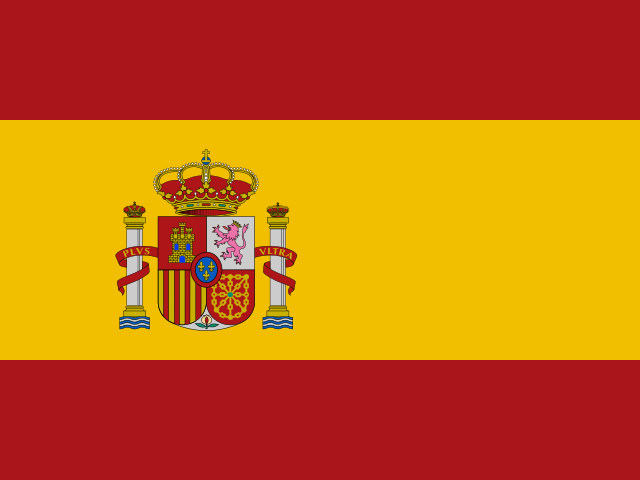
Spain consistently tops global charts as a favored retirement destination thanks to its enviable Mediterranean climate, vibrant culture, excellent healthcare system, and welcoming atmosphere. For retirees considering this sun-blessed nation as their retirement haven, the appeal extends beyond its spectacular coastlines, delicious cuisine, and historical charm. From relaxed village life to the exhilarating bustle of metropolitan cities, Spain offers diverse living experiences, financial advantages, and an elevated quality of life that attracts retirees from across the globe.
However, making the move isn’t as simple as packing bags and booking a plane ticket. To truly enjoy your retirement years in Spain, meticulous planning and comprehensive pre-arrangements are essential. Whether your heart is set on the Costa del Sol, the Balearic Islands, the heart of Andalusia, or bustling Barcelona, this guide will walk you through every detail you need to arrange before moving. Let’s embark together on crafting a seamless transition to your Spanish retirement dream.
Evaluating Your Readiness to Move: Self-Assessment Essentials
Before diving into the logistics of an international move, conduct an honest evaluation of your readiness for such a life-changing decision. Relocating overseas, especially for retirement, encompasses emotional, practical, and financial layers.
- Desire and Motivation: Assess what draws you to Spain. Is it the climate, the lifestyle, family connections, or a lifelong ambition?
- Communication: Reflect on your Spanish language proficiency. While many Spaniards speak English—especially in touristy or cosmopolitan areas—knowing basic Spanish will vastly improve your integration.
- Health and Mobility: Consider your health status. Investigate how Spain’s healthcare system will meet your long-term needs.
- Support Systems: Will you be leaving family behind? Will you have opportunities to make new friends, join local communities, and access expat networks?
Taking stock of these aspects helps ensure your move is not just feasible, but likely to bring the joy and security you envision.
Visa and Residency: Navigating Spanish Bureaucracy
Gaining the legal right to reside in Spain is the linchpin of your retirement plans. Spain offers several residency pathways for retirees, the most common being the Non-Lucrative Visa (NLV), designed explicitly for non-EU nationals who wish to retire without working in Spain.
Types of Visas for Retirees
- Non-Lucrative Visa (NLV): This visa permits retirees who can demonstrate financial means to reside in Spain, on the condition they do not work locally.
- Golden Visa: Available to those investing a significant sum in Spanish property or government bonds. This brings additional routes to permanent residency.
- EU/EEA Citizens: Citizens of the European Union, EEA countries, and Switzerland enjoy freedom of movement and need only register locally upon arrival.
Application Process for Non-Lucrative Visa
- Start from your home country: Applications are typically lodged through your nearest Spanish Consulate.
- Prepare Documentation: Required documents include:
- Valid passport (with at least 1 year’s validity)
- Completed visa application forms
- Proof of income and sufficient financial means (such as pension statements, investment returns, bank account balances)
- Comprehensive health insurance valid in Spain
- Medical certificate confirming absence of infectious diseases
- Criminal background check from your home country
- Submit Application: File your application and pay the relevant fee.
- Attend Interviews: Be prepared for a personal interview or requests for supplementary documentation.
- Receive Decision: Processing can take from several weeks to a few months. Plan your timeline accordingly.
Upon approval and arrival in Spain, you must register with local authorities and apply for your Tarjeta de Identidad de Extranjero (TIE - Foreigners’ Identity Card) within 30 days.
Financial Preparation: Managing Your Assets and Income
A successful and stress-free retirement in Spain requires sound financial planning. Think long-term, anticipating living expenses, currency exchange fluctuations, and tax obligations both at home and in Spain.
Establishing Financial Means
Spanish residency for retirees is contingent on demonstrating stable and adequate income. Authorities expect regular, reliable income streams such as pensions, investment returns, or rental income. As of 2024, the minimum annual threshold for a Non-Lucrative Visa hovers around €28,800 for the primary applicant, with additional amounts stipulated for dependents.
Managing Pensions and Income Streams
- Inform your pension provider about your move and confirm if your pensions can be paid abroad or require a local bank account.
- Explore options for private and state pensions, annuities, or any supplemental income streams.
- Consult with an international financial advisor to understand the tax efficiency of your choices and how they interact with Spanish law.
Banking Arrangements
Opening a Spanish bank account simplifies bill payments, rent or mortgage transfers, and everyday expenses. Many Spanish banks offer accounts tailored to non-residents and retirees in English. Prepare necessary documents: passport, NIE (Número de Identidad de Extranjero - Foreigner’s Identification Number), proof of address, and proof of income.
Tackling Tax Obligations
- Spain taxes residents on their worldwide income. Seek advice on double taxation treaties between Spain and your home country.
- Be aware of asset reporting obligations (Modelo 720) for overseas accounts and investments over €50,000.
- Inheritance and wealth taxes could also impact your estate planning. Seek guidance to structure your assets efficiently.
Healthcare Planning: Ensuring a Healthy Retirement
Spain’s public healthcare system is renowned for its high standards and accessibility. As a retiree, securing comprehensive healthcare coverage is mandatory for residency approval—and crucial for peace of mind.
Public Healthcare Access
For EU/EEA citizens, the European Health Insurance Card (EHIC) gives access to Spanish public health services for temporary stays. Longer-term or permanent residents should register with the local health authority for a Tarjeta Sanitaria Individual (Health Card).
Private Health Insurance
Non-EU retirees must arrange private health insurance with a Spanish or international provider, covering the duration of stay and offering comprehensive, cash-free (sin copagos) coverage. Compare policies for:
- Hospital and specialist access
- Coverage for pre-existing conditions
- Direct billing systems and English-speaking support
Chronic Conditions, Medications, and Extra Support
- Compile complete medical records and recent prescriptions, translated into Spanish if possible.
- Research local pharmacies, the process for medication imports, and whether key medications are easily available in Spain.
- Investigate local clinics and hospitals, preferred doctors, and specialists before arrival.
- Plan for long-term needs—from dental care to in-home assistance—choosing your location accordingly.
Choosing Where to Live in Spain: Regions and Communities
Your chosen Spanish destination will shape your retirement experience—climate, culture, access to amenities, cost of living, and community life can vary immensely between regions.
Popular Regions and Their Appeal
- Costa del Sol (Andalusia): Mild winters, extensive expat communities, world-class golf, and cosmopolitan coastal towns.
- Costa Blanca (Alicante & Valencia): Affordable real estate, vibrant local and international communities, and beautiful beaches.
- Balearic Islands (Mallorca, Ibiza, Menorca): Laid-back island lifestyle, natural beauty, but with a higher cost of living and seasonal tourism peaks.
- Catalonia and Barcelona: Urban sophistication, excellent healthcare, and dynamic cultural life.
- Northern Spain (Basque Country, Galicia): Lush landscapes, rich gastronomy, cooler climate, and less touristic areas.
Urban versus Rural Living
City living offers convenience, diverse amenities, and international connections; rural or coastal village life provides tranquility, traditional charm, and deeper local integration. Consider:
- Proximity to airports, hospitals, and transport links
- Availability of English-speaking communities and support networks
- Local cost of living and property prices
- Access to hobbies, activities, and natural beauty
Housing and Property: Finding Your Ideal Retirement Home
Whether you opt to buy or rent, securing your new home in Spain requires careful research and planning. The Spanish property market is diverse—coastal villas, city apartments, rural fincas, and everything in between.
Renting Before Buying
Many retirees choose to rent initially, enabling them to test different regions or neighborhoods without committing substantial capital. This approach allows for flexibility, informs future property purchases, and eases the acclimatization period.
Buying Property: Key Steps and Safeguards
- Research and select reputable real estate professionals with local expertise.
- Obtain your NIE (Foreigner’s Identity Number), required for every transaction in Spain.
- Arrange independent legal representation to conduct due diligence:
- Ensure the property is free of debts or encumbrances
- Verify urban planning permissions and community rules
- Review local taxes, service charges, and utilities
- Negotiate contract terms, pay deposits, and set up utilities and local service accounts.
- Plan for property taxes, maintenance, insurance, and possible homeowners’ association fees.
Adapting to Spanish Homes
Spanish properties may differ from what you are used to—both in size, amenities, and construction standards. Consider electrical and plumbing systems, air conditioning or heating needs, elevator access, and security measures.
Moving and Shipping Logistics: Practical Arrangements
Choosing what to bring, how to ship your belongings, and ensuring they arrive safely is a critical phase in your pre-move preparations.
Deciding What to Take
- Homes in Spain may be fully or partially furnished; inventory your possessions and weigh up shipping costs versus buying new locally.
- Consider the local voltage standard (220–230V) and plug types for electrical goods.
- Review rules for importing cars, pets, and special items (art, antiques, wine collections).
Choosing Shipping Solutions
Select a moving company experienced in Spain-bound international relocations. A reliable mover offers door-to-door service, customs support, insurance, and clear timelines.
- Request multiple quotes, ensuring comprehensive cover and destination services.
- Plan for customs requirements, paperwork, and potential delays.
- Consider air versus sea freight—the balance between cost and delivery times.
Arriving with Pets
Spain permits the import of pets under EU regulations. Arrange for:
- Microchips and up-to-date vaccinations (especially rabies)
- EU Pet Passport or equivalent veterinary health certificate
- Advance logistical arrangements with airlines or pet transport services
Language Preparation: Tools for Integration
Though many Spaniards, especially in popular expat hubs, speak some English, learning Spanish is the cornerstone of successful, fulfilling integration. It enriches everyday life, aids in navigating bureaucracy, and fosters meaningful relationships with locals.
Educational Resources
- Enroll in intensive Spanish language courses before and after arrival—either private, group-based, or online.
- Download mobile apps (such as Duolingo or Babbel), and supplement with textbooks or language podcasts tailored to retirees.
- Practice daily by shopping at markets, joining language exchanges, or volunteering locally.
Overcoming the Fear of Mistakes
Embrace the learning curve; Spaniards widely appreciate any effort to speak their language. Enrolling in local courses or community workshops also supports your social integration and helps build a network of like-minded newcomers.
Understanding Spanish Culture: Social and Practical Integration
Living in Spain is a vibrant cultural journey. Adjusting to its rhythms—siestas, fiestas, mealtimes, social protocols—adds to the retirement adventure. Prepare for the differences with an open mind and willingness to adapt.
Social Customs and Daily Life
- Cultivate patience for the slower pace of official processes and business hours. Many shops and offices close mid-day for siesta, reopening in the evenings.
- Embrace communal eating (tapas culture), late dinners, and lively local festivals where social bonds are forged.
- Learn about Spain’s rich traditions: from flamenco in the south to the pintxo bars of the north, and Easter or Christmas celebrations.
Building Social Networks
- Connect with other retirees and expats through clubs, meetup groups, or local sporting and cultural organizations.
- Volunteer or participate in local town festivals and neighborhood associations for deeper integration.
- Regularly visit cafes and local markets—everyday interaction is key for language practice and making new friends.
Adapting to Daily Life: Utilities, Services, and Everyday Matters
Once you arrive, practicalities such as utilities, transportation, shopping, and communication need smooth management for stress-free living.
Setting Up Utilities and Essential Services
- Arrange for electricity, gas, and water meters to be transferred into your name if purchasing a property. Many companies offer English-speaking support lines.
- Set up high-speed internet, landline, and mobile phone accounts—comparing providers for expat-friendly packages.
- Register with your local town hall (ayuntamiento) on the empadronamiento (resident population register)—essential for many services, including healthcare registration.
Shopping and Local Amenities
- Markets and supermarkets offer fresh, high-quality food at reasonable prices. Daily shopping becomes a pleasant social activity in Spain.
- Get acquainted with local pharmacies, healthcare centers, and emergency numbers upon arrival.
Transportation Arrangements
- Spain boasts an excellent public transport network—trains, intercity buses, and local metros. Familiarize yourself with the timetables and card systems.
- Driving licenses issued by the EU and certain countries are valid initially—research local requirements for long-term conversion or exchange if you wish to drive.
Legal Matters: Essential Paperwork and Spanish Bureaucracy
Spanish bureaucracy can sometimes feel labyrinthine, yet a clear understanding and organized approach will smooth the process. Systematically assemble, translate (where needed), and safeguard key documents before starting your new life.
Key Documentation Checklist
- Valid passport and multiple copies
- Non-Lucrative Visa or relevant residence permit documentation
- NIE (Foreigner’s Identification Number)
- Marriage and birth certificates (apostilled and translated if necessary)
- Comprehensive health insurance policy
- Recent medical records and vaccination booklets
- Financial statements, pension proof, and tax records
Becoming a Resident
- Upon arrival, make an appointment at the Commissariat de Policía to request your TIE (Foreigners’ Identification Card).
- Register at the ayuntamiento for the padrón municipal (local census). This is essential for almost all bureaucratic processes, such as healthcare registration and voting in local elections (if eligible).
- Update your address and register for local services, library cards, and utility accounts as required.
Wills and Estate Planning
Spanish inheritance law is distinct and can conflict with those of your home jurisdiction. Consult with a legal expert familiar with both your home country and Spanish law to draw up a Spanish will, ensuring your assets are distributed as intended.
Maintaining Ties: Staying Connected with Home
One of the joys of modern retirement abroad is the ease with which you can stay in touch with loved ones and communities in your home country. Prioritize strategies for maintaining your most valued connections.
- Set up VOIP and video calling apps on your devices for regular virtual catch-ups with friends and family.
- Establish a Spanish postal address for forwarding correspondence and important documents.
- Consult your bank about international transfers, online banking, and maintaining a home-country account for flexibility.
- Consider dual SIM phones or international roaming plans to keep your original number accessible.
- Familiarize yourself with the process for overseas voting, tax filings, and property management back home.
Enjoying Retirement: Activities and Lifestyle Opportunities
Spain rewards retirees with opportunities to enjoy an active, stimulating, and fulfilling retirement. The country’s vast sunlit landscapes and robust infrastructure support diverse interests.
Cultural Immersion
- Indulge in world-class art, music, dance, and gastronomy in every corner of Spain—from Prado Museum visits to flamenco performances and regional food festivals.
- Participate in local classes—from painting and yoga to Spanish history and wine-tasting courses.
Active Living and Wellness
- Spain’s year-round mild climate is ideal for golf, tennis, hiking, cycling, and sailing.
- Join sports clubs, community gyms, and wellness centers tailored to retirees.
- Explore Spain’s renowned hiking trails and nature reserves for breathtaking scenery and wildlife encounters.
Volunteering and Giving Back
- Get involved in local charities, ecological initiatives, or educational projects that value international experience and language skills.
- Volunteering supports integration, builds friendships, and infuses your retirement with purpose.
Contingency Planning: Preparing for the Unexpected
Even the most carefully laid plans can meet unforeseen challenges. Factor contingencies into your retirement arrangements to ensure uninterrupted comfort and security.
- Arrange comprehensive travel, property, and medical insurance covering repatriation or specialist care if required.
- Compile an emergency contacts list—including embassy details, local authorities, trusted neighbors, and medical providers.
- Maintain a reserve fund and keep accessible emergency documentation in both print and electronic format.
- Understand evacuation procedures, natural disaster plans, and local emergency alert systems.
- Sustain a support network—friends, expat groups, or neighbors who can assist during emergencies.
Sustainable Living in Spain: Environmental and Lifestyle Considerations
Spain is deeply conscious of its stunning natural surroundings and historic heritage. As a new resident, contributing to sustainable living protects this legacy for generations to come.
- Sort and recycle diligently. Every municipality provides guidelines for glass, plastics, paper, and organic waste separation.
- Adopt local food sourcing: buy fresh produce from neighborhood markets, supporting local farmers and reducing your carbon footprint.
- Use energy efficiently, considering Spain’s warm climate and water conservation recommendations.
- Participate in local environmental projects—tree planting, beach clean-ups, or wildlife preservation.
- Respect traditional building methods and community codes when renovating or landscaping your Spanish home.
Integrating as a Retiree: Long-Term Settling Strategies
Settling permanently in Spain is a journey of adaptation, resilience, and ongoing learning. Beyond the initial move, successful long-term integration relies on conscious participation in your new community.
- Stay updated on local and national developments—read Spanish news sources, attend public meetings, and connect with local leaders.
- Continue language learning—aiming for fluency increases opportunities for community engagement and lasting friendships.
- Engage with your local healthcare system for routine checkups, screenings, and personalized wellness plans.
- Monitor changes in your financial, legal, and residency status to remain compliant and protected.
- If you long for a deeper sense of belonging, participation in local cultural, sporting, or volunteer organizations accelerates integration and enriches your experience.
Conclusion: Crafting a Seamless Move to Spain as a Retiree
Your Spanish retirement journey is the culmination of years of planning, persistence, and a zest for life’s next chapter. Arranging the paperwork, finances, healthcare, language skills, and community connections before your move is pivotal in achieving a smooth transition. Spain’s allure—its sun-drenched coastlines, welcoming people, and vibrant traditions—awaits, promising new friendships and endless discoveries throughout your golden years.
Every retiree’s path to Spain is unique; the best-laid plans blend diligent research with flexibility, curiosity, and a sense of adventure. Begin early, seek expert guidance when needed, and anticipate both the challenges and rewards of forging your future in one of Europe’s most captivating countries. The road is long, but the rewards—security, community, personal fulfillment—are boundless.
Let your Spanish retirement story be one of ease, joy, and fulfillment. With every detail arranged, you’re free to embrace the lifestyle you’ve always envisioned under the Iberian sun.