

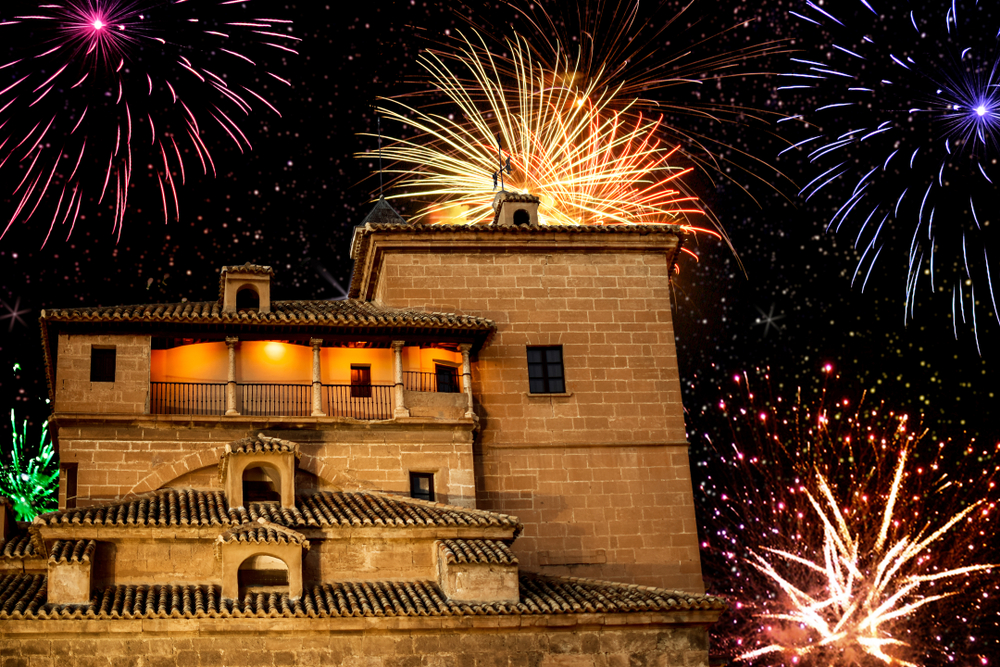
Introduction to Fireworks in Spain: An In-Depth Guide
Spain is a nation renowned for its exuberant celebrations, vibrant customs, and rich tapestry of traditions. Among its most dazzling and beloved traditions is the use of fireworks, or vuurwerk in Dutch. Whether lighting up the sky for a national holiday, a religious festival, or a personal milestone, fireworks burst with color and energy across the Spanish landscape. This comprehensive guide will delve into every aspect of fireworks in Spain, giving you a deeper understanding of their historical origins, legal landscape, regional nuances, safety protocols, and cultural significance.
Whether you are a resident aiming to partake responsibly, an enthusiastic traveler eager for an authentic experience, or a curious reader seeking insights, this article provides valuable information and practical advice on vuurwerk in Spanje.
The Historical and Cultural Significance of Fireworks in Spain
Fireworks hold a prominent position in Spanish culture, acting as a bridge between ancient rituals and modern celebrations. Their use traces back several centuries, evolving alongside societal changes and technological advancements. The Spanish love for pyrotechnics is deeply woven into the national identity, often tied to joyful moments, religious observances, and local festivities.
The Introduction of Fireworks to Spain
Fireworks were first introduced to Spain during the Middle Ages, likely through trade routes with the Arab world and Asia. The technology initially arrived in the form of primitive gunpowder devices, but quickly captured the imagination of both the aristocracy and the common people. By the Renaissance, elaborate pyrotechnic displays had become staples during royal events and religious festivals.
Spanish artisans soon distinguished themselves through their innovative approaches to firework manufacturing. Their pyrotechnic expertise remains highly regarded to this day, with many families and small businesses passing down the tradition across generations.
Cultural Integration Through Festivals
Over time, fireworks became inextricably linked with significant dates on the Spanish calendar. From the bursting rockets of Las Fallas in Valencia to the thunderous celebrations of San Juan across coastal regions, pyrotechnics are seen as expressions of communal joy and respect for heritage. In many regions, a well-choreographed fireworks display is considered the heart of a successful fiesta, marking both its beginning and grand conclusion.
Beyond public events, personal milestones such as weddings, baptisms, and birthdays frequently feature fireworks, serving as exuberant expressions of happiness and good fortune.
Types of Firework Displays and Festivities in Spain
Spanish firework displays range from intimate to spectacular, and their diversity is as broad as the country itself. Understanding the different types of pyrotechnic festivities is essential for appreciating Spain’s firework culture.
Public Festivities and Internationally Renowned Events
- Las Fallas (Valencia): Perhaps Spain’s most famous firework event, held in March. Las Fallas combines intricate sculptures and nightly fireworks exhibitions culminating in mighty displays such as La Nit del Foc (“The Night of Fire”).
- La Tomatina (Buñol): Known worldwide for its tomato-throwing, the event concludes with a raucous firework demonstration.
- San Juan: Celebrated along the Mediterranean coast. Bonfires and exploding fireworks honor the summer solstice, welcoming good luck and warding off evil spirits.
- Semana Santa: Across Andalusia, Easter is marked not only by processions but also by grand firework spectacles, especially as night falls.
- La Mercè (Barcelona): This September festival features mesmerising pyrotechnic displays as part of parades, concerts, and citywide celebrations.
Local Village and Town Celebrations
Each region, town, or village often has its own patron saint festival, marked by distinctive fireworks traditions. In some places, rockets are set off at dawn to signal the beginning of market days, while others may reserve their pyrotechnics for dramatic midnight finales.
- Pirotecnia: The art of carefully coordinated firework displays, often soundtracked to music and synchronized with church bells or dances.
- Castillos de Fuegos: Massive outdoor displays reminiscent of castles ablaze, lighting up plazas and main streets.
- Correfocs: “Fire runs” featuring costumed devils who dance through crowds with handheld fireworks. A sensory feast unique to Catalonia and the Balearics.
Private Celebrations and Family Gatherings
Beyond public events, fireworks play a cherished role in private life. Families purchase legal pyrotechnics for birthdays, anniversaries, Christmas, and New Year’s Eve. The sight of children, under careful supervision, enjoying sparklers and firecrackers is a beloved scene in Spanish neighborhoods.
Legal Regulations: Buying, Selling, and Using Fireworks in Spain
Understanding the legal regulations concerning fireworks is critical for safety and compliance. Spanish law strictly categorizes the manufacturing, commercialization, and use of pyrotechnics to minimize risks and preserve public order.
The Legal Framework at a Glance
Spain’s regulations are shaped by both national legislation and local ordinances. The main national law, Real Decreto 989/2015, sets out the foundational framework, which is further interpreted and enforced by autonomous communities (regions) and individual municipalities.
Categories of Fireworks
Fireworks are divided into several categories, mainly according to their intended user and the level of risk involved:
| Category | Description | Min. Age | Where Sold |
|---|---|---|---|
| F1 | Very low hazard; suitable for indoor use (e.g. sparklers, party poppers). | 12 years | Supermarkets, convenience stores, online |
| F2 | Low hazard; outdoor use in confined areas (small rockets, firecrackers). | 16 years | Specialized shops, licensed stalls |
| F3 | Medium hazard; open outdoor use (large fountains, aerial fireworks). | 18 years | Licensed pyrotechnic stores |
| F4 | Professional-grade, high risk. | Licensed professionals only | Professional firework companies |
Purchase, Sale, and Permitting
- Only licensed vendors may sell F2 and F3 categories, often requiring an ID check to verify age.
- Firework sales are strictly prohibited in many non-designated period outside of authorized festivities (usually Christmas, summer festivals, and patron saint days).
- Transport of large quantities across provincial borders or via public transport requires compliance with additional safety legislation.
- Public use of F3 and above often requires a municipal permit, especially for larger or higher-risk displays.
Regional and Local Bylaws
Spain’s autonomous regions and municipalities maintain considerable discretion to implement additional restrictions. For example, certain cities may ban private use altogether, limit use to specific hours or locations, or require advance registration for any firework activity. Always consult your local Ayuntamiento (town hall) for current rules before organizing private displays.
Firework Safety in Spain: Tips and Precautions
The enjoyment of fireworks is coupled with the responsibility of ensuring public and private safety. Each year, thousands are treated for firework-related injuries across Europe, making it imperative to follow best practices.
Basic Firework Safety Guidelines
- Understand the Product: Always buy legal, certified fireworks complete with usage instructions in Spanish.
- Supervise Children: Children should never use fireworks unsupervised. Even sparklers can cause burns if mishandled.
- Use Outdoors: Never light fireworks in confined or covered spaces; always ensure there are no flammable materials nearby.
- Keep Water Handy: Have a bucket or hose at the ready in case of accidents or to douse used fireworks.
- No Relighting: If a firework does not ignite properly, do not attempt to relight. Wait several minutes and then soak in water.
- Protect Pets: Fireworks can cause severe distress for animals; keep pets inside and provide a safe, quiet space.
- Dispose Responsibly: Clean up all residue and dispose of safely to prevent litter and fire hazards.
Specific Risks and Emergency Protocols
In urban and rural settings alike, improper firework use can trigger wildfires, pose risks to residential structures, and cause hearing injuries due to the loudness of explosions. Spanish emergency services receive spikes in calls each festival season. Should an accident occur:
- Call 112 for immediate emergency assistance.
- Treat minor burns with cool water and seek professional care for serious injury.
- Report fires instantly and avoid attempting to control large blazes without help.
Regional Variations: Where Fireworks Shine Brightest
Spain’s diverse geography and deeply-rooted traditions mean that firework customs can vary dramatically from one region to another. Understanding these local nuances allows you to better appreciate the unique ways in which different communities celebrate.
Valencia: The Global Capital of Fireworks
The region of Valencia is synonymous with pyrotechnic artistry. The mascletà—a synchronized daytime display focused on rhythmic explosions—is a uniquely Valencian form of performance. During Las Fallas, the entire city resounds with thunderous barrages, culminating in La Nit del Foc, arguably the world’s most impressive single firework event.
Catalonia: The Joy of Fire-Runs
In Catalonia and the Balearic Islands, the correfoc tradition brings fireworks down to street level. “Fire runs” involve troupes of costumed performers wielding handheld fireworks as they dance through cheering crowds. The participatory nature of these events, combined with dramatic costumes and live music, creates a theatrical spectacle found nowhere else.
Andalusia: Fireworks and Faith
In the south of Spain, fireworks are inseparable from religious festivity. Semana Santa (Holy Week) processions are punctuated by luminous displays, while villages across the region use pyrotechnics to venerate their patron saints. The contrast of ancient cathedrals and modern fireworks creates a mesmerizing scene.
Canary and Balearic Islands
Islanders have cultivated their own distinct traditions, with San Juan’s verbenas (nighttime open-air parties) featuring beach bonfires and vibrant firework displays. The sense of community and the unique backdrop of sand and sea turn these events into unforgettable experiences.
Northern Spain: A More Restrained Display
Communities in Galicia, Asturias, and Cantabria tend to deploy fireworks in a more measured fashion—often reserving them for major town festivals, New Year, and regional holidays. Displays are typically smaller, but no less heartfelt.
Ecological and Social Considerations
While fireworks are celebrated for their visual beauty and symbolic power, their use is not without controversy or consequence. Environmentalists, local governments, and citizens have increasingly voiced concerns regarding noise pollution, waste, and ecological impact.
Environmental Impact
Traditional fireworks generate significant amounts of particulate matter, heavy metals, and toxic residues. These pollutants can impact air and water quality, especially after large-scale events.
- Waste Management: Post-display litter is a challenge for coastal cities, parks, and rural areas, often requiring large-scale municipal cleanups.
- Wildlife Disturbance: Marine animals, birds, and domestic pets are especially vulnerable to firework noise and residue.
Societal Debates and Evolving Traditions
- Noise Sensitivity: For those with sensory sensitivities—children, the elderly, and persons with PTSD—the loudness of traditional fireworks can be distressing.
- Animal Welfare: Advocacy groups have campaigned for less disruptive alternatives in recent years.
- Regulation: Some Spanish cities have piloted silent or “low-noise” fireworks, particularly in densely populated areas, as a compromise between tradition and community well-being.
Despite debates, the vast majority of Spanish people remain devoted to fireworks as a pillar of their cultural identity. Regional governments strive to balance preservation of tradition with evolving societal standards.
Firework Manufacturing and Artisanal Traditions
Spain is home to some of the world’s most esteemed firework producers. The manufacturing process is an intriguing blend of artistry, science, and heritage.
Family Businesses and Generational Talent
Many firework companies are family-run, with skills passed down for centuries. Factories dot the Valencian countryside, where master pyrotechnicians oversee every stage of the process—from mixing proprietary gunpowder blends to assembling intricate shells.
The artistry is not only technical but aesthetic, with designers laboring over color palettes, explosion patterns, and timing to achieve visually captivating shows that integrate seamlessly with local customs or requested soundtracks.
Technological Advancements
The advent of computer-controlled firing mechanisms, new biodegradable chemical compounds, and innovative visual effects has broadened what is possible, fueling Spain’s reputation as a global powerhouse in pyrotechnics. These advancements also improve safety, precision, and environmental compatibility.
How to Enjoy Fireworks the Spanish Way
To truly appreciate fireworks in Spain, it helps to adopt the local approach: savor the experience in the company of friends and family, amidst a vibrant communal atmosphere, and with due respect for tradition.
Planning Your Visit
- Research local festival calendars in advance; major firework displays often attract vast crowds and require early booking for the best viewing spots.
- Dress for weather and mobility, as some traditional events take place on city streets or beaches late into the night.
- Consider guided tours for events like Las Fallas, where local experts provide historical context and access to prime vantage points.
Participating Safely and Respectfully
- Follow all posted signs and security personnel instructions, particularly in crowded urban festivals.
- Refrain from bringing unauthorized fireworks to public spaces unless permitted by law.
- Immerse yourself in the social aspects; Spanish festivals are as much about community as they are about spectacle.
Buying Fireworks in Spain: What to Know as a Foreigner
If you are a foreign visitor or new resident, the experience of purchasing fireworks in Spain may differ from your home country. Here is a detailed guide to ensure you comply with local law and fully enjoy the festivities.
Navigating the Legal Landscape
Foreign nationals are subject to the same rules as Spanish citizens. Retailers are required to verify your age and may ask for identification. Purchases are restricted by category, event, and location, and police routinely inspect for compliance.
Where to Buy
During festival seasons, temporary stands appear in town squares and near supermarkets. Year-round, specialized pyrotechnic shops offer a wider array, albeit typically in F1 and F2 categories to the general public.
It is illegal to import fireworks from abroad without proper documentation, and online purchases from non-Spanish vendors may attract legal scrutiny or outright confiscation.
Local Tips for Foreigners
- Be aware that not all types allowed in your country may be legal in Spain and vice versa.
- Keep firework receipts as proof of legal purchase, especially during police inspections around major festivals.
- Ask shop staff for demonstrations or clear instructions if unfamiliar with local types or brands.
- Don’t hesitate to speak with neighbors or local authorities if uncertain about proper times or places for private use.
Alternatives to Traditional Fireworks
For those keen to enjoy the celebratory spirit without the environmental or social downsides, Spain’s increasing embrace of alternative festivities may appeal.
Silent and Low-Impact Pyrotechnics
A burgeoning industry now offers low-noise fireworks and “eco-friendly” products designed to minimize disturbance. These are often chosen for events in city centers or near wildlife-sensitive areas.
Laser and Light Shows
Technologically advanced laser and LED light shows have gained popularity, especially in Barcelona, Madrid, and coastal cities. These coordinated visual spectacles can rival fireworks for drama and scale while eliminating noise and chemical pollution.
Drone Displays
Digital drone swarms, choreographed to create mesmerizing patterns and animations in the night sky, are another cutting-edge alternative. Seen especially during large public celebrations, drones present an innovative, sustainable twist on ancient spectacle.
Firework Etiquette: Making the Most of the Experience
Understanding local etiquette enhances the pleasure and safety of any Spanish firework celebration:
- Respect Quiet Hours: Many municipalities prohibit fireworks after midnight, except on designated holidays.
- Honor Sacred and Quiet Spaces: Avoid setting off fireworks near hospitals, places of worship, or nature reserves unless specifically permitted.
- Contribute to Cleanup: Show civic responsibility by helping collect and dispose of spent materials after any public or private firework event.
- Be Inclusive: Inform neighbors in advance if you plan a private display, especially if there are elderly, small children, or animals nearby.
FAQs: Addressing Common Questions About Fireworks in Spain
1. Are fireworks legal everywhere in Spain?
Legal status varies by locality and festival calendar. Some cities prohibit private use, while others allow limited categories only on specific dates. Always check with the local Ayuntamiento.
2. Is it safe to purchase fireworks as a tourist?
Yes, provided you are of legal age and purchase from licensed vendors during authorized periods. Do not import foreign fireworks without clear legal permission.
3. When are the biggest firework shows in Spain?
Las Fallas (Valencia, March), La Mercè (Barcelona, September), San Juan (June midsummer), and major local patron saint days in every region feature Spain’s very largest displays.
4. What should I do if a firework causes injury or property damage?
Call 112 for emergencies. Report property damage to local authorities and your insurers as advised.
5. Can I set off fireworks on the beach?
Only on specific festival dates and usually with municipal permission. Many beaches ban fireworks outside designated times to protect public safety and wildlife.
The Role of IMMO ABROAD in Helping Adjust to Spanish Life
Immersing yourself in Spanish firework culture is part of embracing the unique lifestyle of Spain. Whether you wish to enjoy local celebrations, participate safely, or simply understand community norms, expert advice and local insight can make your experience richer and smoother.
IMMO ABROAD is dedicated to ensuring that newcomers and residents can take full advantage of Spanish culture, including participation in traditional festivals and safe enjoyment of fireworks. Their guidance covers local customs, regulatory requirements, and community connection—enabling you to celebrate with confidence and in harmony with your new neighbors.
Conclusion: Embrace the Dazzling World of Fireworks in Spain
The use of fireworks in Spain is more than a festive custom—it is a living, breathing expression of the country’s identity. Across cities and countryside, from coastal bonfires to mountain town festivals, the explosion of light and sound marks the passage of time, blessing of communal bonds, and the joy of shared experience.
Understanding the legal, cultural, and environmental with nuances ensures enjoyment without worry, while fully respecting local traditions and community values. Whether you’re a visitor for Las Fallas, a resident participating in San Juan, or simply someone drawn to the magic of Spanish fireworks, knowledge and preparation make every celebration safer and more memorable.
As you explore this radiant facet of Spanish culture, let curiosity, respect, and a sense of wonder be your guides. Together, these qualities ensure that every celebration shines as brightly as the fireworks illuminating the Spanish night.