





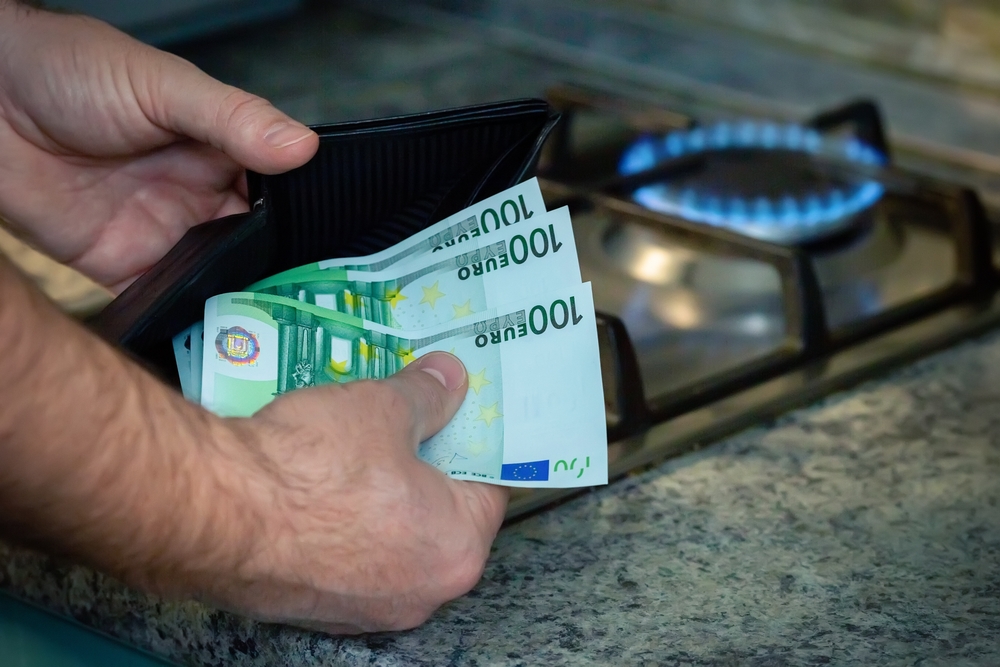
Introduction to Gas Costs in Spain
When considering life in Spain, whether as a resident, an expatriate, or a property investor, understanding the intricacies of daily living expenses is paramount. Among these, the cost of gas – both for heating and for use in kitchens and water heating systems – represents a significant aspect of monthly household budgets. In this comprehensive analysis, we delve deep into the factors that determine gas prices in Spain, examine various supply methods, and provide readers with extensive insights to clarify all aspects of gas consumption and its associated costs in the Spanish context.
Understanding Energy Market Dynamics in Spain
The Spanish energy market is a blend of regulated frameworks, liberalized suppliers, and evolving technologies. Natural gas plays a vital role, powering millions of homes and businesses. To fully comprehend what influences the cost of gas, it is essential to explore market structure, regulatory bodies, energy policies, and Spain's energy generation mix.
- Regulatory Authority: The Comisión Nacional de los Mercados y la Competencia (CNMC) monitors and regulates energy matters, setting guidelines and oversight for fair pricing and consumer protection.
- Energy Sources: Spain’s domestic gas production is limited; it relies primarily on imports via pipelines (notably from Algeria) and liquefied natural gas (LNG) terminals. This reliance on imports has distinct ramifications on pricing.
- Market Segmentation: The market comprises ‘regulated tariffs’ (Precio Voluntario para el Pequeño Consumidor—PVPC) and liberalized offers from private companies who set their own prices.
Fluctuations in international gas prices, geopolitical events, and seasonal demand directly impact consumer costs. Being informed about these dynamics helps residents anticipate shifts in their household budgets.
Types of Gas Used in Spanish Households
In Spain, two principal forms of gas are prevalent for domestic use: natural gas (gas natural canalizado) and liquefied petroleum gas (LPG or GLP—gas butano/propano). Understanding the distinctions is crucial, as each has unique supply mechanisms, pricing structures, and suitability for different types of properties.
Natural Gas
Natural gas is delivered via an extensive pipeline network (red de gas canalizado), primarily available in major cities, large towns, and densely populated areas. It is favored for its continuous supply, safety features, and relatively lower environmental impact compared to other fossil fuels.
LPG (Butane and Propane)
Liquefied petroleum gases, particularly butane and propane, are stored in cylinders or bulk tanks and delivered to homes where piped natural gas is unavailable. Typically used in rural locations, holiday homes, or isolated properties, LPG’s key advantage is its suitability for remote supply.
- Butane: Most commonly sold in orange bottles (“bombonas de butano”), found in supermarkets, service stations, and through home delivery services.
- Propane: Distributed in both bottles and larger tanks, offering superior performance in colder climates or higher elevations.
Your choice between natural gas and LPG will influence both your upfront connection costs and ongoing energy expenses.
How Gas Prices Are Structured in Spain
Spanish gas tariffs encompass a range of components, creating a price structure that can be daunting to newcomers. There are both fixed and variable components, alongside taxes and potential rental charges for supply equipment.
Fixed Charges (“Término Fijo”)
The fixed charge is a monthly fee applied regardless of consumption and covers maintenance of the installation and supply infrastructure. The amount varies based on your contracted supply pressure and estimated annual consumption (verbrauch).
Variable Charges (“Término Variable”)
The variable part is charged per kWh of gas consumed. This is the element that fluctuates with use, meaning lighter users pay less here, heavy users more.
- For natural gas, variable prices are often linked to indexed wholesale market rates.
- For bottled gas (butane, propane), prices are subject to government regulation and reviewed regularly.
Taxes
Several taxes apply to gas bills in Spain, including:
- IVA (Value Added Tax): Standard rates apply, but recent government measures may lower this during crises.
- Hydrocarbons Tax: A minor but obligatory addition.
Equipment Rental Fees
In cases where you do not own the meters or gas bottles/tanks, small monthly rental charges are often added to the bill.
This multi-element structure underscores the importance of carefully reviewing supplier offers and understanding your usage patterns.
Average Gas Costs: National Overview and Regional Variations
Gas prices in Spain are not uniform; they vary across regions and depend on numerous factors, from network coverage to local climate. According to national statistics and consumer studies, the average household spends between €35 and €70 monthly on gas, but considerable variation exists.
Urban vs. Rural Costs
Urban dwellers, often connected to the piped natural gas network, benefit from economies of scale and more competitive supplier options. Rural residents, dependent on LPG bottles or bulk tanks, regularly see higher per-unit costs and additional transportation fees.
Andalusia, Catalonia, and Madrid typically offer the most competitive natural gas rates due to higher population densities and advanced infrastructure. Conversely, remote regions such as parts of Castilla-La Mancha or Extremadura, where the pipeline network is sparse, lean more on bottled gas.
Climate Influence
Northern Spain, with a colder climate, demands higher gas usage for heating, amplifying monthly bills. In contrast, Mediterranean coastal regions benefit from mild winters, where gas is used primarily for heating water and cooking, reducing overall expense.
Understanding these geographic nuances is key for anyone budgeting for property or planning a move.
Monthly and Annual Consumption: Typical Usage Patterns
Accurately estimating gas costs means assessing not just the price per unit, but also the amount typically consumed. Household usage in Spain varies by season, property type, insulation, and family habits.
- Water Heating: Year-round, most homes require gas for showers, baths, and kitchen needs. Larger families or higher hot water usage naturally incur greater costs.
- Space Heating: In winter, gas-fired radiators or boilers become significant consumers, especially in regions without alternative heating solutions.
- Cooking: Gas hobs and ovens are standard; their impact on bills is usually modest compared to heating.
Typical annual consumption values are:
- Small apartments (1-2 people): 3,000–5,000 kWh/year
- Medium-sized homes (3-4 people): 7,000–10,000 kWh/year
- Large homes (more than 4 people): 12,000–15,000 kWh/year, or more if space heating is intensive
These figures help project actual costs from the tariffs discussed earlier, providing essential insight for family budgeting or property investment planning.
Regulated vs. Free Market Gas Tariffs
Spanish consumers can choose between the regulated tariff (PVPC or Tarifa de Último Recurso) and numerous free market (liberalized) offers. Making an informed choice requires grasping the fundamental differences and suitability for different households.
Regulated Tariffs: TUR
The Tarifa de Último Recurso (TUR) is a government-controlled price available for consumers with annual consumption under 50,000 kWh – effectively, all private homes. The price is reviewed quarterly, indexed to international gas markets, and may provide protection during turbulent times.
- Lower volatility, transparent pricing, and state oversight.
- Widely recommended for risk-averse consumers and those concerned about predatory contracts.
Free Market Offers
Multiple private suppliers compete for customers, offering fixed-price contracts or variable deals linked to the international market. Promotional bonuses and bundled services (like electricity) are not uncommon.
- Potential savings when market prices are low
- More flexibility in contract terms, sometimes extras like customer service in multiple languages
- But possibly higher prices or complex contracts during volatile periods
Ultimately, the choice depends upon risk tolerance, desire for price stability, and willingness to review contracts regularly.
Connecting to Gas Service: Installation and Setup Costs
Upon moving into a new property or switching from LPG to piped natural gas, connection and installation fees represent crucial one-time expenses. These charges vary by property condition, location, and proximity to the existing network.
Initial Connection (Alta de Gas Natural)
For newly constructed properties within reach of the piped network, initial connection fees typically range between €100 and €200. This covers meter installation, registration with the distribution company, and necessary technical inspections.
Internal Installation Works
If internal pipes or gas systems must be installed (in unmodernized or older homes), costs rise and can range from €500 to over €2,000 depending on property complexity and appliance requirements (boilers, radiators, etc.).
LPG Installation Costs
For rural or isolated properties choosing bulk propane storage, installation of a tank and associated connections can run from €700 to over €1,500, while simple bottled gas setups involve negligible upfront expense beyond regulatory inspections.
Equipping your home correctly at the outset ensures safety, supply reliability, and legal compliance – factors not to be overlooked.
Typical Gas Bills: A Breakdown
Unpacking a Spanish gas invoice can initially seem daunting, as many elements combine to make up the total cost. To empower consumers, let’s review a typical bill line by line.
- Contract Details: Includes the tariff type, supply address, and account information.
- Fixed Charge (“Término Fijo”): A monthly standing fee (often between €5-€15) for network maintenance.
- Variable Consumption Charge (“Término Variable”): Billed per kWh at rates dependent on tariff and supplier, the bill itemizes actual consumption.
- Meter Rental (if applicable): A small monthly fee, typically less than €2.
- Taxes: Value Added Tax (IVA, typically 21%, but potentially reduced in special periods) and Hydrocarbons Tax.
- Total Due: The sum of all the above, showing the final amount payable.
Advanced bills may include graphics of usage comparison, environmental information, and breakdowns of any promotional discounts for clarity.
Factors Affecting Gas Prices: An In-depth Examination
While many believe gas prices are simply set by supply and demand, a closer look reveals an intricate web of factors influencing the final tariff:
- International Wholesale Markets: Spain imports most of its natural gas, so spot market volatility or changes in contract pricing (especially with North African and LNG providers) have direct consequences on consumer prices.
- Pipelines and Infrastructure: High investment in physical networks (pipelines, regasification plants) leads to ongoing amortization costs, passed onto the end user.
- Seasonal Demand: Winter spikes in heating use temporarily increase costs, as demand outstrips regular supply contracts and triggers purchases at higher spot prices.
- Exchange Rates: As energy is globally traded in US Dollars, Euro/Dollar parity impacts import pricing.
- Energy Policy: Decisions on taxation, subsidies, and energy transition (towards renewables) impact how fossil fuel costs are incorporated into household bills.
- Supplier Competition: Regional monopolies may increase prices due to lack of competition, while liberalized urban markets tend to see lower offers.
Awareness of these elements allows savvy consumers to make more informed decisions about their energy contracts and consumption.
LPG: Pricing, Availability, and Practical Considerations
For those living outside Spain’s main gas network, LPG (butane/propane) remains the primary alternative. It is vital to understand how pricing works, where to source fuel, and what practicalities await homeowners.
Bottled Gas (“Bombonas de Butano/Propano”)
The price of bottled gas is officially reviewed every two months by Spain’s Ministry for the Ecological Transition. As of 2024, a standard 12.5kg butane bottle is typically sold for around €15-€18, though prices may fluctuate with global hydrocarbon costs and domestic regulation. Home delivery may incur extra fees, while bulk purchases may offer lower per-unit pricing.
Bulk LPG Supply
For year-round or high-consumption dwellings, a fixed LPG tank may be installed on the property, refilled by tanker truck. Prices per kilo or per litre are agreed in supply contracts, often with annual revision clauses. The average cost over a year may slightly undercut bottle prices, but tank installation and maintenance must be factored in.
Safety, Storage, and Regulation
Spanish law mandates regular inspection of LPG installations, bottle swap cycles, and proper ventilation in storage areas. Owners should be mindful of regulations to ensure insurance remains valid and property safety is uncompromised.
For expats and new arrivals, the convenience and independence of LPG can outweigh the maintenance burden, especially for off-grid living or holiday homes.
Gas Consumption: Tips for Reducing Your Bill
With energy prices on the rise, many residents seek practical steps to manage their gas consumption and minimize monthly outgoings. Here are expert recommendations for maximizing efficiency and lowering bills:
- Upgrade to High-Efficiency Appliances: Modern condensing boilers use less gas to generate the same output, while A-rated gas cookers and heaters also contribute to savings.
- Improve Home Insulation: Enhanced window glazing, wall insulation, and door stripping help retain warmth, reducing heating needs.
- Programmable Thermostats: Automatically controlling heating in line with occupancy patterns avoids unnecessary use and waste.
- Regular Maintenance: Annual boiler and system checks improve performance and safety, ensuring optimal gas-to-heat conversion.
- Smart Metering: Monitor real-time gas use and detect leaks or abnormal consumption patterns early.
- Optimize Water Heating: Reduce the default temperature setting on water boilers and insulate external pipes to prevent heat loss.
Applying these measures not only delivers direct financial savings but also supports Spain’s wider ecological objectives.
Renewable Energy, Alternatives, and the Future of Gas
Spain is aggressively pursuing renewables, yet gas remains a key player due to its reliability and widespread integration into heating and cooking. However, change is underway. Awareness of these trends is essential for long-term planners.
Green Gas and Biogas
Initiatives promoting biogas from agricultural waste, food residues, and green hydrogen are slowly entering the market. While still niche, these sources promise future diversification and more stable pricing, less dependent on imports.
Hybrid Heating Solutions
Heat pumps, solar thermal water heating, and hybrid boilers (gas and electric) are gaining ground, particularly in new developments and urban retrofits. Higher upfront costs may be offset by long-term savings and state incentives.
Tariff Changes and Carbon Regulation
With European Union climate targets tightening, additional costs linked to carbon emissions may eventually be passed onto traditional gas users, favoring early adopters of efficient and hybrid systems.
For those investing in property or planning for the medium-to-long term, understanding the evolving landscape is imperative.
Comparative Analysis: Spain vs. Neighboring Countries
While the focus remains on Spain, international context is valuable for benchmarking household budgets and understanding regional cost drivers:
- Portugal: Similar reliance on imported gas and comparable regulatory frameworks, but smaller market size can mean slightly higher domestic prices.
- France: Benefits from significant nuclear electricity, reducing demand for gas, though regulatory environment keeps gas prices in check.
- Italy: Similar climate and consumption patterns, but heavier dependence on pipeline gas from North Africa and Russia leads to periodic volatility.
Spain’s aggressive transition strategy, plus technical innovations (like LNG facilities), often position its consumers favorably within Western Europe, although the trade-off is strong exposure to global market swings.
Case Studies: Gas Costs for Different Property Types
To provide practical clarity, let’s consider detailed case studies reflecting real-world scenarios:
- City Apartment in Madrid: Connected to natural gas, 75m², two residents, basic heating and hot water. Average annual consumption: ~4,500 kWh, with typical annual cost of €320-€480 depending on supplier and usage patterns.
- Rural Villa in Andalucía: Off-grid, uses LPG tanks for heating, water, and cooking. Large property (220m²), four residents. Bottle and bulk gas costs can exceed €1,100 per year, especially during cold winters.
- Coastal Holiday Home (Catalonia): Seasonal occupancy, primarily uses gas for hot water and occasional cooking, mostly reliant on butane bottles, total yearly spend usually under €200.
These examples illustrate the critical importance of understanding consumption habits, locality, and available energy sources.
Legal and Contractual Considerations for Gas Consumers
All energy contracts in Spain are subject to comprehensive consumer protection regulations:
- Transparency: Suppliers must disclose all contract terms, including duration, exit penalties, and renewable options.
- Right to Change Supplier: Free market consumers can switch providers at no cost, ideally within a 21-day window.
- Meter Inspections and Certification: Mandatory for safety, required at intervals defined by law (often every five years).
- Dispute Resolution: Consumers can appeal billing discrepancies or service failures through the CNMC or designated ombudsmen.
Familiarity with these rights ensures that both residents and property owners can confidently manage their energy relationships from the outset.
Frequently Asked Questions about Gas in Spain
-
How often do gas prices change?
For regulated natural gas, rates are reviewed quarterly. Free market tariffs may be fixed for a contract term, but variable offers fluctuate more frequently depending on international markets.
-
Can expats easily open a gas contract?
Yes, anyone with a NIE (Spanish foreigner identification number) and proof of residence or property ownership can open gas accounts.
-
Are there any subsidies for low-income families?
The ‘Bono Social’ scheme offers discounts to eligible vulnerable consumers, though primarily for electricity. Occasional government relief measures may temporarily lower gas taxes.
-
What’s the safest way to store butane bottles?
Always upright, in well-ventilated areas, never below ground level or exposed to direct heat sources. Regulatory compliance is monitored through periodic inspections.
-
Can I install both gas and alternative energy systems?
Yes, hybrid solutions (like combining gas boilers with solar water heaters or heat pumps) are increasingly popular, offering reduced running costs and energy independence.
How to Choose the Best Gas Supplier for Your Needs
With a range of suppliers and contracts, selecting the most advantageous arrangement involves careful comparison. Key decision criteria include:
- Price Per kWh: The primary consideration, but be sure to factor in both fixed and variable fees.
- Contract Flexibility: Favor short minimum durations and minimal exit penalties for greater adaptability.
- Customer Service: Especially for non-Spanish speakers, check for support in other languages, as well as digital account features.
- Added-Value Services: Some providers bundle boiler maintenance or emergency coverage in their tariffs.
Comparing several offers — beyond the headline rate — yields the best long-term value and service.
Summary: Key Insights for Gas Costs in Spain
Spain’s gas market is marked by regional nuances, regulatory oversight, and evolving technologies. For households, the average cost for gas depends on residence type, consumption pattern, and local supply options. Monthly spending generally ranges from €35 to €70, but rural and high-usage homes run significantly higher.
Critical factors influencing prices include international energy markets, infrastructure investment, seasonal demand, and the growing impact of environmental policy. By understanding the tariff structure, regional differences, and consumption-saving tactics, both long-term residents and newcomers can make informed decisions, manage costs, and align their energy use with budget and sustainability goals.
For those considering relocation, property investment, or simply aiming to optimize their cost of living in Spain, a detailed understanding of the gas market is essential. Reviewing contracts regularly, investing in energy efficiency, and staying abreast of regulatory shifts will deliver peace of mind and tangible savings for years to come.
Conclusion: Navigating Gas Costs with Confidence
Navigating the Spanish gas market requires a blend of careful research, strategic planning, and awareness of the evolving energy landscape. By appreciating the factors that shape prices, understanding how to minimize usage, and choosing contracts wisely, residents can control their expenditure while enjoying all the advantages of life in Spain.
Whether you’re a homeowner, tenant, or investor, clear insights into “Wat kost gas in Spanje?” empower you to budget accurately and maximize comfort. Should you require tailored advice, expert guidance is always at your disposal to ensure your Spanish property journey is seamless, sustainable, and rewarding.