





Understanding Gas Tanks in Spain: An In-Depth Overview
Spain, with its diverse geography and a thriving expatriate community, presents unique energy challenges and opportunities, especially in rural and semi-rural areas where public utilities like mains natural gas are often unavailable. One prominent and efficient solution is the installation of a gastank—also known as a “depósito de gas”—for residential and commercial properties. For property owners, tenants, or those considering relocation to Spain, understanding the specifics of gas tanks—regulations, installation, maintenance, safety, and environmental impact—is vital for informed decisions. In the sections below, we’ll explore all critical aspects, offering comprehensive insights tailored specifically for discerning readers seeking reliable, professional knowledge on the subject.
Why Opt for a Gas Tank in Spain?
Gas tanks offer a consistent and often cost-effective energy solution, particularly in areas where the mains gas infrastructure is lacking. Here are several reasons why individuals and businesses in Spain might consider installing a gas tank:
- Energy Independence: Gas tanks provide autonomy from electricity or regional grid disruptions. You can control your supply and usage without relying on urban infrastructure.
- Flexibility: Gastanks can be adapted for various property sizes and needs, from private villas to large-scale agricultural or hospitality operations.
- Efficient Heating: Propane and butane—common fuels for tanks—burn efficiently, offering consistent performance for heating water, space, pools, and even cooking.
- Cost Predictability: Purchasing gas in bulk (tank refills) can help owners manage energy expenses more effectively, with opportunities for price negotiation depending on volume and supplier.
- Rural Viability: In Spain’s picturesque yet isolated countryside, gas tanks often represent the only realistic solution for ensuring quality life and business operations without compromise.
Types of Gas Tanks Available in Spain
Selecting the appropriate type of gas tank is a foundational step. Tanks are classified by fuel type, size, construction, and location (above ground or underground). Let’s examine the primary categories:
Above-Ground Gas Tanks
Above-ground tanks are the most visible and accessible choice. Constructed from robust steel and specially coated against corrosion, these tanks typically have capacities ranging from 500 liters up to 3,500 liters (and larger for industrial needs). They are mounted on secure pads and are quick to install and inspect.
- Pros: Easy maintenance and inspection; lower installation costs; straightforward access for re-filling.
- Cons: Visual impact; potential security consideration; local zoning restrictions may apply in residential zones.
Underground Gas Tanks
For aesthetics and added protection, especially in high-end properties or areas with urbanization rules, underground tanks are popular. Buried below ground and covered, they are unobtrusive and secure, while offering similar capacities to surface models.
- Pros: Minimal visual impact; secure and less susceptible to vandalism or weather extremes; increased usable outdoor space.
- Cons: Higher installation and maintenance costs (excavation and safety checks required); complicated access if intervention is needed.
Mobile Cylinders
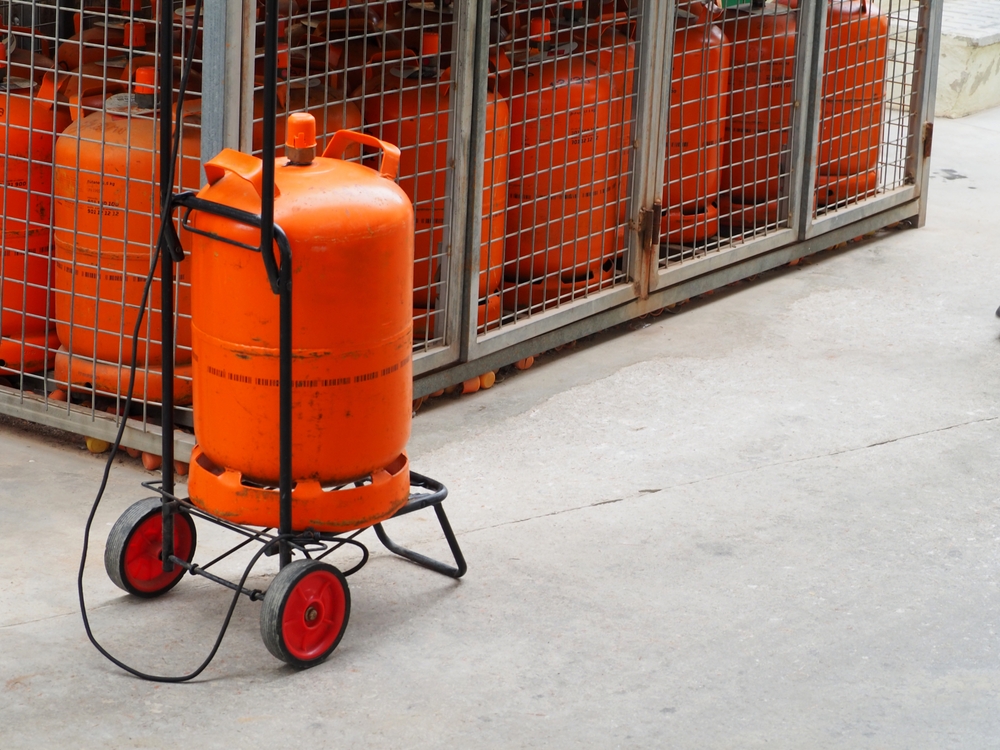
In addition to fixed tanks, portable gas cylinders (commonly butane or propane) are prevalent, especially for apartments, mobile homes, and short-term needs. Though not as large or suitable for high-demand installations, they are flexible and widely available.
- Pros: Portable and flexible; no complex installation; suitable for rental properties or temporary setups.
- Cons: Limited supply per cylinder; frequent re-supply needed; less suitable for whole-property heating.
Propane vs. Butane Tanks
Both propane and butane are common, though propane is favored for permanent tanks due to its superior performance at low temperatures and broader compatibility with property heating systems.
- Propane: Best for outdoor tanks and cold climates as it vaporizes at lower temperatures (-42°C); supports water heaters, central heating, and appliances year-round.
- Butane: More suited to portable cylinders and milder climates; vaporizes above 0°C, making it less effective in colder areas.
Legal Regulations and Compliance for Gas Tanks in Spain
Spanish legislation governing the installation and utilization of gas tanks is designed to prioritize safety, efficiency, and environmental sustainability. Regulatory requirements differ for residential and commercial properties but share several core mandates. Knowing these legal standards is essential before embarking on installation or renovation.
Licensing and Permitting
Before installation, specific permits must be obtained from local municipal authorities (ayuntamientos) and, in some cases, regional agencies. The process can involve:
- Preliminary Assessment: A certified technical engineer (ingeniero técnico) assesses the property, recommending an appropriate tank model and location.
- Application Submission: Preparation of compliance documents (memoria técnica), signed plans, and official application forms.
- Approval Process: Local authorities review submissions, sometimes requiring public notices or neighbor notifications, depending on the scale.
- Final Certification: Post-installation, an inspection certifies correct installation and operational safety before issuing a usage license (Licencia de Primera Ocupación or similar).
Regulations for Residential vs. Commercial Use
While both property categories adhere to overarching laws, commercial tanks (for hotels, agriculture, industrial processes) may be subject to more stringent requirements related to volume storage, access controls, and fire prevention measures.
- Residential Tanks: Maximum size and fill limits, mandatory safety distances from buildings, boundaries, and ignition sources, plus basic anti-tamper measures.
- Commercial Tanks: Enhanced fire suppression systems, regular risk assessments, emergency evacuation plans, and robust tank security protocols.
Regular Inspections and Documentation
Regulatory compliance doesn’t end at installation. Spanish law requires periodic reviews, including:
- Annual Visual Inspection: Mandatory for both above- and below-ground tanks to check structural integrity, leaks, corrosion, and general condition.
- Comprehensive Technical Inspection: Carried out every 5 years (frequency may vary by region), includes pressure testing, gas line examination, and valve replacements.
- Documentation: Owners must retain all inspection records, certificates, and maintenance logs—subject to request by authorities.
Failure to comply can result in sanctions, fines, or suspension of supply contracts.
Installation Process: What to Expect
The installation of a gas tank is a detailed procedure that should always be undertaken by certified professionals, following Spanish and European safety standards (UNE and EN norms). Here’s a step-by-step overview:
Site Evaluation and Preparation
A technical assessment of the property identifies suitable locations and determines the correct tank size. Considerations include:
- Proximity to buildings and boundaries: Spanish law mandates minimum distances for safety.
- Soil stability and access: Essential for both installation and future refilling or maintenance visits.
- Orientation and ventilation: Proper ventilation mitigates risks in the unlikely event of minor leaks.
Foundation and Base Construction
A dedicated concrete pad or reinforced surface is prepared to support the tank. For underground models, the necessary excavation and moisture-proofing are completed, ensuring drainage and the prevention of water ingress.
Tank Delivery and Positioning
The tank is transported and lifted into place using specialist equipment. Certified technicians handle final positioning, secure anchoring, and alignment with gas line connections.
Connection to the Property
Specialist installers connect the tank to the property gas network, which may include pipes to central heating boilers, kitchen stoves, water heaters, and pool heating systems. Every connection is pressure-tested for leaks.
Initial Fill and Testing
After passing a leak and pressure assessment (prueba de estanqueidad), the tank is filled—usually to a safe maximum operational level (typically 80–85% capacity to allow for gas expansion). Comprehensive tests ensure total system safety before use.
Commissioning and Certification
Final certifications are provided to the property owner, including installation records, technical specifications, and emergency information.
Professional installation is strongly recommended—not just for safety, but for compliance and valid insurance coverage.
Maintenance and Safe Usage of Gas Tanks
Gas tank maintenance is not just a matter of compliance, but key for safe, efficient, long-lasting operation. Neglect is both dangerous and a potential legal liability.
Routine Owner Checks
- Visual Inspection: Owners should frequently check the exterior for rust, dents, or loose fittings.
- Area Management: Keep vegetation, debris, and combustibles clear of the tank—minimum recommended distance is at least 3 meters.
- Access: Ensure that delivery vehicles and technicians can safely access the site at all times.
Professional Maintenance
- Annual Servicing: Certified gas technicians check for leaks, wear, and ensure all valves and pressure regulators are functioning correctly.
- Valve and Hose Replacement: Rubber hoses have a defined lifespan (typically 5 years), while metal components may require periodic renewal depending on use and environment.
- Refilling: Only qualified personnel should refill or replace gas tanks. Attempting to refill personally is illegal and potentially catastrophic.
Keeping maintenance records is essential for validating insurance claims or compliance audits.
Signs of Trouble
Immediate professional attention is needed if any of the following are detected:
- Strong odor of gas.
- Unusual hissing, whistling, or mechanical noises near the tank or pipelines.
- Visible corrosion, cracks, or physical damage to the tank’s surface.
- Difficulties with ignition or operational instability in gas-powered systems.
Gas Suppliers in Spain: What You Should Know
A critical consideration is choosing a reputable gas supplier capable of serving your region, ensuring rapid delivery, transparent billing, and dependable after-sales support.
Contract Types
- Bulk Purchase: The owner contracts periodic tank refills at market rates or via long-term supply agreements.
- Rental Agreements: In some cases, suppliers retain ownership of the tank, charging a rental fee along with gas supplies. This arrangement can simplify maintenance but may restrict supplier choice.
Supplier Obligations
By Spanish law, suppliers must:
- Only employ qualified personnel for delivery and maintenance work.
- Retain clear records of deliveries, safety checks, and user complaints.
- Provide rapid response for emergencies, leaks, or technical failures.
Delivery Scheduling
Most suppliers offer scheduled delivery based on usage patterns, with emergency same-day fill-ups possible in high-demand regions. Smart metering (telemetry) is increasingly used, allowing suppliers to remotely monitor fill levels and optimize schedules, especially for larger or commercial installations.
Billing and Tariff Transparency
Expect invoices to itemize:
- Amount of gas delivered (in kilograms or liters, depending on fuel type).
- Applicable taxes (IVA, hydrocarbon duties).
- Rental or maintenance fees if the tank is owned by the supplier.
- Emergency surcharge (if applicable for unscheduled visits).
Always review contracts for conditions on price adjustments, minimum consumption clauses, and service expectations.
Safety Protocols for Gas Tanks in Spain
Gas safety is a foundational concern, guiding every aspect from installation to everyday use. Spanish regulations and international standards enforce robust safety frameworks:
Minimum Safety Distances and Location
- Minimum separation from buildings, boundaries, roads, and ignition sources is enforced by law. For above-ground tanks, typical requirements are at least 3 meters from any property and fencing, with increased distances in commercial or communal situations.
- Clear signage is mandatory warning of flammable materials, no smoking, and emergency contact details.
Leak Detection and Response
Odorizing agents (mercaptans) are added to LPG, making even tiny leaks easily noticeable. In case of a suspected leak:
- Immediately evacuate the area, avoiding all sparks, flames, or electrical switches.
- Contact emergency services and your supplier via dedicated hotlines.
- Do not attempt repairs yourself—handling is reserved for licensed professionals only.
Fire Suppression and First Aid
- Maintain appropriate fire extinguishers (powder or CO2) within easy reach. Ensure users are trained in correct operation.
- Install clear evacuation maps and ensure all family members or staff know procedures in an emergency.
Legal Requirements for Inspections
Mandatory regular inspections are not protocol—they are law. Noncompliance can invalidate insurance and result in administrative or criminal penalties in the event of an incident.
Costs and Financial Considerations
Calculating the real cost of owning and operating a gas tank involves several elements, each shaped by property size, location, usage, and supplier terms.
Initial Installation Costs
- Tank Purchase: Depending on size and configuration (above-ground or underground), costs range from €1,200 to €4,000+.
- Engineering and Permitting: Expect an additional €400–€2,000 for studies, paperwork, and municipal fees.
- Connection and Commissioning: Often included with installation, but pipeline complexity or distance may require extra investment.
Ongoing Operational Expenses
- Gas Supply: Priced per kilogram or liter. Propane typically costs €0.10–€0.15 per kWh delivered, with market fluctuations over time.
- Maintenance: Annual inspections may cost €80–€150 (or more for larger systems).
- Rental Fees: If renting, monthly costs range from €8–€20, depending on tank size and supplier agreements.
Financial Incentives and Subsidies
Some autonomous communities or municipal authorities occasionally offer grants for energy efficiency improvements, especially when switching from less clean forms of energy (like diesel) to LPG. Always consult local offices before planning major works.
Economies of Scale
Larger properties and commercial clients often negotiate preferential rates, benefiting from bulk purchases, telemetry, or shared infrastructure (community tanks).
Depreciation and Resale
A professionally installed tank can add value to rural or luxury properties, particularly for buyers seeking off-grid reliability. However, keep all documentation for future resale and ensure regulatory compliance is up to date.
Environmental Impact: Gas Tanks and Sustainability
Rapidly evolving energy policies in Spain and the European Union place increasing emphasis on environmental stewardship. How do gas tanks compare on the sustainability spectrum?
Greenhouse Gas Emissions
- Both propane and butane are hydrocarbons, producing CO₂ on combustion, but they burn much cleaner than fuel oil, coal, or diesel traditionally used in rural Spain.
- Modern gas appliances maximize combustion efficiency, minimizing overall emissions.
Renewable Gas Options
- Biopropane (produced from organic waste) is now commercially available in parts of Spain, offering a low-carbon alternative compatible with standard LPG tanks.
- Transitioning to renewable gas is seamless, provided the supplier offers this fuel—and can significantly reduce your property’s carbon footprint.
Tank Recycling and Lifecycle
- Old tanks are decommissioned and recycled according to strict national and European guidelines, minimizing steel waste and environmental hazards.
- Suppliers are required by law to take back end-of-life tanks for safe disposal or recycling.
Hybrid Heating Systems
Many modern Spanish homes and businesses combine gas tanks with other sustainable solutions, such as solar thermal heating or biomass boilers. This allows owners to reduce reliance on any single energy source, further shrinking their environmental impact.
Regulatory Incentives
Green certifications or tax deductions for upgrading to high-efficiency, low-emission systems are sometimes available (varies by region). Consulting with local authorities or energy agencies before investment can yield financial as well as environmental rewards.
Common Uses for Gas Tanks in Spain
The versatility of gas tanks is one reason for their popularity across Spain’s varied regions. Here are some typical usages:
- Whole-Home Heating: Modern high-efficiency boilers or direct flame systems warm houses efficiently—even in mountainous or Northern regions with cold winters.
- Domestic Hot Water: Gas-fired systems provide large volumes of hot water for showers, kitchens, and laundry with rapid on-demand response.
- Pool Heating: Extending the swimming season is easy with gas-fueled pool or spa heaters—especially in luxury villas or boutique hotels catering to tourist clientele.
- Cooking: From traditional Spanish paella over open flame to high-end professional stoves, gas provides instant, even heat preferred by chefs and culinary enthusiasts.
- Businesses and Agriculture: Greenhouses, livestock operations, and hotel complexes often rely on large tanks to run heating, sanitation, and even refrigeration from a local, steady supply.
Key Considerations for Holiday Homes and Rental Properties
Numerous non-residents, expatriates, and investors own secondary or vacation properties in Spain. Installing a gas tank in such premises requires special attention:
Usage Frequency and Tank Size
- For properties that remain vacant for parts of the year, sizing the tank appropriately is crucial to prevent fuel degradation and service waste.
- Telemetry-enabled tanks can help monitor levels remotely, alerting owners or building managers when refills are needed, and allowing supplier control for scheduled or emergency refilling—even if the owner is absent.
Insurance
- Most Spanish insurers require full compliance documentation (including inspection certificates and service logs) before covering incidents or damages related to gas installations.
- Inform your insurer about the tank, installation date, and supplier arrangements—failure to do so could void coverage.
Tenant and Guest Instructions
- Clear, multilingual instructions for safe usage should be provided to guests or tenants.
- Emergency contact information should be visibly posted near the tank and within the property.
- Housekeeping or caretaking staff should be trained to recognize warning signs and know appropriate safety protocols.
Regulatory Changes Upon Change of Ownership
- Upon sale or change of ownership, always update the tank registration and notify the supplier to transfer responsibility; this avoids legal or insurance liability.
Frequently Asked Questions About Gas Tanks in Spain
Property owners and prospective residents often ask a wide range of practical questions about living with and maintaining gas tanks. Some common queries include:
How long does a typical residential tank last between refills?
The answer depends on tank size, property size, seasonality, and usage (heating alone, or heating plus hot water and cooking). For a 1,000-liter tank in a standard family home, expect intervals of 2–4 months in winter, and longer during warm months.
Are there “eco” gas tanks or low-emission options?
Absolutely. Tank technology has improved to include double-walled, corrosion-resistant models, and “biopropane” can dramatically cut emissions. Always consult your supplier regarding available options.
Can I move or resize my tank?
Moving or significantly modifying a gas tank installation requires re-permitting and professional involvement to meet safety and legal requirements. Never attempt unlicensed work yourself.
What should I do in the event of a gas smell?
Evacuate the property immediately (ensuring all occupants, including pets, are outside), avoid switches or flames, and call emergency services followed by your supplier from a safe distance.
Do gas tanks freeze in winter?
Propane will not freeze under normal Spanish conditions (liquidifies below -42°C), making it ideal for mountain or northern locations. Butane, by contrast, can lose efficacy at temperatures near 0°C; propane is recommended for exposed or high-altitude installations.
Can a guest or tenant have new tanks delivered independently?
Only with owner authorization and full paperwork. Unauthorized changes could breach contracts, void insurance, or break safety regulations.
Regional Variations: Gas Tanks Across Spanish Communities
While national regulations apply broadly, each autonomous community (comunidad autónoma) may set additional standards regarding energy, safety, and environmental matters. For example:
- Andalucía: Greater focus on integrated systems (solar-gas hybrids), and incentives for energy upgrades in rural cortijos or white villages.
- Cataluña: Robust inspection regimes and mandatory risk assessments, especially for multi-unit buildings or agrotourism properties.
- Valencia: Municipal rebates occasionally available for replacing old fuel systems with cleaner LPG tanks.
- Basque Country and Asturias: Additional reporting requirements for rural hospitality businesses.
Always consult your local ayuntamiento and licensed professionals who fully understand the regional nuances.
Buying, Selling, and Transferring Properties with Gas Tanks
Gastanks add reliability and off-grid autonomy, which can boost property appeal and value. However, it’s essential to address paperwork, compliance, and operational readiness when buying, selling, or leasing any Spanish property with a tank.
Due Diligence for Buyers
- Request all permits, current inspection certificates, supplier agreements, and service logs from the seller or their agent.
- Physically inspect the tank for signs of neglect or code violations before finalizing a purchase.
- Budget for potential updates or re-certification if records are missing or inspections have lapsed.
Seller Obligations
- Disclose full details of the gas installation, recent refills, and outstanding contracts or maintenance schedules.
- Ensure all paperwork is in order and ready for transfer to the new owner.
Leasing and Rental Arrangements
- Clearly define in contracts who is responsible for refills, inspections, and regulatory compliance to avoid confusion and disputes.
- Short-term lets may restrict guests’ direct access to tank controls for safety; always specify in house rules and check-in documentation.
Future Outlook: Evolving Gas Technology in Spain
Gas tank and LPG technology are constantly evolving to meet new standards in efficiency, sustainability, and user comfort. The coming years will see increased integration with smart-home systems, automated remote monitoring, and new gases—bio-LPG and renewable blends—enter the mainstream.
Smart Monitoring Solutions
Telemetry and digital monitoring will allow real-time tank level readouts via smartphone apps, enabling property managers and owners to track consumption and schedule service, preventing outages or overfilling.
Hybrid Installations
Gas tanks increasingly work in tandem with solar panels, geothermal heat pumps, and other innovations. Expect these “hybrid homes” to become a model for rural luxury and energy security.
Transition to Biogas and Hydrogen
Pilot projects underway across Spain are exploring the use of green gases (biogas, hydrogen mixes) in the same storage and distribution infrastructure, pointing the way toward carbon-neutral living without sacrificing performance or reliability.
Regulatory Developments
Continued tightening of energy standards, stricter emissions controls, and incentives for conversion from older fossil-based systems to renewable-compatible gas tanks are all expected.
Conclusion: Expert Guidance for Gas Tanks in Spain
A gas tank—a depósito de gas—remains a versatile, cost-effective, and secure solution for heating, cooking, and hot water across Spain’s broad spectrum of housing, from rural retreats to luxury estates. While regulation and compliance requirements are substantial, accessing expert advice and reputable technicians guarantees safe, smooth installation and operation.
Whether you’re constructing a bespoke villa, renovating a traditional finca, or running a commercial hospitality business, understanding gas tank technology, the regulatory environment, and the operational nuances is crucial. Stay proactive with maintenance, prioritize safety, and always keep abreast of technical and legal developments shaping Spain’s energy future.
For tailored, up-to-date guidance and professional support with property projects involving gas tanks in Spain, your trusted partner will ensure a seamless, secure, and sustainable experience—from first consultation through to certified completion and efficient, worry-free operation.
Glossary: Essential Gas Tank Terms
- Depósito de gas: Spanish for gas tank—a storage vessel for LPG on residential or commercial property.
- LPG (GLP): Liquid Petroleum Gas; includes propane and butane, commonly used for heating and cooking.
- Propano/Butano: Propane/Butane; two forms of LPG, with different vaporization characteristics and use-suitability.
- Permiso de instalación: Installation permit required for new gas tanks.
- Prueba de estanqueidad: Pressure and leak test completed at installation and during regular maintenance.
- Inspección periódica: Scheduled technical inspection required by Spanish regulations.
- Telemetría: Remote monitoring technology for tracking gas usage and scheduling refills.
- Biopropano: Renewable propane sourced from sustainable materials.
- Ayuntamiento: Local municipal authority responsible for issuing permits and enforcing building codes.
- Ingeniero técnico: Licensed technical engineer, essential for legal and safe tank installation.
By arming yourself with comprehensive, credible knowledge, you ensure any project involving a gas tank in Spain is executed to the very highest standards—safely, efficiently, and with full legal peace of mind.