



Introduction to Gota Fría: Understanding a Unique Mediterranean Phenomenon
Gota Fría, a term steeped in both meteorological significance and local folklore, represents far more than just a bout of inclement weather along the Mediterranean coast. Translated directly as 'Cold Drop', this phenomenon is a specific type of weather event that has captured the attention of scientists, locals, and property owners for decades. The impact of Gota Fría can be profound, ranging from spectacular storms to widespread flooding, and its significance extends far beyond a simple seasonal inconvenience.
For those residing along the beautiful yet weather-vulnerable coastal regions of Spain, particularly in the Comunidad Valenciana, Murcia, and parts of Andalucía, understanding Gota Fría is essential. Whether you are an expat, a prospective homebuyer, or a long-term property investor with IMMO ABROAD, awareness of what a Gota Fría entails—its causes, impact, history, and strategies for preparation—can make a tangible difference in your experience and safety during the autumn months. This guide delves deeply into every facet of Gota Fría, offering an authoritative, well-structured resource to ensure you are thoroughly prepared, informed, and equipped to respond proactively.
What Is Gota Fría? Definition and Historical Context
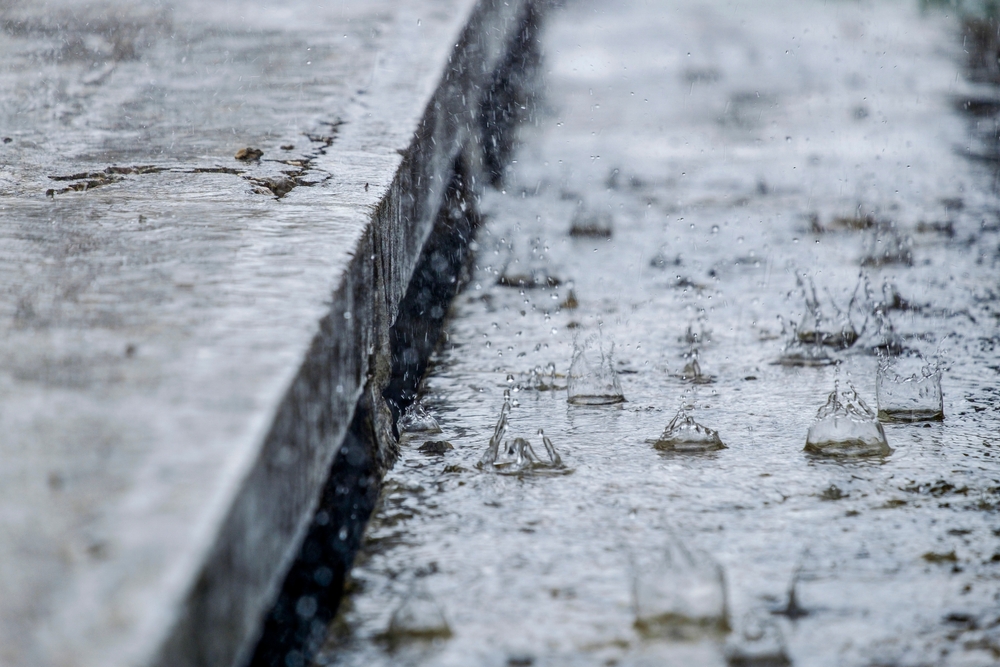
The term Gota Fría, or 'Cold Drop,' is intrinsically tied to Mediterranean meteorology. It describes a severe weather event caused when a mass of cold air at high altitudes collides with the warm, moist air rising from the Mediterranean Sea. Unlike typical storms, a Gota Fría can unleash sudden and extreme rainfall, leading to localized flooding and dramatic shifts in the weather within a matter of hours.
The origins of the term trace back to Spanish meteorological tradition. Over the years, Gota Fría events have been both feared and respected, largely due to their unpredictability and destructive potential. Far from being a relic of the past, contemporary records indicate that these episodes are becoming both more frequent and intense, in part due to shifting climatic patterns across the region.
In essence, Gota Fría is not just a meteorological curiosity but a phenomenon that has shaped the geography, architecture, emergency services, and even cultural calendar of the Mediterranean coast.
The Science Behind Gota Fría: Meteorological Mechanics
Understanding the science behind Gota Fría is crucial for anticipating its development and mitigating its effects. At its core, a Gota Fría event occurs when a high-altitude cold air mass, typically from the north or northwest, meets the warm, moist air situated over the Mediterranean Sea. This differential creates atmospheric instability, which leads to the rapid formation of cumulonimbus clouds and intense convective activity.
Key scientific elements include:
- Cold Core Aloft: A pool of cold air trapped above warmer layers creates exceptional thermal instability.
- Warm Sea Temperatures: The Mediterranean remains relatively warm into the autumn, providing ample moisture through evaporation.
- Jet Stream Location: Fluctuations in the jet stream often orchestrate these interceptions, dictating the timing and severity of a Gota Fría.
When these ingredients combine, the result can be explosive: torrential rains, high winds, lightning, and even hail within a very short period. The inherent unpredictability of these elements makes Gota Fría one of the most closely monitored weather events in Mediterranean meteorology.
How Gota Fría Differs from Other Storms and Flood Events
Gota Fría is often mistakenly grouped with other severe weather phenomena, such as conventional thunderstorms, flash floods, or even hurricanes. However, several distinguishing features set these events apart:
- Origin: The unique mix of high-level cold and low-level warmth is not typical of other regional weather events.
- Localization: Gota Fría events are highly localized. While one town may be inundated, a nearby village could experience minimal impact.
- Intensity: Rainfall rates can exceed 200 mm in just a few hours—far above typical autumnal showers.
- Predictability: Despite advances in meteorology, precise prediction remains challenging due to the event’s microclimatic nature.
In contrast to seasonal rains or isolated thunderstorms, Gota Fría’s characteristic blend of sudden onset, potential for catastrophic rainfall, and unpredictability demands a unique approach to preparation and response.
Geographic Scope: Where Does Gota Fría Strike?
While the most famous and impactful Gota Fría events are predominantly associated with Spain’s eastern Mediterranean coastline, the reach of this meteorological phenomenon can be surprisingly wide.
- Valencia: Frequently affected, especially the city itself and the surrounding region.
- Alicante: Both the city and the Costa Blanca area routinely experience these storms.
- Murcia: Their proximity to the Mediterranean and unique topography make the region vulnerable.
- Northern Andalucía: While less frequent, severe Gota Fría events occasionally strike here.
- Balearic Islands: To a lesser extent, islands such as Mallorca and Ibiza may also see intense storm activity linked to Gota Fría dynamics.
Understanding the geographic risk is essential, particularly for those considering property purchase or retirement in these popular destinations. The combination of beautiful landscapes and the latent risk of extreme weather necessitates informed decision-making and proactive risk management.
The Peak Season: When to Expect Gota Fría
Gota Fría is overwhelmingly an autumnal phenomenon, closely linked to seasonal climatic transitions. Key points to consider regarding its timing include:
- September to November: The period of peak risk, when sea temperatures remain high but atmospheric conditions begin to change rapidly.
- First Cold Fronts: The arrival of cooler air masses from the north accelerates weather instability.
- Annual Variability: No two seasons are the same. Some years witness multiple severe Gota Fría events; others see just sporadic activity.
For property owners and residents, the start of September should signal the need for heightened awareness and practical preparations. This period also coincides with the winding down of the tourist season—a fact that has both logistical and economic implications for local communities.
Gota Fría Case Studies: Notable Historical Events
The legacy of Gota Fría is underscored by a series of memorable storms that have left a mark on regional history. Understanding these incidents not only underscores the storm’s power but also highlights the advances in preparedness wrought by experience.
1987 Valencia Flood
One of the most catastrophic Gota Fría episodes occurred in October 1987, when the city of Valencia and its surroundings faced unparalleled flooding. Over 500 mm of rain was recorded in a matter of hours—a quantity greater than the region’s average annual rainfall. The flood caused both infrastructural damage and significant loss of life, prompting major investments in urban drainage.
2019 Vega Baja Storms
Much more recently, the Vega Baja region in Alicante and Murcia experienced devastating Gota Fría events, interrupting transportation networks, displacing thousands, and resulting in widespread agricultural losses. Rivers, such as the Segura, burst their banks, showcasing the vulnerability of both urban and rural landscapes.
Lessons Learned from the Past
With each event, emergency services, architects, and policymakers have refined best practices. Today, these historical lessons inform policies ranging from early-warning systems to flood-resistant construction in vulnerable areas.
Impact on Urban and Rural Communities
The wide-ranging effects of Gota Fría extend far beyond immediate flooding. Understanding these impacts is essential for residents, investors, and policymakers alike.
Urban Areas
In cities, Gota Fría exposes weaknesses in drainage infrastructure and urban planning. The intense, short-duration rainfall overwhelms sewers, leads to rapid street flooding, and disrupts essential services such as transportation, power, and telecommunications. Residential neighborhoods not built to withstand these storms are at particular risk.
Rural Zones
Rural communities face different, but equally significant, challenges. Agricultural lands can be devastated by both flooding and the sediment-laden runoff characteristic of Gota Fría. The resulting soil erosion, loss of crops, and destruction of irrigation systems have lasting economic and environmental effects.
Societal and Economic Ramifications
The cumulative social and economic impacts range from temporary displacement and property damage to longer-term phenomena like shifts in insurance policies and property values. Both public and private sectors bear the cost, spurring ongoing investment in resilience and recovery solutions.
Gota Fría and Climate Change: Intensifying Trends
Many meteorological studies now suggest that the frequency and intensity of Gota Fría events may be increasing, a shift possibly linked to broader climate change patterns. Key factors include:
- Warmer Seas: Higher sea surface temperatures provide more fuel for convective storms and evaporative processes.
- Shifting Weather Patterns: Polar air masses are reaching Mediterranean latitudes more frequently due to altered atmospheric jets.
- Urbanization: Expanding infrastructure in flood-prone areas increases both exposure and potential impact.
The possibility of stronger and more frequent Gota Fría events has prompted a reevaluation of regional disaster preparedness and adaptation strategies, from updated building codes to community alert systems.
Preparing for Gota Fría: Essential Steps for Homeowners
Regardless of whether you are a year-long resident or a newcomer to Spain’s Mediterranean coast, proper preparation is the key to minimizing risk and damage associated with Gota Fría. Here are expert guidelines to follow:
-
Assess Property Vulnerability:
- Conduct a location-specific flood risk assessment.
- Identify low-lying spots on your property or in your community.
-
Protect Entrances and Drainage:
- Clear gutters, drains, and external pipes regularly before the autumn season.
- Install flood barriers or sandbags where feasible.
-
Emergency Preparedness:
- Develop a household emergency plan, including evacuation routes and contact information for local services.
- Prepare a weather-proof emergency kit with essentials—water, non-perishables, first aid, flashlights, batteries, and copies of important documents.
-
Insurance Review:
- Ensure that your property insurance covers flood and weather-related damage, paying particular attention to special requirements for Gota Fría-prone zones.
-
Stay Informed:
- Sign up for regional weather alerts and monitor official forecasts, especially during peak months.
Meticulous preparation can help protect both people and property, reducing not only financial losses but also the emotional toll of an unexpected disaster.
Emergency Response and Community Resources During Gota Fría
When a Gota Fría event is imminent or underway, local and regional emergency systems are activated to provide information, aid, and logistical support. Understanding how these systems operate can be pivotal in an emergency.
Municipal and Provincial Authorities
Spanish local authorities maintain robust response frameworks for weather-related emergencies—often coordinated at both municipal and provincial levels. Protocols commonly include:
- Advance warnings via TV, radio, and digital channels when meteorological risks are elevated.
- Activation of emergency shelters for those in high-risk zones.
- Deployment of rescue teams, firefighters, and medical personnel in anticipation of major incidents.
Neighborly Networks and Volunteer Organizations
In many towns, community and volunteer groups supplement official efforts, coordinating food, shelter, and transportation for vulnerable residents. Forming strong social networks is an invaluable preparatory measure.
Aftermath and Recovery
Once the storm passes, coordinated assessments of damage are undertaken. Support mechanisms include temporary housing, government grants, and infrastructure rehabilitation programs to expedite recovery and safeguard future resilience.
Property Considerations: Gota Fría and Real Estate in Spain
For those considering property purchase or development along Spain’s Mediterranean coast, Gota Fría presents a unique set of challenges and considerations. The goal is to balance the allure of coastal living with prudent risk management.
Due Diligence for Buyers
Before purchasing a coastal property, especially in established Gota Fría-prone zones, it is vital to:
- Request recent flood history for the property and immediate surroundings.
- Verify compliance with modern building codes that reflect updated flood-resistance standards.
- Review local government risk maps and emergency response roadmaps.
Design and Construction Best Practices
Property owners can take a proactive approach by:
- Selecting flood-resistant materials for external facades and ground floors.
- Elevating sensitive installations, such as electrical systems and HVAC units, above known flood levels.
- Investing in landscaping that naturally directs water away from living spaces.
Implications for Rentals and Tourism
Gota Fría can temporarily disrupt rental and tourism activities. Planning for flexibility in rental schedules and maintaining comprehensive documentation of property condition before and after storms can minimize disputes and facilitate claims.
Insurance and Legal Considerations for Gota Fría
Navigating the complexities of property insurance in light of Gota Fría risk is a vital step toward financial security. Spain’s unique approach to disaster coverage involves a mix of private insurance and state-backed mechanisms.
Coverage Options
Most standard Spanish home insurance policies cover 'damage from extraordinary events' (eventos extraordinarios), which includes Gota Fría. However, there are key nuances:
- Claims may require official weather confirmation from the national meteorological service, establishing that the damage was indeed caused by an approved event.
- The state-backed Consorcio de Compensación de Seguros (CCS) offers additional protection, but only for policyholders with compliant private insurance.
- Exclusions may apply, particularly if damage is deemed preventable (e.g., poor maintenance).
Documentation and Claims Process
Should you need to make a claim, a prompt, well-documented response streamlines the process:
- Photograph and itemize all damage as soon as it is safe to do so.
- Secure invoices and receipts for repairs or temporary accommodation.
- Notify your insurer immediately and submit all necessary documentation, keeping a log of correspondence.
It pays to develop a relationship with knowledgeable local professionals who can guide you through these procedures smoothly.
Environmental and Infrastructure Impacts
Beyond immediate human and economic losses, Gota Fría can dramatically reshape the local environment and infrastructure. These impacts must be considered in both long-term planning and day-to-day life.
Erosion and Habitat Disruption
Rapid, high-volume flows of water erode riverbanks, damage beaches, and disrupt coastal ecosystems. The transfer of sediments and debris can choke waterways and affect marine and riparian life. Rehabilitating such damage is a major undertaking, requiring coordinated action from conservationists, municipalities, and citizens.
Transportation and Utilities
Public transportation, roads, and railways are frequently affected during Gota Fría episodes. Disruptions can isolate towns, delay emergency response, and interrupt utility services. Investments in resilient infrastructure are thus a priority at every level of government.
Lessons for Sustainable Planning
Events of the past have prompted cities and regions to incorporate ‘blue-green’ design principles—creating green spaces, porous paving, and natural water retention zones to both beautify and protect urban environments.
Cultural and Social Dimensions of Gota Fría
Over time, Gota Fría has become woven into the cultural fabric of affected regions. This phenomenon shapes not only weather awareness but also the local psyche, customs, and even folklore.
- Annual autumn festivals and events often include references to historic storms and coping traditions.
- Artists, writers, and musicians have explored Gota Fría as a symbol of both natural power and human resilience.
- Community drills and information campaigns foster a spirit of shared responsibility.
This cultural integration contributes not only to disaster readiness but also to a sense of pride and connection—a reminder that challenges can be faced and overcome together.
Frequently Asked Questions About Gota Fría
Q: Can Gota Fría happen outside the autumn months?
While exceptionally rare, unusual meteorological configurations can trigger Gota Fría at other times of the year, particularly in late spring or early winter. However, the vast majority of these events occur between September and November.
Q: How much rainfall typically occurs during a Gota Fría?
Rainfall totals vary, but it is not uncommon for affected areas to receive between 100-400 mm within just a few hours. The most intense storms may exceed 500 mm.
Q: Are coastal properties more at risk?
Generally, properties closer to rivers, floodplains, and low-lying coastal areas face higher risk. Elevated or well-designed properties in less flood-prone zones may be less affected, though heavy rain can impact any structure.
Q: What is the difference between Gota Fría and DANA?
'DANA' (Depresión Aislada en Niveles Altos) is a modern meteorological term referring to a similar atmospheric phenomenon. While Gota Fría and DANA share core dynamics, Gota Fría emphasizes the 'cold drop' of air, while DANA refers more broadly to isolated high-level depressions. In practical terms, both involve similar risks.
Q: How should I stay informed during Gota Fría season?
Rely on the national meteorological service, regional alert apps, and local authorities for up-to-date information. During severe weather, social media and localized online networks can provide real-time updates.
Pioneering Solutions: Advances in Technology and Forecasting
The ability to accurately predict and manage Gota Fría has evolved significantly in recent years. Innovations include:
- High-resolution weather radars capable of tracking convective cells in real time.
- Advanced computational models that account for sea temperature, atmospheric instability, and topographical features.
- Mobile apps that deliver push notifications and hyper-local warnings to residents based on real-time radar and satellite imagery.
Despite these advances, the inherently chaotic nature of Gota Fría means forecasts always retain an element of uncertainty. Nonetheless, the integration of new technologies offers both increased lead times and actionable intelligence for communities at risk.
Resilience and Adaptation: The Future of Living With Gota Fría
As climate trends shift and awareness grows, regions affected by Gota Fría are at the forefront of resilience and adaptation. Urban planners, local governments, and private homeowners all play a role in crafting solutions. These include:
- Investing in ‘smart’ water management systems—automated floodgates, retention basins, and drainage networks.
- Promoting new building technologies and designs that reduce water infiltration and encourage rapid drainage.
- Restoring natural habitats (wetlands, forests) to act as natural buffers against storm surges and flooding.
- Continuous community education and involvement to maintain high levels of readiness and mutual support.
Embracing these measures ensures not only greater physical security but also peace of mind, making coastal living sustainable and enjoyable even in the face of nature’s challenges.
Taking Action: Practical Checklist for Gota Fría Preparedness
To close this in-depth guide, here is a comprehensive checklist for preparing your home and family for Gota Fría:
- Property Preparation:
- Clean and test gutters, downspouts, and all drains.
- Identify high-risk entrances and protect with barriers if possible.
- Secure all outdoor furniture or items that could be displaced by wind or water.
- Household Safety:
- Assemble an emergency kit, including food, water, medicines, and battery-powered devices.
- Map evacuation routes and communicate them with all household members.
- Prepare a waterproof folder with important documents and contact numbers.
- Stay Connected:
- Sign up for regional weather alerts, including mobile app notifications.
- Monitor news from official and local sources during periods of risk.
- Insurance and Records:
- Review your insurance policy and note all coverage details and contact information.
- Photograph property and inventory key assets for easy claims processing.
- Community Engagement:
- Meet neighbors and local leaders to understand collective emergency plans.
- Identify vulnerable residents (elderly, disabled) who may need additional support.
Regularly revisiting these preparations, especially at the end of summer, will help ensure readiness and protect your home, investment, and quality of life.
Conclusion: Living With Resilience in the Face of Gota Fría
Gota Fría is a powerful and complex meteorological phenomenon that defines life along the Mediterranean coast. From scientific intricacies and historical examples to practical strategies for homeowners and forward-thinking planning, understanding Gota Fría empowers individuals and communities alike.
The key is not just to survive these storms, but to thrive despite them—embracing both the wonder and the challenge of local weather, supporting each other, and investing in a safer, more sustainable future. With knowledge, preparation, and community spirit, Gota Fría becomes less a threat and more a part of the rich, resilient tapestry that makes Mediterranean life so unique.
For property owners, investors, and future residents working with IMMO ABROAD, a thorough understanding of Gota Fría is essential. Equipped with the insights and resources detailed in this guide, you are now prepared to make well-informed decisions and weather every storm with confidence and peace of mind.