





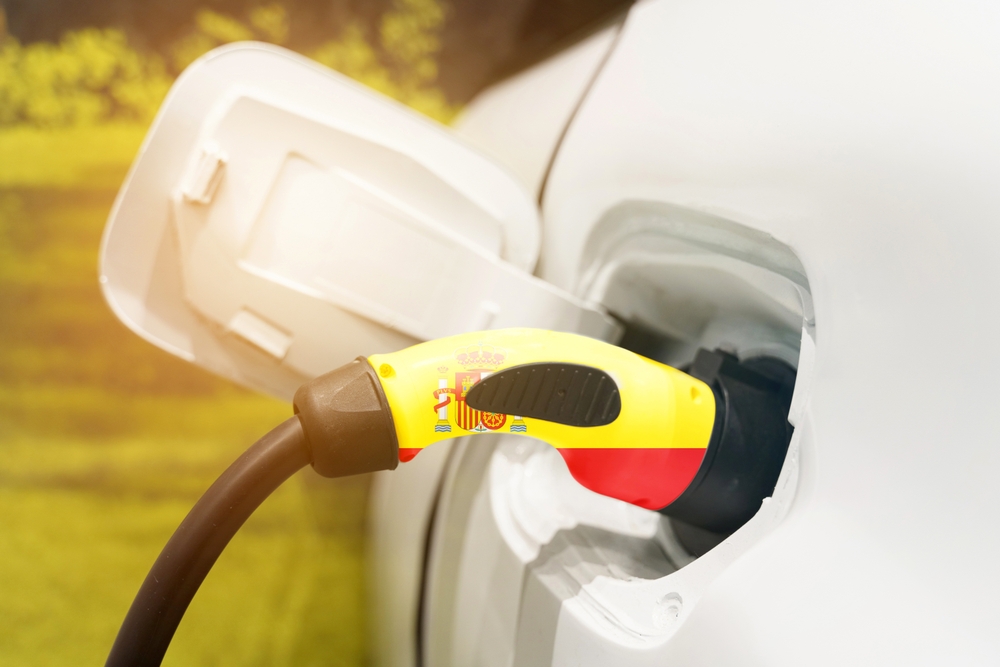
Introduction to Electric Vehicle Charging in Spain
The rise of electric vehicles (EVs) has ushered in a transformative era for Spain's transportation sector, underlining the nation's commitment to sustainable mobility and environmental stewardship. As EV adoption accelerates throughout Spain—from cosmopolitan cities like Madrid and Barcelona to tranquil coastal enclaves and picturesque villages—one crucial aspect stands out: convenient, reliable, and accessible auto opladen, or car charging. Whether you are an EV owner, prospective buyer, developer, or simply an intrigued visitor, understanding Spain’s electric vehicle charging infrastructure is indispensable. This comprehensive guide provides everything you must know about auto opladen in Spanje, reflecting the high-end information standards set by IMMO ABROAD.
The Current State of Electric Mobility in Spain
Spain’s electric mobility landscape has evolved rapidly over recent years. The government has championed nationwide initiatives to bolster the adoption of EVs, catalyzing the installation of thousands of charging points across urban and rural settings alike. As part of the European Union, Spain aligns its core standards and incentives with EU directives, ensuring the highest safety, performance, and accessibility standards for EV charging infrastructure. Despite significant progress, the Spanish market offers unique features and challenges concerning auto opladen, which this article explores in remarkable detail.
Key Statistics on EV Adoption
- Registered EVs: By the end of 2023, over 180,000 fully electric vehicles were registered in Spain, with projections for continued exponential growth.
- Charging Points: Spain boasts more than 18,000 public charging points, with a robust pipeline for further expansion supported by national and regional funding.
- Growth Rate: Year-on-year EV sales in Spain have grown by an impressive 60%, reflecting surging consumer demand and government-supported momentum.
Types of Auto Opladen (Car Charging) in Spain
Spain’s electric vehicle charging apparatus is characterized by diversity, convenience, and technological advancement. Understanding the various charging options available is essential for seamless EV ownership and usage.
Home Charging (Cargador Doméstico / Carga en Casa)
For many EV owners in Spain, home charging represents the most accessible and cost-effective method. This involves installing a personal charging station (wallbox) at your property—be it a house, villa, or apartment.
- Power Output: Typically ranges from 3.7 kW to 22 kW for residential wallboxes.
- Convenience: Enables overnight charging, utilizing off-peak electricity tariffs for cost savings.
- Legislation: Spanish legislation grants residents in apartment blocks the right to install private EV charge points, subject to community notification (not approval), streamlining property owner access.
- Professional Installation: It is highly recommended to engage licensed electricians for installation to guarantee safety and compliance.
Public Charging Points (Puntos de Recarga Pública)
Public charging stations are widely distributed throughout Spain’s cities, highways, shopping centers, hotels, tourist landmarks, and petrol stations.
- Charging Speeds: Ranges from standard (AC, up to 22 kW) to fast (DC, 50-150 kW), and ultra-fast (DC, 150+ kW), catering to diverse needs.
- Payment Methods: Mobile apps, RFID cards, and credit cards are commonly used. Subscription and pay-as-you-go models coexist, ensuring flexibility.
- Interoperability: Major networks support multi-operator compatibility, allowing users to charge at different providers with a single identification medium.
Workplace Charging
With increasing electrification of corporate fleets and employee transportation, workplace charging is gaining popularity. Many employers in Spain install EV charging stations as an employee benefit or to meet sustainability targets.
- Typically utilizes similar hardware as residential setups (AC, 3.7–22 kW).
- May include time-restricted access and charge management systems to optimize usage.
Highway and Destination Charging
For long-distance travelers, highway charging corridors and destination charging at hotels, resorts, and leisure facilities are invaluable. These stations often feature fast and ultra-fast chargers, enabling rapid top-ups for extended journeys.
- Strategic Locations: Major highways (autovías and autopistas) are increasingly equipped with fast-charging stations at regular intervals.
- Integration: Many destination chargers are integrated into hospitality businesses, offering complementary or discounted charging for guests.
Charging Connectors and Compatibility in Spain
Navigating the world of charging connectors is crucial for every EV owner. Spain adopts international standards, though it’s important to be aware of specific connector types, cable requirements, and cross-compatibility considerations.
Main Connector Types
- Type 2 (Menekes): Default standard for AC charging in Spain and throughout the EU. All new public chargers are required to include Type 2 sockets, and most modern EVs come equipped with this inlet.
- CCS Combo 2: The dominant standard for DC fast charging, enabling rapid energy transfer and found on all new ultra-fast charge stations.
- CHAdeMO: While less prevalent, some legacy Japanese models may require CHAdeMO connectors—specific chargers are available, but coverage is more limited than CCS.
- Schuko (Domestic Plug): Suitable for emergency, low-power charging, but not recommended for regular use due to slower charging times and safety concerns.
Cable Requirements
- Many public chargers require users to provide their own cable, especially at AC stations. A high-quality, certified Type 2 charging cable is advised for most EVs.
- Fast DC stations generally feature tethered cables.
Compatibility Considerations
While most new EVs sold in Spain support both Type 2 and CCS Combo 2, always verify your vehicle’s inlet, particularly if importing or renting. Adapters are available but should be sourced from reputable providers to ensure compliance with safety standards.
Charging Speed: How Long Does It Take?
Charging duration is one of the top considerations for EV owners. Spanish infrastructure caters to a broad range of speeds, balancing convenience, battery health, and grid stability. Factors influencing charging time include:
- Charger Power Output: Higher kW output reduces charging duration.
- State of Charge (SOC): EVs typically charge faster from 0-80% than from 80-100%, as battery management systems slow power intake to preserve longevity.
- Vehicle Maximum Charging Rate: Every EV has a maximum allowable input, beyond which faster chargers provide no extra benefit.
- Ambient Temperature: Extreme heat or cold can influence charging speeds.
Charging Time Estimates in Spain
- Domestic Socket (2.3 kW): 10–20 hours for a full charge, depending on battery size. Recommended only for emergencies.
- Wallbox Home Charging (7.4–22 kW): 3–8 hours for a full charge.
- Public AC Charging (up to 22 kW): 2–6 hours for a full charge, useful for workplace or shopping stops.
- Fast Charging (DC, 50–150 kW): 30–90 minutes to charge from 20% to 80%.
- Ultra-fast Charging (DC, 150–350 kW): 10–30 minutes for a rapid 20% to 80% boost (vehicle permitting).
Tips for Faster, Efficient Charging
- Pre-condition your battery (if supported) en route to a fast charger for optimal speed.
- Avoid frequent charges to 100%, as this may degrade long-term battery health.
- Plan long-distance journeys to include high-speed charging stops, using mapping tools or built-in navigation.
Costs of EV Charging in Spain
Understanding the cost structure of auto opladen is vital for budgeting and maximizing the cost advantages of electric driving. Charging tariffs in Spain vary based on location, speed, and operator, but they generally compare favorably to fossil fuel alternatives—one of the many incentives for EV adoption.
Residential Charging Costs
Home charging is typically the most economical method. Spanish utility companies offer special tariffs for EV owners, such as the “tarifa vehículo eléctrico,” with significantly reduced rates during off-peak nighttime hours.
- Off-peak (valle): Average 0.10–0.14 EUR/kWh.
- Peak (punta): 0.18–0.25 EUR/kWh.
- Monthly cost: Charging a typical 50 kWh EV battery every night costs 15–20 EUR/month under off-peak rates.
Public Charging Costs
Public charging is logically more expensive, considering the infrastructure investment, real estate, and service management involved. Rates depend on power level and infrastructure provider:
- AC Charging (up to 22 kW): 0.20–0.40 EUR/kWh.
- DC Fast Charging (50–150 kW): 0.30–0.60 EUR/kWh.
- Ultra-fast Charging (>150 kW): 0.45–0.65 EUR/kWh (sometimes a fixed “session fee” is added).
Subscription vs. Pay-as-you-go
- Some large providers offer monthly subscriptions for frequent users, including discounted rates and roaming benefits.
- Pay-as-you-go remains popular for holidaymakers and occasional users, providing flexibility without commitment.
Free Charging Options
Spain offers select opportunities for gratis opladen at shopping malls, hotels, government facilities, or as promotional incentives. Always verify time limitations and access requirements, as some “free” chargers may require app registration or a minimum spend at the location.
EV Charging Network Providers in Spain
Spain’s public EV charging landscape is enriched by a range of well-established operators that provide seamless coverage and innovation. Each brings unique strengths, coverage maps, and user experiences, ensuring drivers can charge with confidence throughout the country.
Leading Charging Networks
- Iberdrola: The largest provider with an expanding network of over 2,500 public chargers nationwide, known for reliability and rapid expansion, especially along major transit corridors.
- Endesa X: A pioneer in fast-charging infrastructure, boasting a goal to install over 8,500 public points by 2025, with strategic presence in both urban centers and rural areas.
- Repsol: Integrates EV charging at fuel stations, facilitating the transition for drivers across various vehicle types.
- Cargacoches: Focused on interoperability and coverage in underserved regions.
- Easycharger: Known for high-speed charging along highways and intercity routes.
- Other Networks: Smaller regional networks proliferate in Catalonia, Andalusia, the Balearic and Canary Islands, offering comprehensive geographic reach.
How to Access Charger Networks
- Download the operator’s mobile app or acquire an RFID card to activate and pay for sessions.
- Some networks support “ad hoc” use, allowing payment via credit card directly at the station.
- Many apps provide real-time information on charger availability, type, speed, and session tracking.
- Roaming agreements enable cross-network usage with a single account.
Mapping and Finding Charging Stations in Spain
Efficiency and convenience are at the heart of Spain’s EV charging ecosystem, aided by an array of mapping tools and navigation integrations. Locating an available charger—whether during your daily routine or holiday adventure—has never been easier.
Navigational Tools and Apps
- Google Maps: Integrates real-time charger locations and availability for many Spanish networks.
- PlugShare and ChargeMap: User-powered databases offering reviews, photos, and up-to-date information on charger status and compatibility.
- Manufacturer Navigation: Most modern EVs feature embedded maps with live charger data, route planning, and service status updates.
- Operator-Specific Apps: Offer granular insights for each announced charger—filter by speed, connector type, payment methods, or accessibility.
Key Features When Choosing a Charging Station
- Location: Consider proximity to your route, final destination, and local amenities.
- Speed: Match charger output to your needs—quick top-up or full recharge.
- Availability and Reservation: Some high-traffic chargers allow advance booking to avoid wait times.
- Accessibility: Assess 24/7 access, lighting, safety, and weather protection based on your journey requirements.
Charging Etiquette and Best Practices
As Spain’s EV community expands, awareness of charging etiquette and best practices helps foster a positive charging experience for all users. Here’s how to ensure respect, efficiency, and cooperation at public charging points:
Key Etiquette Guidelines
- Occupy Only While Charging: Move your vehicle promptly once the charge is complete. Never use a charging bay as a regular parking space.
- Plug Order: If all stations are busy, wait in line and avoid unplugging other vehicles’ cables unless specifically authorized (e.g. by the owner or operator).
- Connection Checks: Ensure the cable is securely connected to avoid false starts or incomplete sessions.
- Cleanliness: Treat charger equipment with care; report faults or damage to the network for maintenance and safety.
- Limit Session Time: If others are waiting, avoid “topping up” beyond 80% unless necessary, as the last 20% takes far longer and reduces station turnover.
Safety Tips
- Never use damaged cables or connectors.
- Always follow the vehicle manufacturer’s instructions for charging.
- In case of an emergency, keep public charger support numbers and roadside assistance handy.
Government Incentives and Legal Framework
The Spanish government and regional authorities maintain a strong commitment to accelerating EV adoption through a comprehensive blend of incentives, legislation, and infrastructure support. For EV buyers and homeowners seeking to install a private charger, various programs make auto opladen in Spanje more accessible and affordable.
Purchase Subsidies and Tax Benefits
- Plan MOVES: Spain’s flagship incentive scheme for private citizens, businesses, and communities. Offers grants for both vehicle purchase and charging station installation, typically covering up to 70% of eligible costs (including hardware and installation labor).
- Tax Incentives: Reductions on registration (Impuesto de Matriculación) and circulation tax (Impuesto de Circulación). In certain municipalities, EVs qualify for exemptions or significant reductions.
- IVA (VAT) Rebates: Homeowners and companies may benefit from VAT deductions on installation invoices under certain schemes.
Legislation Facilitating Charger Installation
- Owners in shared buildings (comunidades de vecinos) have the legal right to install personal charge points, after formal notification of the community. Obstruction is not permitted unless structural or safety issues arise.
- New construction and major renovations must include pre-installation for electric vehicle infrastructure, applicable for both private and commercial developments.
- Public and commercial parking lots above a certain capacity are required by law to allocate a percentage of spaces to EV charging infrastructure.
Regional and Municipal Support
- Autonomous regions (comunidades autónomas) offer additional incentives, such as permit fee waivers, preferential parking, lane access, or locally funded charger installation programs.
- Certain city councils facilitate expedited permitting and connect residents with certified installation partners.
Auto Opladen in Spain for Tourists and Rentals
Visiting Spain with an electric vehicle or renting an EV for your holiday introduces new opportunities for eco-friendly exploration. Spain’s hospitality sector embraces sustainability by integrating charging amenities for tourists, whether you’re driving a family car, campervan, or luxury electric sports car.
Renting an EV in Spain
- Major Car Rental Agencies: Most leading rental companies offer fully electric or hybrid vehicles at airports and city hubs.
- Charging Policies: Rental agreements typically include information on charging cables, acceptable networks, and reimbursement for charging expenses.
- Insurance: Confirm that your rental contract includes full coverage for charging incidents and that your own driving license is valid in Spain.
Charging at Hotels and Tourist Attractions
- Numerous hotels, resorts, and vacation rentals now feature dedicated EV charging spots—sometimes free for guests, or at a subsidized rate.
- Popular tourist attractions, including heritage sites, beaches, and ski resorts, increasingly offer on-site charging.
Route Planning for Long-distance Journeys
- Utilize route planners (PlugShare, ABRP, or navigation systems) to pinpoint charging stops along highways and within local municipalities.
- When traveling to remote areas, verify in advance the availability and operational status of the nearest charger to avoid “range anxiety.”
- Access to chargers on islands (Baleares, Canarias) may be more limited; plan accordingly, especially during peak tourist seasons.
Residential Charging Infrastructure: What Homeowners Should Know
For individuals purchasing or residing in a Spanish property, installing a home charge point is a key component of convenient, cost-effective EV ownership. This section details important considerations for successful residential charger installation.
Choosing the Right Wallbox
- Power Output: Select 7.4 kW (single-phase) for most homes, or 11–22 kW (three-phase) for larger installs and future-proofing.
- Smart Features: New wallboxes can integrate with solar panels, energy management apps, dynamic load balancing, and remote control via smartphone.
- Safety Certifications: Always choose CE-marked, safety-certified products from established brands.
Installation Process
- Assessment: A professional installer evaluates your electrical system and proposes optimal placement.
- Permitting: In single-family homes, no external permissions are typically required; for apartments, provide advance written notice to your community administrators.
- Installation: Work is scheduled and completed within one day for most projects.
- Grant Application: Upon completion, submit invoice and relevant docs to claim grants under the MOVES scheme or regional equivalents.
Cost Expectations
- Average cost for hardware and installation ranges from 800 to 1,400 EUR, before subsidies.
- Subsidies can cover up to 70% of costs, lowering out-of-pocket expense to approximately 300–600 EUR on average.
Future Trends and Innovations in Spanish EV Charging
The pace of innovation in Spain’s EV charging sector is accelerating, driven by environmental goals, consumer demand, and international cooperation. Looking ahead, several transformative trends are on the horizon:
Ultra-fast Charging Networks
- Deployment of 150–350 kW chargers along major corridors will mirror advancements in northern Europe, reducing long-distance travel times.
- Battery technologies are evolving in parallel to enable ultra-fast charging safety and durability.
Smart and Connected Charging
- Integration of charging management systems, vehicle-to-grid (V2G) compatibility, and remote diagnostics.
- Widespread use of smart tariffs and dynamic load management for grid stability and cost optimization.
Solar-powered Charging and Self-consumption
- Increased prevalence of home and commercial chargers paired with solar photovoltaic panels and battery storage for self-consumption, leveraging Spain’s abundant sunshine for zero-emission charging.
Wireless and Automated Charging Solutions
- Emerging pilot projects for wireless, hands-free vehicle charging—especially in urban taxi ranks or fleet depots.
- Automated robotic arms for plug-in charging in commercial and logistics centers.
Expansion Into Rural and Underserved Areas
- National and EU funding earmarked for rural charger deployment, ensuring that mobility transition benefits reach all regions of Spain, not just urban metros.
Environmental Impact and Sustainable Charging
EV charging is most effective when paired with green energy sources and sustainable practices. Spain’s commitment to renewables is among Europe’s strongest, amplifying the environmental benefits of EV adoption.
Electricity Mix and Green Tariffs
- Over 45% of Spain’s 2023 electricity generation originated from renewable sources, including wind, solar, and hydroelectric power.
- Consumers can opt for 100% green electricity contracts from major utilities, directly linking their charging consumption with certified renewable energy input.
Reducing Your Carbon Footprint
- Pair home chargers with rooftop solar for complete independence from fossil fuels.
- Leverage smart charging to prioritize charging when the grid is cleanest (e.g. daytime solar generation).
Role of Energy Storage
- Energy storage systems paired with solar charge points enable “time-shifting,” storing solar energy for nighttime use and supporting the grid during peak demand.
Challenges and Solutions: Overcoming Barriers to Widespread EV Charging
Despite rapid progress, a set of logistical, technical, and regulatory challenges remain as Spain accelerates toward mass electrification. Industry stakeholders and policymakers are working proactively to provide effective solutions.
Grid Capacity and Load Management
- Challenge: Fast charging can place high instantaneous demands on local grids, especially in dense residential or commercial areas.
- Solution: Implementation of “smart grid” solutions, dynamic load balancing, and battery storage integration to smooth peaks and enable distributed energy management.
Standardization and Interoperability
- Challenge: Diverse charging platforms, payment systems, and network signups create complexity for users.
- Solution: Spain aligns with EU interoperability mandates, expanding roaming partnerships, and simplifying payment mechanisms using a single app or RFID card.
Geographic Inequality
- Challenge: Charger density is highest in urban and tourist regions, with regional disparities in rural Spain and island territories.
- Solution: Targeted public investment, rural electrification programs, and private sector partnerships to incentivize installation in less-served territories.
Consumer Education
- Challenge: Newcomers to EVs may feel daunted by unfamiliar charging procedures, connector types, and tariff structures.
- Solution: National awareness campaigns, dealership training, and user-friendly apps to lower barriers and boost confidence in everyday electric driving.
Maintenance and Reliability
- Challenge: Downtime due to maintenance delays or technical faults can undermine user trust and infrastructure utility.
- Solution: Real-time monitoring, predictive diagnostics, and remote reset capabilities are now standard for major chargers, ensuring rapid resolution of issues.
Conclusion: The Future-Ready EV Charging Landscape in Spain
Auto opladen in Spanje stands at the forefront of Europe’s sustainable mobility revolution. From the bustling urban thoroughfares of Madrid to the scenic coastal promenades in Andalusia, Spanish infrastructure is ever-expanding, embracing technological innovation, convenience, and green energy. As an EV owner or visitor, you can charge confidently, supported by an extensive network of home and public chargers, robust consumer protections, and a commitment to environmental sustainability.
IMMO ABROAD is at your side, providing expert guidance for clients seeking the best EV-friendly properties across Spain’s diverse regions. Whether you’re investing in a Mediterranean villa, relocating to a cosmopolitan apartment, or embarking on a road trip adventure, Spain’s EV charging ecosystem offers reliability, flexibility, and cost advantage—with future-proof growth in mind.
By following the comprehensive insights and best practices outlined in this guide, you can maximize the benefits of electric mobility and contribute to Spain’s vision for a cleaner, smarter, and more connected future. Welcome to the vanguard of sustainable travel—where auto opladen in Spanje means freedom, innovation, and a brighter tomorrow for everyone.