





Understanding the Home Battery Revolution in Spain
As the world pivots towards sustainable energy, Spain stands at the forefront of a transformative wave sweeping across neighborhoods and cities alike: the adoption of home batteries (thuisbatterijen). These energy storage systems, paired with the nation's abundant solar resources, are redefining how households interact with electricity. This innovation doesn’t just promote energy independence and reliability—it promises a cleaner, greener future.
In this comprehensive guide, we explore the technological, economic, and environmental landscapes that shape the home battery revolution in Spain. We'll delve deep into how home batteries function, their advantages, integration with solar energy, regulatory incentives, and their pivotal role in the nation's sustainable development. Discover why installing a home battery may be one of the most profound investments you make for your property, future generations, and the planet.
The Principles of Home Battery Technology
The foundation of modern home battery systems is rooted in advanced electrochemical storage technologies. At their core, home batteries store excess energy—often harvested from rooftop solar panels—during periods of low demand and discharge this energy when consumption peaks, typically during the evening or at night when solar production wanes.
Types of Battery Technologies
- Lithium-ion: The most prevalent choice for residential applications, lithium-ion batteries are lauded for their high energy density, relatively long lifespan, and efficient charge-discharge cycles.
- Lead-acid: While older and bulkier, lead-acid batteries remain in use due to their lower upfront cost; however, they are less efficient and have shorter cycle lives.
- Sodium-based and Flow Batteries: Emerging alternatives offer unique advantages such as longer lifespans and safer chemistries, though they are less common in domestic setups as of now.
Key Performance Metrics
- Capacity (kWh): Determines the total amount of electricity the battery can store.
- Power Output (kW): Dictates how quickly energy can be drawn from the battery.
- Depth of Discharge (DoD): Defines how much of the stored energy can be used without shortening battery life.
- Round-trip Efficiency: Reflects how much input energy is available for use after accounting for losses, with higher percentages indicating superior performance.
These metrics are crucial when selecting a home battery to match your lifestyle, energy needs, and sustainability goals.
The Spanish Context: Sun, Policy, and Energy Demand
Spain, with its Mediterranean climate and a wealth of sun-drenched hours, offers an ideal environment for decentralized solar generation and home battery systems. According to climate data, much of Spain enjoys more than 2,500 hours of sunshine annually, putting solar-powered homes at a significant advantage.
Government Incentives and Legal Framework
Over the past decade, Spain has seen a remarkable shift in energy policy:
- The end of the "solar tax": The 2019 repeal of the controversial “impuesto al sol” removed a major barrier to home solar adoption and storage.
- Self-Consumption Legislation: Royal Decree 244/2019 simplifies the connection of self-consumption installations, enabling easier battery integration and collective usage in apartment complexes.
- Subsidies and Tax Credits: Regional and national bodies provide financial incentives for both solar PV and battery installations, reducing payback periods for homeowners.
- Net Metering: Policies have evolved to support surplus energy compensation, generating additional value for households investing in renewable systems.
Such legislative advancements have established Spain as a prime European market for home battery adoption, further driven by ambitions to decarbonize the national energy grid by mid-century.
How a Home Battery System Works in Practice
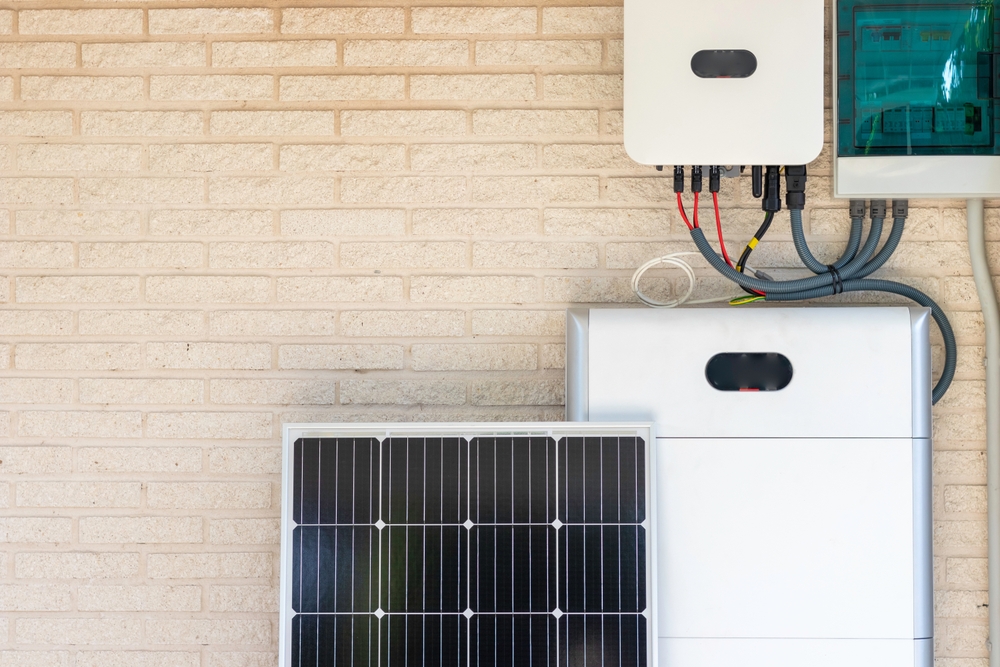
A typical home battery setup comprises a battery pack, an inverter/charger, a battery management system (BMS), and often a dedicated monitoring app for the user. Integration with an existing home energy system—most commonly a solar photovoltaic (PV) array—is seamless and increasingly user-friendly.
Energy Flow During a Day
- Morning: As the sun rises, solar panels begin producing electricity. The initial surge often exceeds household consumption, with surplus energy routed into the battery for later use.
- Afternoon: Excess solar production continues to charge the home battery. If fully charged, additional surplus can be exported to the national grid, where permissible.
- Evening/Night: When solar generation tapers off, the stored energy in the battery covers domestic electricity use, reducing or eliminating reliance on the grid.
This cycle not only maximizes self-consumption but also fortifies households against grid outages, delivering both sustainability and resilience.
Benefits of Installing a Home Battery in Spain
Integrating a home battery into your Spanish residence yields a broad spectrum of benefits—economic, practical, and environmental. Each advantage contributes to a compelling value proposition for modern homeowners.
Economic Advantages
- Reduced Energy Bills: By storing cheap, self-generated electricity and using it during peak-price periods, households slash their grid consumption and overall utility costs.
- Faster Return on Investment: Decreasing battery prices, government incentives, and volatile electricity rates together ensure that the payback period for home battery investments continues to shrink.
- Potential Earnings: Participation in energy trading or “peer-to-peer” markets is on the horizon, enabling homeowners to monetize surplus stored energy.
Energy Security and Independence
- Grid Resilience: Home batteries provide backup power during blackouts, an important consideration as climate change increases the incidence of severe weather events affecting grid reliability.
- Energy Independence: By relying more on self-generated electricity, families and property owners reduce their exposure to grid supply fluctuations and price shocks.
Sustainability and Environmental Impact
- Lower Carbon Footprint: Time-shifting the use of renewable power minimizes reliance on coal or gas-fired plants, directly reducing household carbon emissions.
- Support for the National Grid: Distributed batteries can stabilize the grid by absorbing excess renewables during the day and releasing power in the evening, assisting in matching supply and demand.
Each of these benefits compounds over the lifetime of the battery, making the case for widespread adoption throughout Spain and beyond.
Choosing the Right Home Battery for Your Spanish Property
Selecting the optimal home battery system involves a careful assessment of energy needs, properties, system compatibility, and budget considerations. The following process guides Spanish homeowners through the essential decision-making steps.
Assessing Your Energy Profile
- Historical Usage Data: Analyze electricity bills and smart meter data to determine average daily and seasonal consumption.
- PV Array Size: Match battery size to forecasted surplus solar generation; oversized batteries may remain underutilized, while undersized batteries could limit self-consumption.
- Backup Needs: Consider critical appliances or circuits to be supported during outages, impacting required capacity and inverter sizing.
Technical Compatibility and Installation Considerations
- Inverter Integration: Ensure the battery system is compatible with your existing (or planned) inverter and can communicate with PV and grid infrastructure.
- Physical Space: Home batteries are typically wall-mounted or installed in garages, utility rooms, or shaded outdoor enclosures; adequate ventilation and thermal management are necessary.
- Warranty and Maintenance: Evaluate durability, manufacturers' support, and warranty terms—industry leaders often offer 10 years or more.
Budgeting and Financial Planning
- Upfront Costs: Include the price of equipment, electrical work, permitting, and VAT (IVA).
- Tax Incentives: Account for any local or regional subsidies, which can offset initial investment.
- Long-term Savings: Estimate annual reductions in electricity spending, factoring in projected rate increases.
A meticulous approach to planning ensures seamless installation and maximizes returns, both financially and environmentally, for years to come.
Solar and Battery Integration: The Perfect Match
Combining solar PV systems with home batteries unlocks the full potential of residential renewable energy production. In Spain, where solar irradiation is among Europe's highest, this integration provides unrivaled synergy.
Maximizing Self-Consumption
By capturing sunlight during the day and dispatching stored energy at night, homeowners can directly use a greater share of their renewable generation—reducing exports to the grid and enhancing overall system efficiency.
- Sizing for Self-reliance: While the average Spanish home consumes approximately 8-12 kWh daily, system design should ensure that typical daily generation is fully utilized (either immediately or via storage).
- Consumption Shifting: Technologies such as smart appliances, timers, and automated home energy management platforms complement batteries by scheduling major loads (e.g., water heating, EV charging) when solar availability peaks.
Grid Trading and Future-Proofing
Spain’s regulatory landscape is rapidly evolving. As local energy trading and virtual power plant (VPP) models become mainstream, homeowners with batteries will increasingly benefit from participating in balancing services and demand-response markets. The foundation laid with a home battery today ensures technological readiness for emerging opportunities tomorrow.
Economic Outlook: Costs, Savings, and Incentive Programs
Investing in a home battery in Spain involves both upfront expenditure and ongoing savings that span decades. Understanding the interplay of market dynamics, cost trends, and subsidies is fundamental for making an informed and strategic investment decision.
Current Costs for Spanish Homeowners
- Battery Systems: As of 2024, a typical lithium-ion home battery system (5-10 kWh) costs between €4,000 and €8,000, including installation.
- Auxiliary Equipment: Inverter upgrades, smart meters, enclosure costs, and electrical labor add €1,000–€2,500 to the project.
- Ongoing Maintenance: Minimal for most lithium-ion systems, restricted to occasional inspections and, rarely, BMS software updates.
Government Aid and Regional Support
- National Subsidies: Through the Next Generation EU funds and Spanish government initiatives, homeowners may receive direct grants covering a significant portion of installation costs.
- Regional Programs: Autonomous communities such as Andalusia, Valencia, and Catalonia periodically release additional aid, potentially combining with local tax deductions.
- Reduced VAT: For certain energy-saving renovations, a reduced VAT rate may be applicable—check current legal provisions with a specialist.
- Net Metering and Feed-in Tariffs: Policies incentivize surplus energy export, with households compensated for their contributions to grid stability and green power supply.
Calculating Payback Period and Return on Investment
A well-designed home battery system in Spain can achieve a payback in 6–10 years, depending on usage patterns, solar irradiation, and subsidy availability. With electricity prices forecasted to trend upward, the ROI of modern battery installations improves annually.
Environmental Impact: Driving Spain’s Energy Transition
Beyond individual convenience and savings, home batteries play a critical role in Spain's transition towards a carbon-neutral electricity system. Their environmental benefits extend from the household to the national and even global scale.
Decarbonizing with Decentralized Storage
- Peak Shaving: By discharging during peak grid demand (evenings), home batteries offset fossil generation, helping to smooth demand curves and reduce reliance on polluting power plants.
- Solar Curtailment Mitigation: As renewable penetration rises, periods of excess solar generation sometimes force grid operators to curtail (waste) clean power. Distributed storage absorbs these surpluses, furthering decarbonization goals.
- Lifecycle Considerations: Battery manufacturers are increasingly adopting ethical sourcing, recycling programs, and circular design philosophies to minimize manufacturing and end-of-life impacts.
Contributing to Grid Flexibility and Reliability
- Virtual Power Plants (VPPs): Aggregated home batteries can function as cloud-controlled mini-power plants, balancing renewable supply, preventing blackouts, and responding to fluctuating grid conditions.
- Facilitating Renewables Integration: Distributed storage supports the rapid expansion of wind and solar, stabilizing the transition and reducing fossil fuel “backup” requirements.
Every battery placed in a Spanish home accelerates the collective march toward a sustainable, self-reliant, and resilient national energy grid.
Case Studies: Real-World Experiences of Battery-Powered Homes in Spain
Understanding the practical impact of home battery adoption is best achieved through real-life examples of homeowners benefitting from advanced energy storage.
Villa in Andalusia: Maximum Autonomy
- Located in sun-kissed Málaga, this villa owner installed a 10 kWh lithium-ion battery paired with a 6 kWp PV system.
- With careful scheduling of major appliances and optimal orientation of solar panels, yearly self-consumption rates exceed 85%.
- The homeowner reports near-total independence from grid electricity during spring and summer months, with substantial reductions in annual electricity spend.
Apartment Complex, Valencia: Collective Benefit
- An innovative multi-family building has adopted a shared solar-battery scheme, leveraging updated Spanish self-consumption laws.
- By pooling resources, residents collectively enjoy reduced energy tariffs and robust backup power, fostering community sustainability initiatives.
- Resident surveys show overwhelming satisfaction with the flexibility and transparency of electricity billing, as well as the reliability of backup power.
Rural Home near Girona: Off-grid Excellence
- Without grid access, this rural home relies entirely on a 17 kWh battery bank and a hybrid solar/wind system for year-round energy independence.
- Rainy and cloudy spells are comfortably weathered, given the ample storage capacity and backup generator integration.
- The owner highlights their profound sense of security and ecological responsibility, enjoying modern comforts with minimal environmental impact.
These case studies exemplify the versatility and transformative potential of home battery systems in diverse Spanish settings.
Overcoming Challenges: Myths, Misconceptions, and Practical Considerations
While the benefits of home batteries are substantial, navigating the transition to a battery-powered home requires overcoming certain misconceptions and technical hurdles.
Common Myths About Home Batteries
- “Batteries are only for off-grid living.” Modern storage solutions boost on-grid resilience and economics as much as they do for remote locations.
- “Batteries don’t last long.” With lifespans now exceeding a decade and warranties to match, today's batteries are built for longevity. Proper sizing and management further extend operational life.
- “Installation is complex and disruptive.” Professional installers minimize downtime; many battery retrofits are completed in less than a day with minimal home disruption.
- “The technology isn’t mature.” Residential battery systems are well-proven globally, with continuous advancements in efficiency, safety, and digital integration.
Addressing Practical Challenges
- Grid Integration: Not all Spanish grid operators are equally prepared for high volumes of distributed batteries; working with experienced suppliers and installers streamlines grid connection processes.
- Regulatory Delays: Permitting may vary by region; engaging professionals familiar with local requirements accelerates approvals and ensures compliance.
- Space and Aesthetics: Modern batteries are compact and visually appealing, providing flexibility for discrete installation in homes, gardens, or garages.
- Disposal and Recycling: Leading manufacturers offer take-back programs; ensure your chosen solution has a clear end-of-life management path, supporting a circular economy.
By addressing these barriers with facts and proactive planning, homeowners can confidently move forward with their transition to energy independence.
The Future of Energy Storage in Spain: Trends and Predictions
As Spain pursues its ambitious climate objectives, home batteries will only grow in strategic importance. Emerging trends signal a future where energy storage is not only common but indispensable.
Widespread Adoption and Falling Costs
- With manufacturing scaling globally, costs are projected to fall by another 20–40% by 2030, making batteries accessible for a broader segment of Spanish society.
- Technological improvements—higher energy density, faster charging, and safer chemistries—will enhance both performance and consumer confidence.
Smarter Homes and Digital Innovation
- Artificial intelligence and real-time monitoring will refine energy management, seamlessly optimizing battery use to maximize savings and sustainability.
- Integration with “smart home” ecosystems allows granular control and automation of loads, from electric vehicle charging to intelligent heating and cooling.
Community Microgrids and Local Energy Markets
- Neighborhood-scale batteries and solar arrays will enable local energy trading, further disrupting traditional utility models.
- Municipalities and housing associations will promote cooperative energy storage schemes, pooling benefits and reducing vulnerability to lone-system failures.
Supporting Renewable Grid Expansion
- Home batteries, as distributed assets, will be central to grid stability, supporting Spain’s goal of achieving a carbon-neutral electricity system well before 2050.
- Broader EV adoption—where car batteries can be integrated with home storage (“vehicle-to-home”—V2H)—suggests a future where every home and vehicle is a node in the energy network.
The trajectory is clear: batteries aren’t just a luxury or supplemental tool but emerge as a cornerstone of resilient, sustainable living.
Frequently Asked Questions About Home Batteries in Spain
How does a home battery work with solar panels?
The battery stores excess solar electricity generated during the daytime for use at night or during cloudy periods, ensuring maximum self-consumption and reduced grid reliance. An intelligent inverter manages the flow, seamlessly switching between solar, battery, and grid sources as needed.
What size battery do I need?
Most Spanish homes benefit from a 5–12 kWh battery, depending on daily usage patterns, solar array size, and backup requirements. Accurate sizing is critical; oversizing leads to underutilization, undersizing restricts independence.
Can I go completely off-grid?
Yes, with sufficient battery and renewable energy capacity. However, most choose grid-connected systems for redundancy, cost optimization, and participation in subsidy schemes.
What is the lifespan of a home battery?
Modern lithium-ion batteries are designed for 10–15 years (or more), with typical warranties covering 7,000–10,000 cycles. Durability increases with optimal management and moderate use.
Are home batteries safe?
Yes—most systems include robust management software, thermal controls, and multiple layers of safety. Professional installation, adherence to local codes, and routine maintenance ensure trouble-free operation.
What financial incentives are currently available?
National and regional grants, tax credits, and reduced VAT rates vary by community and policy cycle. Consulting with an expert ensures you capture all available support when installing your system.
Does installing a battery add value to my home?
Yes. Energy-efficient, resilient homes are increasingly desirable in the Spanish real estate market, enhancing both property value and future marketability.
Best Practices for Operating and Maintaining Your Home Battery
To ensure your home battery delivers optimal performance, follow these expert strategies during day-to-day operation and periodic maintenance.
System Monitoring and Smart Management
- Use Manufacturer Apps: Monitor performance metrics, energy flows, and historical data from your smartphone or computer.
- Customize Settings: Adjust charge/discharge times based on forecasted consumption, solar availability, and electricity tariffs.
- Enable Firmware Updates: Keep your system up to date with the latest software, ensuring compatibility with evolving grid protocols.
Routine Maintenance
- Visual Inspections: Check for dust buildup, cable connections, and any physical damage or abnormal noise.
- Professional Servicing: Schedule annual checks with a certified electrician or installer to guarantee warranty compliance and safe operation.
- Battery Management System (BMS): Allow the BMS to balance cells, prevent over-discharge/over-charge situations, and prolong the lifespan.
Consistent care not only safeguards your investment but also extracts maximum value as electricity prices and demand patterns shift over time.
Home Battery Myths Debunked: Separating Fact from Fiction
Misinformation and persistent myths sometimes delay homeowners from embracing the benefits of energy storage. Let’s clarify the top misconceptions.
“Batteries don’t work well in hot climates.”
Spain’s climate is battery-friendly. Most systems include built-in thermal management—fans or heat exchangers—to ensure safe operation during even the hottest months. Proper placement indoors or in shaded, ventilated locations supports longevity.
“I won’t save enough to justify the investment.”
With falling equipment prices, rising electricity costs, and innovative financial incentives, most Spanish homeowners see clear net-positive returns. Each home is unique; a tailored analysis reveals your specific savings profile.
“Grid-connected batteries don’t matter for the environment.”
Every kilowatt-hour of self-consumed renewable power reduces carbon emissions, regardless of grid connection. Batteries accelerate the national transition, reducing fossil dependency at both local and systemic levels.
“Batteries require constant attention.”
Modern systems are largely automated—daily manual intervention is unnecessary. Apps and smart platforms provide alerts for rare issues, while quarterly or annual professional checks suffice for maintenance.
“My battery will become obsolete quickly.”
Upgrades in software and modular hardware design support future adaptability, ensuring your investment holds value as standards and grid protocols evolve.
Steps to Installation: Planning and Implementing Your Home Battery Project
A structured approach simplifies the process of installing a home battery and guarantees compliance, safety, and value creation.
- Site Assessment: An energy professional will review your electrical infrastructure, consumption data, available space, and PV system.
- System Design: Engineers select optimal battery capacity and integration strategies, preparing detailed plans for approvals.
- Permitting and Subsidy Application: Your partner will handle necessary filings with local authorities and submit grant applications for applicable incentives.
- Equipment Procurement: Trusted manufacturers and suppliers provide certified, warranty-backed systems tailored to your requirements.
- Installation: Certified electricians fit the battery, connect it to the inverter, and set up monitoring hardware/software.
- Testing and Commissioning: The installation team verifies all hardware, loads, and communications, then initiates the first charge-discharge cycle under supervision.
- User Training: You’ll receive a walk-through of daily use, safety protocols, and app-based monitoring tools.
- Ongoing Support: Annual servicing and remote app diagnostics keep your system performing optimally with minimal hassle.
Professional project management from inception to commissioning assures not just technical integrity but also peace of mind.
Resilience, Value, and Leadership: Home Batteries as Future-Proof Investments
Spain’s accelerated progress towards decarbonization renders home battery installations far more than a lifestyle upgrade—they are a societal contribution and financial safeguard.
- Resilience: Batteries fortify homes against storms, blackouts, and energy price volatility, preserving security and comfort year-round.
- Value Creation: Green-certified homes stand out in competitive markets, appealing to eco-conscious buyers and increasingly stringent future energy standards.
- Leadership: Early adopters inspire communities, setting benchmarks for responsible living and stimulating wider adoption through visible success.
Investing today positions you—and Spain—at the vanguard of the shift towards clean, distributed power.
Summary: Embracing Spain’s Sustainable Energy Future
Home batteries represent a pivotal advancement in Spain’s sustainable energy journey, merging innovation, practicality, and environmental stewardship. Whether maximizing self-sufficiency, unlocking new revenue streams, or protecting your family from outages and rising costs, the thuisbatterij is a key pillar of the future home.
As solar potential, political will, and community ambition converge, there has never been a more opportune moment to act. Thoughtful planning, expert installation, and a commitment to ongoing smart management will ensure your home battery project flourishes for decades—benefiting both you and generations to come.
Glossary: Essential Terms in Spanish Home Battery Adoption
- Thuisbatterij: Dutch term for home battery, increasingly adopted into the Spanish technical vernacular.
- PV (Photovoltaic): Solar energy technology converting sunlight into direct current electricity.
- Inverter: Converts DC from solar panels and batteries into usable AC electricity for the home.
- Self-Consumption: Direct use of renewable electricity generated onsite, rather than exporting.
- Depth of Discharge (DoD): The percentage of battery capacity discharged during use.
- Virtual Power Plant (VPP): A digital aggregation of distributed batteries, managed as a single grid asset.
- Net Metering: A billing mechanism that credits solar energy system owners for the electricity they add to the grid.
- Next Generation EU: European economic recovery fund allocating significant support for green infrastructure.
Contact IMMO ABROAD for Home Battery Guidance
The transition to home battery storage is not just a technological upgrade—it is an investment in your comfort, autonomy, and the collective well-being of Spain. Whether you own a villa, apartment, or country home, tailored energy solutions unlock peak performance and enduring value.
For expert guidance, property-specific analysis, and seamless project management, IMMO ABROAD stands ready to accompany you on every step of your sustainable energy journey. Invest with vision. Build for a brighter, greener future—starting at home.