





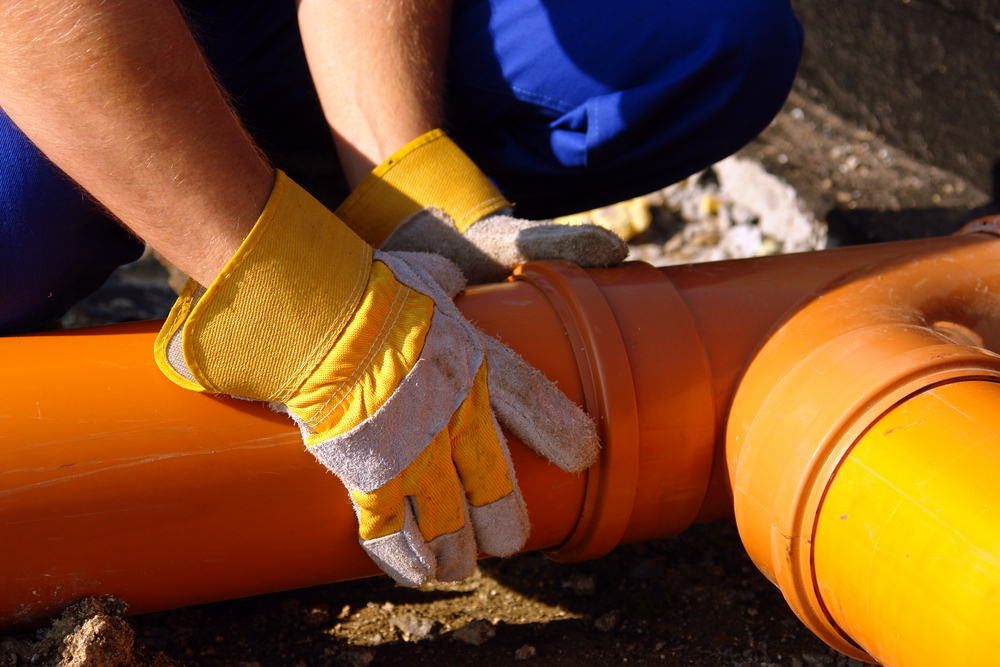
Understanding the Sewer System in Spain: An In-Depth Guide
The intricate world of wastewater management plays a crucial role in the health and functionality of modern urban and rural environments. In Spain, the design, implementation, and ongoing maintenance of sewage systems reflect unique historical developments, climatic conditions, geographical features, and regulatory standards. Whether you are a property owner, a prospective buyer, or simply an inquisitive mind, unraveling how the Spanish sewer systems and septic tanks work will offer valuable insights.
The Historical Development of Sewerage in Spain
Spain’s relationship with water management is both ancient and sophisticated, going back to the days of Roman engineering, which brought aqueducts, drainage systems, and bathhouses. For centuries, urban centers in Spain benefited from innovations such as underground sewers and paved drainage channels, particularly evident in cities like Córdoba, Toledo, and Barcelona. While rural areas lagged in infrastructural investments until the late 20th century, today Spain combines tradition with cutting-edge technology in its sewage management.
Throughout the 20th century, especially following Spain’s post-1978 democratic transition and economic expansion, the government provided substantial investments to bring modern sanitation to even the remotest regions. This progress has been shaped by EU directives on environmental protection, leading to cleaner rivers, comprehensive sewage networks, and more rigorous standards for both public and private wastewater treatment.
How Does the Urban Sewer System Work in Spain?
Most urban properties in Spain are connected to a comprehensive public sewer network (red de alcantarillado). This system collects domestic, industrial, and stormwater runoff, channeling it through an extensive network of underground pipes, inspection wells, pumping stations, and treatment plants.
Collection and Transportation
Wastewater exits homes and businesses through a complex assembly of pipes, immediately entering the local municipal system via a central drain. Gravity does most of the work in low-lying zones, but in hilly cities or those undergoing expansion, mechanical pumps are used to redirect sewage to the appropriate collection mains. Along the way, manholes (pozos de registro) provide access for cleaning and routine inspections.
Treatment and Discharge
Once sewage reaches the municipal wastewater treatment plant (Estación Depuradora de Aguas Residuales, EDAR), it undergoes several stages of purification:
- Primary Treatment: Removal of solids and large debris via screening and sedimentation.
- Secondary Treatment: Elimination of organic matter through biological processes involving bacteria and aeration tanks.
- Tertiary Treatment: Further purification using filters, UV light, or chemicals to eliminate pathogens and nutrients.
The treated water (agua depurada) can be safely discharged into rivers, the sea, or in many cases, recycled for irrigation or industrial use—reflecting Spain’s commitment to water conservation in its often dry climate.
Components of a Spanish Urban Sewerage System
The efficiency of urban sewerage depends upon the integration of several key elements working in concert:
- Household Connections (Acometidas): Responsible for delivering wastewater from private properties to the main network.
- Main Sewer Lines (Colectores principales): Larger pipes that carry aggregated sewage to treatment facilities.
- Stormwater Collection (Red Pluvial): A distinct network in many cities handles rainwater runoff to reduce the risk of flooding and overloading sewage plants.
- Pumping Stations (Estaciones de bombeo): Mechanized installations, essential in low-lying or expanding urban zones, maintain the flow and circumvent topographic limitations.
- Wastewater Treatment Plants (EDAR): These high-tech facilities are the final stage before water is returned to the environment or reused.
Collectively, these elements make the modern Spanish sewerage system both robust and adaptable to varying climates and urban densities.
Sewer Systems in Rural Spain: Decentralized Solutions
While Spanish cities typically enjoy the benefits of sophisticated municipal systems, a significant proportion of rural Spain must rely on alternative methods for managing wastewater. This is particularly true in remote villages, mountainous areas, or individually located properties where connection to municipal mains is logistically or economically unfeasible.
In such scenarios, septic tanks (fosas sépticas) and other decentralized wastewater solutions are not just common but often the only viable option.
What Is a Septic Tank and How Does It Work?
A septic tank is an underground, watertight chamber, customarily made of concrete, fiberglass, or plastic. Its function is to receive all household wastewater—both greywater (from sinks, baths, etc.) and blackwater (from toilets)—and process it on-site.
- Influent Entry: Wastewater enters the tank through an inlet pipe, where it remains undisturbed for several days.
- Separation: Solids settle at the bottom, forming sludge, while lighter materials (fats, oils, grease) float to the top as scum.
- Decomposition: Anaerobic bacteria in the tank break down organic material in the sludge, reducing its volume and toxicity.
- Effluent Discharge: The clarified liquid between the sludge and scum layers flows out through an outlet pipe, often to a secondary treatment system or directly into a soakaway/drain field (campo de infiltración).
Regular maintenance is requisite to remove built-up sludge and prevent environmental contamination, typically carried out every 1 to 4 years, depending on usage and tank size.
Types of Rural Wastewater Solutions in Spain
Diversity in terrain, climate, and population density has given rise to a variety of decentralized waste management systems:
- Traditional Septic Tanks: Most common in detached homes and small rural communities.
- Extended Drainfields: Used where soil conditions and space permit, allowing treated liquids to percolate safely.
- Compact Treatment Plants: Advanced miniaturized units employing aerobic bacteria, chemical treatment, or UV sterilization suitable for isolated properties requiring high purification levels.
- Imhoff Tanks: Similar to septic tanks but with an internal separation of sludge and gases, offering more efficient digestion.
- Constructed Wetlands: Eco-friendly systems that mimic natural wetlands, using vegetation and gravel to filter and treat effluent.
The chosen system is typically dictated by local environmental regulations, topography, water table depth, space, and household size.
Regulatory Framework and Environmental Standards
The management of wastewater in Spain is governed by a blend of national regulations and European Union directives, with regional governments (Comunidades Autónomas) often implementing stricter controls or tailored guidelines for sensitive areas.
National and EU Legislation
Key national laws include the Ley de Aguas (Water Law) and associated Royal Decrees governing wastewater discharge, treatment, and infrastructure requirements. EU legislation, particularly the Urban Waste Water Treatment Directive 91/271/EEC, has catalyzed major investment and improvement in treatment coverage and water quality.
Key requirements include:
- Obligation to connect: In towns where public mains are available, connecting properties is usually mandatory for health, environmental, and legal reasons.
- Installation standards: Specific norms for septic tank sizing, location (distance from wells, boundaries, homes), and construction materials.
- Discharge permits: In rural zones, individual discharge licenses are required, ensuring septic effluent does not pollute groundwater or nearby streams.
- Maintenance: Regular inspection and desludging are often mandated and may be monitored by local authorities.
- Prohibition of certain chemicals: Use of products harmful to natural bacteria or hazardous to groundwater is banned.
Compliance and Enforcement
Regional governments (Juntas or Consejerías) supervise implementation, supported by health and environmental services. Fines and corrective orders for illegal discharges, poorly maintained installations, or environmental damage are not uncommon, and repeated non-compliance can result in criminal prosecution or property embargoes.
The Role of Septic Tanks in Spanish Properties
For many Spanish homes—especially those in picturesque countryside settings—septic tanks are not only critical to daily living but also a potential factor in real estate value, insurance, and legal compliance. Understanding the responsibilities and technicalities of septic tank ownership is essential for property buyers, sellers, and long-term residents alike.
Selecting the Right Septic Tank
The choice of septic system hinges on several factors, each of which can significantly impact your property’s future:
- Soil Permeability: Soil testing is vital. Clay-heavy soils may require engineered drainage beds or alternatives like raised beds.
- Tank Capacity: The size of the tank should reflect the number of users, typically calculated as 150-200 liters per person per day, with larger tanks enduring longer without emptying.
- Effluent Treatment: Stringent areas or properties near watercourses may demand secondary or even tertiary treatment units to safeguard against pollution.
- Legal Setbacks: Tanks must be placed a minimum distance from property boundaries, wells, and buildings, with exact distances varying per region (often 2-5 meters from buildings, 10+ from wells).
- Ventilation: Adequate venting is essential to disperse gases and maintain anaerobic decomposition.
Septic Tank Installation Process
Installation of a new septic tank in Spain typically involves:
- Site Survey and Soil Testing: Professional assessment ensures compatibility with local ground conditions and compliance with regulations.
- Engineering Project: A licensed architect or engineer will draw up installation plans, sometimes required by the town hall (Ayuntamiento).
- Municipal Licensing: Permission must be sought, and fees paid. Non-compliance can jeopardize building habits.
- Qualified Installation: Only registered contractors should install the system, guaranteeing adherence to norms and providing warranties.
- Final Inspection: Some regions require a post-installation inspection before approving the system for use.
When buying rural property, always request documentary proof of proper licensing and recent maintenance; the absence of such can result in costly remediation or legal complications.
Common Problems and Maintenance of Spanish Sewer Systems
Though modern Spanish sewerage is reliable, both public and private systems are subject to wear, misuse, and environmental stress.
Public Network Issues
- Blockages: Grease, wipes, and non-biodegradable solids are primary culprits. Blocked sewers can lead to odors, slow drains, or backups.
- Flooding: Intense storms, particularly along the Mediterranean, can overwhelm stormwater systems, leading to urban flash floods or sewage overflows.
- Main Line Breaks: Tree roots, ground movement, or aging can crack pipes, necessitating major repairs.
Private Systems and Septic Tanks
- Neglect: Infrequent emptying allows solids to accumulate, risking overflow or leaching into groundwater.
- Use of Harsh Chemicals: Bleach, solvents, and non-septic-safe cleaning products kill beneficial bacteria, impeding treatment efficiency.
- Poor Siting: Tanks too close to water sources or in high water table zones risk contamination and health hazards.
- Odors and Surfacing: Persistent smells or wet patches above a septic tank suggest problems such as overloading, leaks, or drainage failure.
Annual or biannual checks by specialists are essential to ensure proper function and extend the lifespan of the installation.
Water Reuse and Sustainable Approaches
Spain’s climate, characterized by extended droughts and episodes of heavy rain, has driven innovation in water reuse and “circular” sanitation solutions.
Urban Water Recycling
Treated effluent from EDARs is increasingly reused for urban irrigation, cleaning, and industrial use—reducing potable water demand and contributing to environmental resilience.
Advanced On-Site Treatment
Modern rural systems may employ:
- Aerobic Treatment: Adding air to foster aerobic bacteria, achieving higher purification than traditional septic tanks.
- Membrane Filtration: Filtering effluent through advanced membranes, producing reusable water for landscape irrigation.
- Natural Wetlands: Landscaped zones planted with rushes and reeds absorb nutrients, providing final polishing before discharge to the soil.
Investment in these systems is encouraged through subsidies or relaxed permitting in some regions, particularly where water scarcity is acute.
Buying Property in Spain: Key Considerations Regarding Sewerage
Purchasing property in Spain is an exciting prospect, but awareness of sewerage arrangements is crucial to avoid future surprises and ensure legal compliance.
Due Diligence for Urban Homes
- Connection Confirmation: Verify that the property is connected to the municipal network; request recent utility bills and inspection certificates.
- Shared Drains: Particularly in older neighborhoods, several homes may connect via a shared drain; check the maintenance history and clarify cost responsibilities.
Rural Properties and Septic Tanks
- Documentation: Ask for permits, proof of regulatory inspections, recent emptying, and as-built plans showing the installation’s location.
- Inspection: Hire an independent specialist to check the condition and adequacy (capacity, drainage, absence of leaks).
- Upgrades: Some older tanks may not meet contemporary standards; factor in the cost of replacement or upgrading when negotiating price.
With increasing scrutiny by local authorities and rising environmental standards, having a properly maintained, documented, and legal sewage system is not just a matter of convenience but of property value and legal security.
Frequently Asked Questions About Sewerage in Spain
Can I connect my rural property to the public sewer if it becomes available?
Yes, and in many cases this is obligatory. When public mains (red general de alcantarillado) are extended, properties are commonly required to decommission septic tanks and connect at their own expense within a set period.
Is mains sewerage available everywhere?
No. While virtually all Spanish towns and larger villages offer mains connection, many outlying rural homes, mountain retreats, and isolated properties are reliant on private or communal systems.
How often should a septic tank be emptied?
On average, every 1 to 4 years, depending on tank size and usage. Local regulations or environmental factors may also dictate more frequent maintenance for environmental safety.
Are septic tanks suitable for large households?
Yes, provided they are sized appropriately and maintained diligently. For larger homes or groups, multiple tanks or advanced compact treatment plants may be advisable.
Can I discharge treated wastewater into a river or drainage ditch?
Only with explicit official permission. Discharge is typically restricted to systems employing secondary or tertiary treatment, designed to minimize environmental impact, and subject to periodic monitoring.
Spanish Innovations in Wastewater Management
Spain is at the forefront of sustainable wastewater management, responding to scarce water resources, rapid urbanization, and environmental pressures. Several initiatives highlight Spanish expertise and ingenuity.
Smart Monitoring Systems
Cutting-edge sensor networks now monitor urban sewer and treatment networks in real-time, detecting leaks, predicting overflow risks, and optimizing maintenance schedules, thus maximizing both health and efficiency.
Reclaimed Water
Over 1,000 Spanish facilities now reclaim and reuse wastewater for agriculture, park irrigation, and even aquifer replenishment, earning the country a spot among Europe’s leaders in water reuse technology.
Green City Initiatives
- Barcelona: Operates one of Europe’s largest tertiary treatment plants, reusing millions of cubic meters annually.
- Valencia and Alicante: Cities where sustainable drainage, constructed wetlands, and reclaimed water have become the standard for urban parks and gardens.
Legal and Financial Aspects of Sewerage and Septic Systems
Sewerage arrangements affect not only day-to-day living but also legal standing and property values. Whether buying, selling, or renovating, clear understanding of these implications is essential.
Sewerage Charges and Billing
Urban property owners pay a regular sewerage charge (canon de saneamiento) as part of their water bill. This fee covers public maintenance, treatment, and environmental improvements, varying by region and usage.
Those using private septic tanks do not pay this municipal charge but are responsible for their own operating and maintenance costs—including periodic emptying (desfangado), inspections, and possible upgrades.
Responsibility for Repairs and Blockages
- Private installations: The owner is responsible for maintenance and repairs up to the boundary with the public main (usually the edge of the plot).
- Communal networks: In buildings or urbanizations sharing drainage, maintenance costs are distributed among property owners or via the community association.
- Public network: The municipal authority is responsible beyond private boundaries, but users must avoid improper disposal to prevent fines.
Tax Implications
Environmental taxes and incentives are occasionally available for upgrading inefficient or polluting systems, particularly in protected areas. Regularization or legalization of pre-existing installations (especially septic tanks) is encouraged by local authorities to ensure compliance and environmental safety.
Best Practices for Users: How to Maintain Your Sewer or Septic System
Whether your property is urban or rural, responsible management of wastewater is crucial. Not only does it protect the environment, but it also ensures regulatory compliance and minimizes repair costs. Here’s how to take care of your system:
For Urban Mains Users
- Dispose Responsibly: Avoid flushing wipes, fats, oils, chemicals, or non-degradable items down the drain.
- Beware of Roots and Ground Movement: Periodically check that trees close to drains are not causing root ingress or pipe displacement.
- Report Blockages Promptly: Early intervention by municipal services prevents extensive damage.
For Septic Tank Owners
- Regular Emptying: Arrange for professional sludge removal every 1–4 years as necessary.
- Monitor for Leaks or Smells: Unpleasant odors or spongy ground may indicate system failure.
- Protect Beneficial Bacteria: Use only septic-safe cleaning products and avoid pouring strong disinfectants, detergents, or medicines down the drain.
- Conserve Water: Excess water entering the system can overload and reduce efficiency. Stagger heavy usage loads (e.g., laundry).
- Record Keeping: Maintain a log of inspections, emptying dates, and repairs for regulatory or real estate purposes.
Environmental Impact: How Spanish Sewage Management Protects Nature
Proper sewage management is among the most significant environmental safeguards in Spain, a nation blessed with unique ecosystems but vulnerable to pollution from urban and agricultural sources.
Protecting Groundwater and Rivers
Strict control of discharges and maintenance of both public and private systems have helped reverse historical river pollution. Today, Spain boasts many “Blue Flag” beaches and recovering aquatic habitats, testifying to improved water quality.
Renewable Energy and Resource Recovery
Many treatment plants now capture methane from sewage digestion, converting it into electricity or heat. Nutrient recovery (such as phosphate extraction) further transforms waste into valuable resources for agriculture or industry.
Reducing Carbon Footprint
The push for energy-efficient systems, combined with water reuse and sludge recovery, positions Spain as a leader in sustainable sanitation, benefiting both residents and the broader ecosystem.
Preparing for the Future: The Evolution of Spanish Sewerage
The coming decades will see even more dramatic changes as technology, regulation, and environmental pressures converge:
- Climate Change Adaptation: Smarter, more resilient urban sewerage to handle flash flooding and water scarcity.
- Green Infrastructure: Wider deployment of rain gardens, green roofs, and permeable pavements to reduce runoff and urban heat.
- Decentralized Innovations: Advanced compact treatment systems making rural living more sustainable and less environmentally impactful.
- Circular Economy: Integration of waste management, energy recovery, water reuse, and ecosystem services.
- Digital Transformation: Use of Internet of Things, artificial intelligence, and big data for predictive maintenance and transparent oversight.
These advances ensure that Spanish homes—whether in bustling cities or remote fincas—continue to benefit from world-class sanitation, human health, and environmental protection.
Conclusion: The Importance of Understanding Sewerage in Spain
From the ancient sewers of Roman cities to today’s high-tech urban and rural systems, Spain’s approach to wastewater management is rooted in a blend of tradition, innovation, and strict regulation. Whether your property is connected to a modern municipal network or relies on a well-maintained septic tank, the systems in place work tirelessly, often unnoticed, to safeguard water, health, and the future of communities and the environment.
A profound understanding of the workings, responsibilities, and future directions of sewerage in Spain empowers property owners, buyers, and residents to make informed decisions, remain in compliance with evolving standards, and contribute to a sustainable future. By respecting the rules and investing in proper maintenance, you ensure that your property is not merely compliant but resilient against both present and future challenges.
Glossary of Key Terms
- Alcantarillado: Sewerage system.
- EDAR (Estación Depuradora de Aguas Residuales): Wastewater treatment plant.
- Fosa Séptica: Septic tank.
- Canon de Saneamiento: Sewerage charge paid with municipal water bills.
- Campo de infiltración: Drain field for septic tank effluent.
- Pozos de Registro: Inspection manholes.
- Desfangado: Periodic emptying and cleaning of septic tanks.
- Red Pluvial: Rainwater/storm drainage system.
- Vertido: Discharge of wastewater into the environment.
Appendix: Regional Variations in Sewerage Practice
Spain’s diverse geography means that approaches to sewerage vary even within the national framework, reflecting local priorities and traditions:
Andalusia
- In mountainous Sierra zones, older septic tanks may still be in use, alongside emerging mini treatment plants encouraged by regional programs.
- Coastal towns operate advanced EDARs, expecting new developments to connect to public mains.
Catalonia
- Proactive in water recycling, with Barcelona leading in wastewater reuse for non-drinking purposes.
- The Pyrenean villages rely on small-scale communal or individual septic solutions.
Valencia
- Frequent flooding drives the adoption of “separate” sewer and stormwater networks to reduce overflows.
- Strict controls govern septic tank use in L’Albufera and wetland zones.
The Islands (Balearics and Canaries)
- Resource-scarce islands prioritize high recovery rates from wastewater, with modern compact systems for both urban and rural zones.
Expert’s Advice: Choosing the Right Approach for Your Property
Whether urban or rural, coastal or mountainous, each property presents unique sewage challenges and opportunities. Always engage qualified professionals for surveys, installation, and maintenance, and be attuned to regional nuances in both regulation and best practice.
At IMMO ABROAD, commitment to guiding clients through the complexities of Spanish property extends to comprehensive consultation on sewerage, septic systems, and compliance, ensuring each purchase, sale, or renovation enjoys a solid foundation of knowledge and peace of mind.
Final Thoughts
Sewerage and septic tanks may not be glamorous topics, but they are fundamental to quality of life, property value, and the health of communities and ecosystems across Spain. Whether navigating local bureaucracy, planning a dream home in the countryside, or moving to the heart of a Spanish city, understanding how these systems work is the first step toward responsible, rewarding, and sustainable property ownership.
The ongoing evolution of Spanish sewerage systems reflects a society deeply aware of its environmental responsibilities and technological possibilities. As citizens and property owners, staying informed and proactive ensures that you contribute positively to the health and beauty of Spain, now and for generations to come.