




Introduction: Understanding the Spanish Winter
The allure of Spain as a destination, both for living and travel, is inextricably linked with its diverse and beguiling climate. While the country is globally recognized for its sun-drenched summers and Mediterranean charm, the question, “Hoe lang duurt de winter in Spanje?” (“How long does winter last in Spain?”) is one that frequently arises among expatriates, holidaymakers, and property investors. The answer, however, is layered and intricate, owing to Spain’s expansive territory and its striking climatic variations. This comprehensive overview by IMMO ABROAD dives deep into the Spanish winter, exploring its duration, regional differences, and what to expect during the coolest months of the year.
Geographical Diversity: Spain’s Climatic Regions
One cannot discuss winter in Spain without first appreciating the country’s remarkable geographical diversity. Spain is the second-largest country in Western Europe, bordered by both the Atlantic Ocean and the Mediterranean Sea, featuring vast central plateaus, formidable mountain ranges, and fertile coastal plains. This topographical complexity gives rise to six principal climatic regions:
- Northwest Atlantic (Galicia, Asturias, Cantabria, Basque Country): Characterized by milder winters and abundant rainfall.
- Continental Interior (Castilla y León, Madrid, Aragón): Noted for cold winters, with temperature extremes and occasional snow.
- Mediterranean Coast (Catalonia, Valencia, Murcia, Andalusia coast): Known for mild, rainy winters and warm, dry summers.
- Southern Continental (Andalusia inland): Hot in summer, surprisingly cold in winter, especially at night.
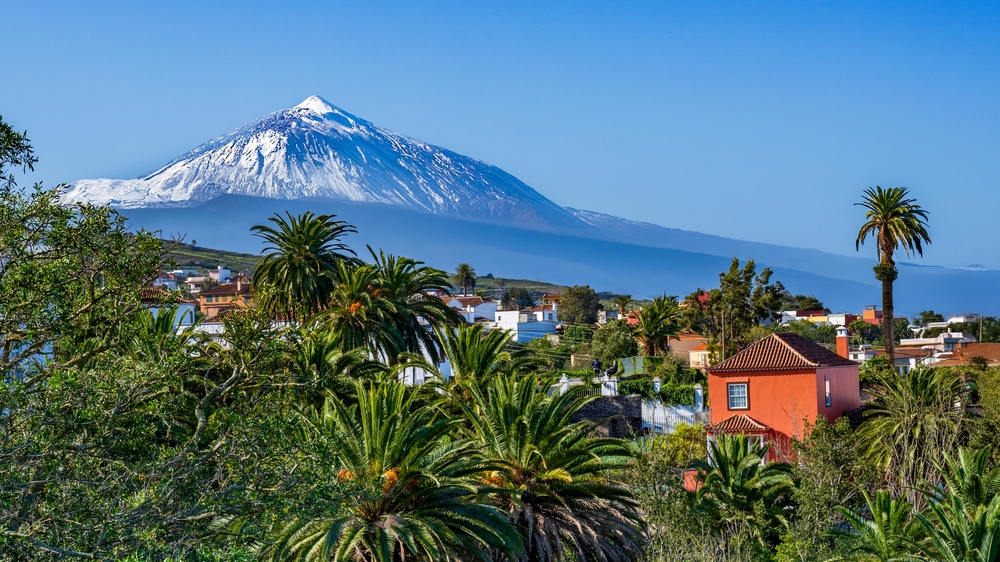
- Mountainous Regions (Pyrenees, Sierra Nevada): Distinctly cold, with heavy snowfall and long winters.
- Canary Islands: Subtropical, with barely perceptible winters and spring-like conditions year-round.
Each of these regions experiences winter differently, with substantial implications for weather patterns, duration, and daily life.
Defining “Winter” in the Spanish Context
The definition of winter in Spain extends beyond mere meteorological phenomena. While astronomically, winter begins at the winter solstice (circa December 21st) and ends at the spring equinox (circa March 20th), in practical and cultural terms, winter may arrive earlier or extend later, depending on both geography and tradition.
Meteorologically, Spanish winter aligns closely with standard European timing. However, due to Spain's latitude, winter sunlight is more abundant than in northern Europe, softening the impact of the colder months. Socially, the Spanish lifestyle, marked by vibrant town squares, festivals, and cuisine, adapts seamlessly to seasonal changes.
Traditionally, the Spanish consider winter to span December, January, and February, though in many northern and central regions, the chill of winter lingers well into March and sometimes even April.
Winter Duration and Its Variations by Region
The answer to “Hoelang duurt de winter in Spanje?” can differ markedly across regions. Let us navigate the duration and intensity of winter in each climatic area.
1. North Atlantic Coast
In Galicia, Asturias, Cantabria, and the Basque Country, winter formally begins in December and lasts until late March. Rain predominates rather than snow, with average daytime temperatures between 8°C and 15°C. However, persistent overcast skies and wind can make the season feel colder. The proximity to the Atlantic means winters are milder with few hard frosts, but the high humidity can be biting. The ‘winter’ period here almost always extends from mid-November through mid-April.
2. The Continental Interior
Spain’s vast central plateau, including cities like Madrid and Valladolid, experiences a true continental winter. While December through February are the coldest months, wintry conditions often persist from as early as late November until late March. Nighttime temperatures frequently dip below freezing, while days average between 5°C and 12°C. Snow can fall, especially in elevated areas, and the wind chill amplifies the cold. Historically, some “inviernos duros” (harsh winters) have extended into April, especially in high plateaus.
3. Mediterranean Coast and Balearic Islands
The Mediterranean coast—covering cities such as Barcelona, Valencia, Alicante, and Málaga—enjoys one of the mildest winters in continental Europe. Here, “winter” as locals understand it tends to stretch from late December to late February. Daytime temperatures usually range from 13°C to 20°C, with nights rarely falling below 5°C. Rainfall is more common but snow is a rare event apart from mountainous hinterlands. Sometimes, cool winds (such as the ‘tramontana’ or ‘levante’) can bring brief cold spells, especially in northern Catalonia.
4. Inland Andalusia
Contrary to coastal clichés, inland areas of Andalusia, including cities like Granada, Córdoba, and Jaén, often endure considerable winter cold. From early December to mid-March, frosts are frequent at night, particularly in valleys and around the Sierra Nevada. Here, the day-night thermal contrast is sharp; daytime can be briskly pleasant while nights plunge toward 0°C or below. The duration of true winter can last from November through March.
5. Mountainous Regions
The Pyrenees, Sierra Nevada, and Cordillera Cantábrica experience the longest winters in mainland Spain. The high altitudes ensure a prolonged cold season, often beginning as early as November and extending into late April or even May. Snowfall is both regular and abundant, making these regions the hub of Spain’s ski tourism. In the valleys, winter lasts at least from December through March, while in higher elevations, snow remains until late spring.
6. Canary Islands
The Canary Islands offer a stark contrast to mainland Spain. Often marketed as having “eternal spring,” the archipelago’s winters are barely distinguishable from the rest of the year. From December to February, daytime highs remain between 18°C and 24°C, with minimal rainfall and plentiful sunshine. Winter here starts and ends with the calendar, existing more on paper than in experience.
Monthly Breakdown: What to Expect Each Week
For those residing in, investing in, or visiting Spain, understanding the weekly and monthly evolution of winter is essential for planning activities and lifestyle adjustments.
December: Arrival of the Chill
- Early December: Temperatures begin to fall swiftly, especially inland. First mountain snows and citywide frosts are possible. Coastal areas remain comfortable but showers increase.
- Mid-December: The festive atmosphere of Christmas engulfs Spain. In the north and interior, outdoor living wanes as colds strengthen. In the Mediterranean, cafés still offer terrace seating on sunny afternoons.
- Late December: The winter solstice marks the official start of astronomical winter. Light becomes a precious commodity, especially northward. Many householders light up fireplaces and the holiday spirit peaks.
January: The Heart of Winter
- Early January: The coldest period for most regions. Urban life slows; traditional “roscón de Reyes” (Epiphany pastry) graces tables. Snow becomes likely in all interior and northern regions.
- Mid-January: Frosts are now daily in plateaus and valleys. Daylight is slowly increasing but evenings are long and dark. Coastal cities begin to recover from holiday celebrations, while some rural areas see ice and persistent fog.
- Late January: The cold persists, but subtle hints of approaching spring—such as early almond blossoms in the south—start to appear. Ski resorts report the best snow conditions.
February: Winds and Hints of Warmth
- Early February: Winter remains entrenched. Rain intensifies on the Atlantic and Mediterranean coasts. In the south, daylight encourages longer outdoor walks between chilly evenings.
- Mid-February: Carnival season begins in some regions, bringing colorful contrast to the gray weeks. Almond blossoms decorate southern landscapes, especially in Murcia and Andalusia. Snow remains thick in the mountains.
- Late February: Milder days arrive along the Mediterranean. Pruning of vineyards and olive trees begins. Legislative calendars and business activity begin to awaken from winter’s lull.
March: The Gradual Rebirth
- Early March: In the north and interior, conditions remain wintry. Atlantic storms deliver rain, while highland skiing persists. Yet in the south, citrus trees perfume the air and café terraces fill anew.
- Mid-March: Signs of spring multiply. Temperatures climb steadily; daylight grows obvious. Coastal and southern Spain embrace an early “semana santa” with outdoor processions and floral displays.
- Late March: The spring equinox arrives, but in the north and high interior, winter can linger with frosty mornings or late snows. Central and southern Spain pivot decisively toward spring-like vibrancy.
April: Remnants of Winter
- Early April: In Pyrenean and Cantabrian mountain areas, snowfields persist and some resorts remain open. However, most of Spain now enjoys mild, breezy weather, with only isolated frosts at night.
- Mid- to Late April: Spring asserts its dominance. Only the highest peaks and northern Atlantic coasts feel the last cool gasps of winter. Outdoor activities and festivities surge across the country.
How Winter Shapes Spanish Daily Life
The duration and character of winter in Spain profoundly influence local cultures, daily routines, building styles, and social customs.
Lifestyle Adjustments
- Heating Methods: Central heating is scarce in older homes, especially on the Mediterranean coast, where portable heaters and fireplaces are preferred. In Madrid and the north, efficient radiators are common.
- Siesta Customs: The traditional midday “siesta” persists but is less adhered to in winter as the desire to stay warm indoors reduces afternoon outings.
- Festive Gatherings: Family and community gatherings often move indoors, featuring rich, warming dishes like stews (cocidos, fabada, olla) and hot chocolate with churros.
- Fashion: Layered clothing is essential in the north and inland areas, while coastal residents often get by with light jackets and scarves, depending on the year.
Property and Real Estate Implications
- Property Usage: Many second homes, particularly on the coast, see reduced occupancy during winter apart from holiday seasons.
- Rental Fluctuations: Rental rates often decrease in winter, particularly in tourist hotspots, making this a favorable time for longer-term stays.
- Building Design: Traditional Spanish houses with thick walls, small windows, and inner patios are adapted to both intense summer heat and moderate winter chill. However, recent constructions increasingly incorporate modern insulation for comfort year-round.
Winter Tourism: Activities and Destinations
Spain’s diverse winter offers an experience for every taste—from Nordic skiing in the Pyrenees to sunbathing in the Canary Islands.
Skiing and Snow Sports
- Pyrenees: World-class ski resorts such as Baqueira-Beret, Formigal, and Candanchú welcome thousands from December to April.
- Sierra Nevada: Europe’s sunniest ski resort, where skiing can last into May.
- Picos de Europa: Offers dramatic settings for snowshoeing and cross-country skiing, with longer seasons thanks to higher elevations.
Cultural City Breaks
- Madrid: Famous for museum visits and indoor cultural attractions during the crisp winter months.
- Barcelona: Milder temperatures allow year-round sightseeing and vibrant restaurant culture.
- Granada: The Alhambra wrapped in winter mist provides mystical views, while local taverns serve robust Andalusian fare.
Festivities and Regional Events
- Christmas and New Year: Spain’s ‘Navidad’ period is renowned for its festive markets, luminous town squares, and “Nochevieja” parties.
- Carnaval: February brings lavish parades in cities like Cádiz, Santa Cruz de Tenerife, Sitges, and Las Palmas, regardless of the weather.
- Semana Santa: Late March or April's Holy Week offers poignant processions and cultural spectacles, especially in Andalucía and Castilla y León.
Escape to the Sun
- Canary Islands: Temperatures are springlike and calm, providing an ideal refuge for winter-weary souls.
- Costa del Sol: Even in January, a crisp walk on the beach or round of golf is possible, thanks to the mild microclimate.
Thus, winter in Spain is not merely a time of retreat, but an invitation to explore, celebrate, and enjoy new facets of the Iberian lifestyle.
Winter’s Impact on Flora and Landscapes
The Spanish countryside displays dramatic transformations during winter, with each region manifesting unique characteristics.
Mountainous Beauty
From December through April, Spain’s mountain ranges form a winter postcard of snow-capped peaks, frozen lakes, and frosted forests. The Pyrenees and Sierra Nevada are particularly scenic, attracting photographers, hikers, and snow enthusiasts. Wildlife becomes elusive, with signs of deer, boars, and ibexes crisscrossing the snow.
Coastal Greenery
Contrary to the stereotype of “sun-baked Spain,” the Atlantic coast in winter is a patchwork of emerald fields and misty forests, thanks to persistent rains. Galicia is famous for lush landscapes even in the heart of winter, with camellias and other hardy flowers blooming along garden walls.
Mediterranean Blossoms
One of the great joys of winter in southern and eastern Spain is the annual almond blossom. From late January to March, valleys across Andalucía, Alicante, and Mallorca are adorned with delicate pink and white blooms, signaling spring’s imminent arrival even if cold lingers at night.
Urban Green Spaces
Major cities such as Madrid and Seville take care to maintain urban parks, which, in winter, may be dusted with frost or filled with low, clear sunlight—the perfect backdrop for quiet strolls and seasonal contemplation.
Health and Well-being Through the Spanish Winter
Adapting to Spanish winter is more than a matter of comfort—it also encompasses health and well-being, with specific challenges and opportunities.
Respiratory Care
While Spain generally enjoys better winter air quality than industrialized northern Europe, high humidity along the northern coast can affect those susceptible to bronchial illnesses. Conversely, the dry air of the Meseta or mountain regions necessitates hydration and, sometimes, humidifiers in the home.
Sunlight and Vitamin D
The generous Spanish sun, even in winter, is a natural tonic against seasonal affective disorders common in darker climates. However, short days and overcast skies in the north do make seeking out sunlight during clear spells important for overall health.
Traditional Comfort Foods
- Cocido Madrileño, Fabada Asturiana, and Olla Gitana: These substantial stews are local classics, combining legumes, vegetables, and meats for warmth and nutrition.
- Hot Chocolate and Churros: A traditional winter treat across the country, enjoyed in both urban cafes and village squares.
- Seafood: Galicia and the Atlantic regions continue their seafood feasts even during the colder months, with oysters, clams, and pulpo (octopus) featuring heavily.
Physical Activity
Winter does not bring life to a standstill in Spain. Outdoor sports, hiking, and cycling are frequent in milder regions, while gyms and municipal sports centers see increased activity across the country.
Winter’s Influence on Local Economy
The duration and intensity of winter shapes not only cultural habits, but also Spain’s economic rhythm.
Agricultural Cycles
- Olive Harvest: Peaks between November and February, with rural communities busy in olive groves despite the chill.
- Vineyard Pruning: Begins in winter, preparing the land for the new wine season in spring and autumn.
- Citrus Season: Oranges and mandarins reach their sweetest during the winter months in Valencia and Andalusia.
Tourism and Hospitality
- Coastal regions experience a drop in mass tourism, allowing for infrastructural maintenance, renovations, and planning for the coming high season.
- Ski resorts, on the other hand, reach peak activity, underpinning regional economies in the Pyrenees and Sierra Nevada.
- Cultural and city tourism thrives with off-season travelers seeking authentic experiences minus the crowds.
Energy Consumption
Energy demands for heating rise significantly in the north and central regions. Public campaigns often encourage energy efficiency during the coldest months to reduce strain on local grids and environmental impact.
Preparing Your Spanish Home for Winter
For property owners and long-term residents, preparing a Spanish home for winter is essential, especially in regions prone to temperature extremes.
Insulation and Heating
- Improving window and door seals dramatically increases comfort and reduces energy bills.
- Installing efficient radiators or investing in pellet stoves, especially in older homes, can make a significant difference.
- In mountain and northern areas, secondary heating (such as wood burners or chimneys) is common and appreciated.
Managing Humidity
- In the north, dehumidifiers help prevent damp and mold during rainy winters.
- Mediterranean homes benefit from natural sunlight and ventilation where possible, as closed, unventilated rooms can quickly develop condensation issues.
Outdoor Spaces
- Garden irrigation is reduced in winter, but hardy plants and winter blooms (such as camellias and pansies) keep patios appealing even in colder months.
- Preparing rooftop terraces and patios for storms protects furniture and building materials from strong coastal winds.
Security
- With lower occupancy during winter in coastal and rural areas, ensuring robust locks and alarm systems is sensible, especially for second homes.
- Smart home systems allow remote monitoring and control of heating to keep pipes from freezing and deter burglary.
Myths and Realities: The Truth About Spanish Winter
Popular imagination often paints Spain as a land of endless summer. While it’s true that Spain offers more winter sun than most European countries, misconceptions abound regarding the character and length of its winters.
- Myth: Spain is warm everywhere, all year round. Reality: Inland and northern regions can be bitterly cold and even snowy.
- Myth: Coastal Spain never sees winter lows. Reality: Frost is rare but possible, especially in sheltered valleys or after cold fronts move in.
- Myth: Rainfall ceases in winter. Reality: The north and Atlantic coasts record the highest annual rainfall precisely in winter.
Understanding the truth allows residents, tourists, and investors to prepare and appreciate the full range of Spanish climates.
Choosing the Best Region for Your Ideal Winter
Spain’s multiple climates present a wide palette for those seeking a particular kind of winter experience.
If You Prefer Mild and Sunny Winters
- Canary Islands: Near-constant spring and plentiful sunshine.
- Costa del Sol: Longest hours of daylight and warmth on the mainland.
- Alicante and Murcia: Low rainfall, comfortable temperatures; rarely below 10°C even in January.
If You Embrace the Four Seasons
- Madrid and Central Spain: Experience snowy mornings, clear blue skies, and crisp air—ideal for traditional winter ambiance.
- Northern Spain (Burgos, León, Soria): For those who appreciate winter sports and frosted landscapes.
If You Savor Green Winters
- Galicia, Asturias, Cantabria: Lush, rainy, and mild—ideal for hearty food, cozy pubs, and forest walks.
Spanish Winter: A Guide for Property Buyers and Residents
For property buyers, understanding the length and effects of the Spanish winter is crucial for choosing the right location, preparing the home, and setting expectations for year-round living.
Factors to Consider
- Climate Preference: Assess your tolerance for cold, rain, and sunlight when selecting a region.
- Property Use: Are you seeking a winter retirement, a year-round family home, or a holiday let? Duration of winter impacts rental returns and sitting comfort.
- Building Age: Older homes often require upgrades for winter comfort, especially in inland or mountainous areas.
- Access to Services: Some remote towns become less accessible in snowy periods, while urban centers remain vibrant all year.
Market Trends
Winter months see quieter real estate markets, often revealing motivated sellers and reduced prices. This is a strategic period for viewing properties in their least favorable condition, ensuring no hidden damp or heating issues arise after purchase.
Seasonal Community Life
A crucial aspect of Spanish winter living is the change in community patterns. In the summer, holidays bring crowded streets and international visitors. In winter, the “real” Spain re-emerges; village markets, traditional feasts, and quiet beaches invoke a sense of calm and authenticity.
Winter and Spanish Culture: Continuity Amid Change
Spanish culture is adept at turning even the darkest months into opportunities for celebration. Music, art, devotional rituals, and cuisine bloom in creative responses to winter’s challenges.
- Music and Dance: Flamenco in Andalucía and Celtic traditions in Galicia bring vibrancy indoors when outdoor gatherings fade.
- Museum Life: Major cities offer expanded exhibitions, concerts, and lectures during winter months, drawing both locals and cultural tourists into communal spaces.
- Winter Gastronomy: Seasonal ingredients inspire creative chef menus from Michelin-starred restaurants on the Basque coast to rustic chiringuitos on the Costa Blanca.
Conclusion: Embracing the Spanish Winter, Whatever Its Length
So, how long does winter last in Spain? The simple answer is about three months, from December to February. The deeper reality is more nuanced: Depending on the region, winter’s grasp may stretch from November well into April, bringing everything from lush green rains and mild breezes to sharp mountain frosts and fleeting snows.
For residents and visitors alike, winter in Spain offers a rich repertoire of experiences. Whether you are seeking sunshine, snow, or something in between, the Spanish landscape is ready to receive you—welcoming you to a winter that is as varied and captivating as the country itself.
As you contemplate your next move—be it a holiday, a new home, or an investment—trust IMMO ABROAD to guide your journey through all seasons. Embrace Spain’s unique winter, and let every month reveal its own wonders.