





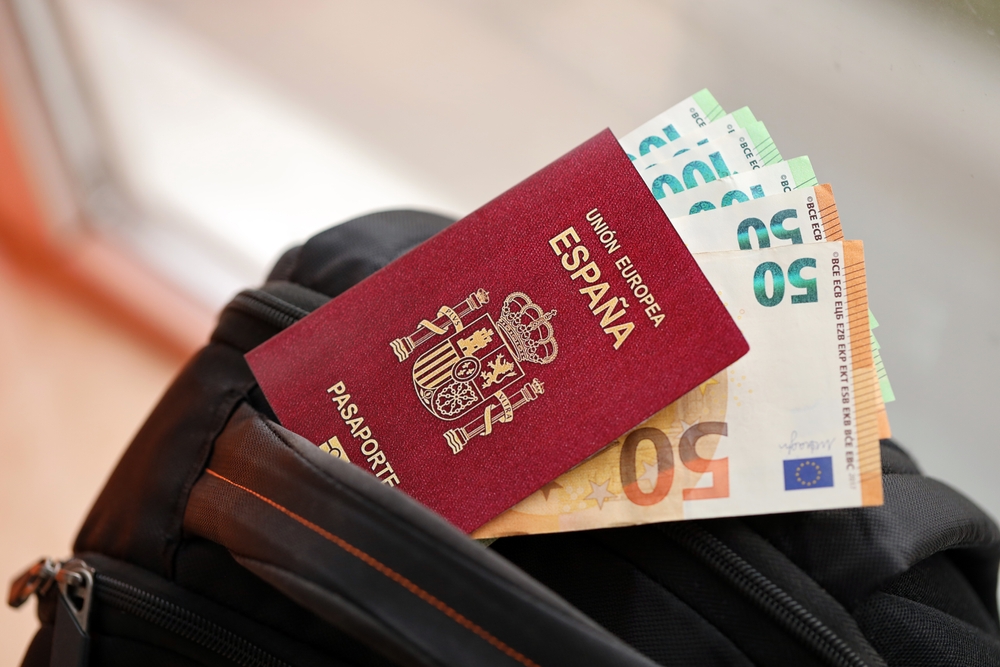
Introduction: Calculating the True Cost of Emigrating to Spain
Emigrating to Spain is a dream for many, offering an inviting climate, rich culture, and an enviable quality of life. However, transforming this aspiration into reality requires careful planning, a realistic understanding of financial commitments, and strategic decision-making. For those considering the move, the essential question arises: How much money do you need to successfully emigrate to Spain? This article presents an in-depth analysis, covering every financial aspect to prepare you for a successful transition, from initial preparations to establishing a thriving life in your new Spanish home.
Understanding the Immigration Process: The Legal Foundations
Before considering the practicalities and cost of living in Spain, it is crucial to establish a legal framework for your move. Spain offers several visa options for new residents, with varying requirements and associated costs. The most common pathways include non-lucrative visas, work permits, student visas, and the Golden Visa.
Non-Lucrative Visa
The non-lucrative visa is a popular choice for retirees and those with independent income. Applicants must demonstrate sufficient financial resources to support themselves without employment in Spain. The required amount fluctuates annually but typically exceeds €30,000 per year for the primary applicant, plus additional funds for each dependent. Additional costs include:
- Application fees: Often between €60-€150 per person.
- Translations and notarizations: Approximately €200-€500.
- Medical insurance: Private health insurance is mandatory, costing €50-€200 per month per person, depending on age and coverage.
- Proof of accommodation: Either rental contracts or property deeds are necessary.
Work and Entrepreneur Visas
Emigrants seeking employment or planning to launch a business must secure the relevant visa or permit. Costs vary significantly and often include:
- Legal processing fees: Usually between €150-€800, depending on the visa type.
- Business set-up fees: Registering a company involves notary and registration costs, business plan development, and opening bank accounts, which may require an initial deposit of €3,000-€5,000 for an SL (limited company).
Golden Visa Program
For investors, the Golden Visa grants residency in exchange for a qualifying investment, usually property purchase worth at least €500,000. This pathway entails substantial upfront investment but offers a streamlined process for gaining long-term residency.
Pre-Move Research and Preparation: Setting a Financial Foundation
Constructing an effective budget starts with robust research. Understanding the Spanish cost of living, real estate markets, taxation, and local expenses will empower you to build a tailored financial roadmap.
Acknowledging Regional Differences
Spain is geographically and economically diverse. Living costs vary between cosmopolitan centers like Madrid and Barcelona and more rural provinces such as Andalusia or Valencia. It is essential to assess your income against the cost index of your intended destination.
- Madrid and Barcelona: Higher rental prices, more opportunities, and a dynamic expat life.
- Valencia, Alicante, and coastal towns: Often more affordable, with excellent quality of life for retirees and families.
- Rural Areas: Lower housing and living costs but limited access to some services and fewer job opportunities.
Engaging with Real Estate Experts
Working with experienced real estate professionals, such as IMMO ABROAD, simplifies the property search process and provides insight into local markets, legalities, and hidden costs. Our expertise ensures transparency at every stage, protecting your investment and your peace of mind.
Visa and Legalization Costs: Documentation and Paperwork
Securing the right visa requires assembling a robust file of documentation, all of which comes with its own costs and requirements.
Document Procurement and Translation
- Birth Certificates, Marriage Certificates, Background Checks: May require official copies, Apostille legalization, and translations.
- Translation and Notary Fees: Budget about €200-€700, depending on the volume and languages required.
- Consular Fees: Vary per country and consulate, usually €50-€250 per submission.
Medical and Background Checks
Some visa applications require comprehensive health checks and police records, each with their own administrative costs, often in the range of €100-€500 per person.
Housing in Spain: Purchase vs. Rental Costs
Whether you intend to rent or purchase a home in Spain, housing embodies the lion’s share of relocation expenses. Both options present their own financial considerations.
Renting a Property
Rental prices fluctuate by region and property type. As a broad overview:
- Madrid & Barcelona: One-bedroom city apartments typically range from €800-€1,200 per month, with family homes in desirable neighborhoods reaching €2,500-€4,000.
- Coastal Towns (Alicante, Málaga, Valencia): More moderate, with apartments from €500-€900 and houses from €1,200-€2,000 per month.
- Security Deposits: Usually one to two months’ rent, sometimes more for furnished or luxury properties.
- Agency Fees: Often equivalent to one month’s rent.
Purchasing a Property
For buyers, consider not just the purchase price, but also related taxes and ongoing expenses:
- Property Prices: From €150,000 for apartments in smaller cities, to €400,000 or more in premium areas.
- Property Transfer Tax (ITP): Usually 6%-10% of purchase price, depending on region.
- Legal Fees and Notary: €2,000-€5,000 total.
- Stamp Duty: 1%-1.5% of property price.
- Registration Fees: About 0.5%-1% of property price.
- Ongoing Costs: Community fees, utilities, and annual property taxes (IBI, approximately 0.4%-1.1% of cadastral value), typically €500-€2,000 per year.
Relocation and Moving Costs: Transporting Your Life
Moving your belongings to Spain can be a major expense, and should be planned well in advance. Costs depend on volume, shipping method, and point of origin.
International Shipping
Shipping a standard household’s contents can cost €2,500-€8,000, including packing, customs, and insurance. Air freight is faster but considerably more expensive. Factor in:
- Logistics company fees
- Customs and import duties
- Storage costs, if there is a gap between arrival and move-in date
Bringing Vehicles to Spain
Importing a car involves shipping fees, taxes, registration, and conversion to Spanish technical standards, costing up to €2,000-€5,000, depending on the make, model, and origin country.
Temporary Accommodation
If there is a gap between arrival and securing a permanent home, temporary rentals (hotels, serviced apartments, Airbnbs) may be necessary. Prices range from €50-€200 per night, adding up quickly over several weeks or months.
Living Expenses: Monthly Budgeting for Everyday Life
Once the initial hurdles are crossed, you will need a realistic budget for daily living expenses. Spain is generally considered affordable by Western European standards, but careful management ensures a comfortable lifestyle.
Utilities and Bills
- Electricity, Water, Gas: Combined monthly average €100-€200 for an 80m² apartment.
- Internet and Mobile: Internet and phone plans start at €40-€60 per month.
- Community Fees: For apartment blocks or gated complexes, expect €50-€200 per month depending on shared amenities.
Food and Groceries
Monthly grocery bill for a couple is approximately €300-€500, with local markets offering fresh produce at lower prices compared to supermarkets. Dining out is affordable:
- Coffee: €1-€2
- Lunch menu (menú del día): €10-€15
- Dinner at a mid-range restaurant: €20-€40 per person
Transportation
Cities offer efficient and affordable public transport:
- Monthly transit pass: €40-€60
- Car ownership: Parking, insurance, maintenance, and road tax total around €80-€200/month, plus fuel (about €1.60/liter).
Healthcare
Residents may access the public healthcare system (SNS), but private insurance is often required for new arrivals or for extra flexibility. Expect to pay €50-€200 per month, based on age and health conditions.
Education (for families with children)
Public schools are free but international or private schools can cost between €4,000-€15,000 per year, plus enrollment and supply fees.
Building an Emergency Fund: Preparing for the Unexpected
When moving to another country, an emergency fund is critical. It acts as a safety net for unforeseen events, such as job changes, health issues, or other financial surprises.
- Recommended size: Aim for at least 3-6 months of living expenses to cover rent/mortgage, bills, and food.
- How much is enough? For a couple in a major city, this often amounts to €5,000-€10,000.
Currency fluctuations
Your home currency may rise or fall versus the euro, impacting your purchasing power. Keeping part of your funds in a euro account before or upon arrival provides financial stability and protects against currency risks.
Integrating into Spain: Cultural, Social, and Linguistic Investments
Adjustment extends beyond finances. Successful integration requires time, effort, and sometimes dedicated resources.
- Spanish Language Courses: Group classes often range from €100-€300 per month. Private tutors and immersion courses may cost more but can accelerate progress.
- Social Clubs and Networking: Membership in local or international organizations can facilitate connections and may incur annual fees of €50-€200.
- Cultural Activities: Museums, festivals, and excursions are affordable, enriching your social experience and deepening your roots.
Taxation: Understanding Your Fiscal Obligations
Migrating to Spain means adapting to a new set of tax rules and regulations. Understanding these will help you avoid surprises and plan your finances wisely.
Residency and Tax Status
- Tax residency: If you reside in Spain for more than 183 days per calendar year, you are considered a tax resident and taxed on your worldwide income.
- Non-resident taxpayers: Only Spanish-sourced income is taxed.
Income Tax (IRPF)
Progressive tax bands from 19% to 47% (as of 2024). Non-residents are usually taxed at a flat rate for Spanish income.
Wealth Tax and Model 720 Declaration
- Wealth tax: Only applies to net assets above certain thresholds; varies by region.
- Model 720: Spanish residents with overseas assets exceeding €50,000 must declare them. Lack of compliance can incur significant penalties.
Professional Tax Advice
Consulting with a Spanish tax specialist safeguards against costly mistakes and ensures compliance.
Ongoing Bureaucratic and Administrative Fees
Ongoing life in Spain involves routine paperwork and periodic renewals, each with its associated costs.
- Residency and ID cards (TIE/NIE): Small local administrative fees, typically €10-€25 per renewal.
- Vehicle taxes and technical inspections: Yearly vehicle tax is about €100-€300; Inspección Técnica de Vehículos (ITV) costs €30-€60.
- Postal and notary fees: Needed for various registrations and certifications; between €10-€200 depending on documentation.
Special Financial Considerations for Retirees
Spain is famed for its retiree-friendly atmosphere, but moving as a pensioner introduces unique financial facets.
Pension Transfers and Income Streams
- Pension portability: Confirm that your foreign pension can be transferred or paid out in Spain.
- Taxes on pension income: Spain taxes worldwide income; consult for double taxation treaties.
Healthcare and Insurance
- Health coverage: Private insurance during the initial period, with expectations to join the SNS or obtain coverage via convenios especiales after a qualifying period.
- Life insurance and estate planning: Ensure policies are valid in Spain; Spanish inheritance tax might apply to worldwide assets.
Cost of Education and Family Integration
Families moving to Spain must consider costs associated with education, childcare, and activities for children.
Public vs. Private Education
- Public education: Free for residents, but classes are in Spanish (and/or regional languages like Catalan or Valenciano).
- Private and international schools: English or bilingual, with annual fees ranging from €4,000 to €15,000 per child.
- Uniforms, books, and materials: Typically €300-€600 per year, per student.
- Extracurricular activities: Sports, music, and art from €20-€100 per month.
Childcare for Younger Children
- Daycare/Nursery (Guardería): Private facilities charge €300-€600 per month.
- Au pairs and nannies: Wages vary, but budget at least €800-€1,200 monthly for full-time care.
Financial Planning for Entrepreneurs and Remote Workers
Spain attracts not only retirees and families but also digital nomads and entrepreneurs seeking a Mediterranean base. The costs and processes for setting up a business or working remotely require special consideration.
Registering as Self-Employed (Autónomo)
- Initial registration: Free, but legal and consultancy assistance sets you back €300-€1,000 for peace of mind.
- Social Security contributions: For the first year, a reduced “tarifa plana” of around €80/month exists, rising to standard rates of €294–€450/month afterward (2024 rates).
- Other costs: Accounting services (€50-€200 per month); office space, if required.
Business Banking and Accounting
- Business banking: Account set-up and maintenance fees can range from €0-€20/month.
- Accounting and tax advice: Essential for navigating Spanish fiscal obligations. Expect to pay €600-€2,000 annually.
Remote Work Considerations
- Reliable internet and workspace: Coworking spaces are widely available, costing €100-€250 monthly.
- Visas for digital nomads: Spain is rolling out digital nomad visas with strict income requirements (often over €2,500/month) and comprehensive documentation.
Hidden and Unexpected Costs of Emigrating to Spain
Proper budgeting requires accounting for the unexpected. Several hidden costs could arise during and after your move.
- Bank charges and international transfers: Transferring funds between countries can incur fees of 0.3%-2%, plus fluctuating exchange rates.
- Initial furnishing and appliance purchases: Many rental units come unfurnished. Budget €1,500-€5,000 for essential items.
- Legal or advisory fees: For disputes, renewals, or extra support, set aside €200-€1,000 for incidental legal assistance.
- Travel back home: Factor in the cost for periodic trips to your home country, especially for family emergencies.
- Language barriers: Delays or errors may cause additional expenses in paperwork, translation, or local services.
Building a Life: Social Integration and Lifestyle Costs
The real value of emigrating to Spain comes in the life lived outside your home. Embracing Spanish culture, enjoying travel, and building a new social circle all come with their own price.
Exploring Spain
- In-country travel: With low-cost airlines, high-speed trains, and affordable buses, budget at least €500-€1,000 annually for mid-range travel.
- Leisure & sports activities: Gym memberships range from €25-€80/month. Golf, tennis, and other clubs often include initial membership fees.
- Festivals and social life: Participating in local fiestas, concerts, and cultural events varies by region, generally costing €10-€100 each.
Personal and Miscellaneous Expenses
- Clothing and personal care: Monthly spend of €50-€200 depending on needs and lifestyle.
- Insurance (home, contents, life): Combined, these may cost €300-€600 annually.
Long-Term Considerations: Investing in Your Future
Settling in Spain is not simply a one-time investment; long-term living introduces crucial considerations for your financial well-being and future security.
Property Value Appreciation and Local Investment
- Real estate as an investment: Aim to understand regional property trends and capital gains tax implications.
- Pensions & retirement planning: Explore local options and optimize for dual-nation tax treaty benefits.
Inheritance Planning
- Spanish inheritance law (“forced heirship”): Local rules may override foreign wills. Legal advice and tailored estate planning can avoid expensive misunderstandings.
- Tax liabilities: Heirs may face inheritance or gift tax, depending on residency, family relation, and asset type.
Permanent Residency and Citizenship
After several years of legal residency, you may apply for permanent status or citizenship. Costs involve legal fees, language tests, and document renewals requiring a budget upwards of €1,000.
Sample Relocation Budgets: Emigration Scenarios
To solidify the key points above, let’s review specific budget scenarios for various emigrant profiles.
Scenario One: Single Professional in Madrid or Barcelona
- Initial relocation: €7,000 (visa, flight, deposit, first month’s rent, legal fees, basic furnishing)
- Monthly living expenses: €1,500-€2,100 (rent €900, utilities €100, groceries €250, transport €50, phone/internet €50, leisure €150-€300)
- Emergency fund: €6,000
- Insurance, extras: €100/month (health, home, travel)
Scenario Two: Couple Retiring to Costa Blanca
- Initial relocation: €12,000 (visa, healthcare, property purchase costs, legal fees, moving, new appliances)
- Monthly living expenses: €1,700-€2,500 (mortgage/rent, utilities, food, car, extras)
- Annual property tax and maintenance: €1,500
- Emergency fund: €10,000
Scenario Three: Family of Four Moving to Valencia
- Initial relocation: €14,000 (visas, first months’ rent, school enrollments, travel, legal fees, basic furnishings)
- Monthly living expenses: €2,700-€3,600 (rent/mortgage €1,500, utilities €200, groceries €500, school €500, transport €150, insurance, activities)
- Educational budget per child: €5,000-€10,000 per year (private school)
- Emergency fund: €12,000
How to Optimize Your Emigration Budget
Relocation is a major life event, but smart planning and informed choices can keep costs manageable.
- Start budgeting early: Begin saving 12–18 months ahead of your planned move.
- Compare regions: Cost-of-living calculators and local advice clarify real expenses.
- Leverage local expertise: Engage IMMO ABROAD for property and relocation advice; their insight into local markets, regulations, and pitfalls protects your investment.
- Understand seasonal trends: Rental and property prices fluctuate seasonally; moving outside peak times can yield savings.
- Tax-optimized planning: Seek early tax guidance to minimize exposure and utilize available treaties.
Summary Table: Key Emigration Costs
| Category | Low-End Estimate (€) | High-End Estimate (€) |
|---|---|---|
| Visa & Legal Fees | 500 | 6,000+ |
| Housing (Initial / Deposit / Fees) | 2,000 | 30,000+ |
| Shipping & Moving | 2,500 | 10,000+ |
| Monthly Living (per person) | 1,100 | 2,500 |
| Education (per child, per year) | 4,000 | 15,000 |
| Emergency Fund (recommended) | 5,000 | 15,000 |
Final Word: Achieving Your Goal of Emigrating to Spain
The question "How much money do you need to emigrate to Spain?" does not have a simple answer—it depends on your personal circumstances, region, profession, and lifestyle. By systematically reviewing every required category, you can create a robust financial framework for your move. Whether you are a retiree seeking sun-soaked relaxation, a professional chasing new opportunities, or a family looking for international adventure, the correct preparation ensures Spain becomes your dream destination, not a financial headache.
Careful planning, realistic budgeting, and the support of qualified professionals such as those at IMMO ABROAD are fundamental to a smooth, successful relocation. Our dedicated team stands ready to guide you through every financial and practical step, ensuring your move is as seamless as possible and your new Spanish life flourishes from day one.
Begin your Spanish journey today with confidence—well-informed, fully prepared, and ready to embrace all that Spain offers.