





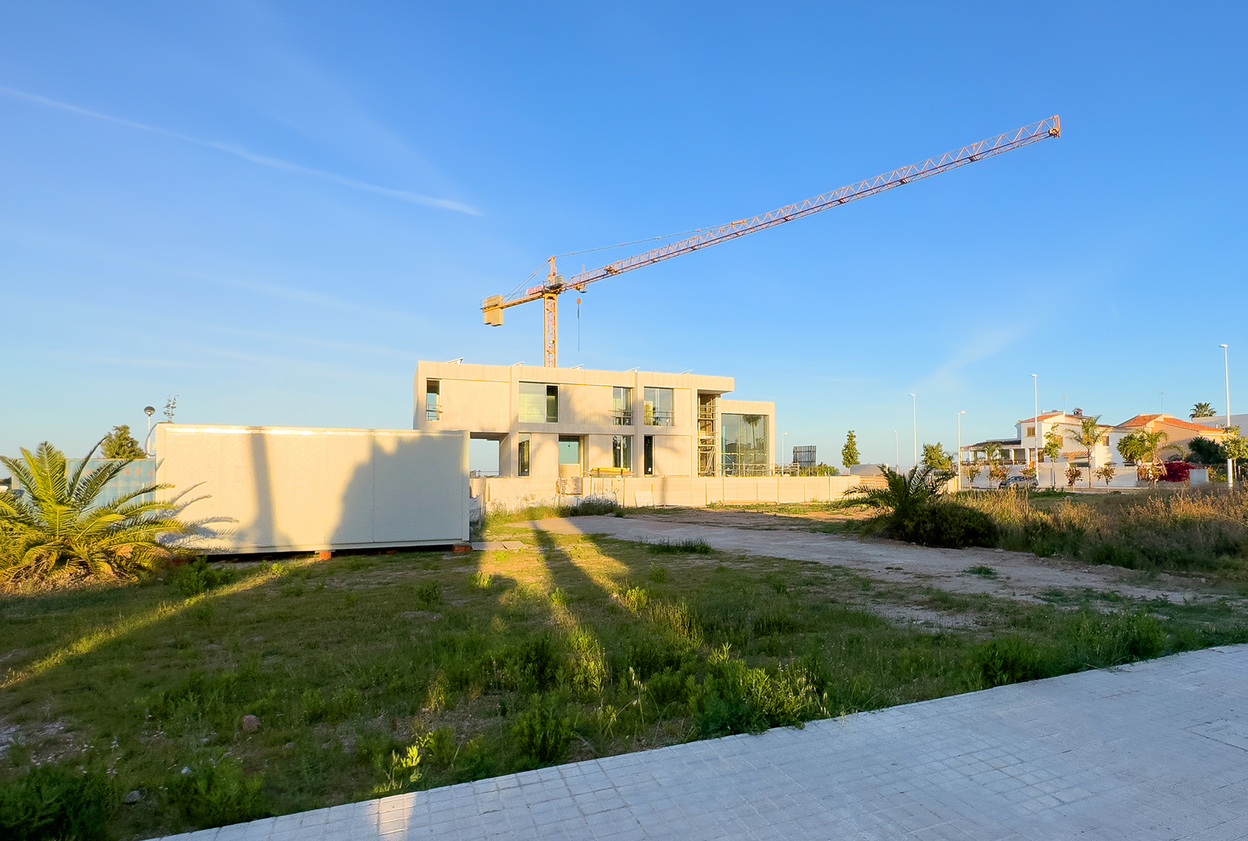
Introduction: The Dream of Building Your Own Villa in Spain
For many, the thought of owning a custom-built villa in the sun-drenched landscapes of Spain represents the zenith of luxury living and smart investment. The attraction is universal—impeccable Mediterranean climates, rich cultural heritage, stunning coastlines, and a lifestyle celebrated worldwide. Yet, for every sun-drenched terrace and private pool, there is a process—a meticulous, transformative journey involving land selection, official permits, and bespoke architecture.
This comprehensive, step-by-step guide is crafted for discerning individuals ready to embark on this journey. Whether your aspirations are rooted in idyllic coastal retreats or tranquil countryside hideaways, IMMO ABROAD is your trusted companion—dedicated, experienced, and uniquely qualified to guide every phase of creating your dream villa.
The Allure of a Spanish Villa: Why Spain?
Before delving into the technicalities, it’s essential to explore the broader allure that makes Spain one of the premier destinations for villa construction.
Climate and Lifestyle
Spain’s Mediterranean climate offers mild winters and long, radiant summers. The region enjoys over 300 days of sunshine annually in many areas, making outdoor living a year-round pleasure. This climate underpins a vibrant lifestyle accentuated by local gastronomy, festivals, and an emphasis on leisure—manifested in siestas, fiestas, and relaxed café culture.
Investment Value
Spanish property continues to be an attractive asset due to steady capital appreciation and high rental demand in prime locations. By building your own villa, you can create a uniquely tailored property that stands out in the rental and resale markets, potentially yielding a significant return on investment.
Architectural Freedom
Unlike purchasing a pre-built home, designing your own villa enables you to actualize personal tastes in architecture, landscaping, energy efficiency, and cutting-edge technology—crafting a residence that is truly and deeply your own.
Step 1: Researching and Choosing the Perfect Location
The soul of your future villa is intrinsically tied to the land it stands upon. Location dictates not only the ambience and character of your residence but profoundly influences resale value, convenience, and even the architectural possibilities.
Main Spanish Locations for Villas
- Costa Blanca: Known for its golden beaches, cosmopolitan villages, and serene mountains. Popular towns include Jávea, Altea, and Moraira.
- Costa del Sol: Home to Marbella, Estepona, and Benalmádena—prized for high-end living, golf courses, and marinas.
- Baleares and Canary Islands: For those seeking Mediterranean or Atlantic subtropical paradises on islands like Mallorca, Ibiza, and Tenerife.
- Inland Regions: Andalusia’s rolling hills, Girona’s lush countryside, and Madrid’s periphery offer tranquility, authenticity, and value for money.
Key Considerations in Location Selection
- Proximity to Amenities: Consider how close you wish to be to schools, healthcare, shops, and airports.
- Accessibility: Note road connectivity, public transport, and international travel routes.
- Legal and Local Aspects: Each region, and sometimes each municipality, will have unique planning laws and buildability regulations.
- Community Dynamics: Whether you prefer the bustle of established expatriate communities or the privacy of secluded settings.
A location is not merely about the view or climate—but about long-term lifestyle fulfillment and practical day-to-day living.
Step 2: Identifying and Evaluating Land for Construction
With a preferred region clarified, the next step is to secure the right parcel of land. This phase is critical—errors or oversights at this stage can imperil the whole project.
Types of Land Available in Spain
- Urban Land (Suelo Urbano): Zoned for construction, generally with utilities and infrastructure in place. Simplifies the building process and is ideal for most private villas.
- Urbanizable Land (Suelo Urbanizable): Land that can potentially be urbanized in the future but currently lacks some infrastructure or approvals.
- Rustic Land (Suelo Rústico): Primarily for agriculture or conservation; construction is highly restricted. Only specific “fincas” or restored properties may be allowed, typically under strict conditions.
Inspection and Due Diligence
Engage qualified professionals to undertake due diligence, ensuring the land is free of debts, encumbrances, and legal complications.
- Title Deed Verification: Ensure that the seller has full legal ownership and that boundaries are accurately defined.
- Topographical Survey: Evaluates slope, natural features, and limits; vital for effective architectural planning.
- Geotechnical Study: Assesses soil stability and drainage, which inform foundation design and construction costs.
- Urban Planning Certificate (Certificado Urbanístico): Confirms the land’s buildable status, usage conditions, and municipal regulations.
Essential Land Purchase Costs
- Land price: Varies dramatically based on location, views, plot size, and proximity to amenities.
- Tax on Transmissions (ITP): Between 6%-11% depending on region and land type.
- Notary and Registration Fees: Required for the legal transfer of property.
- Professional Fees: Includes surveyors, legal advisors, and real-estate specialists.
Selecting and securing land demands rigor, but with careful guidance and expert supervision, it sets a sound foundation for a successful villa build in Spain.
Step 3: Understanding Spanish Legalities and Building Permits
Acquiring land is only the beginning; the legal minefield of zoning, planning, and permits must be navigated with precision. Compliance with Spanish urban and environmental laws is paramount—nonconformity can result in expensive fines, demolition, or interminable delays.
Key Legal Documents and Permissions
- Licencia Urbanística (Urban Planning Permission): Establishes whether construction is permitted on the land, granted by the relevant town hall.
- Licencia de Obras (Building Permit): Detailed application based on final plans, structural drawings, and environmental assessments.
- Project Visa: Submitted by a registered architect and endorsed by the Colegio de Arquitectos (Architects’ Association). Ensures compliance with technical and safety protocols.
- Occupancy License (Licencia de Primera Ocupación): Allows the use and habitation of the completed villa; indispensable for utility connections and resale.
- Other Permits: Coastal, forestry, or heritage permits may apply depending on the site’s proximity to protected zones and historical sites.
Steps in the Permitting Process
- Engage an architect to draft conceptual and technical plans based on buildable limits and desired style.
- Obtain official certification regarding buildability from town hall or municipal planning office.
- Architect submits detailed building project for approval and “visado.”
- Upon municipal approval, the full building permit (Licencia de Obras) is granted. Only then can physical construction commence.
- Post-construction inspections are conducted before the Occupancy License is released.
Typical Duration and Costs
- Duration: Depending on municipal load and project complexity, permits can take from three months to over a year.
- Costs: Total permit-related fees typically range from 2-6% of the build cost to account for planning, municipal taxes, and professional fees.
It is essential to approach the legal step with a clear, methodical plan and to work exclusively with professionals familiar with the nuances of Spanish and regional law.
Step 4: Architectural Design — Crafting Your Ideal Home
The architectural stage is where your vision begins to take tangible form. This stage is a blend of creative expression, technical feasibility, environmental respect, and rigorous compliance with legal statutes.
Working with an Architect
Spanish law mandates that a registered, collegiate architect (Arquitecto Colegiado) supervises and signs off on new construction projects. The right architect will:
- Analyze land characteristics, sun orientation, wind direction, and local climate for optimal design.
- Integrate bespoke client requirements with practical and aesthetic considerations.
- Liaise with town hall and relevant authorities to ensure Every concept is legally compliant.
- Incorporate sustainable and modern technologies as desired (solar panels, passive design, smart home systems).
Design Brief and Customization
During initial consultations, it is essential to articulate your dreams and needs explicitly. Key topics commonly discussed include:
- Desired number and type of rooms
- Preferred architectural style—contemporary, classical Mediterranean, rustic finca, or fusion
- Outdoor amenities (pools, gardens, terraces, summer kitchens)
- Smart home integration, energy efficiency, and ecological solutions
- Security and privacy features
- Provisions for future expansion or guest annexes
Concept Design to Technical Plans
- Concept Stage: Preliminary layouts, mood boards, and 3D renderings help visualize spatial flow and style.
- Detailed Plans: Once a general blueprint is approved, plans are developed for every component—structure, electrical, plumbing, HVAC, landscaping, and so forth.
- Technical Dossier: Required for permit submission, including geo-structural analysis, environmental compliance measures, and energy performance certification.
Great architecture balances creativity, comfort, and lasting value—a philosophy that ensures your villa is both a sanctuary and an investment.
Step 5: Selecting Trusted Builders and Project Managers
The transition from drawing board to reality is undertaken by builders—whose integrity, experience, and craftsmanship will define the ultimate quality of your villa.
Qualities of a Reliable Builder
- Reputation: Long-established track record in the region with verifiable references and finished projects.
- Licensing and Insurance: All companies must be properly registered, insured, and compliant with labor and safety laws.
- Transparent Quotations: Itemized cost breakdowns, reasonable timelines, and clear communication channels.
- Fluency with Local Materials and Techniques: Prior experience with climate adaptation, anti-seismic features, and local traditions.
The Role of a Project Manager
A project manager, either independent or affiliated with IMMO ABROAD, can coordinate all aspects of construction, from contractor selection to cost controls and schedule adherence. This is particularly crucial for foreign buyers or those not based in Spain year-round.
- Oversees builder contracts, milestones, and payments
- Ensures regular site inspections and quality assurance
- Provides updates and manages any necessary design revisions or decisions onsite
The Tender Process
- Shortlisting: Invite bids from several reputable builders specializing in similar-scale villa projects.
- Comparing Offers: Review not only total price, but material specs, finish levels, completion times, guarantees, and after-build service.
- Site Visits: Whenever possible, view prior completed homes and meet past clients for direct testimonials.
- Contract Signing: Ensure contracts are comprehensive and checked by independent legal counsel, covering scope, penalties for delay, dispute resolution, warranty terms, and staged payment schedules.
Selecting the right builder and supervisor is foundational—guaranteeing that your vision, budget, and expectations are fully met.
Step 6: Construction Phases – From Groundbreaking to Completion
Construction is a sophisticated process involving numerous specialists, rigorous oversight, and tightly coordinated logistics.
Key Phases in Building Your Villa
- Site Preparation and Groundworks: Clearing, excavation, soil stabilization, and foundation-laying according to geotechnical reports.
- Structural Framework: Erection of walls, columns, roofing structures—using approved materials and techniques.
- Enclosure: Installation of doors, windows, roofing, and initial weatherproofing. Protection against Spain’s heat, humidity, and (in some regions) seismic activity is critical.
- Systems Installation: Electrical, plumbing, underfloor heating/cooling, internet, and smart features are integrated.
- Interior and Exterior Finishes: Rendering, painting, tiling, installation of fixtures, cabinetry, pools, and landscaped gardens.
- Final Inspection and Snagging: Municipal and independent inspections to check adherence to design, permits, and quality standards. Any issues are rectified prior to handover.
Timeline Expectations
The average build time for a high-quality villa ranges from 12 to 24 months, depending on scale, complexity, and external factors such as weather or supply chain disruptions.
Maintaining Quality Control
- Contract stipulated site inspections
- Setting clear milestones and delivery dates
- Immediate reporting and correction of defects
- Constant dialogue with architect, project manager, and client for seamless decision-making
Through every phase, a commitment to excellence and detail is imperative—yielding a villa that exceeds all expectations.
Step 7: Integrating Landscape and Outdoor Living
Spain’s climate celebrates outdoor living—poolside sunbathing, al fresco dining, and Mediterranean gardens become daily pleasures. Landscaping is thus an inseparable extension of the villa’s architecture.
Elements of Mediterranean Outdoor Design
- Pools: Infinity pools, lap pools, or natural “biopools” tailored to site topography and views.
- Outdoor Kitchens and Dining: Built-in barbecues, traditional wood-fired ovens, shaded pergolas, and alfresco lounges.
- Gardens: Native plantings such as olive trees, citrus, lavender, and rosemary yield drought-resistant beauty and low maintenance.
- Lighting: Smart, subtle designs for pathways, terraces, and pool surrounds create ambience and enhance security at night.
- Privacy Features: Strategically placed hedges, fencing, and elevation changes shield outdoor spaces from neighbors while preserving views.
Sustainability in the Garden
- Drip irrigation and rainwater recovery systems
- Permeable paving to minimize run-off
- Use of recycled or local natural stone
- Native flora to reduce water and pesticide use
Permits and Approvals
Large-scale works, mature tree relocations, or the addition of sizable pools may require separate municipal approvals. Your architect or landscaper will advise and handle any required submissions.
A thoughtfully designed landscape not only increases property value but becomes a continuous source of pleasure and relaxation—key to the Spanish villa dream.
Step 8: Interior Design and Custom Finishes
Interior design offers the final opportunity to imbue your villa with personal identity and functional luxury. This phase can be tackled independently or entrusted to a professional interior designer recommended by IMMO ABROAD.
Popular Spanish Villa Styles
- Contemporary Minimalism: Clean lines, spacious layouts, and a neutral palette, often accented with warm woods and stone.
- Mediterranean Elegance: Terracotta tiles, exposed wooden beams, wrought iron, and hand-painted azulejos (tiles).
- Rustic-Chic: Blending old finca aesthetics with modern comfort; think open fireplaces, thick-walled nooks, and reclaimed doors.
- Eclectic Fusion: Incorporating influences from North Africa, Moorish Spain, and coastal modernism for unique character.
Functional Priorities
- Optimizing light with large windows, skylights, and glass doors
- Open-plan kitchens for sociable living
- Spacious master suites with spa-like bathrooms
- Home offices and gyms—responsive to contemporary lifestyles
- Adaptable guest or staff accommodation
Smart Home Integration
Sophisticated technology enhances comfort and security—smart thermostats, lighting systems, security cameras, and app-enabled pool controls are increasingly standard.
Artisan and Custom Finishing
Many clients commission custom furniture, joinery, and art installations—elevating the villa from simply luxurious to truly exceptional.
The villa’s interior becomes your canvas—a reflection of personality, taste, and daily rhythm—at once practical and poetic.
Step 9: Utilities, Services, and Energy Efficiency
A modern villa must seamlessly integrate essential utilities—water, electricity, gas, telecommunications—and meet rising standards for sustainability and efficiency.
Establishing Utilities
- Water: Municipal connections, private wells, or cisterns depending on rurality and local infrastructure.
- Electricity: Standard or “green” grid connections, solar panel installations, sometimes supplemented by home batteries.
- Gas: Where piped supply is unfeasible, bottled gas or on-site tanks are often used for heating and cooking.
- Internet and Media: Fiber-optic broadband is increasingly available. Satellite options exist for more remote locations.
- Sewage: Connection to main wastewater systems, or installation of private septic systems if required by locality.
Sustainability and Green Building
- High-performance insulation to reduce heating/cooling demand
- Triple-glazed windows and solar-control glass
- Photovoltaic solar panels and solar hot water systems
- Rainwater harvesting and greywater recycling
- Low-energy lighting and appliances
- Smart home systems for real-time control and monitoring
Sustainable design is not just ethical—it ensures long-term savings, improves comfort, and can significantly enhance market appeal.
Legal Requirements
Spanish regulations (Código Técnico de Edificación – CTE) set minimum standards for energy efficiency, insulation, and emissions. Your architect will ensure all technical documentation and submissions comply with these evolving requirements.
A sustainable villa not only honors the beauty of Spain’s environment but positions your property ahead of future market trends.
Step 10: Completion, Final Handover, and Moving In
As construction concludes, a structured handover process ensures your Spanish villa is delivered flawlessly and ready for occupancy.
Handover Inspections
A collaborative inspection, led by your project manager and architect, reviews every detail—from fixture functionality to finish quality.
- All agreed specifications are verified
- Snag lists are created for minor corrections
- All municipal and legal inspections must be successfully passed before occupancy
Occupancy License and Registration
The “Licencia de Primera Ocupación” is critical—formally certifying that the villa conforms to safety and habitation standards. This license is required for connecting permanent utilities and for property resale.
Subsequently, your villa is registered in the local Land Registry (Registro de la Propiedad) with its new description as a completed residence.
Furnishing and Personalization
Owners may elect to coordinate furnishing and décor installation post-completion, tailoring each space to their precise taste and requirements.
Celebrating Your New Home
This is more than administrative closure—it’s the beginning of a new lifestyle. Many owners mark the occasion with an inaugural gathering, housewarming, or traditional Spanish blessing, sharing this landmark achievement with loved ones and new neighbors.
The keys to your villa are more than just access—they symbolize accomplishment, vision, and a fresh chapter under the Iberian sun.
Financial Planning and Budgeting Your Villa Project
One of the defining advantages of building your own villa is cost control—ensuring that every euro is efficiently allocated and delivers lasting value.
Establishing a Realistic Budget
- Land Acquisition: The bulk expense in prime locations; varies from €100/m² to several thousand in coastal or branded regions.
- Architect and Professional Fees: Generally 5-10% of total build costs, including design, project management, engineers, and legal checks.
- Construction and Materials: The largest segment—finishes, systems, custom features, and landscaping all factor in. Average build cost: €1,200 to €2,500 per m² (often higher for luxury projects with premium finishes).
- Permits and Taxes: 2-6% of the build cost (see earlier section).
- Furnishing, Technology, and Appliances: Tailored to taste and scope.
- Contingency Reserve: Always factor 10-15% extra for unforeseen events or upgrades.
Cashflow and Payment Scheduling
Most builder contracts are staged—payments made upon the satisfactory completion of milestones. This approach protects both client and builder.
For foreign clients, dedicated Spanish bank accounts and international transfer solutions ensure smooth, transparent funding throughout the project.
Financing Options
- Spanish banks may offer self-build mortgages to non-residents, with disbursements tied to construction progress.
- Independent financial advisers can assist in structuring bridging, equity release, or overseas funding solutions if required.
VAT and Tax Considerations
- On new builds, Spanish VAT (IVA) of 10% typically applies to the construction but not to land, which is subject to different taxes.
- Law and rates differ by region and for first versus second homes.
- Ongoing property taxes (IBI) and annual non-resident income taxes must also be budgeted.
Excellence in financial planning not only provides peace of mind but safeguards your investment for tomorrow.
Navigating Spanish Bureaucracy: Documentation and Administration
Administrative demands are significant but surmountable with correct support. IMMO ABROAD’s expertise ensures smooth passage through every official and notarized procedure.
Key Documents and Certifications
- NIE (Número de Identidad de Extranjero): Spanish tax number required for property transactions and utilities.
- Land Registry Certificate (Nota Simple): Verifies land ownership, outstanding debts, and property description.
- Cadastral Reference: Official reference number used to register properties and apply for tax.
- Architectural Project Documentation and “Visado”: Essential for building permit application.
- Permits and Licenses: All must be original and current.
- Utility Contracts and Opening Accounts: Switching or initializing water, electricity, gas, and broadband through relevant providers.
Dealing with Local Authorities
Municipal offices will be involved at every step—from planning approval to issuing the occupancy license. Patience, persistence, and fluency in Spanish administration are vital.
Representation and Power of Attorney
For non-resident buyers or those unable to visit Spain frequently, granting Power of Attorney (Poder Notarial) to a trusted representative ensures uninterrupted progress and timely decision-making.
Translations and Certified Copies
All documents not originally in Spanish (Castilian) require sworn translation for official purposes. Professionals can coordinate certified translation and apostille when required.
Comprehensive documentation is the scaffolding of your dream—every certificate, license, and permit must be perfectly sequenced.
Insurance, Warranties, and Post-Build Safeguards
Your villa is a major asset—protecting it from unforeseen events and construction-related issues is both prudent and required by Spanish law.
Mandatory and Optional Insurances
- Decennial Insurance (Seguro Decenal): Mandatory for all new residential constructions; covers structural defects for 10 years.
- Builders’ Insurance: Required throughout the build, covering onsite accidents, third-party liability, and material damage.
- Home Insurance: Advisable post-completion, covering fire, theft, weather damage, and water leaks.
Builder and Material Warranties
- Structural Warranty: 10 years minimum on foundation and load-bearing elements.
- Installations Warranty: 3 years for systems such as plumbing or electricity.
- Finishings: 1 year on superficial defects (paint, tiling, joinery).
Snagging and Follow-Up
A professional “snagging” inspection post-completion identifies minor issues or adjustments—these are rectified before final payment is released.
Post-build support is crucial for a seamless transition—IMMO ABROAD can assist with ongoing service contracts and property management introductions.
Embracing Spanish Life: Residency, Community, and Beyond
Owning a villa in Spain opens doors to new experiences, friendships, and lifestyle upgrades.
Residency and Visa Considerations
- Golden Visa Scheme: Ownership of real estate investments above €500,000 may fast-track residency (not citizenship).
- Non-Lucrative Visas: Suitable for those retiring or relocating who can demonstrate means without working.
- EU/EFTA Residents: Enjoy free movement and automatic residency rights, subject to straightforward registration.
Integration into Local Communities
- Participate in town fiestas, neighborhood associations, and language courses
- Discover regional gastronomic and cultural traditions
- Explore volunteer, educational, or business opportunities
Ongoing Property Management
- Seasonal maintenance, garden care, and pool servicing
- Security services, cleaning, and guest reception for rentals
- Bill payment, tax filings, and legal updates
A villa is not only a home; it is an invitation to a new rhythm of life—one filled with promise, beauty, and lasting value.
Why Partner with IMMO ABROAD?
Throughout this journey, expert guidance is invaluable. IMMO ABROAD brings deep-rooted expertise, multilingual teams, and a tailored, client-centered approach spanning every phase of the villa construction journey in Spain.
- Access to exclusive land listings and on/off-market opportunities
- Trusted network of architects, builders, and certified specialists
- Comprehensive due diligence and legal advice
- Full project management, reporting, and quality control
- End-to-end support—from initial vision to post-handover management
Building in Spain is enriched—never complicated—when guided by true expertise and a commitment to your aspirations.
Conclusion: Your Spanish Villa Awaits
Constructing a villa in Spain is the realization of personal vision—supported by robust methodology, superior insight, and a passion for luxury living. Each step, from land selection to the final flourish of interior design, invites creativity, precision, and joy. With IMMO ABROAD, every detail is expertly managed so you may focus on anticipation and imagination, not bureaucracy or headaches.
Let this guide serve as your roadmap. Every sunrise over your Spanish villa is an enduring reward for your careful planning, courage, and inspired investment—welcome to your Mediterranean masterpiece.