





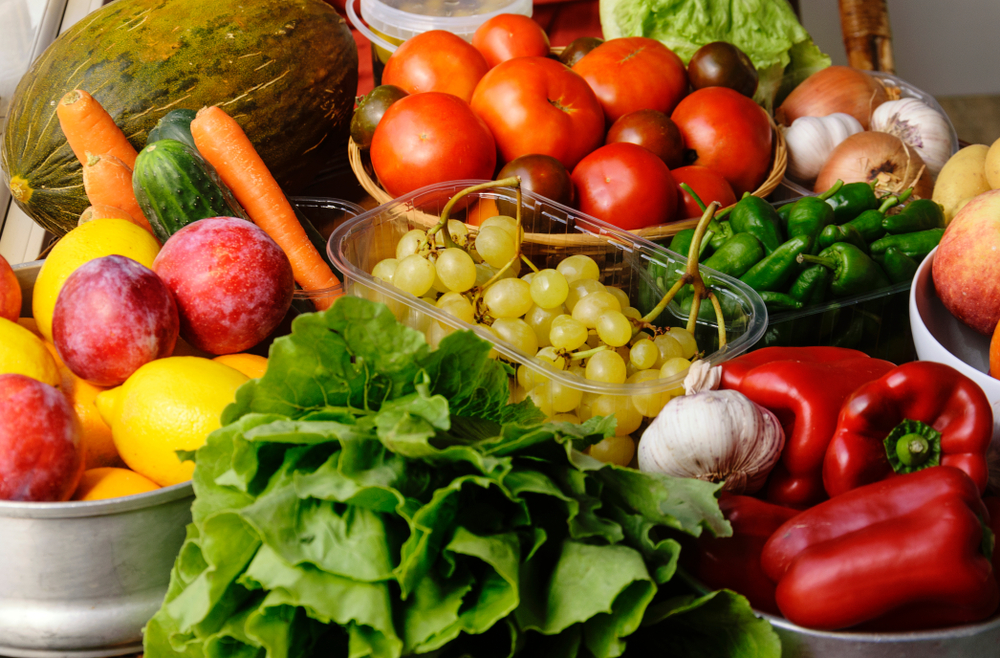
Introduction to Fruit Cultivation in Spain
Spain stands as one of Europe’s premier fruit-growing countries, boasting a diverse climate and ample sunshine ideal for cultivating a wide range of fruits. This guide serves as an in-depth resource for those interested in learning how to grow their own fruit in Spain, whether for personal enjoyment, self-sufficiency, or as a new venture. From selecting the right fruit varieties and understanding the Spanish seasons, to preparing the soil and combating pests, this article comprehensively covers every step of the process.
Why Grow Your Own Fruit in Spain?
Embracing fruit cultivation offers countless rewards. Not only are home-grown fruits fresher and more flavorful than store-bought alternatives, but tending orchards or fruit trees also enhances physical wellbeing and mental clarity. Spain’s unique microclimates—from Mediterranean coasts to the cooler altitudes inland—offer rich opportunities for experimentation and success in fruit gardening.
- Health and Nutrition: Home-grown fruits retain more vitamins and nutrients, unimpeded by extended storage or transit.
- Sustainability: Reduces dependency on commercial supply chains and lowers your carbon footprint.
- Self-Sufficiency: Grants control over food quality and cultivation methods, avoiding unwanted chemicals.
- Personal Enjoyment: Watching your trees flourish and harvesting sun-ripened fruit is deeply satisfying.
- Economic Benefits: Reduces grocery expenses and potentially creates income opportunities.
Understanding Spain’s Fruit-Growing Climate
To achieve success in fruit cultivation, it’s crucial to understand the diverse climates across Spain. These variations—ranging from Mediterranean warmth to continental coolness—play a pivotal role in which fruit varieties will thrive.
Mediterranean Coast
The Mediterranean coastal areas (Costa Blanca, Costa del Sol, and others) enjoy mild winters and hot, dry summers. This climate is ideal for citrus, figs, pomegranates, olives, and grapes. Drip irrigation is recommended due to dry spells.
Central Plateaus
Inland regions such as Castilla-La Mancha and Madrid present colder winters and hotter summers, favoring stone fruits such as apricots, peaches, plums, cherries, and almonds.
Northern Spain
Northern regions, including Galicia and the Basque Country, are characterized by cooler, wetter conditions. Apples, pears, kiwis, and soft fruits like berries, currants, and gooseberries excel here.
Subtropical South and Canary Islands
In southernmost Spain and the Canary Islands, subtropical crops such as avocados, bananas, mangoes, and papayas are feasible, provided adequate water and wind protection.
Selecting the Right Fruit Varieties
Choosing suitable fruit types is fundamental. Factors to consider include climate compatibility, soil conditions, space availability, personal taste, and disease resistance.
Popular Fruit Choices for Spanish Gardens
- Citrus: Oranges, lemons, mandarins, and limes are hearty staples, thriving in Mediterranean warmth.
- Stone Fruits: Peaches, nectarines, apricots, cherries, and plums suit areas with winter chill.
- Olives: Symbolic of Spain, as easy to grow as they are productive, perfect for warm, sunny spots.
- Figs and Pomegranates: Endure drought and heat, yielding rich harvests under minimal care.
- Grapes: Table and wine varieties both flourish in sun-drenched soils.
- Apples and Pears: Suited for cooler, wetter regions and higher altitudes.
- Almonds and Walnuts: Offer both edible nuts and spectacular spring blossoms.
- Exotic Fruits: Including avocados, bananas, papayas, and mangoes for subtropical microclimates.
Heirloom and Local Varieties
Consider including traditional Spanish fruit types, which are well adapted to local pests, climate extremes, and regional soils. Visit markets, nurseries, or agricultural fairs to source indigenous cultivars and seek advice from experienced local growers.
Preparing the Soil for Successful Fruit Cultivation
Healthy soil forms the foundation of every productive fruit garden. Spanish soils vary widely, from sandy and stony terrains to clay-rich patches and fertile river valleys.
Soil Testing
- pH Level: Most fruit trees prefer slightly acidic to neutral soils (pH 6.0-7.0).
- Nutrient Availability: Assess macronutrients (N, P, K) and micronutrients (Fe, Zn, B, Mg).
- Texture and Drainage: Well-drained, friable soils prevent waterlogging and root diseases.
Soil Improvement Techniques
- Organic Matter: Incorporate mature compost or well-rotted manure to boost fertility and improve texture.
- Mulching: Spread organic mulch (straw, bark chips, or leaf litter) to retain moisture and suppress weeds.
- Correcting Imbalances: Add lime for overly acidic soils, or organic acids like sulfur for alkaline soils.
- Drainage Solutions: In heavy clay ground, build raised beds or amend with sand/gravel to enhance drainage.
Soil Preparation Timeline
- Clear planting area of weeds and debris.
- Double-dig the soil to a depth of at least 40-50 cm.
- Mix in organic matter and amendments well ahead of planting season (ideally 1-2 months).
Planning Your Fruit Garden or Orchard Layout
Thoughtful planning ensures healthy growth, maximizes sunshine exposure, and facilitates maintenance. For small gardens, consider compact or semi-dwarf trees, or opt for vine and bush fruits that can be trained along trellises or fences.
Spacing Considerations
- Standard Fruit Trees: Space 4-6 meters apart; ensure enough air movement and sun access.
- Dwarf or Container Trees: Space about 2-3 meters apart, or plant one per large pot (minimum 40-liter capacity).
- Berries and Bushes: Allow 1-2 meters between plants; rows should be 1.5–2 meters apart for harvesting ease.
Pollination Requirements
Certain fruits (apples, pears, cherries, plums) benefit from cross-pollination. Plant compatible varieties nearby to ensure a good fruit set. With self-pollinating types (peaches, apricots, citrus), a single tree may suffice.
Sunlight and Wind Protection
- Sunlight: Most fruits need at least 6-8 hours of direct sun daily. Avoid shaded north-facing sites.
- Windbreaks: Use hedges, fences, or strategically planted evergreens to shield young trees from drying or damaging winds, especially in exposed regions.
Planting Techniques for Spanish Conditions
The optimal planting time is from late autumn to early spring (November–March), avoiding summer drought and heat stress. Bare-root trees should be planted while dormant; container-grown trees offer flexibility.
Planting Steps
- Dig a hole twice as wide and just as deep as the rootball.
- Loosen roots gently before settling the tree in the hole, ensuring the graft or root collar sits just above soil level.
- Backfill with enriched soil, firm lightly, and water thoroughly.
- Mulch generously but keep mulch a few centimeters away from the trunk to avoid rot.
- Create a watering basin around the roots to direct moisture during establishment.
Staking and Training
- Stake young trees to prevent wind-rock until roots anchor strongly (usually 2-3 years).
- Vines and climbers (such as grapes or passionfruit) demand sturdy trellis or support systems.
Watering Strategies: Coping with the Spanish Climate
Efficient watering ensures fruit quality and reduces plant stress in Spain’s often dry landscape. Frequency and amounts depend on soil type, local rainfall, and plant maturity.
Drip Irrigation Systems
Drip irrigation is highly recommended, especially in Mediterranean and southern areas. It delivers water straight to root zones, minimizes evaporation, and conserves resources.
Hand-Watering and Soaker Hoses
For smaller gardens or individual trees, deep weekly soakings are preferable to frequent, shallow watering. Early morning or late evening schedules curb evaporation.
Mulching for Moisture Retention
A thick mulch layer dramatically reduces surface evaporation, keeps roots cool, and suppresses weeds competing for water. Organic mulches also improve soil as they break down.
Water Harvesting Techniques
- Install rain barrels or storage tanks to capture roof runoff for irrigation during dry periods.
- Contour the land or shape gentle hollows around trees to direct rainfall toward roots.
Fertilizing and Feeding Your Fruit Plants
Regular feeding promotes lush foliage, strong flowering, and abundant, flavorful crops. Fertilizing needs vary by crop, soil baselines, and plant growth stage.
Organic vs. Synthetic Fertilizers
- Organic Options: Compost, aged manure, bone meal, seaweed extract, and worm castings improve soil structure as well as nutrient levels.
- Synthetic Fertilizers: Fast-acting for rapid responses but can trigger salt build-up and reduce soil life with overuse.
Feeding Schedules
- Spring: Feed with a balanced fertilizer high in nitrogen (for early leaf and branch growth).
- Early Summer: Extra potassium and phosphorus support flowering, fruit set, and ripening.
- Late Summer: Reduce feeding to avoid soft, late growth susceptible to autumn damage.
- Dormant Period: Add compost or organic mulch as a slow-release food for soil microbes.
Monitoring and Adjusting
Observe foliage color, fruit development, and overall vigor. Yellowing or stunted plants may indicate nutrient deficiencies—soil and tissue testing guides corrective action.
Pruning and Training for Healthy Growth
Correct pruning is essential for plant health, fruit size, and ease of harvest. Spanish fruit growers employ several methods depending on species and climate.
Objectives of Pruning
- Shape: Develop strong, open frameworks for maximum sunlight penetration and air movement.
- Maintenance: Remove diseased, dead, or crossing branches and thin overcrowded growth.
- Productivity: Stimulate new fruiting wood and regulate crop size to prevent biennial bearing.
Pruning Techniques
- Winter Pruning: Encourages vigorous spring growth; best for apples, pears, and most stone fruits.
- Summer Pruning: Controls canopy size and directs energy to ripening fruit (used for peaches, nectarines, grapes).
- Minimal Pruning: Figs and olives generally need only light, regular shaping and renewal.
Training Forms
- Bush and Vase Shapes: Open centers minimize shade and improve airflow for cherries, peaches, and apricots.
- Cordon and Espalier: Ideal for walls or fences, perfect for limited spaces and decorative gardens.
- Standard and Semi-Standard: Traditional orchard shapes for long-lived, easy-to-harvest trees.
Pest and Disease Management in the Spanish Context
Spain’s warm climate encourages vigorous plant growth, but also hosts a range of pests and diseases. Organic and integrated pest management (IPM) techniques are preferred for safety and long-term garden health.
Common Pests
- Fruit Flies: Attracted to ripening fruit; use bait traps and pick up fallen fruit promptly.
- Aphids: Sap-sucking insects that weaken shoots; jet with water or introduce beneficial insects (ladybirds, lacewings).
- Scale and Mealybugs: Cause sooty mold and branch dieback; treat with horticultural oils or soapy sprays.
- Thrips and Mites: Infer leaf damage or fruit scarring; monitor regularly and use organic controls as needed.
- Caterpillars and Beetles: Can strip leaves or bore into fruit; handpick or use biological controls like Bacillus thuringiensis.
Frequent Diseases
- Fungal Blights (brown rot, powdery mildew, scab): Avoid overhead watering, prune for airflow, and use bio-fungicides as necessary.
- Bacterial Cankers: Prune out affected limbs promptly; disinfect equipment between trees.
- Viral Diseases: Spread mostly by insects—choose virus-free stock and control aphids rigorously.
Preventive Measures
- Practice crop rotation with annual berries or soft fruits.
- Sanitize tools between uses.
- Apply organic sprays (Neem, copper-based solutions), only as a last resort.
- Promote biodiversity—install insect hotels or plant wildflower strips to attract natural predators and pollinators.
Harvesting: Timing, Methods, and Storage
Unlike mass agriculture, home-grown fruit is picked at the peak of flavor and nutrition. Knowing when and how to harvest is important for optimum quality and storage longevity.
When to Harvest Common Fruits
- Citrus: Fruit turns fully colored but may need further time to ripen on the tree. Test for sweetness before picking.
- Apples & Pears: Twist fruit gently—it should detach easily. Harvest before natural drop but once flavor has peaked.
- Peaches, Apricots, Plums: Pick when fragrant and yield slightly to finger pressure.
- Figs: Ready when fully soft, skin splitting, and drooping slightly on the branch.
- Grapes: Sample for flavor and sweetness—different bunches may ripen unevenly.
- Berries: Harvest daily in peak summer, as soon as color deepens and fruit detaches easily.
- Avocados: Mature on the tree but ripen after picking. Monitor size and use local guidelines for best harvest window.
Harvesting Tools
- Sharp bypass pruners for clean cuts on bulky stems.
- Fruit pickers or adjustable poles for taller trees.
- Baskets or padded bags to avoid bruises.
Post-Harvest Care
- Sort fruit immediately—use blemished ones for jams or cooking, store the rest in a cool, shaded area.
- Refrigerate most berries and early apples to prolong freshness.
- Cure and dry certain nuts (almonds, walnuts) and figs for longer storage.
Extending the Season: Greenhouses, Polytunnels, and Microclimate Tricks
Spain’s generous sunshine allows for multi-season cropping, but certain fruits benefit greatly from season extension techniques.
Greenhouses and Polytunnels
- Allow for early plantings and protect sensitive varieties from cold snaps or hail.
- Perfect for tender exotics (passionfruit, guava, pineapples), year-round strawberries, or heat-loving tomatoes and peppers, which pair beautifully with fruit trees.
Microclimate Modification
- Plant near south-facing walls to harness reflected warmth for early or late-cropping trees.
- Use stone mulch or thermal mass to store solar heat around young plants.
- Deploy frost cloths or temporary covers for unseasonal cold spells, especially for spring blossom protection.
Container and Patio Fruit Growing: Urban Solutions
Limited space need not curtail your fruit-growing ambitions. Many fruits adapt perfectly to containers, making patios, balconies, or terraces productive even in dense urban locales.
Best Fruits for Containers
- Dwarf citrus trees (lemons, limes, mandarins)
- Miniature fig and olive trees
- Strawberries and raspberries (in hanging baskets or window boxes)
- Blueberries (require acidic soil, best grown in ericaceous compost)
- Grape vines trained around trellised pots
Container Growing Essentials
- Use large, well-draining containers (minimum 40 liters for trees)
- Choose lightweight, peat-free compost mixes with added grit or perlite for aeration
- Fertilize more frequently—container plants exhaust nutrients faster
- Water consistently—monitor closely, as pots dry out rapidly under Spanish sun
- Provide some shelter from summer midday heat, especially for tender exotics
Organic and Sustainable Fruit Gardening Practices
Organic fruit growing is not simply a trend in Spain—it’s a philosophy with deep historical roots and clear, practical advantages.
Core Organic Principles
- No Synthetic Chemicals: Rely on compost, natural fertilizers, and biological controls rather than synthetic pesticides or herbicides.
- Diversity: Mix fruit types, rotate crops, and integrate flowering herbs or vegetables to build a resilient ecosystem.
- Soil Building: Use cover crops (clovers, vetch) to fix nitrogen and improve structure during off-seasons.
- Habitat Creation: Bird feeders, insect hotels, and water points draw in natural pest predators.
Composting Techniques
- Compost kitchen scraps, prunings, and animal manure to make rich, free fertilizer.
- Build compost piles in shaded, moist corners and turn periodically for even decomposition.
- Apply as mulch or dig in annually to replenish organic matter.
Water Conservation
- Rainwater harvesting, mulching, and drip irrigation minimize waste and help comply with local water restrictions.
- Native or drought-tolerant fruit species (olives, figs, pomegranates) thrive with minimal inputs once established.
Fruit Growing Year-Round: Month-by-Month Guide
Successfully growing fruit in Spain is a year-round endeavor. Each season brings specific tasks, from pruning and feeding to planting, wildlife management, and harvest.
Autumn (September - November)
- Harvest apples, pears, grapes, late figs, and early citrus.
- Clear fallen fruit; compost waste material to prevent disease.
- Plant new trees or bushes while the soil remains warm.
- Apply mulch around established plants.
- Monitor for autumn pests like Mediterranean fruit fly.
Winter (December - February)
- Prune dormant trees and shrubs (except tender types like citrus and figs).
- Check for scale insects or cankerous branches.
- Order new plants for spring installation.
- Top up organic mulch and compost.
- Irrigate if winter is dry; newly planted trees cannot endure drought.
Spring (March - May)
- Monitor for late frosts; protect early blossoms with covers.
- Spray organically for early pests if needed.
- Sow annual berries, strawberries, and transplant seedlings.
- Side-dress with compost and organic fertilizer as growth resumes.
- Train new shoots, tie in climbing plants, and maintain supports.
Summer (June - August)
- Water consistently; monitor for signs of stress or wilting.
- Net cherries, grapes, and figs against birds as fruit ripens.
- Thin heavy fruit crops to improve size and reduce breakage.
- Harvest soft fruits daily to avoid spoilage.
- Prune excess green growth and maintain air circulation in dense canopies.
Dealing with Challenges: Drought, Heat, and Other Hazards
Despite Spain’s agricultural reputation, fruit growers frequently encounter natural obstacles. Understanding how to manage them is key to healthy, resilient crops.
Minimizing Drought Impact
- Invest in water-efficient irrigation and avoid overhead watering to conserve resources.
- Choose drought-tolerant species or rootstocks for marginal sites.
- Reduce competition—clear weeds and cover plant bases with thick mulch.
- Strategically plant shade-loving or tender varieties under taller neighbors or in partial shade.
Guarding Against Heatwaves
- Provide temporary shading (shade cloth or white netting) for recently planted trees or container plants.
- Ensure mulches are maintained, and check watering more frequently.
- Layer organic matter to buffer root zones from temperature spikes.
Dealing with Frost
- For frost-prone areas, choose late-flowering species or site trees away from valley bottoms where cold settles.
- Use horticultural fleece, covers, or even “frost candles” for protection during sudden cold snaps.
- Water soil before expected frosts to retain heat overnight.
Creating a Mediterranean Orchard: Themes and Inspiration
Establishing a Mediterranean-style orchard creates a classic Spanish ambiance while maximizing fruit production.
Design Elements
- Scatter olive, fig, citrus, pomegranate, and almond trees for year-round color and interest.
- Use gravel, decomposed granite paths, or stone terracing for authenticity and easy maintenance.
- Incorporate ornamental herbs—lavender, rosemary, thyme—which attract pollinators and repel pests.
- Install water features or ceramic pots to enhance beauty and microclimate.
High-Density Planting
- Mediterranean gardens often combine multiple trees and vines in close association, using pruning and training to optimize yield in limited space.
- Mix annuals (melons, squash, peppers) in between young trees, boosting productivity and suppressing weeds.
Year-Round Appeal
- Olive and evergreen citrus trees offer winter structure.
- Almonds bloom in February or March, heralding spring.
- Summer brings drifts of soft fruits and the heavy scent of fig and grape foliage.
Integrating Fruit Crops with Other Garden Features
Integrate fruit plants creatively into ornamental gardens, kitchen gardens, or even landscapes primarily designed for relaxation or entertaining.
Edible Hedges and Living Fences
- Pomegranates, olives, mulberries, and citrus all thrive as low-maintenance fruiting hedges.
- Use espaliered apples or pears along walkways or terraces for both beauty and bounty.
Companion Planting
- Marigolds deter nematodes around tree roots.
- Chives or garlic under fruit trees suppress fungal diseases.
- Borage and comfrey attract bees and invigorate fruit-set with natural pollination.
Mixing Ornamentals and Fruit
- Plant grapevines over pergolas or trellises for attractive shade in summer dining areas.
- Group strawberries, blueberries, or dwarf currants in decorative pots or raised beds for both form and function.
Expanding into Small-Scale Commercial Fruit Production
For those with larger spaces and commercial ambition, Spain’s fruit sector offers substantial opportunities for boutique or organic orchards. Focus on quality, uniqueness, and organic certification for best results.
Market Trends
- Local markets increasingly favor organic, heirloom, and rare fruit varieties.
- Direct sales options include farmers’ markets, farm shops, and fruit box subscriptions.
- Agro-tourism: orchards combined with seasonal festivals, U-pick experiences, or tasting events are popular attractions.
Commercial Planning Steps
- Research demand and consult local horticultural advisors.
- Create a business and marketing plan outlining production potential, sales avenues, and staffing needs.
- Arrange for irrigation infrastructure, fencing, and storage facilities.
- Register with relevant local authorities and comply with food safety or organic certification guidelines.
- Commit to ongoing training—fruit growing techniques evolve, and access to emerging disease-resistant cultivars increases long-term returns.
Learning from Spain’s Fruit-Growing Heritage
Centuries of fruit cultivation in Spain have produced a wealth of local knowledge, time-tested techniques, and community traditions. These legacies offer guidance for the modern fruit grower.
Traditional Techniques Still in Use
- Terracing: On steep mountain slopes, stone walls create level planting areas and preserve soil moisture.
- Moorish Irrigation Systems (acesquias): Ancient channels still irrigate orange and olive groves in southern Spain with remarkable efficiency.
- Espalier and Cordon Pruning: Passed down through generations as both decorative and high-yielding techniques.
Cultural Festivals
- Almond blossom festivals (February–March) attract crowds to witness the first stirrings of spring.
- Harvest celebrations in September–October highlight grapes, figs, and apples; many feature tastings, music, and demonstrations of traditional techniques.
Community Wisdom
- Seek advice from established local growers—many Spanish communities value newcomers who preserve and expand fruit-growing customs.
- Participate in local cooperative projects, which often share resources, tools, and produce while providing invaluable support and friendship.
Tools and Equipment for Fruit Growing Success
Investing in quality tools not only makes gardening more pleasant, but also boosts productivity and extends the life of your plants.
Essential Tools
- Bypass pruners for precision cuts on fruiting wood
- Loppers and pole pruners for thicker or higher branches
- Hand trowels and digging forks for soil preparation
- Heavy-duty watering cans or hoses (fitted with soft spray heads)
- Wheelbarrows and garden carts for moving compost or mulch
- Harvesting baskets, crates, and padded pick bags
- Stakes, ties, and tree guards, especially in windy zones
Seasonal Maintenance
- Sharpen tools annually and clean after use to avoid spreading disease.
- Disinfect blades between plants, especially after pruning problem branches.
- Oil and store metal parts to prevent rust during winter.
Legal Considerations and Community Guidelines
Growing fruit in Spain is generally encouraged, but certain legal and local considerations must be observed:
- Check local zoning and land-use regulations—especially for large plantings, irrigation, or structures like greenhouses.
- Adhere to protected species guidelines; do not remove or disturb historic trees without permission.
- Respect water usage restrictions, especially in drought-prone regions or during periods of water scarcity.
- For commercial ventures, register with local agricultural authorities and comply with food safety, traceability, and organic certification schemes as appropriate.
Be a responsible fruit grower by maintaining your garden, managing waste responsibly, and avoiding spray drift over neighboring plots.
From Orchard to Table: Enjoying Home-Grown Fruit
Growing your own fruit transforms the culinary landscape, introducing flavors and possibilities hard to achieve with supermarket produce.
Traditional Spanish Preserves
- Confituras: Traditional jams using apricots, figs, or quince, often flavored with citrus.
- Membrillo: Spain’s renowned quince paste, perfect with cheese.
- Almendras Garrapiñadas: Sugared almonds or walnuts—a classic after-dinner treat.
Fresh and Festive Uses
- Enjoy fresh fruit in fruit salads, sangria, gazpacho, or as simply sliced and sprinkled with a squeeze of local lemon.
- Bake seasonal cakes or galettes with surplus berries, apples, or plums.
- Dry or freeze excess strawberries, grapes, and figs to enjoy flavors all year.
Cooking and Gifting
- Bottle homemade liqueurs (such as lemon or cherry digestive drinks), perfect for special occasions.
- Give beautifully packaged dried fruit, nut assortments, or potted seedlings as thoughtful, home-produced gifts.
Conclusion: The Joys and Responsibilities of Fruit Growing in Spain
Fruit growing in Spain is more than a pastime—it is a tradition, a path to self-sufficiency, and a celebration of natural abundance. The journey from planting a young tree to savoring its fruit is as rewarding as it is invigorating. By selecting the right varieties, caring for your soil, adapting to the Spanish climate, and drawing on both ancient wisdom and modern techniques, anyone can enjoy success in their own Spanish fruit garden.
At IMMO ABROAD, we are committed to helping you realize your Spanish fruit-growing dream, whether you are transforming a new property or enriching one you already cherish. This comprehensive guide ensures you are equipped with the knowledge to start, nurture, and delight in your own Spanish orchard. Cultivating fruit in Spain is an investment in health, sustainability, and happiness—for generations to come.