





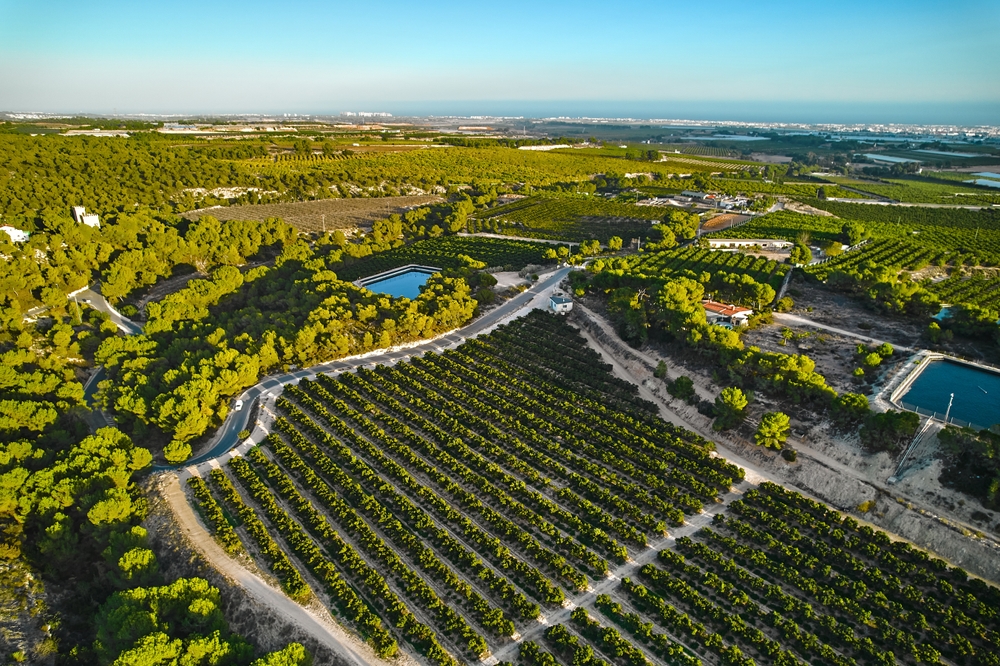
Understanding the Spanish Agricultural Land Market
Spain boasts a long and storied tradition in agriculture. Its unique climate, fertile soils, and vast stretches of rural land make it one of Europe’s most productive and diverse agricultural powerhouses. For investors seeking stable, long-term returns and a tangible asset, Spanish agricultural land can represent an excellent opportunity. However, navigating this vast market requires not only an understanding of the economic factors and crop types but also legal regulations, environmental concerns, and the region-specific opportunities that can affect your investment.
This comprehensive guide will explore all facets of investing in Spanish agricultural land, providing nuanced insights that empower prospective investors to make informed, confident decisions. Whether your goal is to become a direct producer, lease land, or diversify a portfolio with agricultural assets, Spain presents a rich and varied landscape ripe with possibility.
The Historical Context and Current Trends
A Legacy of Cultivation
Throughout history, Spain’s diverse landscapes have nurtured a landscape of vibrant agriculture. From the expansive olive groves of Andalusia and lush citrus orchards of Valencia, to La Mancha’s vineyards and the cereal fields of Castile, agricultural land has been the backbone of the Spanish economy and rural culture. Today, while some regions focus on intensive, modern farming, others cherish and preserve centuries-old methods rooted in sustainability and tradition.
Contemporary Shifts
Spain’s membership within the European Union (EU) integrates its agricultural sector with broader European agricultural and environmental policies, influencing everything from subsidies and sustainability initiatives to export opportunities. In recent years, there’s been a growing trend of urbanization, which has led to a decline in rural populations but an increase in the relative value and strategic importance of agricultural land. Furthermore, a rising global focus on food security, sustainable sourcing, and environmental stewardship positions Spanish farmland as a prized asset for visionary investors.
Why Invest in Spanish Agricultural Land?
A Resilient Asset Class
Agricultural land historically demonstrates remarkable resilience, acting as a hedge against inflation while offering lower volatility compared to stock markets. During periods of economic turbulence, food production remains an essential activity, which ensures ongoing demand, stable commodity prices, and steady asset appreciation.
Long-Term Value and Tangibility
Unlike intangible assets, farmland is tangible and limited. The global population’s continuous growth underscores the enduring necessity of food production, enhancing the value of arable land. As a physical asset, it cannot depreciate to zero, and often appreciates over time due to urban pressure, increased demand, or improvements in production capacity.
EU Subsidies and Incentives
Spain’s integration in the Common Agricultural Policy (CAP) provides a range of supports to landowners, including direct payments, rural development programs, and investment grants. These incentives can effectively reduce financial risk while improving returns, especially for those pursuing sustainable and innovative agricultural practices.
Portfolio Diversification
For those seeking to balance risk within their investments, agricultural land provides a unique diversification option. Its market dynamics—distinct from equities and real estate—help buffer portfolios against volatility and macroeconomic shocks.
Chance to Participate in Food Security and Sustainability
Investing in Spanish farmland enables participation in global efforts to secure sustainable, high-quality food supplies. Many investors are motivated not only by profit but by the tangible, positive impact they can have on rural communities, local economies, and the environment.
Types of Agricultural Land in Spain
Understanding the unique typologies of agricultural land helps investors match their strategies with the best opportunities. Spain’s rich tapestry of geography gives rise to several distinct types of agricultural assets:
- Crop Farmland: Ranging from rainfed wheat fields of Castile to the intensive market gardens in Murcia, crop land is typically valued for its fertility, irrigation potential, and proximity to transportation.
- Vineyards: Spain is one of the world’s largest wine producers, and its designation-controlled regions (DOs) such as Rioja, Ribera del Duero, and Priorat offer premium valuation and branding potential.
- Orchards: Citrus in Valencia, olives in Andalusia, almonds and pistachios in La Mancha—specialized orchard lands often command premium prices, particularly for organic production.
- Livestock Pasture: Green pastures, particularly in the Asturias and mountainous regions, support dairy and beef operations, often with significant ecological value.
- Mixed Farms: Combining crops, orchard, and livestock, mixed farms offer considerable biodiversity and protection against commodity-specific risks.
- Forestry Land: Some investors focus on timberland and managed forests, benefitting from subsidies for reforestation and ecosystem services.
- Specialty Lands: Including lands for niche crops like truffles, saffron, or emerging superfoods.
Choosing the right type depends on market trends, personal interests, available resources, and sustainability considerations.
Top Regions for Agricultural Investment in Spain
Andalusia: The Olive Heartland
Andalusia, home to endless undulating hills covered in olive groves, is synonymous with Spain’s globally prized olive oil. With excellent infrastructure, established international export pathways, and favorable climate, Andalusia offers fertile ground for both traditional and organic olive production, as well as vineyards and almond orchards.
Features:
- Rich tradition and established international market.
- Substantial rural communities and workforce.
- Diverse opportunities: olives, table grapes, citrus, and nuts.
- Significant EU CAP subsidies for qualified landowners.
Valencia: Citrus and Beyond
Renowned for its oranges and clementines, Valencia also excels in rice cultivation near the Albufera wetlands. The region’s coastal climate supports high yields and a wide variety of crops, including vegetables, persimmons, and almonds.
Features:
- Efficient irrigation infrastructure.
- Strong export logistics via sea ports.
- High value for organic certification and specialty crops.
Catalonia: Quality and Diversity
With a diverse agricultural scene, Catalonia offers everything from the renowned Cava vineyards of Penedès to productive apple orchards in Girona. Increasingly, the region is recognized for organic and innovative agri-technologies.
Features:
- High-value wine and fruit regions.
- Growing sustainable and organic sectors.
- Close proximity to urban centers and excellent transport infrastructure.
Castilla-La Mancha: Land of Vineyards and Wheat
The largest region by land area, Castilla-La Mancha is at the heart of Spanish cereal and grape production. Its vast, relatively affordable tracts of land are ideal for larger-scale investment and emerging crops such as pistachio and saffron.
Features:
- Low land prices and plenty of land availability.
- Robust tradition in wine, wheat, and niche crops.
- Numerous government support schemes.
Extremadura: Livestock and Fruit Orchards
Extremadura’s rolling landscapes and dehesa pasture support both extensive livestock and fruit operations, including cork oak forests, cherries, and figs. The region’s rural character provides opportunities for large-scale organic or regenerative farming movements.
Features:
- Low population density and ample space.
- Environmental value and opportunity for organic farming.
- Access to EU rural development funds.
Legal Framework and Due Diligence
Ownership Rights and Restrictions
Spain’s land ownership laws are transparent and generally straightforward. Both EU and non-EU citizens may acquire agricultural land, though individual municipalities may have local restrictions or requirements, especially for land bordering protected areas or foreign investment in certain strategic sectors.
Title Verification and Registration
All land transactions must be registered with the Land Registry (Registro de la Propiedad) to ensure clear title, free from encumbrances. Diligent investors perform comprehensive title searches via certified solicitors or notaries to identify outstanding debts, claims, or easements on the property.
Land Use and Zoning Regulations
Zoning varies by region and municipality. Agricultural land may carry limitations regarding construction, permitted crop types, and environmental protections. Before making a purchase, investors must review local zoning plans (Plan General de Ordenación Urbana, PGOU) and medium-term development policies to understand long-term land use viability.
Water Rights and Irrigation
Access to reliable water is paramount for many crops in Spain’s drier regions. Rights to well water, surface water, or connection to communal irrigation systems are legally regulated and can affect both productivity and resale value. Always verify water rights documentation—and confirm with local water authorities—before finalizing a transaction.
Taxation and Succession
Buying agricultural land incurs acquisition taxes, annual property taxes, and, potentially, capital gains taxes upon resale. Spanish inheritance law applies unique rules (“forced heirship”), which should be reviewed with professional advisors to ensure succession planning aligns with your goals.
Types of Agricultural Investments
Spain’s agricultural landscape offers multiple investment models designed to suit a range of objectives, risk tolerances, and involvement levels. Understanding the key models allows investors to tailor their approach for maximum benefit.
Direct Ownership
Purchasing an agricultural plot for direct management offers the greatest control and potential return. Investors may opt to operate the farm themselves, employ a local manager, or lease the land to experienced producers. This approach necessitates significant capital, knowledge, and ongoing involvement.
Leasing Arrangements
Many investors purchase land with the intention of leasing it, either via fixed rental agreements or sharecropping contracts that allocate profit percentages to both owner and tenant. Leasing provides predictable returns while requiring less direct involvement.
Joint Ventures and Co-Investments
Pooling resources with fellow investors or experienced agricultural operators can facilitate larger-scale projects with shared expertise and risk. Joint ventures may focus on high-value crops, innovative agri-business models, or sustainable agriculture certifications.
Specialized Funds
Some firms offer investment funds or vehicles exclusively focused on agricultural land assets. While less hands-on, these funds allow diversification across geographies and crop types, and can provide attractive, risk-adjusted returns for those seeking indirect exposure.
Crop Selection: Profitability and Market Trends
Your crop or activity choice dramatically influences return potential and risk profile. Spain’s agro-climatic diversity supports a wide array of possibilities. A thorough market and agronomic analysis should inform every investment:
- Olives: High demand in both domestic and global markets; olive oil exports grow steadily, and organic labeling offers price premiums.
- Grapes and Wine: Vineyard investments can yield substantial returns, especially in quality-driven denominations and with the right grape varieties.
- Citrus: Oranges, lemons, and mandarins remain stable and highly exportable; Valencia stands out for quality production and premium markets.
- Almonds and Pistachios: These nuts command high prices and are resilient to drought; interest surges in La Mancha and Andalusia.
- Cereals and Legumes: Wheat, barley, oats, legumes; best suited for larger, lower-cost lands with consistent rainfall or irrigation.
- Stone Fruits: Plums, cherries, peaches, and nectarines from Aragón and Extremadura target domestic and European markets.
- Organic and Specialty Crops: Saffron, truffles, superfoods; niche markets with premium pricing but may face volatile demand.
Diversification—either by combining multiple crops or integrating livestock—helps spread risk and capture evolving market opportunities.
Organic, Regenerative, and Sustainable Farming
Organic Opportunities
Organic farming is a rapidly expanding sector, with Spain one of Europe’s largest producers by certified area. Growing consumer and regulatory demand for traceable, chemical-free products creates premium price opportunities and greater market resilience.
Achieving organic certification entails adhering to strict standards and transitioning land and operations—typically a multi-year process requiring investment in soil health, pest control, and sustainable nutrient management.
Regenerative Agriculture
Regenerative agriculture encompasses farming methods that aim not just to sustain but to improve and restore the land’s natural processes. Practices include no-till, cover cropping, rotational grazing, and tree planting. Long-term benefits include healthier soil, greater yield resilience, higher biodiversity, and access to “climate-positive” consumer markets and finance.
Sustainability in Practice
Sustainability measures are increasingly encouraged—and mandated—by the EU and Spanish authorities, especially in water management, soil conservation, and biodiversity preservation. Investments that prioritize these outcomes can benefit from subsidies, consumer goodwill, and greater long-term security.
Infrastructure and Technology for Modern Farming
Irrigation and Water Management
Spain’s climate, particularly in southern and interior regions, makes efficient irrigation essential. Investors should explore opportunities equipped with modern, energy-efficient irrigation systems, including drip and pivot irrigation, which minimize waste and maximize yields.
Greenhouses and Protected Agriculture
Spain leads in greenhouse technology, especially in Almería, where vast stretches of greenhouses produce vegetables year-round for the European market. Greenhouses enable higher outputs, pest control, and crop diversity, making investments here attractive for those seeking intensive production.
Mechanization and Precision Agriculture
Modern Spanish agriculture benefits from advances in farm machinery and precision technologies, including GPS-guided tractors, drones, soil sensors, and digitally managed irrigation systems. Such technologies enhance productivity and sustainability, often commanding premium land and crop valuations.
Logistics and Export Infrastructure
Spain’s robust rail, highway, and port networks facilitate rapid access to key European and global markets. Investing in land close to these infrastructure elements can increase logistical efficiency and profitability.
Navigating the Purchase Process: Step-by-Step
- Clarify Objectives: Define whether the investment is for lifestyle, profit, environmental impact, or portfolio diversification. Set clear criteria regarding preferred regions, crop types, risk tolerance, and capital allocation.
- Set Budget: Include purchase price, closing costs, improvement needs, first-year operating capital, and potential subsidies or grants.
- Identify and Evaluate Properties: Partner with trusted, experienced advisors.
Conduct site visits, inspect for soil fertility, water sources, accessibility, and infrastructure. - Legal Due Diligence: Secure a solicitor to verify title, debts, easements, compliance with land use and zoning, water rights, and CAP subsidy status.
- Financial Feasibility: Prepare or review detailed business plans, market studies, and cost-benefit analyses for intended crops or activities.
- Negotiate and Formalize the Offer: Offers in Spain are typically made via a private contract (contrato de arras) followed by a public deed before a notary.
- Register the Transaction: File with the Land Registry and the relevant tax authorities to complete the process and secure legal ownership.
- Post-Purchase: Implement operational or leasing plans, initiate any infrastructure or compliance upgrades, and engage professional farm management if required.
Challenges and Risk Factors
Climate and Environmental Risk
Agricultural returns are inherently tied to climatic variables—rainfall, drought risk, and extreme weather events. Spain’s southern and interior regions are especially prone to water scarcity, which makes due diligence into water rights and irrigation crucial.
Market Volatility
Commodity prices fluctuate due to global supply, demand, and trade conditions. High-value crops may offer greater returns but also suffer more pronounced price swings.
Labor Availability
Rural depopulation can challenge labor availability in some regions, necessitating investments in mechanization or improved housing for seasonal workers. Certain crops, such as fruits and vegetables, require more intensive labor than others.
Pests and Disease
Olive and fruit crops in particular are susceptible to pests and diseases, such as Xylella fastidiosa, which can have region-wide impacts. Insurance and diversified crop portfolios help buffer such risks.
Regulatory Changes
Agricultural subsidies, export controls, and environmental regulations evolve over time based on both EU and national policy. Investors should maintain flexibility, stay informed, and embark on activities with lasting adaptability.
Leveraging Financial Supports and Subsidies
Common Agricultural Policy (CAP) Payments
The EU's CAP is pivotal for Spanish agriculture. Direct payments to landowners reflect the size and eligibility of land for agricultural activities; some payments are conditional on “greening” environmental actions. When purchasing land, ensure that CAP entitlements are correctly registered and transferable.
Rural Development Programs
Numerous regional and national programs support farm modernization, young farmer entry, organic conversion, efficient irrigation, and environmental measures. Grants and low-interest loans can significantly improve return on investment, reduce risk, and facilitate innovation.
Tax Advantages
Certain tax breaks exist for agricultural investors, especially for succession planning, farm business incorporation, and investments in innovation or sustainability.
Sustainability, Climate Change, and the Future
Climate Resilience
Water efficiency, soil conservation, and crop selection tailored to drought resistance are paramount as climatic patterns shift. Spain’s agricultural research bodies and rural communities are developing solutions—investors can benefit from embracing these innovations as part of their operational models.
Biodiversity and Ecosystem Services
Land managed to enhance biodiversity, such as integrating native forests, using natural pest control, and fostering pollinator habitats, earns both regulatory and consumer support. In some cases, such stewardship attracts payment for “ecosystem services”—a growing revenue stream in rural Spain.
Case Study: Transitioning a Traditional Farm to Modern Sustainability
To illustrate the nuances of agricultural land investment in Spain, consider a real-world example: transforming a traditional olive grove in Andalusia into an organic, regenerative farm. The process began with thorough land evaluation—testing soil health, water balance, and existing infrastructure. The investor, working with specialists in organic farming, planned a gradual transition, integrating cover crops and natural pest control. Within four years, the operation achieved full organic certification and associated price premiums, while improvements in soil structure and ecological balance reduced input costs. Leveraging CAP rural development grants, the farm also installed solar-powered drip irrigation and hosted agro-tourism workshops, further boosting income streams.
This case highlights the potential for value appreciation, lower risk, and positive environmental impact when carefully aligning business strategy, financial planning, and sustainable practices.
Step-by-Step Strategy for New Investors
- Education: Dedicate time to learning the fundamentals of Spanish agriculture, market trends, and investment mechanics.
- Professional Support: Engage reputable advisors for legal, agronomic, and commercial guidance throughout every stage.
- Visit Candidates On-Site: On-the-ground assessments reveal details that documents cannot, from land orientation to community engagement.
- Financial Planning: Project multiple scenarios—best case, average, and worst—to understand risk, especially regarding yield variability, input costs, and market prices.
- Sustainability as a Priority: Prioritize investments that can endure changing climate and regulatory landscapes. Favor organic, regenerative, or diversified operations where feasible.
- Scalability and Exit Options: Consider the ability to expand, lease, or convert operations over time, ensuring future flexibility and value maximization.
The Role of Professional Farm Management
Outsourced Expertise
Not every investor seeks direct involvement in farming. Professional farm management firms in Spain provide a range of services, from tenant oversight and technical advice, to complete operational responsibility. They can improve yields, ensure regulatory compliance, and facilitate innovation—making them invaluable partners for absentee owners or international investors.
Operational Optimization
Managers prioritize efficient input use, sustainable practices, and adoption of new technology. Performance metrics, financial transparency, and annual reports keep investors informed without requiring hands-on participation.
The Path to Agro-Tourism and Diversified Revenue
Agro-Tourism Potential
With Spain’s celebrated culinary and wine traditions, agricultural properties can host premium agro-tourism experiences, such as olive oil tastings, vineyard tours, farm-to-table dining, or rural accommodations. These ventures not only diversify income but enhance the asset’s profile and attract international interest.
Complementary Enterprises
Beyond agri-tourism, investors are increasingly integrating food processing, artisanal products, farm-based education, and renewable energy generation (solar, biomass) on Spanish farmland. These additional revenue streams can bolster resilience and add unique character to the investment.
Environmental and Social Impact Considerations
Modern investors are mindful of the broader impact of their activities. Spanish agricultural land, when managed responsibly, offers opportunities to:
- Preserve Rural Communities: Investment revitalizes rural economies, provides local employment, and sustains cultural traditions.
- Protect Ecological Wealth: Responsible land management enhances wildlife habitat, preserves threatened species, and improves watersheds.
- Contribute to Food Security: Sustainable, high-quality production strengthens food systems at both local and global scales.
Measuring and communicating such impacts builds investor reputation, attracts premium markets, and aligns with evolving regulatory priorities.
Summary: The Spanish Agricultural Land Advantage
Investing in Spanish agricultural land presents a compelling landscape of opportunity. With a blend of rich historical tradition, modern technological advances, robust EU support, and an increasing shift towards sustainability, agricultural land stands as an asset that transcends volatile markets.
Whether seeking direct involvement or passive returns, the possibilities in Spain are as varied as its landscape. From timeless olive groves and vibrant vineyards to innovative regenerative farms and dynamic agro-tourism estates, every venture requires diligence, planning, and proactive management.
By prioritizing legal due diligence, robust business modeling, and a commitment to sustainable stewardship, investors can unlock value, bolster rural economies, and safeguard the land’s health for generations to come.
IMMO ABROAD is dedicated to guiding clients through every stage—providing expert advice, deep market knowledge, and a passion for the unique richness of Spain’s agricultural heritage. The journey to successful investment starts here—with clarity, confidence, and unwavering support tailored to your vision.
Frequently Asked Questions: Investing in Spanish Agricultural Land
What is the minimum investment required to purchase agricultural land in Spain?
Land prices vary greatly by region, soil quality, infrastructure access, and farming potential. In less developed interior regions, land may be acquired for as little as €3,000–€10,000 per hectare. Top-tier vineyards or orchard land near urban export centers can exceed €60,000 per hectare. Budgeting should also include taxes, legal fees, improvements, and operating capital for at least the first year.
Can non-residents own agricultural land in Spain?
Yes, both EU and non-EU citizens may own agricultural land in Spain, although non-resident investors should anticipate additional due diligence, tax reporting requirements, and may benefit from working with local advisers to navigate all regulatory aspects smoothly.
What about water rights and irrigation?
Water access is tightly regulated, particularly in drought-prone regions. Rights are issued by the local water authority and must be formally included in any property transaction. Verifying the validity and transferability of irrigation rights is crucial for crops beyond dryland cereal or grazing uses.
Can I live on my agricultural land?
While many agricultural parcels include existing dwellings or permit new construction for farm operation needs, zoning restrictions may limit residential development, especially in protected or “rústico” zones. Review the local land use plan before investing if residential occupancy is a priority.
How is land managed in my absence?
Professional management services are common and can handle daily operations, hiring, compliance, and reporting. Leasing land to established farmers is another option for investors seeking hands-off income.
How do agricultural subsidies work post-purchase?
Subsidies are associated with both the land and eligible production activities. Entitlements must be registered and can typically be transferred to new owners. However, eligibility requires continued agricultural activity and compliance with “greening” requirements.
What are organic and sustainability certifications worth?
Certified organic or sustainability practices often command price premiums, easier market access, and increased eligibility for subsidies or grants. The certification process requires several years and strict adherence to protocols but can dramatically improve profitability and resilience.
Is financing available for agricultural land purchases?
Yes, Spanish banks and specialized lenders offer agricultural mortgages, though terms depend on project viability, borrower profile, and intended use of land. Regional programs and CAP instruments can also support investment in operational modernization, sustainability, and young farmer initiatives.
How should I plan for succession and inheritance?
Spanish inheritance law ensures forced shares for heirs and may differ from investors' home country inheritance practices. Early legal planning, farm incorporation, and use of tax allowances help ensure a smooth transition across generations.
What are the prospects for future appreciation?
While historical data suggests steady appreciation in agricultural land, future prospects depend on location, crop choice, sustainability factors, and evolving market trends. Strategic, well-managed investments, especially in regions with water access and infrastructure, should benefit from increasing global food demand and environmental awareness.
Final Thoughts: Maximizing Your Investment in Spanish Agricultural Land
The path to prosperity, security, and impact through agricultural land in Spain is as rewarding as it is multidimensional. Whether drawn by the traditions of the Spanish countryside, the promise of technological advancement, or the desire to contribute meaningfully to food security and sustainable development, Spanish farmland offers limitless horizons.
With expert guidance, strategic planning, and a commitment to best practices, your investment in this sector can yield financial profit, personal fulfillment, and lasting positive change for land, community, and environment alike.
Ready to take the next step? Let IMMO ABROAD’s deep-rooted expertise unlock the doors to Spain’s agricultural abundance for you. Begin exploring your personalized investment journey today.