





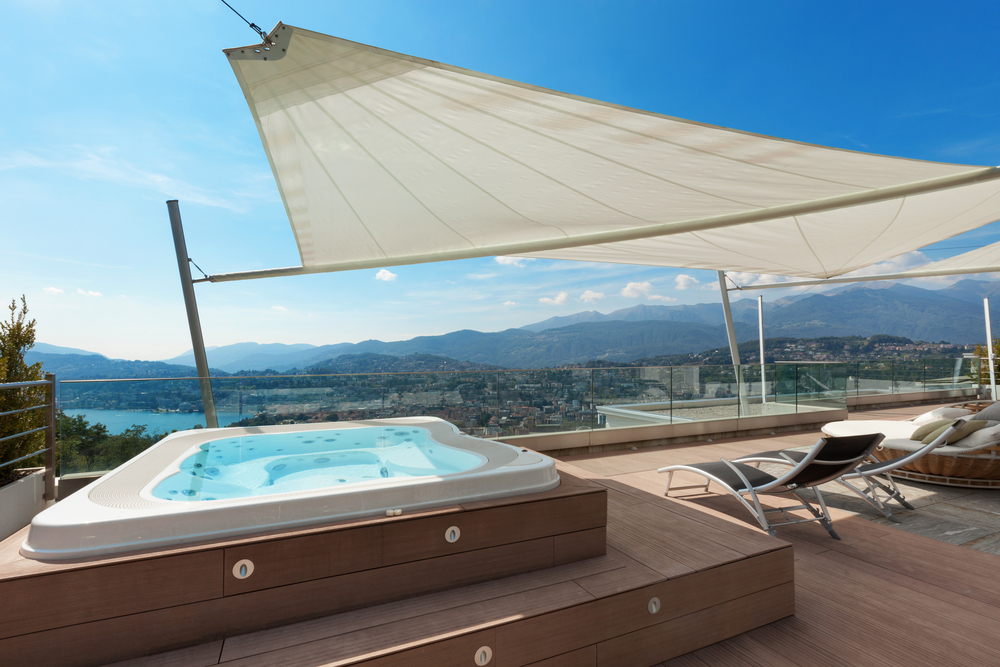
Introduction: The Allure of a Jacuzzi on Your Balcony in Spain
Dreams of Mediterranean sunsets and warm evenings often include a private retreat, where relaxation meets luxury. For many property owners and prospective buyers in Spain, the idea of installing a Jacuzzi on a balcony conjures images of ultimate comfort and exclusivity. However, the question arises: Is it legally permissible to place a Jacuzzi on your balcony in Spain? This comprehensive guide explores all aspects of installing a Jacuzzi on a Spanish balcony, unraveling legal, technical, and lifestyle factors so you can make an informed decision. Welcome to a deep dive into this coveted feature of modern Mediterranean living, expertly presented by IMMO ABROAD.
The Growing Appeal of Jacuzzis on Balconies
As urban spaces in Spain grow denser and property owners crave private wellness experiences, the demand for in-home spa facilities has soared. A Jacuzzi on the balcony is not just an architectural statement—it symbolizes an elevated lifestyle.
- Urban Luxury: Enjoy unparalleled views and serenity from the comfort of bubbly warmth.
- All-Season Enjoyment: Hot tubs offer year-round relaxation, from breezy spring nights to cool winter evenings.
- Property Value: Well-installed Jacuzzis often enhance property appeal for future buyers or renters seeking exclusivity.
However, beneath the surface of these benefits lie important considerations unique to Spain—legal, technical, practical, and cultural. Let us investigate the essential points.
Legal Framework: Spanish Laws and Local Ordinances
Before planning your Jacuzzi installation, it is crucial to understand the layered legal landscape in Spain. The permissions and restrictions can vary dramatically between an urban Madrid apartment, a sea-view unit in Barcelona, or a coastal residence in Marbella.
National Building Codes
Spanish building codes set guidelines for residential safety, structural integrity, and community welfare. Key considerations include:
- Structural Loads: National norms dictate maximum weight capacities for balconies in apartment buildings and free-standing homes.
- Waterproofing and Leakage Prevention: Code compliance requires robust waterproofing to avoid damaging lower floors or communal areas.
- Noise and Disturbance Control: Legal noise thresholds must be respected—particularly relevant in multi-unit dwellings.
Community of Owners (Comunidad de Propietarios)
If your property is part of a residential building, you are subject to the decisions of the Comunidad de Propietarios. This homeowners association typically maintains rules governing:
- Alterations to Shared Structures: Changes affecting communal elements (such as facades or load-bearing balconies) require assembly approval.
- Use of Private and Common Spaces: Conflicts may arise if a private Jacuzzi causes issues for neighbors, such as noise, water leakage, or visual disruption.
- Voting Procedures: Modifications usually need at least a simple majority; significant structural changes might require unanimous approval.
Regional and Municipal Regulations
Some municipalities and autonomous regions in Spain impose additional restrictions. For example, historical centers can have stricter facade guidelines, while coastal towns may regulate outdoor installations more stringently to preserve aesthetics.
Building Permits and Inspections
In many cases, installing a Jacuzzi on a balcony will demand a works license (licencia de obras) from the local town hall. The specific type (minor or major works) depends on the volume, complexity, and impact of the installation.
- Minor installations might only need basic notification, while more invasive works require drawn plans and technical reports by certified architects.
- Permitting processes can include inspections and, in rare cases, mandatory insurance against damages.
Technical Considerations: Can Your Balcony Support a Jacuzzi?
Before installation, a meticulous technical study is non-negotiable. Safety is paramount—not just for you, but for neighbors and the structural integrity of the entire building.
Weight and Static Load Distribution
Jacuzzis, even compact models for two persons, can weigh up to 300-500 kg when filled. Larger tubs can exceed one ton. This load is concentrated over a relatively small area.
- Consult a structural engineer to analyze building blueprints and determine whether the balcony can safely support the filled Jacuzzi, its users, and dynamic water movement.
- Balconies are often designed for lighter loads—furniture and foot traffic—not large volumes of water.
- Where the structure falls short, reinforcement may be possible, but this typically constitutes a major renovation requiring engineering approval and substantial investment.
Waterproofing and Drainage
Protecting your home (and neighbors below) against leaks is essential. A Jacuzzi inevitably increases floor humidity levels and risk of spills or overflow.
- Upgrade balcony waterproofing membranes and install a dedicated drainage system to direct water safely away from structural components.
- Mismanaged water can not only cause property damage but also become a fire hazard if it reaches electrical installations.
- Proper sealing of junctions, especially around drains or electrical connections, is a must.
Vibration and Noise Management
Jacuzzi pumps, air jets, and acoustic resonance through building materials can transmit noise and vibration far beyond your apartment.
- Invest in equipment with low-decibel ratings and anti-vibration mounting pads.
- Ensure regular maintenance to prevent excessive noise caused by faulty components.
- Some municipalities regulate the maximum allowable noise from such installations—exceed permitted levels and you risk fines or obligatory removal.
Apartment Type: Multi-Unit Buildings Versus Private Homes
The type of property influences your possibilities significantly.
- Apartment in a multi-unit building: Strictest regulations, as modifications could impact communal safety and amenities. The need for community approval is nearly universal.
- Penthouse (Ático): Slightly greater discretion over rooftop or terrace spaces, yet almost always subject to building regulations and potential communal consent.
- Private villa or townhouse: Broadest freedom, provided local technical codes and license requirements are fulfilled. Sole ownership typically means simpler logistical hurdles.
For most readers, the focus is on apartments and penthouses—where luxury and sweeping views inspire the idea of an external hot tub.
Advantages of a Jacuzzi on Your Spanish Balcony
With the right planning, permissions, and design, the benefits of a Jacuzzi on the balcony are manifold. Let us examine what makes this feature so alluring.
Personal Wellness and Therapeutic Benefits
- Hydrotherapy: Hot tubs support muscle relaxation, circulation, and relief from joint pain—ideal for a post-beach unwind or chilly winter evening.
- Mental Well-Being: The meditative ambiance of gently bubbling water, enhanced by panoramic views of your Spanish locale, is unmatched for stress reduction.
- Year-Round Use: Protected from the elements, a balcony Jacuzzi offers a private spa experience regardless of the weather.
Aesthetic and Real-Estate Value
- Unique Selling Point: A well-executed spa installation distinguishes your property in the Spanish market, attracting buyers or elite tenants.
- Visual Focal Point: Modern hot tubs can be beautifully integrated with balcony design, complementing Mediterranean or contemporary aesthetics.
- Entertaining: Transform casual hospitality into an occasion; few features impress like a hot tub with skyline, sea, or mountain views.
The Step-by-Step Process of Installing a Jacuzzi on a Balcony
A high-end hot tub installation is a journey. Each step requires diligence to ensure safety, legality, and lasting enjoyment.
1. Preliminary Assessment
Begin by evaluating your specific needs, space constraints, and expectations:
- Size and Occupancy: Compact models for 2-3, family models up to 6+, or even larger party spas.
- Location: Sun exposure, privacy from neighbors, and accessibility for maintenance.
- View Optimization: Position to maximize landscape, skyline, or sea views.
2. Consult Experts
- Structural Engineer: Essential for confirming safe load-bearing capacity and identifying any reinforcement works needed.
- Licensed Architect: Required to draw up plans for more significant modifications, secure permits, and ensure compliance with all codes.
- Hydraulic/Electrical Technician: For dedicated plumbing, wiring, and waterproofing.
3. Secure Permissions and Licenses
Work cannot begin until all approvals are documented:
- Homeowners' association (Comunidad) vote and official consent.
- Applicable municipal building license (fecha, licencia de obras).
- Comply with regional or landmark protection statutes where applicable.
4. Prepare the Site
- Reinforce balcony structure (if required).
- Install advanced waterproofing and improved drainage systems.
- Prepare electrical supply with proper waterproof, outdoor-grade wiring and a Ground Fault Circuit Interrupter (GFCI).
- Ensure plumbing connections support high-flow water supply and easy, spill-safe drainage.
5. Selection and Delivery of Jacuzzi
- Choose a model suited for outdoor–balcony exposure, including weather-resistant finishes and energy-efficient insulation.
- Confirm dimensions fit through all access points, elevators, or require special lifting equipment.
- Order well in advance; custom models may require weeks or months for delivery and installation.
6. Professional Installation
- Follow manufacturer instructions and supplemental architectural advice for mounting and anchoring.
- Install anti-vibration pads and noise insulation layers where practical.
- Test all plumbing and electrical systems before filling the tub.
7. Commissioning and Inspection
- Fill the Jacuzzi and perform a full load test to check structure and drainage integrity.
- Invite municipal inspectors if required by code or license conditions.
- Ensure all community and legal documentation is complete, archiving permits for future property sales.
8. Ongoing Maintenance
- Set a calendar for regular water chemistry tests (chlorine, pH, etc.) and filter changes.
- Inspect seals and waterproofing seasonally, especially after heavy weather or seismic events.
- Maintain pumps and heaters for energy efficiency and compliance with Spanish environmental regulations.
Common Mistakes and How to Avoid Them
A significant investment like a balcony Jacuzzi demands avoiding costly errors. Learn from experienced installers and property owners:
- Ignoring Structural Limits: Never rely on a “looks strong enough” approach. Only an engineer can guarantee safe compliance.
- Skipping Legal Steps: Unpermitted installations can result in heavy fines, forced removal, or even insurance claim denial in case of accidents.
- Poor Planning Access Routes: Narrow doorways, sharp corners, or delicate elevator interiors can make delivery a nightmare. Measure twice, deliver once.
- Underestimating Noise Levels: Conduct real-world noise tests with comparable equipment if possible before committing.
- Waterproofing Shortcuts: Sacrificing quality here risks thousands in future repairs and neighbor disputes.
- Overflow and Drainage Problems: Without sufficient drainage, accidental overflows can cause rapid and expensive damage to the building envelope.
- Overlooking Insurance: Notify your home insurance of the installation; certain providers demand specialized coverage for such risks.
Types of Jacuzzis for Balcony Installation
The definition of “Jacuzzi” has evolved, diverging into multiple categories and technological innovations:
Portable versus Built-In Models
- Portable: These units are free-standing, can be relocated, often require minimal plumbing/electrical modification, and usually have lighter footprints—suitable for less robust balconies.
- Built-In: Custom units are integrated into the balcony’s structure, often reinforced and finished with decking or stone. Luxurious but more complex to install and remove.
Inflatable Hot Tubs
- Lightweight and easy to empty, inflatables are a popular choice when balcony weight limits are tight.
- However, they lack the insulation, hydrotherapy power, and durability of fixed models.
Swim Spas and Exercise Models
- Hybrid models now combine hydrotherapy with resistance swimming. These are typically too large and heavy for most balconies, but select small units exist.
Energy-Efficient Technologies
- Modern models incorporate solar pre-heating, high-performance insulation, and variable-speed pumps to minimize energy use—critical in sun-drenched, eco-progressive Spain.
Aesthetic Integration: Blending Spa Luxury with Spanish Architecture
The marriage of a Jacuzzi with Spanish architecture is an art form in itself.
Material Choices
- Natural stone, Mediterranean tiles, or rich wood decking reflect regional styles while resisting weathering.
- Marine-grade metals support sleek modernity and durability.
- Contrasting with traditional stucco or wrought iron railings offers visual dynamism.
Privacy Screening
- Vertical gardens, custom screens, or retractable awnings shield you from neighboring eyes and harsh sun.
- Consider regional plants and minimalist design for a harmonious result.
Lighting and Ambiance
- LED perimeter lighting, underwater lamps, and subtle indirect sources extend spa use into the evening.
- Choose warm color temperatures to match the tone of Spanish twilights.
Noise, Privacy, and Neighbor Relations
Even a legally compliant, meticulously installed Jacuzzi can become a source of tension if communal peace is disrupted.
Noise Management
- Position equipment pads and pumps away from shared walls.
- Schedule usage during accepted hours, avoiding late-night gatherings if voices carry.
- Install enclosures or damping mats to absorb any mechanical sounds.
Maintaining Privacy
- Integrate screens or portable dividers without breaching community covenants.
- Carefully consider sightlines from neighboring apartments before finalizing location.
Open Communication with Neighbors
- Proactively inform your neighbors and community association of your intentions—transparency builds goodwill and can smooth the path to approval.
- Invite neighbors to inspect installation before use to allay any fears regarding leaks, noise, or safety.
- Address concerns promptly and document all communications—if disputes arise, you’ll be grateful for written records.
Insurance and Liability: Protecting Your Investment
Adding a Jacuzzi can change your risk profile and insurance needs in Spain.
- Property Insurance: Verify your policy covers water-related damages, leaks, and structural failures connected to the Jacuzzi.
- Liability Coverage: Accidents or injuries to guests or neighbors (from leaks, slips, or electrocution) must be covered. Supplements may be necessary for full protection.
- Community Insurance: In apartment complexes, the community may require proof of compliance and coverage before approval is granted.
Insist on documentation from all contractors, including liability insurance and guarantees covering their installation quality.
Case Studies: Real-Life Experiences in Spain
To illustrate the practicalities, consider a range of real-life scenarios—inspired by Spanish property owners who have navigated the process.
Seafront Apartment in Valencia
A couple owned a fourth-floor apartment with a wraparound balcony and sweeping Mediterranean views. After consulting with a structural engineer, it was determined that their balcony, due to its reinforced slab design, could safely handle a compact three-person spa. The comunidad gave consent after agreeing to additional soundproofing measures. Now, they enjoy sunset hydrotherapy with peace of mind.
Penthouse in Madrid
An entrepreneur sought to install a luxury, six-person Jacuzzi with designer features atop their penthouse. Despite initial excitement, the engineer ruled out installation: the weight would have exceeded building code by 40%. Instead, they opted for a lightweight plunge pool with cascading jets, achieving many wellness goals without violating regulations.
Historic Apartment in Seville
Owners of a listed property in Seville confronted strict facade and landmark regulations. Ultimately, their application was denied—not for load but for visual impact. They redirected their wellness ambitions to an interior spa bathroom, forfeiting the views but preserving legal peace.
Private Villa near Marbella
A villa owner with a generously sized terrace faced minimal legal restraint. With clear municipal licensing, they installed a sunken spa with bespoke stone surround and native plants. Architectural harmony and minimal disruption to neighbors made for a seamless and successful project.
Cost Breakdown: Budgeting for a Legal Balcony Jacuzzi
A luxury hot tub installation is a significant investment—a thorough budget prevents unwelcome surprises.
- Engineering and Architectural Fees: €500–€2,000 (depending on complexity).
- Municipal Permits and Licenses: €100–€1,000 (varies by municipality and region).
- Jacuzzi Unit: €2,000–€20,000+ (size, features, brand, insulation quality).
- Structural Reinforcement: €1,000–€10,000+ (if required, can be the largest cost).
- Delivery and Lifting: €500–€2,500 (crane costs if no elevator access).
- Electrical/Plumbing Install: €1,000–€5,000 (including waterproof outdoor wiring).
- Ongoing Maintenance: €200–€1,000 per year (chemicals, servicing, filters).
- Insurance: Variable—consult your provider to factor in Jacuzzi-related premiums.
Contingency funds should always be set aside for unexpected reinforcement, weatherproofing, or complication-induced expenses.
Environmental Concerns, Sustainability, and Community Spirit
Modern Spanish communities increasingly value ecological stewardship.
- Water Use: Hot tubs can consume thousands of liters—choose models with advanced filtration and low evaporation covers.
- Energy Efficiency: Opt for units with energy star ratings and invest in solar or renewable electricity where possible.
- Chemical Management: Eco-friendly treatments (ozone, UV, saltwater systems) reduce reliance on traditional chlorine or bromine.
- Community Agreements: Some associations may restrict outdoor Jacuzzis to preserve peaceful environments or reduce strain on shared water/electricity supplies.
Frequently Asked Questions About Jacuzzis on Spanish Balconies
If you’re contemplating a balcony hot tub, these answers clarify the most common doubts raised by property owners.
-
Q: Do I always need community approval in shared buildings?
A: Yes. Any alteration impacting common structure, safety, or aesthetics requires prior consent—sometimes even for small, “portable” units. -
Q: What happens if someone reports a “forbidden” hot tub to the local authorities?
A: Municipal inspectors can order immediate removal, impose fines, or require the restoration of the balcony to its prior state. -
Q: Can I use my Jacuzzi all year in Spain?
A: Yes—robust insulation and modern covers keep heat inside, while Spain's mild winters favor winter bathing. Heating costs, however, can rise in cooler northern regions. -
Q: Will my property value increase?
A: Potentially, particularly for high-end or luxury buyers. Maintenance quality and proper documentation are crucial; illegal or unapproved installations are a liability. -
Q: Is it possible to remove the Jacuzzi if I decide to sell or move?
A: Most portable models can be removed with minimal balcony refurbishment. Built-in spas may require partial reconstruction and should be disclosed to the buyer. -
Q: What is the best way to maximize privacy?
A: Custom screening—plants, panels, or awnings—can be both effective and aesthetically pleasing, provided communal rules are respected. -
Q: Are inflatable Jacuzzis a good alternative?
A: For weight and budget reasons, yes; but they trade off longevity and luxury for convenience.
Preparing for the Future: Trends in Urban Wellness Spaces
As Spanish cities blend historic charm with contemporary luxury, demand grows for private wellness amenities. Forward-looking developments now integrate spa technology from the planning stage.
- New apartment buildings may offer reinforced balconies or dedicated wellness terraces.
- Architects are increasingly familiar with integrating sustainable hot tubs, water features, and green spaces within even modest city homes.
- Community agreements are adapting to acknowledge the value of mindfulness and wellness amenities, as long as communal tranquility is preserved.
By investing responsibly now, property owners contribute to a culture prioritizing harmony, safety, and health—ensuring their wellness retreats stand the test of time and regulation.
Step-by-Step: How IMMO ABROAD Supports Your Balcony Jacuzzi Ambitions
Navigating the legal, technical, and personal aspects of balcony Jacuzzi installation in Spain can be complex. As your dedicated property partner, IMMO ABROAD ensures a seamless, stress-free experience.
- Feasibility Studies: IMMO ABROAD provides professional evaluations of your specific building, community, and location, outlining all potential opportunities and risks.
- Community Coordination: Our team facilitates transparent communication with your homeowners' association to help obtain necessary permissions and resolve potential disputes preemptively.
- Expert Network: We connect you with certified engineers, architects, and installation specialists experienced in high-end wellness additions for Spanish homes.
- Permitting and Compliance: IMMO ABROAD manages all aspects of the paperwork, license application, and municipal inspections to shield you from bureaucratic pitfalls.
- Aftercare: Even post-installation, we remain available to assist with insurance updates, maintenance service contacts, and future property sales that include your luxury spa feature.
Summary: Making the Right Decision for Your Spanish Balcony
The dream of soaking in a bubbling Jacuzzi, drink in hand, with sweeping Spanish vistas, is attainable—with diligent research, legal compliance, and expert execution. Remember, each situation is unique:
- City apartments and historical buildings require greater scrutiny and pre-approval.
- Technical aspects—most notably weight, waterproofing, and noise—can make or break your project.
- Consensual relationships with neighbors and community are as valuable as legal forms.
- Costs will fluctuate based on reinforcement, equipment quality, and installation complexities.
- Sustainable planning ensures enjoyment for you and future owners, with minimal ecological impact.
IMMO ABROAD stands ready to guide you from the first inspiration to final relaxation—making your Spanish balcony Jacuzzi both a luxurious escape and a sound investment.
Appendix: Key Terms and Glossary
- Comunidad de Propietarios: The homeowners’ association governing shared residential buildings in Spain.
- Licencia de obras: Building license or permit required for home modifications.
- Structural Load: The weight a building element (balcony, terrace) can safely support.
- Hydrotherapy: The use of water jets and heat for wellness and healing.
- Ground Fault Circuit Interrupter (GFCI): A safety device cutting electrical supply in case of moisture contact—a legal requirement for hot tubs.
Final Thoughts: Wellness, Legality, and Harmony
The Mediterranean rhythm of life celebrates leisure, sociability, and well-being. A Jacuzzi on your Spanish balcony, when professionally planned and legally sound, encapsulates the very best of this tradition. The process may appear daunting, but with trusted guidance, it becomes an inspiring journey—unifying relaxation, community respect, and the indelible charm of Spain.
Should your aspirations lead you to this coveted home upgrade, IMMO ABROAD will ensure they are brought to fruition in harmony with both the letter and spirit of Spanish law, architecture, and hospitality.