





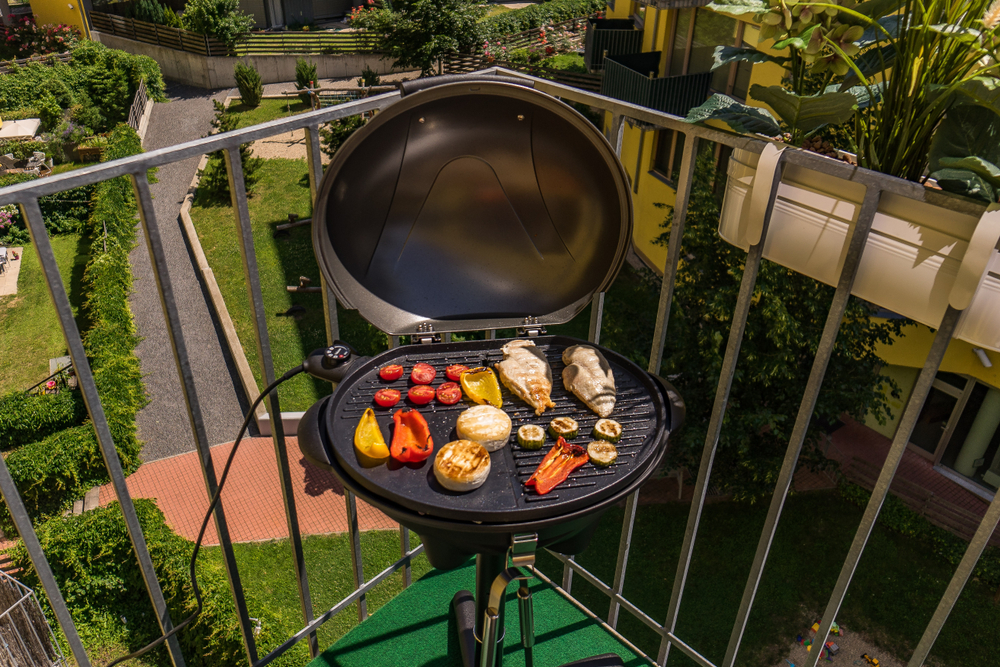
Understanding Barbecuing on Your Balcony in Spain: Legalities, Culture, and Practicalities
Barbecue culture is deeply ingrained in many societies, and Spain is no exception. With its balmy climate and strong culinary traditions, it’s no wonder that residents and newcomers alike are often keen to enjoy a barbecue (“barbacoa”) on their balconies. However, the question of whether you are actually permitted to barbecue on your apartment balcony in Spain is complex. It extends beyond simply owning a grill and being eager to cook; it involves legal, cultural, practical, and safety considerations unique to each region and building.
This comprehensive guide is tailored for discerning readers and property owners who wish to understand every facet of barbecuing on a balcony in Spain. It covers in-depth legal perspectives, community rules, safety guidelines, types of barbecues appropriate for balconies, cultural nuances, and practical ways to ensure your grilling habits are harmonious with your neighbors and local laws.
The Spanish Love Affair with Barbecue: Tradition vs. Modern Living
Spain is a country where food and socializing are tightly intertwined. Across the diverse regions of the country, open-air cooking is a cherished tradition, whether it’s a rustic asado in the countryside or grilled sardines by the coast. But as urbanization intensifies and more people move to apartments with shared amenities, the barbecue culture must adapt.
Barbecuing on a sprawling finca is straightforward, but when it comes to apartment living—particularly barbecuing on a balcony—the tradition collides with new realities. Smoke, fire safety, community comfort, and local regulations all become critical considerations.
Legal Framework: What the Law Says About Balcony Barbecues in Spain
National and Regional Spanish Laws
Spain does not have a single, unified national law specifically governing barbecues on private balconies. Each autonomous community in Spain, and often each municipality, may set its own regulations regarding open flames, pollution, and disturbance in residential settings.
- Fire Safety Codes: Many municipalities enforce fire safety ordinances that restrict or prohibit open flames on balconies—especially during hot, dry months when the risk of wildfires is elevated.
- Pollution and Nuisance Laws: Laws exist at the municipal level to regulate air quality, control nuisance odors, and limit smoke emissions in residential areas.
- Noise Regulations: Restrictions on noise, especially during siesta hours and late at night, may impact when, or whether, you can barbecue.
Thus, whether you can barbecue on your balcony legally often depends on where you live in Spain. It’s essential to consult the local Ayuntamiento (city council) for up-to-date information.
The Role of Municipal Orders (Ordenanzas Municipales)
Municipal regulations (ordenanzas municipales) are crucial when considering a barbecue on your balcony. In high-density cities such as Madrid, Barcelona, or Valencia, these regulations tend to be stringent, aiming to minimize disturbances and ensure fire safety. These regulations may explicitly ban open flames on balconies, stipulate barbecue types allowed, or set conditions under which grilling is permitted.
- Requesting Information: Residents can visit their Ayuntamiento in person or consult online for the regulations specific to their postcode or neighborhood.
- Temporary Bans: During periods of extreme fire risk (typically summer), municipalities may place temporary bans on any kind of outdoor grilling—even on private property.
Building Codes and Apartment Bylaws
Aside from public regulations, you must also consider private agreements through building codes and comunidad de propietarios (homeowners associations) bylaws, which often have the most direct impact on whether you can grill on your balcony.
- Deeds and Statutes: The founding statutes of your building may contain specific rules about barbecuing, use of common spaces, and occupancy of terraces.
- General Meetings: Amendments to rules can be made by majority vote during residents’ meetings. If barbecuing has been a source of disputes, outright bans or additional restrictions may be imposed.
- Notification: You must typically notify your building manager or president of the comunidad about your intent to barbecue, especially if there are questions about compliance.
The Role of Community Rules and Homeowners’ Associations
The Comunidad de Propietarios
The comunidad de propietarios wields significant influence in Spanish apartment buildings. In many instances, their by-laws are stricter than those set by the municipality. For instance, even if regional laws are silent on barbecues, your building may prohibit any activity that emits smoke or odors, or that could negatively impact neighboring owners.
- Common Clauses: Often, community rules will ban the use of any barbecue (especially charcoal or wood-fired grills) on balconies, citing safety and nuisance.
- Enforcement: Breaches of these rules may lead to formal complaints and, potentially, legal action against the offending resident.
- Resolution: Exceptions can sometimes be negotiated, especially if the grill in question is smokeless or electric, but consensus with neighbors is essential.
Residents are advised to request a copy of the building’s statutes and seek written clarification from the community president before proceeding with any barbecue plans. Understanding and respecting these rules is vital for harmonious cohabitation.
Types of Barbecues: Choosing the Right Grill for Your Balcony
Not all barbecues are created equal, particularly when it comes to apartment life. The type of grill you use can determine whether your balcony barbecue is feasible—or even legal. Let’s explore the most common options and their suitability.
Charcoal and Wood Barbecues
Traditionalists may prefer the unmistakable flavor imparted by a charcoal or wood-fired barbecue. However, these grills pose the greatest risks and provoke the most objections:
- Significant smoke output, which can disturb neighbors and violate local disturbance ordinances
- Higher fire risk due to hot embers and open flames
- Typically banned on balconies under community and municipal rules
Therefore, while delicious, charcoal and wood barbecues are generally unsuitable for balcony use in Spain’s apartments.
Gas Barbecues
Gas barbecues offer a cleaner, more controlled alternative, producing less smoke and making it easier to regulate temperature. Still, these come with drawbacks:
- Some community rules still prohibit their use due to the presence of gas cylinders in confined spaces
- Risk of gas leaks or explosions if not properly maintained
- May be allowed in some buildings under strict safety and usage conditions
Always check with your building management and consult manufacturer guidelines for safe balcony operation.
Electric Barbecues: The Most Balcony-Friendly Option
Most apartment dwellers find that electric barbecues are the safest, easiest, and most widely accepted solution for balcony grilling in Spain. These grills:
- Emit minimal or no smoke, preventing neighbor disturbances
- Run on household power, reducing fire risk and eliminating gas storage worries
- Often escape the restrictions placed on charcoal and gas barbecues in bylaws
While they may not perfectly replicate the taste of wood-fired grilling, electric barbecues are the most practical option for those determined to grill on their balcony without running afoul of the rules.
Portable and Smokeless Barbecues
Some new-generation grills incorporate fan technology and closed designs to minimize smoke, making them almost as discreet as indoor electric grills. Brands specializing in smokeless or infrared grilling technology can offer an enjoyable compromise, expanding your possibilities even in tightly regulated buildings.
- Compact and easy to store
- Designed to minimize discomfort to neighbors and comply with most regulations
Safety First: Essential Guidelines for Barbecuing on Your Balcony
Regardless of legal permission, safety must be at the forefront of any balcony barbecue. Spain’s generally hot and dry climate enhances the risk of accidental fires—a central concern for both municipalities and homeowners’ associations.
Key Safety Recommendations
- Distance: Maintain a safe distance from exterior walls, floors, and railings to prevent fire spread.
- Supervision: Never leave a barbecue unattended, especially with children or pets present.
- Fire Extinguisher: Always keep a working fire extinguisher or a bucket of sand/water on hand for emergencies.
- Proper Storage: Never leave gas canisters or fuel sources exposed to sun and heat on the balcony.
- Wind Awareness: Assess wind conditions before lighting your barbecue, as gusts can blow embers or hot ash into the building or neighboring apartments.
- Drip Trays: Use drip trays and mats to prevent grease from staining the balcony floor or leaking onto neighbors below.
- Clean-Up: Thoroughly clean your barbecue and surrounding area after use to remove any flammable residue.
- Smoke Detectors: If possible, install a portable smoke alarm on the balcony for added safety.
By adhering to these safety protocols, you not only protect your own property but also demonstrate respect for fellow residents—building goodwill and minimizing the risk of complaints or conflict.
Navigating Neighbor Relations and Etiquette
In Spain, harmonious living in multi-unit buildings depends on mutual consideration. This is especially true when engaging in activities—like balcony barbecuing—that may disrupt others.
- Notification: Give neighbors advance notice if you plan to host a barbecue. This gesture can minimize surprises and complaints.
- Timing: Avoid grilling during siesta hours (usually 2 pm to 5 pm) and late at night, when noise and smells can be most intrusive.
- Frequency: Regular barbecuing may attract scrutiny, even if technically permitted. Reserve grilling for special occasions to avoid inconvenience.
- Cleanliness: Ensure that smoke and odor are kept to a minimum and that no food or grease drips below to other balconies or communal areas.
- Conflict Resolution: If a neighbor raises concerns, listen respectfully, address the issue honestly, and try to find an amicable solution. In Spain, personal relationships are valued—being conciliatory pays dividends.
Positive neighbor relations are often the key to long-term enjoyment of your barbecue, even when regulations are on your side.
Insurance Considerations: Are You Covered?
If you own or rent a property in Spain, it’s crucial to understand how barbecuing on your balcony affects your home or renters insurance. Standard household policies may exclude damage or liability arising from fires caused by grilling, especially if you violate regulations or community bylaws.
- Policy Review: Before you grill, check your insurance policy for clauses related to “intentional acts” or “hazardous activities.”
- Liability Risks: If a barbecue fire causes damage to neighboring apartments or communal areas, you could be held financially responsible if you acted negligently or unlawfully.
- Disclosure: If you plan to install a permanently mounted grill, inform your insurance provider to ensure ongoing coverage.
Incidents involving barbecue fires are unfortunately not rare and can quickly escalate into complex legal and financial disputes. Prevention, compliance, and transparency with your insurer are the best ways to protect yourself—and your property—from nasty surprises.
Balconies, Terraces, and Rooftop Spaces: What’s the Difference Legally?
Spanish buildings often feature different outdoor areas, each subject to distinct rules:
- Balconies: Small, protruding platforms attached to a particular apartment, usually part of the private property.
- Terraces: Larger, often ground-floor or penthouse-level outdoor areas. Ownership and use rights may be shared, and rules for barbecuing can be somewhat more flexible.
- Rooftop Spaces (Azetas): Community-owned areas, sometimes accessible to all residents. Grilling here is often strictly regulated, or only allowed during organized events overseen by building management.
If you have both a balcony and a private terrace, check which (if either) allows for barbecuing under your building’s statutes and Spanish law. In some cases, barbecuing may be forbidden on balconies but permissible on a private ground-floor terrace with sufficient distance from neighboring apartments.
Regulations Across Spanish Cities: Spotlight on Major Urban Centers and Popular Expat Regions
It’s important to recognize that what’s acceptable in one city or community might be strictly forbidden in another. Here’s a breakdown of attitudes and rules in key Spanish regions:
Madrid
In the capital, the combination of dense apartment blocks and the risk of pollution means that municipal bylaws are strict. The use of charcoal or wood barbecues on balconies is prohibited. Electric grills may be allowed, but it remains at the discretion of the building's homeowners’ association.
Barcelona
Barcelona takes air quality and fire risk seriously. Open flames are banned on balconies, and smoke emissions—even from so-called “smokeless” grills—are a frequent source of disputes. Fines can be imposed for breaching these regulations. Electric or portable grills may be tolerated if explicitly allowed by building rules.
Valencia and Costa Blanca
Valencia and the wider Costa Blanca region, popular for expats, are less uniform in regulation. Some municipalities tolerate gas or electric barbecues but ban charcoal. Always check with local authorities and your building before grilling.
Andalusia: Costa del Sol, Málaga, Seville
Due to extreme heat and wildfire risk, Andalusia is particularly strict during summer. Temporary fire bans may cover all open flames—including on private balconies.
Canary Islands and Balearics
Coastal and island regions with high tourism often face stricter enforcement due to risk of nuisance and fire safety. Apartment buildings in popular holiday areas—like Mallorca, Tenerife, and Ibiza—usually restrict balcony barbecuing, with special exceptions possible for electric models.
Other Regions
Rural or small-town Spain may be more relaxed regarding balcony barbecues, but all the same rules about neighbor nuisance and building safety can apply. Seasonal factors, such as wildfire warnings, may suddenly change the legal landscape.
Ultimately, the only way to be completely certain of your rights and obligations is to check with your building management and local authorities. Regulations can be nuanced and subject to frequent change.
Practical Tips for Enjoying Balcony Barbecues in Spain
If you have determined that a balcony barbecue is permissible within your local and building regulations, here are some practical tips to maximize enjoyment while minimizing risk:
- Choose the Right Grill: Select a compact, electric or smokeless barbecue designed specifically for balconies.
- Pre-Cook Indoors: Consider cooking parts of your meal inside, using the grill only to finish or impart grill marks to minimize smoke time outdoors.
- Use Marinades Carefully: Avoid sugary or oily marinades that cause excessive smoke and flare-ups.
- Grill Cleanliness: Clean your barbecue thoroughly before and after each use to reduce odor and fire risk.
- Wind Screens: On breezy days, use foldable wind screens to keep smoke and heat contained.
- Gather Responsibly: Limit the number of guests to avoid excess noise and crowding on the balcony.
- Weather Awareness: Track humidity, temperature, and local fire risk warnings before grilling.
- Portable Tables: Use small, portable tables for food prep and serving to keep your main space organized.
- Aftercare: Dispose of all waste, particularly ashes and coals, according to local regulations to avoid accidental fires.
Cultural Nuances and Social Customs Around Balcony Barbecuing in Spain
Barbecuing, especially in urban apartment settings, carries specific cultural connotations in Spain. Here’s what to keep in mind to respect local customs and integrate seamlessly:
- Community Mindset: In Spain, people value the collective good (bien común), and any activity impinging on communal life may be viewed critically, especially by older residents. Always communicate openly.
- Traditional vs. Modern: While rural or suburban Spaniards may embrace open-fire grilling as part of tradition, urban dwellers tend to be wary—favoring less intrusive cooking techniques.
- Appropriate Occasions: Barbecues are traditionally reserved for holidays, family gatherings, or fiestas. Frequent grilling may seem unusual or inconsiderate in apartment blocks.
- Food and Sharing: Offering neighbors a taste of freshly grilled food is a great way to make friends and preempt complaints.
Adopting local etiquette ensures your barbecue becomes a point of conviviality rather than conflict.
Environmental and Sustainability Considerations
Urban barbecuing presents environmental challenges, including air pollution and waste management—especially in Spain’s densely populated areas. Here are steps you can take to offset your impact:
- Smoke Reduction: Opt for smokeless grills and avoid cooking fatty cuts that generate excessive smoke.
- Eco-Friendly Charcoal: If allowed and choosing charcoal, use sustainably produced, natural charcoal—never chemically treated briquettes.
- Minimal Packaging: Buy fresh, local foodstuffs to cut down on waste packaging and support the Spanish agricultural sector.
- Proper Waste Disposal: Segregate recyclables and food waste according to your municipal guidelines after each barbecue.
- Energy Efficiency: Use energy-efficient electric grills to minimize your carbon footprint.
Responsible barbecuing helps preserve the environment and demonstrates respect for the values of modern Spanish society.
Barbecue Alternatives: Creative Solutions When Grilling Isn’t Allowed
If you live in a building or region where balcony barbecuing is forbidden, all is not lost. There are innovative alternatives to recreate some aspects of outdoor grilling:
- Indoor Electric Grills: Models designed for countertop use offer convincing grill marks and flavors with none of the smoke or flames.
- Grill Pans: High-quality cast iron or nonstick grill pans can perfectly sear meats and vegetables on the stovetop.
- Rooftop or Communal Grills: Some buildings provide shared barbecuing facilities on a rooftop or in a designated communal area—these are typically safer and permitted.
- Outdoor Parks: Most Spanish municipalities maintain public parks that permit barbecuing, usually in designated, well-equipped picnic areas. These are ideal for larger gatherings and reduce pressure on your home environment.
- Social Clubs and Rentals: In many cities, private clubs or event spaces offer barbecue facilities for hire—another option for special occasions.
Exploring alternatives can satisfy your craving for grilled food while maintaining good relationships with your neighbors and compliance with the law.
The Future of Urban Barbecuing in Spain: Trends and Developments
As Spain urbanizes and sustainability becomes a more prominent concern, trends in balcony barbecuing are evolving:
- Innovation in Grills: Manufacturers are releasing ever more compact, efficient, and smokeless grills tailored for small urban spaces.
- Smart Technology: WiFi-enabled, programmable, and self-cleaning grills are making urban barbecuing safer and more convenient.
- Changing Regulations: Some Spanish municipalities are reviewing outdated statutes to allow for responsible, low-impact grilling using modern technology.
- Co-Living Spaces: The rise of community-driven residential projects is leading to the inclusion of shared outdoor kitchens and barbecue terraces, defusing tension over private balcony grilling.
- Eco-Awareness: Residents are increasingly conscious of their environmental footprint, seeking out sustainable fuels and grilling methods.
Staying abreast of these changes ensures you can continue to enjoy grilled food in a way that fits the realities of contemporary Spanish living.
Frequently Asked Questions About Barbecuing on Balconies in Spain
1. Can I barbecue on my balcony if I own, rather than rent, the apartment?
Ownership does not exempt you from national, municipal, or community regulations. All residents—owners and tenants—are equally bound by these rules.
2. What if my immediate neighbors don’t mind if I grill?
Personal consent from neighbors is helpful, but it does not override legal or community restrictions. If authorities or the building association object, you could still face penalties.
3. Do rules differ for holiday rentals vs. permanent residences?
No. Holiday lets, short-term tenancies, and owner-occupied apartments are all subject to the same rules, although oversight may be stricter in buildings with high tourist turnover to prevent recurring disturbances.
4. What should I do if someone else is barbecuing against the rules?
First, address your concerns amicably, referencing community statutes. If the issue persists, the formal complaint process through your homeowners’ association is available.
5. Are there fines for unauthorized balcony barbecues?
Yes, fines can range from modest sums to substantial penalties for fire risk or repeat offenses, depending on the severity and regional policy.
Conclusion: Grilling on a Balcony in Spain—A Balancing Act
Barbecuing on your balcony in Spain is a privilege that must be balanced against legal, cultural, and social responsibilities. Urbanization and evolving lifestyles require thoughtful adaptation of cherished traditions. By thoroughly understanding and respecting the layers of regulation—from national laws to the rules set by your building—investing in the right equipment, following essential safety practices, and practicing good neighbor etiquette, you can enjoy the quintessential pleasure of grilling while promoting harmony in your community.
Remember: when in doubt, always check with your building management, homeowners’ association, and local authorities. It’s better to be safe, legal, and neighborly—ensuring your barbecue remains a source of joy rather than discord.
---IMMO ABROAD is committed to providing comprehensive expertise and guidance on all aspects of property ownership and lifestyle in Spain. For tailored advice relevant to your specific building and region, please consider reaching out to professionals with local knowledge for up-to-date and precise insights.