





Introduction to Key Duplication Services in Spain
Whether you are a resident, property owner, or on holiday in Spain, the need for extra keys at some point is almost inevitable. In a country known for its rich culture, thriving expat communities, and vibrant real estate sectors, managing access to your home, vehicle, or office is crucial. The service of making duplicate keys — known locally as “sleutels bij maken” — is an essential, yet sometimes overlooked, part of daily convenience and security.
This comprehensive guide delves deep into the process of key duplication in Spain, exploring the costs involved, the safety measures you must consider, and where to find trusted key-cutting locations throughout the country. Every stage of the duplicating process, from the types of keys commonly used to the high-security strategies for safeguarding your property, will be elaborated upon. Whether you’re an individual homeowner, a landlord with rental properties, or an expatriate navigating unfamiliar services, this article provides all the information needed to make informed decisions with absolute confidence.
Understanding the Types of Keys in Spain
Before addressing the mechanics of key duplication, it is essential to understand the variety of keys commonly found across Spain. Recognizing the key type in your possession will determine not only the duplication process but also the complexity and cost involved.
Classic Cylinder Keys (“Llaves de Cilindro”)
Cylinder keys dominate the Spanish residential market. Used for standard doors in apartments and freestanding homes, they are valued for their versatility and moderate security. Typically, they feature a flat blade with a serrated edge, easily recognizable by both locksmiths and homeowners alike.
High-Security Keys (“Llaves de Alta Seguridad”)
Increasingly popular is the adoption of high-security keys, often used for main entry doors, safes, or premium properties. These keys are characterized by complex grooves and unique profiles, often protected by patents. Duplication often requires special authorization, enhancing the property’s security.
Car Keys (“Llaves de Coche”)
Modern cars utilize keys equipped with transponders or remote-controlled locking. Duplicating car keys requires not only precise cutting skills but also technological expertise to program electronic chips or remotes to match the vehicle’s security system.
Specialty Keys
In commercial settings or communal residential complexes, specialized keys such as tubular keys, dimple keys, or even magnetic keys may be used. These types typically demand higher levels of expertise and specialized equipment for duplication.
- Cylinder Keys: Most common for households
- High-Security Keys: Patented, restricted duplication
- Car Keys: Require programming for transponders/electronics
- Specialty Keys: Used for safes, communal entrances, advanced security systems
The Legal Framework: Regulations and Permits for Key Duplication in Spain
Duplicating keys is not simply a practical matter—it is regulated by Spanish law, especially when high-security or restricted keys are concerned. The legal landscape impacts access, procedure, and responsibility for property owners and service providers alike.
General Legislation
For regular keys (cylinder or basic padlock keys), duplication is straightforward. Any adult can request new copies unless noted otherwise in rental or community agreements. For high-security or patented keys, strict regulations apply. These keys are often stamped with “Do Not Duplicate” or have unique card-based or proprietary systems, ensuring that copies are only made for authorized individuals.
Documentation Required
For high-security or commercial key systems, locksmiths will request proof of ownership or authorization. This typically includes:
- The original security card provided with the lock system
- Personal identification (DNI/NIE or passport)
- Property ownership or tenancy documents, if applicable
Community Property Keys
For keys granting access to common residential areas or commercial structures, duplication may require consent from homeowners’ associations or property managers. Unauthorized copies can violate community regulations, resulting in penalties.
The Key Duplication Process: Step-by-Step in Spain
Understanding the process of duplicating your keys helps ensure efficiency, compliance with regulations, and the highest level of security for your property. While simple for everyday cylinder keys, it can be more involved for high-tech variations.
Step 1: Verification and Authorization
Upon entering a key duplication center or locksmith’s shop, the first step is verification. For regular house keys, this is a rapid process requiring minimal checks. For restricted keys, identification and/or a security code may be required.
Step 2: Key Type Identification and Equipment Selection
The key type dictates the tools and processes required. Standard keys may be duplicated using manually operated machines, while sophisticated, laser-cut, or electronically-coded keys require advanced equipment and software.
Step 3: Key Duplication
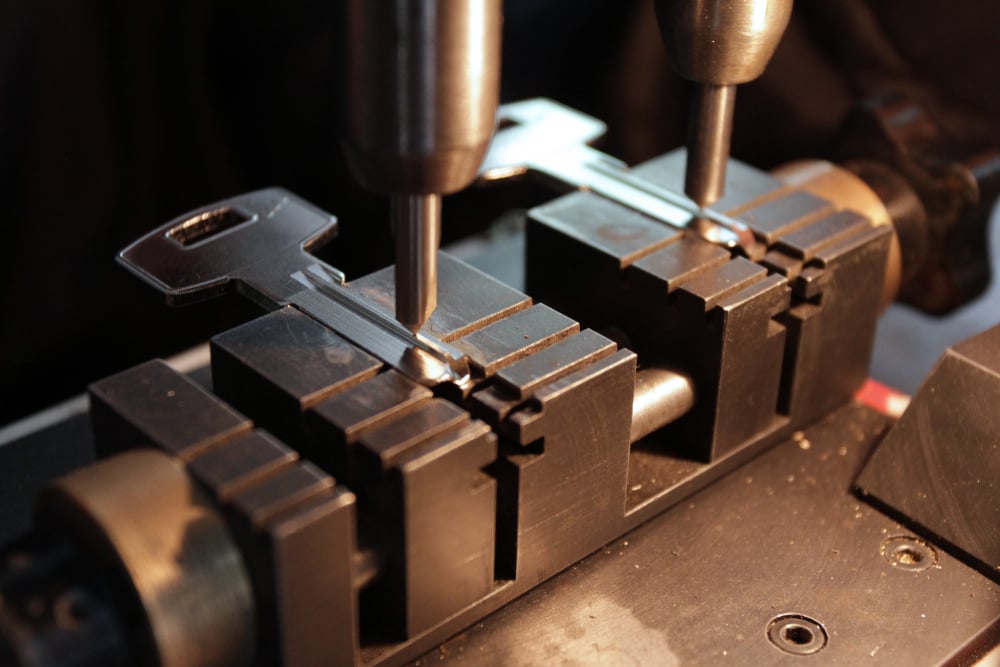
Key cutting involves positioning the original key in the guiding section of the duplication machine, with a blank key aligned in the adjacent cutter. The technician accurately traces and cuts the profile. For car keys or modern locks, an additional step of digital coding or programming follows the physical cutting process.
Step 4: Quality Check and Testing
A responsible locksmith will test the newly cut key in the lock (where possible) or with specialized test locks, ensuring smooth operation and reliable access before handing the copy to the customer.
- Basic keys: 5-15 minutes for duplication
- High-security and electronic keys: May require 1-7 days due to authorization and programming
Cost Factors: What Influences Key Duplication Prices in Spain?
One of the most frequent questions property owners and tenants ask concerns the cost of duplicating keys in Spain. The price spectrum varies considerably, depending on a constellation of factors—some obvious, others often overlooked.
Material and Complexity of the Key
The simplest cylinder keys are mass-produced and require minimal labor, making them the least expensive to duplicate. High-security or electronic keys are costlier due to complex design, specialized materials, and proprietary technology.
Location and Service Type
Urban areas with dense populations and significant tourist or expatriate demand may have slightly higher service charges than rural areas. In addition, mobile locksmith services, offering home or car assistance at your location, usually command a premium over shop-based services.
Urgency and Turnaround Time
Emergency duplications, especially outside standard working hours or during holidays, can incur surcharge fees. Clients seeking same-day services may be quoted higher prices than those willing to wait.
Locksmith Reputation and Expertise
Well-established key centers with a reputation for high-quality service and technical expertise tend to charge more than less-experienced operators or general hardware stores.
- Cylinder Key: €3 – €10 per copy
- High-Security Key: €20 – €100, often with verification fees
- Car Key (manual): €30 – €50
- Car Key (programmed/chipped): €70 – €250, depending on brand and year
- Mobile/Emergency Service: Usually adds €20 – €50 per callout
Key Security: Best Practices and Strategic Considerations
Duplicating keys is not solely a matter of convenience. Security — both for your property and personal safety — must always be at the forefront of your decision-making. In Spain, as elsewhere, there are crucial practices to adopt to minimize risks.
Limit Unnecessary Duplication
Resist the urge to create excessive copies of your keys. Distribute them only to trusted residents, family members, or employees who genuinely require access.
Store Spare Keys Securely
Avoid cliché hiding spots (under mats, flower pots, or in mailboxes) that are well-known to burglars. Instead, entrust spare keys to responsible friends or neighbors, use secure lockboxes, or leverage modern key storage solutions.
Opt for Patented or Restricted Keys
For sensitive areas or high-value properties, request locks that use patented keys. These restrict duplication solely to authorized dealers and require verification, dramatically enhancing access security.
Record and Track Key Distribution
Maintain a written log of each copied key, to whom it was given, and when. This simple measure is invaluable for rental properties, employee access, and in resolving discrepancies should a security issue arise.
Rekey Upon Loss or Change of Occupancy
If a key goes missing without explanation or if there is a change of occupancy, swiftly rekey the locks rather than simply duplicating an old key. This preemptively blocks any former holders from unauthorized entry.
Where to Duplicate Keys in Spain: Urban Centers, Resorts & Local Locksmiths
Spain boasts a wide range of facilities for key duplication, from traditional locksmiths (cerrajeros) to specialized key centers and in-store kiosks at major shopping centers or hardware stores. Let’s explore the typical options, each with its unique advantages.
Traditional Locksmith Shops (“Cerrajerías”)
The bedrock of key services in Spain is the local locksmith’s shop, often family-run with decades of experience. These shops handle all types of keys and locks, from basic residential keys to sophisticated commercial systems. They often provide emergency callout services for lockouts, breakages, or urgent needs.
Key Duplication Kiosks
Major supermarkets and shopping centers frequently host “express” key duplication stands. Their principal appeal is speed and convenience, especially for basic key types. While ideal for house keys and simple padlocks, these kiosks are not typically equipped for high-security or vehicle keys.
Hardware Stores (“Ferreterías”)
Many neighborhood hardware stores offer affordable key duplication for common keys. Their staff usually handle low- to mid-security systems but may refer customers to a specialist for advanced requirements.
Automotive Key Specialists
Car dealerships and independent automotive locksmiths focus on duplicating and programming car keys, including those with transponders or remote locking technology. For modern vehicles or brands with particular security measures, these specialists are indispensable.
Mobile Locksmith Services
In larger cities and popular coastal regions, mobile locksmith units travel to homes, hotels, villas, or even road locations. They are an invaluable resource for emergency situations, such as lockouts or lost car keys.
- Traditional Locksmiths: For most key types and emergencies
- Kiosks: Fast, for simple keys
- Hardware Stores: Affordable, basic service
- Automotive Key Specialists: For advanced car keys and programming
- Mobile Services: Emergencies and at-location service
Key Duplication in Spanish Cities: Regional Insights
Across Spain, you’ll find many approaches to key duplication depending on the city and region. Major urban areas and tourist hotspots offer more sophisticated services, while rural or less-populated provinces may require extra planning for high-end security solutions.
Madrid
The capital city of Madrid is home to numerous key cutting centers and locksmiths, ranging from high-rise urban service points in business districts to local artisans in historic neighborhoods. Multilingual staff, including English and French speakers, make it accessible for international residents.
Barcelona
Barcelona’s cosmopolitan environment boasts cutting-edge key duplication, with a strong focus on security upgrades for both residential and business properties. Services cover electronic locking systems, patented keys, and 24/7 rapid-response for emergencies in popular neighborhoods.
Valencia, Alicante, and Murcia
These coastal regions, popular with expats and holidaymakers, feature both traditional shops and mobile callout locksmiths. Awareness of international clientele means documentation in multiple languages and tailored advice on local best practices.
Malaga, Marbella, and The Costa del Sol
With villas, hotels, and residential complexes frequented by international visitors, key duplication services here are attuned to both basic and ultra-secure requirements. Mobile services are readily available, catering to both residents and the tourism sector.
Balearic and Canary Islands
Duplicating keys on major islands like Mallorca, Ibiza, and Tenerife can be more expensive due to logistical costs. However, a robust network of local locksmiths operates year-round, understanding the unique needs of seasonal rentals, hospitality, and temporary residents.
Sleutels Bij Maken voor Vastgoedbeheer, Verhuur en Zakelijk Gebruik
Effective property management—especially for those owning or operating rental homes, apartment complexes, or hospitality venues—relies on strict key control and efficient duplication processes. Security and operational convenience are deeply intertwined.
Holiday Rental Properties
With Spain’s thriving vacation rental market, property managers must frequently duplicate keys for cleaning services, maintenance providers, or back-to-back guests. Using patented keys with tracking systems helps maintain accountability while safeguarding against unauthorized access.
Long-Term Rentals
Ensure tenancy agreements clearly specify responsibilities and limits on key duplication. Upon tenant departure, best practice is to rekey locks since prior copies can persist with unknown parties.
Commercial Properties and Offices
Businesses require systematic key management, especially where staff turnover is frequent or sensitive data is stored. Many opt for master key systems, which can be duplicated only via authorized channels and with strict documentation.
HOA and Building Administration
In communal buildings, administrators normally control the duplication process, requiring written requests and clear records. This prevents unchecked distribution of access to common facilities or parking garages.
- Employ key tracking software/systems for large-scale operations
- Use restricted, patented keys for critical areas
- Establish clear duplication protocols and documentation procedures
High-Security Locks and Patented Key Systems
Upgrading to high-security or patented key systems delivers substantial benefits for homeowners and business operators alike. These systems are designed not only to prevent unauthorized duplication but also to resist break-ins via advanced lock-picking or forced entry methods.
Benefits of Patented Key Systems
Patented key systems incorporate unique key profiles that are protected by intellectual property law. Only authorized dealers possess the specific blanks and corresponding cutting machines, guarding against unaccredited duplication. Often, a physical security card is issued, further restricting access.
Key Control Policies
For sensitive environments — for example, data centers or executive offices — patented keyways ensure only pre-approved personnel can order duplicates, with a clear audit trail for every transaction. For investment properties or secondary residences, this substantially minimizes risk, especially during extended absences.
Costs and Implementation
While installation and duplication of patented keys are more expensive, the long-term security savings outweigh initial costs for those seeking truly robust protection.
Car Key Duplication: Advanced Solutions for Modern Vehicles
Car key duplication has evolved far beyond mere mechanical cutting. Today’s vehicles integrate sophisticated security chips and encrypted remotes. As such, duplicating a car key in Spain requires not only access to proprietary machinery and coding equipment, but also stringent security protocols dictated by vehicle manufacturers.
Types of Car Keys
- Traditional Mechanical Keys: Used primarily for older models
- Transponder Keys: Contain a microchip programmed to the vehicle’s ignition system
- Smart Keys/Keyless Entry Fobs: Allow for remote entry and ignition with push-button start
Duplication Procedure
Modern car key duplication involves two primary steps: cutting the key blade and programming the transponder or onboard chip. For most makes and models, specialist locksmiths or dealerships connect diagnostic equipment to your vehicle, synchronizing the new key to the car’s immobilizer system.
Lost Car Keys: Emergency Replacement
If all keys are lost, immobilizer and remote systems must often be reset, which can require the original vehicle documentation and personal ID. This is a lengthier and costlier process, usually carried out by certified specialists.
- Simple car keys: €30 – €50
- Transponder or remote keys: €70 – €250+
- Dealer-exclusive key programming: Up to €500 for some luxury vehicles
Emergency Locksmith Services: 24/7 Assistance for Lost or Broken Keys
Accidents and emergencies can happen at any hour—whether you are locked out of your apartment at midnight or stranded with a lost car key by the coast. In these cases, 24/7 emergency locksmith services become invaluable.
How It Works
Emergency locksmiths respond rapidly to service calls, typically arriving within 30-60 minutes in major urban areas. They carry specialized tools for non-destructive entry, key duplication, and immediate lock replacement where necessary.
What to Expect in Terms of Costs
Because emergency services often require unscheduled attendance, prices are considerably higher than standard daytime services:
- Basic lockout response (daytime): €60 – €100
- Night/weekend/holiday response: €100 – €200+
- On-site key duplication/rekeying: Variable depending on key type and lock complexity
Best Practices During Emergencies
- Always verify locksmith credentials before entry (company ID, vehicle branding)
- Request an upfront quote to avoid hidden charges
- If possible, contact a recommended or known provider to ensure reliability
Sleutels Bij Maken: Special Considerations for Expats and International Residents
Spain’s vibrant expatriate communities present unique requirements for key services, ranging from language barriers to unfamiliarity with local regulations or best practices. Whether you own or lease in Spain, these tips ensure seamless service and enhanced security.
Language and Communication
Although English is widely spoken in metropolitan areas, some rural locations and traditional locksmiths may only operate in Spanish. Prepare to communicate your key type and exact needs clearly; having a photograph or model number is helpful.
Documentation Translations
If your key system requires a security card or authorization, ensure all supporting documents are translated or at least presented in clear, official format to avoid administrative delays.
Community Property and Shared Access
For community properties or complexes, local custom may dictate the process for obtaining key copies. Seek guidance from your property manager or homeowner’s association before seeking duplication to avoid regulatory issues.
Tips to Avoid Scams and Unqualified Providers
- Insist on cost estimates beforehand
- Choose reputable providers known for serving international clients
- Keep a digital record of all keys duplicated and services used
Modern Technology: Digital Locks and Keyless Entry in Spain
As security demands evolve, a growing number of Spanish homes and commercial properties are transitioning to digital locks and keyless entry systems. These innovations offer both convenience and heightened security but come with a specific set of considerations regarding duplication and access.
Types of Digital Locking Solutions
- Code-based keypads
- Fingerprint and biometric readers
- Smartphone app-controlled locks
- RFID card or fob entry systems
Duplicating Access
Unlike traditional keys, digital access typically involves granting new codes, registering fingerprints, or issuing duplicate RFID cards or fobs—most often performed by the system’s installer or property administrator. The security focus shifts from physical duplication to digital management of permissions.
Security and Best Practices
- Regularly update codes and revoke expired permissions
- Keep system firmware updated to prevent hacking
- Use multifactor authentication for maximum security
Tips for Choosing a Reliable Key Duplication Provider in Spain
Selecting the right practitioner for “sleutels bij maken” is pivotal—not only for economic reasons, but even more so for the protection of your assets. Beware of providers who lack a professional reputation or attempt to bypass legal regulations.
Qualities of a Top-Tier Key Service
- Experience and proven track record
- Comprehensive insurance for malpractice or loss
- Ability to provide references and customer testimonials
- Transparent pricing and invoicing — no hidden fees
Questions to Ask Before Duplicating Keys
- What is your policy on data security and confidentiality?
- Will you provide an official invoice or certificate of duplication?
- How do you handle restricted or patented key systems?
- Is emergency service available outside business hours?
Frequently Asked Questions (FAQs) About Key Duplication in Spain
Can I duplicate any key at any shop?
Not all keys can be legally duplicated at every shop. High-security, patented, or community keys may require special permission and specific documentation. Always consult with a trusted provider.
How long does a typical duplication take?
Most standard cylinder keys are duplicated onsite in 10–15 minutes. For high-security keys or programmed car keys, processing may require several days due to authorization verification or technical setup.
What documents are required for high-security keys?
Generally, you need the security card supplied with the lock, personal ID, and if applicable, proof of property ownership or tenancy.
What if I lose all copies of my key?
You may need to have the lock rekeyed or replaced in the event all copies are lost, especially for high-security systems. For car keys, original vehicle documentation and identification are required to generate new keys.
What payment methods are usually accepted?
Most locksmiths accept cash, credit/debit cards, and sometimes direct bank payment, especially for larger jobs or ongoing property management contracts.
Maintaining Security and Compliance: Legal and Ethical Obligations
Key duplication, while routine, carries a weight of responsibility. The rights of property owners and tenants intersect with legal regulations and ethical standards. Ignorance or negligence can lead to both security breaches and legal complications.
Legal Obligations
In Spain, duplicating a key for property you do not own or lease without permission is prohibited and subject to prosecution. For managers or landlords, maintaining transparent records of all issued keys protects all parties against liability.
Ethical Best Practices
- Never duplicate keys for third parties without explicit owner authorization
- Retain copies of all documentation and correspondence related to key cutting
- Inform clients or tenants promptly after every duplication or rekeying operation
Trends in Key Duplication and Security in Spain: What the Future Holds
Several trends are shaping the future of key duplication in Spain. Advances in technology, evolving patterns of property ownership, and heightened security consciousness are all influencing the industry.
Biometric and Smart Access
The move toward biometric and mobile app-based access controls is accelerating, especially in new developments and high-end urban properties. Traditional key cutting will decrease, replaced by the need to manage digital permissions.
Remote and On-Demand Services
Mobile locksmith units and 24/7 response capacities are becoming the gold standard, especially in competitive municipalities and luxury resort areas.
Integration with Property Management Systems
Key services are integrating with digital property management platforms, enabling landlords and administrators to issue or revoke digital keys instantly, track usage, and automate logs.
Conclusion: Choosing the Best Path for Your Key Security Needs in Spain
From the sun-soaked coasts to the bustling metropolises, duplicating keys in Spain requires more than a trip to your nearest shop. It’s a process that intertwines convenience, legal compliance, and cutting-edge technology with the enduring imperative of personal and property security.
Whether you need a quick copy of a standard house key, a secure solution for a luxury rental property, or advanced digital access for your business, knowledge is your greatest asset. By understanding key types, cost factors, regulations, and modern trends, you guarantee both accessibility and peace of mind — while upholding the highest standards of safety for yourself, your family, or your business stakeholders.
The key duplication sector in Spain is dynamic, innovative, and increasingly sophisticated. Make informed choices, select experienced professionals, and embrace modern security solutions for enduring confidence across every scenario.