





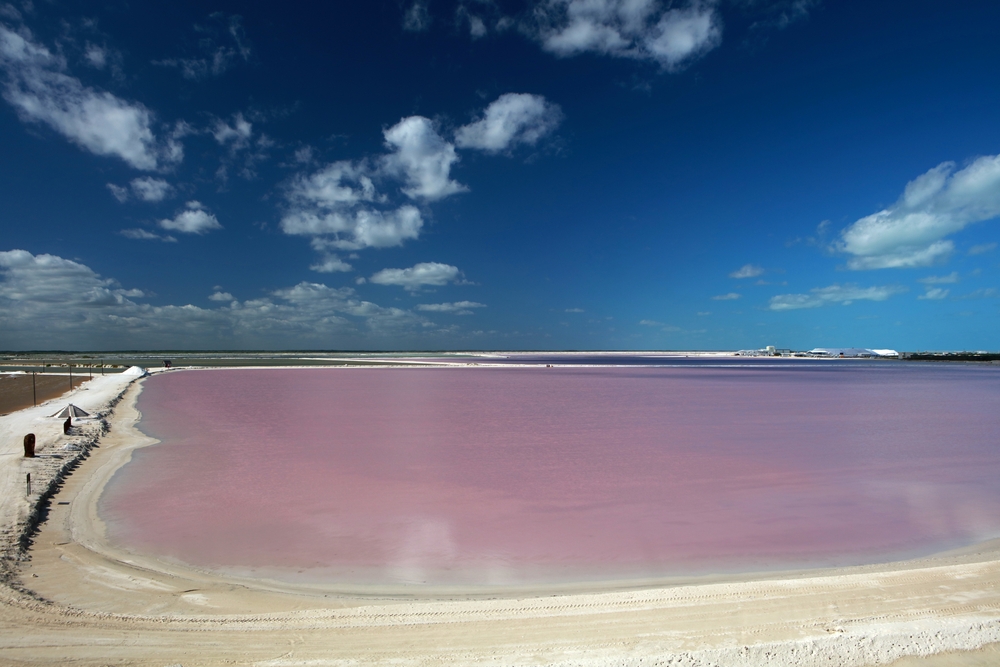
Introduction: Unveiling the Enchantment of Laguna Rosa
Nestled on the sun-kissed Costa Blanca in the province of Alicante, Spain, lies a natural marvel that continues to intrigue, inspire, and captivate visitors from all corners of the globe—Laguna Rosa, the mesmerizing pink salt lake of Torrevieja. Revered not only for its surreal rosy hues but also for its cultural, ecological, and therapeutic significance, this majestic saltwater lagoon stands as one of Spain’s most unique and inviting destinations. Throughout this comprehensive exploration, we will delve into the wonders of Laguna Rosa, examining its geological origins, ecological importance, health benefits, and the myriad ways it shapes the spirit and identity of Torrevieja. Whether you are an avid nature enthusiast, a wellness traveler, or a seeker of the extraordinary, Laguna Rosa beckons with its untouched beauty and enchanting mystique.
Geological Origins: The Birth of a Rosy Wonderland
Laguna Rosa owes its existence and otherworldly coloration to a rare confluence of environmental and geological factors. The story of the salt lake begins millions of years ago, during a geological epoch when shifting tectonic plates and fluctuating sea levels shaped much of Southeastern Spain. As seawater receded and inland depressions formed, saline water became trapped, gradually creating lagoons. These shallow basins, devoid of regular freshwater influx, created optimal conditions for high salinity.
The brilliance of Laguna Rosa’s color derives from the presence of microorganisms, especially the halophile algae Dunaliella salina. This microalga thrives in extreme salinity and produces carotenoid pigments—primarily beta-carotene—as a natural defense against intense sunlight and osmotic pressure. These pigments, in concert with certain types of brine shrimp and bacterial colonies, impart the lake with its iconic pink and pastel hues. The lake’s coloration varies with the time of day, water conditions, and season, offering a stunning visual spectacle that evolves throughout the year.
A Natural Symphony: The Unique Ecosystem of Laguna Rosa
Laguna Rosa is not just a visual masterpiece, it is also a meticulously balanced ecosystem. The high mineral and salt content form a challenging habitat where only the most specialized plants and organisms can survive. Despite these harsh conditions, the lake supports a surprisingly diverse community.
Specialized Flora and Fauna
While the hypersaline environment limits the range of plant and animal life, certain species have adapted remarkably well. Key among these are the aforementioned Dunaliella salina algae, which sustains the lake’s pink coloration and anchors its food web. Brine shrimp (Artemia salina) feed on the algae and, in turn, attract an array of migratory birds, notably flamingos and avocets. These birds are drawn to the lake during nesting seasons, using it as both a feeding and breeding ground.
Protecting Biodiversity
The conservation status of Laguna Rosa reinforces its ecological value. The lake is a designated part of the Parque Natural de las Lagunas de La Mata y Torrevieja, a protected natural park that encompasses both the pink lagoon and the neighboring green lagoon, La Mata. This protected status ensures that the delicate balance of the ecosystem is preserved, limiting human intrusion and industrial exploitation, and safeguarding vital habitats for both endemic and migratory species.
Cultural and Historical Significance
Laguna Rosa is woven into the history and culture of Torrevieja. The region’s human story is intimately linked to salt—a commodity so valuable it was once dubbed “white gold.” From the ancient Iberians to Roman times and beyond, the expansive salt pans of Torrevieja fueled trade, prosperity, and development.
Salt Extraction: The Industry that Shaped Torrevieja
Salt extraction has existed in Torrevieja for centuries. The unique climatic conditions, with scarce rainfall and abundant sunshine, made it possible to build and maintain vast salt pans. These shallow pools harness the natural process of evaporation, allowing salt to crystallize in abundance. Over time, these methods have been refined, turning the region into one of the most important salt producers in Europe.
The historical "Ruta de la Sal" (Salt Route) remains a testament to the region’s ancient commercial heritage, reflecting the pivotal role of salt both in the economy and daily life. The salt piles, gleaming white against the azure sky, offer a striking counterpoint to the pink sheen of Laguna Rosa—a visual reminder of the enduring relationship between the people and their land.
Local Traditions and Festivities
The influence of the salt industry permeates local culture, evident in festivals, culinary traditions, and even folklore. The annual “Fiestas de la Sal” celebrates the heritage of salt with music, dance, and exhibitions, uniting the community in a vibrant display of Torrevieja’s identity. Local cuisine, too, makes liberal use of regional salts, infusing traditional dishes with the distinctive flavors of the Mediterranean.
The Science Behind the Pink: Understanding Laguna Rosa’s Vibrant Hue
One of the most frequent questions visitors ask is, “Why is the lake pink?” The answer, rooted in science, is both simple and fascinating. As previously mentioned, the coloration is primarily a result of the cooperative relationship between the microalgae Dunaliella salina and halophilic bacteria—most notably, Halobacterium.
Microalgae and Pigmentation
Dunaliella salina flourishes in conditions uninhabitable to most life forms. When salinity rises, the microalga’s cells increase their production of beta-carotene, an antioxidant pigment that shields against ultraviolet radiation. The greater the evaporation, the more concentrated the salts and the more vivid the pink tones—especially during the arid summer months.
Halobacteria: The Invisible Artists
Complementing the efforts of Dunaliella, certain bacteria known as halobacteria also play a significant role. These bacteria contain retinal pigments that absorb light at specific wavelengths, further enhancing the lake’s pink tint. When the sun is at its zenith, the interplay of algae and bacterial pigments at the water’s surface creates a dazzling rosy-golden shimmer.
Fluctuations in temperature, humidity, and wind can cause rapid changes in coloration, rendering each encounter with Laguna Rosa unique. For photographers and artists, the ever-changing palette provides endless inspiration and opportunity.
Health and Wellness: The Therapeutic Benefits of Laguna Rosa
Laguna Rosa’s allure extends beyond its aesthetics, drawing thousands of wellness seekers each year. The lake’s mud and water, rich in minerals and salts, are believed to hold a host of therapeutic properties—a tradition dating back to Roman times.
Mud Baths and Balneotherapy
The silty, mineral-laden mud encircling the lake is renowned for its healing and cosmetic benefits. Used as a natural mask or poultice, the mud is said to foster:
- Skin purification: Absorbing impurities and toxins while promoting dead skin cell exfoliation.
- Joint and muscle relief: Easing symptoms of ailments like arthritis, rheumatism, and sports injuries.
- Improved circulation: Stimulating peripheral blood flow for revitalized skin and tissue.
Saltwater Immersion and Thalassotherapy
Swimming or floating in the highly saline waters evokes comparisons to the Dead Sea. The buoyancy makes it easy to float, while the salts—chiefly magnesium, potassium, and chloride—soothe inflamed skin, reduce stress, and provide a unique sense of well-being. Local spas and wellness centers have embraced the tradition of thalassotherapy, integrating salt-based treatments into their offerings.
Respiratory Health
The microclimate surrounding Laguna Rosa, characterized by high evaporation and salt aerosols, is credited with benefits for respiratory health. Many locals and visitors notice relief from allergies, asthma, and sinus conditions following exposure to the lake’s invigorating air.
While scientific studies are ongoing, centuries of traditional use and consistent anecdotal evidence support the reputation of Laguna Rosa as a natural destination for healing and rejuvenation.
Exploring the Surroundings: Activities and Attractions
Laguna Rosa is not an isolated wonder, but part of a vibrant landscape that offers an impressive array of activities and attractions for visitors of all ages and interests.
Guided Tours and Excursions
For those wishing to experience the lake up close, guided tours offer the chance to learn about the geology, flora, and fauna from expert naturalists. Educational programs, photography expeditions, and bird-watching tours are particularly popular; visitors may witness the spectacle of flamingos during nesting season, or learn about the sustainable salt extraction process.
Cycling and Nature Trails
A network of well-maintained cycling and hiking trails wind around the Laguna Rosa and its neighboring green lagoons. The gentle paths are perfect for family outings, fitness enthusiasts, or anyone seeking serene views and fresh Mediterranean air. Benches, interpretive panels, and shaded rest stops invite visitors to relax and immerse themselves in nature.
Bird Watching and Wildlife Observation
The park’s reputation as a bird-watcher’s paradise is well deserved. Resident and migratory birds—flamingos, stilts, terns, sandpipers, and more—find sanctuary here, making the area one of Europe’s most significant wetland reserves. December through May is especially rewarding for ornithologists, when flocks of flamingos paint the shallows pink to match the lagoon.
Photography and Artistic Inspiration
For photographers, Laguna Rosa offers more than just breathtaking landscapes. The interplay of light and color, mirrored clouds, and wildlife provide endless material for both amateur and professional artists. At sunrise and sunset, the shifting hues create a visual poem, inspiring art and photography exhibited across Spain and beyond.
Best Times to Visit: Optimizing the Experience
While the Laguna Rosa is a spectacle year-round, certain times and conditions optimize the visitor experience. Understanding the rhythm of the seasons, weather, and local activities can make all the difference in planning a truly memorable visit.
Seasonal Color Variation
The vibrancy of the pink hue is at its peak in late spring and throughout the summer months, when evaporation—and thus salinity—is at its highest. The dry heat of July and August ensures more pronounced coloration, while the cooler, wetter winter months soften the shades to pastel lilac and mauve.
Wildlife Migration
Late winter and early spring coincide with the arrival and nesting of many migratory bird species, particularly flamingos. Witnessing thousands of these birds, side by side with the natural pink palette of the lake, creates an unforgettable spectacle for both nature lovers and photographers.
Practical Considerations
- Early mornings and late afternoons present the best lighting for photography and a more tranquil experience.
- The area is less crowded from November to March, offering solitude and serenity to those who prefer peaceful contemplation.
- During summer, sun hats, sunscreen, and plenty of water are essential as the open landscape offers little shade.
Environmental Stewardship: Challenges and Conservation
As with many of nature’s wonders, Laguna Rosa faces ongoing challenges that threaten its delicate balance. Urbanization, water management, and climate change each exert pressure on this sensitive habitat.
Urban Expansion and Land Use
Torrevieja’s popularity as a tourist and expat destination has spurred rapid development in recent decades. While this boosts the local economy, it also brings challenges:
- Encroachment of residential and commercial infrastructure onto protected land.
- Pollution from increased traffic and human activity.
- Rising water demand that can alter lagoon salinity and disrupt ecological habitats.
Water Management and Salt Production
The sustainable future of Laguna Rosa is inextricably tied to responsible salt extraction. While traditional methods have exerted minimal ecological impact, modernization risks upsetting the habitat’s equilibrium. Ongoing collaboration between government bodies, conservationists, and salt producers aspires to strike a balance between economic needs and ecological stewardship.
Climate Change Implications
Global climate trends, such as rising temperatures and changing precipitation patterns, pose unpredictable risks. As a shallow, closed-basin lagoon, Laguna Rosa is particularly susceptible to changes in rainfall and evaporation, factors that can impact water depth, salinity, and even the vibrancy of its color.
Adaptive management—integrating scientific research, traditional knowledge, and flexible policy—remains fundamental to preserving the lake and all it embodies.
Local Communities and Sustainable Tourism
The relationship between Laguna Rosa and the surrounding communities is profoundly symbiotic. The lake provides economic opportunity, cultural identity, and recreational space for residents, while visitors contribute to the prosperity and vitality of Torrevieja and its environs.
Responsible Visitor Practices
Tourism, when managed thoughtfully, becomes a force for conservation. Visitors are encouraged to:
- Stay on designated paths and follow park regulations.
- Avoid disturbing nesting sites and wildlife.
- Limit the use of plastic and dispose of waste responsibly.
Community Benefits and Employment
Economic opportunity springs from the high visitor numbers drawn to the Laguna Rosa. Local guides, artisans, restaurateurs, and service providers reap the rewards of sustainable tourism. The emphasis on preserving tradition—whether through salt harvesting, cultural festivals, or artisanal crafts—ensures that economic gain does not come at the expense of heritage or the environment.
Architectural and Urban Harmony
Torrevieja’s urban landscape reflects an ongoing dialogue between the built environment and the surrounding natural reserves. Modern architecture blends with historic salt warehouses, and recreational spaces integrate seamlessly with natural settings. Urban planning endeavors aim to create neighborhoods and amenities that coexist harmoniously with the delicate beauty of Laguna Rosa.
Landscape Integration
Waterfront promenades, bike trails, and observation platforms allow residents and tourists to enjoy the lake without disturbing its tranquility. The approach is one of inclusion—inviting people to share in the bounty and spectacle of the lake, while cultivating an ethic of respect and restraint.
Culinary Traditions and Local Cuisine
The culinary landscape of Torrevieja is inseparable from the legacy of Laguna Rosa. Local chefs and families alike prize the distinctiveness of the region’s salt, using it as the cornerstone of time-honored recipes.
Signature Dishes and Salt Heritage
The salt harvested from Laguna Rosa infuses local fish, seafood, and vegetable dishes with a flavor profile that is uniquely Mediterranean. Dishes like “Salt Baked Sea Bass” (Lubina a la Sal) encapsulate the art of using salt both as a preservative and a seasoning, while preserving the natural integrity of ingredients.
Markets and Gastronomic Experiences
A visit to the weekly market or a local tapas bar offers a sensory journey through the region’s flavors. Cured meats, olives, cheeses, and pastries incorporate the bounty of the sea and salt pans, reflecting the intersection of tradition and innovation at the table.
Laguna Rosa in Art, Literature, and Media
The singular beauty of Laguna Rosa has provided inspiration to artists, writers, poets, and filmmakers. The shifting pinks, mirrored skies, and kaleidoscopic dawns and dusks are a muse for creative endeavor across generations.
Artists and Exhibitions
Painters and photographers have long been drawn to the lake. Local galleries regularly feature exhibitions dedicated to the lagoon and its environs—images that capture the play of light, the silhouettes of flamingos, and the salt-dusted reeds.
Literary Reverence
From poetry to prose, Laguna Rosa appears as a symbol of mystery, beauty, and transformation. Writers narrate tales of lovers meeting by pink waters, explorers discovering hidden ecosystems, and the timeless relationship between the land and its people.
International Recognition
Documentaries, travel features, and social media have played key roles in bringing the allure of Laguna Rosa to a global audience. Influencers, travel journalists, and wellness advocates extol the therapeutic and visual wonders of the pink lagoon, ensuring its legend continues to grow.
Practical Information for Visitors: Planning Your Journey
For travelers wishing to experience the magic of Laguna Rosa, preparation is essential. From logistics to local etiquette, a well-informed visit enhances both enjoyment and mindfulness.
Access and Transportation
- Torrevieja is easily accessible via Alicante International Airport, just under an hour’s drive away.
- Well-developed road networks and local transport options connect the lake to nearby towns and cities.
Entry and Regulations
- As part of a protected natural park, certain areas may have restricted access—particularly during sensitive wildlife periods.
- Entrance is typically free, though guided tours, interpretive programs, or wellness treatments may carry fees.
- Always consult official sources for real-time information regarding park regulations and opening hours.
Facilities and Amenities
- Visitor centers offer educational materials, restrooms, and refreshments.
- Picnic spots and shade structures are located at key viewing points.
- Accessible paths accommodate families with strollers, wheelchair users, and elderly visitors.
Photography Etiquette
- Respect the environment—avoid stepping into the water or onto fragile shorelines unless permitted.
- Avoid disturbing wildlife, especially during nesting seasons.
- Capture the beauty, but leave no trace behind.
The Future of Laguna Rosa: Preservation and Innovation
As we look ahead, the fate of Laguna Rosa hinges upon the continued dedication of local governments, conservationists, scientists, and the community at large. Several innovative projects aim to bolster resilience, raise awareness, and usher in a new era of sustainable coexistence.
Educational Initiatives
Efforts are underway to enhance environmental education, both for locals and visitors. Guided programs, interpretive centers, and interactive exhibits promote understanding of the lagoon’s unique biology, history, and importance. Beyond passive appreciation, these initiatives empower people to become stewards of Laguna Rosa’s welfare.
Scientific Research and Monitoring
Ongoing research examines the responses of the ecosystem to climate change, pollution, and land use. Cutting-edge monitoring technologies (such as satellite imagery, remote sensors, and citizen science observations) enable early detection of ecological imbalances—facilitating proactive intervention.
Community Engagement and Responsible Tourism
Community-based tourism initiatives prioritize authenticity, respect, and mutual benefit. Residents play an active role in welcoming visitors, sharing their stories, and sustaining the traditions that make Torrevieja a living heritage. By opting for environmentally conscious tours, locally made products, and low-impact activities, travelers become ambassadors for Laguna Rosa’s preservation.
Conclusion: The Enduring Magic of Laguna Rosa
Laguna Rosa stands as an emblem of nature’s artistry and resilience—a pink mirror shimmering beneath the Mediterranean sun, where geology, ecology, culture, and wellness intersect in harmonious splendor. It’s a living reminder that the most extraordinary wonders often arise at the crossroads of possibility and preservation.
For those who seek to immerse themselves in beauty, tranquility, adventure, or simply a pause from the demands of daily life, the pink salt lake of Torrevieja invites discovery. From the flamingos tracing elegant arcs above the water, to the healing embrace of mineral-rich mud and the whispers of ancient salt routes, Laguna Rosa is both a journey and a destination—one that lingers long after the sun has set.
May its pink waters continue to inspire awe, well-being, and a commitment to the delicate balance that underpins all natural marvels. Laguna Rosa, with its ineffable charm, awaits your story.