





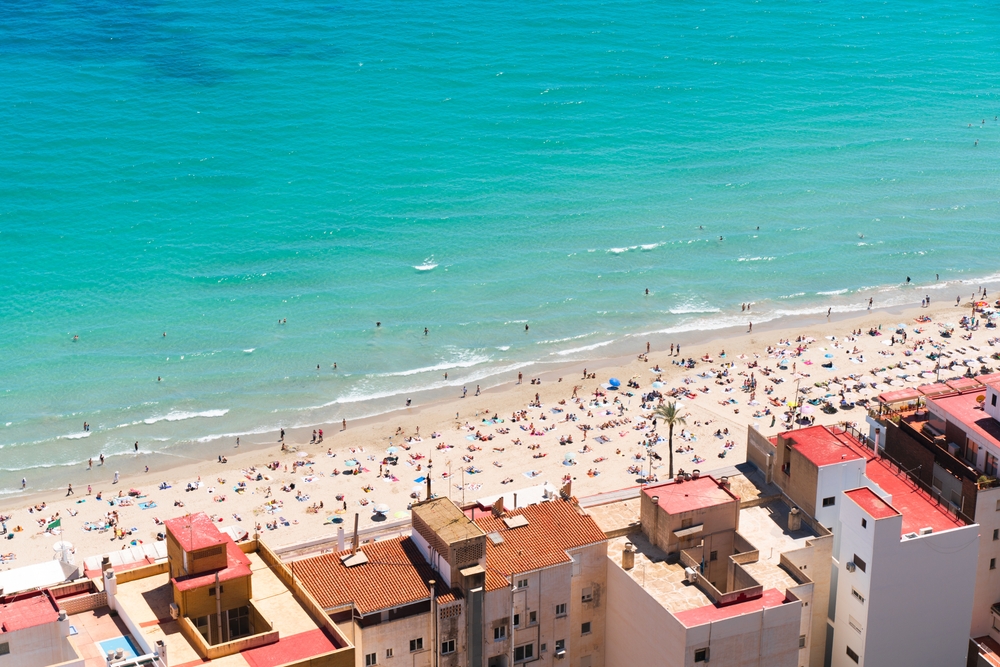
Introduction: The Allure of Coastal Living in Spain
The idea of “Wonen aan zee in Spanje”—living by the Spanish seaside—stirs up images of endless sun-kissed days, crystalline blue waters, and an utterly relaxed Mediterranean lifestyle. With its unrivaled climate, stunning coastlines, and vibrant culture, Spain has long been a dream destination for those seeking a new life or a second home by the sea. Whether your vision is a modern apartment overlooking the Costa Blanca, a traditional villa perched above the Mediterranean coves, or a newly constructed townhouse in lively, cosmopolitan resorts, this complete guide will walk you through every aspect of coastal living in Spain.
Why Choose Spain's Coastline?
Choosing to reside along Spain’s coastline offers more than mere proximity to sandy beaches. Let’s explore the multifaceted appeal of Spanish seaside living.
- Climate: The Spanish Mediterranean and Atlantic coasts enjoy a mild climate year-round, with hot, dry summers and gentle winters. The renowned “Costa del Sol” and “Costa Blanca,” for example, boast over 300 sunny days a year.
- Lifestyle: Life here is famously slower-paced and social, with outdoor dining, vibrant markets, and cultural festivities marking the calendar. The sea naturally encourages an active, healthy lifestyle, with morning swims, sailing, or sunset strolls.
- Accessibility: Spain’s coastline is exceptionally well connected by international airports, express trains, and modern highways. This makes traveling to and from your coastal home convenient year-round.
- Financial Appeal: Despite rising demand, many coastal properties remain more affordable compared to other European seaside destinations, and the country’s property laws are transparent and secure—making investment here especially attractive.
- Cultural Wealth: Each Spanish coastal region has its unique charm, history, and traditions, blending centuries-old heritage with the modern luxuries of today.
Mapping the Spanish Coast: Key Regions for Seaside Living
Spain’s coast stretches for more than 4,970 kilometers, divided between the Mediterranean in the east and south, and the rugged Atlantic to the north and west. Let’s break down the distinct regions.
Costa Brava
Running from the French border to just north of Barcelona in Catalonia, the Costa Brava is known for its dramatic cliffs, charming medieval towns like Tossa de Mar, hidden coves, and crystal-clear waters. It’s a paradise for nature lovers and those seeking picturesque, less-crowded beaches.
Costa Dorada
South of Barcelona, the Costa Dorada boasts long sandy beaches, Roman ruins, top-class golf courses, and the vibrant city of Tarragona. It’s popular with families, thanks to its calm seas and family-friendly resorts.
Costa Blanca
Stretching from Denia to Pilar de la Horadada, this region is renowned for its stunning white sand beaches and lively expat communities. Towns like Altea, Javea, and Torrevieja offer a balance of peaceful living and excellent amenities.
Costa del Sol
Extending from Estepona through Marbella to Nerja, the Costa del Sol epitomizes luxurious coastal living. It offers world-class golf, marinas, gourmet dining, and endless sunshine, attracting a cosmopolitan mix of residents.
Costa de la Luz
Facing the Atlantic, this lesser-known coast evokes wild natural beauty, windswept dunes, turquoise waters, and authentic Andalusian villages. Tarifa, Cadiz, and Huelva are especially popular with kiters, surfers, and sun-seekers wanting more tranquility.
The Balearic Islands
Ibiza, Mallorca, Menorca, and Formentera in the Mediterranean entice with their turquoise coves, dramatic cliffs, and cosmopolitan yet traditional vibe. Each island offers a unique ambiance, from high-end glamour to rustic, laid-back living.
The Canary Islands
Off the northwest coast of Africa, these volcanic islands provide a sub-tropical climate year-round, golden beaches, lush interior landscapes, and a booming expatriate community. Tenerife, Gran Canaria, Lanzarote, and Fuerteventura are the main islands.
Types of Coastal Properties: Options for Every Lifestyle
The Spanish coastline offers an astonishing diversity in property types, accommodating a spectrum of tastes and budgets. Here’s what you might expect to find:
- Beachfront Apartments: These are often modern, secure complexes with shared pools, gardens, parking, and direct access to the sea—perfect for those seeking low-maintenance living and proximity to amenities.
- Detached Villas: Offering the most privacy, these homes often include private pools, large terraces, and lush Mediterranean gardens. Many are situated on hillsides with panoramic views.
- Townhouses: These properties strike a balance between apartment convenience and villa space, often located a short walk from the beach or in gated communities with shared facilities.
- Penthouses: Occupying the top floors of apartment buildings, penthouses feature expansive terraces and spectacular sea views—excellent for entertaining or tranquil relaxation.
- Luxury New Builds: The Spanish coast is home to many cutting-edge developments, blending innovative design with the latest technologies, and offering exclusive amenities—from infinity pools to concierge services.
- Traditional Fincas: In areas slightly inland yet close to the beach, beautifully renovated fincas or farmhouses offer authentic charm with thick stone walls, wooden beams, and mature gardens.
Whether you dream of a chic pied-à-terre in a bustling resort or a private sanctuary overlooking a deserted bay, there is something in Spain for every coastal lifestyle.
The Home-Buying Journey: Step-by-Step Guide
Purchasing coastal property in Spain is a straightforward, secure process—provided you’re well prepared. Let’s break down each phase for an informed, stress-free experience.
1. Defining Your Priorities
Begin by listing your non-negotiables: location (proximity to airport, urban or rural, bustling or quiet), property type (apartment, villa, townhouse), amenities, number of bedrooms, outdoor space, and preferred orientation for sun exposure. Consider practicalities for year-round living versus holiday use—such as insulation, heating/cooling, and accessibility.
2. Budgeting and Financial Planning
Determine your overall budget with a comfortable buffer for acquisition costs, furnishings, and unforeseen expenses. In Spain, additional fees and taxes typically range from 10–14% of the purchase price, including:
- Land Registry tax or VAT (depending on new build or resale)
- Notary and registration costs
- Legal fees
- Agency commission
- Initial setup and utility costs
Discuss mortgage options if financing part of your purchase—Spanish banks offer loans to non-residents, usually up to 70% of the property’s value, with terms ranging from 5 to 30 years.
3. Property Search and Selection
Working with a reputable local agency like IMMO ABROAD is the key to accessing the best selection of properties, from exclusive listings to new developments. Consult with your agent, view shortlists, and schedule both virtual and in-person tours to find your ideal match.
4. Making an Offer
Once you’ve chosen your property, your agent will help you negotiate and formalize an offer. It’s customary to make a verbal or written offer, subject to property checks. Once accepted, a reservation agreement is signed, usually accompanied by a refundable deposit to hold the property.
5. Legal Checks and Due Diligence
A Spanish lawyer (abogado) conducts thorough checks: clear title, absence of debts or liens, building permits, property boundaries, and homeowners’ association rules. Your agent and lawyer collaborate to safeguard your interests throughout.
6. Private Purchase Contract (Contrato de Arras)
This legally binding contract stipulates all terms, conditions, deadlines, and includes your deposit (often 10%). If the seller withdraws, they must return double the deposit; if you withdraw, you forfeit your deposit.
7. Final Completion at the Notary
On the completion date, all parties meet at the notary’s office to sign the Escritura Publica (deed of sale), settle remaining costs, and hand over keys. The property is then registered in your name at the local Land Registry.
With professional support and transparent processes, owning your dream home by the Spanish sea is both attainable and secure.
Understanding the Legal Framework: Property Ownership in Spain
Spain’s legal system offers robust protections for foreign buyers, but it’s essential to understand the key requirements and steps:
NIE (Número de Identificación de Extranjero)
All non-Spanish buyers must obtain an NIE—an identification number for foreigners—necessary for signing any legal documents related to property and taxes. Your agent can guide you through the simple application, available at local police stations or Spanish consulates abroad.
Due Diligence and Structures of Property Ownership
Due diligence ensures clear and legal title, free from encumbrances or debts. Properties may be purchased individually, jointly, or through legal entities (companies or family trusts), depending on your personal and tax strategy.
Taxes and Ongoing Obligations
Buyers pay a one-off transfer tax or VAT on acquisition, followed by annual property taxes (IBI), non-resident income tax on second homes, and community fees for communal facilities. Urban planning and environmental regulations are strictly enforced along the coast, ensuring long-term home value.
Residency and Visas
Property ownership alone doesn’t grant automatic residency, but substantial investments (currently from €500,000 for non-EU citizens) may qualify buyers for the Spanish Golden Visa, opening a path to residency and travel within the Schengen area.
Spanish Coastal Lifestyle: Adapting, Enjoying, Thriving
Living by the sea in Spain is about more than a stunning view—it’s a complete transformation of pace, priorities, and pleasures. Here’s a closer look at what awaits new residents:
- Outdoor Living: Large terraces, rooftop solariums, and lush gardens redefine daily life, from alfresco breakfasts to evening barbecues under the stars.
- Social Connectivity: Enjoy the famous tapas bars, fresh seafood restaurants, and charming chiringuitos (beach bars) dotted along every stretch of coastline.
- Local Markets: Savor seasonal produce and freshly caught fish at lively weekly markets—a ritual of taste, interaction, and cultural immersion.
- Active Pursuits: Watersports, golf, tennis, hiking, cycling, and even equestrian sports abound, with world-class facilities and welcoming clubs.
- Cultural Highlights: Festivals, historic sites, artisan markets, museums, and galleries create a year-round tapestry of experiences, connecting expatriates and locals alike.
Integrating with the Community: Building a New Life
Spain’s coast is famously hospitable, with vibrant international communities and warm, welcoming locals. To build deep roots:
- Learn the Language: While English and other languages are widely spoken, especially in cosmopolitan hotspots, learning Spanish enhances integration and daily ease.
- Participate in Local Events: Attend fiestas, concerts, and sporting events; join local clubs or charities to meet neighbors and forge new friendships.
- Understand Regional Traditions: Spanish coastal regions have unique customs, culinary specialties, and festivals—embracing these enriches your new life.
- Respect Local Rhythms: From the afternoon siesta to relaxed evening dining, adapting to the Spanish timetable fosters harmony and balance.
With a little initiative, coastal newcomers soon feel at home, forging connections that deepen the joys of seaside living.
Practical Considerations: Healthcare, Education, and Daily Life
Modern infrastructure ensures your move to the Spanish coast can be as smooth as possible.
Healthcare
Spain’s healthcare system is ranked among Europe’s best. Residents and registered property owners can access public healthcare, with many opting for additional private insurance for rapid access and English-speaking staff. Pharmacies, clinics, and hospitals are readily available in coastal towns.
Education
The coast is dotted with international schools offering British, International Baccalaureate, and other curricula in English and other languages—a key appeal for families relocating to Spain. State schools provide free education, enabling deeper integration for children.
Shopping and Amenities
Large supermarkets, shopping malls, specialty stores, and weekly farmers’ markets ensure all daily needs are easily met. Coastal towns typically offer excellent transport links, banks, fitness centers, and convenient access to city amenities.
Utilities and Services
Modern properties enjoy high-speed internet, reliable utilities, and extensive digital infrastructure—making remote working entirely possible. Maintenance and cleaning services are widely available, particularly useful for second-home owners.
Investment Perspective: Market Trends and Long-Term Returns
Ongoing demand for Spanish coastal property from both domestic and international buyers supports a stable, appreciating market outlook. Analyze the current trends:
Resilience and Value Growth
Despite global turbulence, Spanish coastal property has shown strong resilience. Attractive mortgage rates, increasing remote work, and surging demand for lifestyle-driven investments sustain continued price growth, particularly in prime areas.
Short-Term and Seasonal Rentals
Permits allowing, renting out coastal properties as holiday lets offers significant revenue potential during high season. Specialists advise on legal requirements, tax obligations, and management services for owners interested in passive income.
New Developments and Renovations
Exciting new-build projects meet demand for modern amenities, energy efficiency, and luxury services. Older properties in established areas provide opportunities for value-adding renovations, capitalizing on sought-after locations.
Long-Term Lifestyle Value
Above all, living by the sea in Spain promises an unmatched quality of life: improved health, deep social ties, natural beauty, and a sense of wellbeing that only the Mediterranean or Atlantic coastline can offer.
Highlighting Not-To-Miss Coastal Destinations
With such variety along nearly 5,000 kilometers, here are some standout spots for “wonen aan zee in Spanje” by region:
Costa Brava
- Begur: Famous for its turquoise coves, secluded beaches, and historic castle, Begur offers both tranquility and refined dining.
- Tossa de Mar: Medieval ramparts, sandy playas, and a chic yet understated lifestyle attract discerning buyers.
- L’Escala: Lively local culture, protected bays, and proximity to the ancient Greek ruins of Empúries.
Costa Blanca
- Altea: Whitewashed streets, an artists’ colony atmosphere, and views of both sea and mountains.
- Javea (Xàbia): Sheltered by the Montgó mountain, Javea’s architectural diversity, sandy beaches, and international pulse make it a favorite.
- Alicante: A sophisticated city with a famed marina, historic quarter, and lively cosmopolitan scene.
Costa del Sol
- Marbella: Synonymous with luxury, golf resorts, boutique shopping, and top-class eateries.
- Nerja: A laid-back town with spectacular cliffs, famous Balcón de Europa viewpoints, and a tight-knit expat community.
- Estepona: Authentic Andalusian charm, less frantic than neighboring Marbella, with well-preserved old town and beautiful beaches.
The Islands
- Mallorca – Deia and Port Andratx: Dramatic coastal scenery, exclusive homes, and a blend of tradition and modern luxury.
- Ibiza – Santa Eulalia: Known for its peaceful beaches, family-friendly vibe, and sophisticated seafront promenades.
- Tenerife – Costa Adeje: Sandy beaches, upmarket resorts, and a subtropical climate overlapping with lively nightlife.
The Spanish Culinary Experience by the Coast
One of the greatest pleasures of living by the sea in Spain is the endless culinary adventure awaiting you. Spanish coastal cuisine features outstanding local ingredients, fresh seafood, and a unique mix of recipes that have been honed through the ages.
- Seafood Specialties: Think grilled sardines (espetos), paella with shellfish, octopus a la gallega, or Menorca’s caldereta de langosta (lobster stew). Each region showcases its own delicacies.
- Tapas Culture: Seaside towns offer an incredible diversity of tapas—small tasting plates ideal for sharing over drinks with friends.
- Beachside Chiringuitos: These informal, atmospheric restaurants offer the freshest catch of the day, often with live music and unbeatable sunsets.
- Wine and Olive Oil: Local vineyards and olive groves produce exceptional wines and oils, often available for tasting tours and direct purchase.
Whether at a Michelin-starred restaurant or a bustling market stall, the Spanish culinary experience is a vital thread in the fabric of coastal living.
Year-Round Life by the Sea: Seasons, Events, and Daily Rhythms
While many associate Spanish coastal living with summer, each season delivers unique charms and rituals:
Spring
Mild temperatures, green hills, and blooming wildflowers signal the start of the festival season, with Easter processions and food fairs. Outdoor life resumes in earnest as beach bars reopen and locals prepare sailing boats and kayaks.
Summer
Peak season arrives, with bustling promenades, family gatherings, and international visitors. Outdoor concerts, film festivals, and firework displays light up the coast. Days stretch long with swimming, water sports, and evening feasts.
Autumn
The crowds recede, the sea remains warm, and the pace becomes relaxed again. It’s olive harvest time, with local fairs celebrating autumn produce, wine tasting, and artisanal markets.
Winter
While inland areas may feel chilly, the coasts enjoy mild, sunny days perfect for hiking or terrace lunches. Festive markets, Christmas lights, and New Year’s celebrations bring communities together.
Practical Guide: Moving to Spain’s Coast
Transforming your dreams into reality means planning every detail—from packing to paperwork. Here’s a comprehensive guide:
1. Organizing Your Move
Engage an international moving company with Spanish expertise to handle your belongings. Confirm options for partial or full packing and insurance.
2. Planning for Pets
Moving with pets is straightforward with up-to-date vaccinations, microchips, and pet passports. Spain is very pet-friendly, with numerous beaches and parks permitting animals.
3. Navigating Customs and Formalities
EU citizens face no restrictions. Non-EU citizens should check for residency or visa requirements, along with import regulations for vehicles or large possessions.
4. Setting Up Utilities and Services
Your real estate agent can assist with registering for gas, electricity, water, and internet. Spanish utility providers typically require NIE, passport, and proof of property ownership.
5. Health Insurance and Registration
Arrange private health insurance or register for state coverage, depending on your status. Sign on to the local padrón (town register) to access public services.
6. Banking and Finances
Open a Spanish bank account; your agent or lawyer will guide you through the paperwork both before and after arrival.
7. Transport Solutions
Spain’s coasts are extremely well-connected. Bring your car and register it locally, or consider the wealth of public transport options—buses, trams, and railways—serving every major coastal region.
Eco-Friendly Seaside Living: Sustainable Practices
Coastal Spain places growing emphasis on environmental responsibility, both at a policymaker and individual homeowner level. Consider these green practices:
- Energy Efficiency: New homes are increasingly built to strict green standards, featuring solar panels, high-quality insulation, and low-consumption systems for heating/cooling.
- Water Conservation: Xeriscaping (drought-tolerant landscaping) and modern irrigation systems ensure beautiful gardens without waste.
- Recycling and Waste Management: Local councils offer robust recycling points and organic waste solutions.
- Supporting Local: Shopping at area markets for locally-grown, seasonal fare minimizes transport emissions and stimulates the regional economy.
- Promoting Public Transport and Cycling: Most coastal towns support car-free exploration with bike rentals, pedestrianized zones, and scenic coastal paths.
Retiring by the Sea: Peace, Wellbeing, and Opportunity
Spain’s coast is one of Europe’s premier retirement destinations. Here’s why:
- Health Benefits: Sunlight, fresh air, and seawater contribute to improved wellbeing, while walkable environments support active lifestyles at every age.
- Accessible Healthcare: World-class care is available at both public and private clinics.
- Senior-Friendly Communities: Activities, services, and clubs abound for retirees seeking new connections and fresh pursuits.
- Visa Options: The non-lucrative visa and Golden Visa routes provide clear, secure residency solutions for retirees from abroad.
- Peaceful Lifestyle: Off-peak seasons deliver tranquility, while year-round amenities ensure convenience and comfort.
Property Maintenance: Keeping Your Coastal Home Perfect
Coastal environments bring unique maintenance demands, but proactive care ensures your property remains beautiful and secure.
- Salt and Humidity: Regular cleaning, high-quality exterior paints, and stainless steel fixtures minimize wear from salty air.
- Landscaping: Choose plants suited to salt, sun, and wind; regular pruning and irrigation protect gardens from summer heat.
- Pool Care: Professional maintenance keeps water clean and prevents corrosion from minerals and salt.
- Security: Many communities have onsite security, smart alarms, and maintenance teams for peace of mind all year.
Management services are widely available for those residing part-time, ensuring your home is cared for and ready whenever you return.
Personal Stories: Real Experiences of Living by the Spanish Sea
Real-life insights from coastal homeowners reveal what makes Spanish seaside living so special. Here are a few stories:
“Our Villa in Javea”
“We wake to the sound of waves and breakfast on the terrace overlooking the bay. The local market is a short walk—a place of colors and laughter. We found our home thanks to the expertise of IMMO ABROAD, who guided us through every step. Our grandchildren love the pool; we love the community. The sense of belonging is real.”
“A New Start in Marbella”
“After years of city life, relocating to the Costa del Sol was transformative. We discovered world-class golf, the best healthcare, and endless choices for dining and culture. The support from IMMO ABROAD made everything straightforward—and the friendships we’ve forged have made Marbella feel like home.”
“From Holiday to Forever: Mallorca’s Magic”
“We started with a search for a summer escape, and six months later we were living year-round in a hillside townhouse with panoramic Mediterranean views. Each season has its own flavor: bustling summers, tranquil autumns, and winter nights by the fire. The welcome from locals and expats is something genuinely special here.”
The Future of Coastal Living: Trends and Predictions
The Spanish coastal market looks set to remain strong. Here are future trends to watch:
- Continued International Interest: With remote working and lifestyle relocations at an all-time high, prime coastal properties are more desirable than ever.
- Eco-Friendly Building: Regulations and buyer preference will drive demand for sustainable, energy-efficient homes near the sea.
- Smart Home Features: Security, automation, and technology integration will become standard in new developments.
- Personalized Luxury: Boutique developments and bespoke renovation projects will cater to those seeking a unique, tailored coastal home.
- Year-Round Vibrancy: Improvements in infrastructure and services ensure that coastal towns aren’t just for summer, but enjoyable all year long.
FAQs: Essential Questions About Living by the Spanish Sea
- Can foreigners own property outright in Spain? Yes. The law enables non-Spanish nationals, including non-EU citizens, to own property with full legal protections.
- Is it necessary to be present for the purchase process? No. Your chosen legal representative or agent can act by power of attorney, although many buyers prefer to be present for key stages and property handover.
- What taxes are due after purchase? Annual property tax (IBI), non-resident income tax on second homes, community fees, and utility costs. Your agent can provide a detailed overview specific to your situation.
- How can I make my property eco-friendly? Opt for energy-efficient appliances, solar panels, rainwater collection, insulation upgrades, and use local materials and landscaping.
- Is coastal Spain safe? Spain’s coastline is among the safest places to live in Europe, with low crime rates, community policing, and secure residential developments.
Conclusion: Turning Your Coastal Dream into Reality
“Wonen aan zee in Spanje” is more than a lifestyle—it's a realization of personal aspirations, a profound connection with nature, and an invigorating blend of old-world charm and modern luxury. With expert guidance, the process is transparent, secure, and surprisingly straightforward.
Whether you are investing in a holiday home, seeking the perfect spot for retirement, or relocating your family to a vibrant coastal community, Spain’s magic is enduring. The coastline invites you to slow down, savor every moment, and embrace the life you’ve always dreamed of—where the rhythm of the waves sets the pace for every new adventure.
For discerning buyers and dreamers alike, the Spanish seaside awaits. With careful planning, professional support, and an open heart, the story of your new life by the Mediterranean or Atlantic can begin today.