





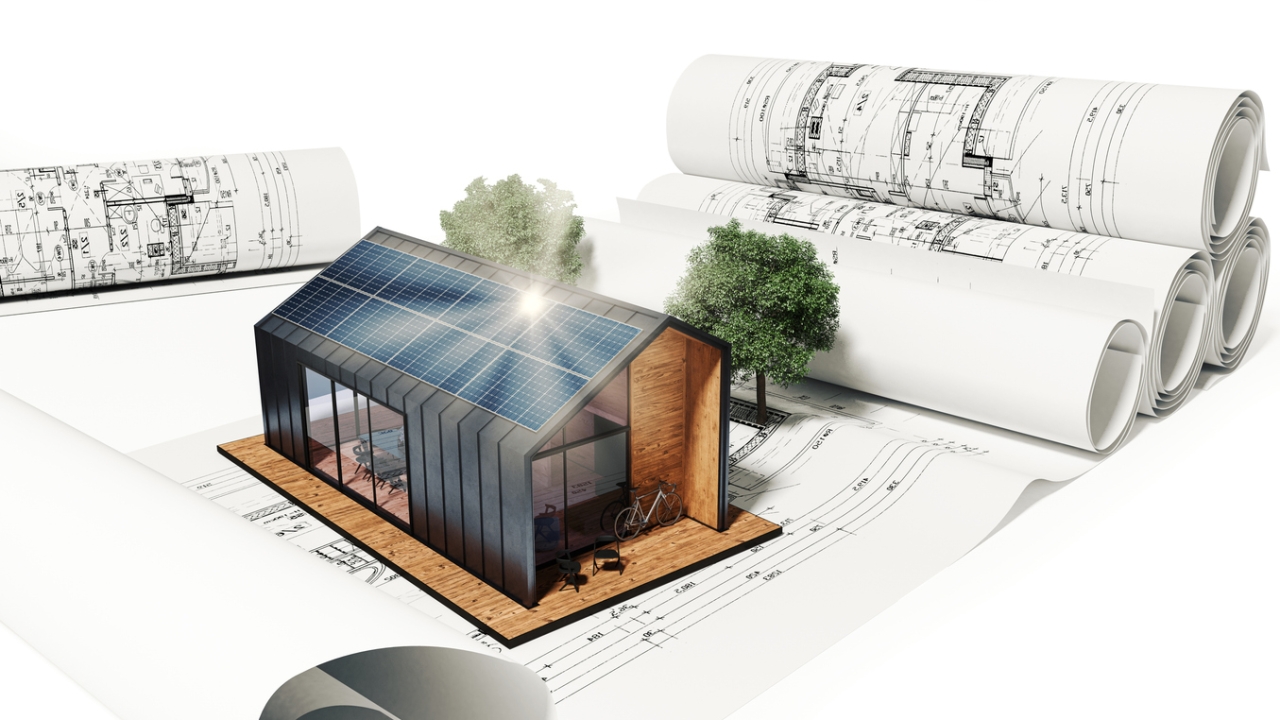
Living Without Energy Waste: The Net Zero Prefab Home Concept Explained
As the world races to combat climate change, homeowners and builders are seeking ways to cut energy use, shrink carbon footprints, and build smarter. Enter the net zero prefab home—a cutting-edge housing concept that merges energy efficiency, sustainability, and modern convenience. Living without energy waste isn’t just possible; with net zero prefab homes, it’s practical, affordable, and increasingly mainstream.
This in-depth article breaks down the net zero prefab home concept, delving into its origins, defining features, technologies, affordability, and how it can transform your lifestyle. Whether you’re a homeowner, developer, or simply fascinated by sustainable living, read on for the ultimate guide to living without energy waste.
Table of Contents
- What Is a Net Zero Prefab Home?
- The Evolution and History of Net Zero Homes
- The Benefits of Prefabricated Construction
- Core Features of Net Zero Prefab Homes
- Solar Power and Renewable Energy Systems
- Design, Insulation, and Thermal Envelope
- Smart Technology and Energy Management
- Costs, Affordability, and Return on Investment
- Lifestyle Benefits and Health Impacts
- Challenges and The Future of Net Zero Prefab Homes
- How to Get Started with a Net Zero Prefab Home
1. What Is a Net Zero Prefab Home?
The net zero prefab home is a structure designed and constructed to use as little energy as possible, achieving an overall zero net energy consumption. This means that, over the course of a year, the home generates as much renewable energy as it consumes. The prefab element refers to construction: the home’s components are manufactured off-site in a factory and transported to the location for assembly.
- Net Zero: The home produces as much renewable energy (such as solar or wind) as it uses, resulting in a “net zero” utility bill over a typical year.
- Prefab: Stands for “prefabricated.” Instead of building the house entirely on-site, much of the house is manufactured in a controlled factory environment and then shipped in parts (or whole modules) for rapid on-site assembly.
By combining these two powerful concepts, net zero prefab homes offer speedy construction, top-tier energy performance, cost savings, and strong environmental stewardship.
Key Aspects of Net Zero Homes
- Energy Efficiency: Advanced design and materials maximize insulation, reduce drafts, and minimize the need for heating and cooling.
- On-site Energy Generation: Solar panels, geothermal, or wind turbines create renewable energy on the premises.
- High-Performance Windows and Doors: Specialized installations prevent heat loss/gain.
- Smart Home Tech: Automation and monitoring systems fine-tune energy use for optimal efficiency.
- Quality Air Sealing: Precision manufacturing and construction dramatically reduce leaks, boosting comfort.
2. The Evolution and History of Net Zero Homes
The concept of “net zero” housing didn’t spring up overnight. It is the result of decades of innovation fueled by the environmental movement, scientific research, and advances in building technology. Understanding the evolution illuminates why today’s net zero prefab homes are more attainable than ever.
Early Concepts of Sustainable Housing
The modern environmental movement of the 1960s and 70s sparked new interest in energy-efficient living, especially during the oil crises of that era. During these decades, homeowners and architects experimented with passive solar homes, “earthships,” and super-insulated buildings. Yet, most of these early projects were costly or experimental.
- Passive Solar Homes: Used building orientation, windows, and materials to maximize winter sun and minimize summer heat.
- Super-Insulation: Pioneered in the 1970s, focused on extremely airtight, well-insulated envelopes.
- Off-Grid Living: Early adopters used wind, solar, and batteries but with significant lifestyle sacrifices.
The Path to Net Zero
The 1990s and 2000s saw new urgency due to climate change awareness. Governments, NGOs, and research labs around the world started to set ambitious energy reduction targets for housing. Some notable developments include:
- Passive House Standard (1991): A rigorous German building standard for ultra-low energy use, forming the basis for many later net zero designs.
- Green Building Certifications: LEED, BREEAM, and others began requiring significant energy performance improvements.
- First Net Zero Buildings: The first documented net zero homes were constructed in Europe and North America in the early 2000s, serving as proof-of-concept models.
The Prefab Revolution
Prefabrication isn’t new—modular and kit homes have been manufactured since the early 1900s. But a renewed interest in the efficiency, speed, and quality control of off-site construction dovetailed with net zero ambitions in the last two decades.
- Modern Prefab Companies: Firms like Blu Homes, Plant Prefab, and Katerra began producing high-performance prefab homes with net zero capabilities.
- Improved Manufacturing: 3D modeling, automation, and supply chain management now allow for custom, well-sealed, and precisely built panels or modules.
- Global Adoption: Net zero prefab is growing rapidly in Europe, North America, Australia, and parts of Asia as energy codes tighten.
3. The Benefits of Prefabricated Construction
Prefabricated homes are not just about speed—they solve many of the pain points that come with traditional building. Especially for net zero, prefab offers crucial advantages for both builders and homeowners.
Efficiency and Precision
- Controlled Environment: Factory settings mean less weather-related delays and variability. Builders can guarantee tighter seals and more accurate construction.
- Repeatability: Plans and components can be reused or adapted, reducing errors and wastage.
- Reduced Waste: Factory cuts, scraps, and efficiencies minimize building site trash—prefab projects generate up to 90% less waste compared to traditional construction.
Rapid Construction Timelines
- Faster Builds: Fabrication of walls, roofs, and modules occurs while the foundation is prepped. Assembly on-site often takes days.
- Budget Certainty: Shorter construction means lower labor costs and fewer financing surprises.
Quality and Performance
- Consistency: With prefabricated panels or modules, every structure meets performance benchmarks.
- Enhanced Envelope: Details like window installation, insulation, and vapor barriers are easier to get right in a factory.
Sustainability
- Lower Lifetime Emissions: Precision fit and air-tightness cut heating/cooling needs for decades.
- Sustainable Materials: Factories can source certified woods, recycled steel, and eco-friendly finishes at scale.
In summary, prefab delivers on the net zero promise more reliably than traditional site-built homes, making it foundational to the energy-efficient future.
4. Core Features of Net Zero Prefab Homes
What actually makes a home “net zero”—and how is this achieved in the prefab context? The answer involves a powerful bundle of advanced features, building science techniques, and leading-edge components working together in harmony.
High-Performance Thermal Envelope
- Insulated Walls and Roofs: Thick, continuous insulation (often far above code minimums) dramatically reduces heat flow.
- Airtight Construction: State-of-the-art sealing techniques stop drafts and eliminate most leaky points.
- Thermal Bridge Minimization: Use of “thermal breaks” (materials that stop heat from crossing studs/walls) to prevent unnecessary heat transfer.
Ultra-Efficient Windows and Doors
- Triple Glazing: Three panes (sometimes with a fourth, like passive house “quad pane”), low-E coatings, and gas fills reduce heat loss dramatically.
- Advanced Frames: Fiberglass, uPVC, or thermally broken aluminum frames outperform standard wood or metal.
- Careful Installation: Factory precision ensures airtight placement.
Renewable Energy Generation
- Solar PV Arrays: Most net zero homes utilize roof- or ground-mounted solar panels sized to cover all annual electricity usage.
- Optional Wind or Geothermal: Some sites may supplement with wind turbines or ground-source heat pumps.
- Energy Storage: Batteries (such as those from Tesla, LG, and Sonnen) store excess solar production for nighttime or cloudy periods.
Mechanical Ventilation with Heat Recovery
- ERVs and HRVs: Energy/Heat Recovery Ventilation systems bring in fresh air while capturing nearly all heat from outgoing stale air.
- Indoor Air Quality: High-filtration reduces allergens, VOCs, and particulates—ideal for health and comfort.
Efficient Heating, Cooling, and Hot Water
- Cold Climate Heat Pumps: Provide heating & cooling 3–4 times more efficiently than electric baseboards or gas furnaces.
- Heat Pump Water Heaters: Boil water with a fraction of the energy, often drawing on rooftop solar electricity.
Smart Home Energy Controls
- Load Sensing and Scheduling: Home automation systems monitor, predict, and optimize energy usage (e.g., charging your EV off-peak or adjusting thermostats when you’re not home).
- Data Tracking: Regular reporting makes it easy to spot trends and fix inefficiencies early.
Sustainable, Non-Toxic Materials
- Certified Wood, Recycled Steel: Cuts forestry and mining impact.
- Natural or Low-VOC Finishes: Reduced interior toxins for healthier breathing.
No single feature makes a prefab home net zero—success comes from integrating the best available technologies for airtightness, insulation, renewables, and intelligent management.
5. Solar Power and Renewable Energy Systems
At the heart of most net zero prefab homes is an on-site renewable energy system—usually solar photovoltaic (PV) panels. Here’s how renewables make energy waste a thing of the past on a practical, everyday basis.
Designing the Solar PV System
- Sizing for Year-Round Needs: Panels are sized to offset 100% of estimated annual consumption, including heating/cooling, appliances, water heating, and even car charging if you own an electric vehicle.
- Optimal Placement: South-, southeast-, or southwest-facing roofs with minimal shading maximize production. Some prefab companies design homes and roofs specifically for solar integration.
- Net Metering: Excess solar sent to the grid earns you credits for nighttime or winter use.
Solar + Storage for True Energy Independence
- Energy Storage: Batteries store surplus generation for use during cloudy weather, grid outages, or peak pricing periods.
- Backup Power: Critical appliances (fridge, heating, medical) can run even if the grid is down.
Other Renewable Options
- Geothermal Heat Pumps: Taps consistent ground temperature for hyper-efficient heating and cooling.
- Small Wind: Viable on rural or windy sites, but less common than solar.
- Solar Thermal: Heats water with the sun for even greater efficiency, especially in areas with strong solar resources.
Financial Incentives
- Tax Credits and Rebates: Federal, state, and utility programs can cover 20–50% of renewable installation costs.
- Low-Interest Financing: Many regions offer favorable loans given the certainty of payback and carbon reductions.
With current technology and tax incentives, most prefab net zero homes can “break even” on energy in less than 10 years—after which every kWh produced is pure savings.
6. Design, Insulation, and Thermal Envelope
Achieving net zero demands more than just adding solar panels to a standard house. It requires a holistic approach, starting with airtight, super-insulated design and an obsession with eliminating energy loss.
Thermal Envelope Principles
- Continuous Insulation: No gaps or discontinuities—even minor holes can compromise energy performance.
- High R-Values: Walls and roofs typically achieve R-30–R-60, much higher than standard construction.
- Advanced Materials: Structural insulated panels (SIPs), insulated concrete forms (ICFs), spray foam, dense-pack cellulose, or mineral wool are common high-performance options in prefab.
- Airtight Layer: Meticulous installation of vapor and air barriers, sealed caulking, and gaskets at every joint.
Building Orientation and Passive Strategies
- Solar Gain Management: South-facing windows for heat in winter, shading/overhangs for summer cooling.
- Natural Ventilation: Operable windows for cross-breeze in temperate months.
Quality of Construction
Even the best theoretical designs can fail if poorly built. Prefab methods support the tight tolerances needed for net zero by leveraging factory controls, inspection, and precision tools.
- Minimum Air Leakage: Top-tier prefab builders regularly achieve air changes per hour at 50 pascals (ACH50) of 0.6 or less—for comparison, code minimum homes may leak 5–7 times as much.
- Thermal Imaging: Factories use infrared cameras and blower door testing to find and fix leaks before modules ever leave the plant.
Case Study: A Well-Insulated Prefab
For example, a Canadian prefab company builds homes with 12-inch thick double-stud walls filled with cellulose, triple-glazed windows, and continuous taped air barriers. Air leakage is under 0.5 ACH50, saving thousands of kWh annually—before a single solar panel is considered.
7. Smart Technology and Energy Management
Net zero prefab homes increasingly lean on technology to squeeze out waste, optimize comfort, and manage renewable resources. Smart homes aren’t just convenient—they’re crucial for precision energy management.
Monitoring and Automation Systems
- Energy Dashboards: Real-time data on usage and production makes it easy to adjust habits and spot inefficiencies.
- Smart Thermostats: Learn your patterns, adjust HVAC automatically, and communicate with utility rate schedules and weather forecasts.
- Load Schedulers: Automatically run dishwashers, laundry, or water heating during peak solar production.
Connected Appliances
- Wi-Fi Enabled Devices: Fridges, ovens, HVAC, and washers/dryers can all be remotely monitored, diagnosed, and adjusted.
- Automated EV Charging: Charge your car when surplus solar is available or grid rates are lowest.
Adaptive Lighting and Shades
- Daylighting: Solar sensors and automated shades maximize natural light while preventing overheating.
- LEDs with occupancy sensors: Reduce lighting energy use to nearly zero when not needed.
Integration with Renewable Systems
- Battery Controls: Store, release, or sell energy based on rates, needs, and weather.
- Grid Interaction: Participate in virtual power plants or utility demand response programs for extra income or credits.
The result is a home that not only uses less energy—it practically runs itself, making net zero goals achievable in real-world family life.
8. Costs, Affordability, and Return on Investment
Are net zero prefab homes more expensive? How quickly do energy savings add up? And can average families afford them? Let’s explore the financial dimension of living without energy waste.
Upfront Costs
- Base Price: High-performance prefab modules typically start at $150–$300 per square foot (installed), similar to standard new construction in many regions.
- Upgrades: Ultra-high insulation, triple-pane windows, energy recovery ventilation, and renewables may add 5–15% extra.
- Solar + Batteries: Typical turnkey solar arrays for a 2,000 sq ft home range from $15,000–$35,000. Batteries are $10,000–$20,000 extra (but dropping fast in price).
Incentives and Rebates
- Federal/State Incentives: Energy tax credits, rebates, and loan programs can reduce total out-of-pocket expenditure by up to 50%—especially for solar and advanced heat pumps.
- Utility Programs: Some power providers offer free or discounted smart thermostats, EV charger rebates, and even cash rebates for hitting net zero targets.
Ongoing Savings
- Energy Bills: Zero energy bills are possible—most net zero prefab homeowners pay only basic connection fees to their utility (if at all).
- Maintenance: Many prefab homes are easier and cheaper to maintain due to quality construction and easy component access.
- Resale Value: Zillow and other studies now show green and net zero certified homes selling for premiums of 5–10% over standard homes, with faster sales.
Payback Timeline
With incentives and energy bill savings, net zero prefab homes often recoup their extra investment in as little as 5–10 years. After that, savings compound—owners essentially “lock in” the cost of energy for 30+ years even as grid rates rise.
Financing Options
- Green Mortgages: Many lenders now offer special terms for energy-efficient homes, allowing you to finance upgrades at low rates.
- PACE Financing: In some regions, property-assessed clean energy loans pay for upgrades with tax bill surcharges instead of upfront costs.
While the perception persists that net zero prefab is only for the wealthy, falling component costs, volume production, and incentives mean middle-income homeowners can increasingly afford to live without energy waste.
9. Lifestyle Benefits and Health Impacts
Living in a net zero prefab home isn’t just about saving money or the environment—it can mean a healthier, more comfortable, and more convenient life. The hidden benefits are winning over even skeptics.
Year-Round Comfort
- Consistent Temperatures: No cold spots, drafts, or temperature swings thanks to airtightness and passive design.
- Noise Reduction: Thick insulation and sealed windows/doors lockdown outdoor noise for exceptional peace and quiet.
Superior Air Quality
- Continuous Fresh Air: Mechanical ventilation ensures you always breathe well-filtered, healthy air free from outdoor pollution, mold, and excess humidity.
- Low-Toxin Interiors: Choice of finishes, insulation, and adhesives avoids the “new house smell” of VOCs and allergens.
- Healthier Living: Studies show reduced rates of asthma, allergies, and respiratory issues in high-performance airtight homes with ERVs or HRVs.
Resilience and Safety
- Power Outage Protection: With energy storage and passive survivability, you stay warm, cool, and connected even in blackouts.
- Disaster Resistance: Prefab construction is often more robust against earthquakes, floods, and fire with modern materials and techniques.
Lower Stress, Higher Satisfaction
- No Energy Bill Surprises: Predictable, near-zero utility expenses mean fewer financial shocks.
- Environmental Impact: Pride and purpose in living radically sustainably—cutting your carbon footprint by 60–100% relative to conventional homes.
Examples from Real Life
Families in net zero prefab homes often report waking up more comfortable, sleeping better due to silence and clean air, and loving the harmony between technology, nature, and design. Visitors are often amazed at how bright, airy, and fresh the homes feel—proof you don’t have to sacrifice style or comfort for energy performance.
10. Challenges and The Future of Net Zero Prefab Homes
Despite accelerating adoption, net zero prefab homes face real-world barriers. Here’s a look at challenges — and why the future remains incredibly bright.
Barriers to Widespread Adoption
- Perception and Education: Many buyers and builders are unfamiliar with prefab or wrongly assume it’s “cheap” or “cookie-cutter.” Demonstrating the quality is key.
- Financing Hurdles: Lenders may be wary if comparables (comps) in the area are lacking, making it harder to get mortgages in some regions.
- Local Codes and Regulations: Some areas have outdated or restrictive zoning and code rules that hinder prefab installation or net zero design features.
- Upfront Investment: While long-term savings are certain, the higher upfront cost can be a real obstacle for first-time buyers or those with limited capital.
- Supply Chain Issues: Continued volatility in global supply chains (e.g., lumber, windows, chips) can disrupt timelines or create price spikes.
Innovations on the Horizon
- Manufacturing Automation: Robotics and mass customization will cut prefab costs and improve precision even further.
- Advanced Materials: Graphene, super-insulating aerogels, and carbon-capturing concrete may drive energy use below current limits.
- Integrated Renewables: Less visible, easier-to-install solar roof tiles, plug-and-play batteries, and seamless heat pump systems will lower installer skill requirements.
- Policy Support: Many governments are considering net zero standards for new homes by 2030–2050, which could make net zero prefab the norm, not the exception.
- Factory-Built Communities: Entire net zero neighborhoods and mixed-use developments, all constructed off-site, are emerging worldwide.
The Role of Consumers
Ultimately, the transition depends not just on technology and policy, but on consumer demand. As more people experience the benefits of living without energy waste and see long-term economic, health, and comfort returns, net zero prefab homes are likely to become the standard of 21st-century living.
11. How to Get Started with a Net Zero Prefab Home
Ready to explore the world of net zero prefab homes for yourself? Here’s a step-by-step guide to making your dream of living without energy waste a reality.
1. Assess Your Priorities and Goals
- Are you seeking lower bills, environmental impact, health benefits, or all of the above?
- Do you have a site in mind? Consider sun exposure, space for solar, and local climate.
- Set a realistic budget range and timeline.
2. Research Prefab Builders
- Look for reputable companies with proven net zero projects and third-party certifications (PHIUS, Passivhaus, LEED Zero, etc.).
- Read reviews, visit model homes, and speak to former clients if possible.
- Request detailed proposals and “energy models” showing yearly consumption and production forecasts.
3. Secure Financing and Incentives
- Seek lenders familiar with green construction and prefab methods.
- Apply for federal, state, or utility rebates and tax credits before construction begins.
- Ask your prefab builder for guidance—many have teams dedicated to financing and incentives.
4. Customize Your Design
- Choose finishes, layouts, and systems that suit your lifestyle and match site conditions.
- Don’t skimp on envelope insulation or air-sealing—these pay off faster than “add-on” upgrades later.
- Work with your builder to optimize roof orientation, overhangs, and solar layout.
5. Plan Construction and Installation
- Ensure your site is accessible and utilities (water, sewer, electric) are ready.
- Prefab homes typically require a solid foundation or footings—coordinate timing with your builder’s factory schedule.
- Solar panels, batteries, and smart systems are often installed last but coordinated from the start.
6. Move In—And Start Living Net Zero!
- Monitor your usage, explore smart system automation, and enjoy perfect comfort with no wasted energy.
- Track your savings and share your experience—your success helps make zero-waste living the new normal.
Conclusion
The net zero prefab home concept is more than an architectural movement—it’s a game-changing vision for how we live, build, and interact with our environment. By merging rigorous energy standards with the speed and quality of prefab construction, these homes offer a future free from energy waste, excessive costs, and environmental damage.
Whether you are a homeowner striving for independence, a builder seeking better solutions, or simply a citizen concerned about climate change, the net zero prefab option is within reach. By taking the leap, you can enjoy a home that’s healthier, more comfortable, more affordable, and far more sustainable—proving that living without energy waste isn’t just possible, but preferable.
The journey to net zero living starts with awareness, is advanced by technology, and is completed by the choices of individuals like you. The world is on the cusp of a building revolution—will your next home be a part of it?