





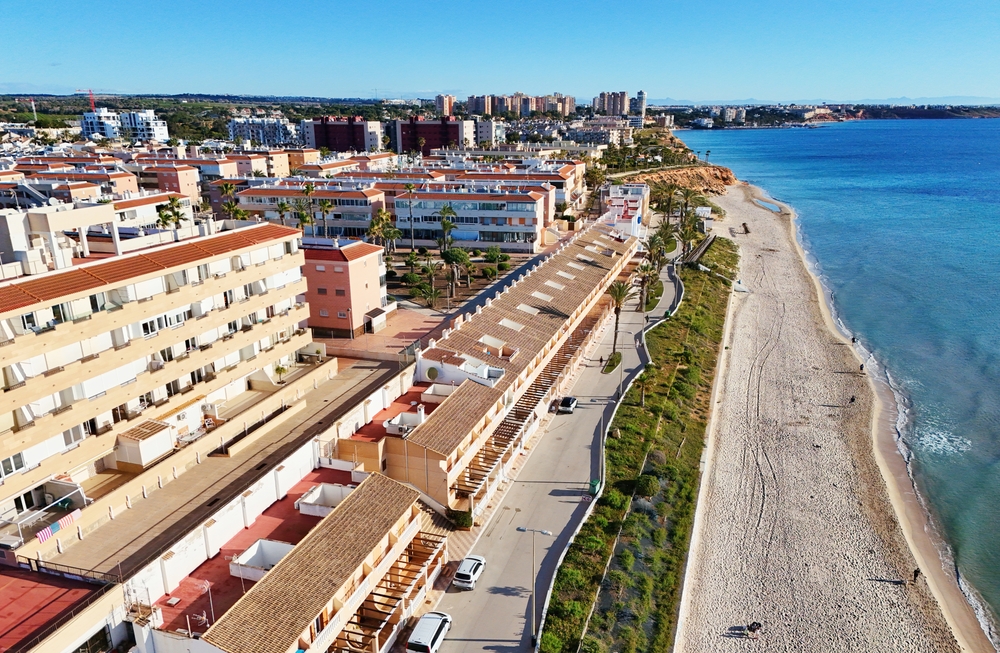
Introduction to Long-Term Rentals in Costa Blanca
The Costa Blanca, a stunning stretch of coastline along Spain’s southeastern Mediterranean border, is frequently celebrated for its pristine beaches, inviting climate, and a relaxed lifestyle that appeals to people from all corners of the world. The allure of this region extends far beyond its sun-kissed shores; it is a tapestry of charming towns, vibrant expat communities, exquisite cuisine, and a remarkable blend of tradition and modernity. For those contemplating a move or an extended stay in this idyllic locale, the long-term rental market presents an abundance of opportunities. Renting a home on the Costa Blanca can be the gateway to fulfilling dreams of living in Spain, whether for personal, work-related, or retirement reasons.
This comprehensive guide will illuminate the essential aspects of securing a long-term rental in the Costa Blanca. From understanding the local real estate landscape to choosing the perfect property, legal considerations, and practical tips for a seamless transition, each section has been meticulously crafted to offer clarity, guidance, and expert advice — all designed to support and empower individuals and families navigating this exciting new chapter of their lives.
Understanding the Costa Blanca: An Essential Overview
Stretching over 200 kilometers along the province of Alicante, the Costa Blanca is more than just a destination; it is a lifestyle. The region encompasses diverse municipalities, each offering distinct character, amenities, and scenery. The northern Costa Blanca is renowned for its dramatic mountain backdrops and scenic villages, such as Altea, Moraira, and Jávea. Meanwhile, the south boasts the lively resort towns of Torrevieja, Guardamar del Segura, and Orihuela Costa, featuring wider sandy beaches and a slightly drier landscape.
For those seeking long-term rentals, location is the cornerstone of decision-making. Proximity to amenities, local culture, access to health services, language preferences, and choice between serene seclusion and vibrant community living are all paramount. The climate, consistently mild winters and temperate summers, further enhances the attractiveness of the Costa Blanca as a destination for year-round living.
- Altea: Famed for its cobbled streets, whitewashed houses, and the iconic blue-domed church, Altea exudes traditional Spanish charm.
- Benidorm: Often dubbed the “Manhattan of Spain,” Benidorm is ideal for those who appreciate a cosmopolitan pace alongside renowned beaches.
- Denia, Jávea, Moraira: Offer laid-back atmospheres perfect for families and retirees alike.
- Alicante: The vibrant capital city, bustling year-round with culture, nightlife, and extensive transport links.
- Torrevieja and Orihuela Costa: Popular among international communities seeking convenience, entertainment, and a lively social scene.
Deliberate consideration of these diverse options is essential in ensuring the chosen location aligns with one’s lifestyle goals and expectations.
Why Choose a Long-Term Rental on the Costa Blanca?
Opting for a long-term rental over short-term lets or immediate property purchase offers a wide range of benefits. Here are some compelling reasons why individuals and families choose this path:
- Flexibility: Long-term rentals offer the flexibility to experience life in the Costa Blanca without the commitment and concerns of property purchase or the limitations of holiday lets. This can be vital for those relocating for the first time, trying the region for size, or waiting for the right property to purchase.
- Cost-Effectiveness: Monthly rental rates for long-term contracts are substantially lower per month than short-term or holiday rentals, making it an economically sensible choice for stays exceeding several months.
- Legal Security: Long-term contracts, governed strictly by Spanish housing law, provide significant tenant protections compared to short-term rentals. This includes standardized notice periods, regulated increases in rent, and extended tenure guarantees.
- Community Integration: Living in a neighborhood year-round enables tenants to integrate into the local community, make lasting connections, and enjoy a more authentic Spanish experience.
- Practicality: Longer tenancies limit the hassle and expense of regular moves, while also granting tenants time to familiarize themselves with local amenities, schools, transport, and services.
Making the decision to rent long-term can thus provide both peace of mind and a genuine opportunity to immerse oneself in the unique spirit and rhythm of Costa Blanca life.
Types of Properties Available for Long-Term Rent
The Costa Blanca rental market is robust and diverse, designed to cater to a wide spectrum of preferences, family sizes, and budgets. Whether you are searching for an urban apartment, a family villa, a traditional town house, or a beachfront penthouse, the options are plentiful.
Apartments and Penthouses
Apartments remain the most sought-after option, especially in central areas and coastal towns. These can range from compact units ideal for singles or couples to spacious multi-bedroom residences perfect for families. Many feature communal pools, gardens, and parking, while penthouses offer expansive terraces and exceptional sea views.
Villas and Detached Houses
Villas are synonymous with Mediterranean living and the Costa Blanca offers numerous styles — from sleek modern builds to charming rustic fincas. Larger private gardens, pools, and more indoor space make villas highly attractive for families or those seeking seclusion and tranquility.
Townhouses and Bungalows
Townhouses combine the community aspect of apartment complexes with increased space and privacy. These (often multi-story) homes are popular among those who value shared amenities but prefer separate entrances and private gardens.
Traditional Fincas
Authentic Spanish fincas, set in rural or semi-rural locales, are perfect for those longing for a slower pace and rustic charm. While they may lack some modern conveniences, their character, expansive grounds, and peaceful surroundings are inimitable.
Luxury Properties
For those desiring a true high-end experience, luxury villas, beachfront estates, and bespoke penthouses are available. These homes combine the latest in architectural design, premium finishes, and top-tier amenities like infinity pools, smart home systems, and direct beach access.
Urban vs. Coastal vs. Rural Locations
Each type of property brings its own nuances depending on location:
- Urban: Usually apartments or townhouses, close to all the conveniences, shops, and nightlife.
- Coastal: Popular for sea views, fresh breezes, and immediate proximity to beaches.
- Rural: Villas and fincas, offering privacy, larger plots of land, and tranquil environments.
Understanding these distinctions ensures tenants select a property that not only fulfills their practical requirements but also complements their envisioned lifestyle.
The Rental Process: Step-by-Step Guide
Achieving success in the long-term rental market of the Costa Blanca involves a structured approach and attention to detail. Below is a comprehensive guide to navigating the process with clarity and confidence.
1. Define Your Requirements
Start with a clear vision: How many bedrooms do you need? What locations interest you most? What is your budget? Is outside space non-negotiable? Are schools, shops, and transport links priorities? Listing these criteria provides focus during your search.
2. Property Search and Viewing
Consulting a reliable agency with deep local knowledge is invaluable. Available properties are typically showcased with photographs, virtual tours, and detailed descriptions. Scheduling in-person viewings offers a true sense of space, light, noise levels, and neighborhood character.
3. Application and Paperwork
Upon finding a suitable property, interested parties submit a tenancy application. Supporting documentation (proof of income, identification, references) is required to demonstrate financial viability and personal credibility.
4. Rental Agreement
Upon successful application, a draft lease or rental contract is prepared. This contract outlines crucial terms such as the duration, rent amount, payment schedule, deposit, maintenance responsibilities, and other house rules. It is imperative that tenants review the contract thoroughly, seeking clarification on any ambiguous clauses.
5. Deposit and Initial Payments
A security deposit — typically equal to one or two months’ rent — is standard. This deposit is held against damages or unpaid rent and must be returned upon successful exit inspection, provided all contractual duties have been met.
6. Handover and Inventory
On the day of move-in, an official handover is conducted. The state of the property is documented, and an inventory list is agreed upon. Ensuring accuracy at this stage prevents future disputes and guarantees both parties are protected.
7. Registration and Utilities
Most long-term rentals require tenants to transfer or register utilities (electricity, water, internet) in their name. Assistance with this process is typically provided, streamlining the transition and ensuring services are uninterrupted.
8. Ongoing Communication
Maintaining open dialogue with your agency during the tenancy is crucial. Promptly addressing repair needs or contract clarifications fosters a positive relationship and smooth rental experience.
Legal Considerations for Long-Term Renting
Renting a property in Spain is governed by a robust legal framework designed to protect both landlord and tenant. Full understanding of your legal rights and obligations is essential for a secure and satisfying tenancy.
Duration of Contract
Standard long-term rental contracts in Spain are regulated under the Urban Lease Act (Ley de Arrendamientos Urbanos, LAU). They are typically signed for a minimum of 12 months, with automatic renewal up to five years (or seven years if the landlord is a legal entity), provided the tenant remains in good standing and wishes to continue.
Rent Review and Increases
Yearly rent increases may only be made in line with the Consumer Price Index (CPI) or as agreed in the contract. Tenants are entitled to advance notice of at least 30 days for any proposed increase.
Security Deposits
Deposits are strictly regulated by law and must be returned within a stipulated period (usually one month after the tenancy ends) minus any justified deductions for damages or unpaid bills.
Maintenance and Repairs
Tenants are responsible for basic upkeep and minor repairs (e.g., changing lightbulbs, routine cleaning). Owners remain responsible for major structural repairs, installations, and urgent breakdowns.
Contract Termination and Notice
Tenants can generally terminate after six months, providing 30 days’ notice, unless otherwise stipulated. Conversely, landlords may only terminate under limited conditions, such as personal or family use, also adhering to the correct notice period.
Registration and Documentation
All rental contracts should be written in Spanish and registered with the appropriate authorities. Translating the contract, where necessary, ensures mutual understanding for international tenants.
Documentation and Requirements for Tenants
Ensuring all necessary documentation is in order transforms the rental process from stressful to streamlined. Here are the typical documentation requirements for securing a long-term rental on the Costa Blanca:
- Identification: Passport or valid national identity card for all named tenants.
- Financial Proof: Recent payslips, employment contract, proof of pension, or bank statements. Self-employed individuals will need to submit tax returns or similar official documentation.
- Spanish NIE Number: The Número de Identificación de Extranjero (NIE) is essential for most official transactions in Spain, including rentals.
- References: Rental or employment references that establish reliability, responsibility, and capacity to pay rent.
- Bank Account Details: Spanish bank account details may be required for direct debit payments.
- Guarantor: Occasionally, especially for those without Spanish income or credit history, a guarantor may be requested. This is more typical for students or first-time renters.
Preparation of these documents in advance expedites the process and enhances your credibility as a prospective tenant.
Costs Involved in Long-Term Renting: A Detailed Breakdown
A transparent understanding of all associated costs is vital when planning for a long-term rental. This prevents unpleasant surprises and ensures financial readiness.
1. Monthly Rent
The principal outlay, rent varies greatly based on property type, size, location, and amenities. Urban and beachfront properties command higher rents, while rural or inland villages are more affordable.
2. Security Deposit
As previously outlined, a security deposit (generally one to two months’ rent) is standard and refundable, securing against damages or non-payment.
3. Agency Fees
Agencies may charge a commission or setup fee for brokering a new rental agreement. This is typically equivalent to one month’s rent, payable upon contract signing.
4. Utilities
Utility costs (electricity, water, gas, internet, community fees) may or may not be included in the rent. Most long-term leases require tenants to pay these bills directly, based on usage.
5. Community Charges
If the property is within a private complex, community fees may cover shared amenities such as gardens, pools, lifts, and security. Clarify with the agency whether such costs are included.
6. Insurance
While owners are responsible for insuring the building, tenants are often strongly recommended (and occasionally required) to take tenant’s liability insurance (seguro de responsabilidad civil inquilino) covering accidental damage or injury.
7. Moving Costs
Transporting furniture and personal effects can incur additional expense, especially if relocating from another country.
- Budgeting Tip: Always factor in an extra 10-20% for unforeseen expenses during your first months of tenancy.
Choosing the Right Location: Popular Towns and Cities
Choosing where to live in the Costa Blanca is equally as important as the property itself. Each town and city possesses its own unique charm, culture, and practical considerations. Below is a detailed look at some of the most beloved locations for long-term renters:
Alicante
As the provincial capital, Alicante is a dynamic city rich in history, culture, and opportunity. Its international airport, impressive public transport network, and extensive amenities make it ideal for professionals, students, and expats seeking city life. The city’s neighborhoods range from the historic Barrio Santa Cruz to the modern San Juan beach area, providing options for every taste.
Benidorm
Known for its skyline and lively entertainment, Benidorm appeals to those who crave a bustling, cosmopolitan environment with world-class beaches, international restaurants, and a vibrant nightlife.
Altea
This artsy seaside town boasts dazzling white houses, winding streets, and a relaxed pace. Its bohemian flair and picturesque seafront attract creative souls, retirees, and those with an appreciation for culture and tradition.
Moraira
A tranquil fishing village turned elegant coastal retreat, Moraira favours those searching for exclusivity, peace, and upmarket amenities. The marina, golf clubs, and gourmet dining give it a quiet sophistication.
Jávea (Xàbia)
Billing itself as the “Pearl of the Costa Blanca,” Jávea combines scenic beauty with excellent schools, medical facilities, and a thriving expat community. Its three distinct zones — the old town, port, and Arenal beach — cater to varied tastes.
Denia
With both a historical heart and vibrant marina, Denia balances authenticity and modern comfort. It is ideal for families, thanks to outstanding public services and direct ferry connections to the Balearic Islands.
Torrevieja and Orihuela Costa
These areas are particularly popular among international renters. They offer all the conveniences of modern life, a wide range of housing, sports and leisure facilities, and a calendar full of cultural events.
Calpe
Home to the imposing Peñón de Ifach rock, Calpe marries stunning geography with urban energy. The long beaches and excellent seafood scene are enticing for all age groups.
- Inland Villages: For those in search of authenticity and value, inland towns such as Jalón, Teulada, and Benissa offer traditional Spanish life, natural beauty, and close-knit communities.
Personal priorities — such as proximity to schools, hospitals, workplaces, beaches, or nature — will help define the perfect base for your long-term adventure.
The Expat Experience: Community, Integration, and Lifestyle
The Costa Blanca has long been a magnet for an international population. Its accommodating atmosphere, coupled with the local warmth, has fostered an expat experience that is both stimulating and deeply rewarding.
International Communities
Most major towns boast vibrant communities of residents from across Europe and beyond. English, German, Dutch, French, Scandinavian, and Russian residents are particularly prominent, creating a genuinely cosmopolitan environment in many neighborhoods.
Language and Cultural Adaptation
While many residents and service providers speak English and other European languages, embracing Spanish (and Valencian, in some parts) greatly enhances daily life and integration. Numerous language schools, informal conversation groups, and social clubs offer friendly ways to practice skills and make connections.
Clubs and Events
Golf clubs, yacht marinas, hiking groups, cultural associations, and hobby clubs are plentiful. Local fiestas — from the world-renowned Fallas of Alicante to the Moors and Christians in Altea — provide an introduction to Spain's cultural calendar and foster community spirit.
Schools and Family Life
Excellent public and private schools (including international curricula) operate across the Costa Blanca. This makes the region an inviting option for families hoping to raise children in a safe, supportive, and diverse environment.
Healthcare and Services
A standout feature of life on the Costa Blanca is the accessibility of both public and private healthcare. Medical facilities are modern, staffed by multilingual professionals, and well-equipped to address the needs of international residents.
- Tip: Those who contribute to the Spanish social security system are automatically enrolled in the public health service, while others can obtain private health insurance for full coverage.
Navigating Language Barriers: Helpful Tips and Resources
One of the most common concerns for new renters in Spain relates to language. While English is widely spoken in certain towns and within the real estate sector, many aspects of daily life — from bureaucracy to shopping — may be conducted in Spanish or Valencian.
Learning Spanish
Investing time in language lessons, whether online or at local academies, pays dividends in every area of life. Even basic proficiency in Spanish will smooth daily encounters, enhance social integration, and increase employment opportunities.
Essential Phrases
Prepare a short list of essential phrases for common scenarios (ordering food, asking for directions, dealing with emergencies). Carrying a phrasebook or a translation app can be invaluable during the early weeks.
Helpful Services
Local expat centers, community support groups, and social clubs frequently offer translation assistance, legal advice, and integration guidance. Trustworthy agencies ensure all contracts and documentation are clearly explained in your preferred language.
Embracing Multiculturalism
Multicultural neighborhoods are an excellent starting point for making friends and networking with other newcomers who may share similar adaptation challenges and successes.
Furnishing and Equipping Your Rental Home
Rental properties on the Costa Blanca are available both furnished and unfurnished; the right option depends on your duration of stay, personal taste, and practical requirements.
Furnished Rentals
Furnished properties are particularly popular among those arriving from abroad or planning shorter stays. These homes typically include all major furniture, kitchen appliances, and basic household goods. The convenience of a ready-to-move-in property is undeniable, but be sure to inspect the quality and completeness of furnishings during your viewings.
Unfurnished Rentals
Unfurnished homes often come without furniture, but sometimes include kitchen cabinets and basic appliances. This route allows customization and is favored by those intending to make Spain their long-term base, bringing or purchasing personal furniture and decorations.
Equipping Your Home
- Large home improvement stores, local furniture shops, and household chains offer everything from bedroom suites to kitchen basics.
- Secondhand marketplaces (online and local) provide economical alternatives for sourcing furniture and appliances. Community noticeboards and expat groups can be excellent resources as well.
- Check all appliances and inventory against the agreement at move-in, reporting immediately any discrepancies to your agent for swift resolution.
Adding personal touches to the décor and adapting the space to your tastes will truly transform your rental house into a home.
Essential Utilities: Setting Up Water, Gas, Electricity, and Internet
Ensuring all utilities are in your name (where applicable) and set up on time is central to a comfortable relocation. Procedures can vary depending on the property and provider, but a coordinated approach greatly reduces any inconvenience.
Electricity and Water
Most long-term rentals require tenants to register utilities with the relevant supplier. You will need identification, contract details, and a bank account. In some cases, especially for shorter stays or if the owner prefers, bills remain in the landlord’s name and are recharged to the tenant. Confirm the arrangement during contract negotiations.
Gas
Gas may be supplied via a mains connection or bottled cylinders (bombonas) in more rural areas. Regular deliveries or refill stations are easy to arrange via local suppliers.
Internet and Television
Fiber-optic, ADSL, and mobile broadband packages are available from national and local providers. Installation can take from several days to a few weeks, so organizing in advance is advisable. Satellite television and IPTV services offer international channels, catering to multilingual households.
Community Services
Many gated complexes include community gardeners, pool maintenance, security, and cleaning as part of the monthly fees. Clarify the division of responsibility for these services in your rental agreement.
Schooling and Education: Options for Families
For families with children, access to quality education is a top priority. The Costa Blanca offers a range of educational opportunities to suit every preference.
Public Schools
Spain’s public education system is open to all resident children. Classes are generally in Spanish and Valencian, with support for non-native speakers. Public schools are a powerful means of integration, helping children acquire language skills and make local friends.
Private and International Schools
International schools, offering British, American, French, German, Scandinavian, and other curriculums, are plentiful throughout the region. Lessons are typically in the respective language, with Spanish as a second or third language. Private Spanish schools deliver the national curriculum in Spanish but often provide extra language support.
Choosing a School
- Consider school rankings, language of instruction, proximity, and extracurricular offerings.
- Arrange visits and interviews, if possible, before enrolling your child.
- Early application is advisable, especially for popular international schools with waiting lists.
Education is compulsory from age six to sixteen, and well-structured routes exist for both academic and vocational secondary education.
Healthcare and Medical Services in Costa Blanca
One of the key attractions of relocating to the Costa Blanca is the standard and accessibility of healthcare. Both public and private systems are available and highly regarded.
Health Insurance
Residents who work in Spain or receive a Spanish pension are eligible for the public health system, which covers hospital care, general practitioners, and specialist treatments. Private health insurance is widely available and sometimes required for non-residents or those on certain types of visas.
Medical Facilities
Major towns and cities are served by large hospitals with emergency departments, multilingual staff, and modern diagnostics. Smaller health centers and private clinics can be found across the region, reducing travel time in emergencies.
Pharmacies
Pharmacies (farmacias) are plentiful and provide over-the-counter advice and regulated prescription medications. Many operate extended hours and a 24-hour rotating roster for emergencies.
Specialized Services
- Dentistry, optometry, physiotherapy, and alternative medicine practitioners are readily accessible.
- Multilingual specialists often advertise in expat-focused publications and directories.
- Mental health support, counseling, and social care services are increasingly well developed, responding to growing international demand.
Registering promptly with your local health center enhances continuity of care and access to services.
Living Costs and Lifestyle: Budgeting for the Costa Blanca
A move to the Costa Blanca involves more than just rental payments. Understanding average living costs provides greater transparency and enables forward-thinking financial planning.
Groceries and Household Supplies
Supermarkets, weekly markets, and specialty stores allow for a wide range of budgets. International brands coexist with fresh local produce, offering both value and variety.
Transport
Strong public transport networks, affordable car hire, and cycle-friendly towns offer flexible commuting options. Fuel and public transport fares are notably lower than in many Northern European countries.
Entertainment and Leisure
Dining out, cultural outings, sports, and family entertainment are reasonably priced. Local traditions favor outdoor living, with festivals, sports, and community markets forming a central part of social life at little or no cost.
Childcare and Schooling
While public education is free, international and private schooling can represent a significant portion of your monthly spending. Childcare costs, however, are competitive compared to many Western countries.
Utilities and Services
Utility bills for a standard-sized apartment generally range from €80 to €200 per month, depending on usage, insulation, and cooling/heating habits.
Practical Tips for a Smooth Relocation
Relocating is always a major undertaking, but the following practical tips can transform the process into a positive, organized, and low-stress experience:
- Research Extensively: Knowledge is power. Engage with trusted agencies, expat groups, and official resources to ensure you have a full picture of the market and lifestyle.
- Plan for Arrival: Arrange temporary accommodation, if required, to allow time for finding your ideal long-term rental. This provides breathing space for decision-making.
- Downsize and Declutter: Bring only what you truly need, as homes in Spain may differ in layout and storage options compared to your home country.
- Secure Local Insurance: Protect your belongings, family, and health with appropriate insurance policies tailored to your needs.
- Register with Authorities: Obtain your NIE, register your address, and check visa requirements, where applicable.
- Engage Socially: Participate in community activities, clubs, and events. Social connection is essential for well-being and successful integration.
- Stay Flexible: Embrace the local pace of life and remain patient in the face of bureaucracy — Spain is renowned for its relaxed administrative processes.
- Communicate with Your Agency: Maintain open dialogue to resolve any issues quickly, clarify responsibilities, and plan ahead for contract renewals or moves.
- Explore: The Costa Blanca is a region of endless discovery, from hidden beaches to mountain trails, artisan markets to Michelin-starred restaurants. Immerse yourself fully to experience all it has to offer.
Frequently Asked Questions About Long-Term Renting on the Costa Blanca
What is considered “long-term” in the Costa Blanca rental market?
A tenancy of 12 months or longer is generally classified as long-term. Contracts may be renewed annually, with many tenants choosing to stay for several years.
Can non-Spanish citizens rent a home in the Costa Blanca?
Absolutely. The process is straightforward for EU citizens and, with some additional paperwork, for non-EU citizens. A NIE (Foreigner’s Identification Number) is essential for contracts and utility connections.
Are pets allowed in long-term rentals?
Pet acceptance varies by property and landlord. Many homes are pet-friendly, but always clarify pet policies in advance and detail them within the rental agreement.
Is it possible to rent furnished/unfurnished?
Yes. Properties are available furnished, semi-furnished, or unfurnished, allowing flexibility according to your circumstances and preferences.
What happens if a dispute arises?
Dispute resolution first occurs via discussion with your agency. Failing that, local mediation services or the Spanish tenant’s association can become involved. Spanish law strongly protects tenant rights.
Am I allowed to sublet my rental property?
Subletting is generally prohibited unless specifically permitted in your contract. Always obtain written approval before subletting.
Can I register for public healthcare and schooling as a renter?
Yes, your registered address and NIE entitle you to access public healthcare and schooling, provided your residency or employment status meets regulatory requirements.
Conclusion: Embarking on Your Costa Blanca Journey
Securing a long-term rental in the Costa Blanca marks the beginning of an extraordinary new chapter, filled with opportunity, discovery, and the promise of a Mediterranean lifestyle enjoyed by millions of residents and visitors every year. Through careful planning, informed decision-making, and the guidance of an experienced agency, you can ensure the process is as smooth and enjoyable as the life that awaits you.
From the first steps of choosing your dream location and property, to understanding the legal framework, managing your move, and integrating fully into the local way of life, each detail brings you closer to the realization of your plans. The Costa Blanca offers more than a backdrop of natural beauty and sunshine; it is a welcoming, dynamic, and richly rewarding environment in which to build your future.
With the support and expertise of IMMO ABROAD, your journey to a fulfilling long-term stay in the Costa Blanca is in trusted hands. Enjoy the adventure, embrace the culture, and make this exceptional coast your home.