





Understanding Balcony Load Limits in Spain: An In-depth Overview
When considering the potential and safety of your outdoor spaces, particularly in Spain's vibrant urban and coastal settings, understanding the weight limits of your balcony is essential. Balconies offer a unique connection to the outdoors—whether for relaxation, gardening, or enjoying the Mediterranean sun. However, safety and structural integrity must always be the cornerstone of any use or customization. In this comprehensive guide, we explore every aspect of balcony load capacity in Spain. From technical regulations to practical implications, you will learn how to assess, optimize, and enjoy your balcony safely and stylishly.
The Legal Framework: Spanish Building Codes and Balcony Load Limits
Building regulations in Spain are stringent, designed to protect residents and ensure that structures withstand the respective loads as per their intended use. The foundational document governing this is the Technical Building Code or Código Técnico de la Edificación (CTE). This framework sets out the baseline requirements for safety, stability, and usability for all new constructions and significant renovations.
Static vs. Live Loads: Key Definitions
Understanding what constitutes "weight" on a balcony involves distinguishing between static (dead) loads and live loads:
- Static (Dead) Load: The weight of the balcony structure itself (concrete, steel reinforcements, floor tiles, etc.).
- Live Load: The variable weight added by people, furniture, plants, and other mobile items.
Building regulations focus on live loads, as these can change based on your usage of the space.
Key Load Requirements in Spain
According to the CTE, for typical residential balconies, the minimum live load requirement is generally set at 200 kg/m² (kilograms per square meter), but this can vary. For communal or public-use balconies, the requirement may increase to 400 kg/m² or more. Local municipalities may introduce stricter guidelines depending on building age, climate, and specific location.
How Are These Values Determined?
Structural engineers calculate these weights based on:
- Materials used in balcony construction
- The type of property (residential, commercial, communal)
- Expected occupancy and usability
- Climate factors such as wind, rain, or seismic activity
Historical Context: Old vs. Modern Balconies
Not all Spanish balconies are created equally. The country's rich architectural history means you may encounter properties that span centuries. Older buildings often have balconies with ornate ironwork or timber structures, whereas newer builds typically feature reinforced concrete and steel.
Pre-1970s Construction
Balconies in buildings constructed before the 1970s may not meet current safety codes regarding load limits. They were often designed for aesthetic purposes rather than functional outdoor living. If you own or plan to buy a property with a historic balcony, it is crucial to commission a specialized structural survey before making any enhancements or hosting gatherings.
Post-CTE Implementation
Balconies built or renovated after the introduction of the CTE (first enacted in 2006) are subject to strict design and load regulations. These are generally safer, with their load capacities clearly documented in construction paperwork or available from the architect or developer.
Assessing Your Balcony’s Load Capacity
For property owners, buyers, and renters alike, knowing the exact load-bearing capacity of your balcony is non-negotiable. Here's a step-by-step guide to understanding and verifying your balcony's safe load limit.
Step 1: Check Documentation
Review the property’s technical dossier (memoria de calidades), floor plans, and any renovation permits. These documents may indicate the intended load specifications.
Step 2: Consult with Professionals
- A qualified structural engineer (ingeniero estructural) can perform an on-site assessment, especially for older or heavily modified properties.
- An architect can review blueprints and modernization records to estimate safe usage.
Step 3: Inspect the Physical Condition
Visible damages such as cracks, sagging, rusted supports, or water infiltration are warning signs. If you notice any of these, restrict balcony use until a professional assessment is completed.
Common Activities and Their Loads: Practical Examples
To contextualize the load regulations, let's translate them into everyday balcony activities:
- Standard use: Two adults and standard balcony furniture (table, two chairs). Often well within a 200 kg/m² limit for a 3 m² balcony.
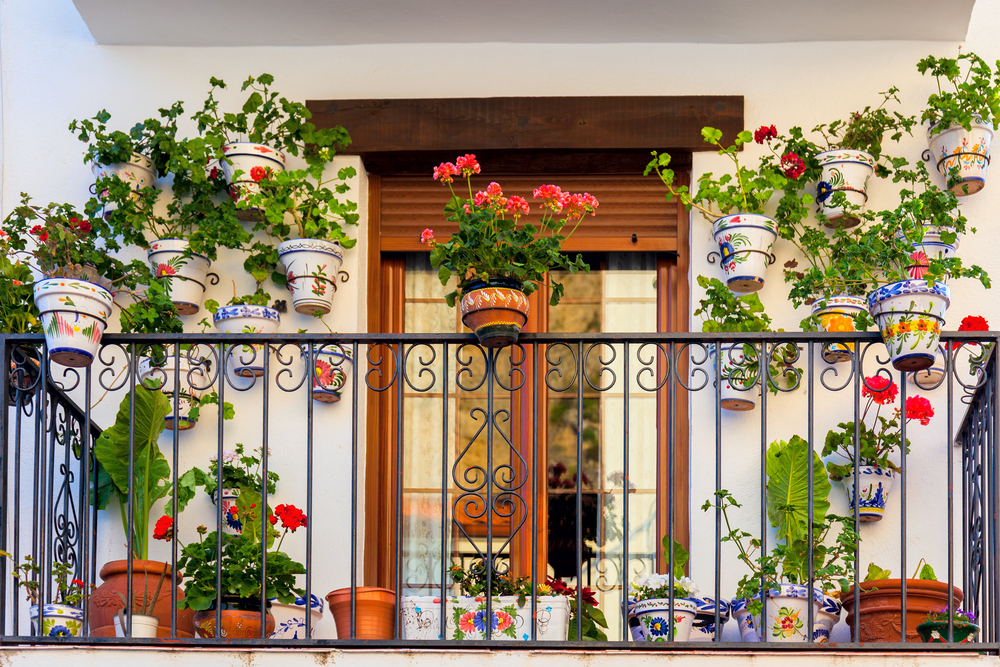
- Gardening: Pots and planters can be deceptively heavy, especially when watered (a large pot can weigh 30-50 kg).
- Events: Hosting gatherings where many people crowd a small balcony can exceed live load capacity.
- Installations: Hot tubs, heavy ceramic tiles, barrel barbecues—these items can individually weigh hundreds of kilograms and may not be suitable without reinforcement.
Calculating the Weight: A Real Example
Assume a balcony measuring 2 m x 3 m (6 m²), with a live load limit of 200 kg/m²:
- Total allowable live load: 6 m² x 200 kg/m² = 1,200 kg (spread evenly)
- If each person is estimated at 75 kg, a group of 10 would weigh 750 kg.
- Add a table (30 kg), four chairs (20 kg), two large planters (60 kg total): 110 kg.
- Total: 860 kg — safe for this example, but always distribute weight evenly.
The risk increases if heavy objects are concentrated at a single point.
Risks of Overloading: Potential Consequences
Exceeding the recommended weight limit for your balcony can have severe consequences, including:
- Structural damage: Cracks, breaks, or bending of the support structure.
- Collapse: In extreme cases, balconies can fail entirely, provoking injury or even fatalities.
- Legal Liability: Property owners can be held responsible for damages or injuries resulting from non-compliance with safety standards.
- Insurance Issues: Overloading may void insurance policies for liability or property damage.
Safety should never be compromised for aesthetics or convenience; always err on the side of caution.
Renovating or Upgrading Your Balcony: Compliance Essentials
If you plan substantial changes to your balcony, such as installing tiles, pergolas, or outdoor kitchens, Spanish law requires that these upgrades comply with current building codes. This ensures not only your safety but also the preservation of your property’s value.
Required Permissions and Procedures
- Apply for Permits: Major renovations require municipal approval (Licencia de Obra).
- Project Design: Engage an architect or engineer to create specifications that meet or exceed code load requirements.
- Work Execution: Use licensed contractors familiar with local regulations.
- Final Inspection: Upon completion, an inspector certifies that the upgraded balcony meets safety standards.
Best Practices for Compliance
- Document all renovations and keep paperwork for future transactions.
- Inform building management or homeowner associations as required.
- Schedule periodic inspections, especially for older properties.
Material Considerations: How They Affect Load Capacity
The material composition of your balcony has a significant impact on its weight-bearing abilities:
- Reinforced Concrete: Modern, durable, and supports high loads. Preferred for new builds.
- Steel Structures: Offer strong support but require rust protection in coastal environments.
- Wooden Balconies: Found in historic buildings. These tend to have lower weight tolerances and need regular maintenance to avoid rot or insect damage.
Upgrades using lightweight, composite materials can help maximize usable weight for furniture and accessories.
Floor Finishes and Added Weight
Heavy decorative elements—such as natural stone tiles, bricks, or thick planters—add additional static load. Always factor these into your total weight calculation, as failure to do so may indirectly reduce your live load allowance.
Furnishing Your Balcony: Tips for Safe and Stylish Use
Balcony furniture and décor can be both elegant and safe with careful choices. Here’s how:
Opt for Lightweight Furniture
- Choose aluminum, resin, or rattan pieces that are weatherproof and easy to move.
- Modular sets allow you to adjust layout and reduce crowding.
Planters and Greenery
- Use lightweight fibreglass or plastic planters filled with lightweight soil mixes.
- Distribute pots evenly, avoiding concentration in corners or edges.
Flooring Choices
- Interlocking deck tiles, synthetic grass, or outdoor rugs add comfort without excessive weight.
- Avoid permanent installations unless structurally reviewed.
Shade and Screens
- Retractable awnings, sail shades, or lightweight fabric screens provide sun protection without excess load.
Special Considerations for Communal and Penthouse Balconies
In luxury complexes, it’s common to find oversized communal terraces or penthouse balconies (terrazas ático). While these are often designed for higher occupancy, their limits should never be assumed infinite.
Legal Responsibilities
- Shared balconies may be subject to stricter controls and regular inspections as mandated by the community of owners (comunidad de propietarios).
- Improper installations or overloading could result in fines or forced removal of non-compliant structures.
Event Planning
Always check with building management before organizing large gatherings and consider temporary flooring reinforcements or barriers to limit risk.
Regional Variations: Mediterranean Coast vs. Inland Spain
Climate and environmental factors influence structural designs and legal standards throughout Spain’s diverse regions.
- Coastal Areas: Exposure to humidity, salt, and high winds may require additional reinforcements and corrosion-resistant materials.
- Inland or Seismic Zones: Regions with increased seismic activity (e.g., parts of Granada or Murcia) may implement stricter load and structural standards.
Always verify if your property is subject to specific local regulations that may impact your balcony’s load allowance.
Balcony Safety Maintenance: Essential Checklist
Regular maintenance not only enhances your balcony’s appearance but also ensures its safety and longevity.
- Inspect Supports: Check for rust, cracks, or exposed reinforcements.
- Check Floor Condition: Identify areas of sagging, loose tiles, or water pooling.
- Railings: Ensure railings are firmly attached and reach the required minimum height (generally 1.10 m for Spain).
- Drainage: Keep drainage outlets clear to prevent water accumulation and subsequent damage.
- Professional Reviews: Schedule a professional inspection every few years, especially if the building is 30+ years old.
Frequently Asked Questions (FAQ) About Balcony Load Limits in Spain
-
Q: What if my balcony does not appear in official documents or lacks clear load specifications?
A: Commission an on-site assessment from a structural engineer for an accurate, current evaluation. Never rely on estimations or neighboring units for guidance. -
Q: Can temporary structures (e.g., inflatable pools) be used on balconies?
A: Even temporary items can exert significant weight. Water-filled tubs or pools are heavy and generally discouraged. Always consult a professional first. -
Q: What is the maximum recommended number of people on a typical residential balcony?
A: Depending on size and load specifications, usually 2-6 adults. For precise numbers, calculate based on your balcony’s dimensions and confirmed load limit. -
Q: Are there extra requirements for balconies in earthquake-prone parts of Spain?
A: Yes, designs must factor in seismic activity, typically resulting in more robust construction and sometimes reduced live load to allow for dynamic movements. -
Q: Does installing an awning or pergola affect my load allowance?
A: Yes, added weight from installations reduces the available live load for people and furniture. Always factor these in during planning.
Case Studies: Real-Life Examples from Spanish Cities
Barcelona
Many historic properties in Barcelona feature intricate balconies with wrought iron railings and aged stone floors. A property owner in the Eixample district faced a dilemma when adding large planters and a hammock led to minor cracks and municipal warnings. After consulting with a structural engineer, they learned their balcony’s legal live load was only 150 kg/m² due to its 19th-century origin—less than modern buildings. A retrofit with lightweight materials restored both safety and usability.
Valencia
A couple in a modern Valencian high-rise enjoyed a generously sized balcony. They installed a small, portable spa and noticed a slight dip in the tiles. A specialist determined that although their overall setup seemed safe by the numbers, all the spa’s water weight was concentrated on a single spot—a dangerous oversight. They redistributed the spa and moved additional weight to optimize balance and ensure continued compliance.
Madrid
Residents of a newly constructed apartment complex in Madrid used the official blueprints and builders’ certificates to confirm a very high load limit for their shared rooftop terrace. This enabled them to install extensive outdoor furniture and a communal barbecue safely, after receiving written confirmation from the developer and community administration.
Tips for Safe Enjoyment of Your Spanish Balcony
- Stay Informed: Always confirm your balcony’s load limits before planning parties or making installations.
- Distribute Weight Evenly: Clustered heavy items create pressure points that increase risk.
- Choose Wisely: Opt for lightweight furnishings and accessories whenever possible.
- Monitor Condition: Act promptly on any signs of wear, cracking, or moisture ingress.
- Seek Professional Guidance: More than aesthetics is at stake—prioritize security and compliance.
Guidance for Property Buyers: What to Ask and Inspect
If you are looking to purchase a Spanish home with a balcony, being thorough is critical. Ask the following:
- Are official load calculations available?
- Have there been any structural reinforcements or recent renovations?
- Is there documentation of regular maintenance?
- What is the age and material of the balcony?
- Have adjacent or similar units reported structural issues?
A professional pre-purchase survey provides peace of mind and can prevent costly mistakes.
Special Use Cases: Balconies and Rentals in Spain
If you are letting your property to holidaymakers or long-term tenants, the onus is on you to provide a safe environment:
- Include balcony weight advisories in rental agreements and welcome packs.
- Regularly inspect and document condition between guest stays.
- Restrict the use of heavy installations or overcrowding.
Liability for accidents can extend to the property owner or manager if safety warnings are not clearly communicated.
The Future of Balcony Safety: Innovations and Trends
As Spain continues to attract residents and investors, balcony design is evolving. New technologies and materials are making balconies safer and more versatile than ever:
- Advanced Composite Materials: Lightweight and corrosion-resistant, these offer higher static loads and longer lifespans.
- Smart Sensors: Modern buildings may integrate sensors that monitor load, movement, or weather exposure in real time.
- Eco-Friendly Options: Green roofs and urban farming are possible, but must always be planned with expert structural input.
Future legislation is likely to reflect these innovations, demanding more rigorous upfront safety planning in all balcony projects.
Summary: Best Practices for Balcony Use in Spain
Balconies are integral to Spain’s architectural landscape, offering beauty and value to homes of every size and vintage. Yet, their enjoyment must always be balanced with a commitment to safety. To recap:
- Always confirm your balcony’s specific live load limit.
- Do not rely on generic averages; commission professional reports as needed.
- Plan contents and activities according to the safe capacity, evenly distributing weight.
- Update and maintain your balcony per the latest legal requirements and best practices.
- For renovations or substantial changes, secure permits and expert guidance from the outset.
Let your Spanish balcony be a sanctuary of style, safety, and longevity—enjoyed today and safeguarded for years to come.