




Introduction: Embracing the Unique Microclimate of the Costa Blanca
Nestled along the southeastern coastline of Spain, the Costa Blanca stands as an emblem of unique meteorological phenomena that have fascinated residents, holidaymakers, and climatologists alike. The term microklimaat—or microclimate—takes on a special significance here. Unlike broader climate zones, a microclimate refers to the specific atmospheric conditions experienced in a particular, narrowly defined area. In the case of the Costa Blanca, these microclimatic attributes have profound implications for the region’s lifestyle, ecology, property market, agriculture, and long-term livability.
This comprehensive exploration delves into the defining features, scientific underpinnings, and practical benefits of the Costa Blanca microclimate. Throughout this article, we will highlight how these unique environmental conditions enhance not only the natural beauty but also the everyday quality of life for those fortunate enough to reside or invest here. Whether you are contemplating relocation, seeking a serene vacation home, or simply wish to understand what sets this region apart, this guide illuminates the exceptional microclimatic advantages of the Costa Blanca.
The Science Behind Microclimates: A Closer Look at the Costa Blanca
To fully grasp the exceptional nature of the Costa Blanca’s microclimate, it is necessary to understand what constitutes a microclimate and the scientific factors that create one. A microclimate forms through a combination of geographical, topographical, and human elements that work together to moderate or intensify atmospheric conditions in a localized area.
Geographical Foundations
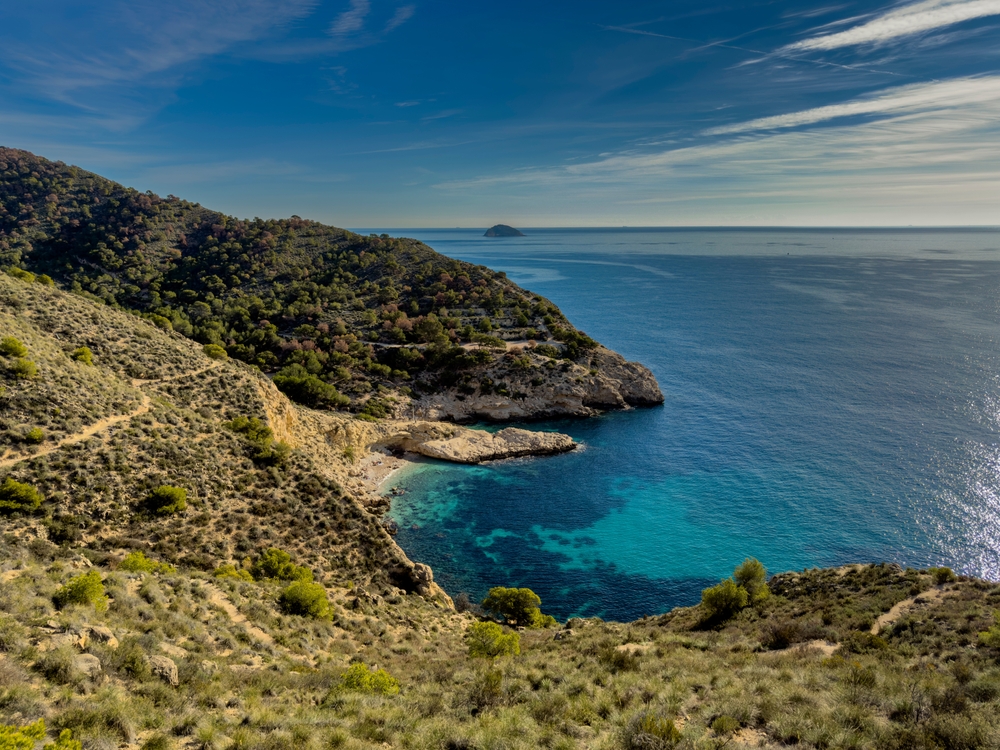
The Costa Blanca enjoys a privileged position along the Mediterranean Sea. Its coastline, which stretches from Denia in the north to Pilar de la Horadada in the south, is backed by dramatic mountain ranges such as the Sierra de Bernia, Sierra Helada, and Sierra Aitana. These natural barriers shield the coast from colder inland winds and retain warmth, resulting in consistently mild temperatures.
Maritime Influence
Proximity to the Mediterranean Sea exerts a stabilizing effect on the region’s temperatures. Water warms and cools more slowly than land, thereby tempering temperature extremes and guaranteeing gentle seasonal transitions. This is especially evident during the winter months, when the sea helps prevent harsh chills, and in summer, when coastal breezes offer respite from higher inland temperatures.
Topography and Orientation
Topographical nuances play an integral role. South-facing slopes maximize sunlight exposure, while valleys and plateaus can retain humidity and warmth, contributing to local variations within the broader Costa Blanca zone. This ensures that microclimatic pockets can exist even between neighboring towns or urbanizations.
Vegetation and Urbanization
Flora typical to the Mediterranean—olive groves, almond trees, and pine forests—further mitigate temperature extremes, while urban landscaping, parks, and gardens add an additional layer of climatic mediation. Urban areas equipped with green infrastructure tend to remain cooler during peak summer periods, resulting in more comfortable living environments.
In summary, the complex interplay of sea, mountain, land, and vegetation defines the Costa Blanca’s microclimate, making it not only unique within Spain but globally recognized among those seeking optimal climatic conditions.
Historical Context: How the Costa Blanca’s Climate Shaped Its Heritage
The microclimatic charms of the Costa Blanca are not just a modern discovery; they have influenced human habitation, agricultural practices, and urban development for millennia. From the ancient Phoenicians and Romans to medieval Moorish settlements, successive civilizations recognized and leveraged the area's benign weather.
Agricultural Development
Mild winters and long growing seasons made the Costa Blanca fertile ground for olive, vine, and citrus cultivation. The heritage of terraced farming and ingenious irrigation systems—like acequias—is testimony to the centuries-old recognition of the area’s unique weather patterns and their agricultural value.
Architectural Heritage
Traditional architecture evolved in response to the microclimate. Whitewashed facades reflect sunlight, thick stone walls offer thermal mass, and shaded internal courtyards provide cool retreats during the warmer months. Urban layouts were designed to capture sea breezes while shielding inhabitants from infrequent but occasionally intense inland winds.
Cultural and Social Traditions
The rhythm of life on the Costa Blanca, from daily siestas to vibrant festivals, is intrinsically tied to its climate. Outdoor living is the norm for much of the year, and local cuisine incorporates fresh, sun-ripened produce grown under optimal conditions afforded by the microclimate.
Defining Features: What Makes the Costa Blanca Microclimate Unequalled
The Costa Blanca’s microclimate is recognized by leading international bodies, including the World Health Organization, as one of the world’s healthiest. Several specific features set it apart from other Mediterranean locales:
- Abundant Sunshine: The region receives more than 300 days of sunshine annually, providing a steady influx of vitamin D and uplifting spirits year-round.
- Stable Temperatures: Average monthly temperatures hover between 12°C (53°F) in January and 28°C (82°F) in August, with infrequent coastal frosts or heatwaves.
- Low Rainfall: The area enjoys dry summers and mild, predictable rainfall primarily concentrated in spring and autumn. This clarity benefits both agriculture and tourism.
- Minimal Humidity Extremes: The combination of sea breezes and mountain shelter prevents oppressive humidity, creating an ideal balance between comfort and respiratory health.
- Air Quality and Purity: Fresh sea air enriched with negative ions, together with the region’s abundant greenery, leads to invigorating and clean atmospheric conditions.
These features contribute to a palpable sense of well-being among locals and visitors alike, supporting an active, outdoor-oriented lifestyle that maximizes personal health and leisure.
The Health Benefits of the Costa Blanca Microclimate
A cornerstone of the Costa Blanca’s international appeal is its contribution to human health and wellness. From retirees and young families to those seeking therapeutic retreats, the region’s microclimate offers medically recognized benefits that enhance physical and mental well-being.
Respiratory Health
Fresh, saline air enriched by Mediterranean breezes aids respiratory function. Those with asthma, chronic bronchitis, or allergies frequently report symptomatic improvement upon relocating to the Costa Blanca, partly due to reduced pollution and stable humidity levels.
Joint and Muscle Comfort
Mild temperatures and high atmospheric pressure bring relief to those coping with arthritis, rheumatism, and musculoskeletal ailments. Consistently warm days foster joint flexibility and decrease occurrences of weather-related stiffness or pain.
Cardiovascular and Immune Support
Regular exposure to sunlight ensures optimal vitamin D synthesis, supporting bone health, cardiovascular function, and immune resilience. Furthermore, a low pollution index and accessible green spaces encourage outdoor exercise, boosting overall cardiovascular health.
Positive Psychological Effects
The abundance of light not only elevates mood but also helps regulate circadian rhythms, combatting depression and seasonal affective disorder. Residents often exhibit improved sleep quality, heightened vitality, and reduced stress levels.
Health professionals frequently recommend extended stays on the Costa Blanca for convalescence, making it a prime destination for medical tourism and long-term wellness retreats.
Microclimate Diversity within the Costa Blanca: North versus South
While the entire Costa Blanca benefits from overarching climatic advantages, subtle but important differences can be detected between its northern and southern stretches. These microclimatic nuances are essential for prospective residents or investors making location-specific decisions.
Northern Costa Blanca: Lushness and Altitude
The area north of Alicante—including Denia, Jávea, Moraira, and Altea—is defined by proximity to mountain ranges and a slightly higher rainfall. This results in greater ecological diversity, verdant landscapes, and occasional mists in autumn and spring. The added altitude can produce marginally cooler evenings, particularly in inland valleys.
Southern Costa Blanca: Dryness and Expansiveness
From Alicante to the southern boundary near Pilar de la Horadada, the landscape becomes flatter, producing more arid zones interspersed with salt flats and agricultural plains. Rainfall diminishes, and the region enjoys some of the sunniest, driest days in all of Europe.
Unique Town-by-Town Variations
Within both north and south, microclimatic pockets can exist due to localized factors such as coastal orientation, proximity to riverbeds, or surrounding vegetation. For example, the sheltered bays of Benidorm experience milder winters, while inland villages near the Sierra de Callosa enjoy breezy upland air.
Awareness of these variations allows residents to select a locale that best aligns with their climatic preferences, from the lush green hills of the north to the palm-fringed plains of the south.
Real Estate and the Microclimate Advantage
One of the most significant impacts of the Costa Blanca’s unique microclimate is its effect on the region’s real estate market. Properties here are highly sought after, not just for their Mediterranean charm or scenic vistas, but for the tangible lifestyle benefits that this climate affords.
Desirability and Value Retention
Year-round mild conditions extend the traditional holiday season and make permanent residency increasingly attractive. This demand bolsters property values, even during economic fluctuations that may affect less climatically advantaged areas.
Architectural Integration
Builders and architects design homes that capitalize on the microclimate. Large south-facing terraces, shaded pergolas, and open-plan living spaces harmonize indoor and outdoor living. Many properties incorporate natural ventilation strategies that utilize sea breezes for cooling, reducing reliance on mechanical air conditioning and thus lowering energy costs.
Gardening and Landscaping Opportunities
The climate permits the cultivation of lush Mediterranean gardens with minimal intervention. Residents enjoy thriving citrus groves, colorful bougainvillea, olive and fig trees, and vibrant lawns—amenities that enhance curb appeal and personal enjoyment.
Rental and Investment Potential
Given the region’s health credentials and extended period of balmy weather, rental properties experience high occupancy rates. Investors benefit from multi-season rental opportunities, reliable yields, and long-term capital appreciation, all underpinned by the security of the area’s enduring climatic appeal.
Agriculture, Viticulture, and Culinary Excellence
The Costa Blanca’s favorable microclimate has had a profound and enduring influence on its agricultural output, local cuisine, and celebrated wines.
Fruits and Vegetables
Extended growing seasons, mild winters, and minimal frost allow for year-round cultivation of oranges, lemons, pomegranates, almonds, and artichokes. Traditional crops such as rice and saffron thrive in valley microclimates, and centuries-old agricultural traditions are maintained alongside modern organic farms.
Viticulture
The hills and plateaus of the region produce wines of international renown, with indigenous grape varieties like Moscatel and Monastrell enjoying protected status. The consistency and reliability of the microclimate yield regular harvests, making the Costa Blanca a hub for wine tourism and tasting trails.
Local Gastronomy
Culinary traditions, from seafood paellas to salt-baked bream, derive their excellence from fresh, locally sourced ingredients matured under the region’s benign climate. Weekly markets overflow with sun-kissed produce that forms the backbone of the Mediterranean diet, celebrated globally for its health-giving properties.
Flora and Fauna: Nature’s Response to the Microclimate
The ecological diversity of the Costa Blanca is a direct consequence of its unique climate profile. From coastal wetlands to upland forests, microclimatic variation creates habitats for a wide spectrum of plant and animal species.
Mediterranean Vegetation
Olive, carob, almond, and citrus trees define the landscape, accompanied by aromatic shrubs such as rosemary, lavender, and thyme. The seasonally green pine forests and wildflower meadows, particularly in spring, provide vital resources for pollinators and nesting birds.
Wildlife Diversity
The region hosts more than 300 bird species, both migratory and resident. Wetlands like the El Hondo Natural Park are critical stopovers for flamingos, herons, and storks. Mediterranean turtles, foxes, and small mammals populate coastal dunes and inland mountains, flourishing thanks to the stable climate.
Conservation and Protected Areas
Microclimatic stability is central to the stewardship of sensitive natural areas. Protected parks and reserves anchor efforts to preserve endemic species, sustain ecological tourism, and foster community engagement in biodiversity initiatives.
Outdoor Lifestyle: Recreation and Wellness Enhanced by Climate
The Costa Blanca microclimate is a powerful enabler of outdoor recreation, active lifestyles, and year-round wellness.
Beach and Water Activities
Pristine beaches, crystal-clear waters, and favorable sea conditions encourage swimming, sailing, scuba diving, and surfing well beyond the traditional summer season. Yacht clubs and marinas, bustling with life, reflect the coastline’s enduring attraction as a nautical playground.
Walking, Hiking, and Cycling
Extensive networks of coastal promenades, mountain trails, and cycling routes are accessible throughout the year. Gentle temperatures and predictable weather provide safe, enjoyable conditions for both leisure walkers and endurance athletes.
Golf and Tennis
With more than 20 championship golf courses and a host of tennis academies, the region enjoys a reputation as a premier sporting destination. The climate ensures excellent playing conditions and lush courses even during winter months when northern European facilities might be inaccessible.
Active Aging and Social Life
The balmy temperatures foster vibrant community life, from outdoor cafés to social dance evenings, open-air cinemas, and artisan fairs. The Costa Blanca is especially conducive to active aging, with an extensive support infrastructure for wellness, hobbies, and lifelong learning.
Sustainable Living: Microclimate and Eco-friendly Development
As focus sharpens globally on sustainability and environmental responsibility, the Costa Blanca’s microclimate offers significant advantages for eco-conscious living and building.
Bioclimatic Architecture
Modern development increasingly incorporates passive design strategies to maximize the benefits of natural ventilation, solar gain, and shading. Terraced construction, green roofs, and water recycling systems are now central to new planning guidelines, ensuring minimal environmental impact.
Renewable Energy Integration
Abundant sunshine supports widespread adoption of photovoltaic solar panels, while stable winds offer potential for small-scale wind energy projects. Many homes are fitted with solar water heaters, and new communities explore district-wide energy-sharing systems.
Water Conservation
Low rainfall has driven traditional and innovative approaches to water conservation. Drip irrigation, native xeriscaping, and rainwater harvesting schemes ensure that gardens remain lush without straining vital resources.
Protected Natural Assets
Municipal planning prioritizes the preservation of natural parks and buffer zones, enhancing biodiversity, reducing heat-island effects, and supporting eco-tourism growth. Community-led green initiatives, such as tree planting and coastal cleanups, foster a culture of stewardship.
Challenges and the Future: Safeguarding the Microclimate Benefit
Despite its many advantages, the Costa Blanca microclimate is not without challenges. Sustainable preservation of this invaluable asset requires careful planning and coordinated action.
Urban Growth and Land Use
Population increases and expanding tourism drive demand for development. Responsible land use planning, green space incorporation, and architectural regulation are imperative to prevent overbuilding, congestion, and loss of microclimatic buffering.
Water Scarcity and Management
Long-term water availability remains a priority. Continued investment in irrigation efficiency, desalination, and public awareness programs will be vital to safeguarding community and agricultural needs.
Climate Change Impacts
While the microclimate currently provides resilience against broader climate instability, global trends in temperature rise, sea-level increase, and weather pattern shifts warrant ongoing monitoring and adaptive strategies.
Conservation Education
Sustained educational outreach—from schools to local organizations—is essential to promote ecological literacy, responsible resource use, and a deep appreciation of the region’s unique natural advantages.
Living on the Costa Blanca: Day-to-Day Life in an Ideal Climate
The microclimate of the Costa Blanca impacts everyday living in profound ways, enabling activities, comforts, and routines that are the envy of less temperate regions.
Comfortable Homes Year-Round
Homes are typically built to take full advantage of sunlight during the winter and benefit from shade and cross-ventilation in summer. Al fresco dining, rooftop terraces, and private pools can be enjoyed throughout most of the year.
Active, Outdoor-oriented Lifestyle
Routine daily activities—from morning walks to outdoor fitness classes, sunset yoga, and family picnics—are enhanced by predictably pleasant weather. The community calendar overflows with festivals, markets, and cultural events operating in open-air plazas and parks.
Social Connectivity and Community
Residents report higher levels of social engagement, partly due to the abundance of opportunities for gathering outdoors. International communities, retirees, and Spanish locals alike enjoy easy integration and a sense of belonging.
Health and Wellbeing
Daily exposure to sunlight, clean air, and opportunities for active recreation enhance both mental and physical health. This is one of the region’s strongest draws for those seeking restorative change or a higher quality of life.
The Costa Blanca Microclimate and International Recognition
The microclimate of the Costa Blanca has achieved visibility on the international stage. Medical professionals, wellness experts, and travel authorities often cite the region as among the best places to retire, recuperate, or enjoy optimal conditions for longevity.
Prominence in Global Rankings
From health publications to lifestyle magazines, the Costa Blanca is frequently included in lists of desirable places to live, retire, or invest in Europe. This recognition is underpinned by objective data—such as annual sunshine hours, clean air indices, and healthcare outcomes—that validate popular accounts.
Destination for Health Tourism
Specialist clinics, rehabilitation centers, and holistic retreats choose the Costa Blanca as a base for good reason: the climate significantly enhances recovery rates, patient satisfaction, and general wellbeing, while supporting an environment of relaxation and tranquility.
Testimonials from Residents and Visitors
Those who have made the Costa Blanca their primary residence consistently cite the microclimate as a key factor in decision-making. Visitors, too, report feelings of revitalization, improved mood, and a desire to return for longer stays or permanent relocation.
Choosing the Perfect Location: Microclimate and Lifestyle Preferences
Because the Costa Blanca encompasses diverse microclimatic pockets, prospective residents, and investors can match their specific needs with precise locations.
Coastal Versus Inland Microclimates
Coastal towns benefit from direct maritime influence, with salt-laden breezes, milder winters, and slightly cooler summers. Inland areas, including the valleys and plateaus behind the mountains, may experience greater temperature swings but also offer lush rural settings and quietude.
Accessibility and Amenities
Consideration of transport links, facilities, and infrastructure is facilitated by the fact that microclimatic benefits are well-distributed across the region. From small fishing villages to vibrant cultural centers, lifestyle choices are abundant and enhanced by the climate.
Personal Wellness Goals
Individuals with respiratory or rheumatic conditions may prioritize towns recognized for their saline air or thermal baths, while those seeking active sporting lifestyles might favor areas with easy access to golf courses, marinas, or hiking trails.
Conclusion: The Enduring Value of the Costa Blanca Microclimate
The microclimate of the Costa Blanca is more than a meteorological curiosity; it is an enduring asset with wide-ranging impacts on health, lifestyle, investment, and ecology. Its unique synthesis of abundant sunshine, moderated temperatures, and clean air creates a living environment that is both restorative and invigorating—qualities that have attracted generations of settlers, investors, and holidaymakers.
Understanding the scientific, historical, and practical implications of the Costa Blanca microclimate empowers residents and prospective newcomers alike. By leveraging these optimal conditions, adopting sustainable initiatives, and cherishing the natural bounty of the region, the Costa Blanca stands poised as a global template for harmonious living within a world-class climate zone.
Choosing the Costa Blanca means embracing a lifestyle shaped by nature’s most generous elements—an invitation extended to all who seek health, happiness, and prosperity under the Mediterranean sun.