





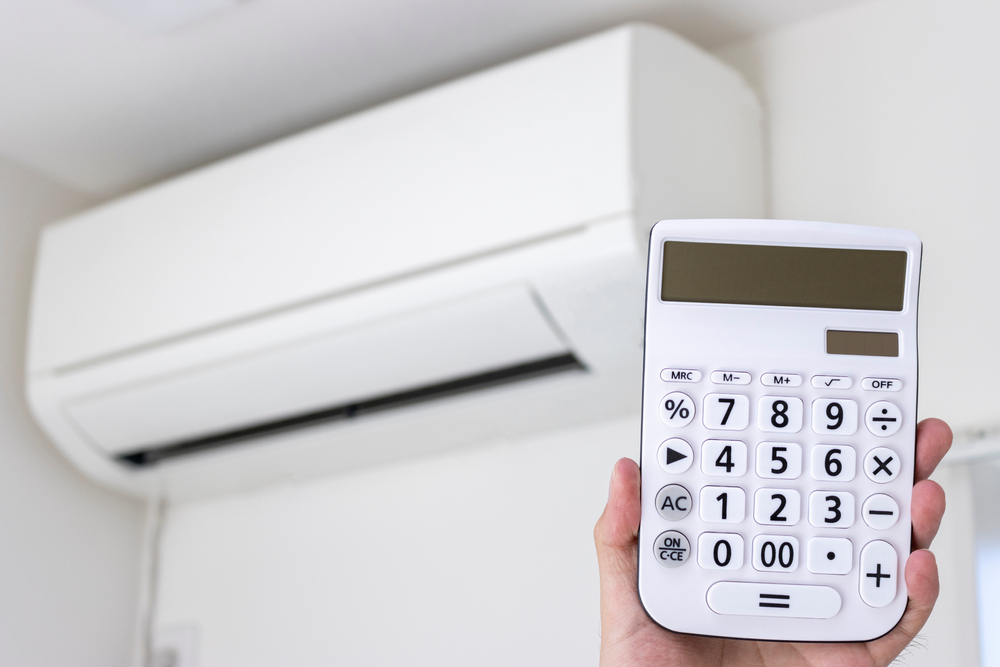
Understanding Air Conditioning Costs in Spain: An In-Depth Guide
Air conditioning (airco) has become an essential feature in many Spanish homes and businesses, especially given the country’s long, hot summers and the growing demand for year-round indoor comfort. Whether you’re a resident, property owner, or someone planning to relocate, understanding the detailed costs associated with air conditioning in Spain is crucial. In this comprehensive article, we meticulously examine the numerous factors that influence monthly expenses, providing high-end insight tailored for discriminating homeowners and potential buyers.
Climate in Spain: Why Air Conditioning Is Often Essential
Spain is famous for its Mediterranean climate, characterized by scorching summers, mild winters, and distinct regional variations. In the southern regions, such as Andalusia and Murcia, summer temperatures frequently climb above 35°C (95°F), while coastal areas like Barcelona and Valencia experience high humidity compounded by urban heat. Even in the inland cities—Madrid, Seville, Zaragoza—prolonged heatwaves are commonplace. Consequently, many residents find air conditioning not just a luxury, but a necessity for comfort, productivity, and well-being.
Understanding the local climate is the first step in estimating your potential air conditioning usage, and thus your anticipated costs. While winter usage is lower, many modern air conditioning units now offer heating functions (“bomba de calor”), leading to some year-round operation.
Types of Air Conditioning Systems and Their Cost Implications
Air conditioning systems are not one-size-fits-all. The type of installation has a direct impact on both upfront and ongoing usage costs. The most common systems in Spain include:
- Split Units (Single Room): Simple, wall-mounted devices ideal for individual rooms. Affordable to buy and run, but multiple units may be necessary for whole-house coverage.
- Multi-Split Systems: Connect several indoor units to a single compressor. Increases efficiency but also initial investment and potential energy usage if used throughout the house.
- Central Air Conditioning (Ducted): Excellent for larger houses and high-end properties. Provides seamless climate control throughout, but with higher setup and operational costs.
- Portable Units: Flexible and affordable, but typically less efficient and often noisier and more expensive to run compared to fixed systems.
- Evaporative Coolers: More common in dry inland regions. Lower running costs but reduced effectiveness in humid areas.
The system you choose, combined with your property’s characteristics, directly informs your monthly costs. Next, we’ll delve into the specifics that impact efficiency and overall expenditure.
Key Factors Influencing Monthly Airco Costs in Spain
Several critical variables determine how much you’ll pay each month to keep your Spanish property cool and comfortable. These include:
- Energy Efficiency of the Unit: Modern, energy-rated appliances (A+++) consume significantly less power than older models. Inverter technology, which modulates power according to demand, can offer marked savings.
- Size and Layout of the Property: Larger homes require more cooling power, which translates into higher energy consumption. Open-plan layouts or properties with poor insulation will also demand more from your airco system.
- Usage Habits: Running the airco continuously, setting very low temperatures, and neglecting routine maintenance can all inflate your monthly bill.
- Regional Climate: Coastal zones with higher humidity mean units work harder. In contrast, higher elevations or northern provinces may see moderate airco use.
- Electricity Tariffs: Spain’s electricity market operates on both fixed and variable tariffs, including peak and off-peak rates, directly impacting costs.
Let’s explore each of these in greater depth to provide an accurate estimate of what you might pay monthly.
Energy Consumption: How Much Electricity Does an Air Conditioner Use?
To estimate what you might pay for running an airco system, you first need to understand its energy consumption, typically measured in kilowatt-hours (kWh) per hour. The basic calculation requires these variables:
- Cooling Capacity of Airco: Expressed in kilowatts (kW) or British thermal units (BTU). For a typical living room, you might find units between 2.5 kW and 3.5 kW.
- Power Consumption per Hour: Modern A+++ inverter units of 3.5 kW typically consume around 0.9 kWh per hour in cooling mode. Less efficient, older units may use 1.5 kWh or more.
- Average Daily Use: Let’s assume a moderate usage scenario: 6 hours per day during the hottest 3 months (June through August), with less use in shoulder seasons.
Let’s run the numbers for an average scenario:
- Daily Consumption: 0.9 kWh x 6 hours = 5.4 kWh/day
- Monthly Consumption (30 days): 5.4 kWh x 30 = 162 kWh/month (for one unit)
For a family home with two or three units, or central air, multiply accordingly. As you can see, usage habits and equipment efficiency are pivotal.
Electricity Prices in Spain: How Much Does Power Cost?
Spain’s electricity market is among the more expensive in the European Union, with rates typically ranging from €0.20 to €0.30 per kWh as of 2024. Prices vary based on your selected tariff and, since recent reforms, the time of day you use electricity. Let’s consider the average at €0.25 per kWh.
- Single Split Unit (Example): 162 kWh/month x €0.25 = €40.50/month
- Three Units or Central Air: 486 kWh/month x €0.25 = €121.50/month
Actual costs will fluctuate based on unit efficiency, climate, and usage. In areas with heavy summer use (Andalusia, Murcia), expect monthly airco costs for a typical 2-3 bedroom villa to range from €80 to €150 in the hottest months, decreasing outside peak summer.
Electricity Tariffs and How to Optimize Your Bill
Spain’s electricity market is liberalized, and consumers can select among different providers and several tariff structures:
- Regulated (PVPC) Tariff: Prices vary hourly, with the “Precio Voluntario para el Pequeño Consumidor” reflecting spot market rates. Running your airco during off-peak hours (night, early morning) saves money.
- Fixed Price Tariff: A single rate per kWh, usually a bit higher on average, but with price certainty and no hourly fluctuation.
- Time-of-Use Tariff (“Tarifa de Discriminación Horaria”): Significantly lower rates at night and early morning. If you can shift your airco use (or use the heating function), savings of 15%-30% are possible.
It’s advised to review your contract and possibly consult a professional for tariff optimization, particularly for high-consumption homes or rental properties experiencing sustained demand throughout the year.
How to Improve Energy Efficiency and Reduce Monthly Airco Costs
Luxury and efficiency are not mutually exclusive. There are numerous strategies—both technical and behavioral—that will lower your running costs without compromising comfort:
- Invest in Modern, High-Efficiency Inverter Units: They may cost more upfront but deliver significant monthly savings versus older, fixed-speed models.
- Upgrade Home Insulation: Well-insulated walls and roofs, energy-efficient windows (double glazing), and properly sealed doors can cut cooling needs dramatically.
- Install Blinds, Shutters, or Tinted Windows: Reduces solar heat gain and eases the load on your airco system.
- Regular Maintenance: Clean filters monthly and service the unit annually to prevent efficiency loss and costly repairs.
- Smart Thermostat Use: Set your airco to 24–26°C (75–78°F); every degree lower increases usage by 6%-8%.
- Ceiling Fans: Use with air conditioning to improve perceived cooling and reduce overall reliance on the compressor.
- Zonal Cooling: Only cool the areas in active use, not the entire house.
- Night Cooling and Ventilation: Use natural ventilation during cooler night hours to reduce the need for artificial cooling.
All of these modifications, especially when applied collectively, will not only reduce your electricity bill but also prolong the lifespan of your equipment—key considerations for discerning homeowners.
Hidden and Ancillary Costs Beyond Electricity Usage
While electricity is the primary cost, high-end air conditioning brings additional, sometimes overlooked, expenditures:
- Installation Fees: Professional installation is essential for optimal efficiency and warranty compliance. Fees vary; for a split system, expect €350–€600 per unit installed, while ducted systems or major retrofits can cost €3,000–€8,000 or more, especially in historic or large properties.
- Annual Servicing: Manufacturer warranties and peak performance require professional maintenance. Budget €80–€150 per unit, per year.
- Repairs & Replacement Parts: Compressors, circuit boards, and gas refills are infrequent but can be costly when they arise.
- Consumables: Replacement filters and programmable thermostats add to the annual total.
Especially in luxury properties, integrating air conditioning aesthetically and technically into period homes or architect-designed villas may involve additional design and construction consulting fees.
Air Conditioning and Smart Home Integration
The latest generation of high-end aircos in Spain can be integrated into smart home (domótica) systems, providing:
- Remote Control & Scheduling: Control units from your smartphone, even when away, optimizing usage only when needed.
- Automated Zoning: Automatically cool only occupied rooms for maximal efficiency.
- Performance Analytics: Track usage patterns and receive maintenance alerts, further enhancing longevity and cost control.
- Interconnected Systems: Linking airco operation to external sensors (light, temperature, occupancy) for seamless automation.
While an initial investment is required for this technology, the monthly and yearly savings, convenience, and property value enhancement often justify the cost in mid- to high-end real estate sectors.
Case Study: Calculating Monthly Airco Costs for Different Spanish Properties
Luxury Coastal Apartment, Marbella
- Property: 120m2 open-plan, south-facing
- System: Multi-split inverter (3 indoor units)
- Usage: 8 hours/day, June – September; 4 hours/day rest of year
Estimated summer monthly cost:
- Each unit uses 0.8 kWh/hour → total = 0.8 x 3 x 8 = 19.2 kWh/day
- Summer month (30 days): 19.2 x 30 = 576 kWh
- Monthly bill: 576 x €0.25 = €144
Winter/spring/fall usage drops by ~50%, so expect considerable monthly savings outside peak season.
Traditional Country Villa, Valencia Province
- Property: 200m2, stone walls, older windows
- System: Central ducted
- Usage: 7 hours/day, July – August (mid-summer only)
- Central system uses ~3.5 kWh/hour → 3.5 x 7 = 24.5 kWh/day
- Summer month: 24.5 x 30 = 735 kWh
- Monthly bill: 735 x €0.25 = €183.75
In the off-season, the system is rarely needed, reducing costs significantly except for potential heating use.
Urban Apartment, Madrid
- Property: 80m2, good insulation
- System: One split unit
- Usage: 5 hours/day, June–September (most of summer only)
- 0.7 kWh/hour x 5 x 30 days = 105 kWh/month
- Monthly bill: 105 x €0.25 = €26.25
Air Conditioning and Property Value in Spain: The Strategic Perspective
Spain’s real estate market has evolved, with air conditioning now considered a minimum requirement rather than a premium feature in many coastal, southern, and city properties. For property owners and investors, this has several implications:
- Rental Market: Properties with efficient, modern airco command higher rents and attract quality tenants, particularly in high-demand, international markets (Costa del Sol, Costa Blanca, Balearics).
- Resale Value: Premium buyers increasingly expect quiet, powerful, and energy-efficient air conditioning systems. Lack of airco may substantially reduce resale appeal.
- Sustainability: Efficient climate control reduces the property’s carbon footprint, aligning with evolving EU regulations and buyer preferences for “green” homes.
Investing in a quality airco system is not just about comfort but also about protecting and maximizing the value of your Spanish property portfolio.
Comparing Regional Differences: Costs Across Spanish Cities and Provinces
Air conditioning expense is not uniform across Spain. Let’s examine how local climate, tariffs, and usage shape costs:
- Andalusia (Seville, Málaga): Extreme summer heat means heavy airco use; expect the highest relative monthly bills—up to €200/month for large homes in July/August.
- Valencia & Alicante: High temperatures but coastal breezes may moderate usage slightly, bring typical monthly airco costs into the €80–€150 range in summer.
- Madrid: Very hot summers, cold winters; peak cooling costs similar to Valencia but offset by seasonal variation.
- Barcelona, Tarragona: Humidity is a key factor; inverter units may cycle more frequently. Average monthly bill: €60–€100 for a modern apartment in midsummer.
- Baleares & Canarias: Milder, maritime climates reduce cooling load except during rare heatwaves.
- Northern Spain (Galicia, Asturias, Basque Country): Many properties do not need regular cooling; airco costs are minimal, more relevant for dehumidification than cooling.
Always consider local climate before budgeting for airco; urban apartments frequently run higher bills than rural homes with natural shade and cross-ventilation.
Legal Considerations and Community Rules on Airco Installation
Regulations can impact airco choices and their resulting costs:
- Apartment Communities: Many urban buildings have bylaws (“estatutos de comunidad”) restricting the siting of exterior units to preserve façades. Always obtain community approval before installation.
- Historic Districts: Installation may require further permits to avoid altering protected architecture.
- Noise Ordinances: Units must meet strict dB(A) levels to avoid disturbing neighbors, especially in luxury or dense communities.
- Energy Efficiency Regulations: Some regions now require minimum efficiency ratings for replacement air conditioners.
Compliance avoids potential fines, costly retrofits, or legal disputes and ensures your investment adds real value to your home.
Air Conditioning and the Spanish Solar Energy Revolution
Spain is experiencing a boom in residential solar installation (“autoconsumo”), fundamentally shifting the economics of air conditioning for forward-thinking homeowners. By pairing solar PV panels with your airco, significant cost reduction is possible:
- Daytime Airco Runs “On the Sun”: Most cooling requirements coincide with peak solar generation, reducing grid dependency for solar-equipped homes.
- Battery Storage: With batteries, you can store excess daytime production and use it for night-time cooling.
- Return on Investment: Savings from self-produced electricity can accelerate payback times for both solar and airco investment, especially in high-sun regions.
- Grid Feed-In: Excess power can often be sold back to the grid, yielding further financial benefit.
Photovoltaic technology is now a viable addition to luxury and high-use properties, providing not just peace-of-mind against rising electricity rates, but also a strong sustainability credential for future buyers.
The Seasonal Nature of Airco Costs: Planning for Year-Round Budgeting
Air conditioning costs are highly seasonal in Spain—concentrated over the warmer months, then dropping away in autumn/winter. Strategic planning is advised:
- Monitoring Usage: Smart meters and online apps allow monitoring your consumption and catching excessive use or technical problems early.
- Monthly Averaging: Some providers offer “factura plana” (flat bill) options, averaging annual costs to provide predictable budgeting—an attractive feature for fixed-income households or landlords.
- Preparing for Heatwaves: During heat alerts, demand on the grid can spike, and some providers apply premium rates.
Being aware of these seasonal patterns helps in controlling expenses and ensuring you’re never caught off-guard by an unexpectedly high bill.
Frequently Asked Questions About Airco Use and Costs in Spain
Is it cheaper to leave air conditioning running all day or only turn it on when needed?
Turning the system on only when spaces are occupied is always more efficient. Use programmable or “smart” thermostats to pre-cool (or heat) rooms shortly before use, avoiding continuous operation which substantially increases costs.
How much does it cost to run airco all night in Spain?
One modern split unit running 8 hours nightly at 0.9 kWh/hour: 8 x 0.9 = 7.2 kWh/night x 30 days = 216 kWh/month. At €0.25/kWh = €54/month per unit for nocturnal use only, before adding daily consumption.
Will a heat pump (bomba de calor) cost more to run than cooling?
Most modern aircos are efficient both for cooling and heating. In mild Spanish winters, using the heat function can be cheaper than gas or radiators. Efficiency drops in very cold conditions; in central/northern Spain, supplemental heating may be necessary.
Can I use airco with solar panels to cool my Spanish home for free?
With proper system sizing, you can offset much of your air conditioning use with solar PV production, especially in summer. Complete “free” cooling is possible if solar output matches or exceeds usage, particularly when combined with batteries.
What are the risks of oversizing or undersizing an airco system?
Oversized units “short cycle,” wasting energy and offering poor humidity control. Undersized systems will run constantly but still fail to reach target temperatures, resulting in high costs and disappointing comfort. A professional assessment is vital.
Are portable air conditioners a good alternative in Spain?
Portable units are cost-effective for occasional use or renters, but they are typically less efficient (higher kWh/hour), noisier, and can sometimes violate building rules due to the need to vent out a window.
Tips for Choosing an Airco System for Your Spanish Property
- Assess the Total Cooling Load: Take into account room size, insulation, window orientation, and occupancy patterns—often with professional help.
- Prioritize Energy Efficiency: Look for A++ or A+++ EU energy labels and inverter compressors.
- Plan for Zonal Flexibility: The ability to cool only occupied rooms delivers continual savings over one-size-fits-all central systems.
- Verify Local Regulations and Community Rules: Prevent future legal complications or unexpected modifications.
- Choose Low-Noise Models: Especially crucial for bedrooms and high-end urban apartments.
- Integrate With Smart Controls: For remote access, schedules matching lifestyle, and usage monitoring.
- Consult a Reputable Installer: Proper installation is key to efficiency and warranty compliance.
Air Conditioning for Rentals and Holiday Lets: Special Considerations
Properties marketed for short-term or long-term rental require robust, user-friendly, and tamper-proof climate control:
- Limit Access to Thermostat Settings: Prevent excessive cooling or heating while ensuring guest comfort.
- Include Airco Costs in Rental Price: Flat-rate or “fair use” policies avoid end-of-stay disputes and unpredictable bills.
- Fast, Easy Maintenance: Regular servicing prevents unexpected breakdowns in high season.
- Clear Guest Instructions: Well-translated guides on optimal airco use (and windows/shutters) maximize comfort and minimize expense.
For premium, high-occupancy rentals, consider systems with remote diagnostics so you or your property manager can monitor and address issues immediately, even when abroad.
The Future of Air Conditioning in Spain: Trends and Technological Innovations
Spain’s air conditioning market is rapidly advancing. Owners and buyers should be aware of new developments that will enhance comfort and reduce monthly costs in coming years:
- Ultra-High-Efficiency Inverter Compressors: Miniaturized, whisper-quiet with adaptive learning algorithms for reduced consumption.
- Integration with Solar PV and Smart Grids: Peer-to-peer energy trading and automated consumption based on renewable output.
- Advanced Air Filtration: HEPA and active carbon filters for better indoor air quality, particularly relevant as Saharan dust events in southern Spain rise.
- Smart Predictive Cooling: Geo-fencing and AI to cool only when inhabitants are approaching home, tailored to lifestyle patterns.
- Low-Global Warming Refrigerants: New gases that reduce environmental impact, aligning with the EU’s “Green Deal.”
Not only do these innovations promise to drive down running costs, but they also mark a differentiator in Spain’s competitive property market.
Conclusion: What Can You Expect to Pay Monthly for Airco Use in Spain?
As evidenced throughout this extensive guide, monthly air conditioning expenses in Spain vary dramatically based on property characteristics, equipment choices, and user behaviour. However, for planning purposes, consider these general benchmarks:
- Small apartment, one efficient unit: €25–€50/month (summer)
- Average villa, two or three units: €80–€150/month (summer)
- Large luxury home, central or multiple units: €120–€200/month (summer peak)
- Monthly costs decrease outside June–September, with further savings for energy-conscious owners making strategic upgrades.
Savvy property owners can further reduce these figures by investing in high-efficiency systems, solar panels, improved insulation, and smart controls—turning airco from a mere utility into a strategic asset enhancing comfort, value, and sustainability.
For deeper insights and individualized planning, IMMO ABROAD remains at your service as your partner in the Spanish real estate market—delivering transparency, professionalism, and a superior standard of client care.