



Introduction: The Vibrant Legacy of Moros y Cristianos Festivals
The Moren en Christenen festivals, or Moros y Cristianos as known in Spanish, are among the most dazzling, emotional, and historically charged celebrations to be found on the Iberian Peninsula. Evolving from centuries-old traditions, these festivals transform towns and cities into vibrant open-air stages, where the echoes of medieval clashes come to life through elaborate costumes, stirring music, and spectacular parades. Marking a pivotal chapter in Spanish history, the festivals transcend mere pageantry, serving as vivid cultural markers that unite communities and commemorate the long, complex coexistence and conflict between Moors (Muslims) and Christians (Catholics) during centuries of reconquest. This article delves deeply into the roots, rituals, symbolism, and modern magnificence of the Moren en Christenen festivals, illuminating why they hold such a cherished place in Spain's cultural tapestry.
Historical Origins: From Medieval Strife to Modern Spectacle
To appreciate the grandeur of the Moren en Christenen festivals, one must first journey back to medieval Spain. The roots of these celebrations are entwined with the Reconquista, the centuries-long struggle (711–1492) where Christian kingdoms gradually reclaimed the Iberian Peninsula from Muslim (Moorish) rule.
This epic saga shaped not merely borders, but also religion, art, and cultural identity. Early versions of the festivals were likely born as symbolic reenactments and processions marking victorious Christian advances, culminating after the fall of Granada in 1492—a monumental event that ended Moorish control and reshaped Spain forever.
Over time, these commemorations evolved into communal festivals, incorporating drama, music, and pageantry. The earliest documented festivals date back to the 16th century, with elements borrowed from medieval tournaments, theatrical performances, and folk rituals. Today, the Feesten van Moren en Christenen not only recall historic conflict but also celebrate reconciliation, coexistence, and shared heritage.
Festival Structure: The Grand Design
A hallmark of Moren en Christenen festivities is their distinctive structure—an orchestrated pageant featuring opposing sides, dramatic confrontations, and triumphant victory. The main events typically unfold over several days, though preparations and celebrations may span weeks.
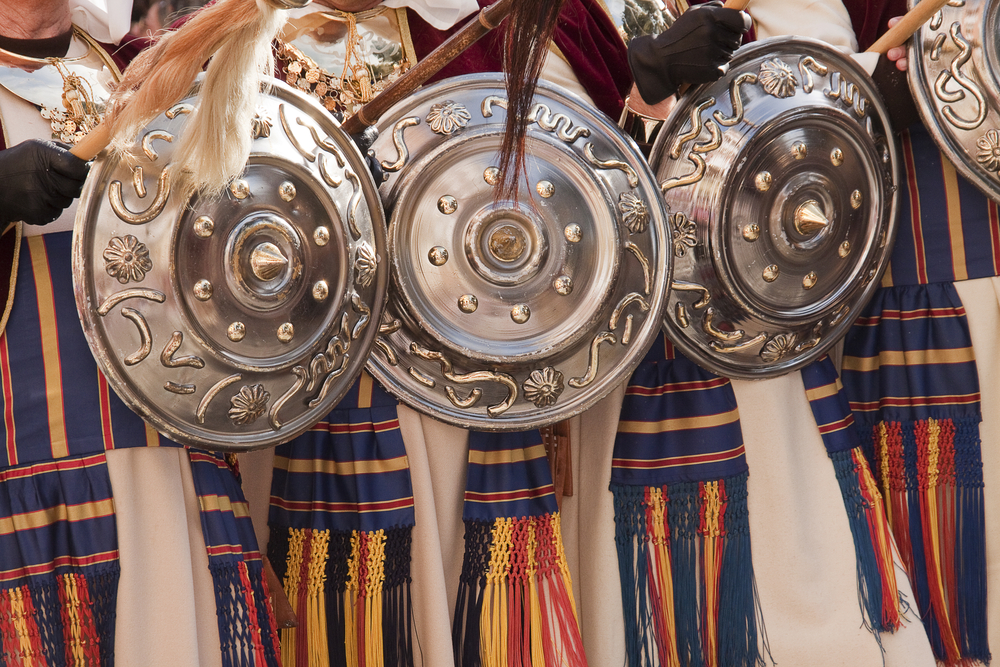
- The Entradas (Parades): The heart of the festival lies in the spectacular parades, where hundreds or even thousands of participants take to the streets, grouped into comparsas or filaes that represent the Christian and Moorish sides. Dressed in lavish costumes—gleaming armor and regal capes for Christians, dazzling silks and turbans for Moors—the participants march with precise choreography and grandeur.
- The Mock Battles: The reenactment of a key historic battle forms the climax, featuring theatrical sieges, cannon fire, and hand-to-hand "combat" between the rival armies. Elaborate scripts add high drama; after intense conflict, the Christian side ultimately retakes the castle or main square.
- The Embajadas (Emissaries' Dialogues): Theatrical presentations feature representatives from both sides engaging in poetic negotiations, defiant challenges, or surrender speeches, dramatically staged in the town square.
- Religious Ceremonies: Often intertwined with the secular spectacle are solemn masses, processions of patron saints, and tributes to historical figures or local heroes.
Each segment is meticulously orchestrated, blending artistry with authenticity, and ensures that Moren en Christenen phenomena remain both rooted in tradition and ever-evolving in expression.
The Costumes: Artistry in Fabric and Fantasy
One of the most arresting features of Moren en Christenen festivals is the extraordinary variety and quality of the costumes. Every detail is a tribute to the creative skills and historical imagination of local artisans and participants.
The Christian Sides
Christian participants typically don:
- Armored Suits: Gleaming steel or brilliant imitations, complete with shields, swords, helmets adorned with feathers or crests.
- Heraldic Capes: Richly decorated, often bearing the town’s coat of arms.
- Knights and Nobles: Some dress as medieval royalty or noble crusaders, adding fur-lined cloaks, gilded tunics, or lavish accessories.
The Moorish Sides
The Moors’ costumes are no less spectacular, characterized by:
- Vibrant Silks and Brocades: Robes in jewel tones, gold accents, and intricate embroidery.
- Headpieces and Turbans: Lavish headdresses, encrusted with jewels, feathers, or sequins.
- Exotic Weapons: Curved sabers, scimitars, and ceremonial daggers.
What distinguishes these costumes is not just historical accuracy, but the joyful exaggeration—each year sees new interpretations and innovations. Artisan ateliers spend months crafting outfits, often for entire families or generations, ensuring that each wearer's appearance is truly unforgettable.
Music and Dance: The Rhythm of History
Central to the immersive energy of Moren en Christenen is its music—bold, resonant, and emotionally charged. From the stirring martial "pasodobles" of the Christian side to the exotic, syncopated marches and melodies of the Moors, the entire festival pulses with sound.
- Bands and Ensembles: Brass and percussion bands accompany each parade, often numbering in the dozens. Their synchronized steps and powerful crescendos give life to the festivity.
- Traditional Dances: Couples, troupes, even entire communities practice for months to perfect folk dances, adding a layer of dynamic artistry and collective pride.
- Unique Instruments: Depending on the region, you may hear bagpipes, drums, flutes, or even ancient Moorish stringed instruments, each providing cultural flavor and authenticity.
Music is not simply an accompaniment but an essential language of the festival—conveying courage, sorrow, triumph, and unity, and helping to bridge the centuries between past and present.
Major Locations: Where the Magic Unfolds
While dozens of towns and villages across Spain—especially in the Valencia, Alicante, and Murcia regions—hold Moren en Christenen festivals, several stand out for their scale, intensity, and international recognition.
- Alcoy (Alicante): Widely considered the birthplace and spiritual epicenter of the Moren en Christenen tradition, Alcoy’s festival dates back to 1276 and features over 5,000 participants in dazzling parades and pyrotechnics.
- Villajoyosa: Known for its naval battle reenactment—in which Moorish “pirates” clash with defending Christians along the beach—the spectacle draws thousands of onlookers, making it uniquely dramatic.
- Ontinyent: Famous for its vibrant costumes and the “Entrada de Moros y Cristianos” parade, which floods the city’s streets with color, music, and theatricality each August.
- Altea, Elda, and Ibi: Each offers its own distinct twist on the classic format, with specialized groups, floats, and folkloric touches that reflect local history and creativity.
Each town lavishes its own flavor, customs, and nuances onto the festival, ensuring that no two celebrations are identical—yet all share the same spirit of remembrance, reconnection, and revelry.
Symbolism and Meaning: More Than Just a Reenactment
Beneath the theatrical surface, Moren en Christenen celebrations are rich with layered meaning. Far from being mere historical reenactments, they function as:
- A poignant reminder of the region’s multicultural heritage—honoring not just Christian victory, but also the cultural, scientific, and artistic legacies left by Moorish Spain.
- A celebration of communal identity and solidarity, binding generations through shared rituals and pride.
- A vehicle for intercultural dialogue and reconciliation—the modern festivals are conscious of not glorifying war but instead highlighting coexistence and mutual influence.
- An annual renewal of faith and tradition, linking secular spectacle with religious observance.
The Moren en Christenen festivals are, at their core, acts of collective memory—transforming historical events into living, breathing experiences that remain intensely relevant in an ever-changing world.
The Festival Calendar: When and How the Festivities Unfold
While some festivities can begin as early as January, the peak season for Moren en Christenen celebrations typically spans from spring through autumn. Each municipality schedules its dates to coincide with its patron saint’s feast day, harvesting of local crops, or municipal anniversaries.
- Alcoy: Usually held in late April, in honor of Saint George, blending religious processions with days of pageantry and street theater.
- Villajoyosa: Takes place at the end of July, highlighted by its beach battles, naval reenactments, and nighttime festivities.
- Other towns: Ontinyent (August), Elda (June), Crevillente (October), and many more, each with a thoughtfully curated program adapting the basic festival structure to local taste.
A full festival week typically unfolds as follows:
- Day 1: Opening ceremonies—public proclamations, flag raising, and the presentation of “captains” or symbolic leaders.
- Day 2: Entradas—the first major parades, where both sides display their full splendor.
- Day 3: Mock battles and the Embajada—conflict, negotiation, and the symbolic victory of the Christian side.
- Day 4: Religious ceremonies and closing events—processions, thanksgiving masses, and the return of peace.
Many communities expand beyond these core events, offering exhibitions, food markets, live music concerts, and educational workshops, ensuring both locals and visitors are fully immersed in the spirit of the occasion.
Behind the Scenes: Organization and Community Spirit
The seamless spectacle seen on the streets is the result of year-long dedication from individuals and comparsas (festive troupes), each working tirelessly to perfect every detail.
Volunteers and Committees
Community volunteers sit on organizing committees, coordinate logistics, design costumes, arrange music, and negotiate with town councils and sponsors. Certain roles, such as festival captain or standard-bearer, are considered major honors, often handed down across generations.
Comparsas and Filaes
Members of comparsas form close-knit groups, functioning almost like extended families. They meet throughout the year, organizing fundraisers, costume fittings, dance rehearsals, and social events—turning the festival into both a performance and a vital social glue.
Artisans and Suppliers
Local businesses and artisans play a significant role, supplying fabrics, crafting swords and banners, and constructing elaborate floats and stage sets. Their skills guarantee every festival remains visually and artistically unmatched.
Highlights and Unforgettable Moments
Each edition of the Moren en Christenen festival is brimming with unforgettable highlights—experiences that burn themselves into the memories of all who attend.
- The Grand Entrada: Perhaps the most anticipated event, where participants swirl in brilliant costumes, dance to rousing marches, and throw confetti into the air.
- The “Embajada”: The emotionally charged scripted dialogues between Moorish and Christian leaders—magnifying the tension, drama, and wit of the medieval encounter.
- The Battle Reenactment: Smoke from cannons, the crash of swords, spirited charges—all choreographed with near-cinematic precision.
- Nighttime Celebrations: Illuminated processions, spectacular fireworks, and open-air concerts transform towns into a spectacle of lights and sounds.
Writing, music, and movement converge to create moments of pure spectacle—transcending mere entertainment to become a powerful communal ritual.
Gastronomy: Savoring the Flavors of the Festival
No festival in Spain is complete without exceptional food—and Moren en Christenen is no exception. The culinary side-parades are sensory feasts that accompany the visual and auditory delights.
- Tapas Fairs: Pop-up stalls and old-town taverns offer an array of local delicacies—jamón ibérico, cheeses, olives, and seafood—often at festive prices.
- Communal Meals: Many comparsas host massive paella cookouts, sharing enormous pans of the Valencian specialty with neighbors, friends, and visitors.
- Pastry Traditions: Sweets such as turrón (nougat), almojábanas (cheese pastries), or Moorish-inspired almond confections pay culinary homage to the festival’s heritage.
- Festive Drinks: Local wines, refreshing horchata de chufa, or—on special occasions—sparkling cava accompany the revelry.
The blending of flavors mirrors the festival’s multicultural theme, reminding all participants that culture is sprinkled not only through ritual, but through every shared meal.
Children and Youth: Passing the Torch
A remarkable feature of the Feesten van Moren en Christenen is its intergenerational spirit—children and teenagers are not mere spectators, but active creators of the spectacle.
- Dedicated Children’s Parades: Many towns host special versions of the main entrance parade just for young participants—fostering a sense of pride, belonging, and tradition from an early age.
- Youth Workshops: Weeks in advance, workshops are held in costume-making, traditional music, script-reading, and dance—transforming the festival into a hands-on cultural classroom.
- Educational Initiatives: Local schools incorporate festival history and customs into their curriculum, ensuring the next generation understands—and cherishes—their cultural inheritance.
- Family Involvement: Participation is family-centered, with siblings, parents, and grandparents often marching together. Passing on costumes and roles becomes a source of familial pride and continuity.
This commitment to youth involvement ensures that the Moren en Christenen tradition remains as vital and dynamic tomorrow as it is today.
Tourism and Economic Impact: Beyond the Parade Route
The Feesten van Moren en Christenen have evolved far beyond their local roots, attracting visitors from across Spain, Europe, and the wider world. Each year, tens of thousands flock to the participating towns, drawn by the festival’s visual grandeur and authentic charm.
Touristic Appeal
Visitors are welcomed not only as spectators, but often as honorary participants—invited to join communal meals, try on costumes in “visitor for a day” programs, or even march in select parades.
Economic Boon
The festival generates significant revenue for local restaurants, hotels, shops, and artisans. Seasonal demand leads to the restoration of historic sites, improved infrastructure, and the promotion of regional artisanship—ensuring that the festival’s rewards are shared across the community.
Cultural Diplomacy
For many towns, the festival also functions as a showcase of local identity and pride—sparking sister-city relationships, partnerships with cultural organizations, and international collaborations that enrich the experience for all.
The Role of Religion: Sacred Threads Woven Through Celebration
While the pageantry and passion of Moren en Christenen derive from historical and cultural sources, religion remains a poignant thread woven through the festivities. Nearly every celebration coincides with a patron saint’s feast or holy day, and religious rituals form a reverent contrast to the fiery drama of the battlefield reenactments.
- Solemn Masses: Celebrated in richly decorated churches, with festival costumes and historic silverware on full display.
- Processions: Parades of the town’s patron saint, carried on flower-laden floats, accompanied by music and candlelight.
- Chivalric Orders: Select Christian participants may perform symbolic acts of devotion—reaffirming medieval Catholic values of courage, sacrifice, and charity.
Participants speak often of the spiritual upliftment these ceremonies provide, uniting the ancient with the modern and the sacred with the celebratory.
Innovation and Evolution: Tradition in Motion
A distinguishing feature of the Moren en Christenen tradition is its constant evolution. Far from being frozen in time, these festivals embrace creativity, innovation, and the spirit of reinvention.
- Contemporary Costume Design: Each year, new fashion interpretations breathe fresh energy into traditional forms.
- Digital Enhancements: 3D projections, synchronized drone displays, and interactive festival apps allow visitors to experience the spectacle in entirely new ways.
- Inclusive Participation: Diverse age groups, genders, and even newcomers from different cultural backgrounds are welcomed—the festival continues to broaden its appeal and horizons.
In this way, Feesten van Moren en Christenen remains as relevant and magnetic today as it was centuries ago—reaffirming tradition while lighting a path forward for Spanish cultural expression.
Moros y Cristianos Beyond Spain: Global Echoes
Though most closely associated with southeastern Spain, the spirit of Moren en Christenen festivals has found echoes in communities around the world—especially those with ties to Spanish history and culture.
- Latin America: Countries such as Colombia, Mexico, and Bolivia have adapted the festival, mixing Spanish influences with indigenous traditions.
- Philippines: Home to “Moro-Moro” folk dramas—a direct descendent of these medieval pageants—reflecting the colonial history and unique cultural fusion of the archipelago.
- Europe: Portuguese and Italian towns with shared histories have their own iterations, sometimes focused on different episodes or rivalries.
In each location, new generations keep the spirit alive, reminding us that the dialogue between Moors and Christians echoes far beyond Spanish shores.
Preserving the Legacy: Challenges and Future Prospects
As with any living tradition, Moren en Christenen faces challenges—from changing demographics and modern lifestyles to questions of historical representation and inclusivity.
- Cultural Heritage Status: Major festivals like those of Alcoy and Villajoyosa have earned protected heritage status, ensuring official support and conservation funding.
- Youth Involvement: Continued efforts to engage young people ensure that the festival remains fresh and meaningful, passing the torch to future generations.
- Critical Dialogue: Organizers have begun addressing sensitive aspects of the festival’s narrative, adapting scripts and symbols to foster respect and dialogue across cultures.
With each passing year, new layers of meaning, creativity, and engagement enrich the tradition—guaranteeing that Moren en Christenen will continue as a spectacular and beloved celebration for centuries to come.
Conclusion: Experience the Splendor of Feesten van Moren en Christenen
The Feesten van Moren en Christenen is far more than a pageant of color and sound; it is a deep, living expression of history, identity, and artistry. It bridges centuries with jubilant parades, dramatic storytelling, and the enduring bonds of community and memory. To attend is not only to witness a miracle of cultural continuity, but to become part of a tradition that speaks of resilience, reconciliation, and the enduring joy of shared celebration.
As the music swells, the banners unfurl, and the streets are filled with joy and remembrance, visitors and participants alike find themselves swept up in the magic—a magic born not only from what was, but from what is possible when communities revisit their past with artistry, inclusivity, and pride.
Start Planning Your Visit
If you are seeking an immersion into the pageantry and heritage of Spanish culture, few experiences rival the Moren en Christenen festivals. Whether in the medieval alleyways of Alcoy, on the radiant beaches of Villajoyosa, or amid the lively towns of the Valencian and Murcian countryside, you will find yourself enchanted by a spectacle where history is not merely remembered—it is relived with passion and pride.
Embrace the Tradition
Nowhere else is Spain’s multicultural soul and festive genius more completely on display. The Moren en Christenen festivals stand as an enduring invitation: to witness, to participate, and above all, to celebrate the splendid mosaic of heritage that continues to define and unite.