



Introduction to Muggen in Spanje
For anyone planning to spend time in Spain—whether as a tourist, resident, or property owner—the presence of muggen (mosquitoes) is both a practical concern and a factor in everyday comfort. From coastal regions to beautiful rural landscapes and bustling urban centers, the climate and geography of Spain make it an attractive home, not only for people but also for various species of mosquitoes. Understanding the risks, practical prevention measures, and how to adapt your lifestyle is crucial for maintaining wellbeing while enjoying everything Spain has to offer.
This article presents a comprehensive overview of everything you need to know about muggen in Spain. It delves into their biology, habitat, health risks, regional distribution, preventive approaches, and practical solutions tailored to the Spanish context. Whether you are looking to protect your family, plan your vacation, or simply satisfy your curiosity, you will find authoritative answers and actionable advice in the following sections.
1. The Biology and Lifecycle of Muggen
To effectively protect yourself from mosquitoes in Spain, it is important to understand their biology and lifecycle. Mosquitoes are small, flying insects belonging to the family Culicidae. There are over 3,500 mosquito species worldwide, and several species are present in Spain.
1.1 The Mosquito Lifecycle
Mosquitoes undergo four distinct life stages: egg, larva, pupa, and adult. The entire process, from egg to adult, can take as little as seven to ten days in warm climates such as Spain.
- Egg: Female mosquitoes lay eggs on the surface of stagnant water or in moist areas that may flood. A single female can lay hundreds of eggs at once.
- Larva: Larvae hatch from eggs and live in water, feeding on microorganisms. This "wriggler" stage lasts a few days to a week.
- Pupa: The pupal stage, also aquatic, is a transitional phase when the mosquito prepares for adulthood. Pupae do not feed and remain in water for 1-3 days.
- Adult: After emerging as adults, mosquitoes rest on the water's surface, dry their wings, and fly away. Only female mosquitoes bite humans, as they require blood meals for egg development.
1.2 Conditions That Influence Mosquito Populations
Mosquito populations surge in warm, humid environments, particularly where stagnant water is present. Key factors include:
- Temperature: Warmer conditions accelerate their development and extend the breeding season.
- Precipitation and Humidity: Rainfall creates breeding pools, and high humidity aids survival.
- Water Availability: Even small amounts of stagnant water (flowerpots, puddles, drains) can harbor larvae.
Understanding these conditions helps in managing local mosquito populations and targeting preventive efforts where they are most effective.
2. Mosquito Species in Spain
Spain is home to several important mosquito species, each with different habits, geographic distributions, and pest or disease risk profiles.
2.1 The Common House Mosquito (Culex pipiens)
The Culex pipiens is one of the most widespread and familiar mosquitoes in Spain. Often found near human dwellings and urban environments, it breeds in stagnant water, including garden ponds, sewers, and buckets.
2.2 The Tiger Mosquito (Aedes albopictus)
First detected in Catalonia in 2004, the tiger mosquito (Aedes albopictus) is an invasive and aggressive daytime biter. Recognizable by its black-and-white striped appearance, this species spreads rapidly and is now found along most of Spain's eastern and southern coasts. It is notorious for transmitting viruses such as dengue, chikungunya, and Zika in other parts of the world, though outbreaks in Spain have been limited.
2.3 Anopheles Species
Members of the Anopheles genus are known vectors of malaria. While malaria was declared eliminated from Spain in the mid-20th century, the Anopheles mosquito persists, particularly in wetlands and rice-growing regions. The risk of locally acquired malaria is extremely low but not entirely zero.
2.4 Other Notable Species
- Aedes aegypti: This species, the primary vector of yellow fever and dengue globally, has occasionally been detected in the Canary Islands in recent years.
- Culiseta longiareolata: Found in southern Spain, primarily in agricultural and rural settings.
3. Seasonal Patterns: When Are Mosquitoes Most Active in Spain?
Mosquito activity in Spain is highly seasonal, peaking during the warmer months.
- Spring: March to May sees the beginning of the mosquito season, with populations growing in response to rising temperatures and spring rainfall.
- Summer: June through September is the high season. Mosquito densities are highest, particularly in coastal and lowland areas, urban gardens, and near water courses.
- Autumn: Activity continues into October, especially in mild regions or following late rains. Some species, such as the tiger mosquito, may persist until the first frosts.
- Winter: Colder temperatures curtail most mosquito species, although adults can overwinter in sheltered places, and eggs may survive to hatch the next spring.
Regions with mild winters—like the Mediterranean coast and Canary Islands—may experience sporadic mosquito activity almost all year round.
4. Regional Distribution: Where Are Muggen Most Prevalent?
While mosquitoes are found across Spain, some regions experience more intense and persistent populations. The three main factors are climate, landscape, and urbanization.
4.1 Coastal Regions
The Mediterranean coast (Costa Brava, Costa Blanca, Costa del Sol, Costa Dorada) and the Ebro Delta are hotspots for mosquito activity. The tiger mosquito is particularly prevalent in these areas, thriving in both urban and suburban settings.
4.2 Inland Wetlands and River Valleys
Major rivers such as the Guadalquivir, Ebro, and Tajo, along with their floodplains, support significant mosquito populations. Wetlands, rice paddies, and reservoirs create ideal breeding habitats.
4.3 The Canary and Balearic Islands
The Canary Islands have reported occasional presence of Aedes aegypti, and their subtropical climate means mosquitoes can be a nuisance throughout the year. The Balearic Islands (Mallorca, Menorca, Ibiza) also have seasonal mosquito problems, especially near coastal marshes and in rural areas.
4.4 Urban Environments
Cities like Valencia, Barcelona, Seville, and Malaga experience seasonal mosquito spikes, as urban gardens, poorly maintained drains, and decorative ponds attract breeding mosquitoes.
5. Health Risks Associated with Muggen in Spain
Most mosquitoes are harmless beyond their irritating bites, but certain species can transmit diseases. The health risks in Spain remain relatively low compared to some tropical countries, but they are not negligible.
5.1 The Tiger Mosquito and Vector-Borne Diseases
The expansion of tiger mosquitoes (Aedes albopictus) raises the possibility of vector-borne diseases. These mosquitoes are competent vectors for dengue, chikungunya, and Zika. While Spain has only reported a handful of locally acquired cases in recent years, increased international travel and climate change require continued vigilance.
5.2 West Nile Virus
West Nile Virus is transmitted by Culex mosquitoes. Occasional outbreaks have occurred, notably in southern Spain (Andalusia), sometimes resulting in severe neurological illness. The risk to the average resident or visitor remains very low, but those in rural or agricultural environments should take extra precautions.
5.3 Allergic Reactions and Secondary Infections
- Allergic Reactions: Some individuals experience more severe itching, swelling, or even blistering from mosquito bites.
- Secondary Infections: Scratching bites can lead to skin infections such as impetigo or cellulitis.
5.4 Malaria and Other Exotic Diseases
Malaria is not currently endemic in Spain, but Anopheles mosquitoes persist. Imported cases or introduced transmission are possible, especially as global travel and climate change shift disease patterns.
6. Typical Biting Times and Habits of Spanish Muggen
Understanding when and how different mosquito species bite can help in avoiding their nuisance and risk.
- Culex pipiens (Common House Mosquito): Most active from dusk to dawn, favoring indoor and outdoor biting during the night.
- Aedes albopictus (Tiger Mosquito): Aggressive daytime biter, active mainly in the early morning and late afternoon but can bite throughout daylight hours.
- Anopheles species: Primarily active at night but may seek hosts in the evening and early morning.
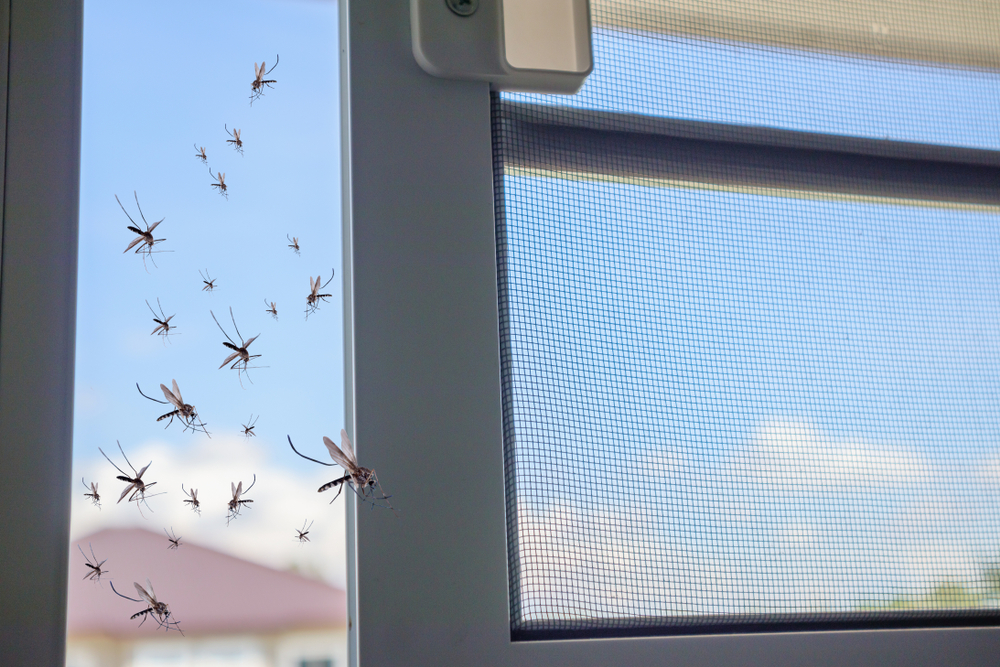
Species like the tiger mosquito are also more persistent and likely to bite through clothing, especially thin fabrics. Sheltering indoors is not a guarantee of avoidance; many mosquitoes enter homes willingly through open windows, doors, or screens in disrepair.
7. Preventive Measures: How to Avoid Muggenbites in Spain
Prevention is always more effective than cure. Adopting a multi-layered approach is the best way to minimize bites and reduce health risks.
7.1 Home and Property Protection
- Install Screens: All windows and doors should have well-fitted screens to prevent mosquito entry. Repair holes and gaps promptly.
- Eliminate Standing Water: Regularly empty or remove containers, flowerpots, birdbaths, and any item where water collects.
- Gardening and Landscaping: Keep grass short, trim shrubs, and remove clutter to minimize resting places for adult mosquitoes.
- Swimming Pools: Maintain pools and ponds with proper filtration and chemical levels to prevent larval growth.
- Use Outdoor Fans: Air movement discourages mosquitoes from congregating on patios and porches.
7.2 Personal Protection Strategies
- Repellents: Use a reputable mosquito repellent containing DEET, picaridin, or IR3535 on exposed skin and clothing.
- Protective Clothing: Wear long-sleeved shirts, long trousers, hats, and socks, especially at dawn, dusk, and in heavily infested areas. Choose light-colored clothing, as dark colors attract mosquitoes.
- Sleep Protection: In high-risk areas or when camping, use mosquito nets—especially over beds and bassinets for children and babies.
7.3 Environmental and Chemical Control
- Insecticides: Use indoor sprays against adult mosquitoes only when strictly necessary, following all safety instructions. Outdoor fogging is occasionally used by local authorities but is not recommended for private gardens without expert guidance.
- Biological Controls: Introduce larval-eating fish in garden ponds and encourage mosquito predators such as bats and dragonflies.
8. Smart Home Solutions for Mosquito-Free Living
Modern home technology provides innovative solutions to reduce mosquito exposure and maximize comfort, especially in regions prone to infestations.
8.1 Smart Mosquito Traps
Technological advances have produced traps that use attractants (such as CO2, light, and heat) to lure and eliminate mosquitoes. These traps are often more effective and environmentally responsible than chemical sprays.
8.2 Automated Screens and Window Systems
Motorized screens and automated window systems prevent mosquitoes from entering homes while allowing for ventilation. Smart sensors can detect open windows or doors and prompt reminders.
8.3 Mosquito-Repelling Smart Lighting
New lighting systems can emit light spectra that are less attractive to mosquitoes, combining ambiance with practicality.
9. Natural Remedies and Eco-Friendly Approaches
Many people seek environmentally-conscious strategies for mosquito control, especially in gardens or near pets and children.
9.1 Mosquito-Repellent Plants
- Citronella: The most famous mosquito-repellent plant, commonly used in candles and oils. Plant near sitting areas for modest local protection.
- Lavender: Prominent in warm-climate gardens, repels mosquitoes and attracts pollinators.
- Basil: Useful both in cooking and as a mosquito deterrent on patios and balconies.
- Marigold: The scent repels both mosquitoes and other common garden pests.
9.2 Essential Oils and DIY Sprays
Essential oils such as citronella, eucalyptus, tea tree, and lavender can be mixed with a carrier oil or alcohol to create topical or room sprays. Always test first to ensure no allergic reactions occur.
9.3 Eco-Friendly Traps and Habitat Modification
- Use homemade traps that attract mosquitoes with yeast or sugar and then drown them.
- Encourage mosquito-eating wildlife by installing birdhouses, insect hotels, or fish ponds.
- Limit watering or irrigation systems to early mornings where possible, allowing surfaces to dry through the day.
10. Mosquitoes and Real Estate: What Home Buyers and Renters Need to Know
Mosquito abundance and the ability to control them can influence quality of life and even property values in Spain, especially in high-demand coastal and rural regions.
10.1 Location Considerations
Potential buyers or renters should consider the proximity of a property to standing water, wetlands, irrigated farmland, and any dense vegetation. Properties closer to the sea, lakes, or rivers are more susceptible to higher seasonal mosquito populations.
10.2 Home Features for Mosquito Management
- Effective Screens: Ensure all openings have durable, close-knit screens.
- Patios and Pools: Look for good drainage, pool covers, and outdoor fans.
- Landscape Design: Favor plants and layouts that do not create hidden breeding sites.
- Water Management: Verify that gutters, drains, and receptacles are well-maintained.
10.3 Community Management and Local Authority Efforts
Some urbanizations and residential developments implement mosquito monitoring, larviciding, or communal fogging programs. Ask about any local initiatives designed to reduce nuisances and protect residents.
11. Muggen and Outdoor Living in Spain
Spending time outdoors is one of the joys of Spanish life—al fresco dining, socializing on terraces, and garden gatherings. Mosquitoes do not have to ruin these moments if planned properly.
11.1 Creating Mosquito-Free Outdoor Spaces
- Use outdoor fans, as mosquitoes have difficulty flying in wind.
- Consider screened-in porches or pergolas with mosquito netting, especially for outdoor dining.
- Arrange seating away from dense vegetation, water features, or compost heaps.
- Burn mosquito candles or install discreet traps around the perimeter.
11.2 Evening Entertainment and Lighting
Switch to yellow or sodium vapor lights outdoors, which are less attractive to mosquitoes than standard white or blue lights. String lights and lanterns add ambiance and practicality.
11.3 Water Features and Pools
- Keep water moving with fountains or pumps to discourage breeding.
- Perform regular maintenance and cleaning, including of filters and sumps.
- Cover pools and hot tubs when not in use, especially at night.
12. Traveling in Spain: Protecting Yourself from Muggen on the Move
Visitors touring Spain should consider local mosquito conditions in their preparation, especially when heading to coastal, rural, or island destinations during peak season.
12.1 Packing Essentials
- Mosquito repellent (DEET or picaridin-based for reliable protection).
- Loose-fitting, long-sleeved shirts and trousers for evenings and nature excursions.
- Portable mosquito nets or pop-up canopies for camping or rural stays.
12.2 Accommodations and Hotels
Choose lodgings with air conditioning and window screens whenever possible. At rural guest houses or farm stays, verify if mosquito nets are provided or bring your own.
12.3 Outdoor Attractions
Apply repellent before visiting wetlands, national parks, or archaeological sites, where mosquitoes may be more intense. Consider timing outdoor excursions for mid-morning or early afternoon, when many species are less active.
13. Mosquito-Borne Disease Surveillance and Public Health in Spain
Spain maintains a robust public health surveillance system, continually monitoring for changes in vector distribution and the appearance of mosquito-borne diseases.
13.1 Government Monitoring Programs
- Regional and municipal authorities routinely inspect known breeding sites and implement larval control measures where feasible.
- Outbreaks of West Nile virus or imported diseases rapidly trigger enhanced vector surveillance and control campaigns.
- Educational campaigns promote community cooperation in removing breeding sites, particularly after heavy rains.
13.2 Reporting Bites and Illness
Anyone experiencing unusual symptoms after mosquito exposure—such as prolonged fever, rash, joint pain, or severe headache—should consult a healthcare provider promptly and mention recent travel history.
14. Myths and Misconceptions About Muggen in Spain
Widespread misinformation can hinder effective mosquito control and foster unnecessary anxiety. Here are some common myths debunked:
- Your blood type or diet determines how much mosquitoes bite you: While attractiveness varies, scientific consensus attributes it mainly to carbon dioxide output, body temperature, and skin chemicals—not blood type or garlic intake.
- All mosquitoes in Spain carry dangerous diseases: The vast majority are merely a nuisance. Disease risk is low but evolving due to global changes.
- Ultrasonic repellent devices work: Most scientific studies show that commercial ultrasonic devices have minimal or no effect on repelling mosquitoes.
- Natural remedies are always safe: Some essential oils can cause skin reactions; always test products before use.
- Mosquitoes only bite in the countryside: Urban environments can have even higher mosquito densities due to standing water and heat islands.
15. Frequently Asked Questions (FAQs) About Muggen in Spain
The following section addresses some of the most frequently asked questions related to mosquitoes in Spain, offering expert guidance for residents and visitors.
- Are there any regions of Spain completely free of mosquitoes?
No; mosquitoes are present to varying extents throughout the country, including islands and high-altitude regions. However, colder areas and high-mountain zones have much lower populations. - Is it safe to go camping in Spain during summer?
Yes, as long as you use effective repellents and mosquito nets, particularly in wetland areas or near rivers and lakes. - Is air conditioning effective against mosquitoes?
Yes; mosquitoes avoid cold, dry, or moving air, so air conditioning in bedrooms or living spaces is a practical deterrent. - What should I do if I experience an allergic reaction to a bite?
Apply a cold compress, antihistamine cream, or oral antihistamine as needed. For severe reactions or persistent swelling, consult a doctor. - How are local authorities managing the spread of invasive mosquito species?
Authorities monitor, map, and treat breeding sites, conduct public education, and may implement community spraying or larvicide programs in affected areas. - Are pets at risk from mosquito bites in Spain?
Yes; dogs, cats, and horses are susceptible to diseases like heartworm (Dirofilaria immitis), which is transmitted by mosquitoes. Speak to your veterinarian about preventive measures. - Do bug zappers help?
Bug zappers are not highly effective for mosquitoes, as these insects are more attracted by CO2 than UV light. Traps that mimic breath and body temperature are more successful. - What’s the best way to treat a mosquito bite?
Clean the area with soap and water, avoid scratching, and use a topical anti-itch cream (calamine, hydrocortisone). Oral antihistamines can help reduce swelling. - Can mosquitoes breed indoors?
It is rare, but possible if there are containers of standing water inside the home—such as in plant saucers or blocked drains. Regular inspection is advised. - Has climate change increased mosquito problems in Spain?
Yes; warmer temperatures and changing rainfall patterns have extended the breeding season and enabled the spread of invasive species like the tiger mosquito.
16. Adapting Your Routine: Living Comfortably With Muggen in Spain
Over time, most residents develop routines and habits that keep mosquito problems manageable.
16.1 Daily Rituals for Prevention
- Apply repellent before outdoor activities, especially at sunrise and sunset.
- Check screens and seal openings at least once per month, especially in spring and summer.
- Empty or refresh pet water bowls and birdbaths daily.
16.2 Children's Activities
Children are especially prone to bites, so use child-safe repellents (consult pharmacist), dress them in protective clothing, and check for bites regularly. Educate them about not scratching and basic bite care.
16.3 Social Gatherings
For outdoor barbecues or evening parties, provide repellents for guests, create breeze with fans, and light mosquito-repelling candles. Spray seating and table legs lightly with repellent as an added measure.
17. Future Trends: Mosquito Control in a Changing Spain
Population movements, climate change, and evolving technologies are shaping how Spain addresses the issue of muggen.
17.1 Urbanization and Vector Management
More people living in peri-urban or suburban environments close to natural habitats will require integrated pest management strategies that balance comfort, health, and ecosystem preservation.
17.2 Innovations in Mosquito Surveillance
Drones and smart sensors are being deployed for larval habitat mapping and targeted interventions, greatly increasing the efficiency of control programs. Future developments may include genetically modified mosquitoes and microbial controls.
17.3 Public Project Initiatives
Citizens are increasingly drawn into participatory science projects—reporting sightings, counting larvae, and providing feedback to authorities. This collaborative approach aids rapid response and education.
18. Summary and Best Practices
Mosquitoes are an inescapable part of life in most of Spain, but with knowledge and preparation, their impact can be minimized both at home and on the move. The main strategies for living comfortably include:
- Understanding local species and their habits
- Eliminating standing water and habitat management
- Installing and maintaining effective barriers (screens, nets)
- Using personal protection (repellents, clothing, nets)
- Embracing modern technology for mosquito monitoring and removal
- Supporting public health campaigns and reporting unusual outbreaks or bite illnesses
Finally, remember that a balance of vigilance and adaptation will secure both health and enjoyment of Spain's unrivaled outdoor lifestyle. With careful, informed strategies, you can make the most of your time in Spain, free from the worst mosquito hassles.
19. Appendix: Recommended Products and Solutions
There is a growing market of effective products tailored for Spanish climates and environments.
- Repellents: Look for those containing 20-30% DEET, picaridin, or IR3535 for reliable effect. Lower concentrations are suitable for children.
- Mosquito Nets: Available in all sizes, including travel nets and pop-up cribs for infants.
- Fans and Air Circulators: For patios, terraces, and verandas—essential for outdoor comfort.
- Traps: CO2 and octenol-based or UV beacon systems for home and commercial use (consult supplier for optimal placement).
- Natural repellents: Essential oil blends and citronella candles for outdoor seating areas.
- Screens: Custom-fit for windows, doors, and balconies—high-quality mesh that resists tears and UV damage.
- Outdoor lighting: Low-attraction lighting to minimize mosquito presence after dark.
- Garden tools: Water pumps, pond skimmers, and gutter cleaners for regular maintenance.
20. Conclusion
Muggen in Spain—while sometimes challenging—need not overshadow the joys of Spanish living, whether you are savoring summer evenings on the coast, investing in property, or simply enjoying nature and tradition. With careful preparation and current knowledge, individuals and communities can practically eliminate most of the nuisance and all but the smallest health risks associated with Spanish mosquitoes. Stay proactive, stay comfortable, and enjoy the unparalleled lifestyle that Spain provides.
For tailored advice or to discover more about homes and locations in Spain, reach out to IMMO ABROAD's expert team—helping you enjoy the country’s best in comfort and security.